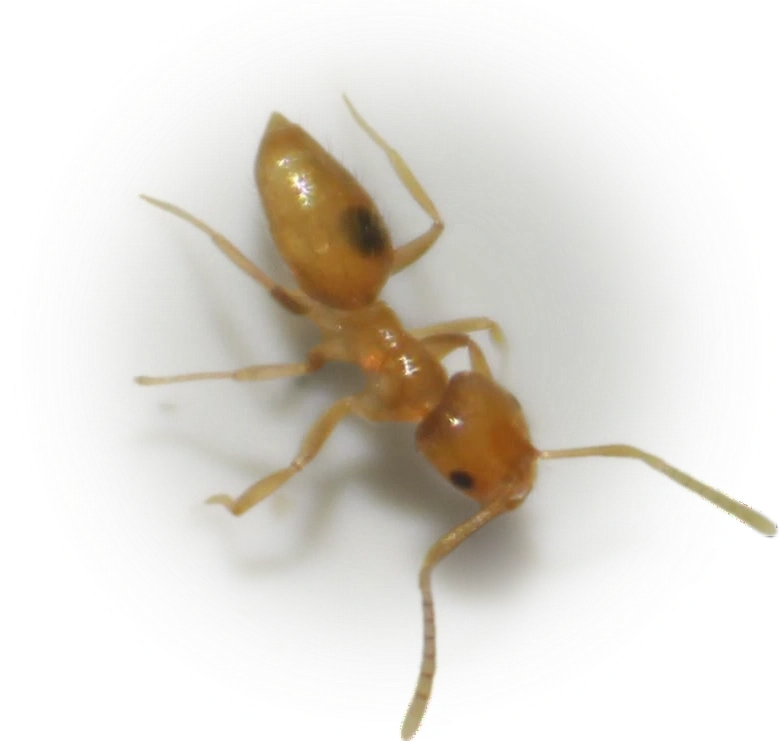
Hairy Yellow Rover Ant
Brachymyrmex minutus
- Sci. Name
- Brachymyrmex minutus
- Tribe
- Myrmelachistini
- Subfamily
- Formicinae
- Author
- Forel, 1893
- Common Name
- Hairy Yellow Rover Ant
- Distribution
- Found in 7 countries
Introduction
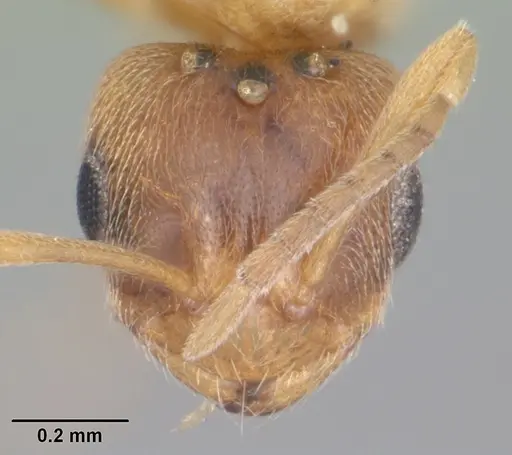
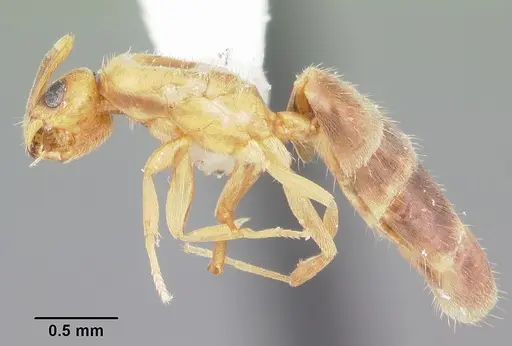
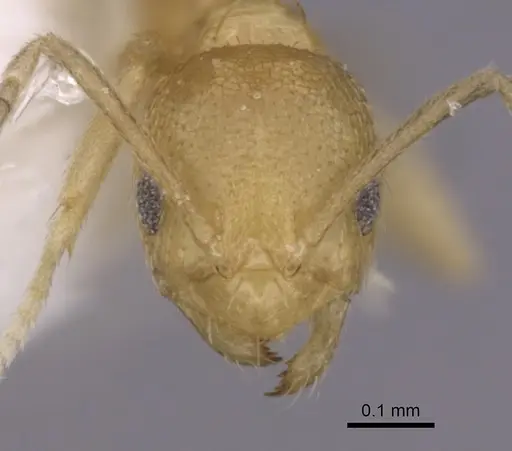
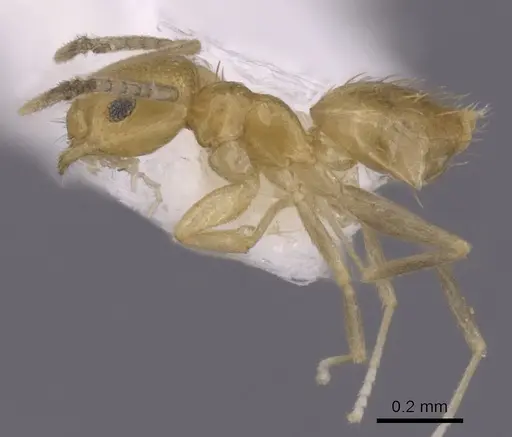
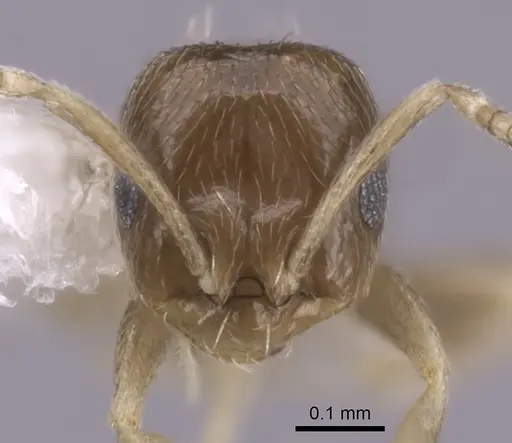
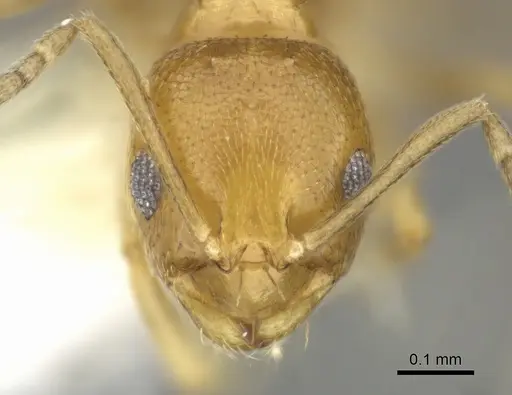
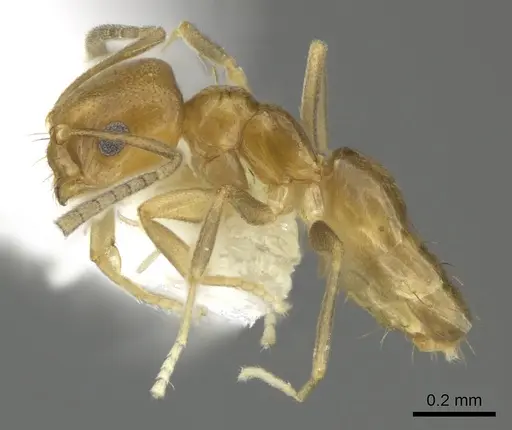
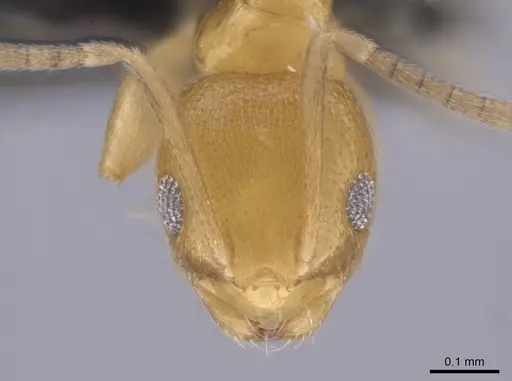
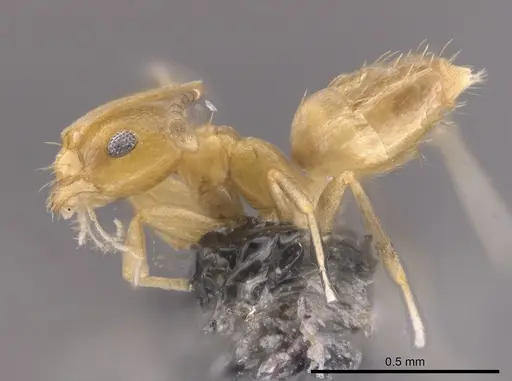
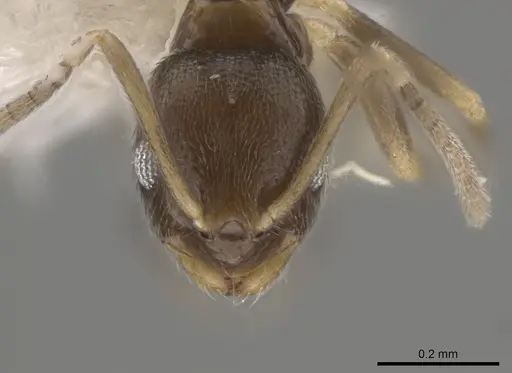
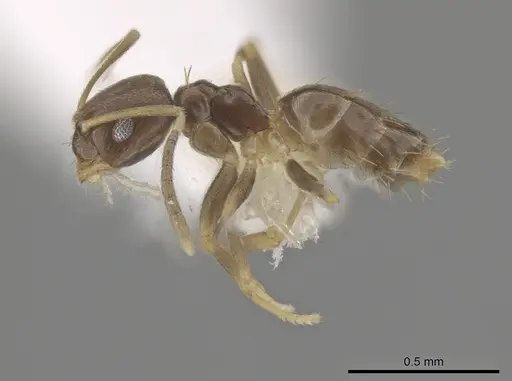
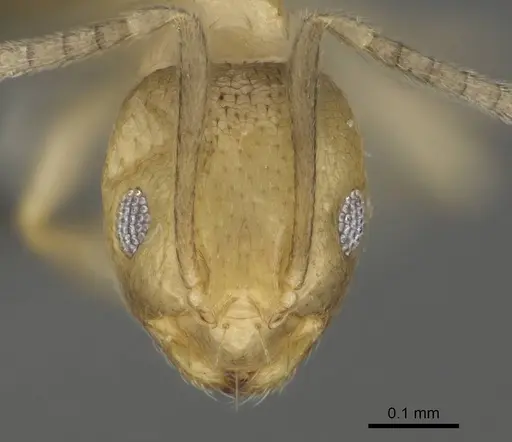
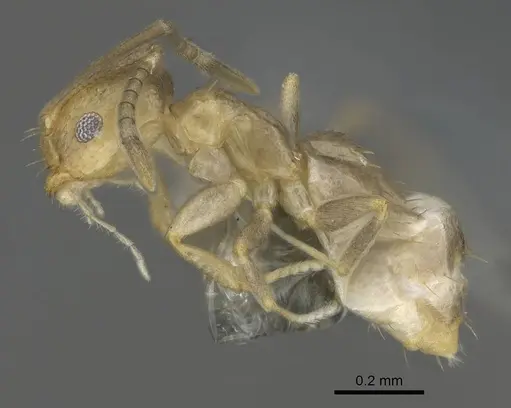
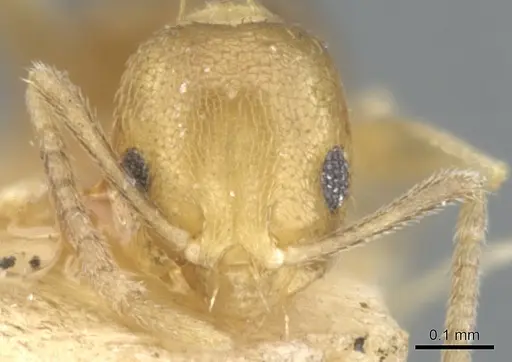
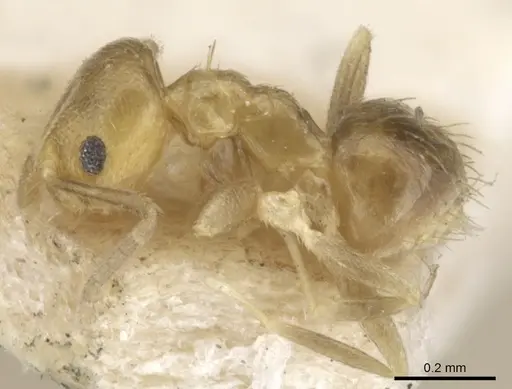
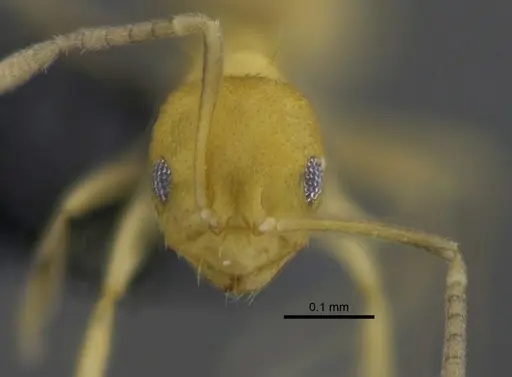
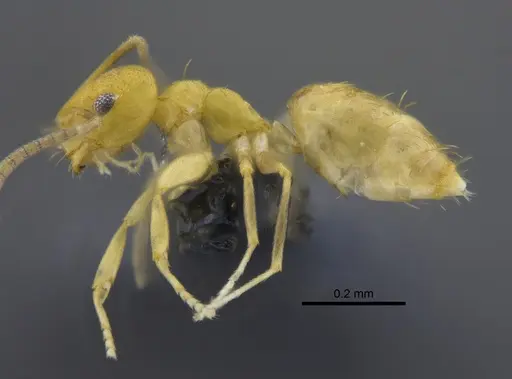
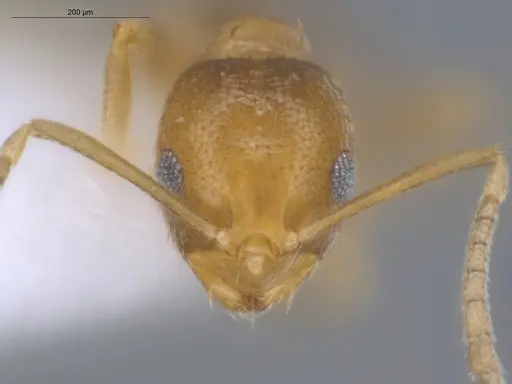
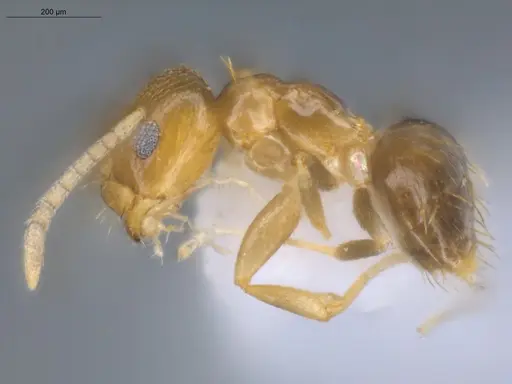
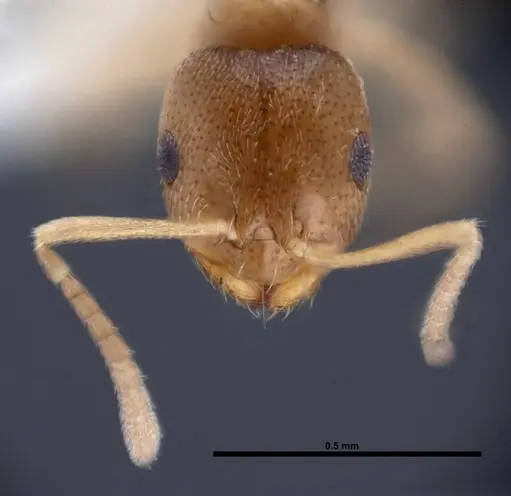
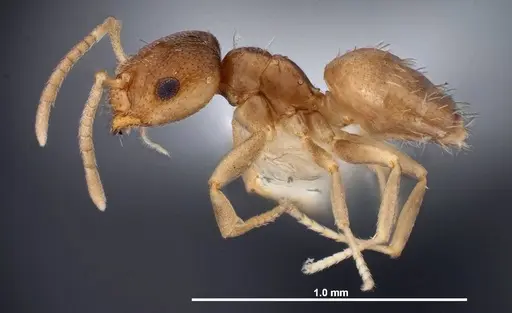
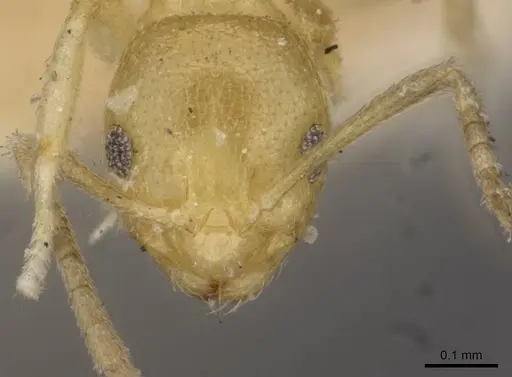
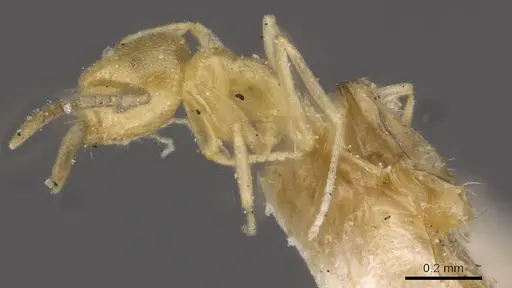
Brachymyrmex minutus is a tiny yellow ant (sometimes reddish) native to the Neotropics, ranging from Mexico through Central America, the Caribbean, and into South America. Workers are very small - size data is limited to head measurements in scientific literature, but the genus suggests workers are around 2mm or smaller. They have a distinctive appearance with two erect hairs on the pronotum and a nearly invisible mesometanotal suture that makes the mesonotum and metanotum appear fused . This species was first described from St. Vincent in the West Indies by Forel in 1893 . In Florida, this is considered a human introduction from the West Indies, found in tropical hammocks in Dade and Monroe counties [AntWiki]. Colonies are small, typically containing 50-100 workers with a single queen, and they nest underground at the roots of sod or in leaf litter, often in forested areas near streams .
Quick Summary
- Difficulty: Easy
- Origin & Habitat: Native to the Neotropics (Bolivia, Brazil, Colombia, Costa Rica, Cuba, Dominican Republic, Ecuador, French Guiana, Guatemala, Mexico, Panama, Paraguay, Peru, Suriname, Venezuela). Introduced in Florida. Nests in leaf litter, under sod roots in forested areas near streams [1][2][4][5].
- Colony Type: Monogyne, single queen colonies with approximately 50-100 workers [1][2].
- Size & Growth:
- Queen: Size data unavailable, no total body measurements exist for this species. Based on Brachymyrmex genus patterns, queen is likely slightly larger than workers.
- Worker: Size data unavailable, scientific literature only provides head measurements (HW 0.32-0.36mm). Based on Brachymyrmex genus patterns, workers are likely around 2mm total length.
- Colony: Up to 100 workers [1][2]
- Growth: Moderate
- Development: Unconfirmed, development timeline has not been directly studied for this species. (Monitor your colony for development cues.)
- Antkeeping:
- Temperature: Keep at 24-28°C. This is a tropical species native to Central and South America and the Caribbean, so they need warm conditions. A heating cable on one side of the nest creates a suitable gradient.
- Humidity: Keep moderately humid. They nest in leaf litter and near streams in the wild, so aim for 60-80% humidity. Provide a water tube but avoid oversaturation.
- Diapause: No, as a tropical species, they do not require hibernation. Keep them warm year-round.
- Nesting: These tiny ants do well in small setups like test tubes or small nests. Because they nest in leaf litter and under sod, a naturalistic setup with moist substrate or a small Y-tong/plaster nest works well. Keep chambers small and tight, they're tiny ants.
- Behavior: This is a cryptic, docile species that forages in leaf litter and upper soil layers. They are not aggressive and rarely sting. Their small size means they can escape through tiny gaps, excellent escape prevention is essential. They are diurnal in agricultural areas and show shared activity patterns in forest habitats [6]. As a CRYPTIC functional group species, they prefer to stay hidden and are not bold foragers [7].
- Common Issues: escape prevention is critical, they are tiny and can squeeze through standard mesh., small colony size means slower population growth than larger ants., wild-caught colonies may have parasites given their cryptic nesting habits., they prefer to stay hidden, don't be alarmed if you rarely see foragers outside the nest., overfeeding can cause mold issues in small nests, remove uneaten food promptly.
Nest Preferences
In the wild, Brachymyrmex minutus nests underground at the roots of sod, typically in forests or near streams. Their nests consist of large tunnels with small chambers at intervals [1][2]. In Florida, they've been found nesting in leaf litter in tropical hammocks [5]. For captivity, small nests work best since colonies only reach about 100 workers. A test tube setup works well for founding colonies, or a small plaster nest for established colonies. Keep the nesting area dark and quiet, these are cryptic ants that prefer to stay hidden. The substrate should be kept moderately moist but not waterlogged.
Feeding and Diet
Based on their CRYPTIC functional group classification and habitat in leaf litter, these ants likely feed on small arthropods, honeydew, and nectar. In Puerto Rico, they were recorded as foragers in agricultural land and forest habitats [6]. Feed them small protein sources like fruit flies, tiny crickets, or mealworm pieces. They will likely accept sugar water or honey as well. Since they're small and cryptic, offer food in small amounts and remove any uneaten portions to prevent mold in their modest nests.
Temperature and Care
As a tropical species from the Neotropics, Brachymyrmex minutus needs warm temperatures. Keep the nest at 24-28°C. In their native range, they tolerate high temperatures, in Puerto Rico studies, they showed mean temperature tolerance of 17.6-18.5 minutes at 45°C exposure [6]. Use a heating cable on one side of the nest to create a gentle gradient, placing it on top of the nest material to avoid evaporating moisture. No hibernation or diapause is needed, keep them warm year-round. Avoid temperature drops below 20°C.
Behavior and Temperament
These are docile, non-aggressive ants that prefer to stay hidden. They are classified as CRYPTIC functional group, meaning they avoid open foraging and prefer covered microhabitats [7]. Workers are diurnal in agricultural areas and show flexible activity patterns in forests [6]. They are typically found in the second layer of forest litter [6]. They do not sting and pose no danger to keepers. The main consideration is their tiny size, they can escape through gaps that larger ants cannot pass. Use fine mesh barriers and ensure all openings are sealed. Despite being small, they are active and will maintain a visible presence in their nest area.
Colony Development
Colonies reach approximately 50-100 workers with a single queen [1][2]. This is a small colony size, so growth will be moderate compared to larger ant species. The founding process has not been directly studied for this species. First workers (nanitics) will be small, matching the already tiny adult workers. Development timeline is unconfirmed, monitor your colony for development cues.
Frequently Asked Questions
How long does it take for Brachymyrmex minutus to produce first workers?
Development timeline has not been directly studied for this species. Monitor your colony for development cues.
Can I keep Brachymyrmex minutus in a test tube?
Yes, test tubes work well for founding colonies. These are tiny ants with small colony sizes, so a test tube setup is appropriate for starting colonies. Ensure the cotton is packed firmly to prevent escapes.
What do Brachymyrmex minutus eat?
Based on their cryptic lifestyle, they likely accept small protein sources like fruit flies, tiny insects, and honeydew/sugar water. Offer small amounts of protein and sugar sources and remove uneaten food.
How big do Brachymyrmex minutus colonies get?
Colonies reach approximately 50-100 workers with a single queen. This is a small colony size compared to many ant species.
Do Brachymyrmex minutus need hibernation?
No, they are a tropical species and do not require hibernation. Keep them warm year-round at 24-28°C.
Are Brachymyrmex minutus good for beginners?
Yes, they are considered an easy species to keep. They are docile, don't require hibernation, and have modest care requirements. The main challenge is their tiny size requiring good escape prevention.
Why can't I see my Brachymyrmex minutus foragers?
This is a CRYPTIC species that prefers to stay hidden in leaf litter and underground. They are not bold foragers, so seeing fewer workers outside the nest is normal. Check the nest chambers gently to observe the colony.
When should I move my colony to a formicarium?
Move to a small formicarium or larger test tube setup once the colony reaches 30-50 workers. They don't need large spaces given their modest colony size.
Report an Issue
The current care sheet is based fully on literature. See inconsistencies, or something that's incorrect? Please , it will be resolved after review from an admin. Contributing to the blogs tab also helps providing information, to make us be able to further improve the caresheets. Thank you for your support!
References

This caresheet is licensed under CC BY-SA 4.0 .
Community Blogs
CASENT0103625
View on AntWeb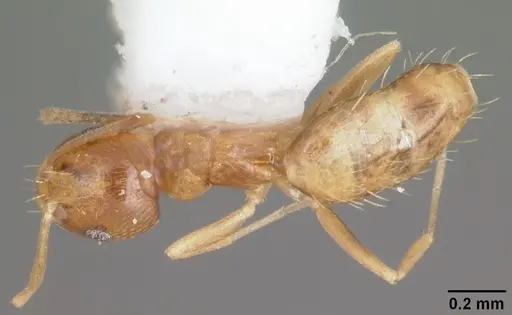
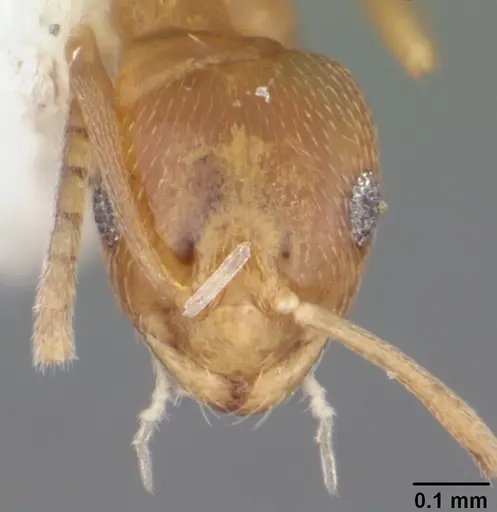
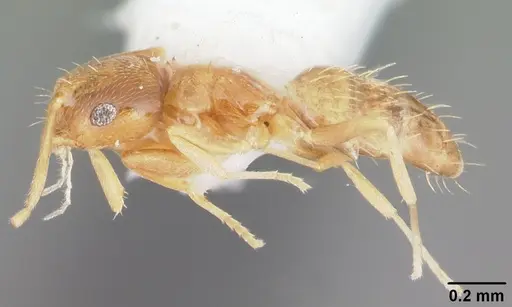
CASENT0103626
View on AntWeb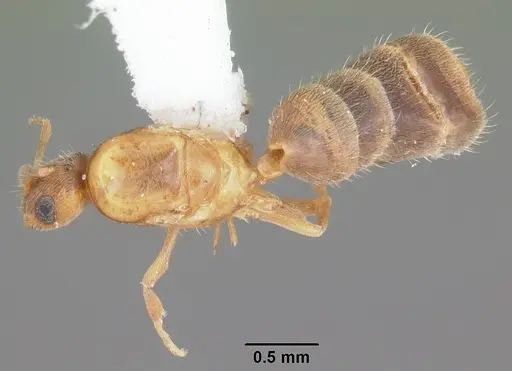
CASENT0249946
View on AntWeb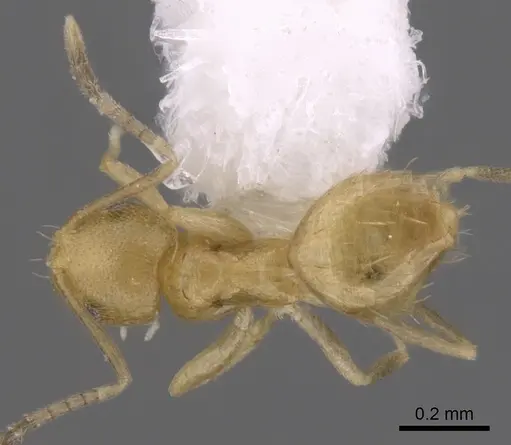
CASENT0249947
View on AntWeb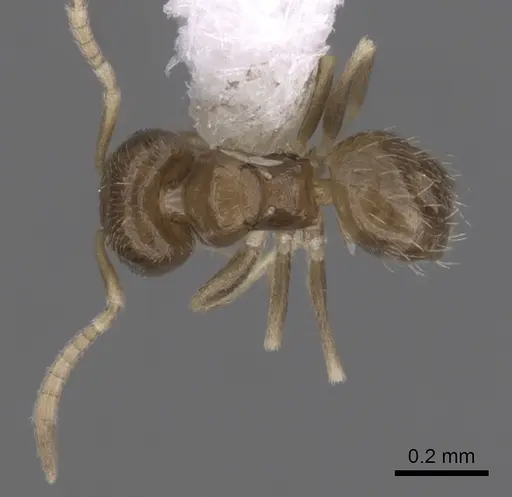
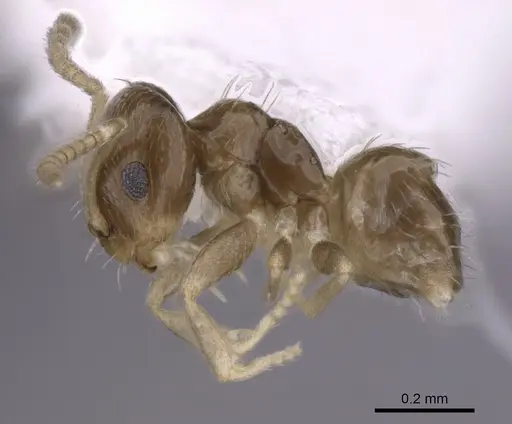
CASENT0602019
View on AntWeb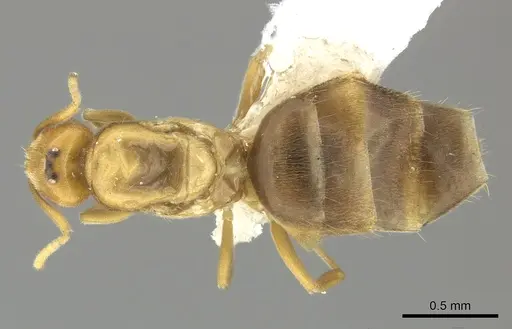
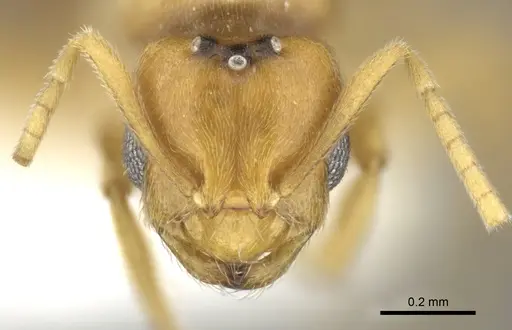
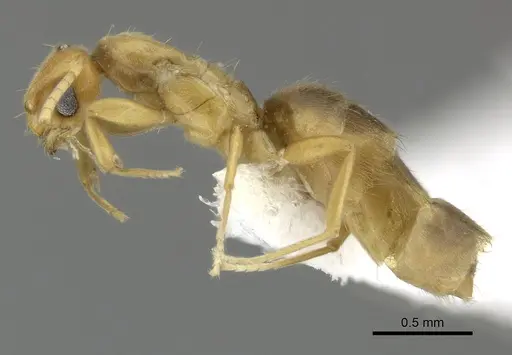
CASENT0602037
View on AntWeb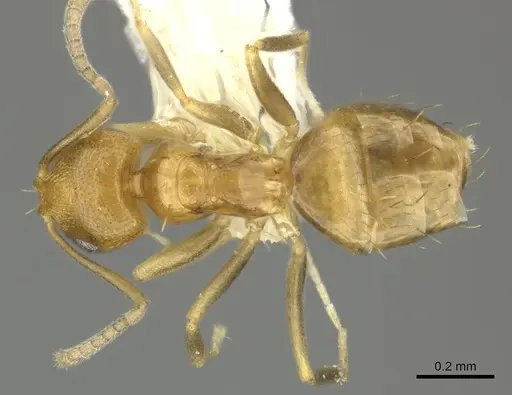
CASENT0653681
View on AntWeb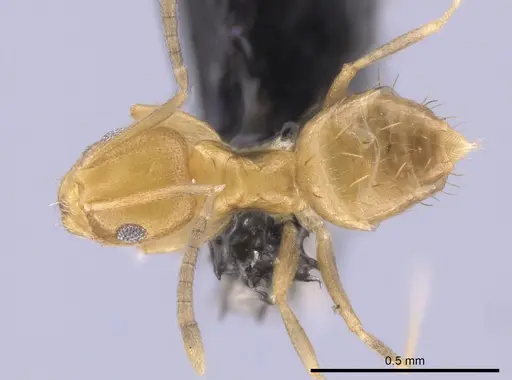
CASENT0653714
View on AntWeb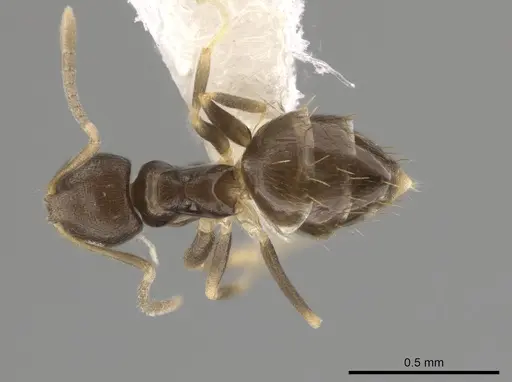
CASENT0767579
View on AntWeb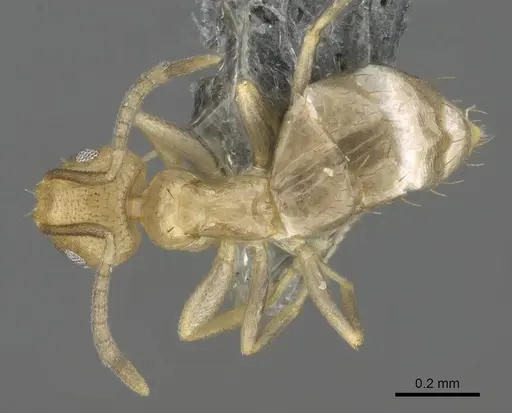
CASENT0903121
View on AntWeb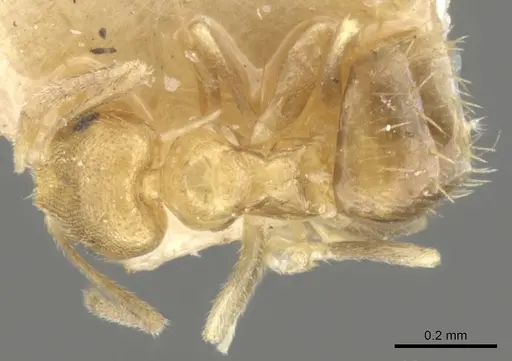
CBUMAGENT41829
View on AntWeb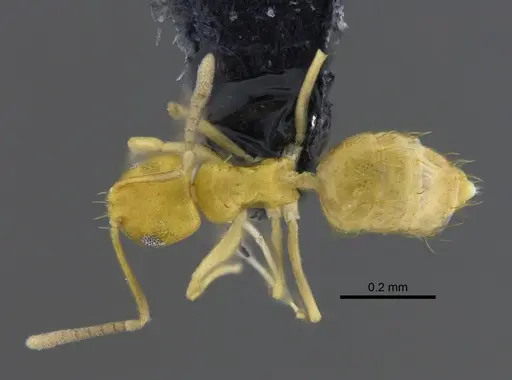
ECOFOG-BOUM-0021-12
View on AntWeb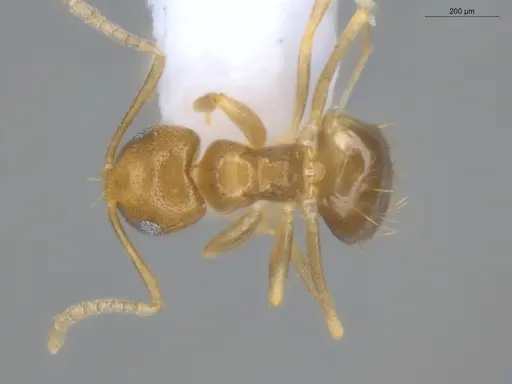
FMNHINS0000088667
View on AntWeb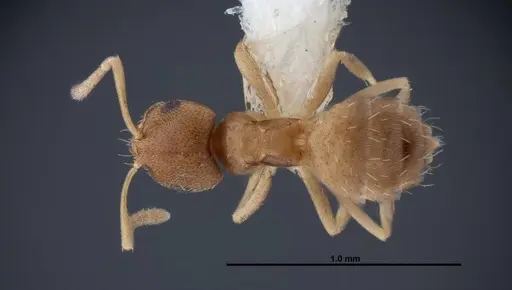
USNMENT00757150
View on AntWeb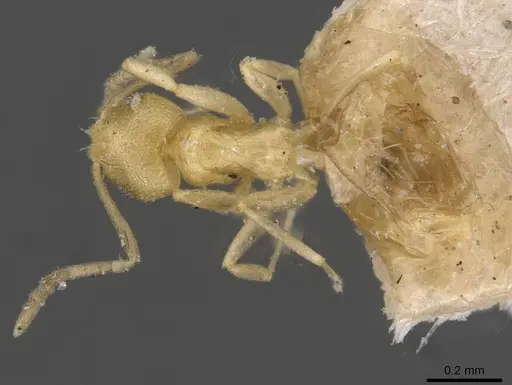
Literature
Loading distribution map...Loading products...