
Brachymyrmex heeri
- Sci. Name
- Brachymyrmex heeri
- Tribe
- Myrmelachistini
- Subfamily
- Formicinae
- Author
- Forel, 1874
- Distribution
- Found in 9 countries
Introduction
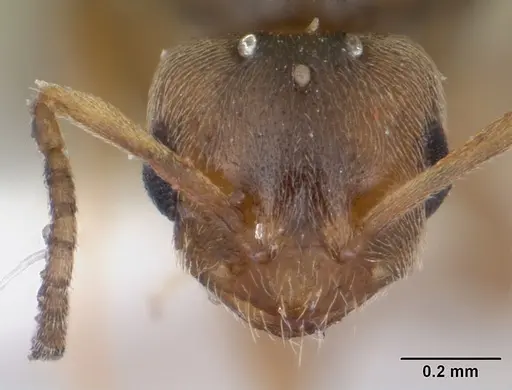
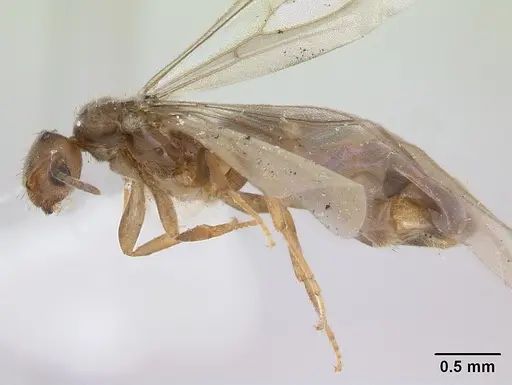
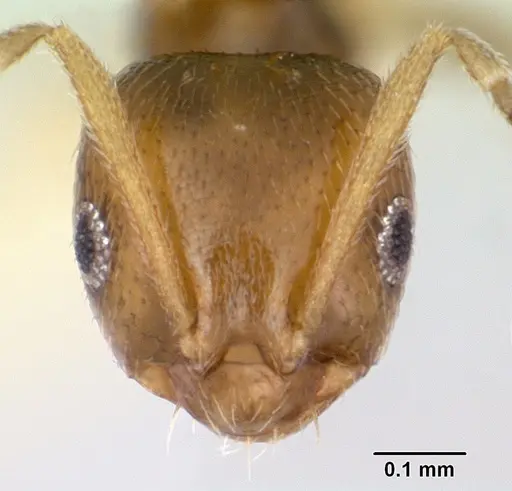
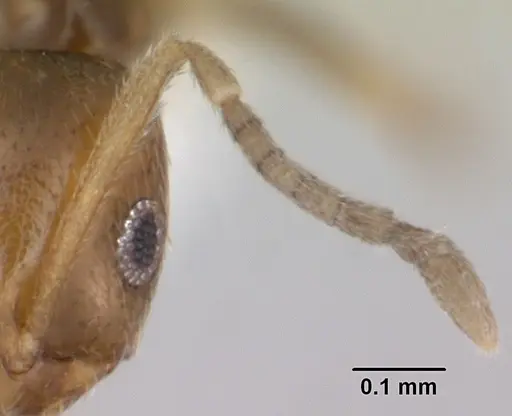
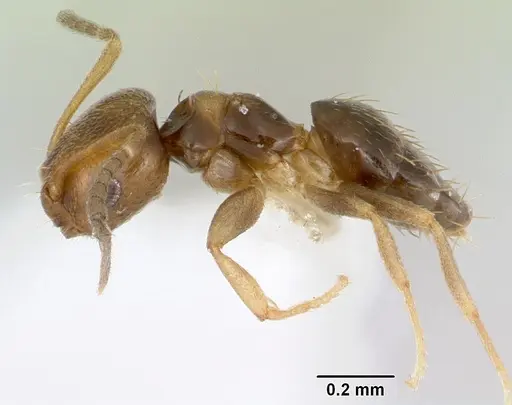
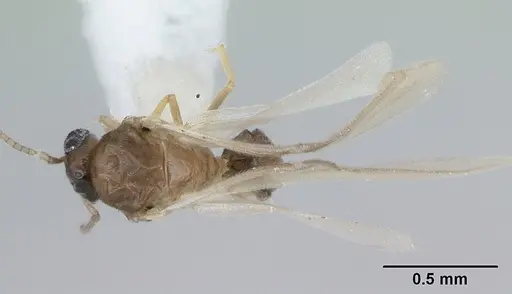
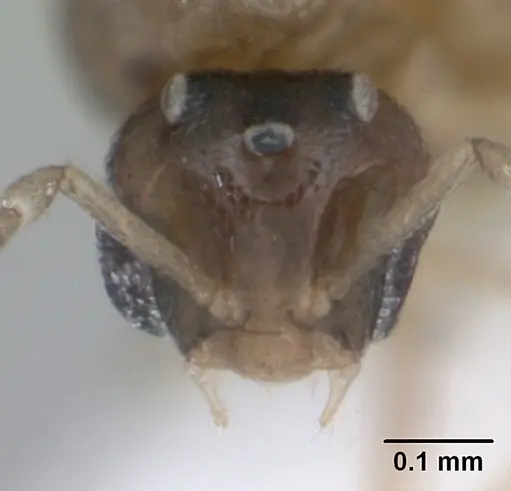
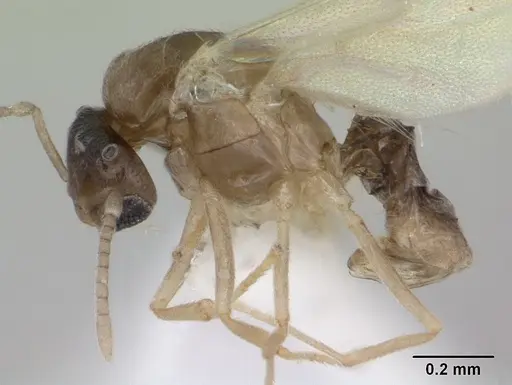
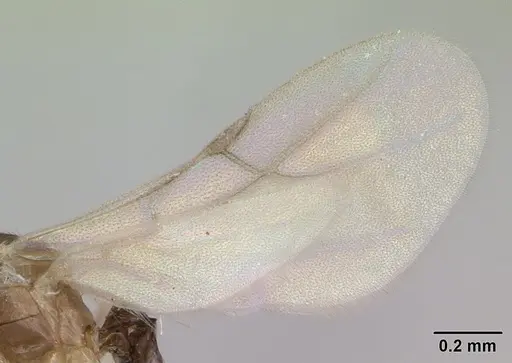
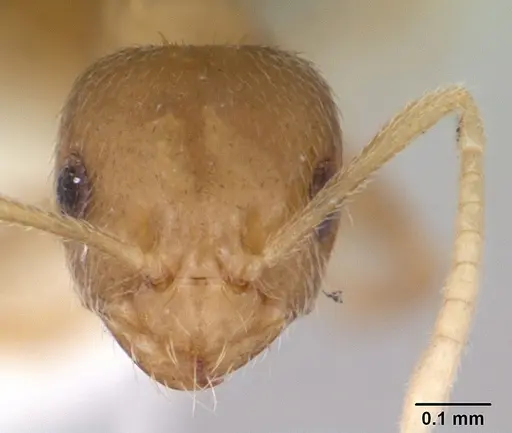
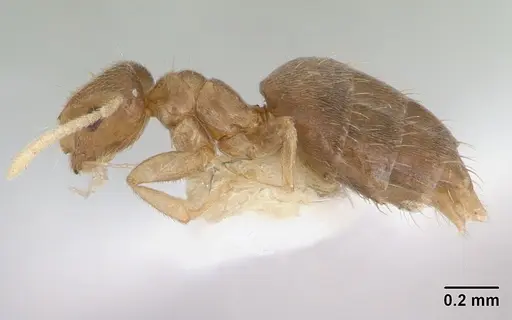
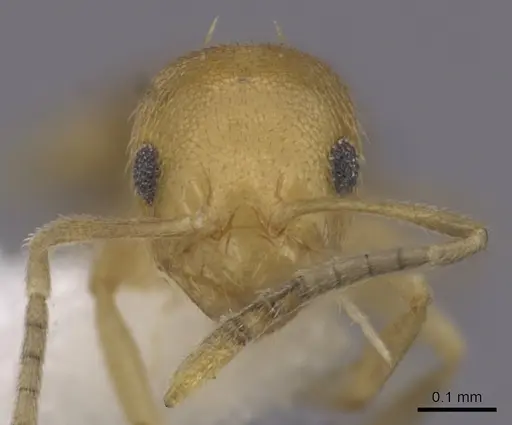
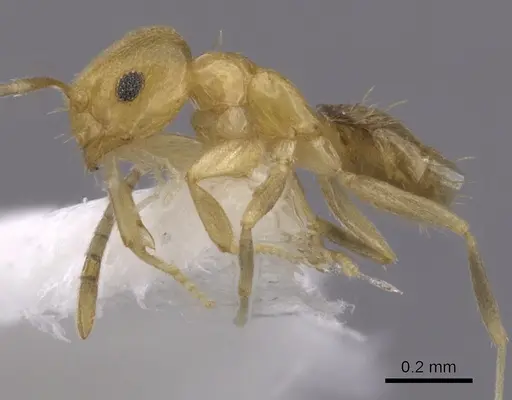
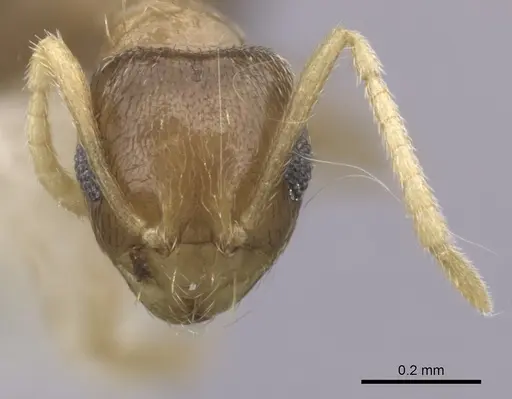
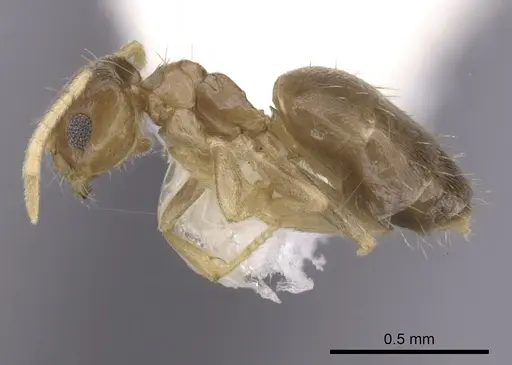
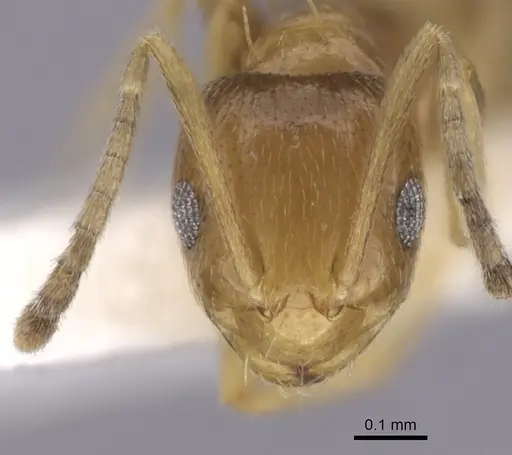
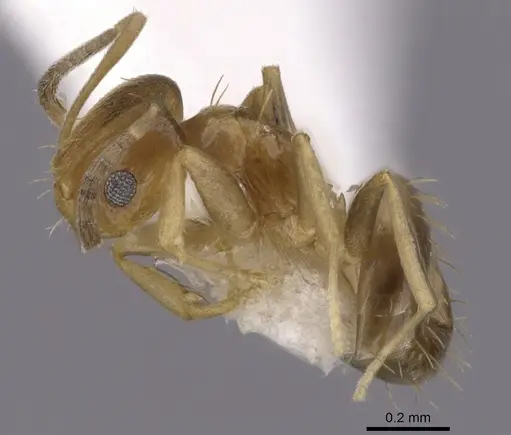
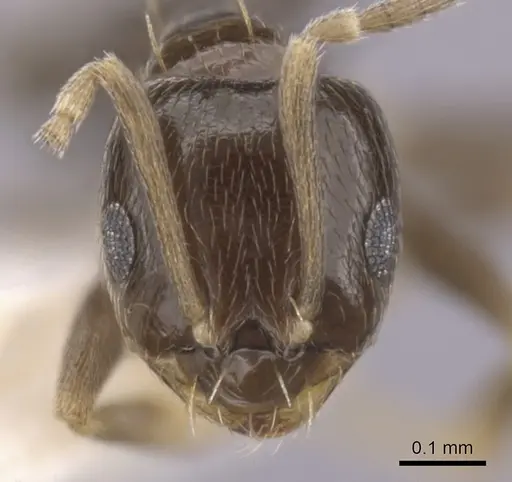
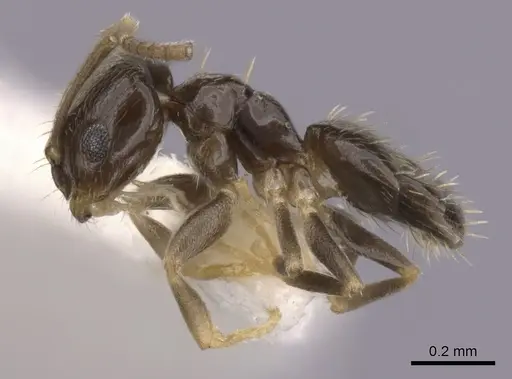
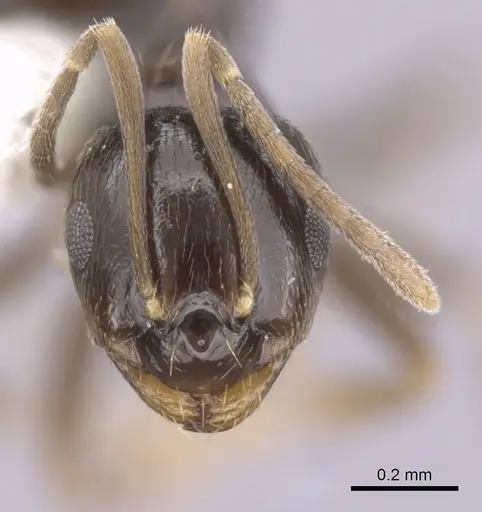
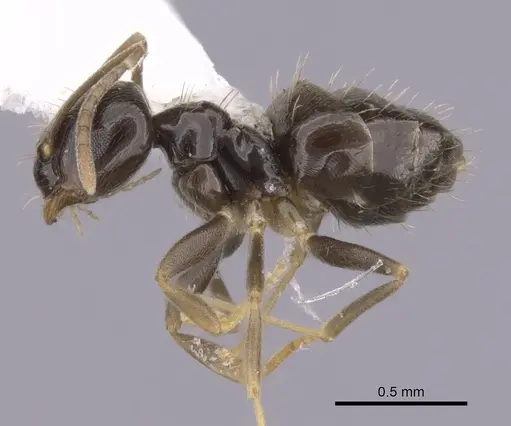
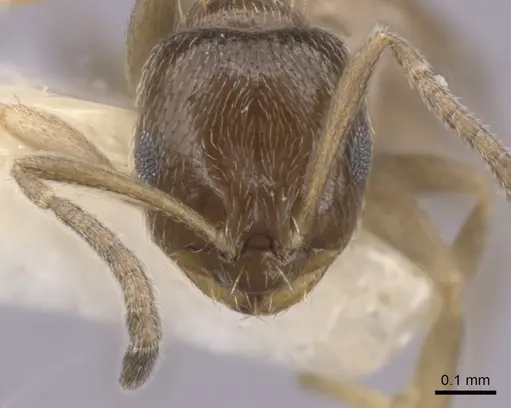
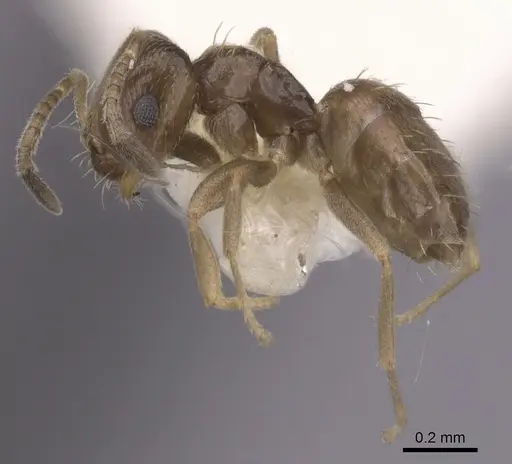
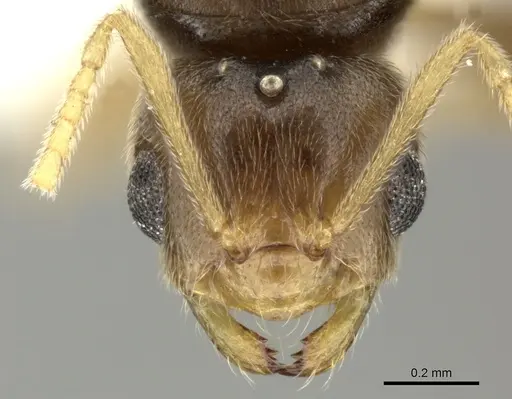
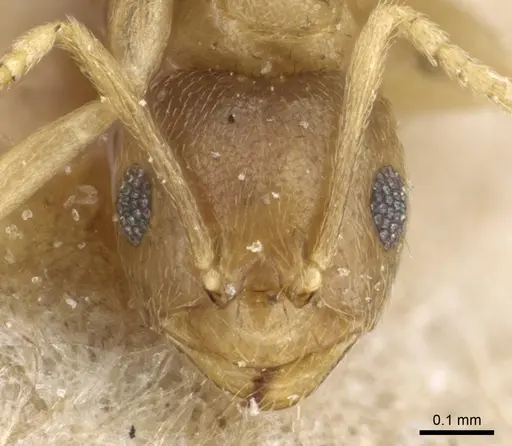
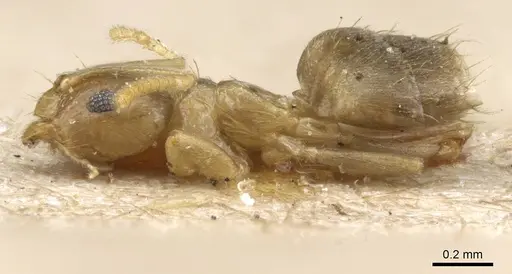
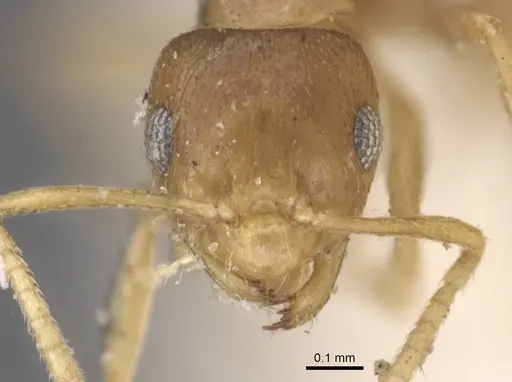
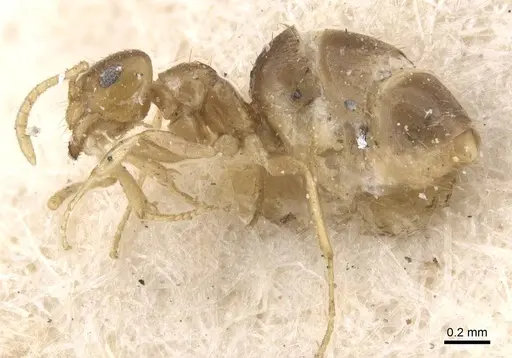
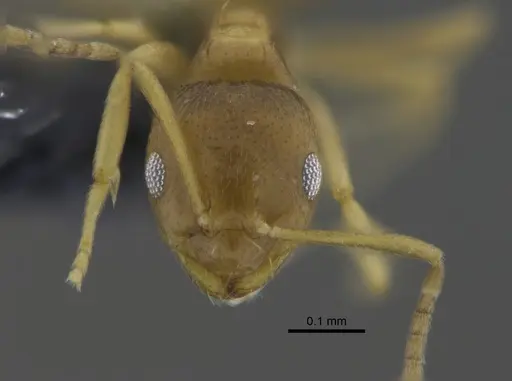
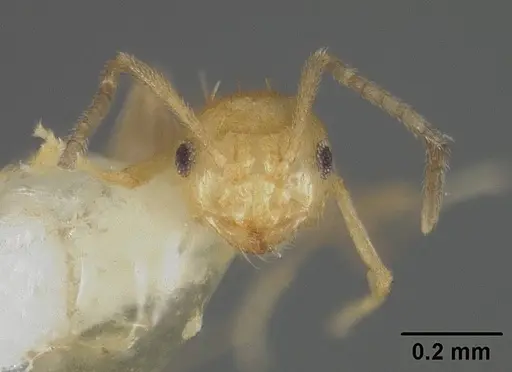
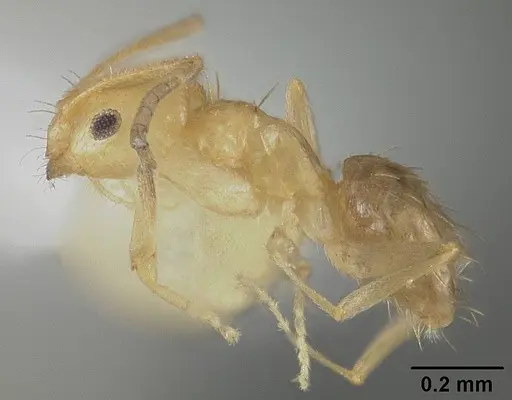
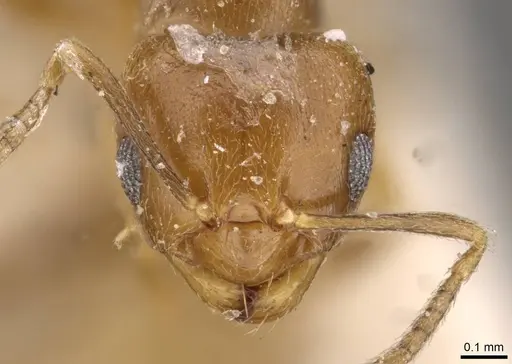
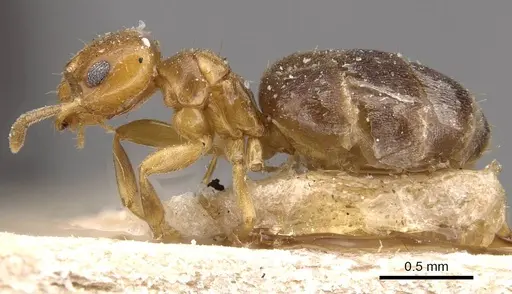
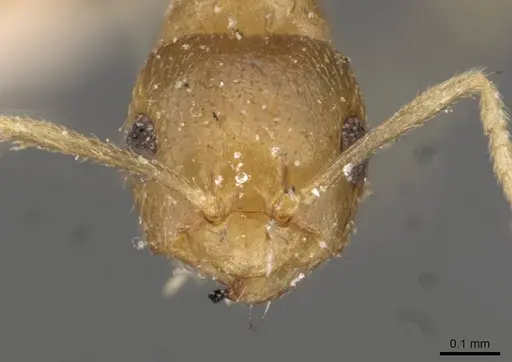
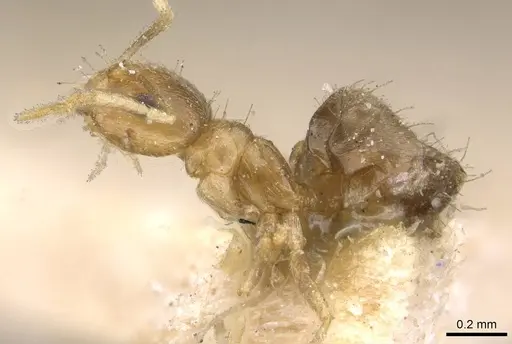
Brachymyrmex heeri is a tiny ant native to Central and South America and the Caribbean. Workers measure just 1.2–2 mm with a yellowish to brown body, nine-segmented antennae, and no defined antennal club . This species has an unusual history, it was first described from specimens collected in a tropical orchid greenhouse in Switzerland in 1874,making it one of the first ant species documented as introduced to Europe through the plant trade . Colonies are polygynous (multiple queens live together in the same nest), though some bamboo-nesting colonies are monogynous (single queen) . Workers are omnivorous opportunists that frequently tend aphids and scale insects for honeydew . They nest under stones, in soil, in bamboo, and in disturbed areas . Some colonies produce physogastric workers, worker-like ants with greatly expanded abdomens that hang from nest ceilings, similar to honey pot ants .
Quick Summary
- Difficulty: Expert
- Origin & Habitat: Native to Central America, South America, and the Caribbean. Introduced to parts of Europe (Switzerland, Ukraine, France), the Galapagos Islands, and Hawaii [1][2][5]. Found in disturbed areas, synanthropic habitats, gardens, parks, agricultural land, and greenhouses [1][2].
- Colony Type: Facultatively polygynous, multiple dealate queens often occur together in nests [1]. However, some bamboo-nesting colonies are monogynous with a single queen [4], suggesting flexible colony structure.
- Size & Growth:
- Queen: Size data unavailable, inferred from genus Brachymyrmex as approximately 3–3.5 mm.
- Worker: 1.2–2 mm [1][2].
- Colony: Unknown, estimated up to several hundred workers based on similar species.
- Growth: Unknown (no direct data for this species).
- Development: Unknown, no direct data available for this species. (Development likely faster than temperate species due to tropical origin, but no published timelines.)
- Antkeeping:
- Temperature: Keep warm,22–28°C is ideal for this tropical species. Avoid prolonged temperatures below 18°C [2].
- Humidity: Provide a moisture gradient in the nest. Keep one area slightly moist but not waterlogged. The species occurs in both dry and moist soils, so offering a choice works best [1][6].
- Diapause: No, as a tropical species, they do not require hibernation. They may slow down in cooler temperatures but remain active year-round [2].
- Nesting: They nest under stones, in soil, and in bamboo. In captivity, a test tube setup or small formicarium with soil or plaster works well. They prefer tight, enclosed chambers.
- Behavior: Workers are tiny (1.2–2 mm), non-aggressive (described as non-aggressive in literature [7]), and omnivorous. They forage both on the ground and in vegetation, commonly tending aphids for honeydew [1][8]. They do not sting and are harmless to keepers. Their small size makes escape prevention critical, they can slip through gaps smaller than 1 mm. Some colonies produce physogastric (honey pot) workers [2].
- Common Issues: tiny size means escapes are likely without very fine mesh barriers, this species is introduced in non-native regions (Europe, Galapagos, Hawaii), WARNING: It is considered a tramp species. Prevent ALL escapes as it can establish in new areas and become invasive [2][5]., as a tropical species, they may not tolerate temperatures below 18°C [2], wild-caught colonies may carry parasites or have unknown founding status, multiple queens may show initial aggression when combined, monitor during setup
Housing and Nest Preferences
Brachymyrmex heeri nests in a variety of microhabitats: under stones, in soil, in bamboo nodes, and in plant cavities [1][4]. In captive care, a simple test tube setup works well for founding colonies. Once established, they can be moved to a small formicarium with tight chambers, soil, plaster, or 3D-printed nests are suitable. Because of their tiny size (1.2–2 mm), ensure all openings are sealed with fine mesh (gaps no larger than 0.5 mm) and use barriers like fluon on outworld rims. They prefer warm conditions (22–28°C) and a moisture gradient in the nest substrate [2]. This species is introduced in non-native areas, so extreme care must be taken to prevent escapes [2].
Feeding and Diet
Workers are omnivorous and opportunistic. In the wild, they commonly tend aphids, mealybugs, and scale insects for honeydew [1][8]. They also forage on flower nectar and small prey [8]. In captivity, provide a mix of sugar water or honey (for carbohydrates) and small protein sources like fruit flies, pinhead crickets, or other tiny insects. They will readily accept both sweet protein foods. Feed small amounts every few days, removing uneaten food to prevent mold. Because workers are so small, portions should be tiny, a drop of sugar water and one or two small prey items is sufficient.
Temperature and Seasonal Care
As a tropical species, Brachymyrmex heeri prefers warm conditions. Keep them at 22–28°C for optimal activity and brood development [2]. They do not require a diapause or hibernation period like temperate species. However, they can tolerate brief periods at lower temperatures and are even found in greenhouses in cooler climates like Switzerland [2]. If your room temperature stays above 20°C year-round, no special seasonal adjustments are needed. Avoid placing the colony near cold drafts or air conditioning vents.
Colony Structure and Behavior
This species is polygynous, with multiple dealate queens often coexisting in a nest [1]. However, some bamboo-nesting colonies are monogynous with a single queen [4], indicating flexible social structure. Workers are small (1.2–2 mm), soft-bodied, and completely harmless, they have no functional stingers and are not aggressive [7]. They forage actively both on the ground and in vegetation, climbing plants to tend aphids and other honeydew-producing insects [8]. A notable trait is the presence of physogastric workers: worker-like individuals with a strongly expanded gaster that hang from nest ceilings, serving as living food stores (honey pot ants) [2]. This adaptation may help colonies survive periods of food scarcity [2]. The species is not aggressive and poses no threat to keepers or other ant colonies.
Escape Prevention and Invasive Status
Due to their very small size (1.2–2 mm), excellent escape prevention is essential. These ants can squeeze through gaps that would hold back larger species. Use fine mesh (less than 0.5 mm openings) on ventilation holes, ensure all connections are tight, and consider using a barrier like fluon around the outworld perimeter. Test tube setups should have well-fitted cotton stoppers. Check your setup regularly for any tiny gaps. WARNING: Brachymyrmex heeri is an introduced species in Europe, the Galapagos Islands, and Hawaii [2][5]. It is considered a tramp species and should NOT be kept in regions where it is not native unless under strict containment. If you are in a region where it is non-native, extreme precautions must be taken to prevent any escape, as established populations can cause ecological disturbance.
Physogastry and Honey Pot Workers
Some colonies of Brachymyrmex heeri produce physogastric workers, individuals with a strongly expanded gaster, similar to honey pot ants [2]. These workers hang from the ceiling of nest chambers and act as living food stores, storing liquid food in their abdomens [2]. This phenomenon was first noted in the synonymized species Brachymyrmex heeri [2]. The adaptive significance is uncertain, hypotheses include response to food scarcity, adaptation to arid conditions, or a trophobiotic lifestyle [2]. In captive colonies, if you observe workers with enlarged abdomens, this is normal and indicates the colony is storing food. Provide consistent food sources to support this behavior.
Frequently Asked Questions
How long does it take for Brachymyrmex heeri to produce first workers?
The development time from egg to worker has not been specifically documented for this species. In related Formicinae, it typically takes 6–8 weeks at warm temperatures (24–28°C), but this is an estimate.
Can I keep multiple Brachymyrmex heeri queens together?
Yes, this species is naturally polygynous, multiple queens commonly coexist in wild colonies [1]. When introducing multiple foundress queens, give them space to establish before combining and monitor for excessive aggression during the initial settling period.
What do Brachymyrmex heeri eat?
They are omnivorous. Offer sugar water or honey for carbohydrates, and small insects like fruit flies, pinhead crickets, or other tiny prey for protein. They will also accept fruits and will tend aphids if given the opportunity [1][8].
Are Brachymyrmex heeri good for beginners?
Generally yes, but with an important caveat: this species is introduced in many non-native regions. It is considered a tramp species and escapes could lead to invasive populations. If you live in a region where it is not native (e.g., Europe, Galapagos, Hawaii), keeping this species is risky and requires expert-level containment. In its native range (Central/South America), it is an easy species: non-aggressive, simple care, no hibernation needed. The main challenge is their tiny size requiring excellent escape prevention.
Do Brachymyrmex heeri need hibernation?
No, as a tropical species they do not require hibernation [2]. They can be kept at room temperature year-round. They may show slightly reduced activity in cooler temperatures but will remain active.
Why are my Brachymyrmex heeri dying?
Common causes include: temperature too cold (below 18°C), excessive humidity causing mold, poor escape prevention allowing workers to escape (they are tiny), or stress from wild-caught colonies. Ensure they are kept warm and have proper ventilation. Check for tiny escape routes and seal them. If the colony is new, give them time to acclimate.
When should I move my Brachymyrmex heeri to a formicarium?
Move them when the test tube is heavily populated (50+ workers) or the water reservoir is running low. They do well in small formicariums with tight chambers. A soil-based or plaster nest works well for this species.
What are physogastric workers in Brachymyrmex heeri?
Some colonies produce worker-like individuals with a greatly expanded gaster (abdomen) that hang from nest ceilings. These are honey pot workers that store liquid food. This is a normal adaptation for surviving periods of food scarcity [2].
Report an Issue
The current care sheet is based fully on literature. See inconsistencies, or something that's incorrect? Please , it will be resolved after review from an admin. Contributing to the blogs tab also helps providing information, to make us be able to further improve the caresheets. Thank you for your support!
References

This caresheet is licensed under CC BY-SA 4.0 .
Community Blogs
CASENT0173227
View on AntWeb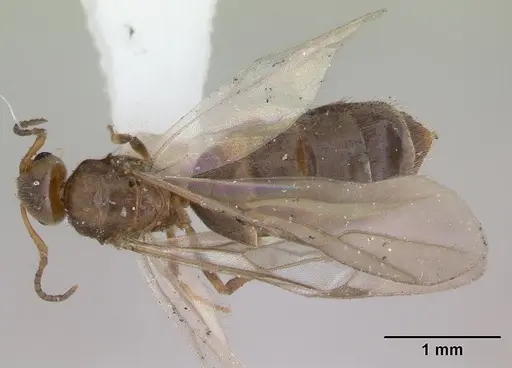
CASENT0173228
View on AntWeb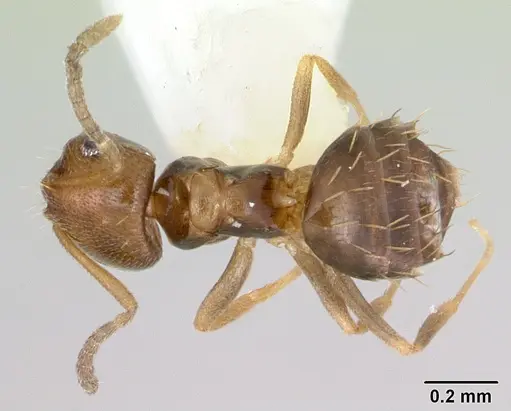
CASENT0173229
View on AntWeb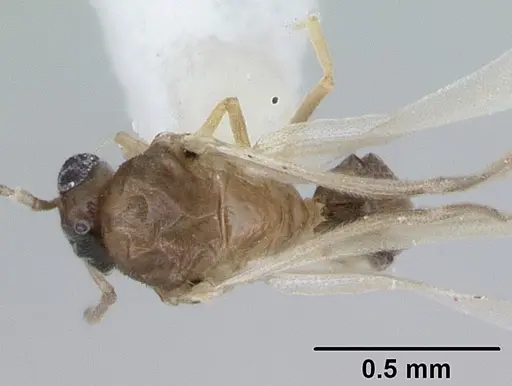
CASENT0173478
View on AntWeb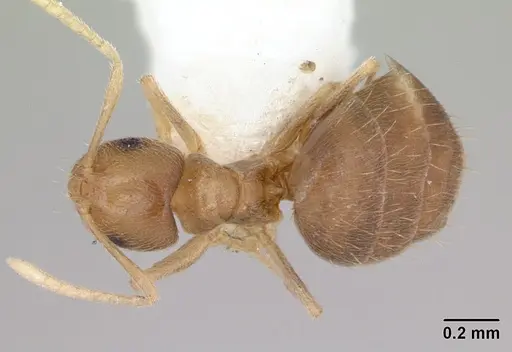
CASENT0249938
View on AntWeb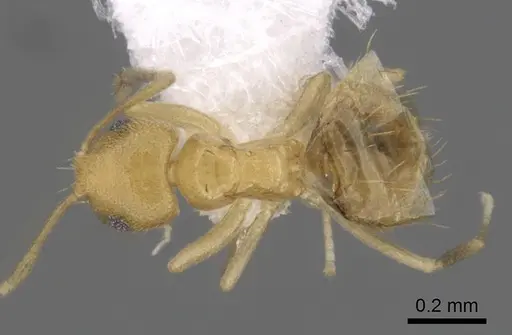
CASENT0249939
View on AntWeb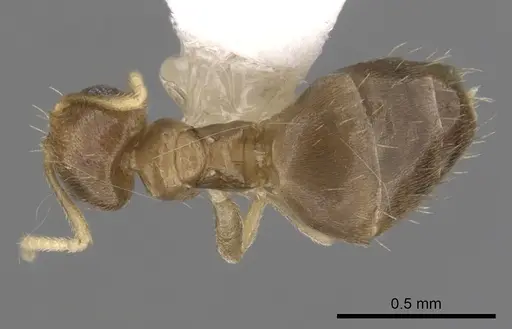
CASENT0249940
View on AntWeb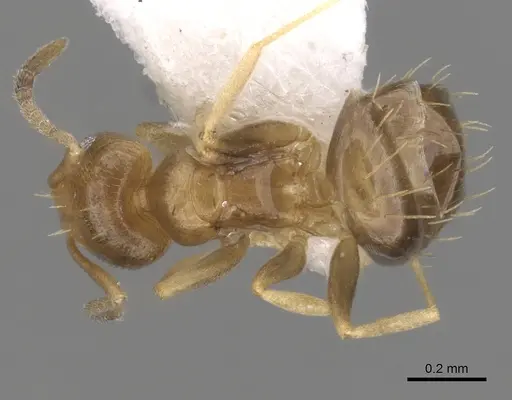
CASENT0249941
View on AntWeb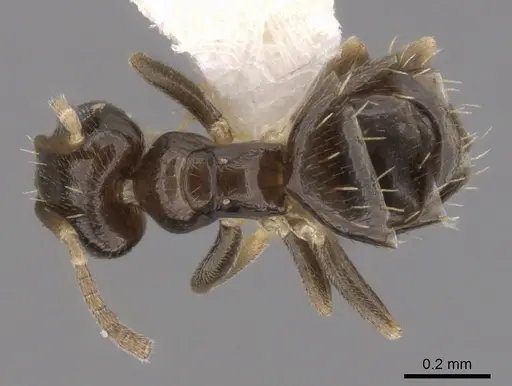
CASENT0249942
View on AntWeb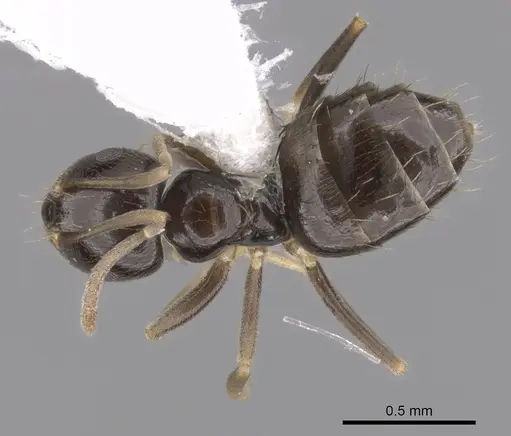
CASENT0249943
View on AntWeb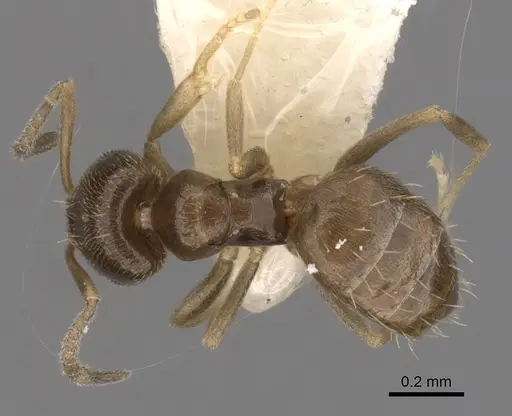
CASENT0619187
View on AntWeb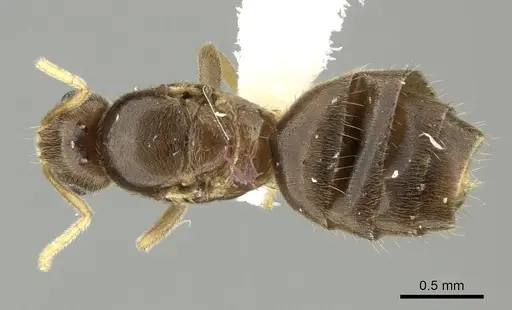
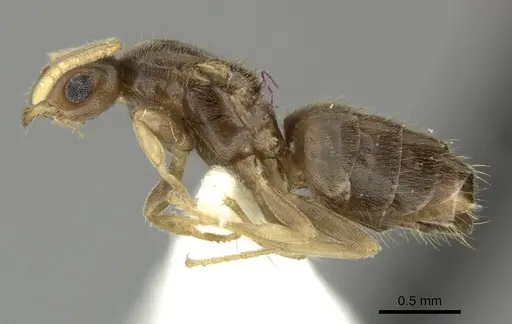
CASENT0903119
View on AntWeb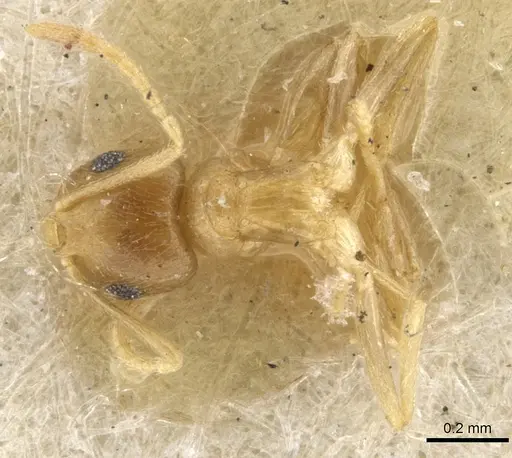
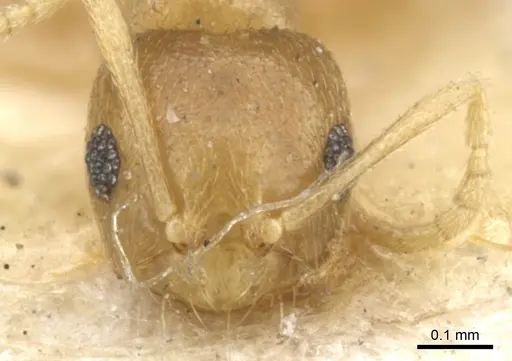
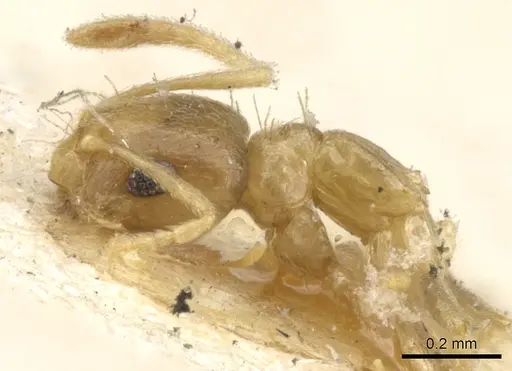
CASENT0905791
View on AntWeb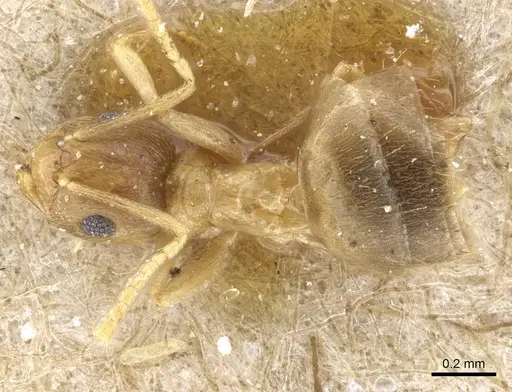
CASENT0911600
View on AntWeb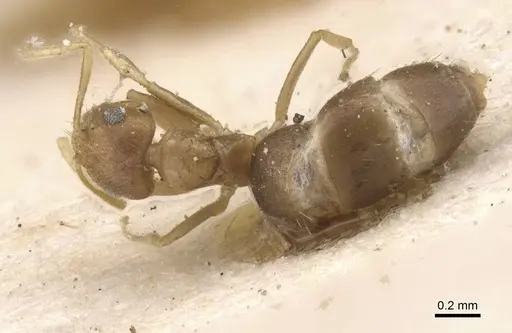
CBUMAGENT41877
View on AntWeb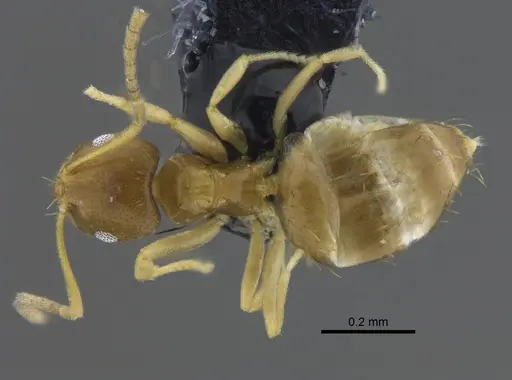
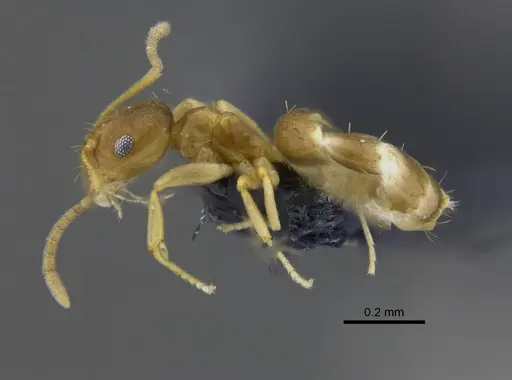
JTLC000005257
View on AntWeb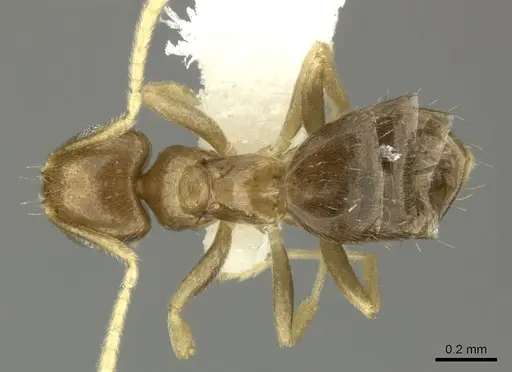
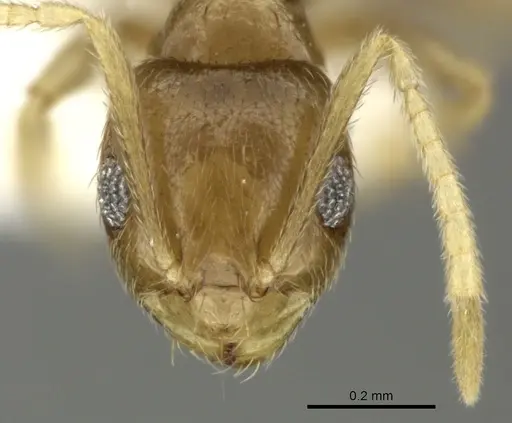
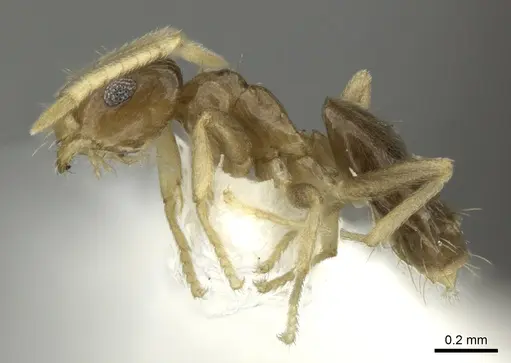
USNMENT00413997
View on AntWeb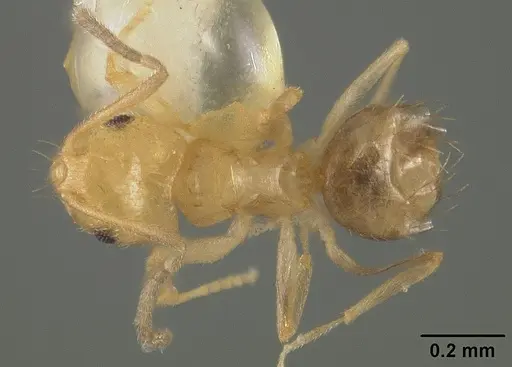
USNMENT00757166
View on AntWeb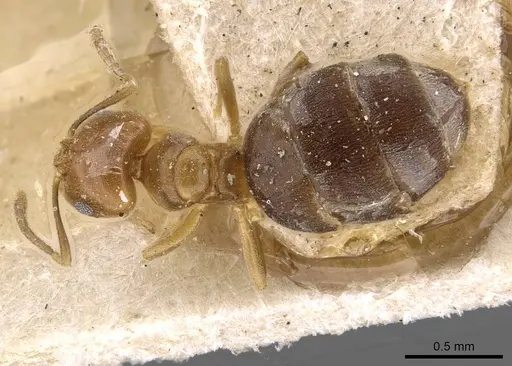
USNMENT00757169
View on AntWeb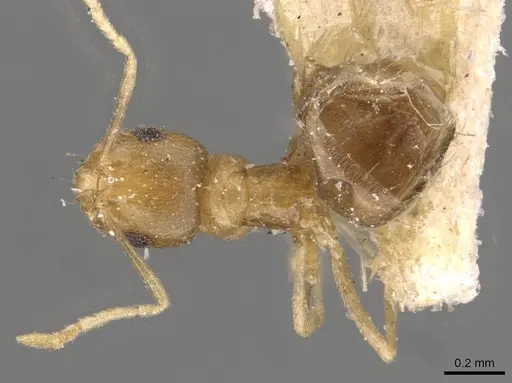
Literature
Loading distribution map...Loading products...