
Brachymyrmex fiebrigi
- Sci. Name
- Brachymyrmex fiebrigi
- Tribe
- Myrmelachistini
- Subfamily
- Formicinae
- Author
- Forel, 1908
- Distribution
- Found in 6 countries
Introduction
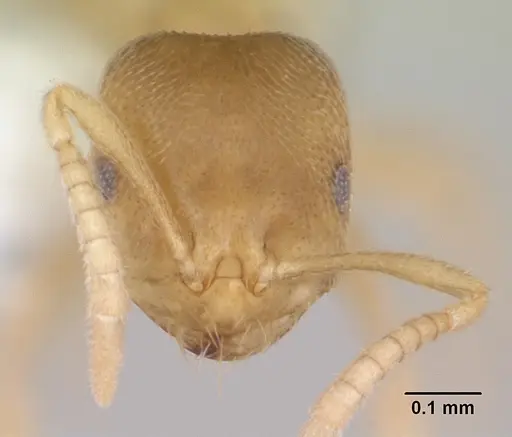
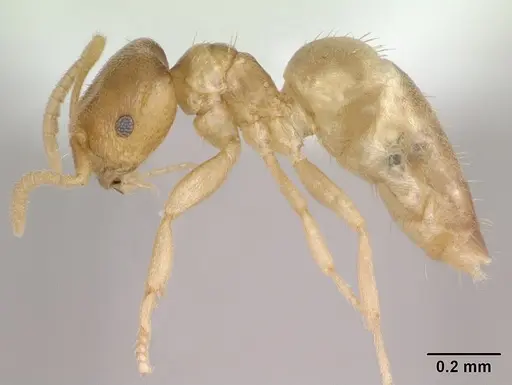
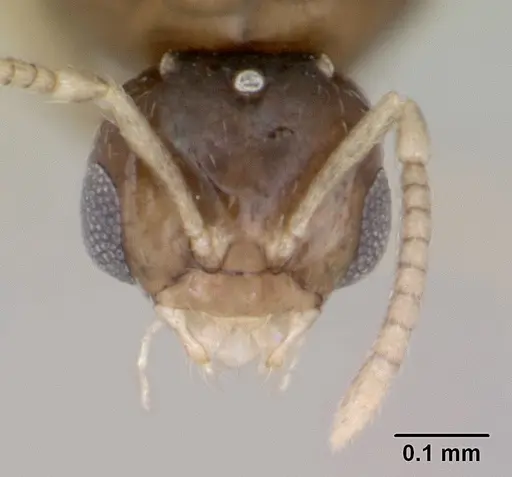
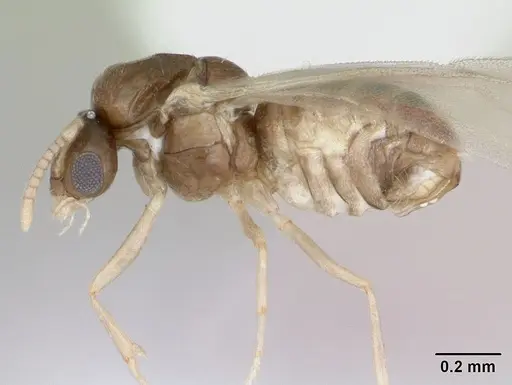
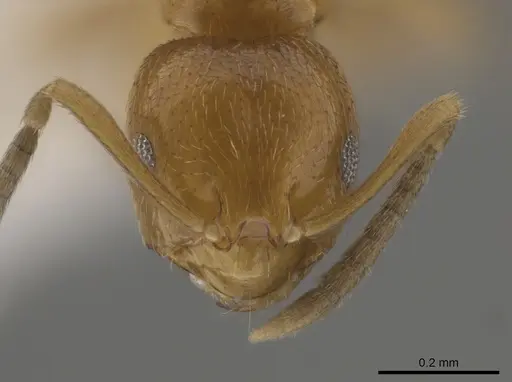
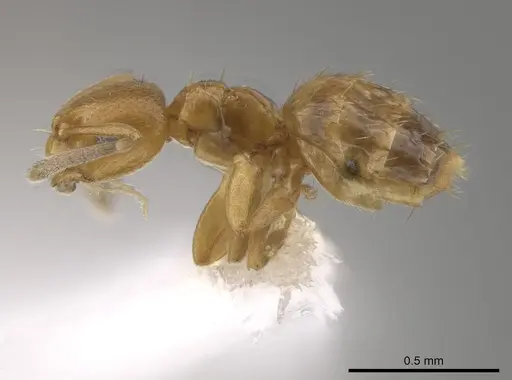
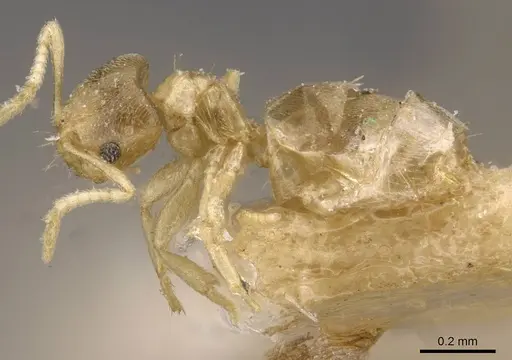
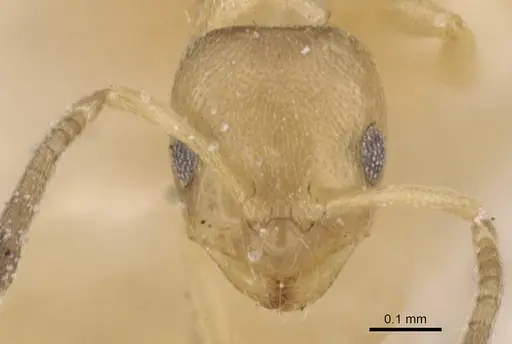
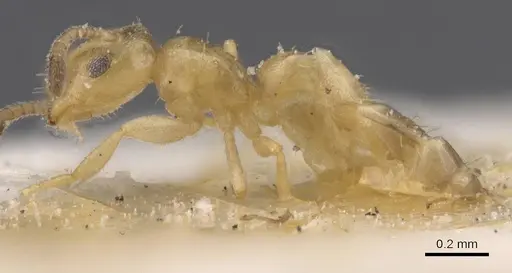
Brachymyrmex fiebrigi is a tiny yellowish ant native to the Neotropical region, ranging from southern Mexico down to Paraguay and including Cuba . Workers are remarkably small at around 2-2.5mm total length, with a smooth, shiny yellowish body and distinctive short antennae that barely reach the back of their head . They have two erect hairs on the pronotum and two on the mesonotum, plus a gaster covered in dense fine hairs . This species is part of the Formicinae subfamily and is often found nesting in dry branches of bushes or under stones in its native range . What makes B. fiebrigi interesting is its adaptability - it's one of the few ant species that thrives in both natural habitats and human-modified landscapes, having been found in eucalyptus plantations and soybean crops across the Neotropics . This flexibility suggests it's a hardy species that can tolerate various conditions, though being such a tiny ant presents specific challenges for antkeepers.
Quick Summary
- Difficulty: Medium
- Origin & Habitat: Neotropical region, Argentina, Brazil, Costa Rica, Cuba, Mexico, Paraguay, and Suriname [1][2]. In the wild, they nest in dry branches of bushes and have been collected from under stones [1][2]. They inhabit areas ranging from natural Atlantic forest to modified agricultural lands including eucalyptus plantations and soybean crops [3].
- Colony Type: Colony structure is not well-documented in scientific literature. Further research needed to confirm queen number and colony organization.
- Size & Growth:
- Queen: Size data unavailable, no queen measurements exist in primary literature [1][2].
- Worker: ~2-2.5mm total length, inferred from Brachymyrmex genus patterns [1][2].
- Colony: Size data unavailable, no colony size data exists in scientific literature.
- Growth: Unknown, development timeline not studied.
- Development: Unconfirmed, no direct development data exists. (Development timeline is unconfirmed for this species.)
- Antkeeping:
- Temperature: Keep at 24-28°C, they come from tropical and subtropical regions and need warmth. A heating cable on one side of the nest creates a suitable gradient. Room temperature may be adequate in warm homes.
- Humidity: Moderate, they nest in dry branches but also under stones, suggesting they tolerate some moisture. Keep the nest slightly moist but allow drying periods. Avoid waterlogging.
- Diapause: Unlikely, being a tropical/subtropical species, they probably do not require a true hibernation. However, they may slow down slightly during cooler winter months in temperate captivity.
- Nesting: They naturally nest in dry branches of bushes and under stones [1][2]. In captivity, a Y-tong (AAC) nest or plaster nest works well. Their tiny size means they need tight-fitting connections and narrow chambers. Avoid large open spaces.
- Behavior: Temperament is generally peaceful, these are small ants that focus on foraging rather than aggression. They are active foragers and will search for small food items. Their tiny size means escape prevention is critical, they can squeeze through remarkably small gaps. They have an acidopore (Formicinae trait) but being so small, they cannot penetrate human skin effectively. Watch for them climbing on smooth surfaces as they're quite agile despite their size.
- Common Issues: escape prevention is critical due to their very small size, use fine mesh and tight-fitting barriers., tiny workers can easily fall into water sources and drown, provide shallow feeding dishes., their small size makes them difficult to feed appropriately, prey items must be very small., wild-caught colonies may have parasites that are hard to detect in such tiny ants., slow founding phase, like many small species, the colony may take time to establish.
Housing and Nest Setup
Brachymyrmex fiebrigi requires careful housing due to their extremely small size. A Y-tong (AAC) nest or plaster nest works best because these materials hold humidity well and allow you to create chambers scaled to their tiny dimensions. The chambers should be relatively small, these ants don't need the large spaces that bigger species require. Use narrow connecting tubes (at least 3mm diameter) to prevent workers getting stuck. For the outworld, keep it simple with a small foraging area. Escape prevention is absolutely critical, these tiny ants can squeeze through gaps you wouldn't believe. Apply fluon to all rim edges and use fine mesh (at least 0.5mm) on any ventilation holes. A test tube setup can work for founding colonies, but be prepared to move them to a proper nest once the colony grows. [1][2]
Feeding and Diet
In the wild, Brachymyrmex species typically feed on honeydew, small insects, and plant secretions. For your colony, offer sugar water or honey water as a constant energy source, these tiny ants need regular carbohydrates. For protein, offer very small prey items like fruit flies, pinhead crickets, or tiny mealworms. Because of their small size, standard ant feeders are often too large, use small bottle caps or shallow dishes. Remove uneaten food promptly to prevent mold. Some keepers report success with diluted honey applied directly to the nest walls. Feed protein 2-3 times per week and keep sugar water available at all times. Watch carefully at feeding time, tiny workers can easily fall into liquid food and drown.
Temperature and Seasonal Care
Being a Neotropical species, Brachymyrmex fiebrigi needs warm conditions to thrive. Keep the nest area at 24-28°C for optimal colony development. A small heating cable placed on one side of the nest creates a temperature gradient that lets ants choose their preferred spot. If your room stays above 24°C year-round, you may not need additional heating. They don't require a true hibernation period like temperate species, but activity may slow during cooler winter months, this is normal and they should recover when temperatures rise. Avoid sudden temperature swings and keep them away from air conditioning vents or cold windows. Consistent warmth is key to keeping this species active and growing.
Handling and Observation
Observing Brachymyrmex fiebrigi requires good lighting and magnification, these ants are truly tiny. A magnifying glass or macro lens helps when checking on colony status. When moving colonies, use gentle techniques, their small size means they can be injured easily. If you need to relocate them, coax them with a soft brush rather than shaking the nest. They're generally docile and won't bite aggressively, but their small size makes them hard to handle directly. The best way to observe them is through the clear walls of a Y-tong or acrylic nest. Their yellowish color and shiny appearance make them distinctive under magnification. Keep observation sessions brief to minimize stress on the colony.
Frequently Asked Questions
How long does it take for Brachymyrmex fiebrigi to produce first workers?
The exact timeline is unconfirmed as this species hasn't been studied in detail. Be patient during the founding phase as disturbing the nest can cause queen abandonment.
Can I keep Brachymyrmex fiebrigi in a test tube setup?
Yes, test tubes work well for founding colonies. Use a standard test tube with a water reservoir sealed with cotton, make sure the water chamber isn't too large relative to the ants, as tiny workers can drown. Once the colony reaches 20-30 workers, consider moving them to a small formicarium or Y-tong nest with appropriately sized chambers.
What do Brachymyrmex fiebrigi eat?
They need a balanced diet of carbohydrates and protein. Offer sugar water or honey water constantly for energy. For protein, provide tiny prey like fruit flies, small mealworms, or other micro-insects. Remove uneaten prey within 24 hours to prevent mold. Some keepers also offer tiny amounts of ripe fruit occasionally.
Are Brachymyrmex fiebrigi good for beginners?
This species is rated as Medium difficulty. While they're adaptable and can thrive in various conditions, their extremely small size creates challenges with escape prevention and feeding. Beginners should be prepared to invest in proper escape barriers and be patient during the slow founding phase. If you're comfortable with the basics and can provide warm, humid conditions, they can be a rewarding species to keep.
How big do Brachymyrmex fiebrigi colonies get?
Colony size is not well-documented in scientific literature. They grow moderately, expect several months to a year to establish a solid colony. They're not among the fastest-growing ant species.
What temperature do Brachymyrmex fiebrigi need?
Keep them warm at 24-28°C. They come from tropical and subtropical regions and need consistent warmth. A heating cable on part of the nest or a heat mat under one side works well. Avoid temperatures below 20°C for extended periods.
Why are my Brachymyrmex fiebrigi escaping?
Their tiny size means they're expert escape artists. Check all connections, lid seams, and ventilation holes. Apply fluon to rim edges and use fine mesh (0.5mm or smaller) on any openings. Even tiny gaps that wouldn't concern you with larger species will let these ants escape. Inspect your setup daily and seal any gaps immediately.
Can I keep multiple queens together?
Colony structure is unconfirmed for this species. Brachymyrmex species can sometimes be polygynous (multiple queens), but combining unrelated queens is not recommended unless you've researched that specific species accepts it. If you catch multiple founding queens, it's safest to house them separately until you know how they'll interact.
Do Brachymyrmex fiebrigi need hibernation?
No, being a tropical/subtropical species, they don't require a true hibernation period. However, if kept in a temperate climate, they may naturally slow down during cooler winter months. This is normal and they should remain active year-round if kept warm (24-28°C). There's no benefit to cooling them down.
Report an Issue
The current care sheet is based fully on literature. See inconsistencies, or something that's incorrect? Please , it will be resolved after review from an admin. Contributing to the blogs tab also helps providing information, to make us be able to further improve the caresheets. Thank you for your support!
References

This caresheet is licensed under CC BY-SA 4.0 .
Community Blogs
CASENT0173476
View on AntWeb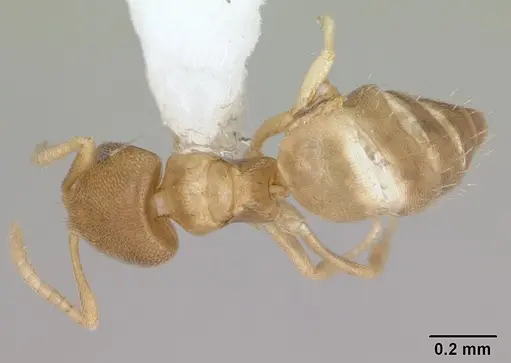
CASENT0173477
View on AntWeb
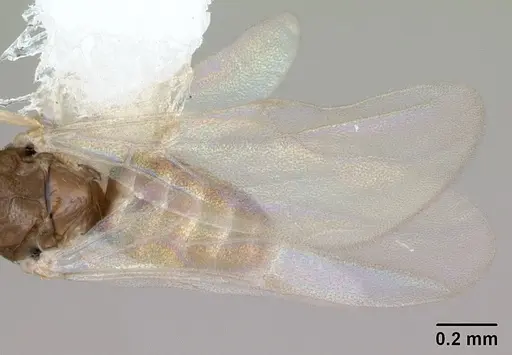
CASENT0653713
View on AntWeb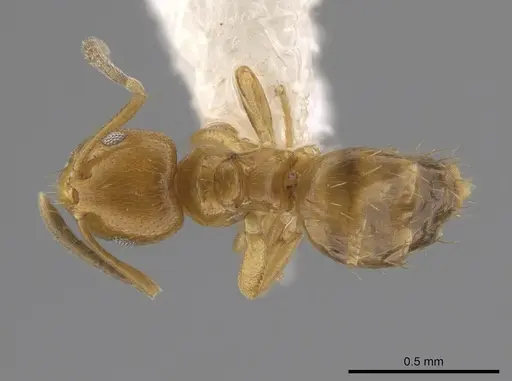
USNMENT00757164
View on AntWeb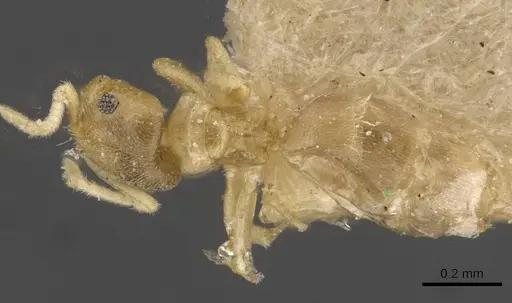
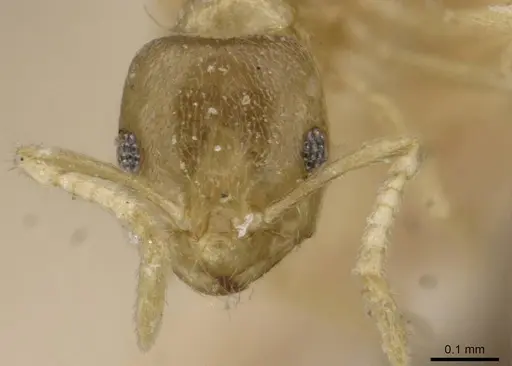
USNMENT00757181
View on AntWeb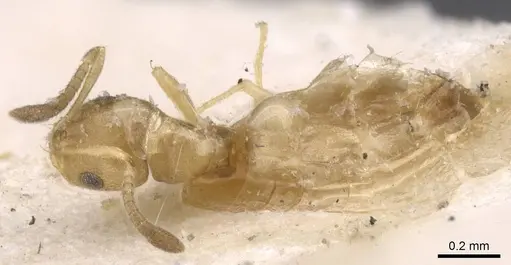
Literature
Loading distribution map...Loading products...