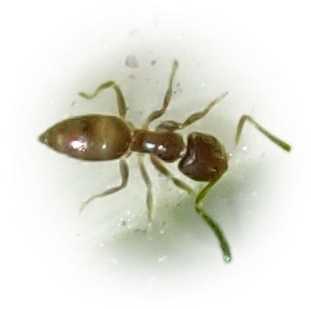
Brachymyrmex cordemoyi
- Sci. Name
- Brachymyrmex cordemoyi
- Tribe
- Myrmelachistini
- Subfamily
- Formicinae
- Author
- Forel, 1895
- Distribution
- Found in 11 countries
Introduction
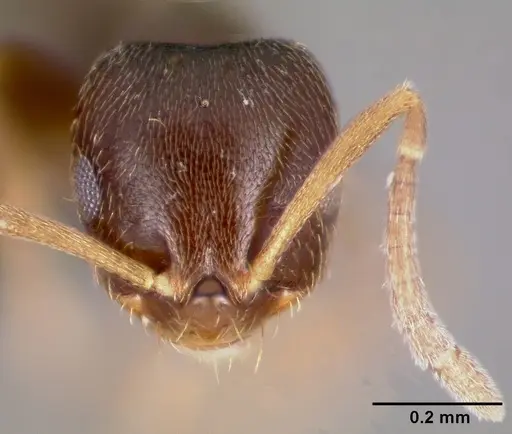
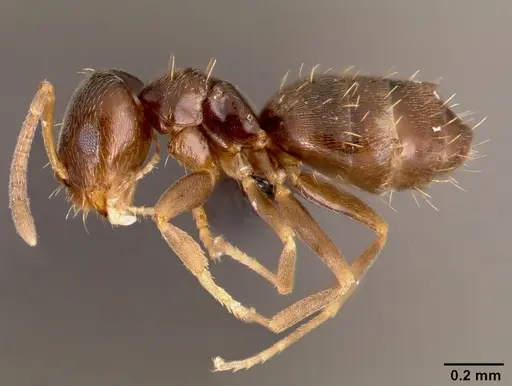
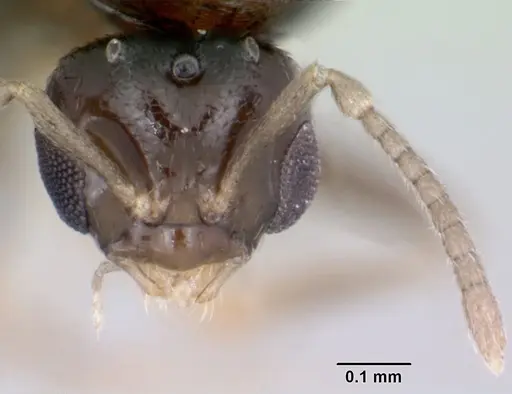
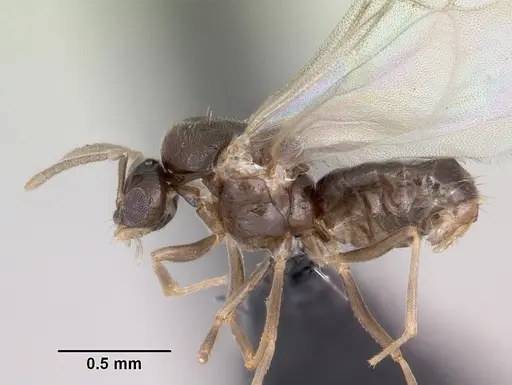
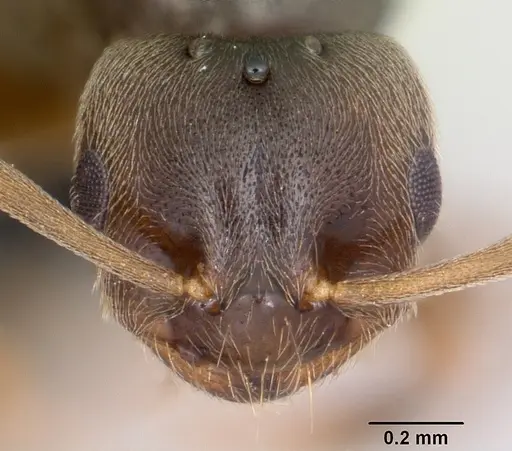
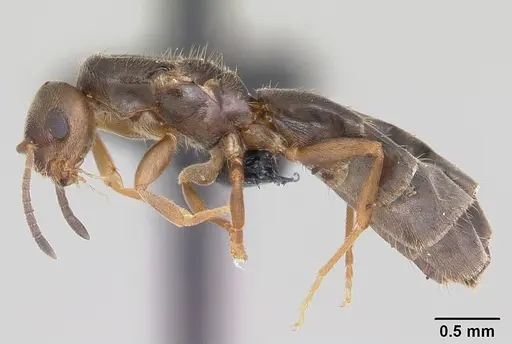
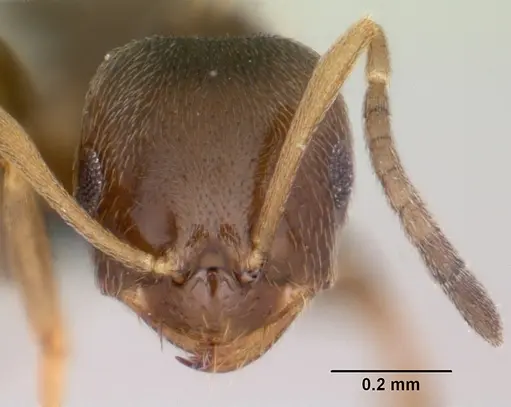
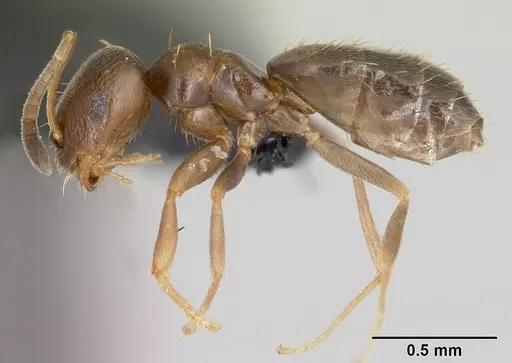
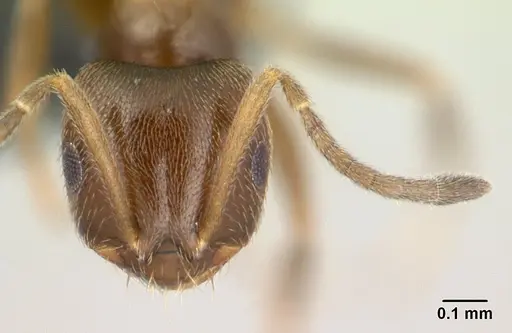
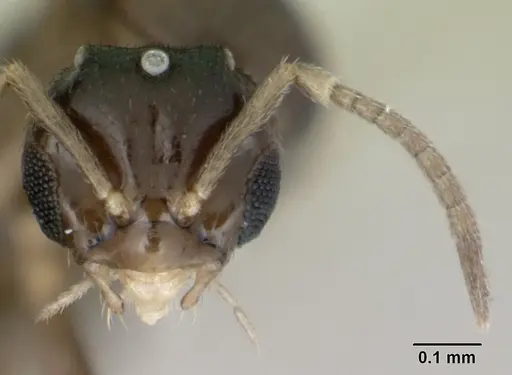
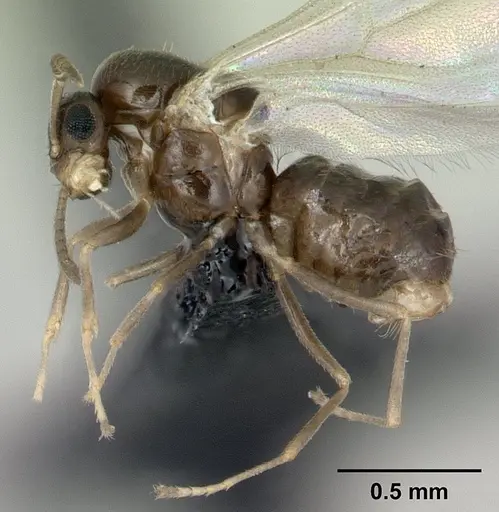
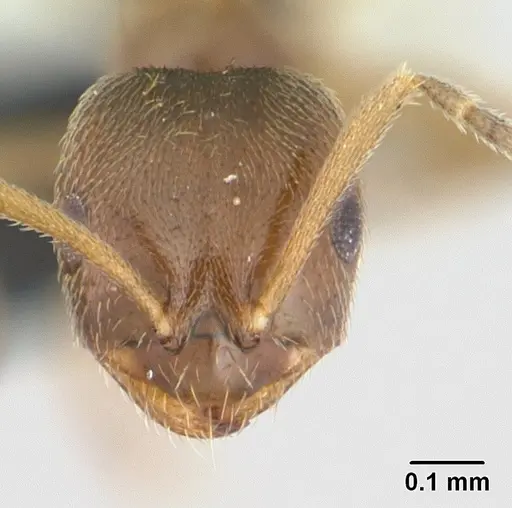
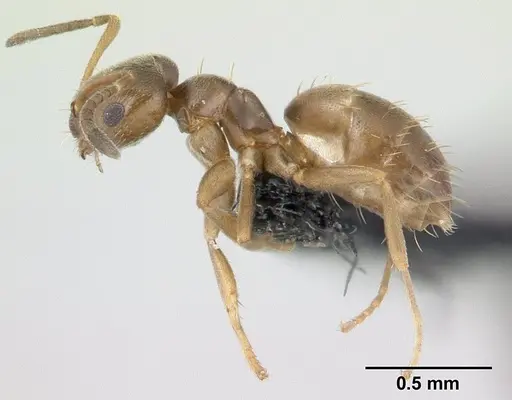
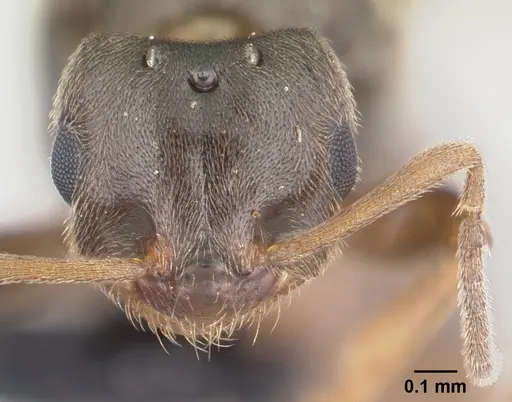
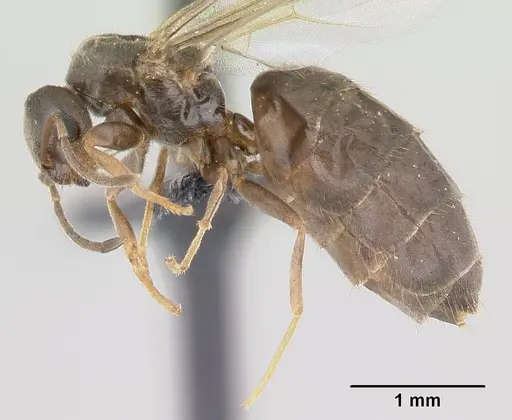
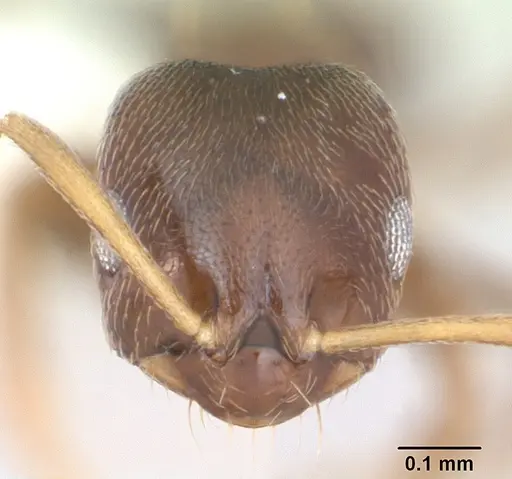
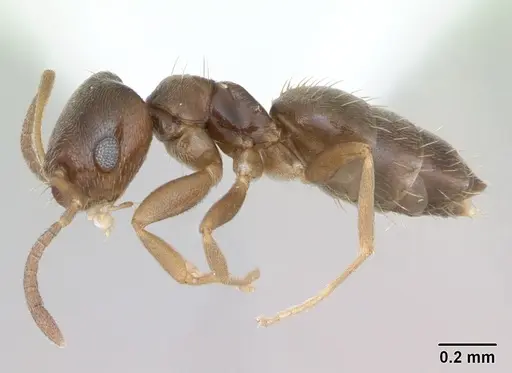
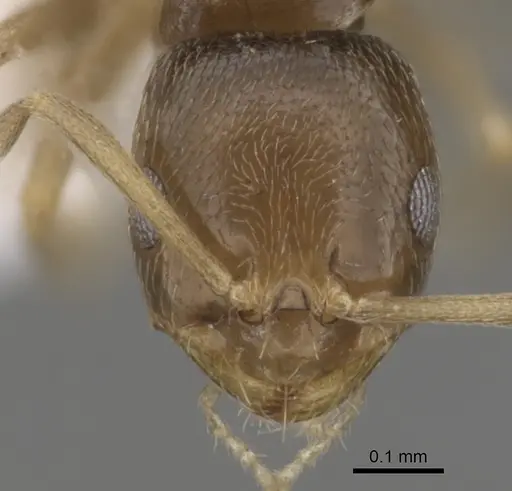
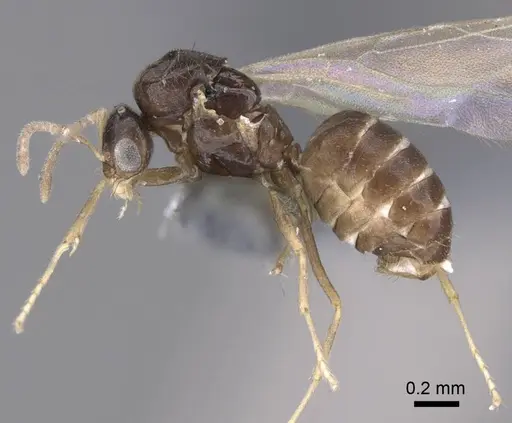
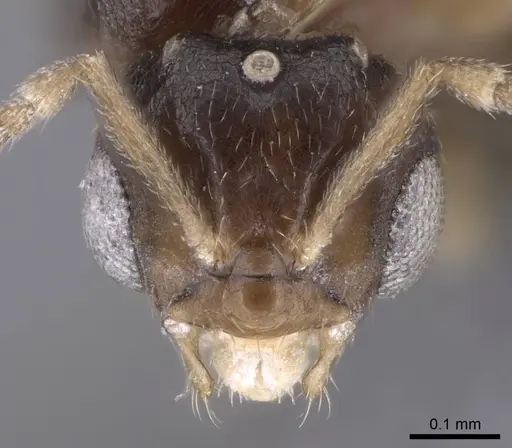
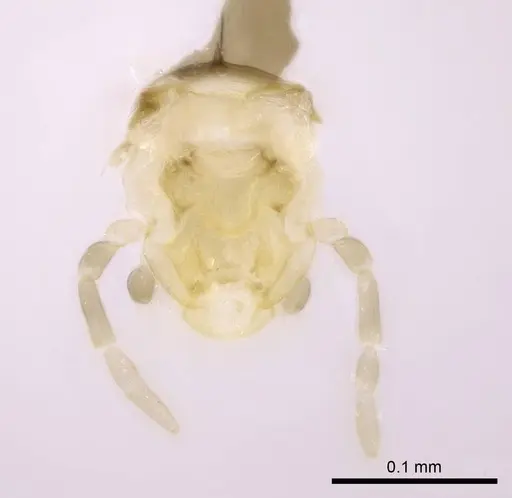
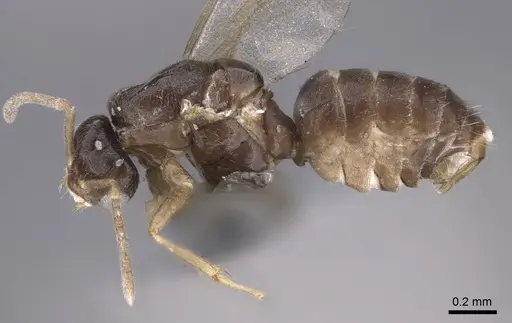
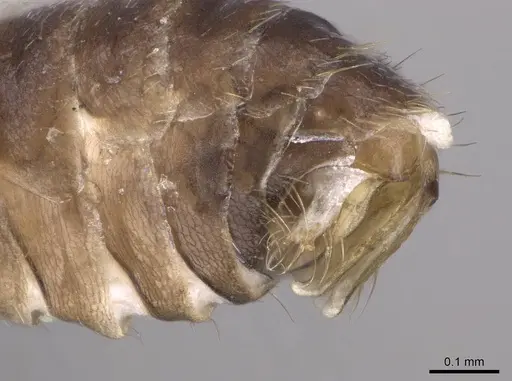
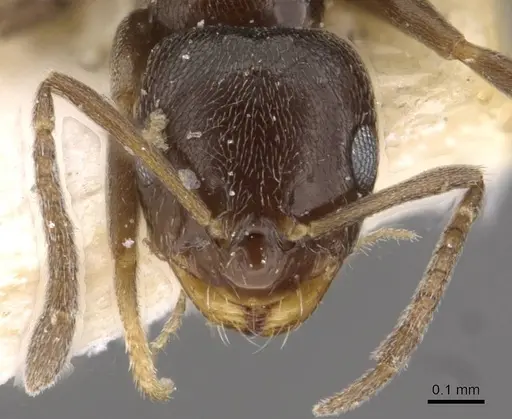
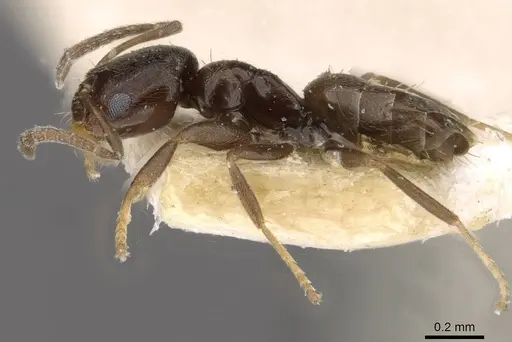
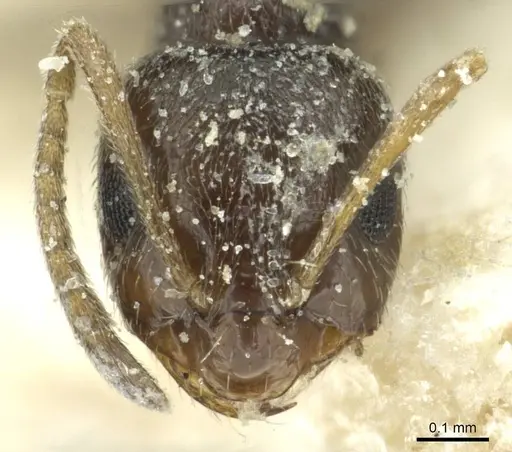
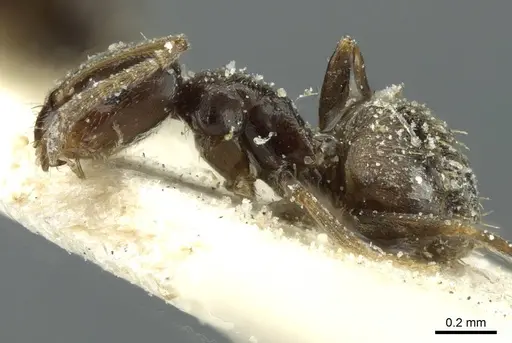
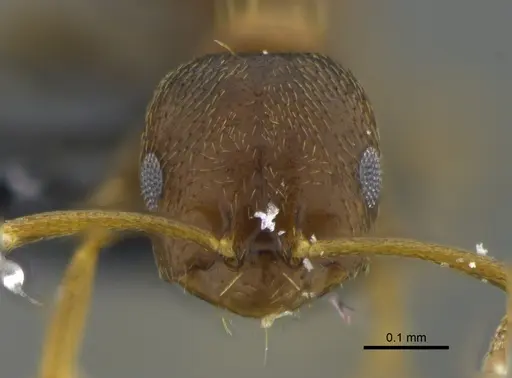
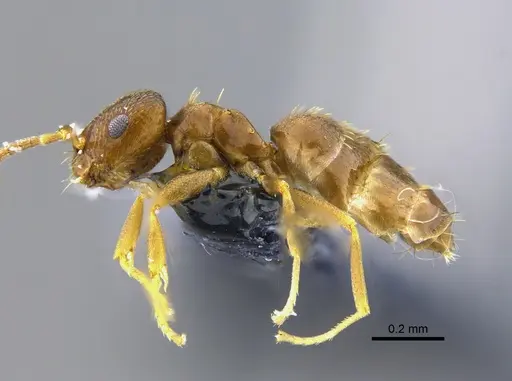
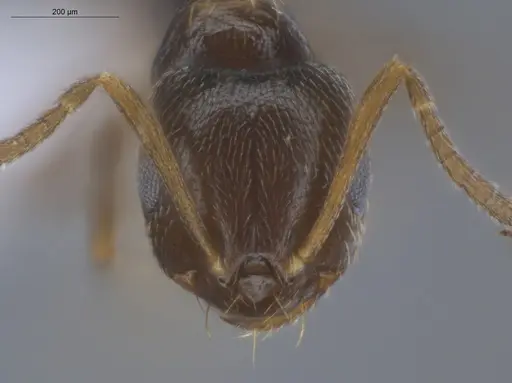
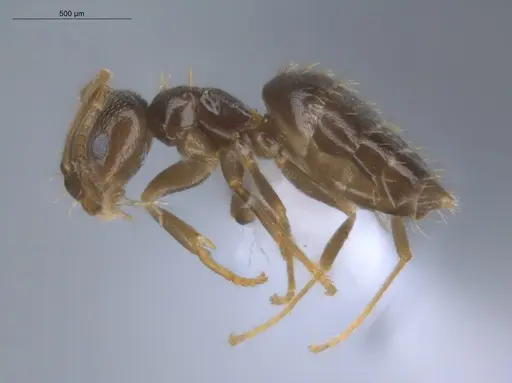
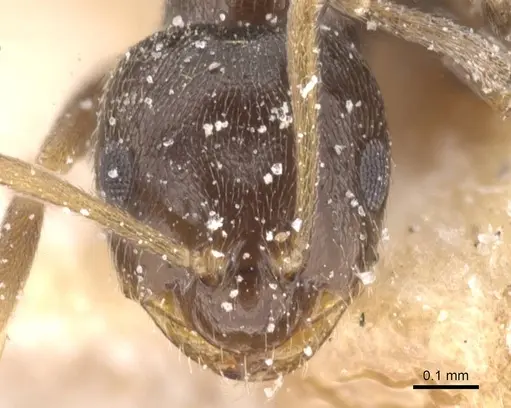
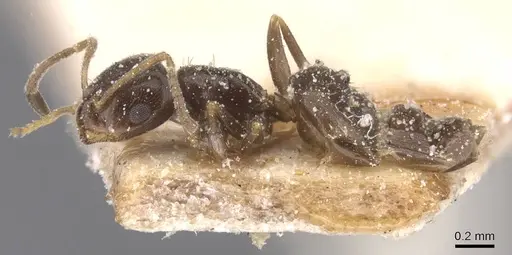
Brachymyrmex cordemoyi is a tiny ant species native to the Neotropical region of Central and South America. Workers measure approximately 1.2-2mm in total length, making them among the smaller ants you can keep. They have a distinctive brownish body with dense yellowish pubescence on the gaster, and unlike most ants, they have only nine antennal segments without a differentiated club . This species has been introduced to many parts of the world including the Canary Islands, Seychelles, and even Germany, likely through imported tropical plants . They are not considered significant pest species, though other Brachymyrmex species can cause problems in urban areas. These ants nest primarily in soil and commonly forage on low vegetation, where they feed on honeydew from aphids and extrafloral nectar .
Quick Summary
- Difficulty: Medium
- Origin & Habitat: Native to the Neotropical region (Argentina, Brazil, Colombia, Dominican Republic, Ecuador, El Salvador, Guatemala, Guyana, Mexico, Paraguay, Peru, Suriname, USA, Venezuela). Found in soil nests, under stones, and occasionally on cacti. Has been introduced to multiple regions including the Canary Islands, Seychelles, New Caledonia, Vanuatu, Solomon Islands, Saudi Arabia, and parts of Europe [1][2].
- Colony Type: Colony structure is not documented in scientific literature. Further research needed to confirm queen number and colony organization.
- Size & Growth:
- Queen: ~3.5-4mm [5]
- Worker: ~1.2-2mm [6][7]
- Colony: Colony size data not available in scientific literature
- Growth: Moderate
- Development: Development timeline unconfirmed for this species (Direct development data not available. Small tropical ant species typically develop faster than larger species.)
- Antkeeping:
- Temperature: Keep at warm room temperature, roughly 22-26°C. As a Neotropical species, they prefer stable warm conditions. Avoid temperatures below 18°C.
- Humidity: Keep the nest substrate consistently moist but not waterlogged. These ants nest in soil in the wild and require some moisture.
- Diapause: No, as a tropical species, they do not require hibernation or diapause. Keep at stable temperatures year-round.
- Nesting: Soil-based nests work well. Use a test tube setup with moist cotton or a small formicarium with soil substrate. They prefer dark, enclosed spaces. A Y-tong or plaster nest with a thin layer of moist soil works well.
- Behavior: These are docile, non-aggressive ants that rarely sting. Workers are tiny and may be overlooked by keepers. They are primarily foragers on low vegetation, collecting honeydew and small insects. They are not aggressive toward humans. Escape prevention is critical due to their tiny size, use fine mesh barriers. They are omnivorous and will accept sugar sources and small protein prey.
- Common Issues: tiny size makes escape prevention critical, use fine mesh and tight-fitting lids, small colony sizes mean slow population growth, patience is required, wild-caught colonies may contain parasites that can kill captive colonies, they are sensitive to drying out, monitor substrate moisture regularly, WARNING: this species is introduced in many regions and should never be released in non-native areas
Housing and Nest Setup
Brachymyrmex cordemoyi is a tiny ant, so your housing setup needs to match their small size. A standard test tube setup works well for founding colonies, use a small test tube with a water reservoir at one end, separated by a cotton ball. Keep the cotton moist but not dripping. For established colonies, a small formicarium with a soil or plaster chamber gives them the dark, enclosed space they prefer. These ants nest in soil in the wild, so a thin layer of moist substrate in an acrylic nest works well [1][3]. Because they're so small, even tiny gaps can be escape routes. Apply fluon or use fine mesh on any openings. They prefer quiet, dark locations away from vibrations and direct light.
Feeding and Diet
These ants are omnivorous, similar to other Brachymyrmex species. In the wild, they feed heavily on honeydew from aphids and extrafloral nectaries, they've been recorded visiting Croton plants and various aphid colonies, making them one of the most abundant species at extrafloral nectaries [4]. For your colony, offer a constant sugar source like sugar water, honey, or diluted maple syrup. For protein, provide tiny prey items like fruit flies, small mealworms, or pinhead crickets. Because of their small size, even small prey items may be too large initially, consider chopping insects into smaller pieces. They also accept commercial ant foods. Feed small amounts every 2-3 days and remove any uneaten food to prevent mold. A varied diet helps maintain colony health.
Temperature and Seasonal Care
As a Neotropical species, Brachymyrmex cordemoyi prefers warm conditions. Keep your colony at room temperature, roughly 22-26°C, for optimal growth and activity. Room temperature in most homes is typically ideal. Avoid placing the nest in cold areas or near air conditioning vents. They do not require hibernation or diapause, in fact, temperatures below 18°C can slow their development significantly. If your room is cooler, use a small heating cable on one side of the nest to create a gentle temperature gradient. Always ensure the nest has both warm and cooler areas so the ants can regulate their own temperature. Stable, warm conditions year-round will support the best colony growth.
Behavior and Colony Dynamics
This is a docile, non-aggressive species that works well for antkeepers who want a low-maintenance colony. Workers are tiny and go about their business quietly. They forage on low vegetation in the wild, so your colony will appreciate some climbing space and vegetation in their outworld. They are not known for stinging, and their small size means any sting would be imperceptible to humans. Colonies grow moderately, don't expect rapid expansion like you might see with larger species. The queen lays eggs steadily once established, and workers care for brood diligently. Because they're a cryptic species that nests in soil, you may not see much activity outside the nest until the colony reaches a few dozen workers. [1][2]
Legal and Ethical Considerations
Brachymyrmex cordemoyi is an introduced species in many parts of the world, including the Canary Islands, Seychelles, and parts of Europe. It has been introduced to the Afrotropical, Australasian, and Palaearctic regions [2]. If you live in an area where this species is not native, never release your colony outdoors. Introduced ants can disrupt local ecosystems and outcompete native species. If you no longer want your colony, the most responsible options are to find another keeper who can take them or to humanely freeze the colony. This species is not regulated in most areas, but always check local regulations regarding ant keeping and ownership.
Frequently Asked Questions
How long does it take for Brachymyrmex cordemoyi to produce first workers?
Development timeline is not documented in scientific literature for this species. Expect several weeks to a few months from egg to first worker at optimal temperature. Small ant species often develop faster than larger ones, but colony growth remains gradual. Patience is key.
Can I keep Brachymyrmex cordemoyi in a test tube?
Yes, test tubes work well for this species, especially for founding colonies. Use a small test tube with a water reservoir. Because they're tiny, ensure the cotton barrier is packed tightly enough to prevent escapes. Once the colony grows beyond 30-50 workers, consider moving them to a small formicarium with soil substrate.
What do Brachymyrmex cordemoyi eat?
They are omnivorous. Offer sugar water, honey, or diluted syrup as a constant food source. For protein, provide small insects like fruit flies, tiny mealworms, or small cricket pieces. They visit extrafloral nectaries in the wild, so they accept sweet liquids readily [4].
Are Brachymyrmex cordemoyi good for beginners?
They are manageable for antkeepers comfortable with very small species. They're small, docile, and don't require hibernation. The main challenges are their tiny size (requiring good escape prevention) and slower colony growth. They're a good choice if you want a low-maintenance ant species.
How big do Brachymyrmex cordemoyi colonies get?
Colony size is not well documented in scientific literature. They are not among the largest ant species, and growth is gradual over months and years.
Do Brachymyrmex cordemoyi need hibernation?
No, they do not require hibernation. As a Neotropical species, they prefer stable warm conditions year-round. Keep them at roughly 22-26°C consistently. They may slow slightly in cooler weather, but won't enter true diapause.
Why are my Brachymyrmex cordemoyi escaping?
Their tiny size means they can squeeze through very small gaps. Use fine mesh on all openings, apply fluon to barrier surfaces, and ensure all lids fit tightly. Check for any cracks around connections. Tiny escapes are common with this species, so excellent prevention is essential.
When should I move my colony to a formicarium?
Move them when the test tube becomes crowded or the water reservoir runs low, typically when you see 30+ workers. A small formicarium with soil chambers works well. They prefer dark, enclosed spaces, so provide adequate cover.
Report an Issue
The current care sheet is based fully on literature. See inconsistencies, or something that's incorrect? Please , it will be resolved after review from an admin. Contributing to the blogs tab also helps providing information, to make us be able to further improve the caresheets. Thank you for your support!
References

This caresheet is licensed under CC BY-SA 4.0 .
Community Blogs
CASENT0004761
View on AntWeb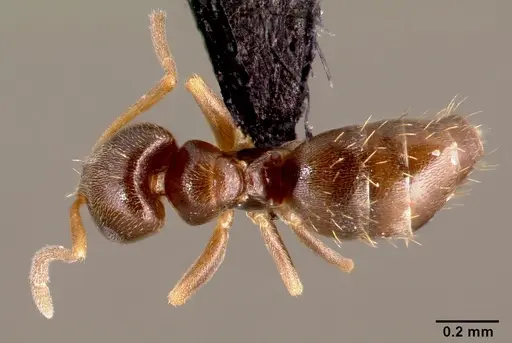
CASENT0005971
View on AntWeb


CASENT0057420
View on AntWeb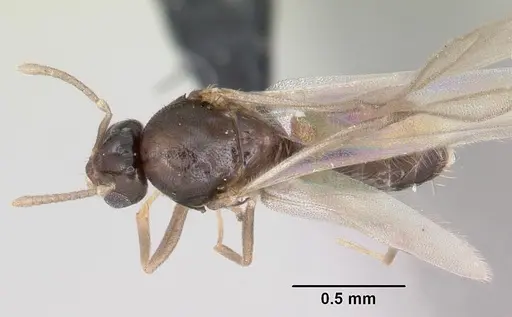
CASENT0059598
View on AntWeb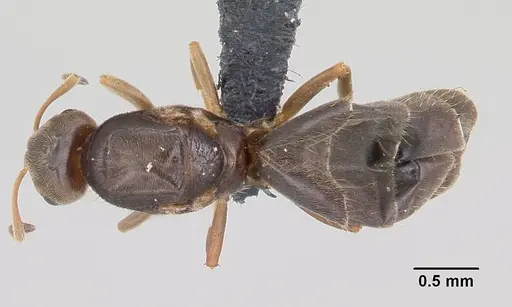
CASENT0103230
View on AntWeb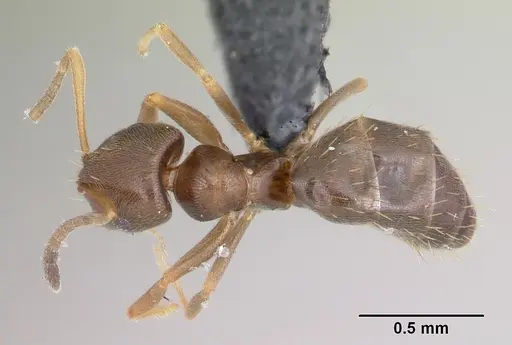
CASENT0109850
View on AntWeb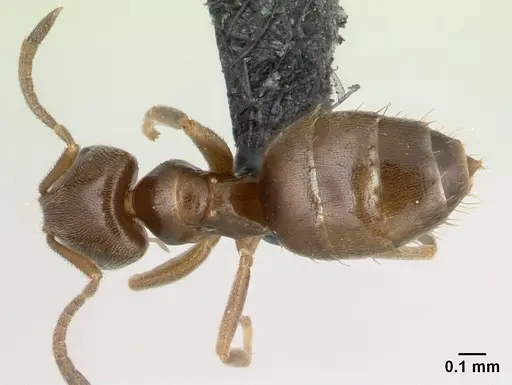
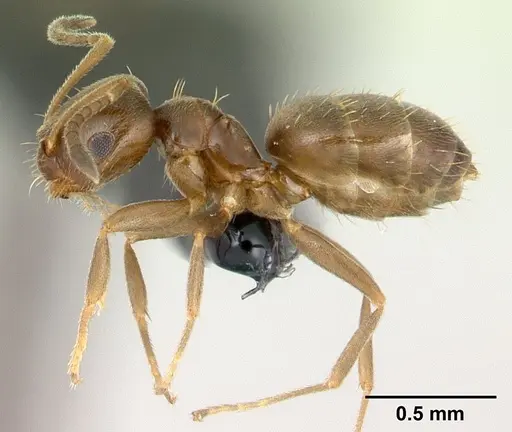
CASENT0125130
View on AntWeb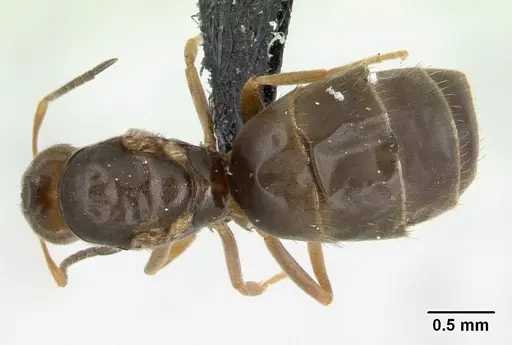
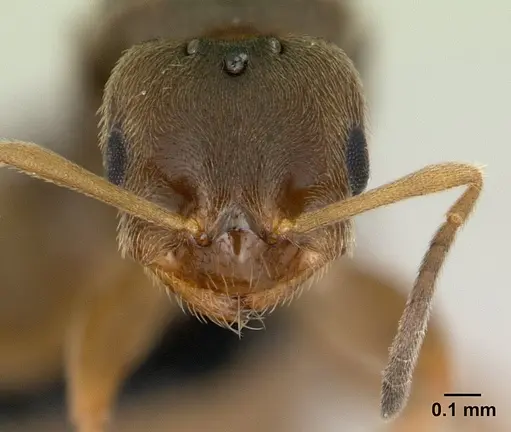
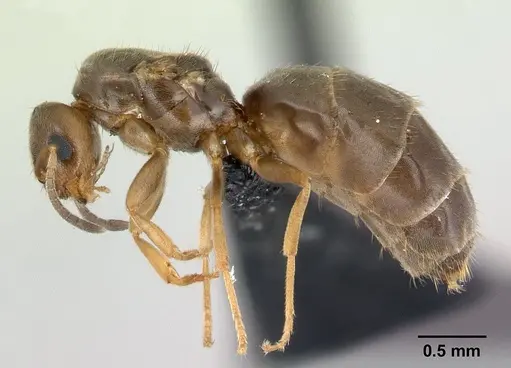
CASENT0125204
View on AntWeb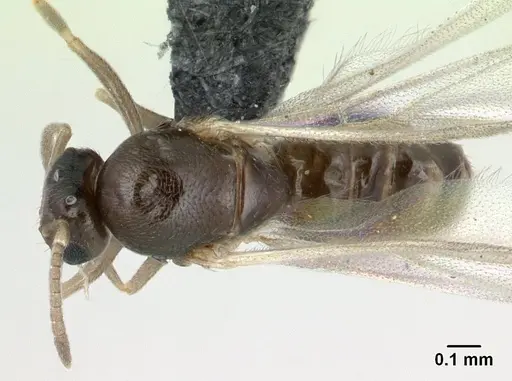
CASENT0137321
View on AntWeb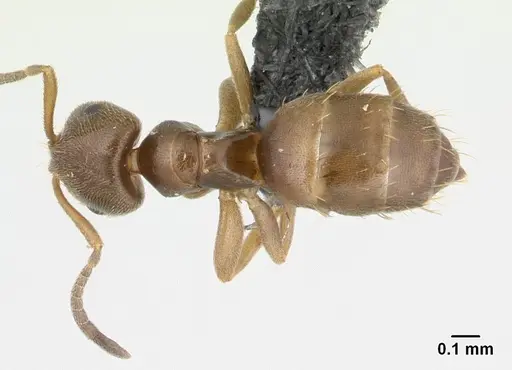
CASENT0147471
View on AntWeb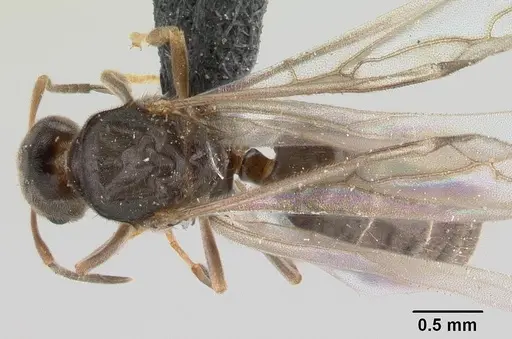
CASENT0147472
View on AntWeb
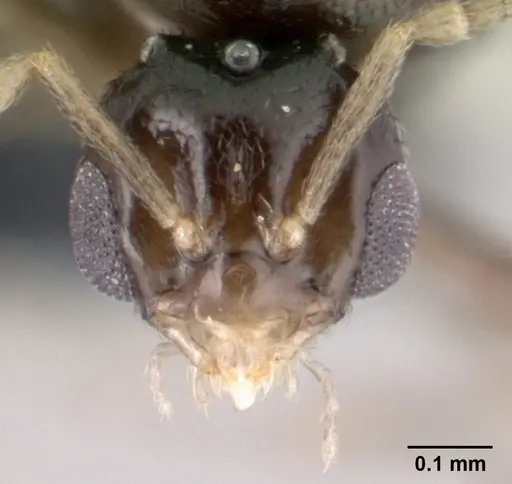
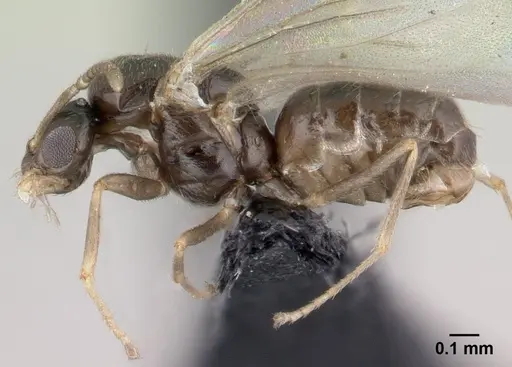
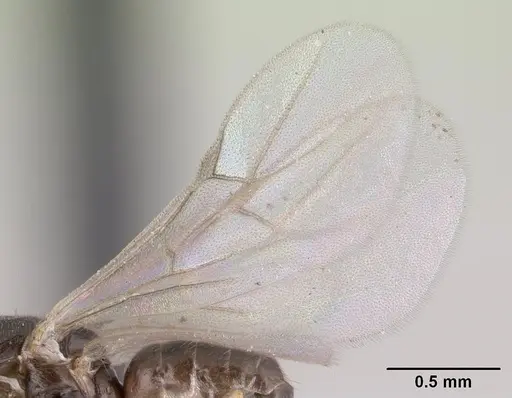
CASENT0173475
View on AntWeb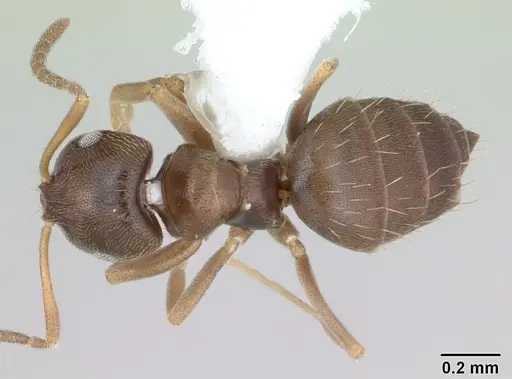
CASENT0249934
View on AntWeb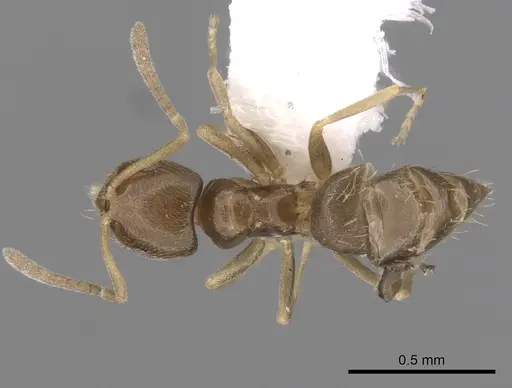
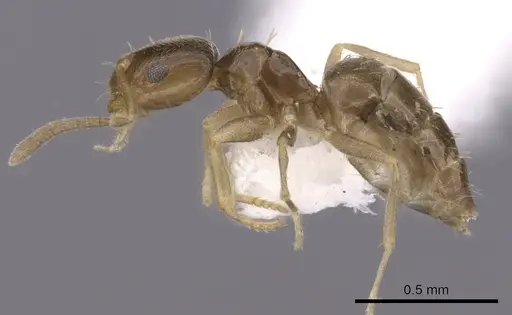
CASENT0740909
View on AntWeb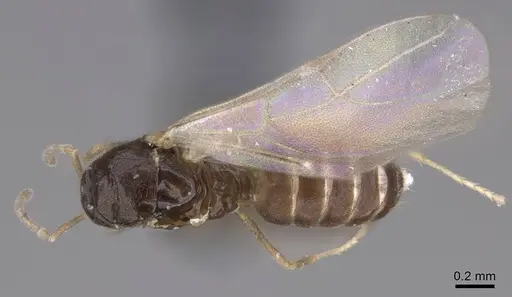
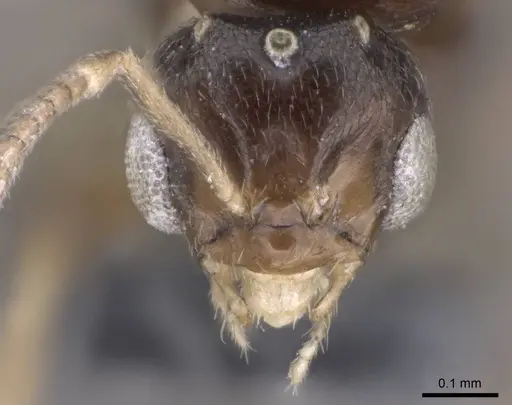
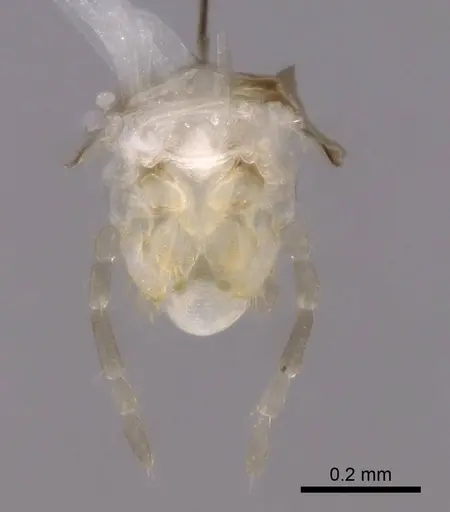
CASENT0740911
View on AntWeb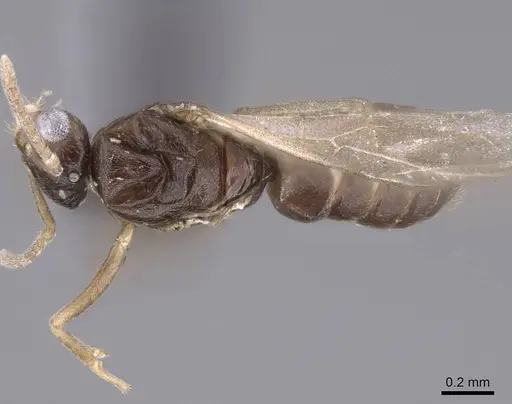
CASENT0909938
View on AntWeb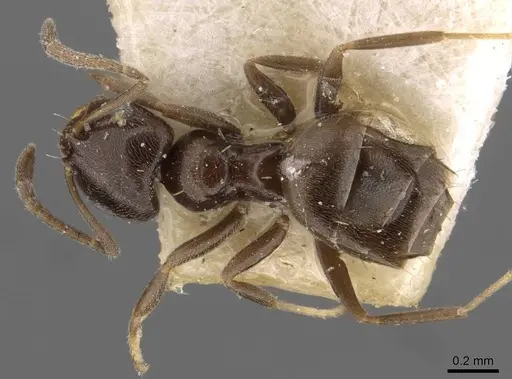
CASENT0911597
View on AntWeb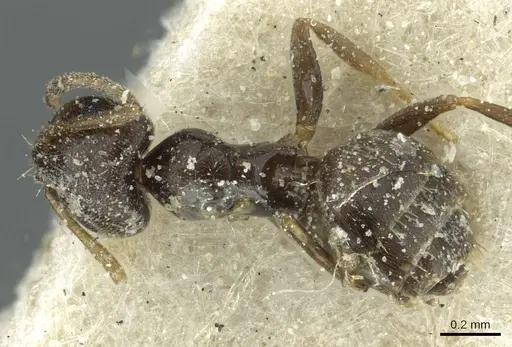
CBUMAGENT41979
View on AntWeb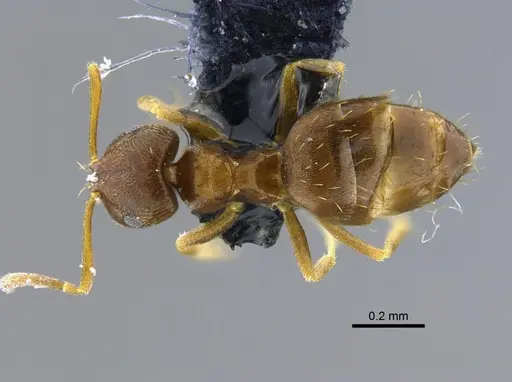
ECOFOG-BOUM-0502-05
View on AntWeb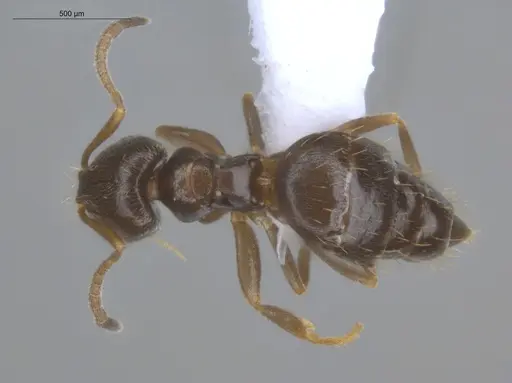
USNMENT00757178
View on AntWeb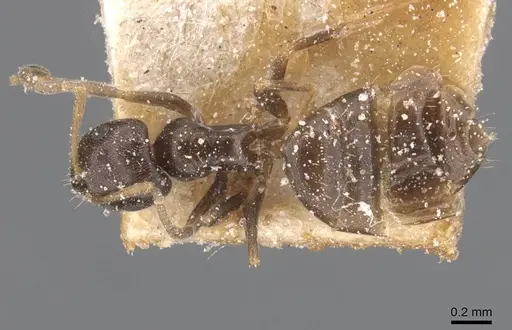
Literature
Loading distribution map...Loading products...