
Brachymyrmex coactus
- Sci. Name
- Brachymyrmex coactus
- Tribe
- Myrmelachistini
- Subfamily
- Formicinae
- Author
- Mayr, 1887
- Distribution
- Found in 10 countries
Introduction
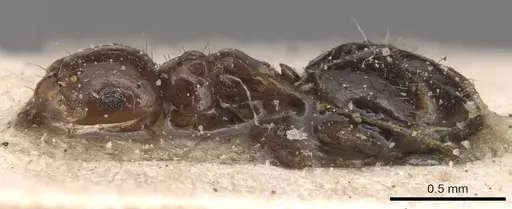
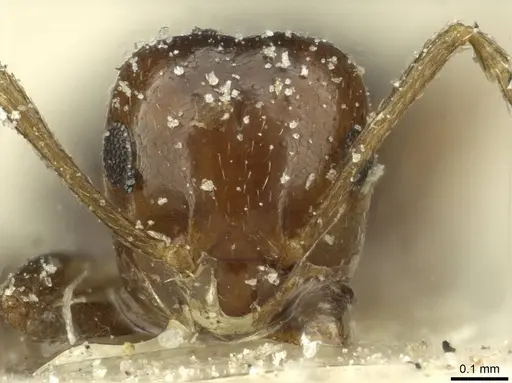
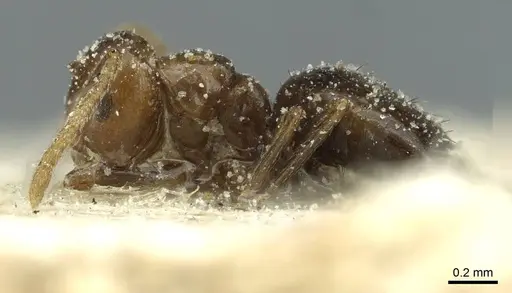
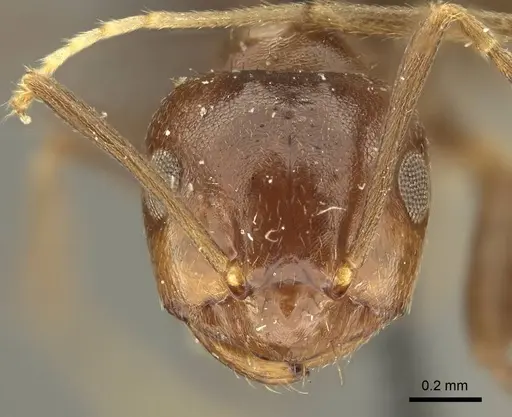
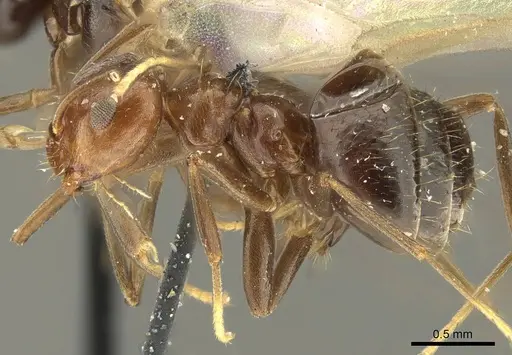
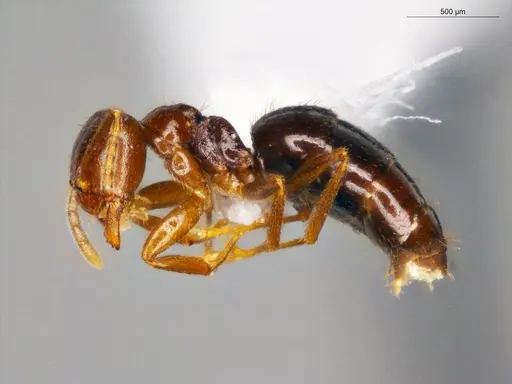
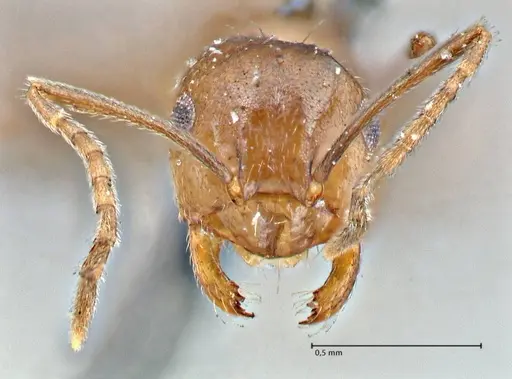
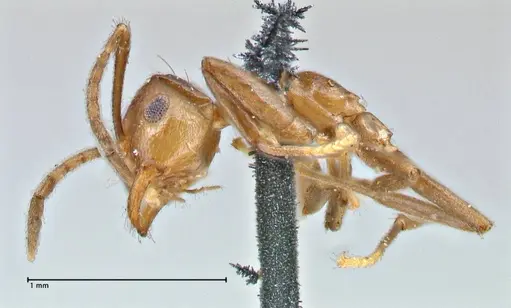
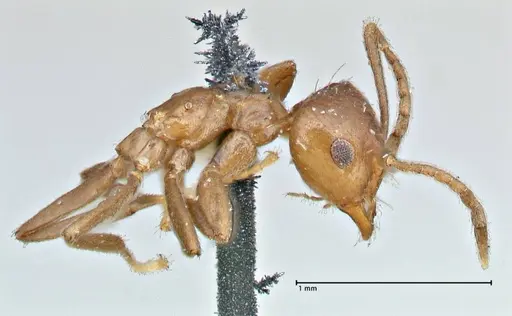
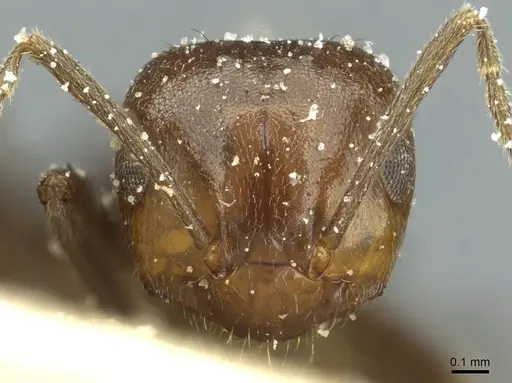
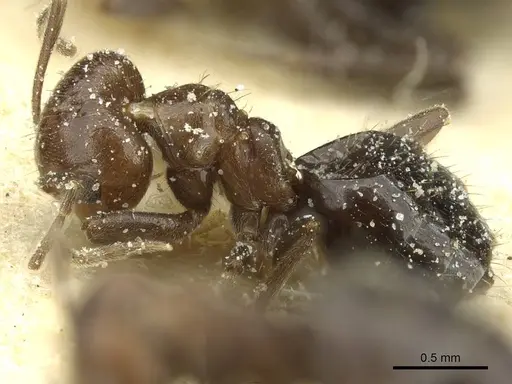
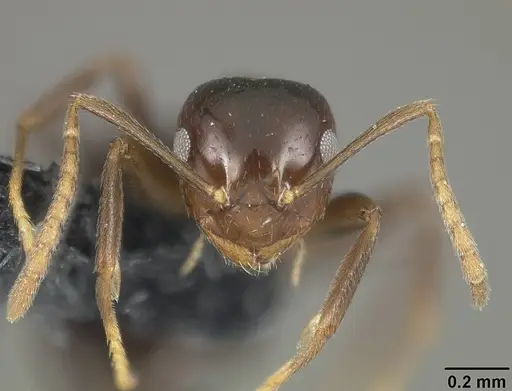
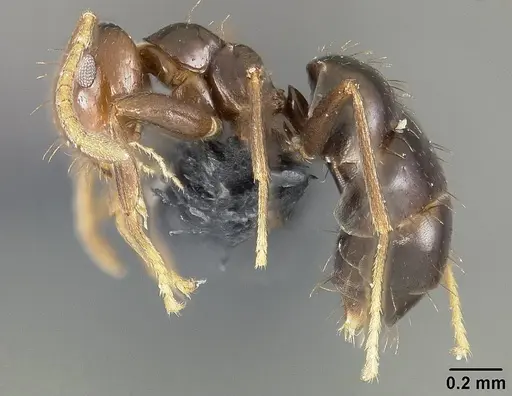
Brachymyrmex coactus is a small Neotropical ant species with workers measuring 1.5-2mm in total length, making it one of the larger species within its genus . The workers have a distinctive two-tone coloration: the head and mesosoma are brownish-yellow, while the gaster is noticeably darker . Their antennae extend well beyond the back of the head, and the mesonotum has a characteristic swollen appearance that bulges above the pronotum when viewed from the side . This species has an unusual foraging behavior - unlike most ants that send out individual foragers, B. coactus moves exclusively in dense columns. Longino observed a column over 20 meters long during a colony migration in Costa Rica, with workers carrying pupae and males traveling alongside [AntWiki]. This column-forming behavior makes them one of the more conspicuous Brachymyrmex species, though they remain rarely collected.
Quick Summary
- Difficulty: Medium
- Origin & Habitat: Found across the Neotropical region including Argentina, Bolivia, Brazil, Costa Rica, Guyana, Panama, Paraguay, and Peru [3]. They prefer mid-elevation sites (700-1200m) in secondary forests and have been recorded nesting in dwarf coconuts, under bark in association with beetles, and in bromeliads [3][5]. This is a ground-dwelling species found in the shallow soil stratum (0-10cm) [5].
- Colony Type: Colony structure is unconfirmed. No documented ergatoid (wingless replacement) queens have been reported in the literature.
- Size & Growth:
- Queen: size data unavailable, queen measurements have not been documented in the scientific literature
- Worker: 1.5-2mm [1][2]
- Colony: Unknown, no colony size data available in research
- Growth: Unknown, no development timing data available
- Development: Unknown, development timeline has not been directly studied for this species (Related Brachymyrmex species typically develop relatively quickly in warm conditions, but specific timing for B. coactus is unconfirmed.)
- Antkeeping:
- Temperature: Keep at 22-28°C. This is a tropical species from mid-elevation Neotropical sites, so warmth is beneficial. A gentle gradient allowing workers to self-regulate is ideal.
- Humidity: Maintain moderate to high humidity. In the wild they nest in rotting vegetation (dwarf coconuts, bromeliads, under bark) which provides damp conditions [3]. Keep the nest substrate consistently moist but not waterlogged.
- Diapause: Unknown, no specific research on overwintering requirements. As a Neotropical species from mid-elevation sites, they likely do not require true hibernation but could benefit from slight seasonal temperature variation.
- Nesting: Provide a naturalistic setup with moist substrate. They nest in rotting vegetation in the wild, so a setup with damp soil or wood material works well. Test tubes with water reservoirs can work but ensure the nesting area stays humid. Avoid completely dry conditions.
- Behavior: These ants are not aggressive and pose no threat to keepers. Their most notable behavior is the formation of dense foraging columns, they have never been observed sending out isolated foragers [4]. This makes them fascinating to watch but also means they may be more sensitive to disturbance. They are small so standard containment with fine mesh and tight-fitting lids is necessary.
- Common Issues: very small size means escape prevention must be adequate, use fine mesh and tight-fitting lids, no documented care information makes husbandry experimental, be prepared to adjust conditions based on colony behavior, humidity requirements are not well-understood, monitor for drying out or mold issues, growth rate is unknown so beginners may struggle with patience, no documented founding behavior means wild-caught colonies are the primary option for keepers
Appearance and Identification
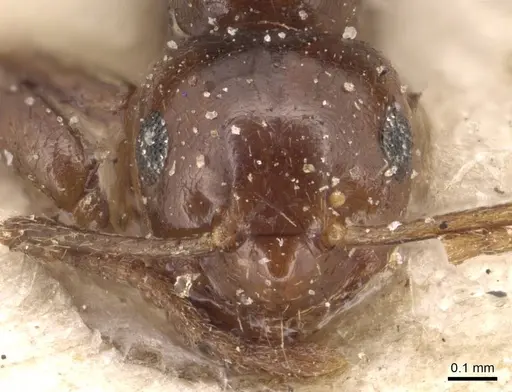
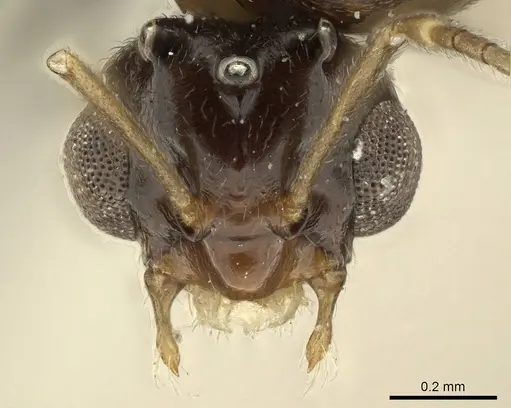
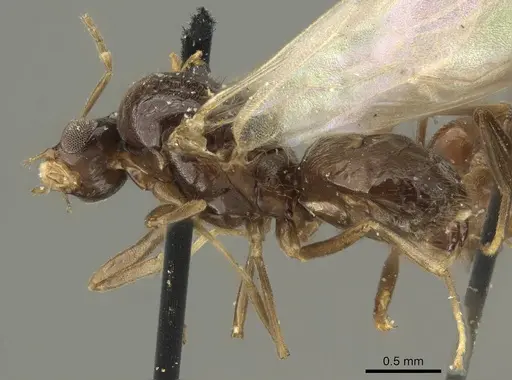
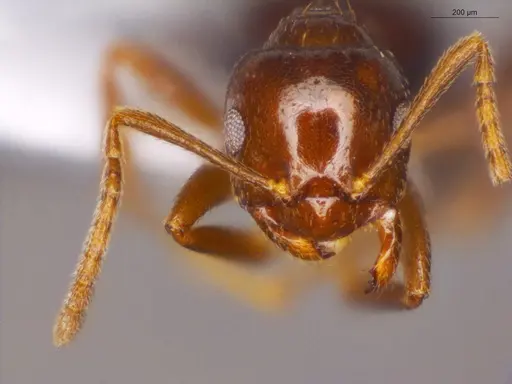
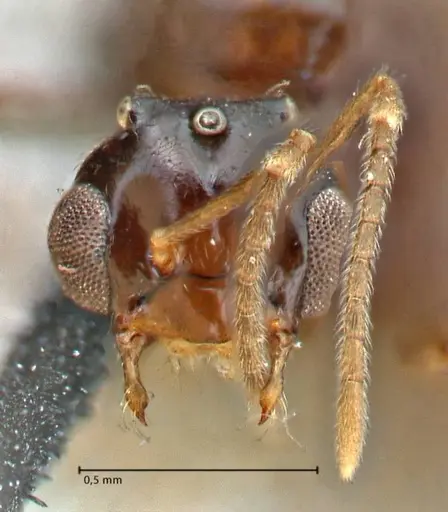
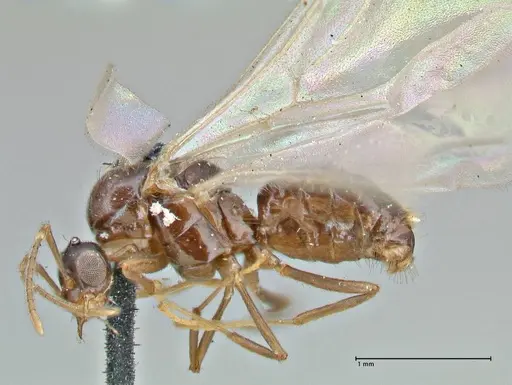
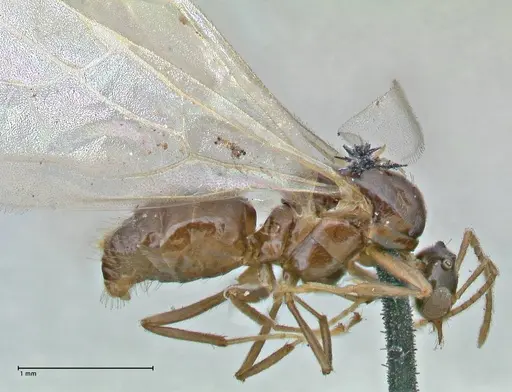
Brachymyrmex coactus workers are tiny ants measuring 1.5-2mm in total length [1][2]. They have a distinctive two-tone coloration: the head and mesosoma are brownish-yellow while the gaster is noticeably darker brown [3]. The antennae are long and extend past the back of the head by about one-quarter of their length. The mesonotum (middle part of the body) has a characteristic swollen appearance that visibly bulges above the pronotum when viewed from the side, this is a key identifying feature [3]. The body has scattered long erect hairs, particularly on the head and gaster. Despite being one of the larger Brachymyrmex species, they are still quite small compared to typical ant keepers are used to.
Natural History and Behavior
This species has an unusual foraging behavior, they forage exclusively in dense columns rather than sending individual foragers. Longino observed columns over 20 meters long during colony migrations in Costa Rica, with workers carrying pupae and males traveling alongside [4]. This column-forming behavior is why they are considered one of the more conspicuous Brachymyrmex species, even though they are rarely collected. They appear to prefer mid-elevation sites (700-1200m) and have been found in secondary forests, cloud forests, and areas near human settlements. The species is widespread across the Neotropics but patchy in distribution, suggesting they may have specific habitat requirements that are not fully understood [4]. They are ground-dwelling ants found in the shallow soil stratum (0-10cm) [5].
Nesting Preferences
In the wild, Brachymyrmex coactus nests in moist, decaying organic material. Specimens have been found inside dwarf coconuts, in the base of bromeliads, and underneath bark in association with beetles of the genus Claviger [3]. This suggests they prefer humid, protected microhabitats with some degree of decay. They are ground-dwelling ants found in the shallow soil stratum (0-10cm) [5]. They are habitat specialists restricted to secondary forest [6]. For captive care, provide a naturalistic setup with consistently moist substrate, a mix of soil and decaying wood material or leaf litter works well. Test tube setups can work if the cotton is kept moist, but these ants seem to prefer more complex nesting environments.
Feeding and Diet
The diet of Brachymyrmex coactus has not been specifically studied, but like most small Formicine ants, they likely consume honeydew from aphids and scale insects, and small insects. Their tiny size means they can only tackle very small prey items. Offer sugar water or honey as a constant energy source, and provide small protein sources like fruit flies, small mealworms, or other tiny arthropods. Given their column-foraging behavior, they may be more inclined to accept food presented in lines or groups rather than isolated items.
Temperature and Care
As a Neotropical species from mid-elevation sites (700-1200m), Brachymyrmex coactus prefers warm, stable conditions. Keep the colony at 22-28°C, with a slight gradient allowing workers to choose their preferred temperature. They are found in areas with tropical to subtropical climates and likely do not tolerate cold well. Humidity is important, their natural nesting sites in rotting coconuts, bromeliads, and under bark are consistently humid environments [3]. Keep the nest substrate moist but not waterlogged. Since their exact requirements are not well-documented, observe colony behavior: if workers cluster together excessively, they may need more warmth, if they avoid the nest area, it may be too dry.
Frequently Asked Questions
How long does it take for Brachymyrmex coactus to produce first workers?
The egg-to-worker development timeline has not been documented for this species. Development timing is unconfirmed, patience will be required as the colony establishes.
What do Brachymyrmex coactus ants eat?
Their specific diet has not been studied, but they likely feed on honeydew and small insects like other small Formicine ants. Offer sugar water or honey as a constant energy source, and small protein sources like fruit flies or tiny mealworms.
Are Brachymyrmex coactus ants good for beginners?
This species is not ideal for complete beginners due to the lack of documented care information and their unusual column-foraging behavior. However, experienced antkeepers comfortable with experimental husbandry should find them manageable. They are small but not particularly aggressive or escape-prone.
What type of nest should I use for Brachymyrmex coactus?
A naturalistic setup with moist substrate works best given their natural nesting in rotting vegetation, dwarf coconuts, and bromeliads. Use a mix of damp soil and decaying wood material. Test tubes can work if kept humid, but they seem to prefer more complex environments with multiple chambers.
Do Brachymyrmex coactus ants need hibernation?
Diapause requirements are unknown for this species. As a Neotropical species from mid-elevation sites, they likely do not require true hibernation. A slight seasonal temperature reduction may be beneficial but is not mandatory. Monitor colony activity levels and adjust accordingly.
How big do Brachymyrmex coactus colonies get?
Maximum colony size is unknown. No specific colony size data exists in the scientific literature.
Can I keep multiple Brachymyrmex coactus queens together?
Colony structure (monogyne vs polygyne) has not been documented for this species. Without specific research on queen behavior, combining unrelated queens is not recommended as it has not been studied.
Why do Brachymyrmex coactus ants walk in columns?
This is their natural foraging strategy, they have never been observed sending out isolated foragers. In captivity, they will likely exhibit similar column-forming behavior when foraging. This makes them fascinating to watch but may require adjusting how you present food.
Where is Brachymyrmex coactus found in the wild?
They occur across the Neotropical region: Argentina, Bolivia, Brazil, Costa Rica, Guyana, Panama, Paraguay, and Peru. They prefer mid-elevation sites (700-1200m) in secondary forests and have been found nesting in dwarf coconuts, bromeliads, and under bark.
Report an Issue
The current care sheet is based fully on literature. See inconsistencies, or something that's incorrect? Please , it will be resolved after review from an admin. Contributing to the blogs tab also helps providing information, to make us be able to further improve the caresheets. Thank you for your support!
References

This caresheet is licensed under CC BY-SA 4.0 .
Community Blogs
CASENT0905171
View on AntWeb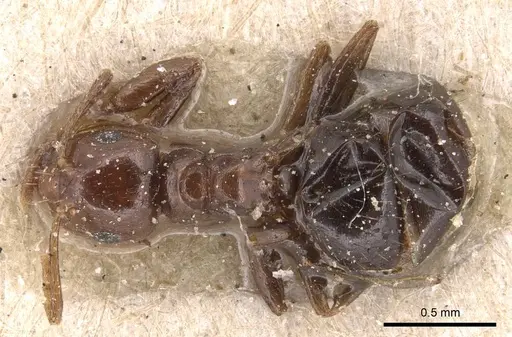
CASENT0911598
View on AntWeb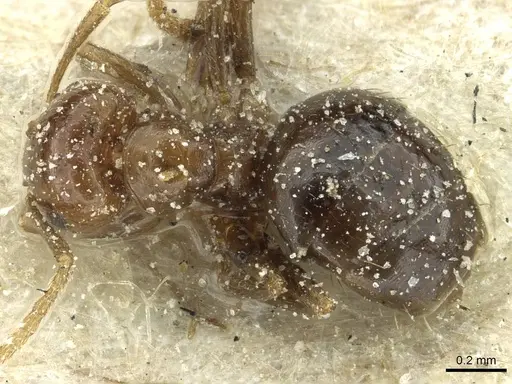
CASENT0915731
View on AntWeb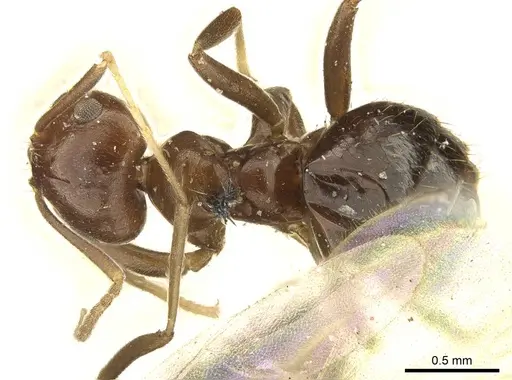
CASENT0915733
View on AntWeb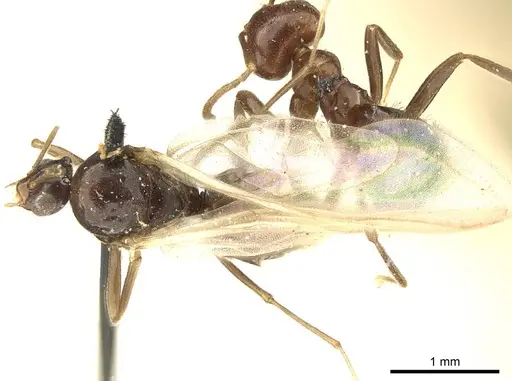
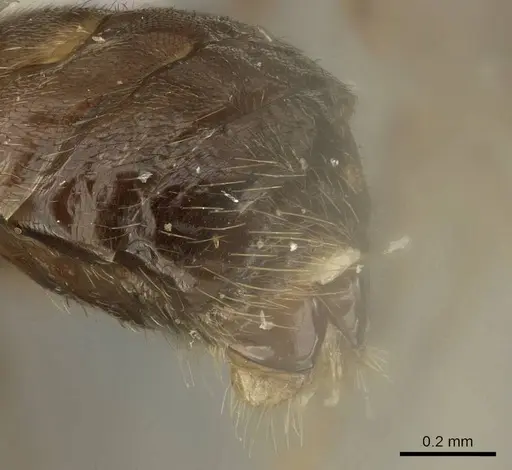
ECOFOG-OI17-0201-07
View on AntWeb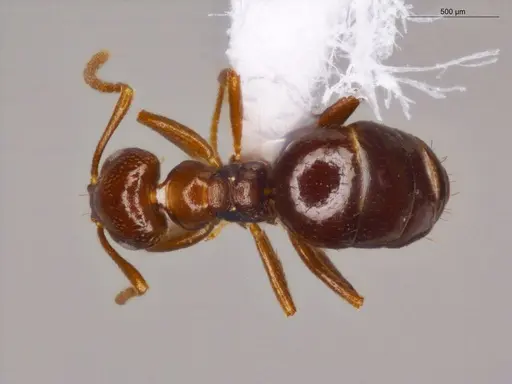
FOCOL2901
View on AntWeb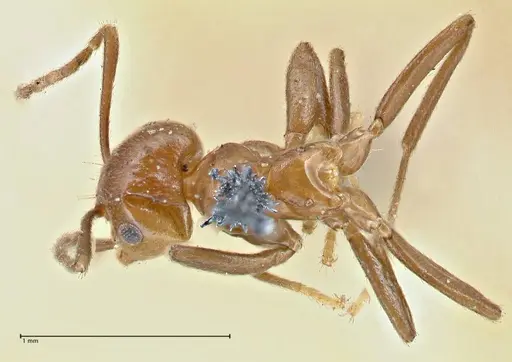
FOCOL2902
View on AntWeb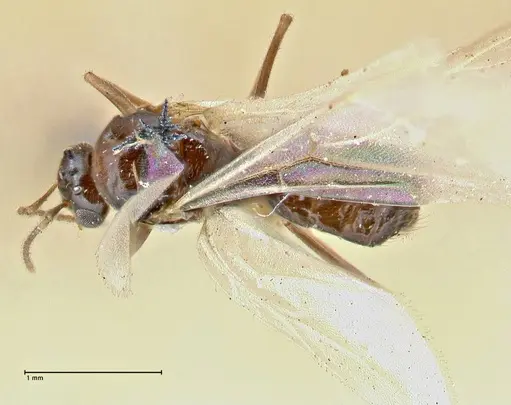
USNMENT00757224
View on AntWeb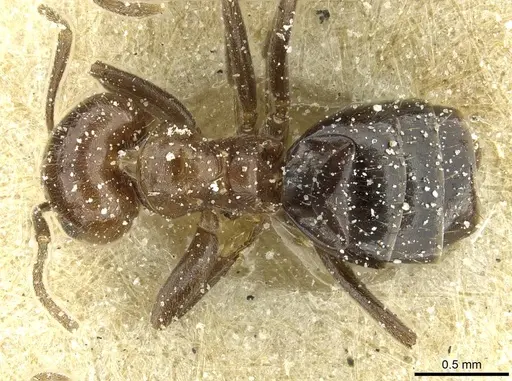
USNMENT01124249
View on AntWeb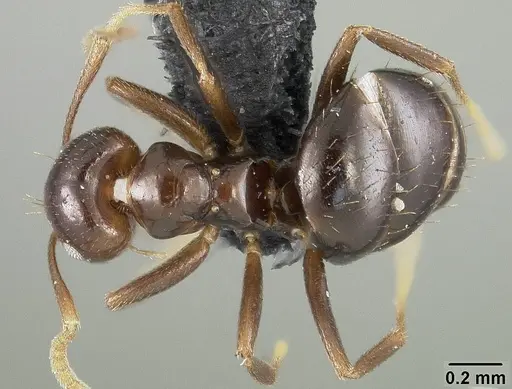
Literature
Loading distribution map...Loading products...