
Brachymyrmex aphidicola
- Sci. Name
- Brachymyrmex aphidicola
- Tribe
- Myrmelachistini
- Subfamily
- Formicinae
- Author
- Forel, 1909
- Distribution
- Found in 5 countries
Introduction
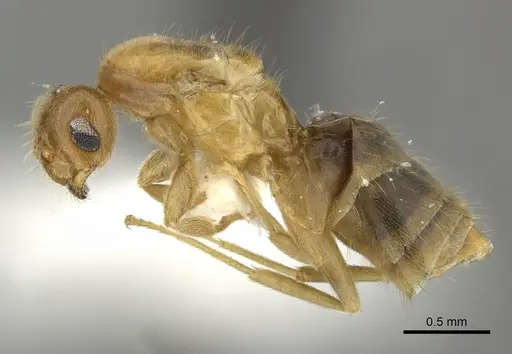
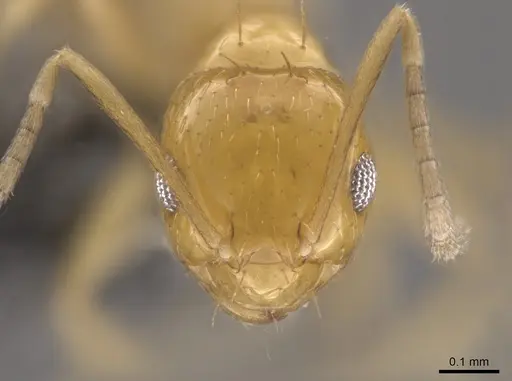
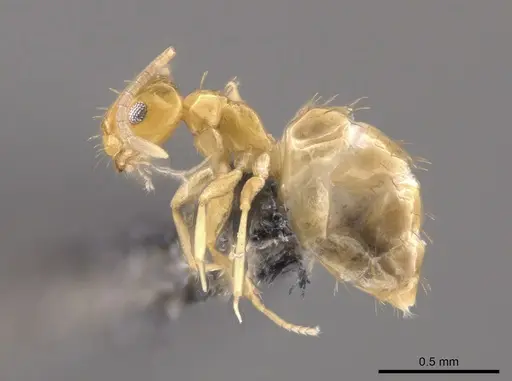
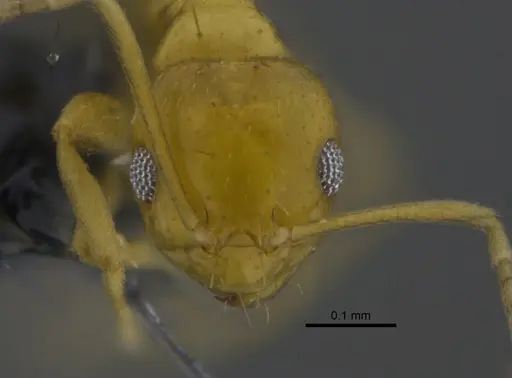
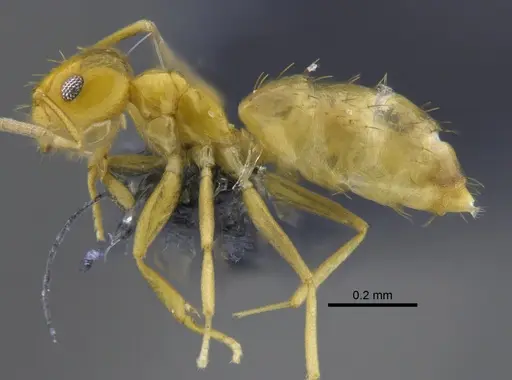
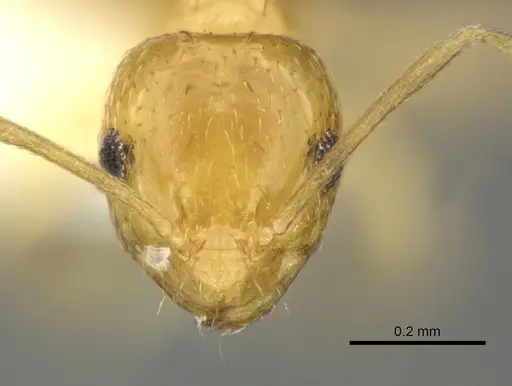
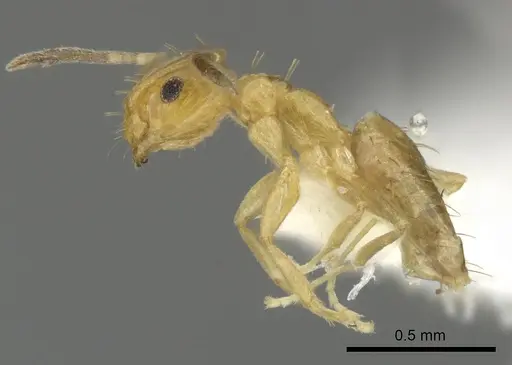
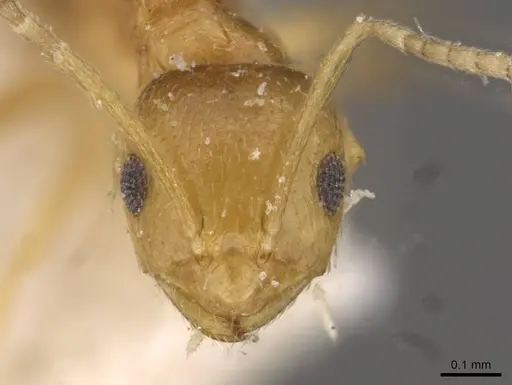
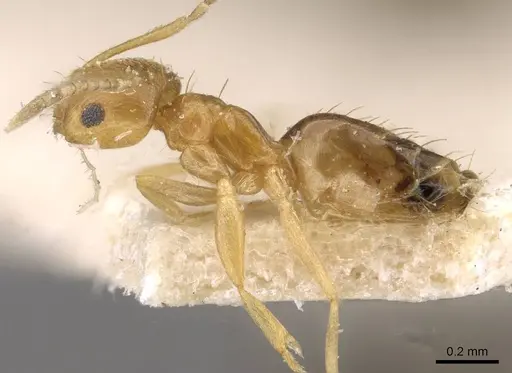
Brachymyrmex aphidicola is a tiny yellowish ant native to the Neotropical region, ranging from the southern United States down to Argentina, including Caribbean islands. Workers measure 1.2-1.5mm, making them one of the smaller ant species you'll encounter. Their body is smooth and shiny with a pale yellow-brown coloration, and they have relatively long antennae that extend past the back of their head . These ants are incredibly abundant in Paraguayan forests where they nest underground or in organic litter, making them one of the most common ground-nesting ants in that region . They can also be found nesting under stones, in rotting wood, and on epiphytes . This species has also been introduced to Hawaii where it's established in fernhouses .
Quick Summary
- Difficulty: Easy
- Origin & Habitat: Neotropical region, found from the southern United States through Mexico, Central America to Argentina, including Caribbean islands. They inhabit forest floors and litter in tropical and subtropical areas, nesting underground or in decaying organic material [1][2][3].
- Colony Type: Colony structure is unconfirmed. Based on typical Brachymyrmex patterns, likely single-queen colonies.
- Size & Growth:
- Antkeeping:
- Temperature: Keep in the low-to-mid 20s°C range (around 22-26°C). Studies show negative correlation with temperature in the wild, suggesting they prefer cooler conditions than typical tropical ants [6]. Avoid temperatures above 30°C.
- Humidity: They naturally inhabit damp forest litter and underground nests. Keep the nest substrate consistently moist but not waterlogged. Provide some drier areas for the ants to choose from.
- Diapause: Unknown, being a tropical species, they likely do not require true hibernation but may have reduced activity during cooler periods.
- Nesting: In captivity, they do well in test tubes or small formicariums with moist substrate. They prefer tight, humid chambers similar to their natural underground nesting sites. A Y-tong or plaster nest works well. Avoid dry, airy setups.
- Behavior: These ants are small but active foragers with high recruitment behavior, they often exploit a single food source exclusively due to strong recruitment [6]. They show no strong food preference in studies, meaning they'll accept both sugars and proteins [6]. They are not aggressive and rarely sting. Their tiny size (under 2mm) means escape prevention requires attention, use fine mesh and tight-fitting barriers. They are ground-nesting and may be skittish but will explore their outworld regularly.
- Common Issues: tiny size makes escape likely without fine mesh barriers, wild-caught colonies may be difficult to establish in captivity, sensitive to high temperatures, keep away from direct heat sources, may be stressed by overly dry conditions in the nest
Housing and Nest Setup
Brachymyrmex aphidicola is a tiny ant that needs appropriately scaled housing. A test tube setup works well for founding colonies, use a small test tube with a cotton ball providing water access. The small worker size (1.2-1.5mm) means they can escape through surprisingly small gaps, so use fine mesh on any ventilation and ensure lid seals are tight. Once the colony grows, a small formicarium with narrow chambers works better than large open spaces. They naturally nest underground or in organic litter, so a setup with moist substrate (like a plaster nest or Y-tong with a water reservoir) mimics their natural environment well. They prefer humid conditions but avoid standing water. [1][2][3]
Feeding and Diet
Studies show B. aphidicola has no strong food preference, they'll accept both carbohydrate and protein sources [6]. In captivity, offer sugar water or honey as a constant carbohydrate source. For protein, small prey items like fruit flies, pinhead crickets, or other tiny insects work well. Because of their small size, food items should be appropriately scaled. They are active foragers with strong recruitment, so place food in the outworld and they'll quickly discover and recruit nestmates. Remove uneaten prey after 24-48 hours to prevent mold.
Temperature and Seasonal Care
These ants show a negative correlation with temperature in the wild, meaning they're more abundant in cooler conditions within their tropical range [6]. This is unusual for tropical ants and suggests they prefer temperatures on the cooler side, aim for around 22-26°C. Avoid temperatures above 30°C, as this could stress or kill the colony. Room temperature is likely suitable for most keepers. As a tropical species, they probably don't require a true hibernation period, but you may notice reduced activity during cooler months. There's no documented diapause requirement.
Behavior and Observation
Brachymyrmex aphidicola is an active forager with interesting recruitment behavior. Studies show they often exploit a single food source exclusively due to high recruitment, once they find food, they focus heavily on that source rather than diversifying [6]. They're not aggressive and don't pose any threat to keepers. Their tiny size makes them less conspicuous than larger ants, but their pale yellow color makes them relatively easy to spot. They're ground-nesting ants that will explore the outworld regularly. Watch for their characteristic long antennae extending past the back of their head, this is a key identification feature.
Colony Establishment
Establishing B. aphidicola colonies from wild-caught queens can be challenging. The species is abundant in its native range (particularly Paraguayan forests), but wild-caught colonies may struggle to adapt to captive conditions. If you're catching a queen, look for claustral founding behavior typical of Formicinae, the queen seals herself in a chamber and raises the first brood alone on stored fat reserves. However, founding behavior has not been directly documented for this species. Start with a small test tube setup with moist cotton, keep it dark and undisturbed, and wait for the first workers (nanitics) to emerge. [3][1]
Identification Tips
Brachymyrmex aphidicola workers are tiny (1.2-1.5mm) with a smooth, shiny, yellowish body. The most distinctive feature is their antennae, the scapes extend past the back of the head by a length greater than the maximum diameter of their eye [1][2]. They have two erect hairs on the pronotum and two on the mesonotum. The body is uniformly pale yellow to light brown, with the gaster sometimes slightly darker. They can be distinguished from similar species like B. australis, B. minutus, and B. termitophilus by the scape length and other morphological details. Queens are larger (3.3-3.5mm) and also yellowish with a darker gaster.
Frequently Asked Questions
How long does it take for Brachymyrmex aphidicola to have first workers?
The exact development time is not documented, but based on typical Formicinae development patterns, expect first workers (nanitics) in about 6-10 weeks after the queen lays eggs, assuming warm tropical temperatures (around 24-28°C).
Can I keep Brachymyrmex aphidicola in a test tube?
Yes, test tubes work well for founding colonies. Use a small test tube with a water reservoir (cotton ball) and keep it humid and dark. Just ensure the lid has fine mesh for ventilation and that there are no gaps the tiny workers could escape through.
What do Brachymyrmex aphidicola ants eat?
They accept a variety of foods. Offer sugar water or honey for carbohydrates, and small protein sources like fruit flies, tiny crickets, or other small insects. Studies show they have no strong food preference.
Are Brachymyrmex aphidicola ants aggressive?
No, they are not aggressive and pose no danger to keepers. They're tiny, docile ants that focus on foraging rather than defending the colony.
What temperature do Brachymyrmex aphidicola ants need?
They prefer cooler conditions than typical tropical ants, aim for around 22-26°C. Studies show negative correlation with temperature, meaning they're more active in cooler conditions. Avoid high temperatures above 30°C.
How big do Brachymyrmex aphidicola colonies get?
The maximum colony size is not documented. Based on typical Brachymyrmex species, colonies likely reach a few hundred workers at most. They're not large colony formers.
Do Brachymyrmex aphidicola ants need hibernation?
Probably not, as a tropical species, they likely don't require true hibernation. You may notice reduced activity during cooler months, but no special winter care is needed.
Why are my Brachymyrmex aphidicola ants escaping?
Their tiny size (under 2mm) means they can squeeze through very small gaps. Use fine mesh (at least 0.5mm or smaller), ensure all lid seals are tight, and check for any gaps around tubing connections.
Is Brachymyrmex aphidicola a good beginner ant?
Yes, they are considered easy to keep. They're small, docile, and have no special dietary requirements. The main challenges are their tiny size (requiring good escape prevention) and sensitivity to high temperatures.
Where is Brachymyrmex aphidicola found in the wild?
They range from the southern United States through Mexico and Central America to Argentina, including the Caribbean. They're particularly abundant in Paraguayan forests where they nest underground or in organic litter.
Report an Issue
The current care sheet is based fully on literature. See inconsistencies, or something that's incorrect? Please , it will be resolved after review from an admin. Contributing to the blogs tab also helps providing information, to make us be able to further improve the caresheets. Thank you for your support!
References

This caresheet is licensed under CC BY-SA 4.0 .
Community Blogs
CASENT0173474
View on AntWeb
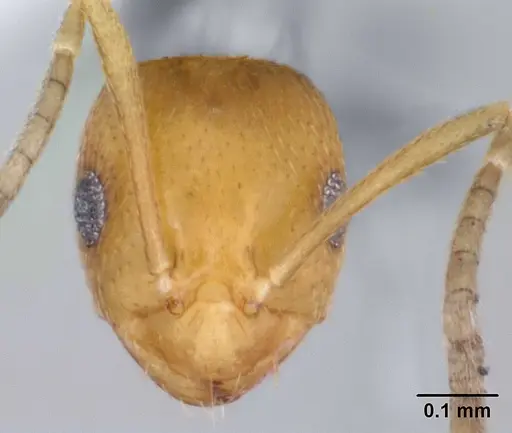
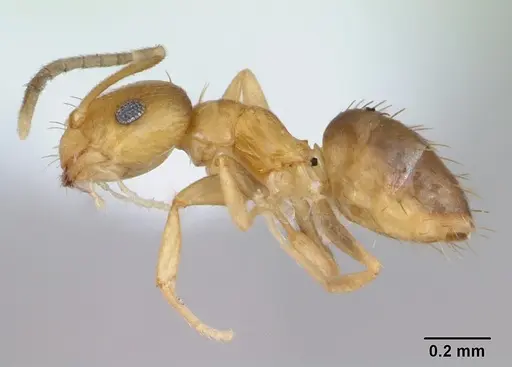
CASENT0619183
View on AntWeb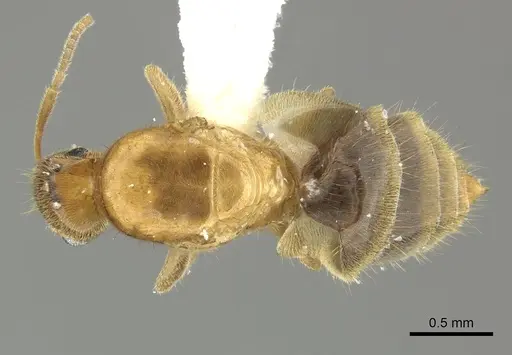
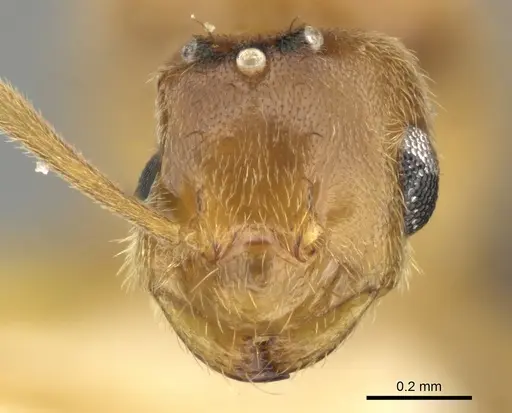
CASENT0653679
View on AntWeb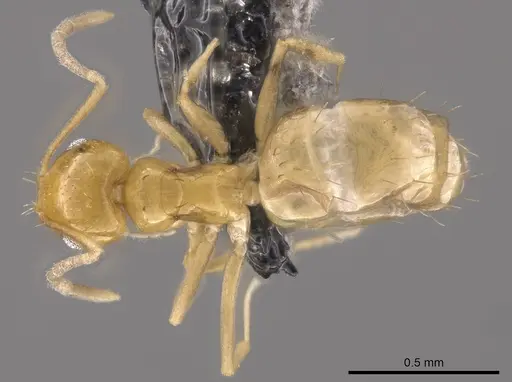
CBUMAGENT41830
View on AntWeb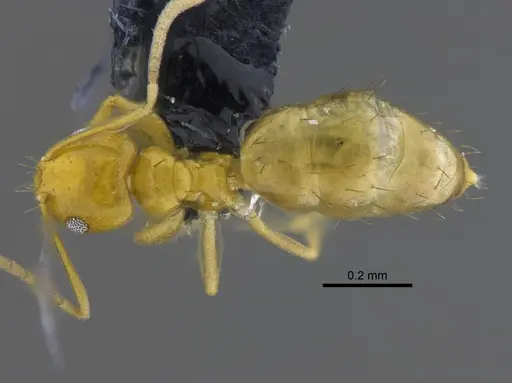
JTLC000005921
View on AntWeb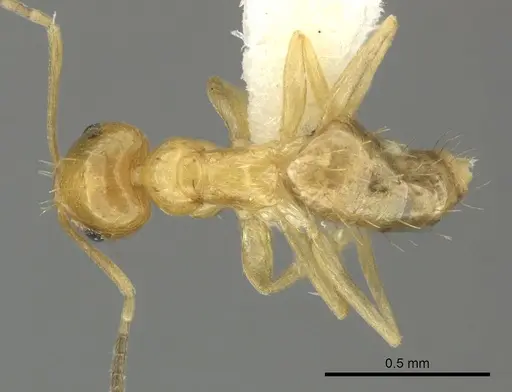
USNMENT00757130
View on AntWeb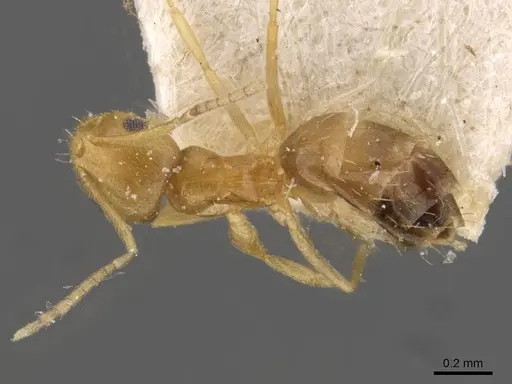
USNMENT00757190
View on AntWeb
Literature
Loading distribution map...Loading products...