
Bothroponera wasmannii
- Sci. Name
- Bothroponera wasmannii
- Tribe
- Ponerini
- Subfamily
- Ponerinae
- Author
- Forel, 1887
- Distribution
- Found in 1 countries
Introduction
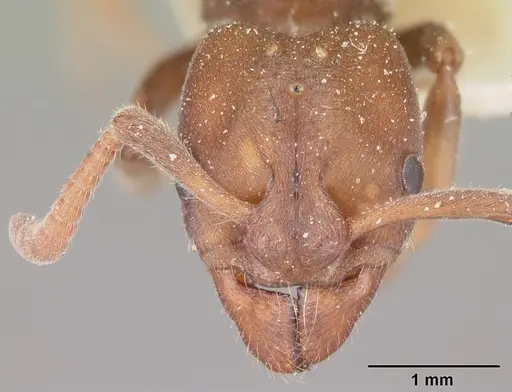
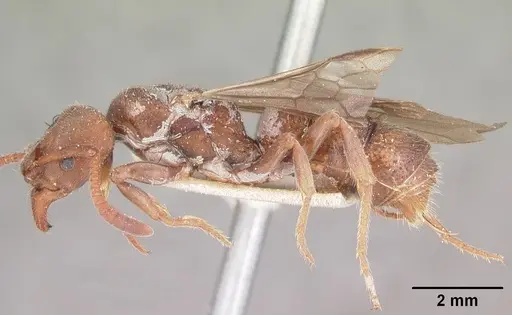
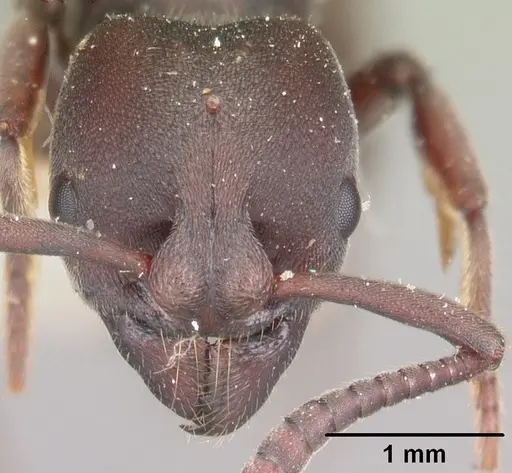
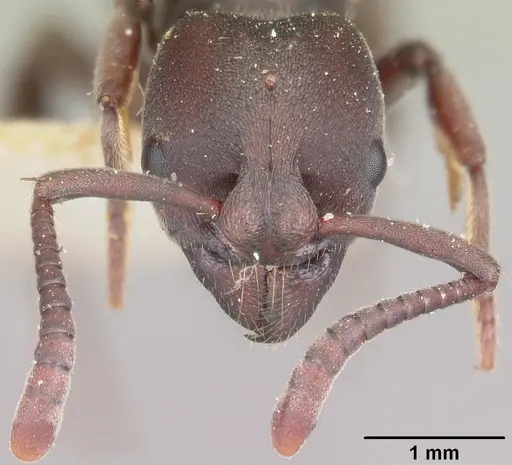
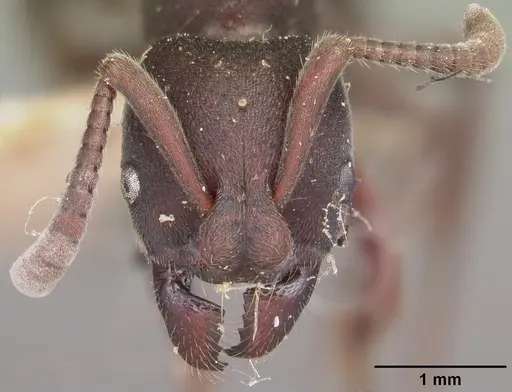
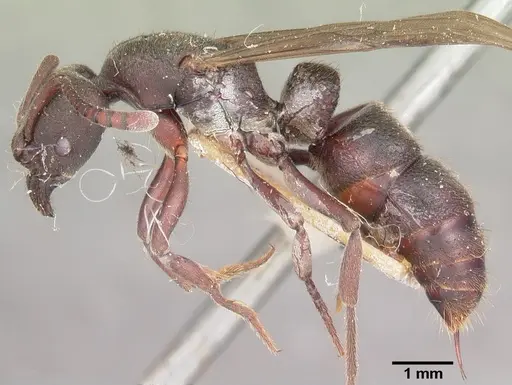
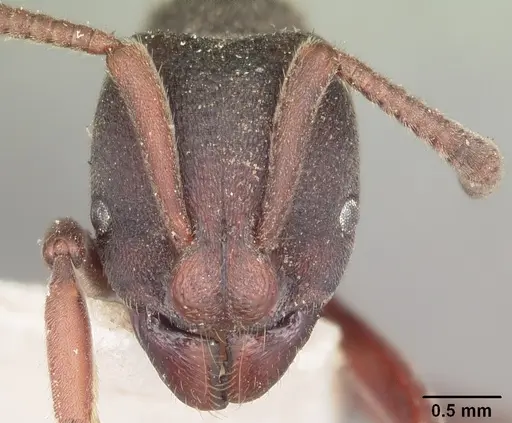
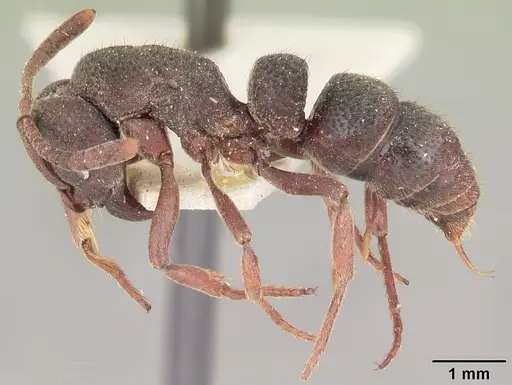
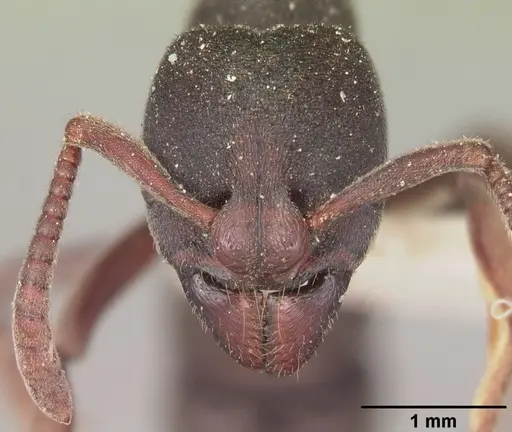
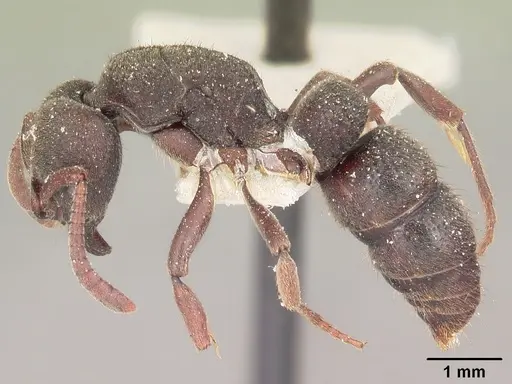
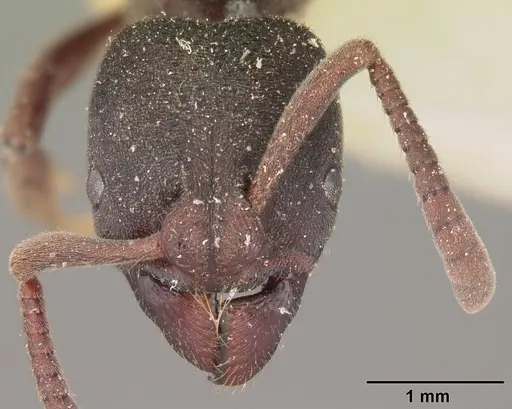
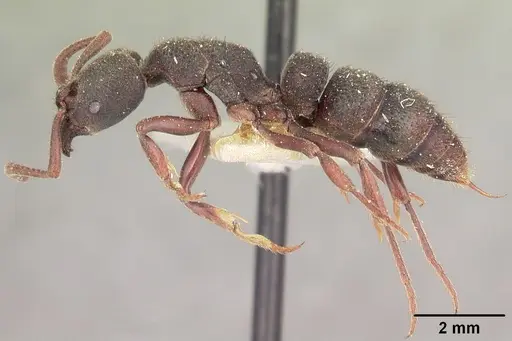
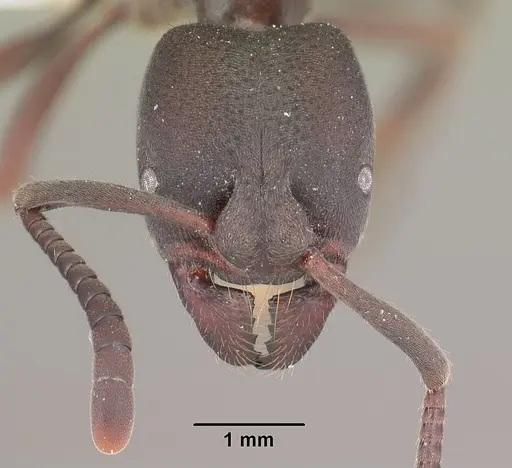
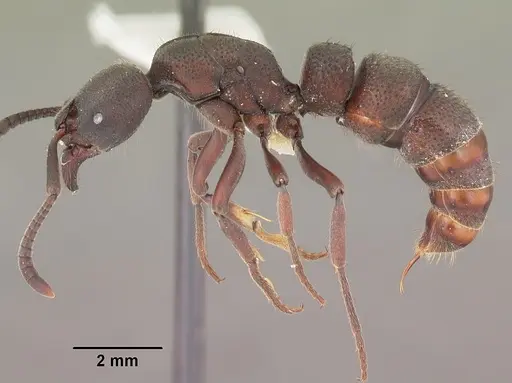
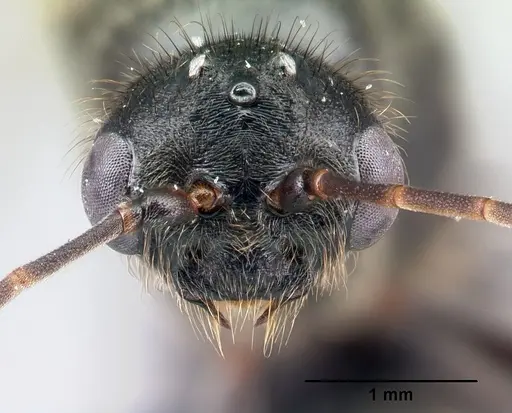
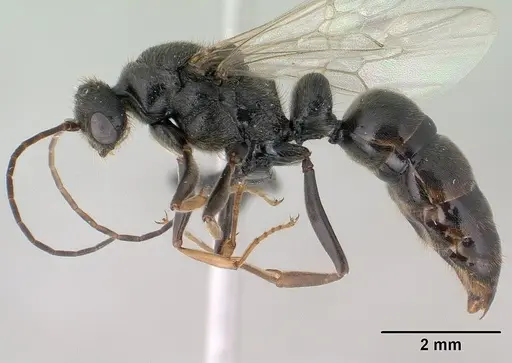
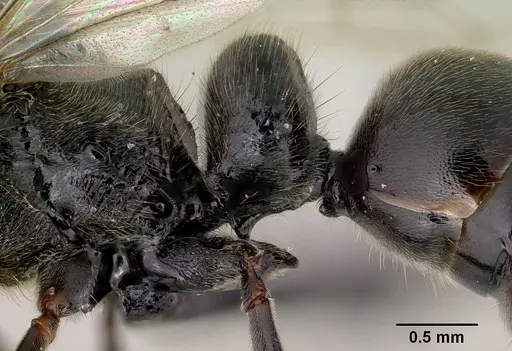
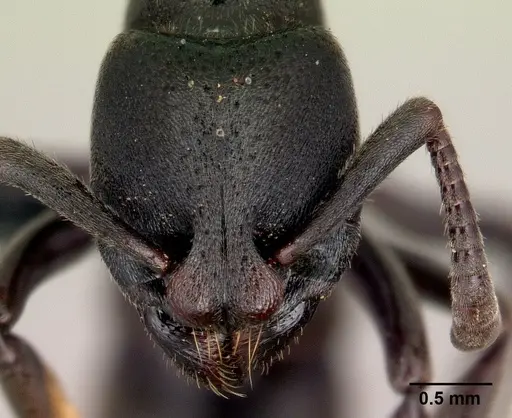
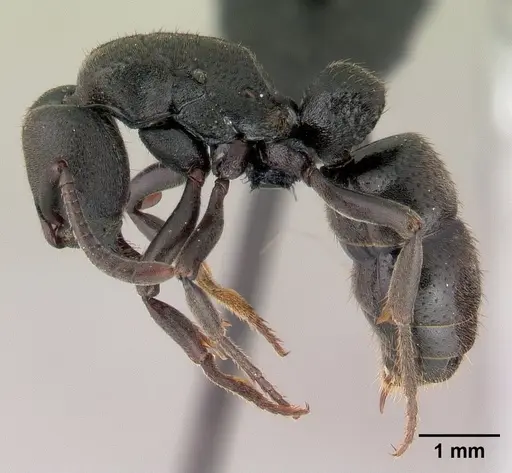
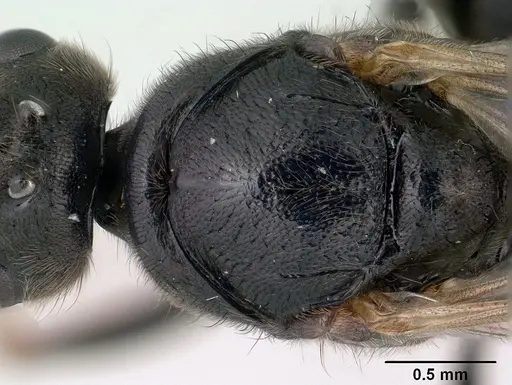
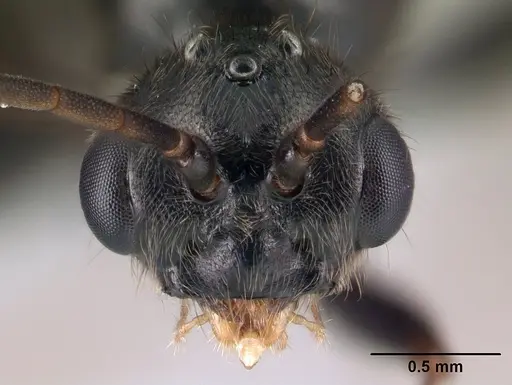
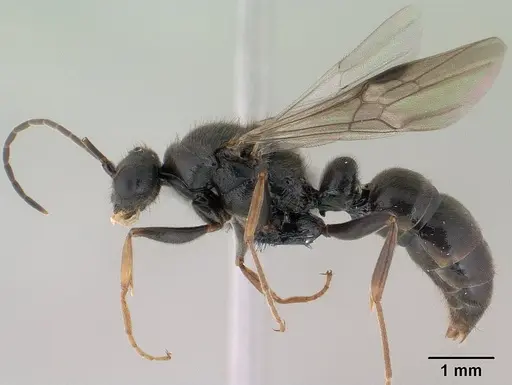
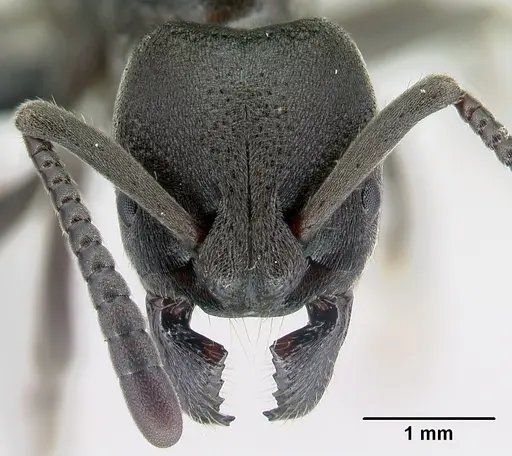
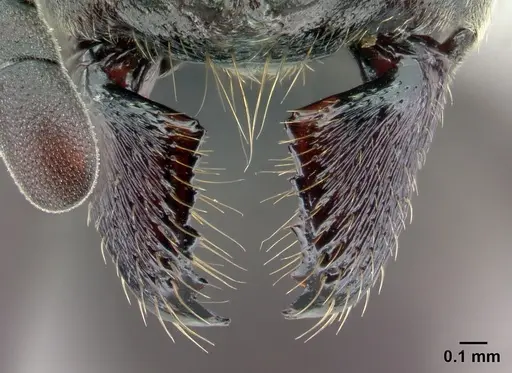
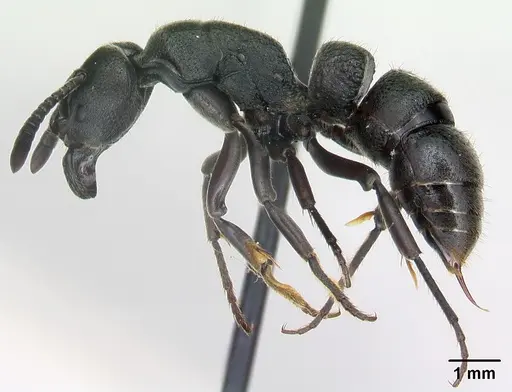
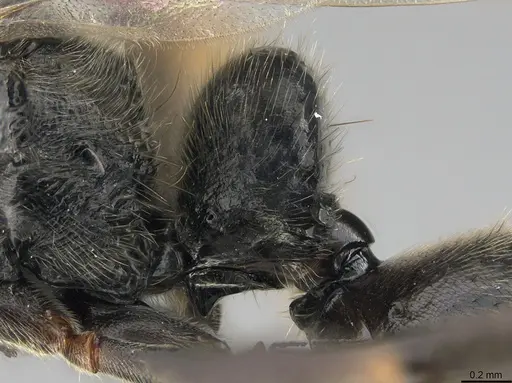
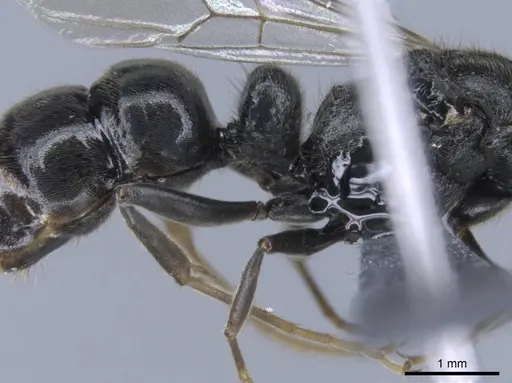
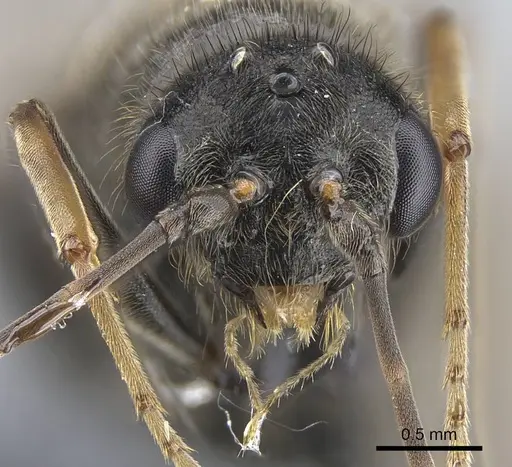
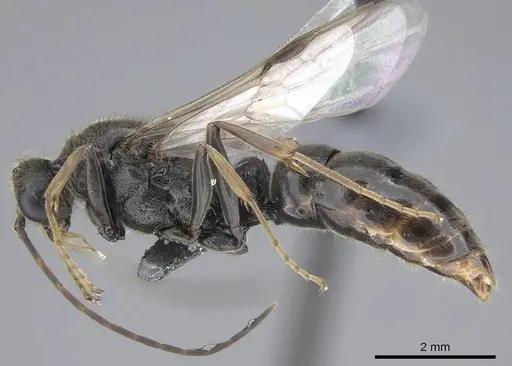
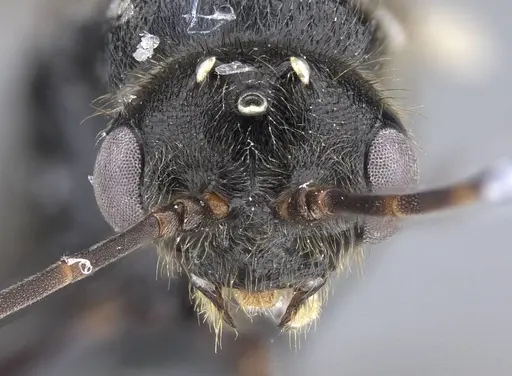
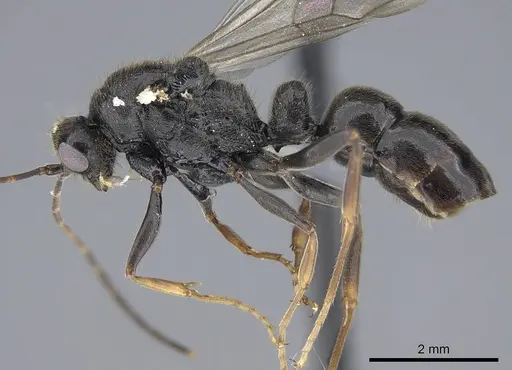
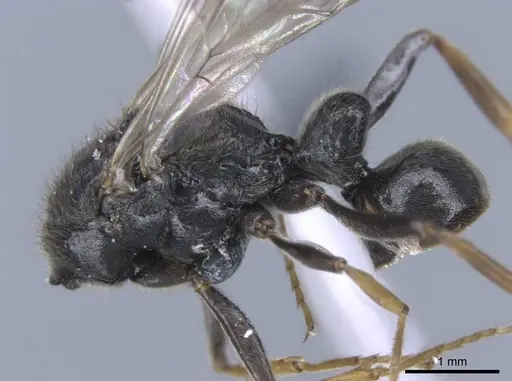
Bothroponera wasmannii is a medium-sized Ponerine ant endemic to Madagascar and the Comoros Islands. Workers have a dark brown to black body with lighter appendages and a matte integument . They feature a complete mesopleural suture, short erect hairs on the mesosoma and petiole node, and antennal segments that are nearly as wide as long. This species is notable for its defensive behavior - when disturbed, workers fake death by remaining motionless, a behavior called thanatosis . In the wild, they dominate dry forest habitats where they are often the only Bothroponera species present, though they can also be found in humid forests, gallery forests, and even human-modified areas .
Quick Summary
- Difficulty: Medium
- Origin & Habitat: Endemic to Madagascar and Anjouan Island in the Comoros. Most common in dry forests and woodland habitats in western Madagascar, but also found in gallery forests, littoral forests, transitional forests, humid forests in the north and southeast, and montane rainforests. Nests in rotten logs, soil layers, under rocks, and in decaying wood on the forest floor [1][2][3].
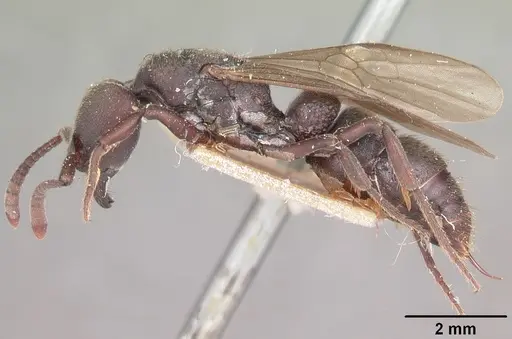
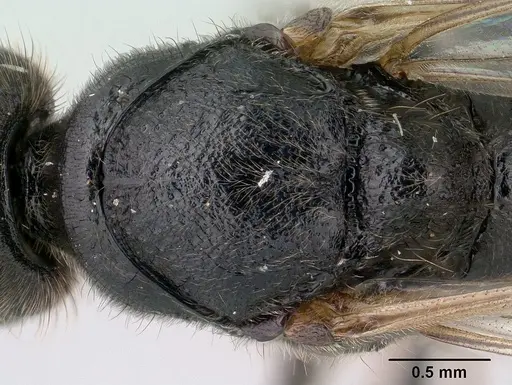
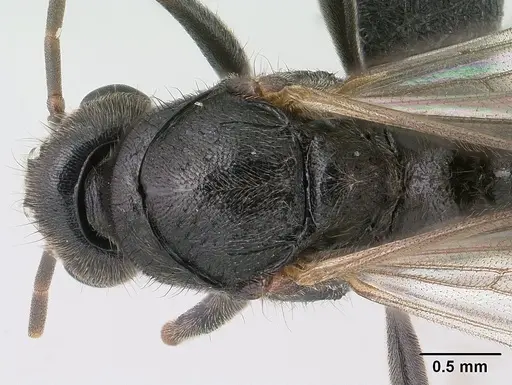
- Colony Type: Colony structure is not fully documented. Both winged queens and ergatoid (wingless) queens are present. Ergatoid queens have one ocellus and reduced thoracic sclerites, suggesting they may serve as replacement reproductives if the primary queen dies [1].
- Size & Growth:
- Queen: ~10-12mm, inferred from Bothroponera genus patterns (no total length data available)
- Worker: ~7-9mm, inferred from Bothroponera genus patterns (no total length data available)
- Colony: Unknown, no colony size data available in research
- Growth: Moderate, inferred from Ponerine patterns
- Development: 6-10 weeks estimated based on typical Ponerinae development at warm temperatures (Development time is not directly studied for this species. Ponerine ants typically develop from egg to worker in 6-10 weeks at optimal temperatures. Expect slower development than faster-growing genera like Pheidole.)
- Antkeeping:
- Temperature: Keep at 22-26°C. This species comes from tropical Madagascar so warmth is important. A heating cable on one side of the nest creates a temperature gradient. Room temperature within this range is acceptable.
- Humidity: Keep substrate moderately to consistently moist. In the wild, they nest in rotting wood and soil in forest environments. Provide a damp nest substrate but avoid waterlogging. Some drier areas in the setup allow ants to self-regulate [1].
- Diapause: No, this is a tropical species from Madagascar. They do not require hibernation. Maintain warm temperatures year-round [1].
- Nesting: In nature they nest in rotten logs, soil layers, under rocks, and in decaying branches. In captivity, they do well in Y-tong (AAC) nests, plaster nests, or naturalistic setups with rotting wood pieces. They prefer dark, humid nest chambers. Avoid dry, exposed setups [1].
- Behavior: Workers are moderately aggressive and will defend the nest. They forage on the forest floor and through leaf litter, hunting small invertebrates. This species is known for thanatosis, when disturbed, workers freeze and pretend to be dead, which makes them hard to spot. They have a functional sting (Ponerinae typically have functional stings) and can deliver a painful sting if handled roughly. Escape prevention is important, medium-sized ants can fit through standard gaps, so ensure lids fit tightly and barrier methods are in place [1][2].
- Common Issues: Thanatosis behavior can make it appear that workers are dead or missing, check carefully before disturbing the nest., Tropical species requires consistent warmth, temperatures below 20°C can stress colonies., Rotten wood nesting means they need humid conditions, dry nests lead to colony decline., Sting pain, handle gently to avoid being stung., Medium escape risk, standard barriers work but check for gaps.
Housing and Nest Setup
Bothroponera wasmannii does well in Y-tong (AAC) nests, plaster nests, or naturalistic setups. In the wild, they nest in rotting logs and soil, so provide humid, dark conditions inside the nest. Use substrate like soil, sand, or a soil-sand mix to maintain moisture. Include pieces of rotting wood or bark in naturalistic setups, this mimics their natural nesting in decaying wood. Keep the outworld simple with a foraging area and protein food offerings. A water test tube should always be available. Because they foragers on the forest floor, they do not need tall setups, horizontal space matters more than vertical height. [1][2]
Feeding and Diet
Like most Ponerine ants, Bothroponera wasmannii is predatory and will accept small live invertebrates. Offer protein sources like fruit flies, small crickets, mealworms, and other small insects. They likely hunt springtails and other micro-arthropods in the wild. Sugar sources may be accepted, you can offer honey or sugar water occasionally, but protein should be the primary food. Feed every 2-3 days, adjusting based on how quickly food is consumed. Remove uneaten prey after 24 hours to prevent mold. [1]
Temperature and Seasonal Care
This tropical species needs warm conditions year-round. Keep nest temperatures between 22-26°C. A heating cable on one part of the nest creates a gradient so ants can choose their preferred temperature. Avoid temperatures below 20°C for extended periods, this species comes from Madagascar's warm climate and does not experience cold winters. No hibernation or diapause is needed. Room temperature within the acceptable range is fine, but you may need a small heater or heating cable in cooler climates. Monitor colony activity, if workers seem sluggish, increase temperature slightly. [1]
Behavior and Defense
Workers exhibit thanatosis, when the nest is disturbed, they freeze and remain motionless, pretending to be dead. This is a defensive adaptation that makes them harder for predators to spot. When threatened, they can also deliver a painful sting using their functional sting apparatus (Ponerine ants have active stings). Handle gently and avoid provoking defensive responses. They forage on the forest floor and through leaf litter, so provide appropriate hunting opportunities in the outworld. Workers are medium-sized and can escape through standard gaps, use proper barriers. [1][2]
Colony Establishment
When acquiring a colony, you may get either a winged queen or an ergatoid (wingless) queen. Ergatoid queens have one ocellus and reduced thoracic sclerites, and they likely serve as replacement reproductives if the primary queen dies [1]. Founding behavior is not directly documented, but most Ponerine ants are semi-claustral, the queen leaves the nest to hunt during founding. If you have a founding queen, provide a small hunting area and offer small prey items. The first workers (nanitics) will be smaller than mature workers. Growth is moderate, expect several months to a year before the colony reaches double-digit worker numbers.
Frequently Asked Questions
How long does it take for Bothroponera wasmannii to produce first workers?
Egg-to-worker time is estimated at 6-10 weeks based on typical Ponerinae development. Actual time depends on temperature, warmer conditions within the 22-26°C range speed up development. The first workers (nanitics) will be smaller than mature workers.
Do Bothroponera wasmannii ants sting?
Yes, they have a functional sting and can deliver a painful sting if threatened. Handle gently and avoid provoking them. The sting is Ponerine-typical and can cause localized pain.
What do Bothroponera wasmannii eat?
They are predatory and need protein from small live invertebrates. Offer fruit flies, small crickets, mealworms, and similar prey. Sugar sources like honey may be accepted occasionally, but protein should be the primary food.
Do Bothroponera wasmannii need hibernation?
No, they are tropical ants from Madagascar and do not require hibernation. Keep them warm year-round at 22-26°C.
Are Bothroponera wasmannii good for beginners?
This species is rated as medium difficulty. They require warm, humid conditions and need regular protein feeding. The main challenges are maintaining proper temperature and humidity, and their sting means they are not ideal for handling. Experienced antkeepers should have no trouble, but beginners may find the thanatosis behavior concerning and the temperature requirements challenging.
What size colony do Bothroponera wasmannii reach?
Colony size is not documented in scientific literature. Based on typical Ponerine patterns, expect moderate-sized colonies, likely under a few hundred workers at maturity.
Why do my Bothroponera wasmannii workers freeze and not move?
This is normal behavior called thanatosis. When disturbed, workers fake death by freezing and remaining motionless. They are not dead, they will resume activity once they feel safe. This is a defensive adaptation.
Can I keep multiple queens together?
Colony structure is not well-documented for this species. Both winged queens and ergatoid queens exist in the wild, but combining unrelated queens has not been studied. Do not attempt to house multiple unrelated foundress queens together.
What nest type is best for Bothroponera wasmannii?
Y-tong (AAC) nests, plaster nests, or naturalistic setups with rotting wood work well. They need humid, dark conditions inside the nest. Avoid dry, exposed setups.
Where is Bothroponera wasmannii found in the wild?
This species is endemic to Madagascar and Anjouan Island in the Comoros. It is most common in dry forests in western Madagascar but also occurs in humid forests, gallery forests, and can even colonize human-modified habitats.
Report an Issue
The current care sheet is based fully on literature. See inconsistencies, or something that's incorrect? Please , it will be resolved after review from an admin. Contributing to the blogs tab also helps providing information, to make us be able to further improve the caresheets. Thank you for your support!
References

This caresheet is licensed under CC BY-SA 4.0 .
Community Blogs
CASENT0031384
View on AntWeb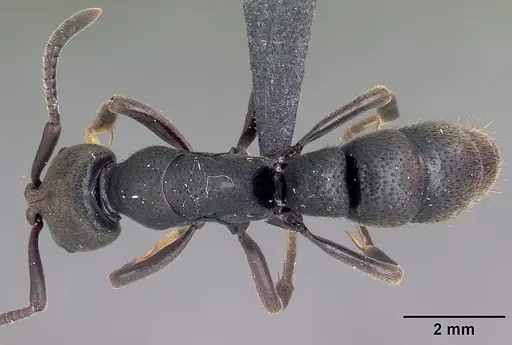
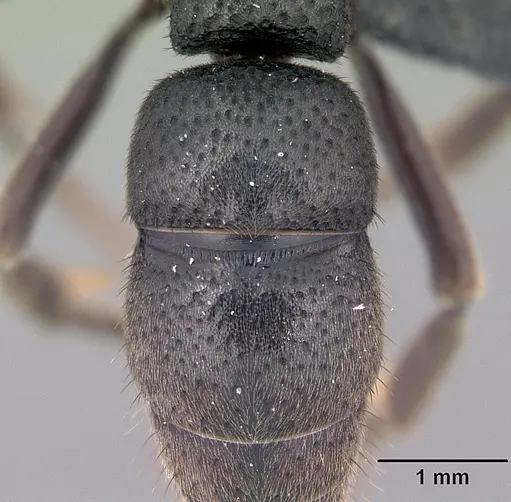
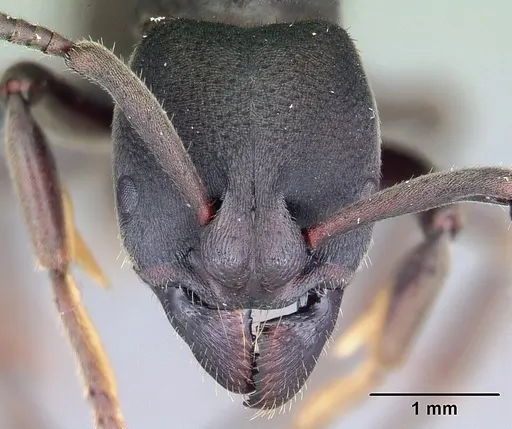
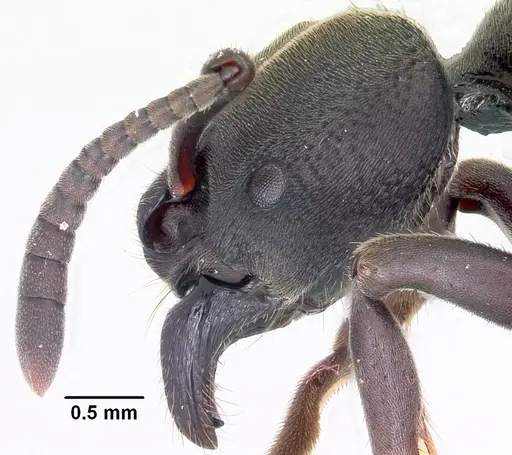
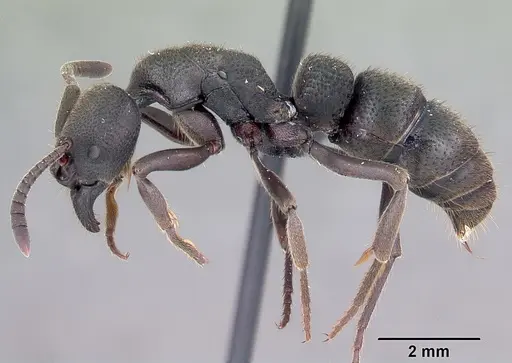
CASENT0076787
View on AntWeb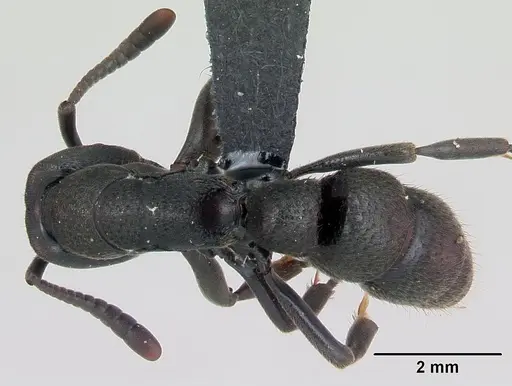
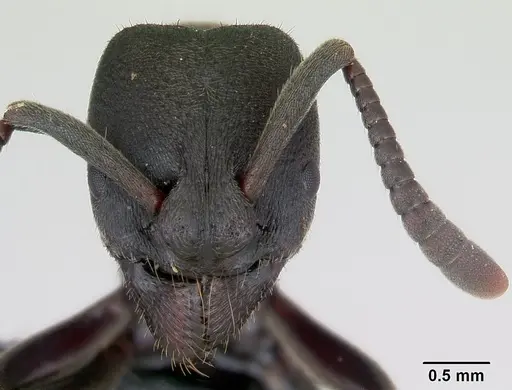
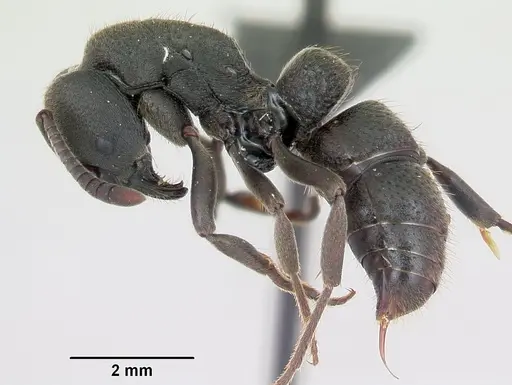
CASENT0101036
View on AntWeb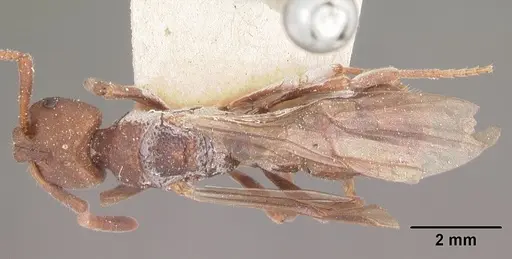
CASENT0101037
View on AntWeb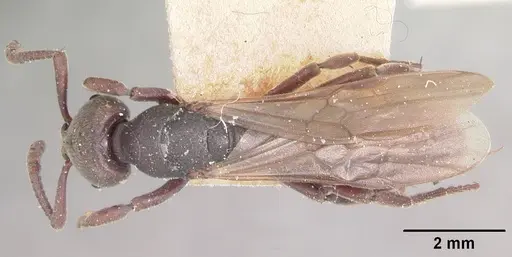
CASENT0101038
View on AntWeb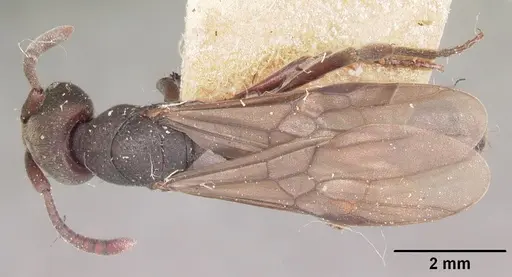
CASENT0101039
View on AntWeb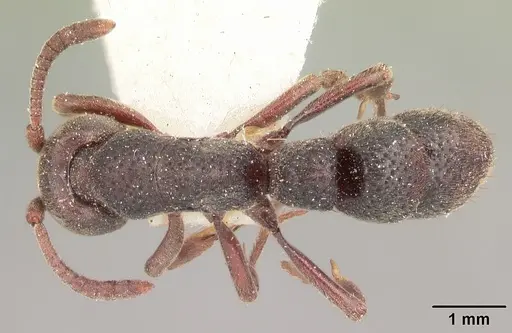
CASENT0101040
View on AntWeb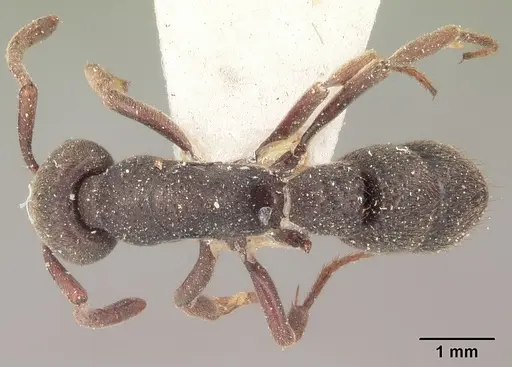
CASENT0101041
View on AntWeb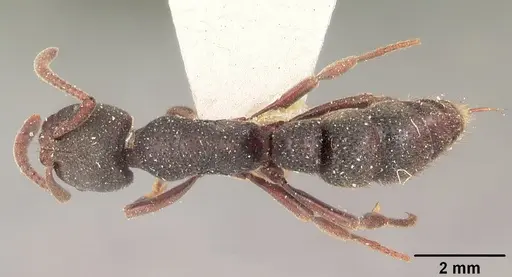
CASENT0101042
View on AntWeb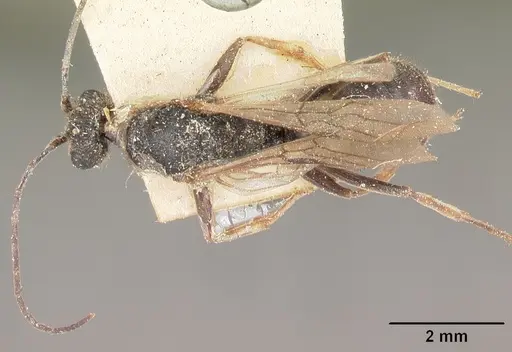
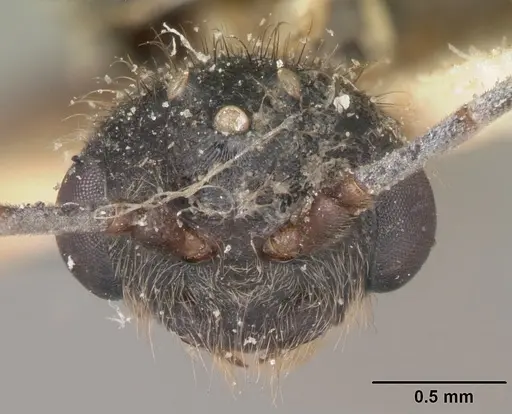
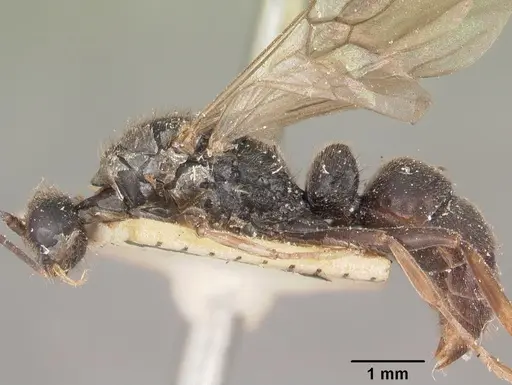
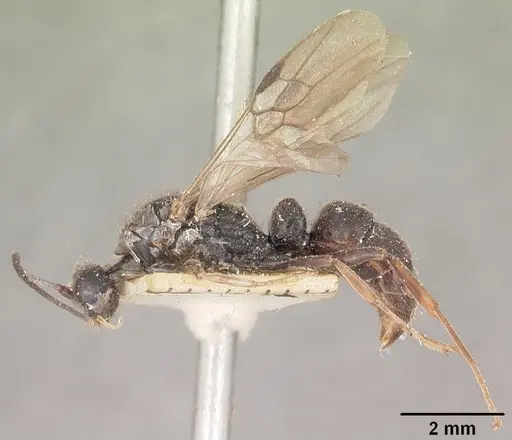
CASENT0102409
View on AntWeb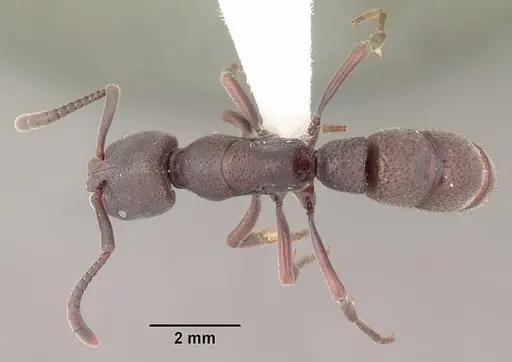
CASENT0134532
View on AntWeb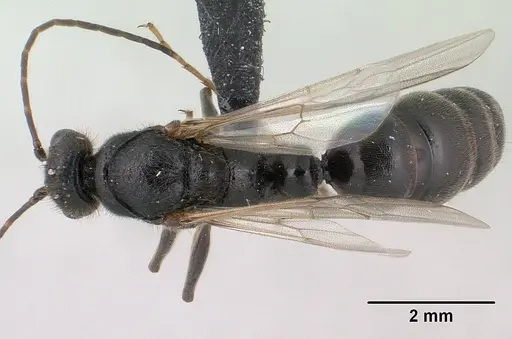
CASENT0147275
View on AntWeb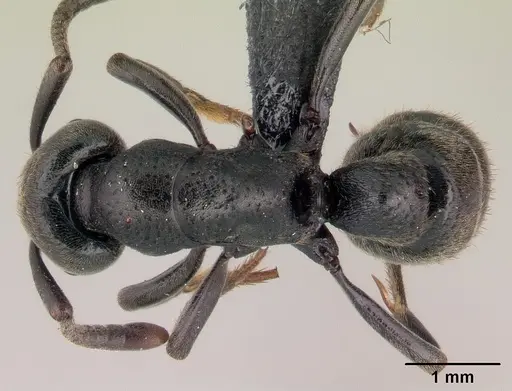
CASENT0147642
View on AntWeb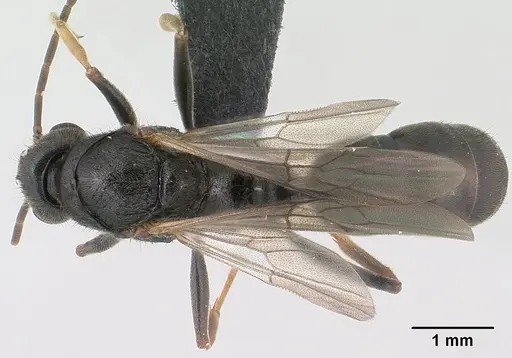
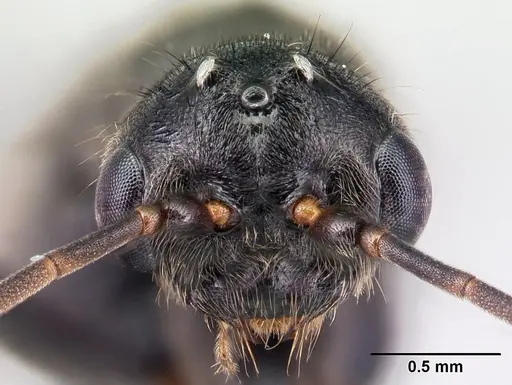
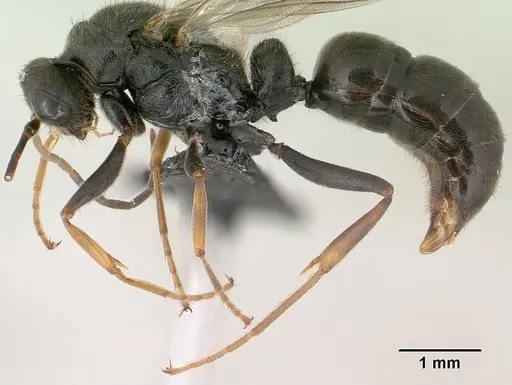
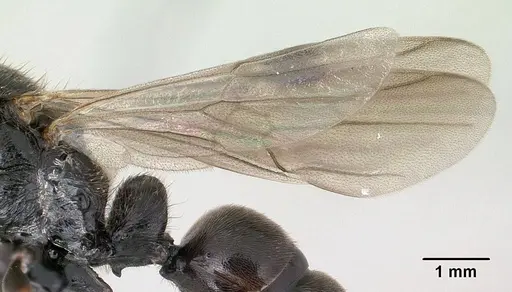
CASENT0147714
View on AntWeb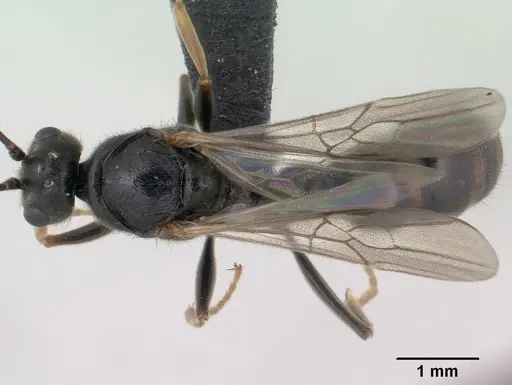
CASENT0485599
View on AntWeb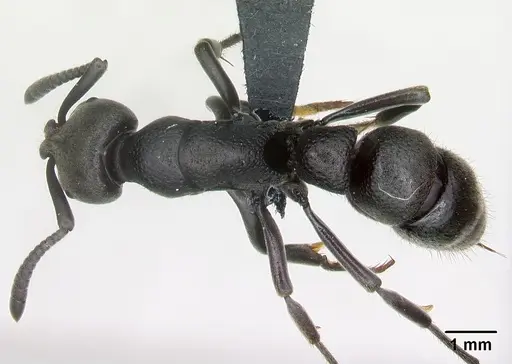
CASENT0740621
View on AntWeb
CASENT0740622
View on AntWeb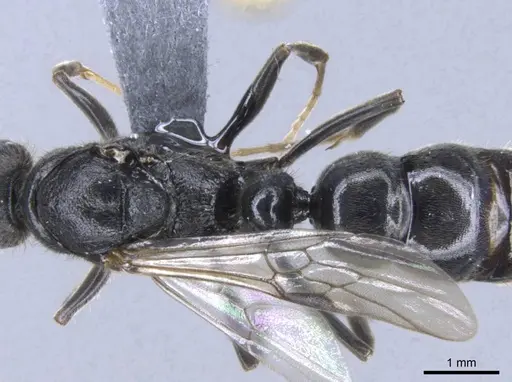
CASENT0740623
View on AntWeb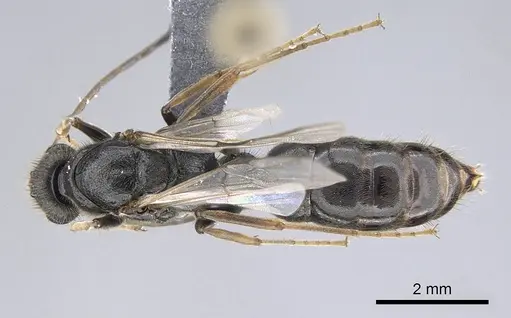
CASENT0740624
View on AntWeb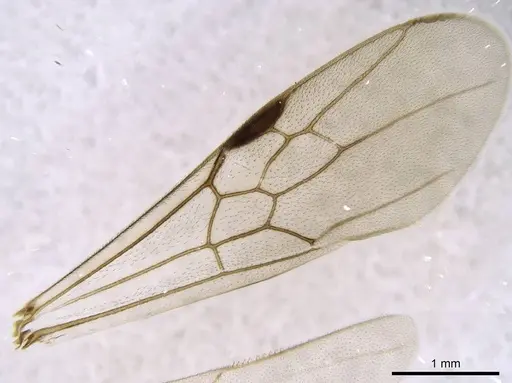
CASENT0740627
View on AntWeb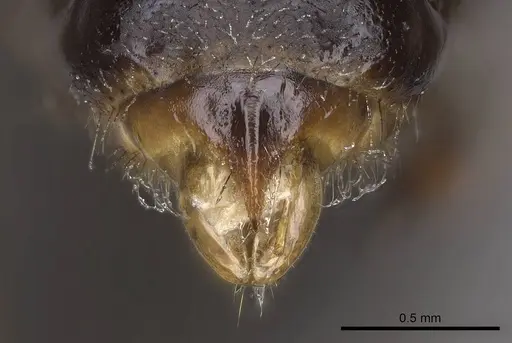
CASENT0740635
View on AntWeb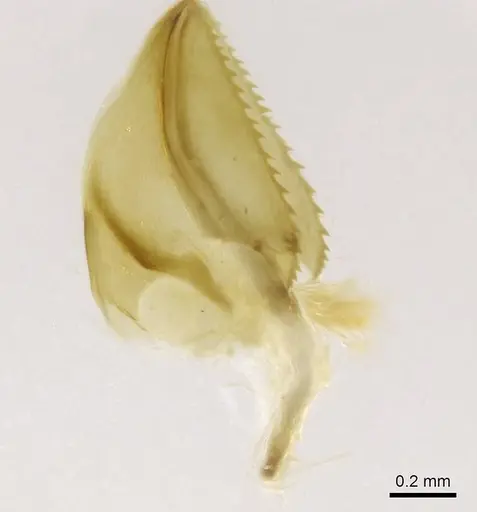
CASENT0740636
View on AntWeb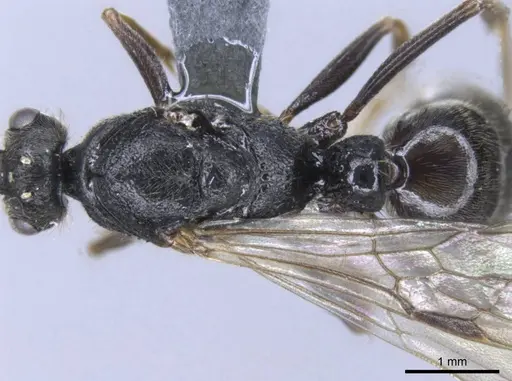
CASENT0740637
View on AntWeb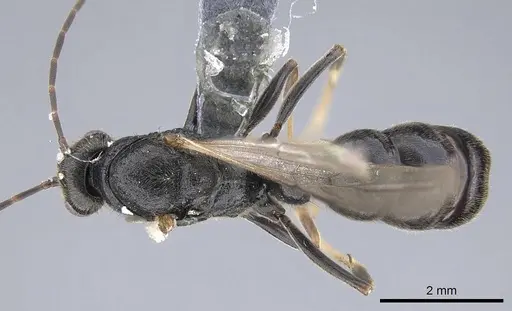
CASENT0740642
View on AntWeb
CASENT0740751
View on AntWeb
CASENT0740753
View on AntWeb
CASENT0740756
View on AntWeb
CASENT0740760
View on AntWeb
CASENT0740763
View on AntWeb
CASENT0740764
View on AntWeb
CASENT0740770
View on AntWeb
Literature
Loading distribution map...Loading products...