
Bothroponera masoala
- Sci. Name
- Bothroponera masoala
- Tribe
- Ponerini
- Subfamily
- Ponerinae
- Author
- Rakotonirina & Fisher, 2013
- Distribution
- Found in 1 countries
Introduction
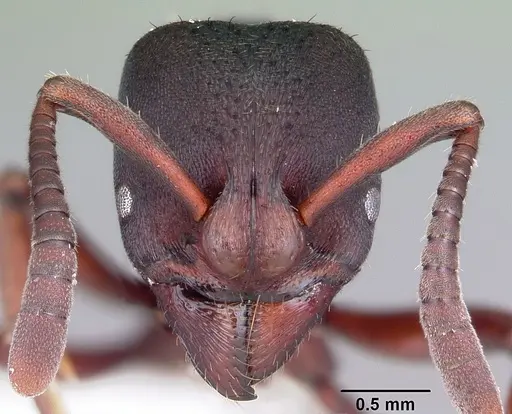
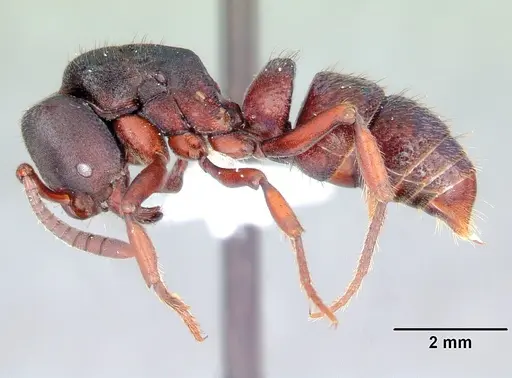
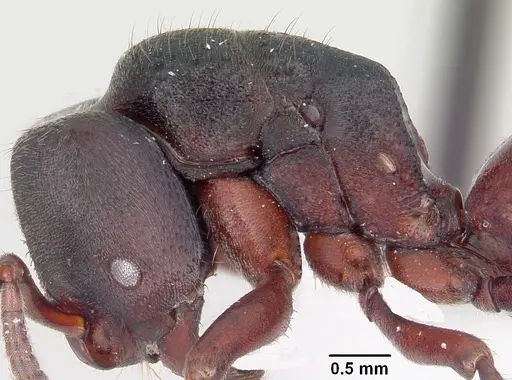
Bothroponera masoala is a medium-sized ponerine ant native to the humid forests of northeastern Madagascar. Workers have a distinctive dark reddish-brown to black body with lighter-colored gaster and legs. They can be identified by their flattened, heart-shaped petiole node that is about twice as broad as long in dorsal view, which distinguishes them from similar species like Bothroponera cambouei . These ants forage on the forest floor and through leaf litter, typically nesting under rocks or dense organic material. Only known from a few specimens in the Masoala Peninsula region, this represents one of the rarer ponerines available in the antkeeping hobby.
Quick Summary
- Difficulty: Medium
- Origin & Habitat: Lower elevations of humid forests in northeastern Madagascar around the Masoala Peninsula National Park and Makirovana forest near Sambava. Found at elevations around 25m in rainforest habitats [1][2][3].
- Colony Type: Colony structure is unconfirmed. Only known from worker and queen descriptions, no field data on queen number or colony size.
- Size & Growth:
- Queen: Approximately 9-11mm, inferred from Bothroponera genus patterns [1].
- Worker: Approximately 7-9mm, inferred from Bothroponera genus patterns [1].
- Colony: Unknown, no colony size data available.
- Growth: Unknown, no development data available.
- Development: Unconfirmed, no direct development data. Based on typical Ponerine patterns, estimate 8-12 weeks at warm temperatures. (Development timeline is unconfirmed. Ponerine ants typically have slower development than Myrmicinae species.)
- Antkeeping:
- Temperature: Aim for 22-26°C, these are lowland rainforest ants that prefer warm, stable conditions. A gentle heat gradient allows workers to self-regulate.
- Humidity: Keep substrate consistently moist but not waterlogged. These forest-floor ants need higher humidity (60-80%) to mimic their humid forest habitat. Provide a water tube as a moisture source.
- Diapause: Unknown, no data on overwintering requirements. As a tropical species from Madagascar, they likely do not require true hibernation but may reduce activity in cooler conditions.
- Nesting: In captivity, they do well in nests that provide security, Y-tong or acrylic nests with tight chambers work well. One wild nest was found under a dense layer of roots and litter on rock, suggesting they prefer enclosed, humid nesting sites. Provide some substrate depth or clutter for them to feel secure.
- Behavior: These are ground-foraging ants that search through leaf litter and debris. They are likely moderate to defensive in temperament, typical of Ponerines. Workers are moderately sized, escape prevention should be good but they are not tiny enough to require extreme measures like fine mesh. They probably rely on their sting for defense rather than aggressive swarming.
- Common Issues: limited availability, this is a rare species in the antkeeping hobby, no established care guidelines, you will be pioneering husbandry methods, unknown colony structure makes it difficult to know if you have a functional queen, slow development compared to common hobby species may frustrate beginners, humidity requirements must be balanced against mold risk in enclosed nests
Housing and Nest Setup
Bothroponera masoala does well in enclosed nest setups that maintain humidity. Y-tong (AAC) nests or acrylic formicaria with tight-fitting connections work well. The key is providing a secure, dark space, these ants naturally nest under rocks and dense organic matter where they feel protected. An outworld with a substrate layer allows them to forage naturally. Since they forage on the forest floor, horizontal space matters more than vertical height. Use a water tube for humidity and ensure the nest has some ventilation to prevent stagnation while retaining moisture. [1][2]
Feeding and Diet
As Ponerine ants, they are likely predatory or omnivorous. Offer small live prey appropriate to their size, fruit flies, small crickets, mealworms, and other small insects. They probably accept protein sources readily. Sugar water or honey can be offered occasionally, though many Ponerines are more protein-focused than sugar-dependent. Feed every 2-3 days and remove uneaten prey to prevent mold. Since their exact dietary preferences are unconfirmed, offering a variety helps you learn what they prefer.
Temperature and Humidity Management
These are lowland rainforest ants from tropical Madagascar, they need warmth and humidity. Keep the nest area at 22-26°C. A heating cable on one side of the nest creates a temperature gradient so workers can choose their comfort zone. High humidity (60-80%) is important, the humid forest floor is their natural habitat. Use a water tube and occasional misting of the outworld to maintain moisture. Avoid both drying out and creating stagnant, mold-prone conditions. Good ventilation helps balance humidity without drying them out. [1][2]
Behavior and Temperament
Bothroponera masoala is a Ponerine ant, a group known for more primitive social structure and often stronger stingers. They are likely defensive rather than aggressive, workers will retreat to the nest rather than swarm. Their sting is probably functional for their size, so handle with care. They forage individually on the forest floor rather than in large trails. Workers are moderately sized, so standard escape prevention works well, they are not tiny enough to slip through normal gaps but check all connections. [1]
Acquiring This Species
Bothroponera masoala is a rare species in the antkeeping hobby, making colonies difficult to find. You may need to connect with specialized breeders or importers who work with Malagasy species. Wild-caught colonies are unlikely as the species has a limited distribution in northeastern Madagascar. When acquiring a colony, verify you are getting a healthy, established queen with workers. The limited availability makes this a species for experienced keepers willing to invest effort in obtaining and maintaining a colony. [1][2][3]
Frequently Asked Questions
How long does it take for Bothroponera masoala to produce first workers?
The development timeline is unconfirmed for this species. Based on typical Ponerine development patterns, expect 8-12 weeks from egg to worker at optimal warm temperatures (24-26°C). Ponerines generally develop slower than common Myrmicinae species like Tetramorium or Camponotus.
What do Bothroponera masoala ants eat?
They likely accept small live prey like fruit flies, small crickets, and mealworms, typical of Ponerine ants. Offer protein regularly and sugar sources (honey or sugar water) occasionally. Their exact dietary preferences are unconfirmed since the species has not been kept extensively in captivity.
Are Bothroponera masoala ants aggressive?
They are likely moderately defensive rather than truly aggressive. Ponerines typically use their sting as a primary defense rather than swarming behavior. Workers will likely retreat when threatened rather than attack en masse. Handle with care as their sting is probably functional.
Do Bothroponera masoala need hibernation?
Probably not. As a tropical species from lowland Madagascar, they likely do not require true hibernation. They may reduce activity in cooler conditions, but a full diapause is not recommended. Maintain warm temperatures year-round (22-26°C).
What temperature should I keep Bothroponera masoala at?
Keep them at 22-26°C. These are lowland rainforest ants that prefer warm, stable conditions. A heating cable on one side of the nest creates a gradient, allowing workers to self-regulate by moving between warmer and cooler areas.
What humidity level do Bothroponera masoala need?
Aim for 60-80% humidity. These forest-floor ants from humid Madagascar need consistently moist substrate. Use a water tube and occasional misting. Balance humidity with adequate ventilation to prevent mold while avoiding drying out the colony.
How big do Bothroponera masoala colonies get?
Colony size is unknown, no field data exists on maximum colony size for this species.
Can I keep multiple Bothroponera masoala queens together?
The colony structure is unconfirmed. Without data on whether they are monogyne (single queen) or polygyne (multiple queens), combining unrelated queens is not recommended. Wait for more information about their natural colony structure before attempting multi-queen setups.
Is Bothroponera masoala good for beginners?
No, this species is not recommended for beginners. Limited availability, unconfirmed care requirements, and lack of established husbandry guidelines make it a species for experienced antkeepers willing to experiment and document their findings.
Where does Bothroponera masoala come from?
They are endemic to northeastern Madagascar, specifically around the Masoala Peninsula National Park and Makirovana forest near Sambava. They live in lower elevation humid rainforest at around 25m elevation.
What type of nest is best for Bothroponera masoala?
Enclosed nests that maintain humidity work best, Y-tong (AAC) or acrylic formicaria with tight chambers. They naturally nest under rocks and dense litter, so they prefer secure, dark spaces. Provide some substrate or clutter in the outworld for natural foraging behavior.
Report an Issue
The current care sheet is based fully on literature. See inconsistencies, or something that's incorrect? Please , it will be resolved after review from an admin. Contributing to the blogs tab also helps providing information, to make us be able to further improve the caresheets. Thank you for your support!
References

This caresheet is licensed under CC BY-SA 4.0 .
Community Blogs
CASENT0317384
View on AntWeb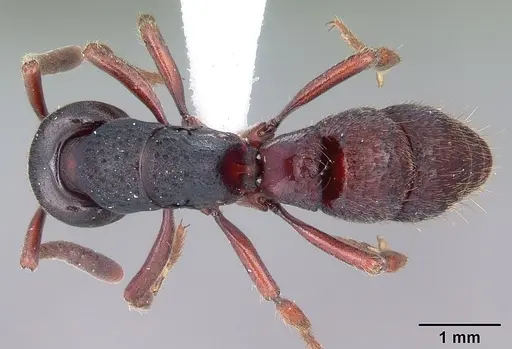
Literature
Loading distribution map...Loading products...