
Smooth Rugged Ringbum Ant
Bothroponera laevissima
- Sci. Name
- Bothroponera laevissima
- Tribe
- Ponerini
- Subfamily
- Ponerinae
- Author
- Arnold, 1915
- Common Name
- Smooth Rugged Ringbum Ant
- Distribution
- Found in 1 countries
Introduction
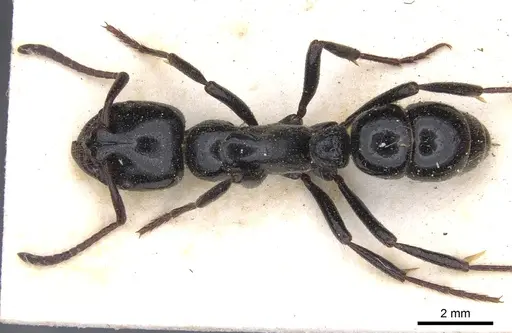
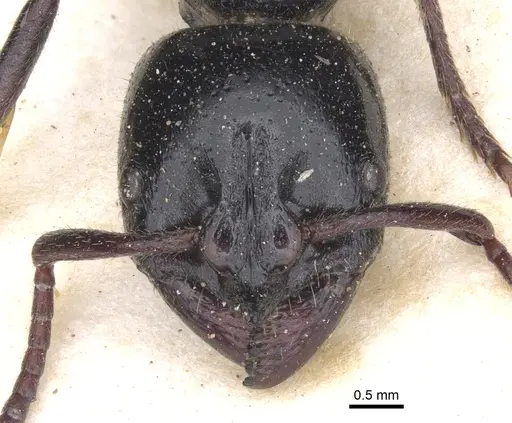
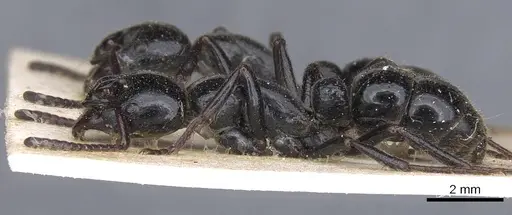
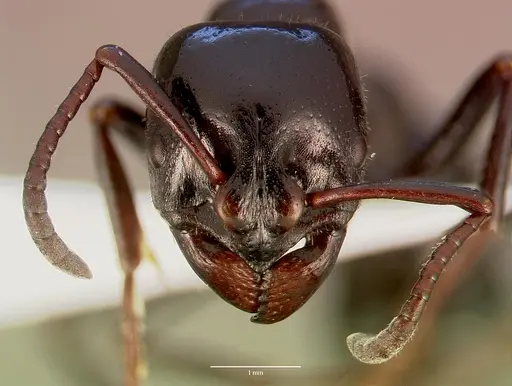
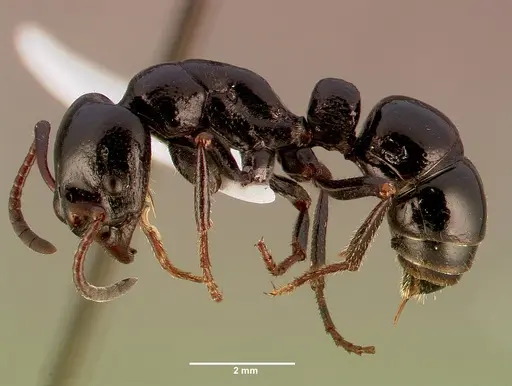
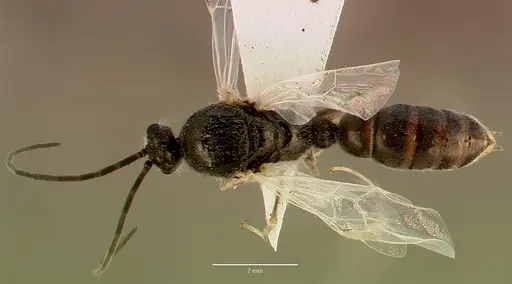
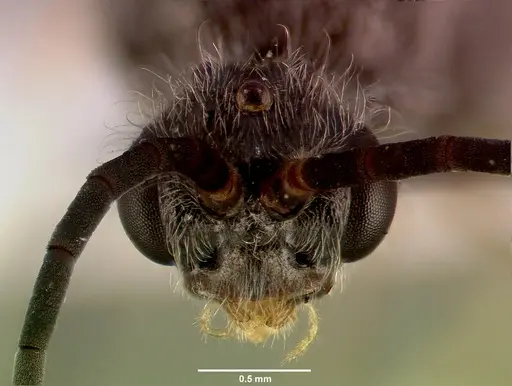
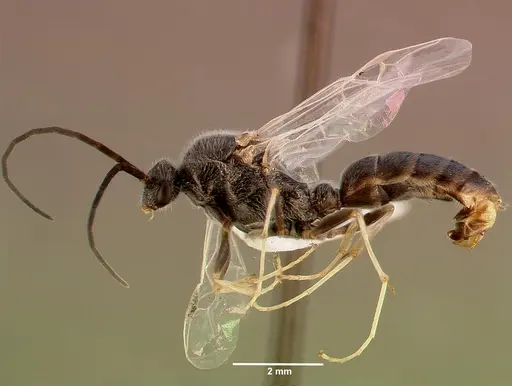
Bothroponera laevissima is a large ant species native to South Africa's Western Cape Province. Workers measure 12-13mm in total length and are covered in a glossy black exoskeleton that gives them a polished appearance . Their body is smooth and shiny with only a few scattered punctulae, making them easily distinguishable from the similar B. aspera which has a rougher, more textured surface. The mandibles are shorter than the head length and feature fine striations, while the body is covered with short erect silver hairs that are denser on the upper surfaces . This species belongs to the Bothroponera pumicosa species complex and was collected from the Saldanha Bay area, where it nests in sandy soil alongside related species . The Western Cape Province, particularly the Cape Floristic Region, is one of the world's biodiversity hotspots with unique fynbos and succulent karoo vegetation . Given the limited biological data available for this species, care recommendations are based on typical Bothroponera genus behavior and the known nesting habitat. These are substantial ants with a functional sting, making them an interesting species for experienced antkeepers who can accommodate their specific needs.
Quick Summary
- Difficulty: Medium
- Origin & Habitat: South Africa (Western Cape Province, Saldanha Bay and Jacobsbai). Nests are found in sandy soil in coastal Strandveld areas within the Cape Floristic Region, a global biodiversity hotspot with fynbos and succulent karoo vegetation [1].
- Colony Type: Colony structure is unconfirmed. Based on typical Bothroponera patterns, likely single-queen colonies.
- Size & Growth:
- Queen: Size data unavailable, no queen measurements exist in scientific literature. Based on Bothroponera genus patterns, queens likely reach 14-16mm.
- Worker: 12-13mm total length [1]
- Colony: Unknown, no colony size data available. Based on related species in the genus, colonies likely reach several hundred workers.
- Growth: Moderate, estimated based on genus patterns for large Ponerinae
- Development: Estimated 8-12 weeks at optimal temperature based on typical Ponerinae development (Development time is estimated as no specific data exists for this species. Larger Ponerinae species typically take longer to develop than smaller ants.)
- Antkeeping:
- Temperature: Keep around 22-26°C with a gentle gradient. They are adapted to the temperate climate of South Africa's Western Cape, which experiences mild temperatures. Avoid overheating, provide a heating cable on one side of the nest only if room temperature falls below 20°C.
- Humidity: Maintain moderate to high humidity in the nest. The sandy soil habitat suggests they prefer moist substrate conditions. Keep the nesting area consistently damp but not waterlogged, with some drier areas available for the ants to regulate their own moisture needs.
- Diapause: Likely required. Western Cape experiences cool, wet winters. Provide a winter rest period of 8-12 weeks at 10-15°C during the colder months, simulating their natural seasonal cycle.
- Nesting: Natural nesting occurs in sandy soil. In captivity, a naturalistic setup with sand or a gypsum/plaster nest with moist substrate works well. Y-tong (AAC) nests are also suitable. Provide a deep nesting area as these are substantial ants that dig chambers.
- Behavior: Bothroponera laevissima is a predatory ant species typical of the Ponerinae subfamily. Workers are active foragers that hunt for small invertebrates. They have a functional sting and may use it defensively when threatened, handle with care. They are relatively docile when not disturbed but will defend their nest vigorously. Escape prevention is important but not critical given their larger size, standard barriers work well. Activity levels are likely moderate, with workers most active during warmer months.
- Common Issues: limited biological data means care is partially inferred from genus patterns, monitor colony response and adjust conditions accordingly, winter diapause appears necessary but exact timing and temperature requirements are unclear, err on the side of providing a cool period, predatory feeding requirements may be challenging, live prey is essential and some specimens may be reluctant to accept alternatives, the glossy black coloration makes them attractive but also means any mite or mold issues are highly visible, sandy soil nesting preference means substrate must drain well while retaining moisture, balance is key
Appearance and Identification
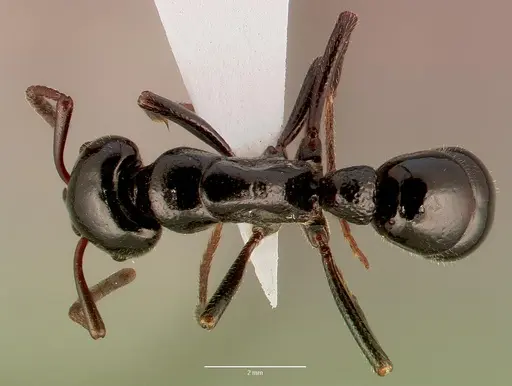
Bothroponera laevissima workers are large ants measuring 12-13mm in total length [1]. Their most striking feature is the glossy, almost polished black exoskeleton that covers their entire body, this smoothness distinguishes them from their close relative B. aspera, which has a rougher, more textured surface. The mandibles are shorter than the head length and covered with fine striations. The body is covered with short erect silver hairs, with those on the upper body being denser than those on the sides. The hairs on the petiole and postpetiole are slightly longer than those on the head. The legs, antennae, and mandibles are brownish rather than black, providing a nice contrast to the dark body [1]. The eyes are relatively large, and the scape nearly reaches the posterior corner of the head.
Natural Habitat and Distribution
This species is endemic to South Africa's Western Cape Province, specifically known from the Saldanha Bay area and Jacobsbai in the Cape Province [1]. The region is part of the Cape Floristic Region, recognized as one of the world's six floral kingdoms and a global biodiversity hotspot. The natural habitat features fynbos and succulent karoo biomes with exceptionally high plant diversity. Nests have been found in sandy soil, suggesting preference for well-drained soils in coastal areas. The collection note from Strandveld indicates coastal dune vegetation habitats. This temperate region experiences mild temperatures year-round with cool, wet winters and warm, dry summers, conditions that should inform captive care.
Nest Preferences and Housing
In the wild, Bothroponera laevissima nests in sandy soil, suggesting they prefer substrates that provide good drainage while retaining some moisture [1]. For captive care, a naturalistic setup with a sandy soil mixture works well, or you can use a Y-tong (AAC) formicarium with moist substrate. These are large ants that will dig chambers, so provide adequate depth in the nesting area. Gypsum nests also work well for Ponerinae species. The nest should have a water reservoir or moisture system to maintain consistent humidity. Because they come from temperate climates, avoid overheating, room temperature is generally appropriate, with a heating cable only if needed for colder rooms.
Feeding and Diet
As a member of the Ponerinae subfamily, Bothroponera laevissima is predatory and will hunt small invertebrates. In captivity, offer live prey such as small crickets, mealworms, fruit flies, and other small insects. Protein-rich foods should be the primary diet. Some specimens may accept dead prey, but live prey is more likely to trigger hunting behavior. Sugar sources like honey or sugar water are sometimes accepted for energy, but protein is essential for brood development. Feed every 2-3 days, adjusting based on colony consumption. Remove uneaten prey after 24-48 hours to prevent mold. A varied diet helps ensure proper nutrition.
Temperature and Seasonal Care
Bothroponera laevissima comes from South Africa's temperate Western Cape, which means they experience distinct seasons. Keep the colony at 22-26°C during the active season, avoiding temperatures above 30°C. A gentle thermal gradient allows ants to regulate their body temperature. During winter, provide a diapause period at 10-15°C for 8-12 weeks. This winter rest is important for colony health and may trigger reproductive behavior. Reduce feeding during diapause and keep the nest slightly cooler but not cold. Resume normal temperatures gradually in spring.
Behavior and Temperament
These ants are typical Ponerinae predators, they are active hunters that will venture out to capture prey. Workers are relatively robust and confident in their movements. While not aggressive toward humans, they possess a functional sting that they may use defensively if threatened or handled roughly. Most keepers report that Bothroponera species are docile and only sting when severely provoked. They are not escape artists in the same way tiny ants are, but standard escape prevention is still recommended. Workers are likely solitary foragers rather than using recruitment trails.
Frequently Asked Questions
How long does it take for Bothroponera laevissima to produce first workers?
The exact timeline is unknown as this species has not been studied in captivity. Based on typical Ponerinae development patterns, expect 8-12 weeks from egg to first worker at optimal temperature. Larger ant species generally develop slower than smaller ones.
What do Bothroponera laevissima ants eat?
They are predatory ants that hunt small invertebrates. Feed live prey like small crickets, mealworms, fruit flies, and other tiny insects. Some colonies may accept dead prey, but live prey triggers natural hunting behavior. Occasional sugar water or honey can be offered for energy.
What temperature do Bothroponera laevissima need?
Keep them at 22-26°C during the active season. They come from South Africa's temperate Western Cape and prefer mild conditions. Avoid overheating, room temperature is usually appropriate. A heating cable on one side of the nest can create a useful gradient.
Do Bothroponera laevissima need hibernation?
Yes, a winter diapause is likely required. The Western Cape has cool, wet winters. Provide 8-12 weeks at 10-15°C during winter months. Reduce feeding during this period and maintain light moisture in the nest.
What type of nest is best for Bothroponera laevissima?
A naturalistic setup with sandy soil works well given their natural nesting preference. Y-tong (AAC) formicariums or gypsum nests with moist substrate are also suitable. Provide adequate depth for these large ants to dig chambers.
How big do Bothroponera laevissima colonies get?
Colony size is not documented in scientific literature. Based on related Bothroponera species, colonies likely reach several hundred workers. Growth is moderate, expect several months to a year to reach 50+ workers from a founding queen.
Is Bothroponera laevissima good for beginners?
This species is rated as medium difficulty. While visually impressive and generally docile, the limited biological data means some care aspects are inferred rather than directly known. Their predatory diet and potential diapause requirements add complexity compared to easier species.
Can I keep multiple Bothroponera laevissima queens together?
Colony structure is unconfirmed for this species. Based on typical Bothroponera patterns, they likely have single-queen colonies. Combining unrelated queens is not recommended as it has not been documented and may result in aggression.
Where is Bothroponera laevissima found in the wild?
They are endemic to South Africa's Western Cape Province, specifically the Saldanha Bay area and Jacobsbai in the Cape Province. They nest in sandy soil in coastal areas within the Cape Floristic Region, one of the world's biodiversity hotspots.
Report an Issue
The current care sheet is based fully on literature. See inconsistencies, or something that's incorrect? Please , it will be resolved after review from an admin. Contributing to the blogs tab also helps providing information, to make us be able to further improve the caresheets. Thank you for your support!
References

This caresheet is licensed under CC BY-SA 4.0 .
Community Blogs
Literature
Loading distribution map...Loading products...