
Grainy Rugged Ringbum ant
Bothroponera granosa
- Sci. Name
- Bothroponera granosa
- Tribe
- Ponerini
- Subfamily
- Ponerinae
- Author
- Roger, 1860
- Common Name
- Grainy Rugged Ringbum ant
- Distribution
- Found in 1 countries
Introduction
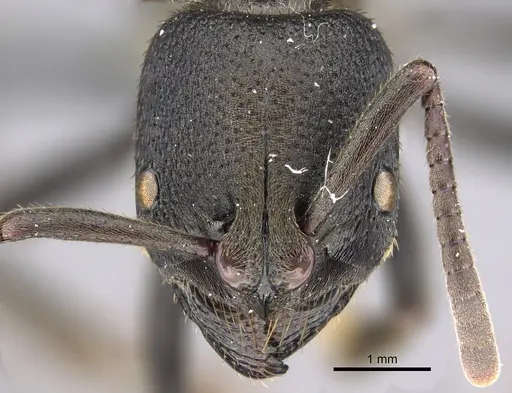
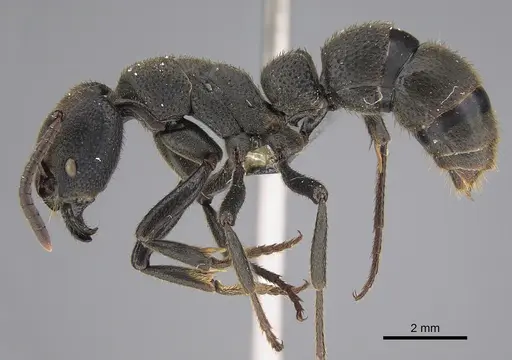
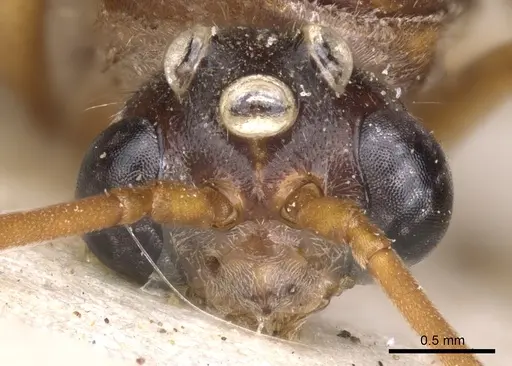
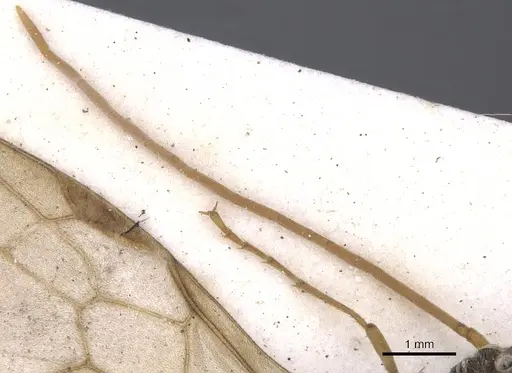
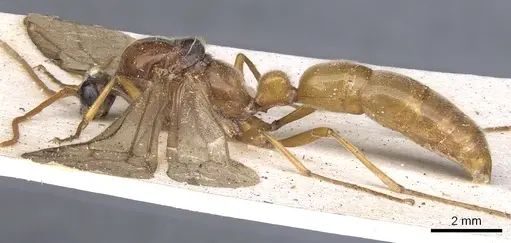
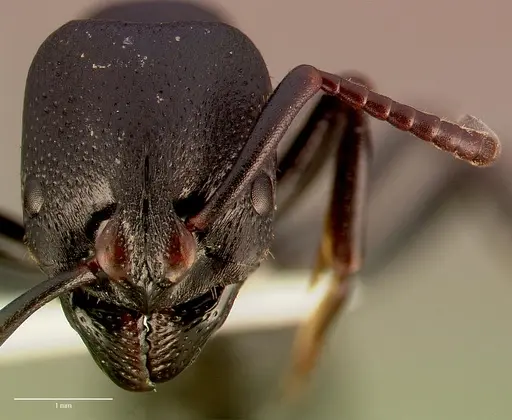
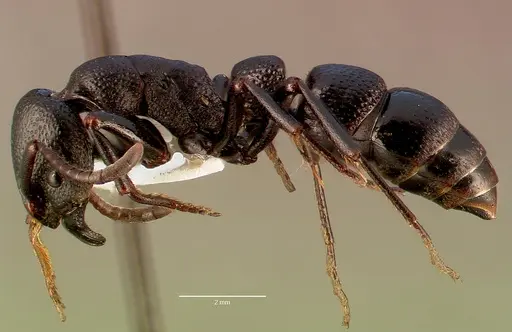
Bothroponera granosa is a large ant species native to South Africa and Zimbabwe. Workers measure 13.75-14.50mm in total length, making them one of the larger African Ponerine ants . They have a black body with brownish-black legs and antennae, covered in fine silver and golden hairs that give a slightly fuzzy texture . The most identifying feature is the 'v'-shaped front margin of the clypeus with a sharp raised ridge running down the middle . This species belongs to the Bothroponera pumicosa species complex. They inhabit grassy grove areas and rocky habitats in South Africa, typically nesting under stones .
Quick Summary
- Difficulty: Medium
- Origin & Habitat: South Africa and Zimbabwe. Found in grassy grove areas of West Grahamstown and rocky habitats northwest of Cathcart City in South Africa's Eastern Cape and KwaZulu-Natal provinces [2]. Also recorded from Victoria Falls, Zimbabwe [2].
- Colony Type: Colony structure is unconfirmed.
- Size & Growth:
- Queen: Unknown, queen caste has not been described in scientific literature
- Worker: 13.75-14.50mm total length [1][2]
- Colony: Unknown, colony size has not been documented in research
- Growth: Unknown, no specific growth data exists for this species
- Development: Unknown, no specific development data available for this species (Ponerine ants typically develop slower than more advanced ant subfamilies.)
- Antkeeping:
- Temperature: Keep around 22-26°C. Based on their South African origin, they prefer warm conditions. Provide a temperature gradient so ants can choose their preferred spot.
- Humidity: Moderate to high. They naturally nest under stones in grassy areas, suggesting they prefer somewhat moist soil but not waterlogged conditions. Keep substrate damp but allow some drying between waterings.
- Diapause: Unknown, no specific data on diapause requirements for this species. South Africa's temperate to subtropical climate suggests they may need a winter rest period.
- Nesting: In captivity, they do well in naturalistic setups with soil or in Y-tong/plaster nests. They prefer nesting in dark, humid areas under cover, mimic their natural under-stone nesting preference. Provide a moisture source and avoid bright lighting.
- Behavior: Bothroponera granosa is a Ponerine ant with a functional stinger. They are predatory, hunting small invertebrates rather than farming aphids. Workers are large and somewhat sluggish compared to faster ants. They have moderate escape ability due to their size, but standard barrier methods should work well. They may be defensive when threatened and can sting. They are not aggressive toward humans but will defend their nest if disturbed.
- Common Issues: colonies may fail if kept too dry, they need consistent substrate moisture, slow growth compared to common pet ants may frustrate beginners, predatory diet requirements may be difficult to meet, need live prey, queen and colony structure unconfirmed means founding may be challenging, no specific hibernation data available, monitor colony behavior
Nest Preferences and Housing
Bothroponera granosa naturally nests under stones in grassy areas and rocky habitats in South Africa [2]. They have been found nesting at the base of grass tussocks with soil and gravel around the entrance, and in raised hillock nests about 20cm high [3]. Workers have been found down to 30cm below ground level [3]. In captivity, a naturalistic setup with a soil chamber works well, you can use a formicarium with a soil area or a Y-tong/plaster nest with a moisture reservoir. The key is providing a humid, dark space where the queen and brood can stay protected. Avoid bright lighting near the nest area, as these ants prefer darkness. A test tube setup can work for founding colonies, but transfer to a more spacious nest once the colony reaches 15-20 workers. They are not aggressive escape artists due to their size, but ensure connections between outworld and nest are secure.
Feeding and Diet
As a Ponerine ant, Bothroponera granosa is predatory, hunting small invertebrates in nature. They have large mandibles suited for capturing prey [2]. In captivity, offer small live prey like fruit flies, small crickets, mealworms, and other appropriately-sized insects. Protein-rich foods should form the basis of their diet. Sugar sources like honey or sugar water may be accepted, but Ponerines are less interested in carbohydrates than advanced ant species. Feed them prey items 2-3 times per week, removing uneaten food after 24 hours. The amount depends on colony size, start with small offerings and adjust based on consumption. Do not overfeed, as uneaten prey can mold and cause health problems.
Temperature and Seasonal Care
Being from South Africa's temperate to subtropical regions, Bothroponera granosa prefers warm conditions around 22-26°C. They can tolerate a range from roughly 20°C to 28°C, but consistent warmth promotes better brood development. Use a heating cable or mat on one side of the nest to create a temperature gradient, this lets ants regulate their own temperature by moving between warmer and cooler areas. No specific data exists on hibernation requirements for this species. Monitor your colony for signs of reduced activity during winter months and adjust care accordingly.
Behavior and Defense
Bothroponera granosa has a functional stinger, which is typical of Ponerine ants. While they are not aggressive toward humans, they will defend their nest if threatened. The sting is likely painful but not dangerous to healthy humans. Workers are large and somewhat slow-moving compared to faster ants like Formicinae. They probably forage individually rather than using chemical trails, which is typical of Ponerines. Their large size means they are not likely to escape through standard barriers, but check that all connections are secure. They are not colony aggressive to their own species but should be kept separate from other ant colonies.
Colony Founding
Colony founding behavior has not been documented for Bothroponera granosa. The queen likely seals herself in a chamber and raises her first workers alone using stored fat reserves, but this is not confirmed. Do not disturb the founding chamber during this time, queens need peace and stability to succeed. Once workers emerge, they will begin foraging and the colony can gradually expand.
Growth and Development
Specific development timeline data does not exist for this species. Based on general Ponerinae patterns, expect slow but steady growth. The first workers will be smaller than normal workers but functional. A well-established colony may take 1-2 years to reach moderate numbers. Patience is key with this species. Monitor brood development, if temperatures are too low, development can stall. Providing consistent warmth and adequate prey will support healthy growth.
Frequently Asked Questions
How long does it take for Bothroponera granosa to have first workers?
Specific development time is unknown for this species. Ponerine ants typically develop slower than common pet ants, expect several months before first workers appear. Patience is essential.
What do Bothroponera granosa ants eat?
They are predatory ants that need live protein prey. Offer small insects like fruit flies, small crickets, mealworms, and similar prey. They may accept sugar water or honey occasionally, but protein should be the primary food source.
What temperature do Bothroponera granosa need?
Keep them warm, around 22-26°C. A temperature gradient is ideal so they can regulate their own temperature by moving between warmer and cooler areas of the nest.
Do Bothroponera granosa need hibernation?
No specific data exists on hibernation requirements. Being from South Africa's temperate climate, they may need a winter rest period. Monitor your colony and reduce temperatures slightly during winter months if they show reduced activity.
Are Bothroponera granosa good for beginners?
They are rated as medium difficulty. They require more specific care than beginner species, specifically warm temperatures, humid conditions, and a protein-based diet. Their slow growth also requires patience. Experienced antkeepers will have more success.
How big do Bothroponera granosa colonies get?
Colony size data is not available in scientific literature. Based on their large worker size and typical Ponerine patterns, colonies likely reach several hundred workers over several years. Growth is slow compared to common ants.
Can I keep multiple Bothroponera granosa queens together?
Colony structure is unconfirmed for this species. Based on typical Ponerinae patterns, they likely have single-queen colonies. Combining unrelated queens is not recommended as queens typically fight.
What kind of nest should I use for Bothroponera granosa?
A naturalistic setup with soil or a Y-tong/plaster nest with moisture works well. They naturally nest under stones in humid, dark conditions. Avoid bright lighting near the nest area.
Why is my Bothroponera granosa colony dying?
Common causes include: too dry conditions, temperatures too low, insufficient protein prey, or stress from disturbance during founding. Check that all basic needs are met before assuming other issues.
Report an Issue
The current care sheet is based fully on literature. See inconsistencies, or something that's incorrect? Please , it will be resolved after review from an admin. Contributing to the blogs tab also helps providing information, to make us be able to further improve the caresheets. Thank you for your support!
References

This caresheet is licensed under CC BY-SA 4.0 .
Community Blogs
CASENT0250375
View on AntWeb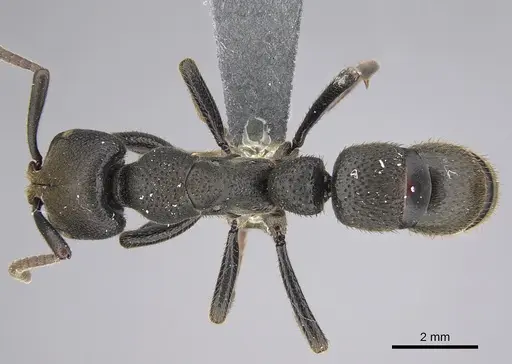
CASENT0900329
View on AntWeb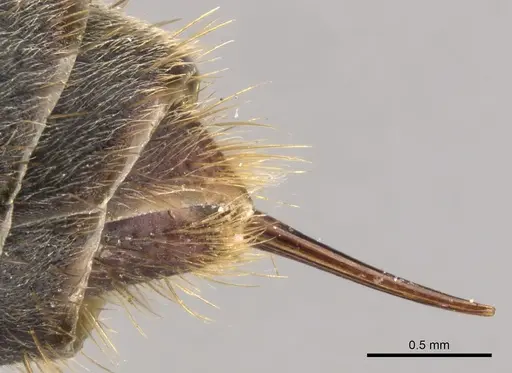
CASENT0902472
View on AntWeb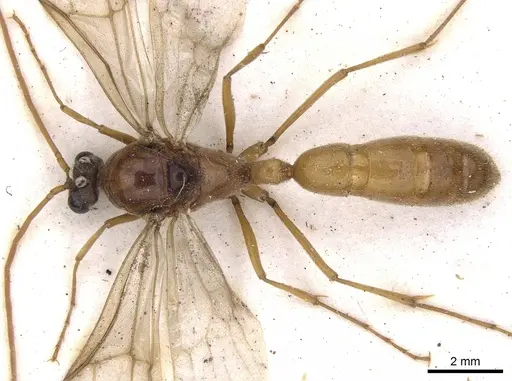
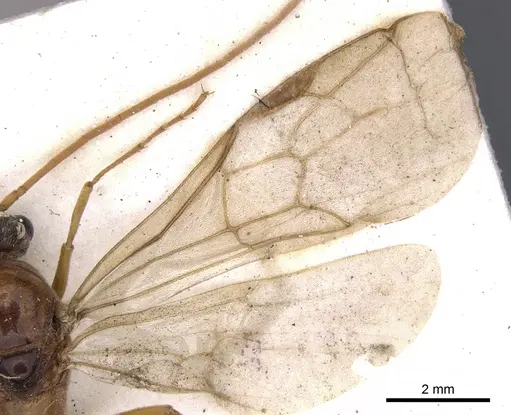
SAM-HYM-C007227A
View on AntWeb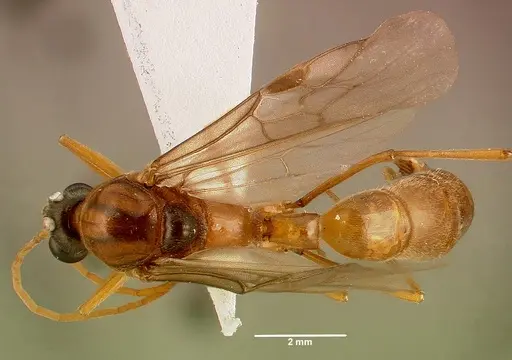
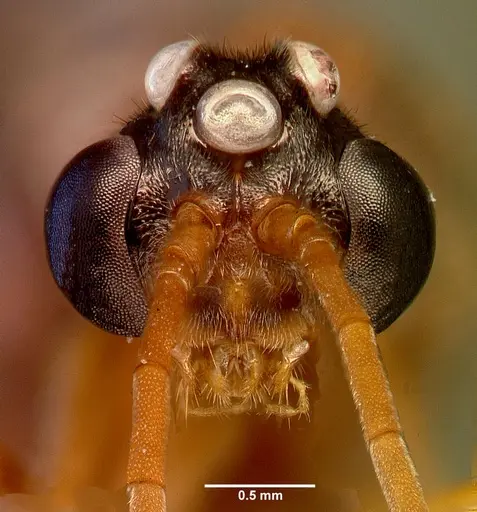
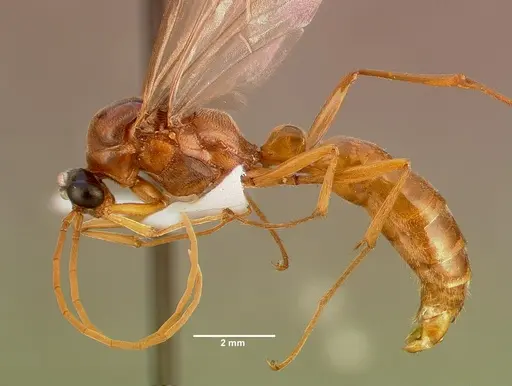
SAM-HYM-C007227B
View on AntWeb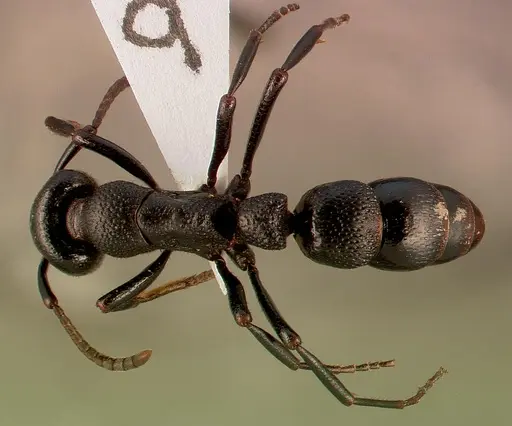
Literature
Loading distribution map...Loading products...