
Bothroponera comorensis
- Sci. Name
- Bothroponera comorensis
- Tribe
- Ponerini
- Subfamily
- Ponerinae
- Author
- André, 1887
- Distribution
- Found in 1 countries
Introduction
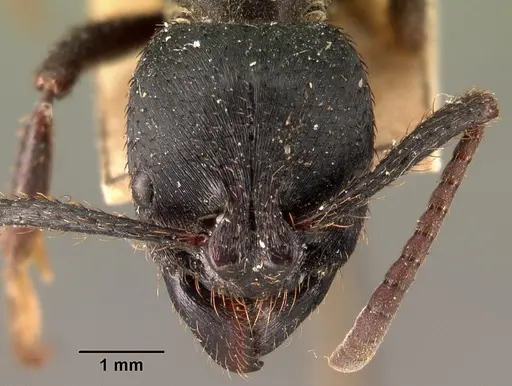
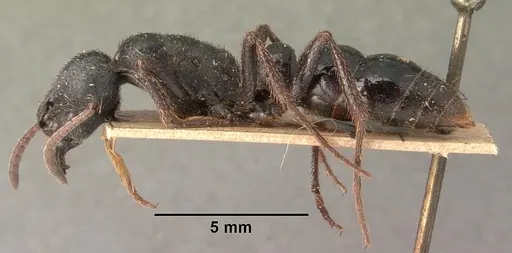
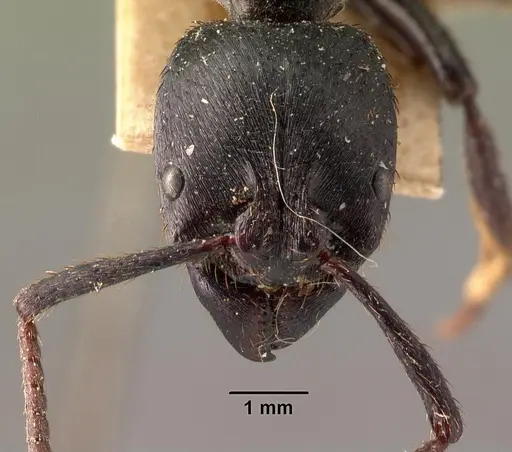
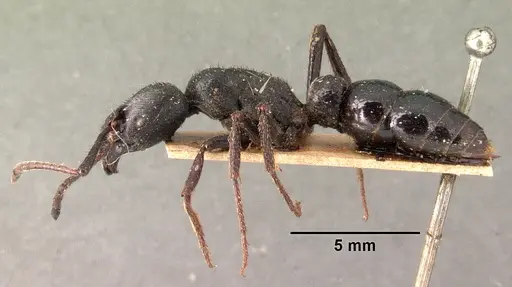
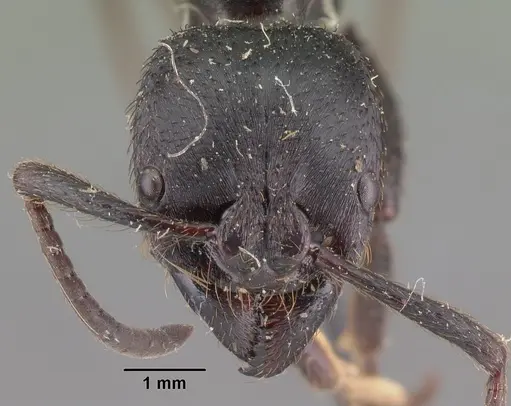
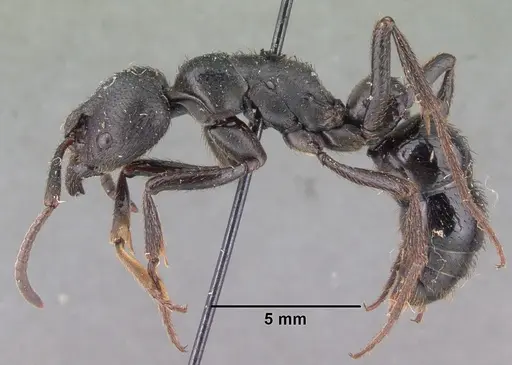
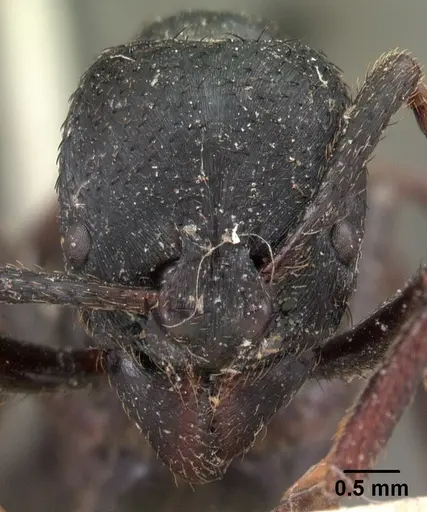
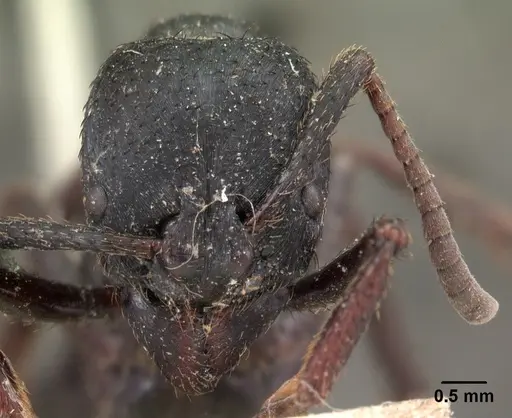
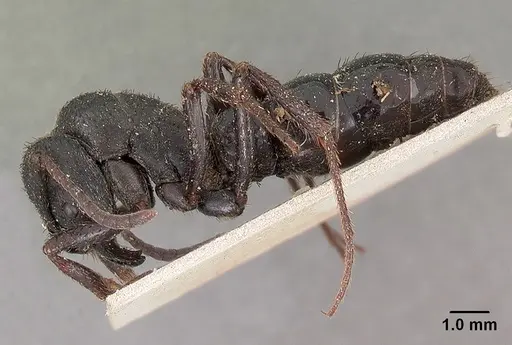
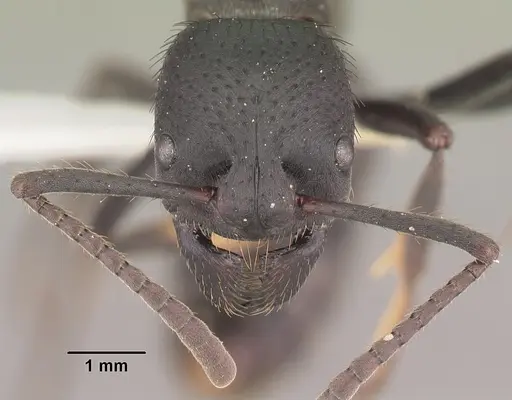
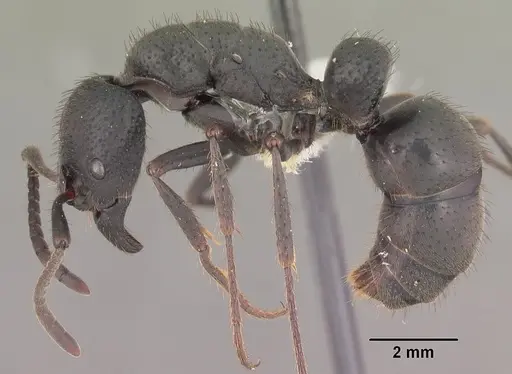
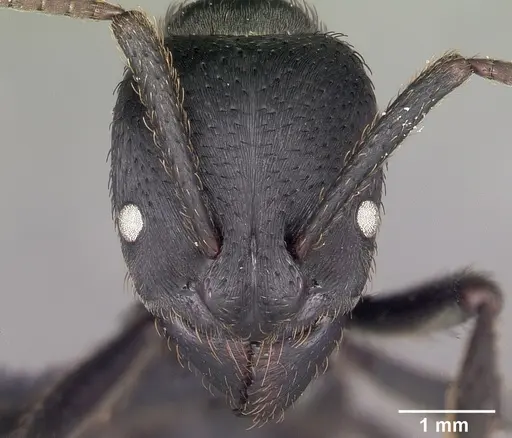
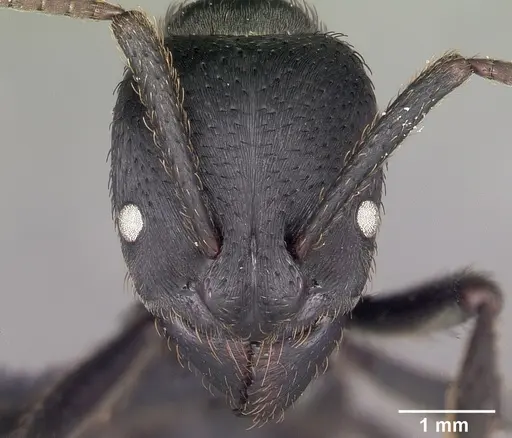
Bothroponera comorensis is a large Ponerine ant species endemic to northern Madagascar. Workers are robust ants measuring approximately 8-12mm in total length, with distinctive long antennal scapes that extend beyond the rear of the head - a unique feature among Bothroponera species that helps them forage through leaf litter and on the soil surface . They have a black body with reddish articulations at the joints, and their dorsum shows fine striation with sparse punctures . This species is one of only two in the genus with these longer scapes, making them distinctive foragers compared to their relatives. Colonies have been found nesting in the ground, inside rotten logs, under stones, and occasionally in dead twigs or under layers of roots and litter on rock . What makes B. comorensis particularly unusual is its reproductive system. Unlike most ant species, this species lacks typical winged queens. Instead, colonies likely reproduce through ergatoid (wingless) reproductives or gamergates (reproductive workers) . This means colonies expand by budding - with a portion of the colony splitting off to establish a new nest nearby rather than through dramatic nuptial flights. This limits how far colonies can spread geographically since they cannot disperse long distances through flight .
Quick Summary
- Difficulty: Medium
- Origin & Habitat: Northern Madagascar, specifically dry forests and lowland rainforest habitats in the coastal regions [1][2]. Found at elevations from sea level to around 780 meters, collected via leaf litter sampling and general collecting [3].
- Colony Type: Colony structure is unusual, the species lacks typical winged queens and instead reproduces through ergatoid reproductives or gamergates. This means colonies expand through budding rather than nuptial flights.
- Size & Growth:
- Queen: size data unavailable, queen caste has not been documented. The species appears to use ergatoid reproductives instead of typical alate queens [1][2].
- Worker: approximately 8-12mm, inferred from Bothroponera genus patterns (WL mesosoma measures 4.13-4.98mm plus head and gaster) [1][2].
- Colony: Not precisely documented in research, but colonies are established through budding which suggests moderate colony sizes typical of Ponerines.
- Growth: Moderate, Ponerine ants typically grow more slowly than many Myrmicines.
- Development: Unknown, no specific development data exists for this species. (Ponerines generally have longer development times than many common hobby ants.)
- Antkeeping:
- Temperature: Based on their Madagascar habitat (dry forest and lowland rainforest in the north), they likely prefer warm conditions. Start around 24-28°C with a slight gradient.
- Humidity: They nest in rotten wood and under stones in humid forest habitats, keep the nest moderately humid with damp substrate. Provide a gradient from moist to slightly drier areas.
- Diapause: Unknown, as a Madagascar species from tropical forests, they may not require true hibernation. However, a slight cool period during the dry season (around 18-20°C for 2-3 months) may be beneficial.
- Nesting: In captivity, they do well in naturalistic setups with rotten wood pieces, soil, and stones, mimicking their natural nesting sites. Y-tong (AAC) nests or plaster nests with moisture chambers also work well.
- Behavior: These ants are active foragers that use their long antennal scapes to search through leaf litter and on the soil surface, more surface-active than many Ponerines that are strictly subterranean [1]. They are predatory like other Ponerines, hunting small invertebrates. Workers are relatively large and should be handled carefully, they have potent stings typical of the subfamily. Escape prevention should be good since workers are a substantial size, but they are capable climbers.
- Common Issues: queen identification is difficult, this species uses ergatoid reproductives which look like workers, making it hard to confirm you have a reproductive., lack of nuptial flights means colonies must be obtained through colony splitting or wild collection of established colonies., slow development compared to common hobby ants may frustrate beginners expecting quick growth., tropical origin means they may not tolerate cool temperatures, keep away from air conditioning and cold drafts., predatory nature requires live prey feeding, they cannot survive on sugar alone like some ants.
Understanding the Unusual Colony Structure
Bothroponera comorensis has one of the most unusual reproductive systems among ants kept in captivity. Unlike most ant species where a large winged queen establishes colonies alone after a nuptial flight, this species appears to lack typical alate (winged) queens entirely [1][2]. Instead, reproduction happens through ergatoid reproductives, wingless queens that develop from regular larvae, or through gamergates, workers that become reproductive and lay eggs. This means colonies expand through a process called budding where a group of workers and reproductives splits off from the parent colony to form a new nest nearby, rather than dispersing through flight. For antkeepers, this means you won't observe dramatic nuptial flights, and establishing a colony may require collecting an already-established colony fragment rather than catching a lone queen.
Housing and Nest Setup
In captivity, Bothroponera comorensis does well in setups that mimic their natural nesting preferences. They naturally nest in the ground, inside rotten logs, under stones, and under layers of roots and litter on rock [1][2]. For antkeepers, a naturalistic setup works best, a deep container with a mix of soil and rotting wood pieces, with flat stones on top for cover. Alternatively, Y-tong (AAC) nests or plaster nests with moisture chambers also work well since they allow you to maintain appropriate humidity. The key is providing a moist substrate they can tunnel through, with hiding spots like stones or wood pieces on the surface.
Feeding and Diet
Like other Ponerine ants, Bothroponera comorensis is predatory and hunts small invertebrates. Their longer antennal scapes suggest they actively forage on the soil surface and through leaf litter [1][2], hunting for prey rather than just scavenging. In captivity, offer small live prey like fruit flies, pinhead crickets, small worms, and other tiny invertebrates. They will likely accept protein-rich foods like small pieces of insects. Sugar sources may be accepted occasionally, but Ponerines are not typically heavy sugar feeders like some other subfamilies. Feed them every few days, removing uneaten prey after 24 hours to prevent mold issues.
Temperature and Seasonal Care
As a species from northern Madagascar (dry forests and lowland rainforests), Bothroponera comorensis prefers warm, stable temperatures. Aim for around 24-28°C in the nest area, with a slight gradient so workers can choose their preferred spot. You can achieve this with a heating cable on one side of the nest, placed on top to warm the nest gently without drying it out too quickly. Regarding seasonal changes, Madagascar has distinct wet and dry seasons, but being in the tropics, they don't experience harsh winters. A slight reduction in temperature during what would be their winter (around 18-20°C for 2-3 months) may be beneficial, but true hibernation is likely not required. Avoid keeping them in air-conditioned rooms or cold locations. [1][2]
Handling and Temperament
Bothroponera comorensis workers are relatively large for a Ponerine ant and possess a potent sting typical of the subfamily. They are not aggressive toward humans when undisturbed, but if threatened, they can deliver a painful sting. When working with them, move slowly and avoid cornering or squeezing them. They are active foragers and will explore their outworld regularly, making them interesting to watch. Their sting is not dangerous to healthy humans but can be painful, treat as you would a bee sting if you get stung. For escape prevention, their larger size means standard barriers work well, but ensure all connections are secure since they are strong and may push through loose fittings.
Frequently Asked Questions
How do I start a Bothroponera comorensis colony?
Starting a colony is challenging because this species lacks typical winged queens that perform nuptial flights. Instead, you will need to obtain an already-established colony through wild collection (finding a colony fragment in Madagascar) or purchasing from a keeper who has divided an existing colony. Look for colonies nesting under stones or in rotten logs in their native range. Once established, colonies expand through budding.
What do Bothroponera comorensis ants eat?
They are predatory ants that hunt small invertebrates. Feed them small live prey like fruit flies, small crickets, mealworms, and other tiny insects. They will likely accept dead prey as well, but live prey stimulates their natural hunting behavior. Occasional sugar water or honey may be accepted, but protein from insects should be their primary food source.
What temperature do they need?
Keep them warm, around 24-28°C. As a Madagascar species from tropical forests, they prefer consistent warmth. Use a heating cable on one side of the nest to create a gradient, and avoid cold drafts or air-conditioned rooms.
How big do colonies get?
The exact maximum colony size is not documented in scientific literature, but based on typical Ponerine patterns, colonies likely reach several hundred workers. They expand through budding rather than rapid growth, so colonies develop more slowly than many common ant species.
Why are there no queens in this species?
Bothroponera comorensis appears to lack typical winged (alate) queens. Instead, reproduction happens through ergatoid reproductives, wingless queens that develop from regular larvae, or through gamergates, workers that become reproductive [1][2]. This is an unusual but not rare adaptation in certain ant lineages. Colonies reproduce by budding rather than through nuptial flights.
Are Bothroponera comorensis good for beginners?
This species is best suited for intermediate to experienced antkeepers. The unusual colony structure (lacking typical queens), need for warm temperatures, and requirement for live prey make it more challenging than beginner species like Lasius or Camponotus. Additionally, obtaining a colony is difficult since they cannot be caught during nuptial flights.
Do they need hibernation?
As a Madagascar tropical species, they likely do not require true hibernation. However, a slight cool period (around 18-20°C for 2-3 months) during the dry season may be beneficial. Avoid temperatures below 15°C as they are not cold-tolerant.
What kind of nest should I use?
Naturalistic setups work well, a deep container with soil, rotting wood pieces, and flat stones on top for cover. Y-tong (AAC) nests or plaster nests with moisture chambers are also suitable. The key is providing moist substrate they can tunnel through and hiding spots that mimic their natural nesting sites under stones and in rotten wood.
How long does it take for first workers to appear?
Specific development data does not exist for this species. Based on typical Ponerine development, expect 2-4 months from egg to first worker at warm temperatures (around 25-28°C). Ponerines generally develop more slowly than many common hobby ants.
Report an Issue
The current care sheet is based fully on literature. See inconsistencies, or something that's incorrect? Please , it will be resolved after review from an admin. Contributing to the blogs tab also helps providing information, to make us be able to further improve the caresheets. Thank you for your support!
References

This caresheet is licensed under CC BY-SA 4.0 .
Community Blogs
CASENT0101406
View on AntWeb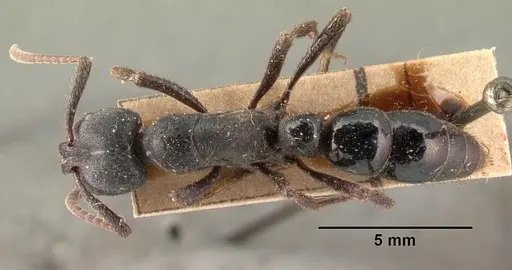
CASENT0101407
View on AntWeb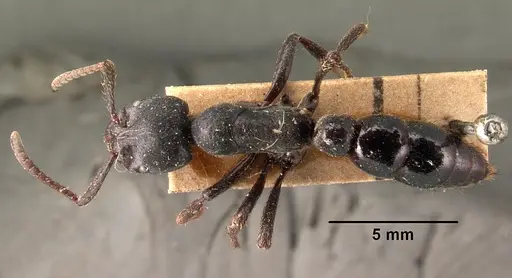
CASENT0101553
View on AntWeb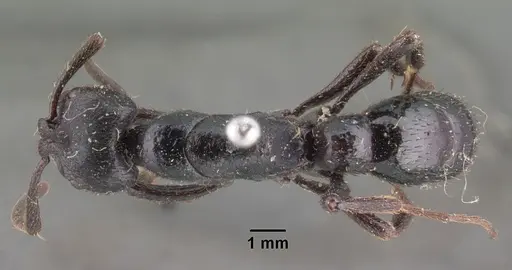
CASENT0102011
View on AntWeb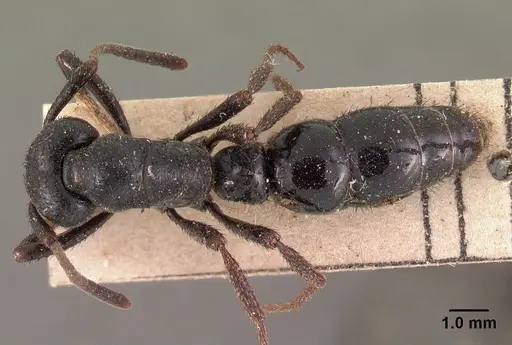
CASENT0102408
View on AntWeb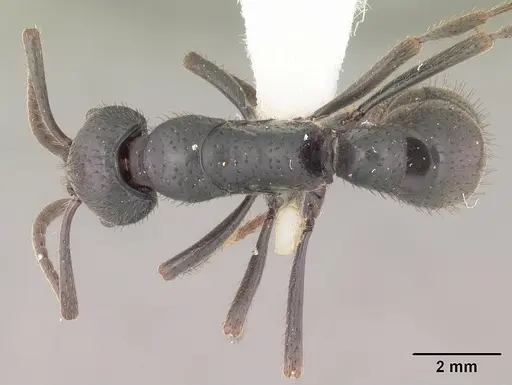
CASENT0317520
View on AntWeb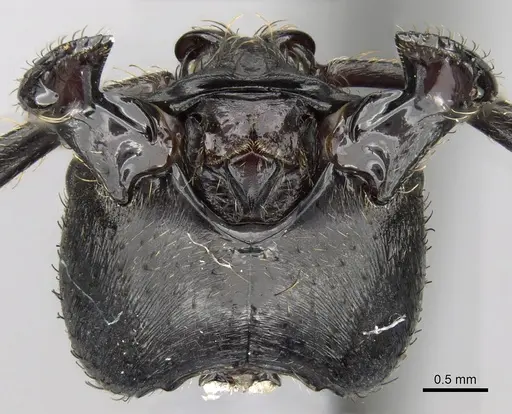
CASENT0410164
View on AntWeb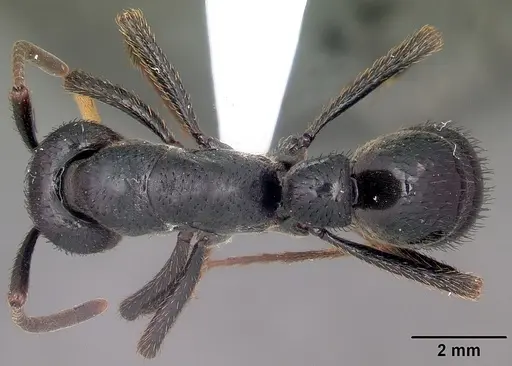
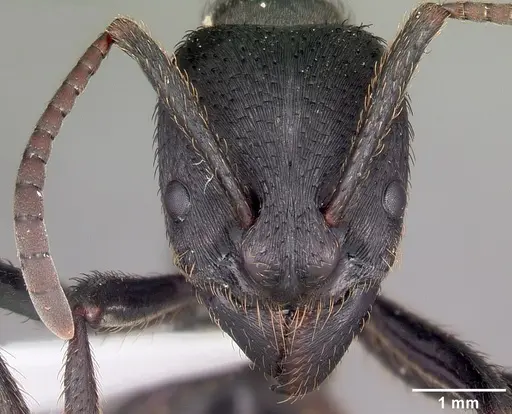
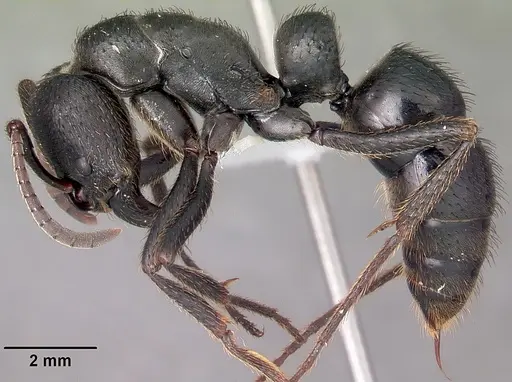
CASENT0438913
View on AntWeb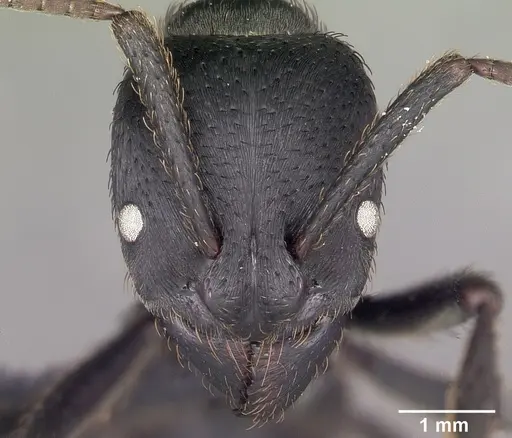
Literature
Loading distribution map...Loading products...