
Black Rugged Ringbum ant
Bothroponera cariosa
- Sci. Name
- Bothroponera cariosa
- Tribe
- Ponerini
- Subfamily
- Ponerinae
- Author
- Emery, 1895
- Common Name
- Black Rugged Ringbum ant
- Distribution
- Found in 3 countries
Introduction
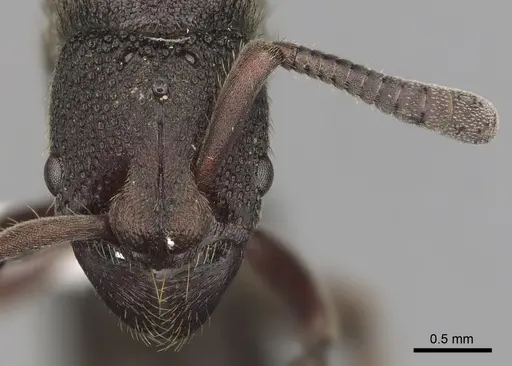
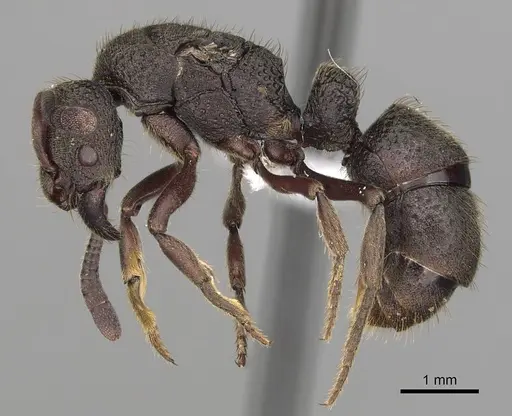
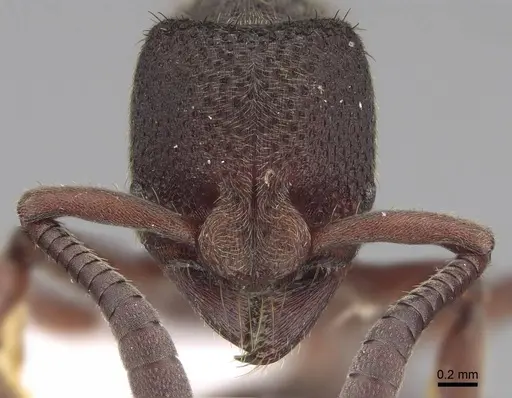
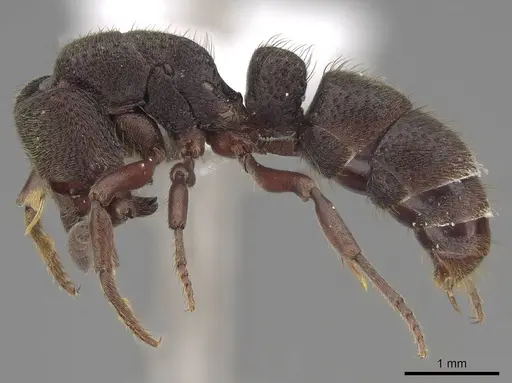
Bothroponera cariosa is a medium-sized African ant from the pumicosa species complex. Workers measure 10.15-11.50 mm . They are mostly black with reddish‑brown legs, antennae, and mandibles, and their entire body is covered with short golden hairs. The most distinctive feature is a sharp longitudinal carina (ridge) on the clypeus (the area just above the mandibles). This species is found across southeastern Africa - Mozambique, Tanzania, Eswatini, and parts of South Africa - in rainforest and primary forest habitats with high humidity and wet soils . These ants are specialized predators, feeding mainly on termites. They build small nests underground or under stones, and colonies stay modest in size compared to many other ants. Their combination of striking black‑and‑red coloring, moderate size, and termite‑hunting lifestyle makes them an interesting choice for keepers looking beyond common Lasius or Camponotus.
Quick Summary
- Difficulty: Medium
- Origin & Habitat: Southeastern Africa (Mozambique, Tanzania, Eswatini, South Africa). Found in rainforest and primary forest with high humidity and wet soils [2][1].
- Colony Type: Unconfirmed, likely single queen based on Bothroponera genus patterns, but no published data verify this for B. cariosa.
- Size & Growth:
- Queen: Not documented, size data unavailable.
- Worker: 10.15-11.50 mm [1]
- Colony: Small, likely under 100 workers (described as 'small number of individuals') [1].
- Growth: Moderate (estimated from typical Ponerinae development)
- Development: Estimated 6-10 weeks at 24-28 °C based on typical Ponerinae patterns. (No direct studies exist for this species. Expect slower development than Myrmicinae ants.)
- Antkeeping:
- Temperature: Tropical species from humid forests, keep at 24-28 °C. Use a heating cable on one side of the nest to create a gradient. Avoid prolonged temperatures below 20 °C.
- Humidity: High humidity is critical. Keep nest substrate consistently moist but not waterlogged. Provide a water tube for drinking. These ants come from wet forest soils [1].
- Diapause: Likely minimal or no true diapause given the tropical/subtropical origin. Activity may slow in cooler months but year‑round warmth is recommended.
- Nesting: Naturally underground or under stones. Use a Y‑tong/plaster nest or a naturalistic soil setup. Provide an enclosed nest chamber with access to moist substrate. Avoid dry setups.
- Behavior: Bothroponera cariosa is a predatory ant that mainly hunts termites. Workers are robust and can deliver a painful sting if threatened (typical of Ponerinae). They are moderate climbers but not notorious escape artists. Colony activity is modest, you won't see large foraging trails. They are more active in warmer conditions. Their small colony size means fewer workers active at once compared to species like Lasius niger [1].
- Common Issues: high humidity requirements can cause mold if ventilation is poor, balance moisture with airflow, small colony size and slow growth may frustrate beginners expecting fast development, specialized termite diet is hard to replicate, you must provide appropriate live prey, stinging capability, handle with care, especially during maintenance
Housing and Nest Setup
Bothroponera cariosa does best in a naturalistic setup that mimics its underground nesting habits. A Y‑tong/plaster nest or a formicarium with a soil chamber works well. The key is high humidity, these ants come from wet tropical forests where the soil stays consistently moist. Use a substrate that holds moisture well (e.g., a soil mix) and keep one area of the nest damp. Provide a water tube for drinking and to boost humidity. Avoid completely dry setups. Since colonies stay small, a modest outworld is enough, a foraging area of 20×30 cm will do. Add some hiding spots (leaf litter, cork bark) because these ants can be somewhat shy [1].
Feeding and Diet
In the wild, Bothroponera cariosa mainly feeds on termites [1]. In captivity, you need to provide a protein‑rich diet. Offer small live prey such as termites (if you can get them), mealworms, small crickets, or roach nymphs. Protein should make up the bulk of their diet. You can occasionally give a drop of honey or sugar water as a supplement, but don't expect them to rely on sweets. Feed every 2-3 days and remove uneaten prey after 24 hours to prevent mold. A varied insect diet helps ensure balanced nutrition.
Temperature and Humidity
These ants need warm, humid conditions. Keep the nest at 24-28 °C. A small heating cable on one side of the nest creates a temperature gradient so the ants can choose their preferred spot. Humidity is critical: keep the substrate consistently moist but not waterlogged. The natural habitat has high humidity and wet soils, so don't let the nest dry out. A water tube helps with drinking and humidity. Watch for mold, if you see it, improve ventilation while still maintaining moisture. Strike a balance between damp and airy [1].
Behavior and Temperament
Bothroponera cariosa is a predatory ant with a moderate temperament. Workers are not actively aggressive toward keepers but will sting if threatened. As a Ponerine ant, it has a functional stinger, the sting can be painful. Workers hunt individually, not in large trails. Colonies stay small, so you'll only see a few workers active at any time. They are most active in warm conditions and may slow down when temperatures drop. Watch their hunting behavior, it's interesting to see them search for and capture prey [1].
Colony Development
Colony growth for Bothroponera cariosa is likely slower than for many common hobby species. Based on typical Ponerinae patterns, you can expect 6-10 weeks from egg to first worker at optimal temperature (24-28 °C). Colonies remain small, the literature describes them as having a 'small number of individuals' [1]. The queen lays eggs progressively. The first workers (nanitics) are typically smaller than mature workers. Because colonies are small, each worker is valuable: avoid disturbing the nest too much during founding and early growth. Patience is key. With consistent feeding and proper conditions, you can build up to a stable colony over several years.
Seasonal Care
Given its tropical/subtropical origin, Bothroponera cariosa likely doesn't require a true hibernation period. Activity may drop in cooler months, but you can keep them warm year‑round if you have heating. If your room temperature falls significantly in winter, use a small heat source to maintain 24-28 °C. Don't worry if activity slows, that's normal adjustment, not real diapause. Continue offering food, just less frequently if workers aren't foraging. Avoid letting the temperature drop below 20 °C for extended periods. [1]
Frequently Asked Questions
How long does it take for Bothroponera cariosa to produce first workers?
Expect 6-10 weeks from egg to first worker at 24-28 °C, based on typical Ponerinae development. This is slower than many common species like Lasius or Tetramorium. Patience is essential.
What do Bothroponera cariosa ants eat?
They mainly feed on termites in the wild [1]. In captivity, offer small live prey like termites, mealworms, small crickets, or roach nymphs. Protein is essential. They may accept sugar water occasionally but don't rely on sweets as a primary food source.
How big do Bothroponera cariosa colonies get?
Colonies stay relatively small, likely under 100 workers, based on the description 'small number of individuals' [1]. This is much smaller than many common hobby species.
Are Bothroponera cariosa good for beginners?
This species is rated medium difficulty. The high humidity requirements, specialized termite diet, and slow growth can challenge complete beginners. If you can manage a humid setup and provide live prey, it's a rewarding species after you've kept something easier first.
What temperature do Bothroponera cariosa ants need?
Keep them at 24-28 °C. These are tropical/subtropical ants from humid forests. Use a heating cable on one side of the nest to create a gradient. Avoid prolonged temperatures below 20 °C.
What humidity level do Bothroponera cariosa need?
High humidity is essential. They come from wet forest habitats with high soil moisture [1]. Keep the nest substrate consistently moist but not waterlogged. A water tube helps maintain humidity and provides drinking water.
Can I keep multiple queens together?
Not recommended. There's no evidence that Bothroponera cariosa is polygyne. Combining unrelated queens could result in fighting. Stick to a single queen setup.
When should I move Bothroponera cariosa to a formicarium?
Wait until the colony has at least 15-20 workers and is actively foraging. For founding, a test tube with a water reservoir works well. Once workers are exploring beyond the tube, you can connect them to a larger formicarium with moist substrate.
Where is Bothroponera cariosa found in the wild?
Southeastern Africa, Mozambique, Tanzania, Eswatini, and parts of South Africa. They inhabit rainforest and primary forest habitats with high humidity and wet soils [2][1].
Report an Issue
The current care sheet is based fully on literature. See inconsistencies, or something that's incorrect? Please , it will be resolved after review from an admin. Contributing to the blogs tab also helps providing information, to make us be able to further improve the caresheets. Thank you for your support!
References

This caresheet is licensed under CC BY-SA 4.0 .
Community Blogs
CASENT0317051
View on AntWeb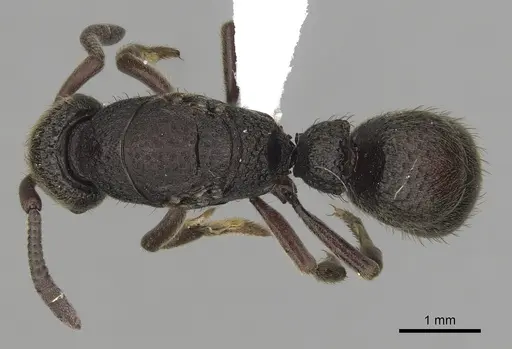
CASENT0923154
View on AntWeb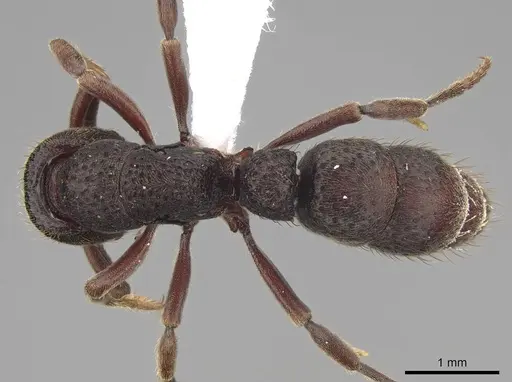
Literature
Loading distribution map...Loading products...