
Bothroponera cambouei
- Sci. Name
- Bothroponera cambouei
- Tribe
- Ponerini
- Subfamily
- Ponerinae
- Author
- Forel, 1891
- Distribution
- Found in 1 countries
Introduction
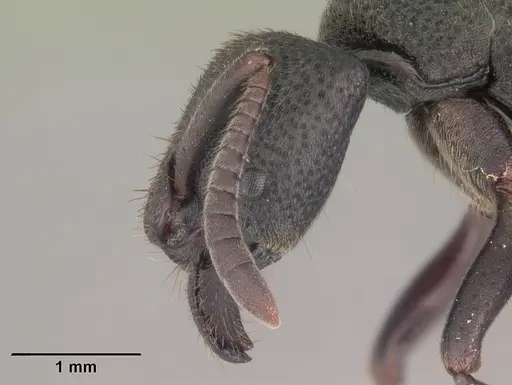
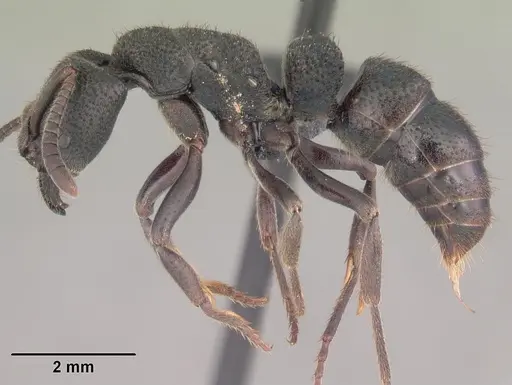
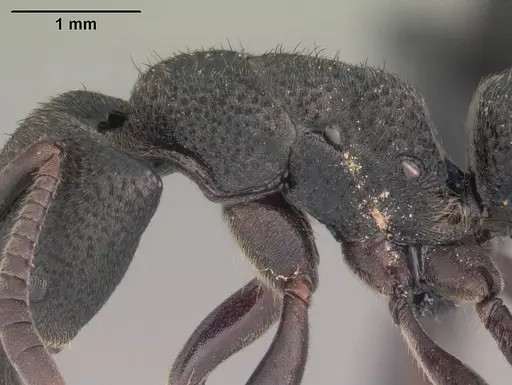
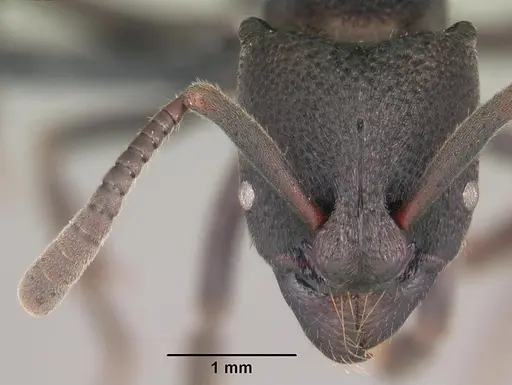
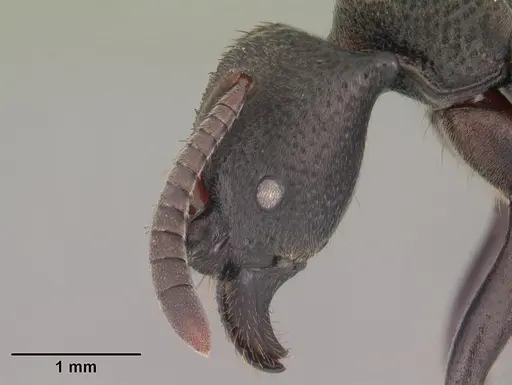
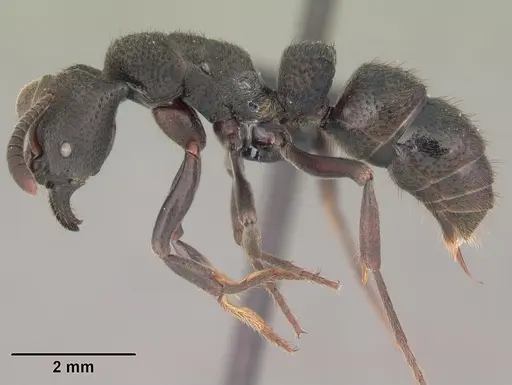
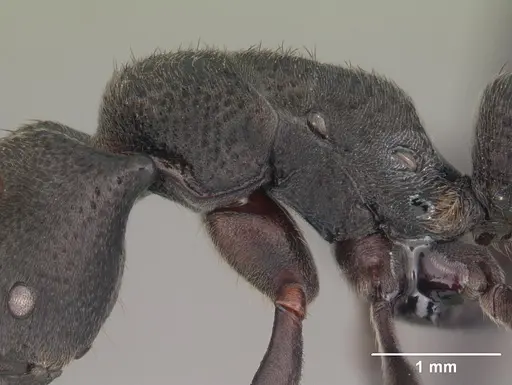
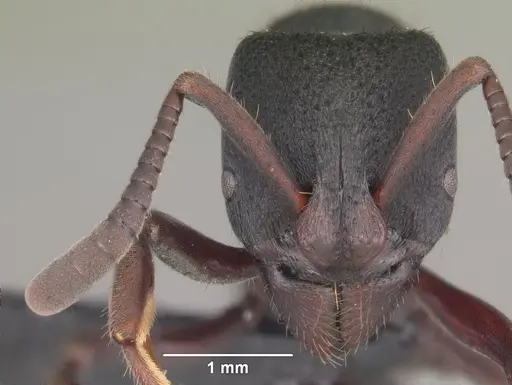
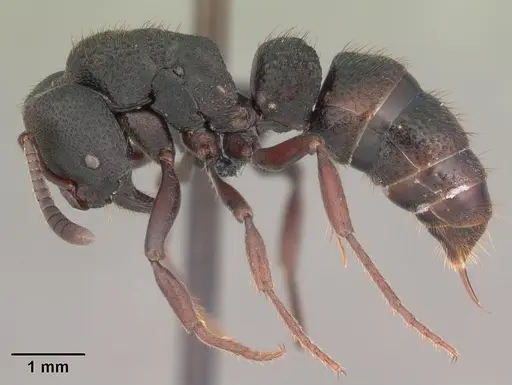
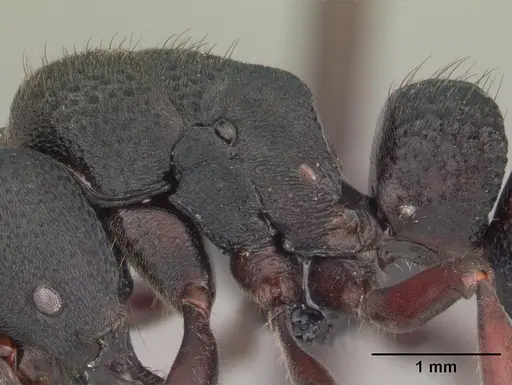
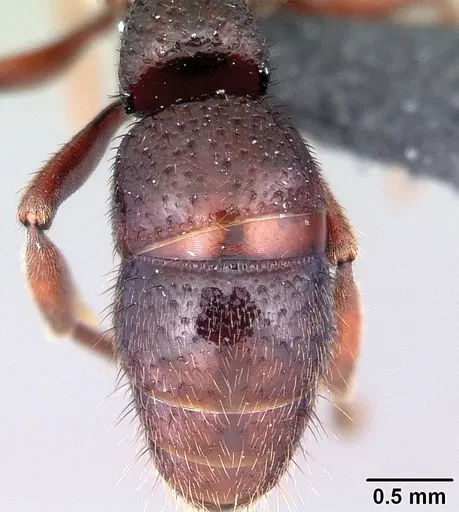
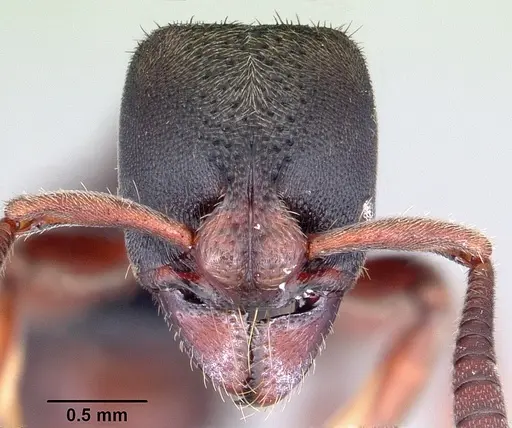
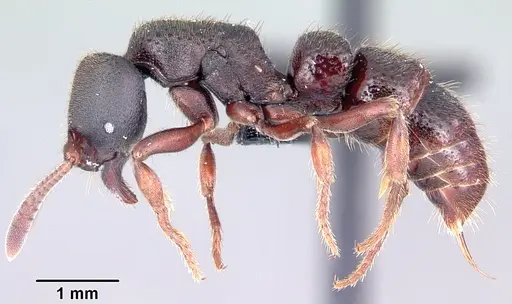
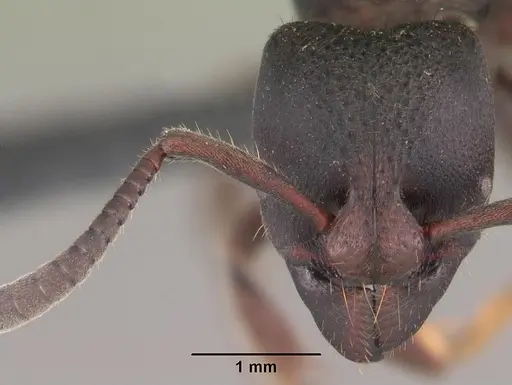
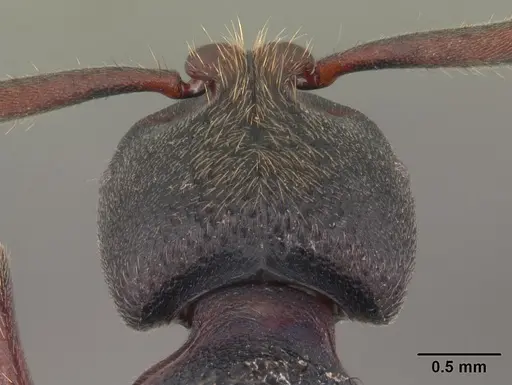
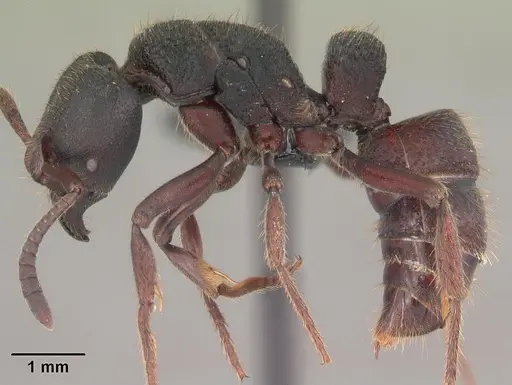
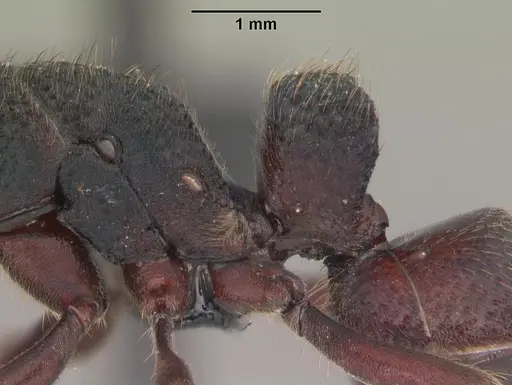
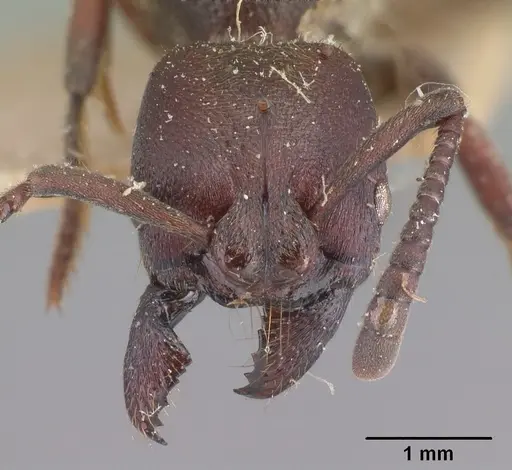
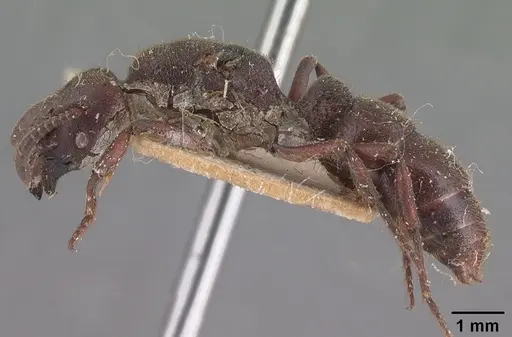
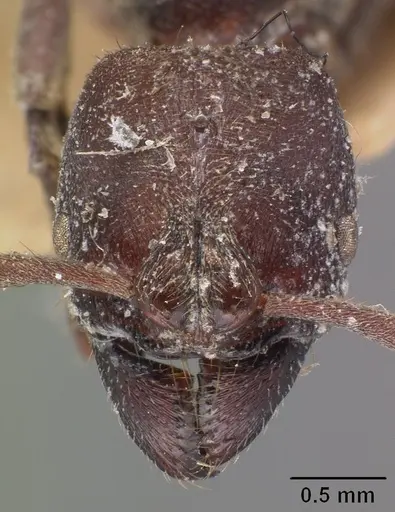
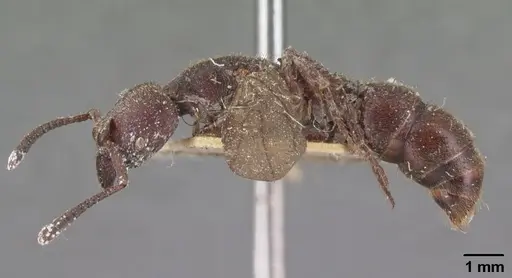
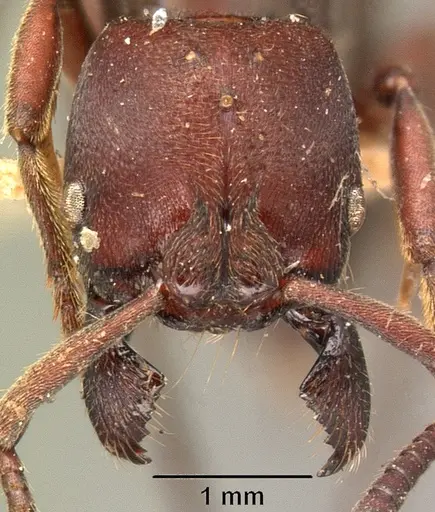
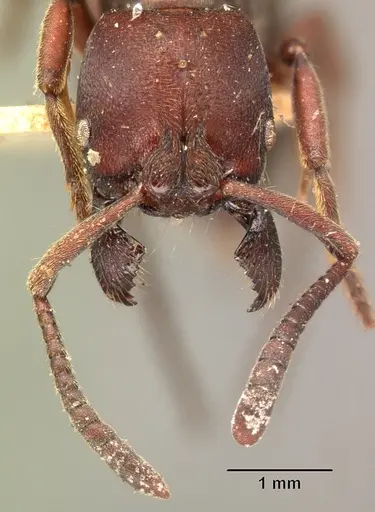
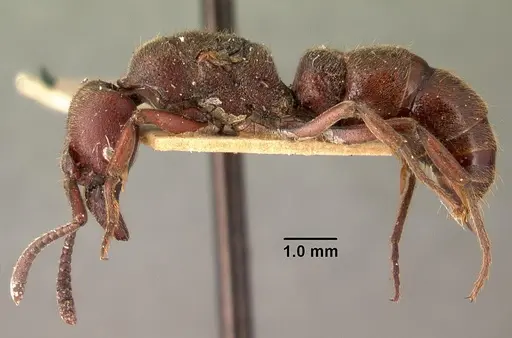
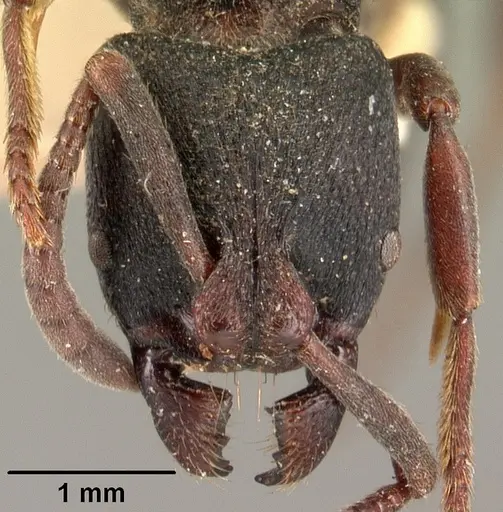
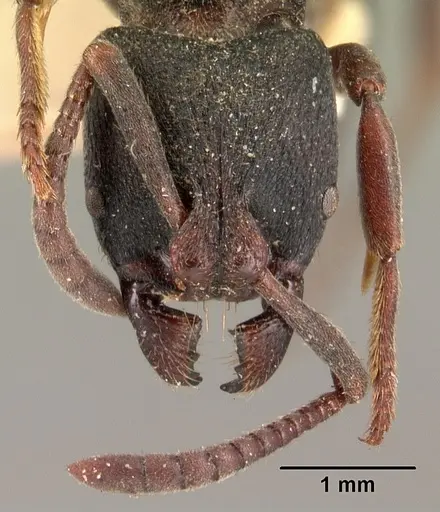
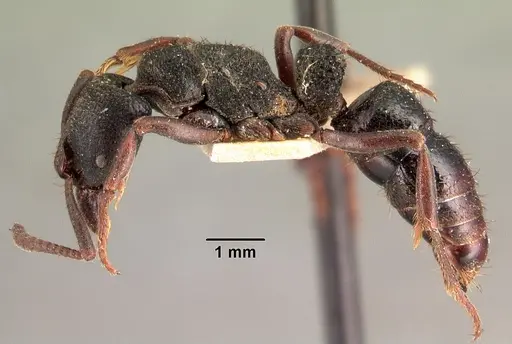
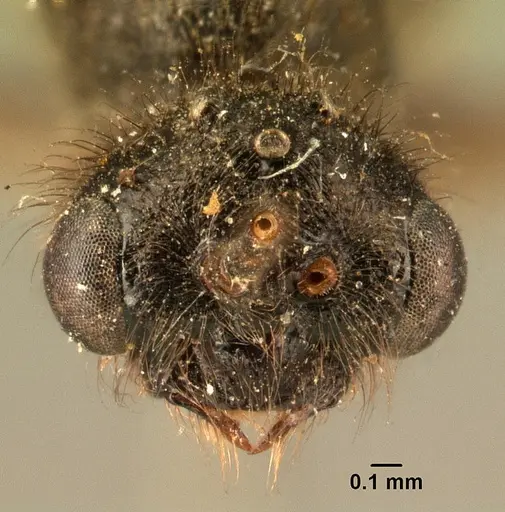
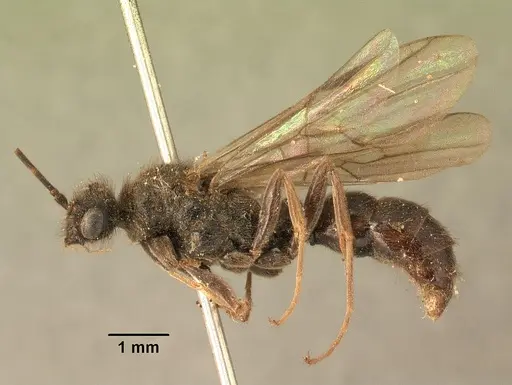
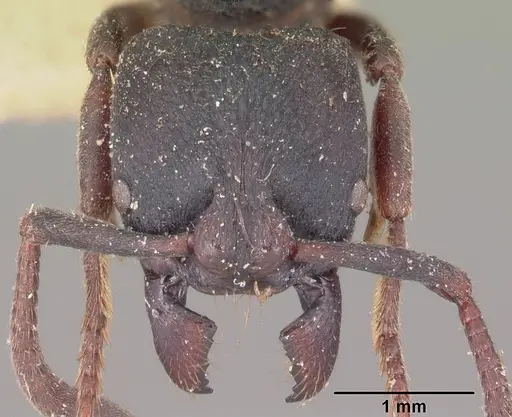
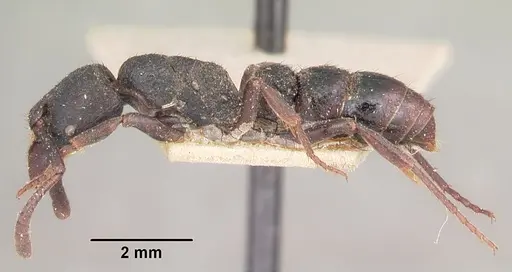
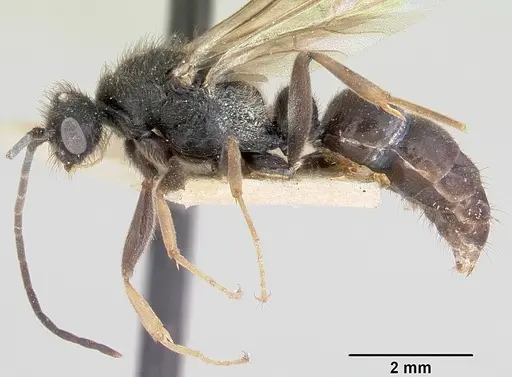
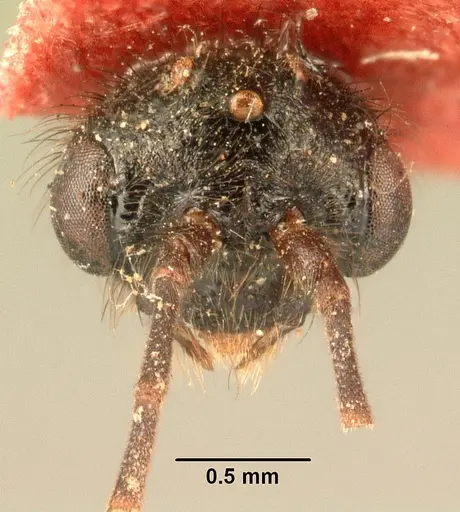
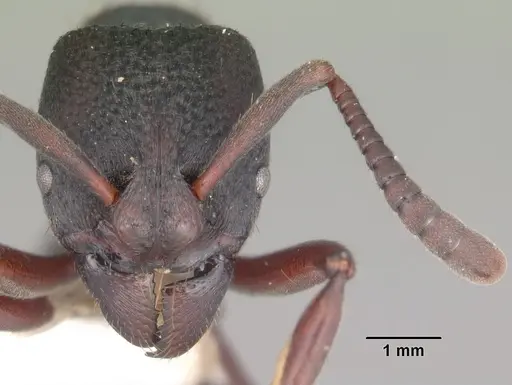
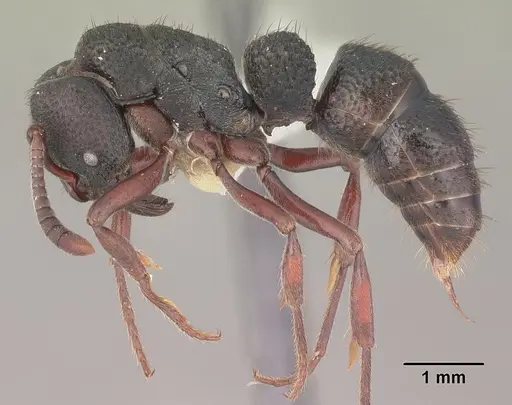
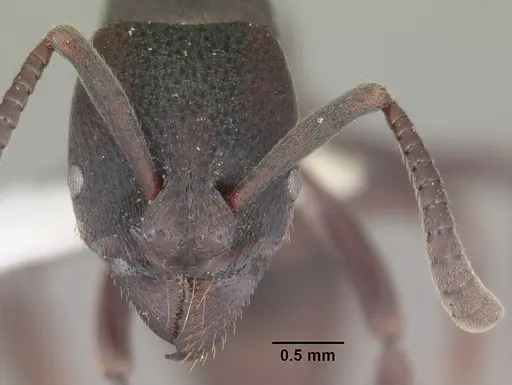
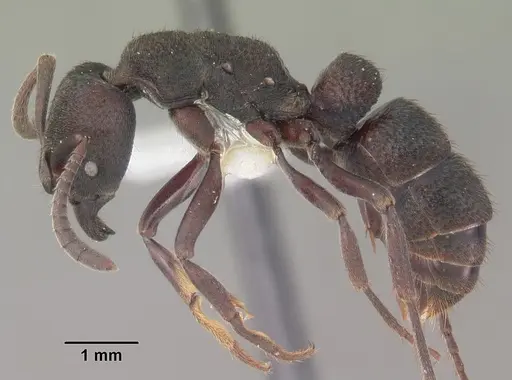
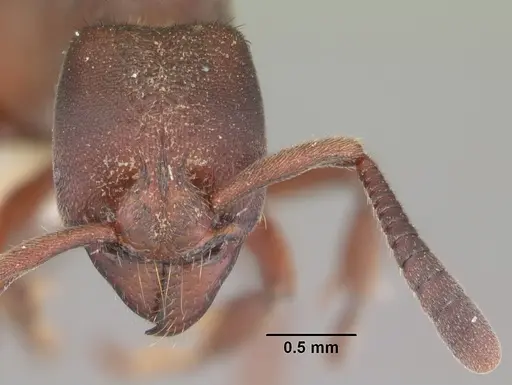
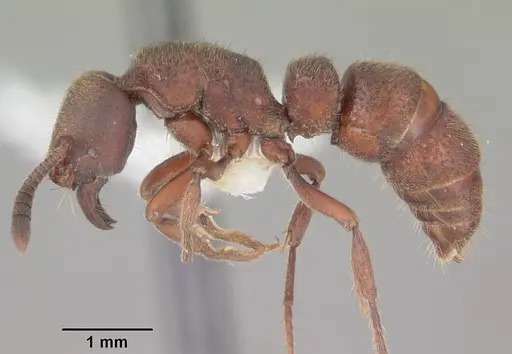
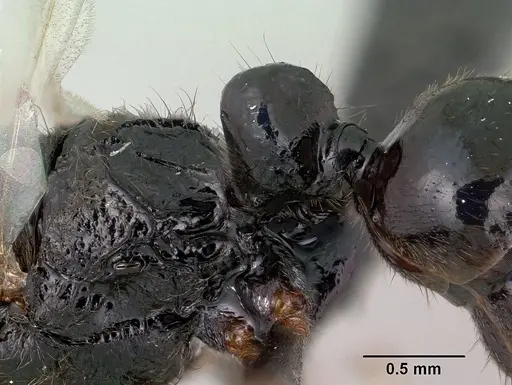
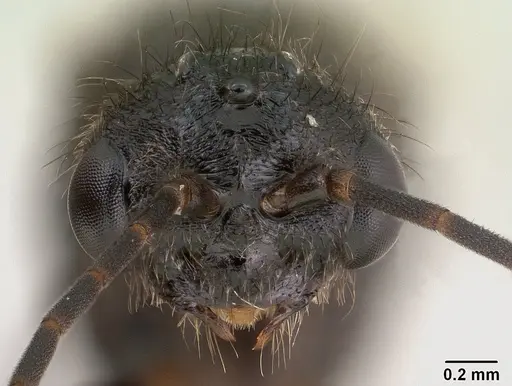
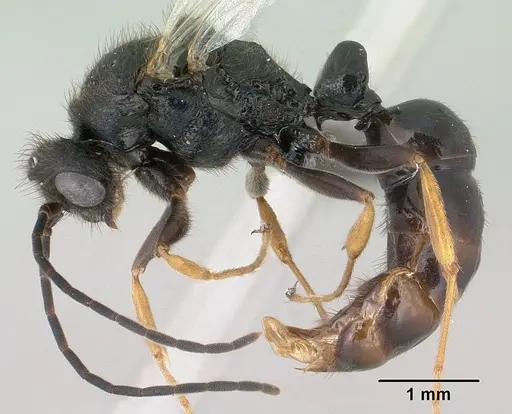
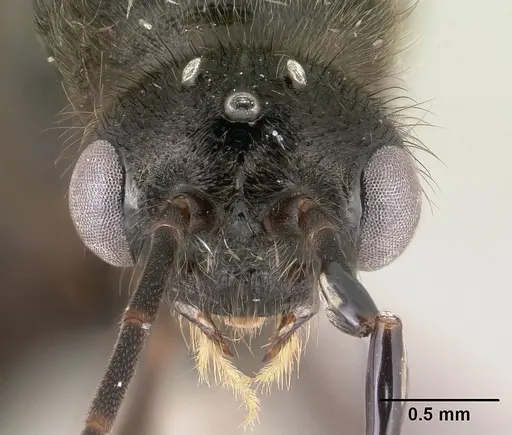
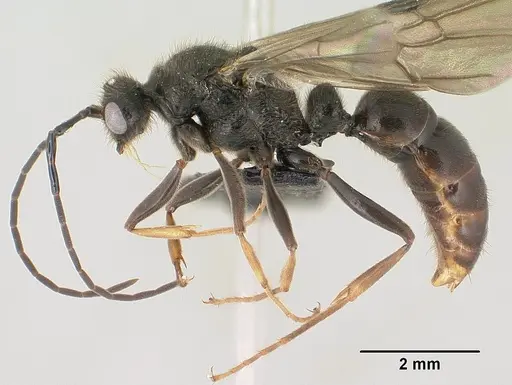
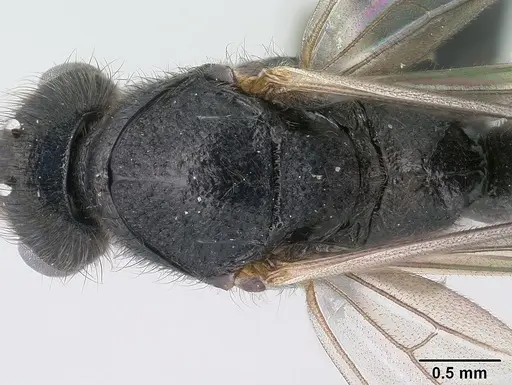
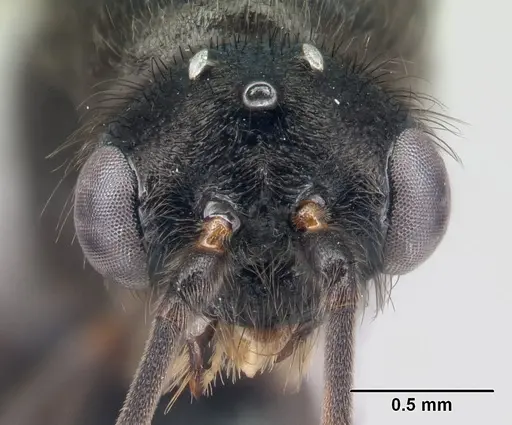
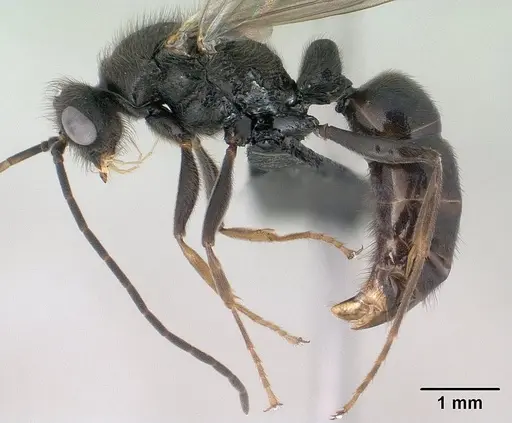
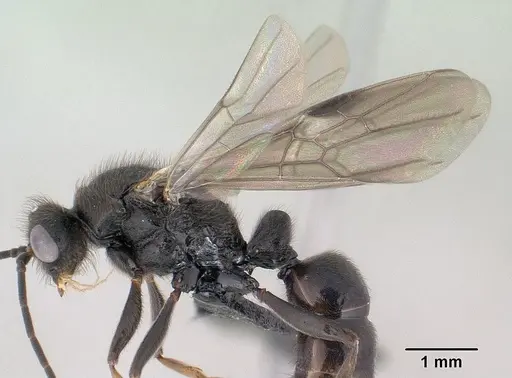
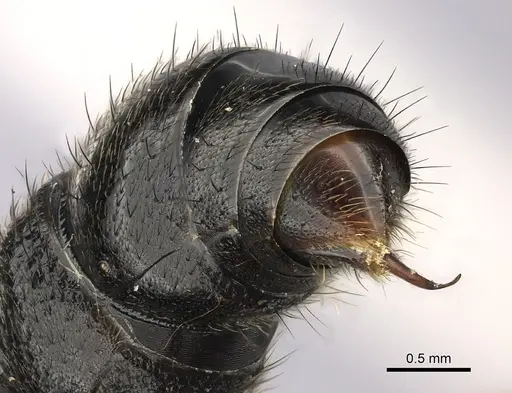
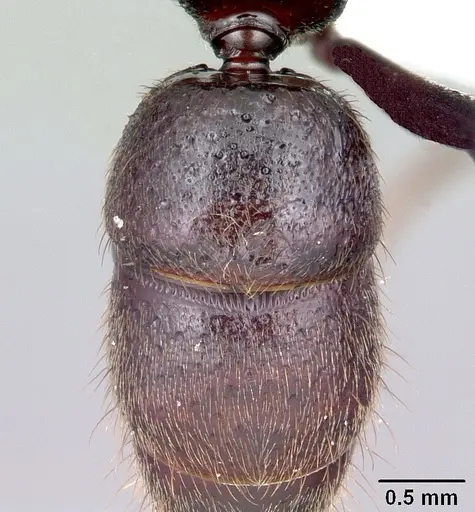
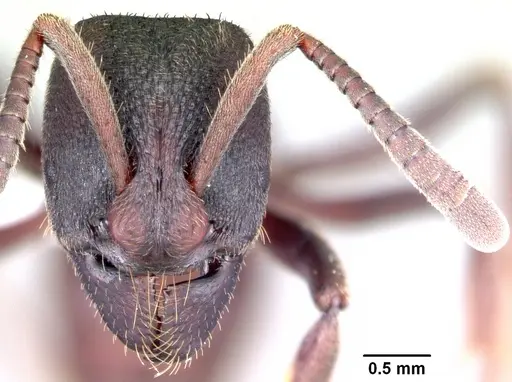
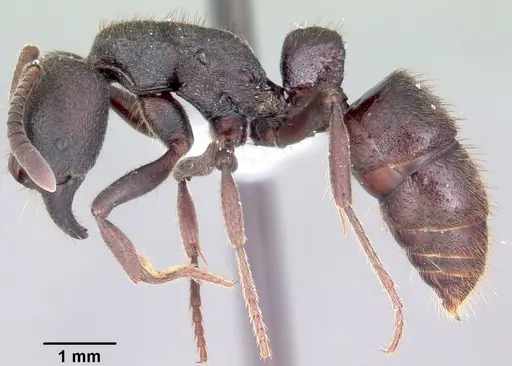
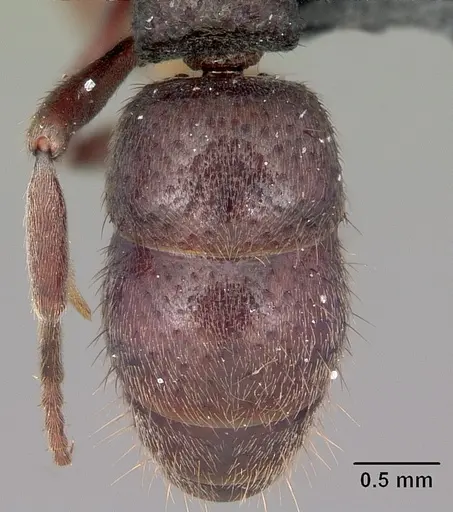
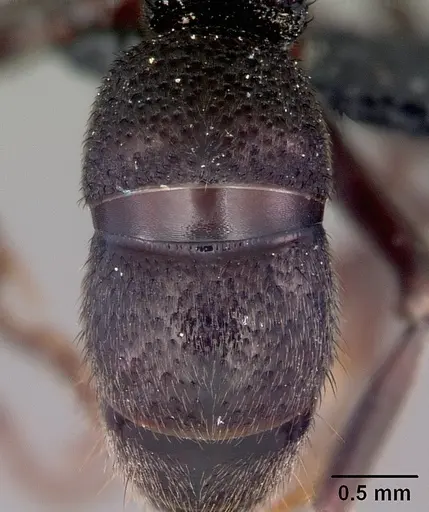
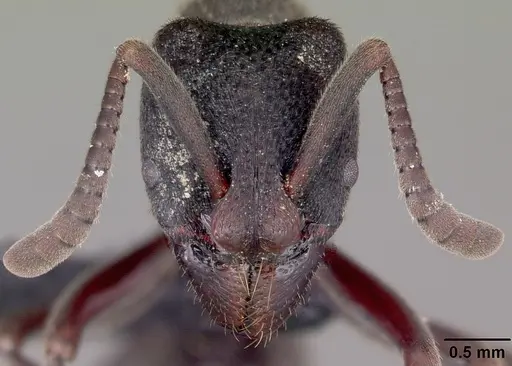
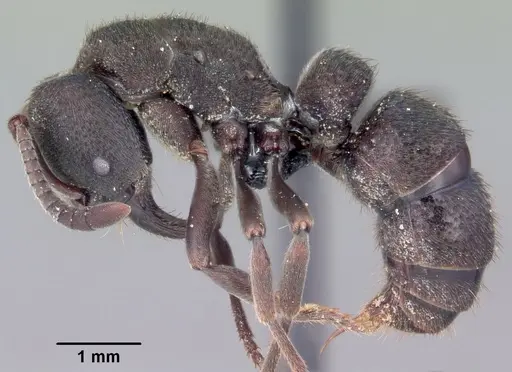
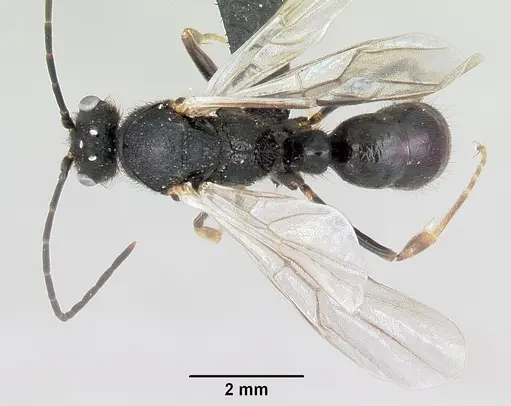
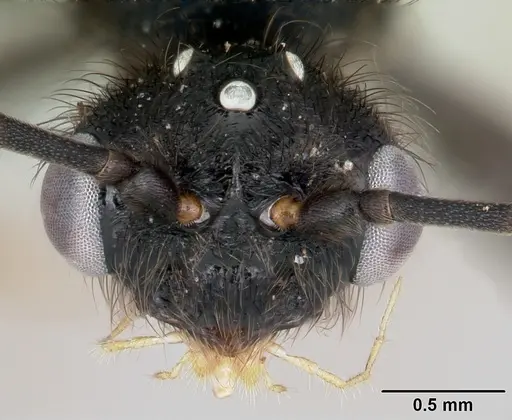
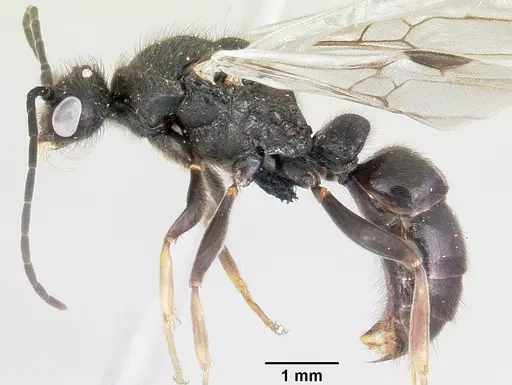
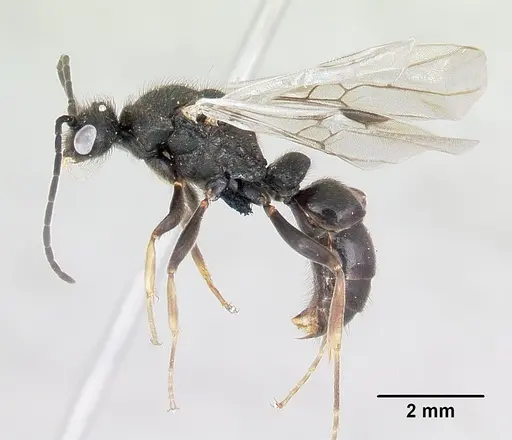
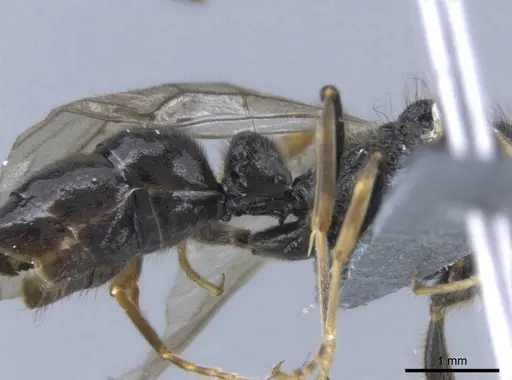
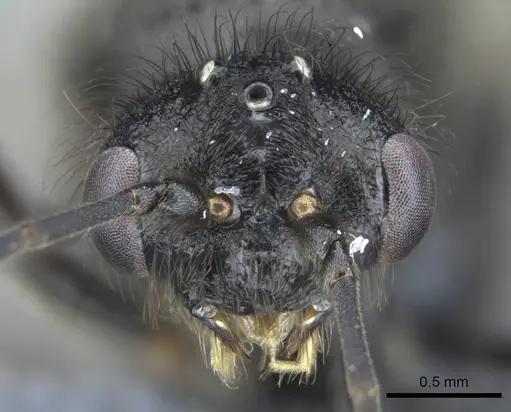
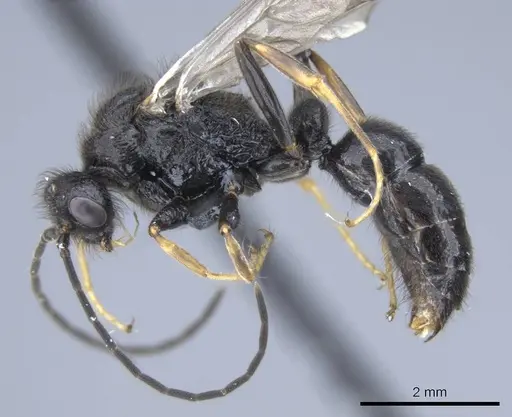
Bothroponera cambouei is a medium-sized ant endemic to Madagascar, belonging to the subfamily Ponerinae. Workers reach approximately 10.7mm in total length, with body colors ranging from ferruginous red to dark brown or black with lighter appendages . The species displays remarkable phenotypic diversity - researchers have identified seven distinct morphological forms that can even occur together in the same location, differing in head shape, eye size, body sculpture, and pilosity . This ant is primarily terrestrial, nesting in rotten logs, under stones, in the ground, and between root mat layers, though some specimens have been found foraging on low vegetation . Workers display a distinctive defensive behavior: when their nest is disturbed, they play dead (thanatosis) - a passive defense mechanism that makes them appear unappetizing to predators .
Quick Summary
- Difficulty: Medium
- Origin & Habitat: Endemic to Madagascar, found throughout the island from north to south in mesic forests at various elevations from sea level to over 1200m, including littoral and transitional forest habitats [1][3][4].
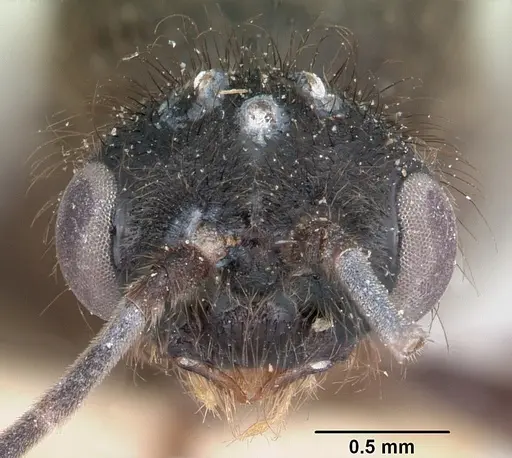
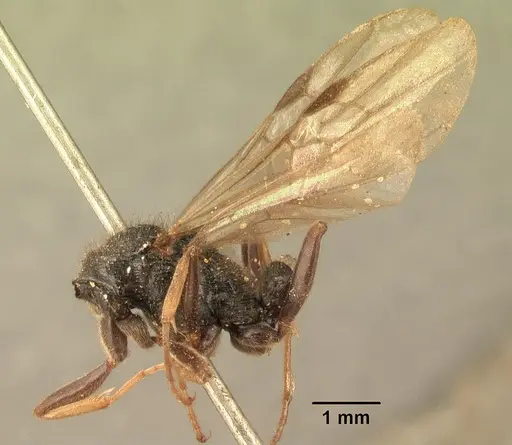
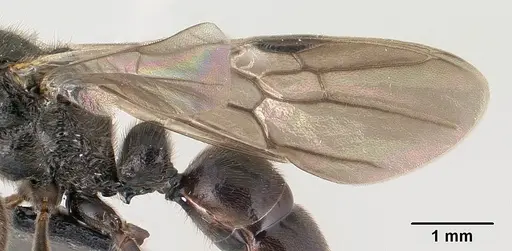
- Colony Type: Colonies have one queen (monogyne). The species has both winged queens and ergatoid (wingless) queens, with ergatoids having ocelli and incomplete thoracic sclerites, these likely serve as replacement reproductives if the primary queen dies [1].
- Size & Growth:
- Queen: Approximately 10.7mm total length (inferred from worker size, exact queen measurements unavailable) [2]
- Worker: Approximately 10.7mm total length [2]
- Colony: Colony size data is limited. Collection samples show dozens to over 200 workers, but maximum colony size is unconfirmed [4][1].
- Growth: Growth rate is unconfirmed for this species
- Development: Development time is unconfirmed for this species (Ponerine ants typically develop slower than common Myrmicinae, but specific development timeline for B. cambouei is not documented.)
- Antkeeping:
- Temperature: Keep at 22-26°C. This species is found in tropical Madagascar at various elevations, so a moderate temperature range works well. A slight gradient allows workers to self-regulate [1].
- Humidity: Moderate to high, they inhabit mesic forests and nest in rotting wood and soil. Keep nest substrate moist but not waterlogged, with some drier areas available. Think damp forest floor conditions [1].
- Diapause: No, as a tropical species from Madagascar, they do not require hibernation. Keep temperatures stable year-round.
- Nesting: They naturally nest in rotten logs, under stones, in the ground, and in root mat layers [1]. In captivity, a naturalistic setup with soil or soil-like substrate in a formicarium works well, or a Y-tong/plaster nest with moist substrate. Provide nesting chambers scaled to their medium size.
- Behavior: Workers are generally calm and not overly aggressive, but they will sting if threatened. Their most notable behavior is thanatosis, playing dead when disturbed, which serves as a passive defense [1]. They are foragers through leaf litter rather than active hunters. Escape risk is moderate, they are medium-sized ants but not particularly agile climbers. Standard barrier methods should suffice. As Ponerinae, they have a functional stinger with venom containing defensive pyrrolidine alkaloids [2].
- Common Issues: queen loss during founding, ergatoid presence suggests replacement system exists, but founding queens are vulnerable to disturbance, thanatosis can make it appear workers are dead when they're actually just playing dead, don't discard seemingly dead colonies, slow development compared to common ants may lead keepers to overfeed or disturb the nest unnecessarily, medium size means they can escape through standard formicarium openings if barriers aren't applied, tropical species will not survive cool temperatures, keep above 20°C year-round, this species is listed as exotic in some regions, check local regulations before keeping
Housing and Nest Preferences
Bothroponera cambouei naturally nests in rotting logs, under stones, in the ground, and in root mat layers [1]. They are primarily terrestrial but some specimens have been found foraging on low vegetation, so they can use vertical space when available. For captive care, a naturalistic setup with a soil or soil-like substrate works best, this allows them to create their own chambers like they would in rotting wood or soil. A Y-tong or plaster nest with moist chambers is also suitable. Provide multiple chambers of varying sizes since this species shows significant size variation between workers. The nest should be kept humid but with good ventilation to prevent mold. Because they play dead when disturbed, avoid frequent nest disturbances once the colony is established.
Feeding and Diet
In the wild, these ants forage through leaf litter, searching for small invertebrates and likely honeydew from aphids [1]. As Ponerinae, they are predatory on small arthropods. In captivity, offer a varied diet: small live prey like fruit flies, pinhead crickets, or mealworms (appropriately sized), along with sugar sources like honey water or sugar water. They are not extreme specialists like some ponerines, so a standard ant diet works well. Feed protein prey 2-3 times per week and keep sugar water available constantly. Remove uneaten prey after 24-48 hours to prevent mold. Their moderate size means they can tackle prey items comparable to their own body size.
Temperature and Seasonal Care
As a tropical species endemic to Madagascar, Bothroponera cambouei does not require hibernation or diapause. Keep temperatures in the 22-26°C range year-round. They are found at various elevations from 25m to over 1200m in Madagascar, suggesting they can adapt to a range of conditions, but they do best with stable warmth [3][4]. Avoid temperatures below 20°C as this could stress or kill the colony. Room temperature within this range is typically suitable. If your room is cooler, use a heating cable on one side of the nest to create a gentle gradient, place it on top of the nest to avoid drying out the substrate too quickly. No seasonal changes in care are needed beyond maintaining stable temperatures.
Behavior and Defense
The most distinctive behavioral trait of this species is thanatosis, when disturbed, workers play dead by curling up and remaining motionless [1]. This is a passive defensive strategy that makes them appear unappetizing to predators. If you see your ants suddenly go limp, do not assume they are dead, give them time to recover. Additionally, as Ponerinae, they have a functional stinger and can deliver painful stings. Their venom contains 2,5-disubstituted pyrrolidine alkaloids, which serve as a chemical defense [2]. In captivity, they are generally calm and will not act aggressively unless the nest is threatened. They are moderate foragers rather than aggressive hunters, moving through leaf litter to find prey. Escape risk is moderate, they are not particularly small or agile, so standard barriers work well.
Colony Structure and Reproduction
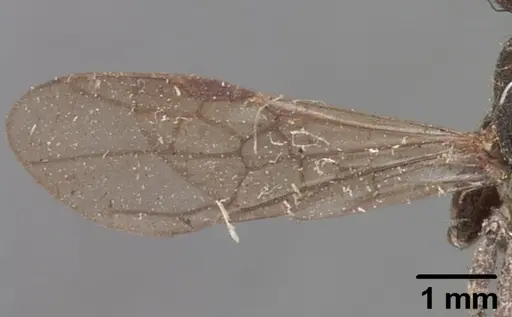
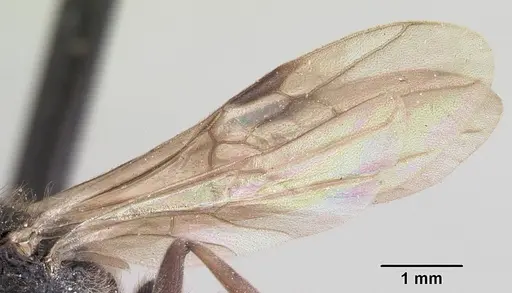
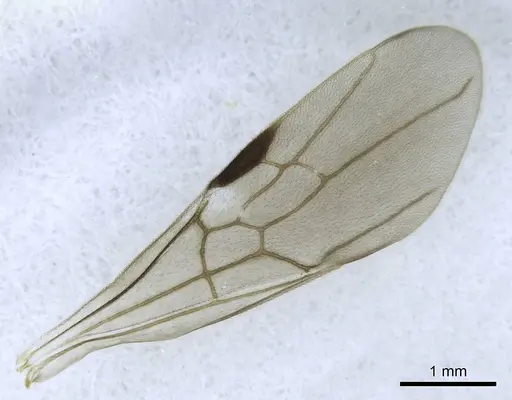
Bothroponera cambouei is monogyne, meaning colonies have a single queen. However, the species also has ergatoid (wingless) queens alongside the typical winged queens [1]. Ergatoid queens have ocelli (simple eyes) and incomplete thoracic sclerites, making them look very similar to workers but with queen-specific features. These ergatoids likely serve as replacement reproductives, if the primary queen dies, an ergatoid can take over egg-laying duties. This makes the colony more resilient to queen loss. Colony size appears moderate, collection data shows dozens to over 200 workers in samples, though maximum colony size is unconfirmed [4]. The species shows remarkable morphological variation with seven different forms identified, some of which occur together in the same areas [1].
Frequently Asked Questions
How long does it take for Bothroponera cambouei to produce first workers?
Exact development time is unconfirmed for this species. Based on typical Ponerinae development patterns, expect several months from egg to first worker at warm temperatures (24-26°C). Ponerine ants generally develop slower than common Myrmicinae like Tetramorium or Lasius.
What do Bothroponera cambouei eat?
They are generalist predators that forage through leaf litter. In captivity, feed small live prey like fruit flies, pinhead crickets, or small mealworms, along with sugar sources like honey water or sugar water. Offer protein 2-3 times per week and keep sugar water available constantly.
Are Bothroponera cambouei good for beginners?
This is a medium-difficulty species. They are more challenging than common Lasius or Tetramorium due to slower development and specific temperature needs, but not as difficult as some specialized predators. They are interesting due to their thanatosis behavior and morphological diversity. Expect moderate growth rates and stable colonies once established.
Do Bothroponera cambouei need hibernation?
No, they do not require hibernation. As a tropical species from Madagascar, they need stable temperatures year-round. Keep them at 22-26°C consistently. Temperatures below 20°C can be harmful.
Why do my Bothroponera cambouei workers suddenly go limp?
This is normal behavior called thanatosis, they play dead as a defensive strategy when threatened. Workers curl up and remain motionless to appear unappetizing to predators. Give them time and they will recover once the threat passes. Do not assume they are dead and discard them.
Can I keep multiple queens together?
No, this species is monogyne (single queen). While ergatoid queens exist within colonies as replacement reproductives, unrelated queens should not be combined. In the wild, colonies have one primary egg-laying queen with ergatoids serving as backup.
What size colony do Bothroponera cambouei reach?
Colony size is not well documented. Collection samples show dozens to over 200 workers, but maximum colony size is unconfirmed. They are not among the largest Ponerinae but should establish into substantial colonies over 2-3 years.
What nest type is best for Bothroponera cambouei?
A naturalistic setup with moist soil or soil-like substrate works best, mimicking their natural nesting in rotting logs and soil. A Y-tong or plaster nest with appropriately sized chambers also works. Keep the nest humid with good ventilation. Provide multiple chambers since workers vary significantly in size.
Is Bothroponera cambouei aggressive?
They are not particularly aggressive toward keepers, they are calm and will only defend if the nest is directly threatened. Their primary defense is thanatosis (playing dead) rather than active aggression. However, they will sting if handled roughly or if the nest is attacked.
Report an Issue
The current care sheet is based fully on literature. See inconsistencies, or something that's incorrect? Please , it will be resolved after review from an admin. Contributing to the blogs tab also helps providing information, to make us be able to further improve the caresheets. Thank you for your support!
References

This caresheet is licensed under CC BY-SA 4.0 .
Community Blogs
BLF00976(40)-2
View on AntWeb-2_1.webp)
-2_2.webp)
-2_3.webp)
-2_4.webp)
-2_5.webp)
BLF0561(26)-1
View on AntWeb-1_1.webp)
-1_2.webp)
-1_3.webp)
-1_4.webp)
BLF1862(05)-16
View on AntWeb-16_1.webp)
-16_2.webp)
-16_3.webp)
-16_4.webp)
BLF2072(29)-12
View on AntWeb-12_1.webp)
-12_2.webp)
-12_3.webp)
-12_4.webp)
BLF2102(14)-8
View on AntWeb-8_1.webp)
-8_2.webp)
-8_3.webp)
-8_4.webp)
CASENT0027983
View on AntWeb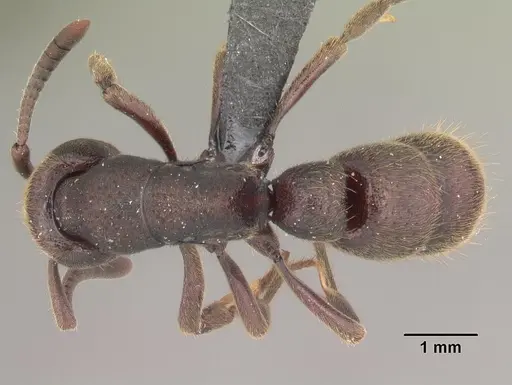
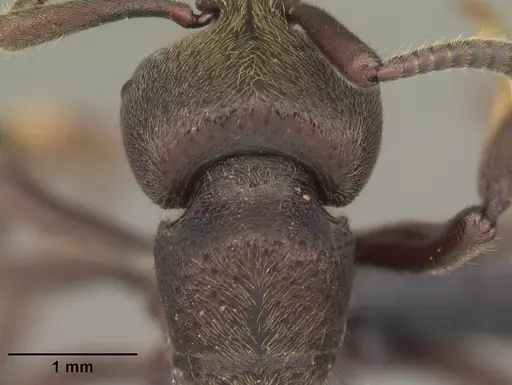
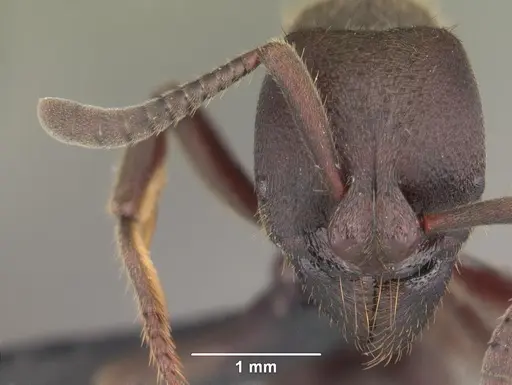
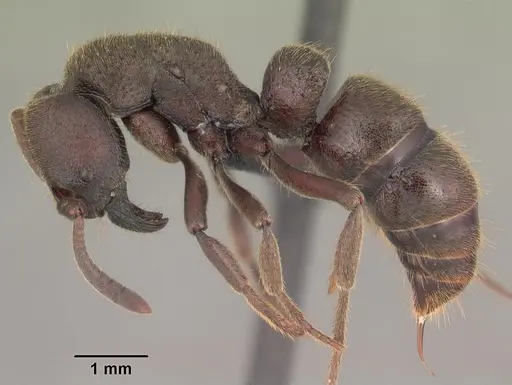
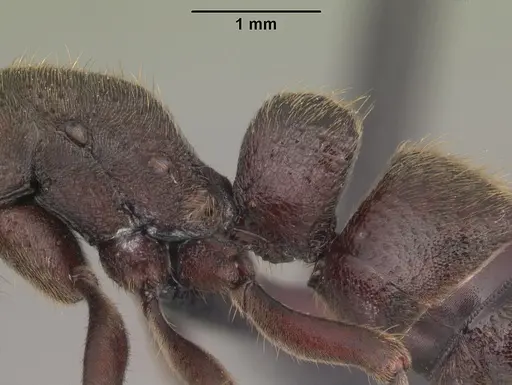
CASENT0029098
View on AntWeb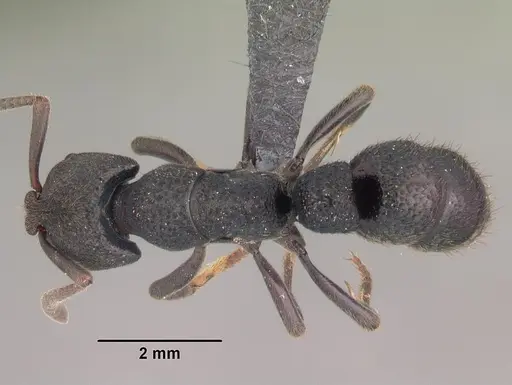
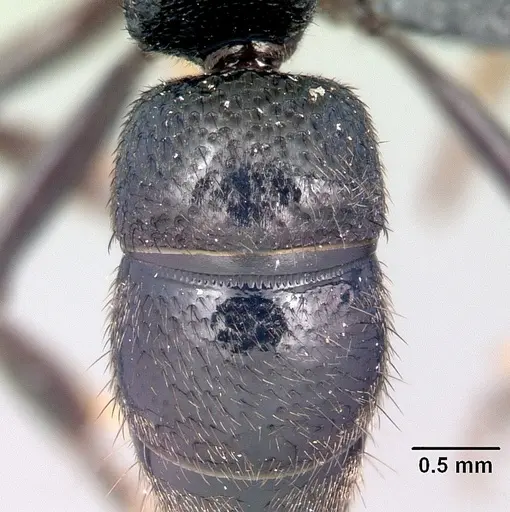
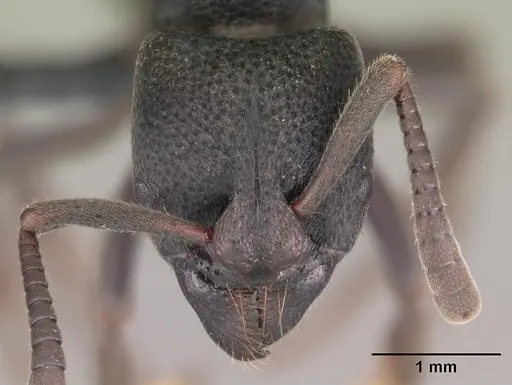
CASENT0031004
View on AntWeb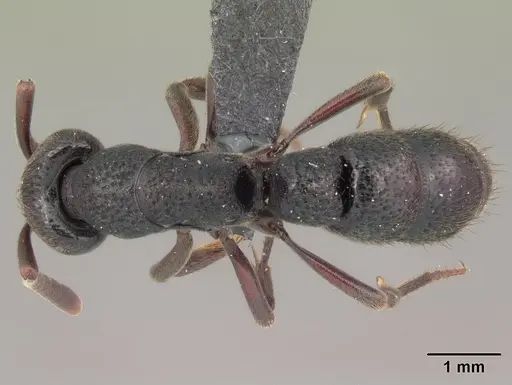
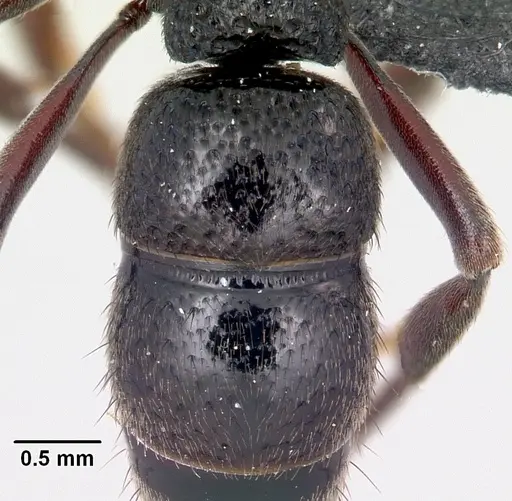
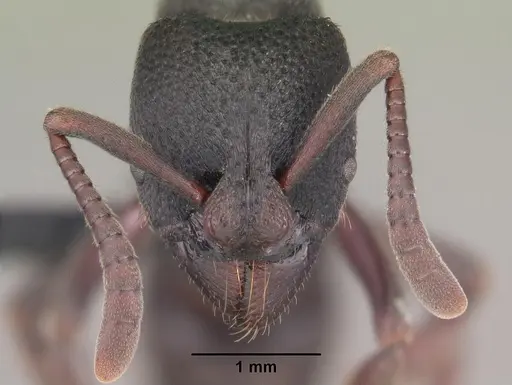
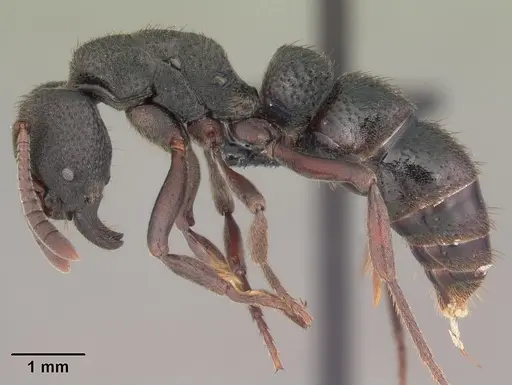
CASENT0034270
View on AntWeb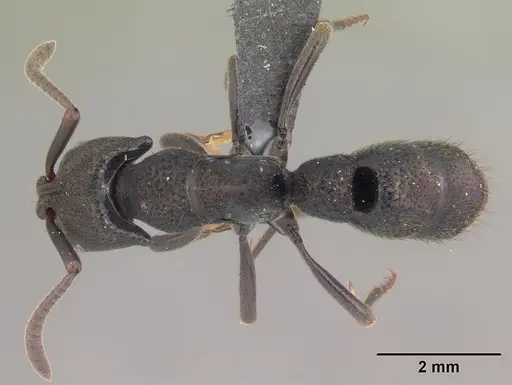
CASENT0034474
View on AntWeb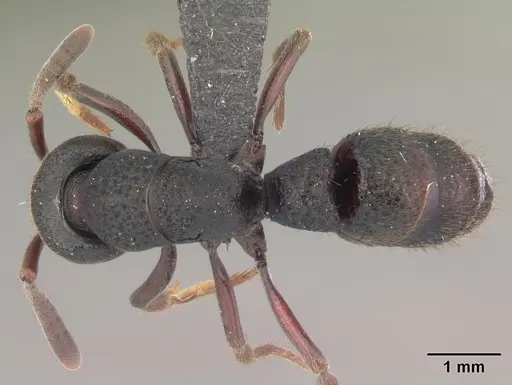
CASENT0034493
View on AntWeb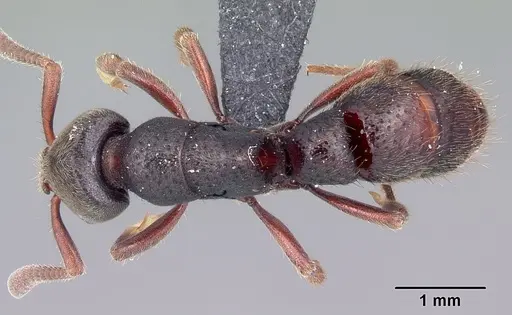
CASENT0034571
View on AntWeb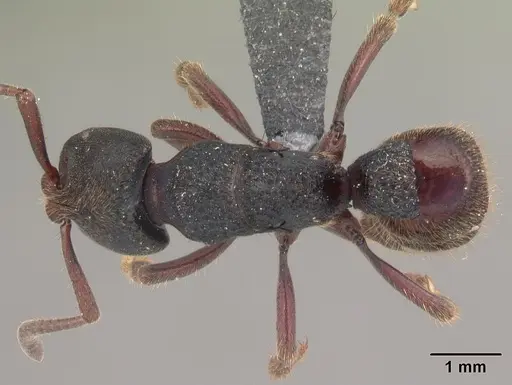
CASENT0101028
View on AntWeb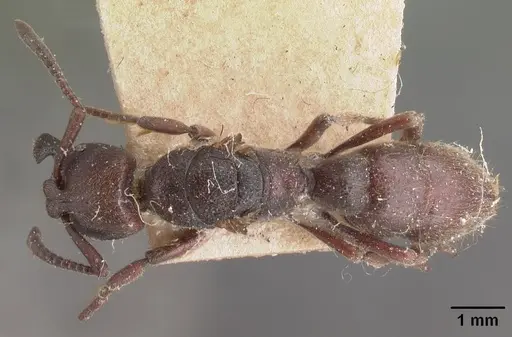
CASENT0101029
View on AntWeb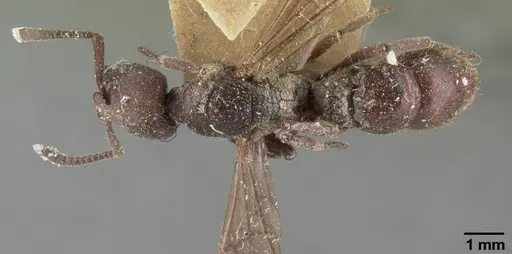
CASENT0101402
View on AntWeb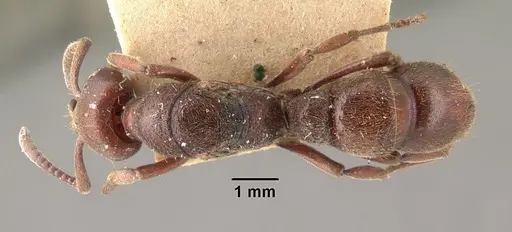
CASENT0101404
View on AntWeb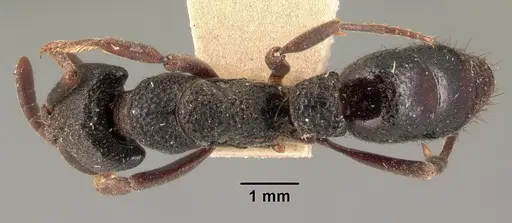
CASENT0101709
View on AntWeb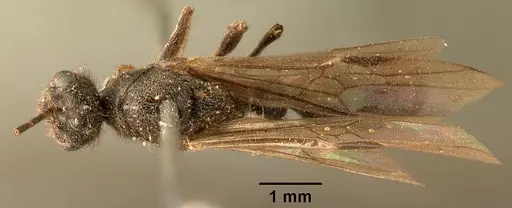
CASENT0101770
View on AntWeb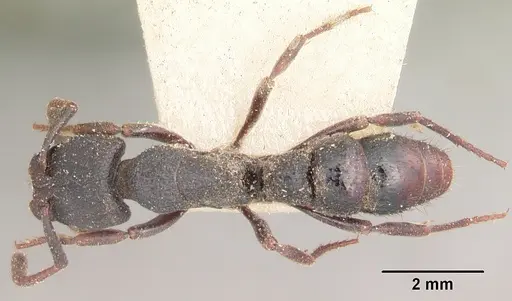
CASENT0101873
View on AntWeb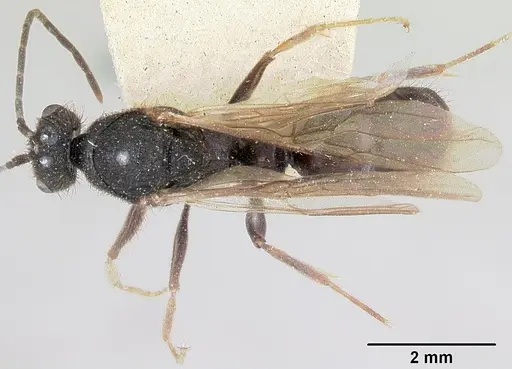
CASENT0101905
View on AntWeb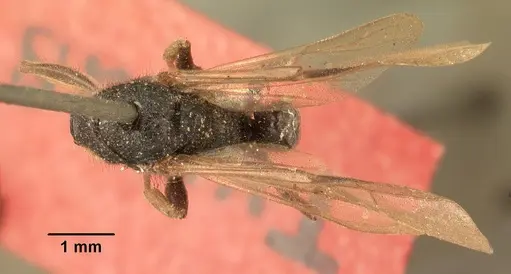
CASENT0102407
View on AntWeb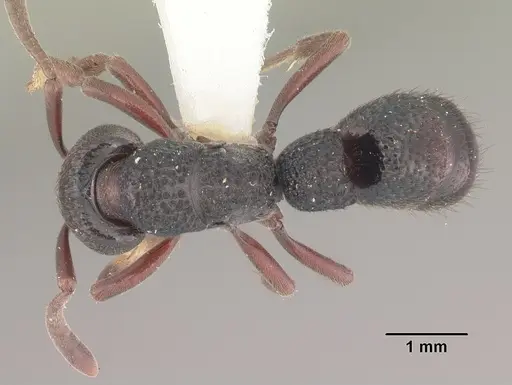
CASENT0102410
View on AntWeb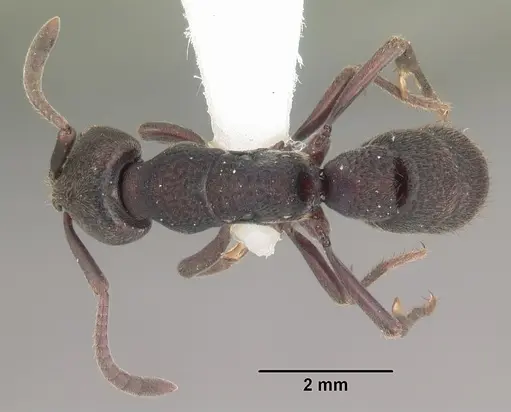
CASENT0102411
View on AntWeb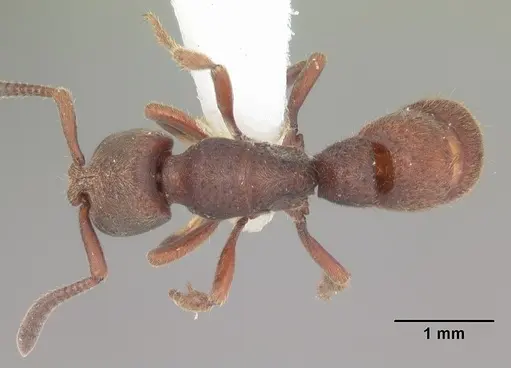
CASENT0138424
View on AntWeb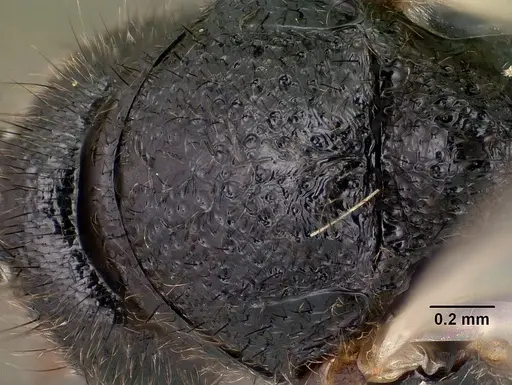
CASENT0138650
View on AntWeb
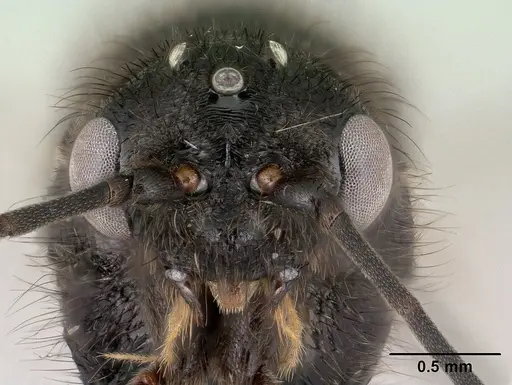
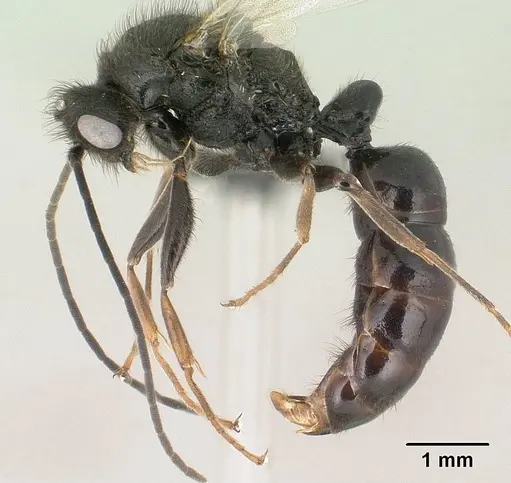
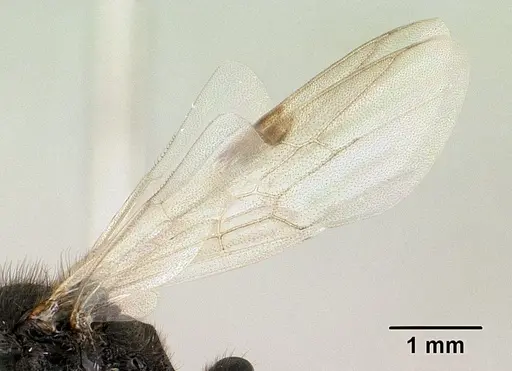
CASENT0143642
View on AntWeb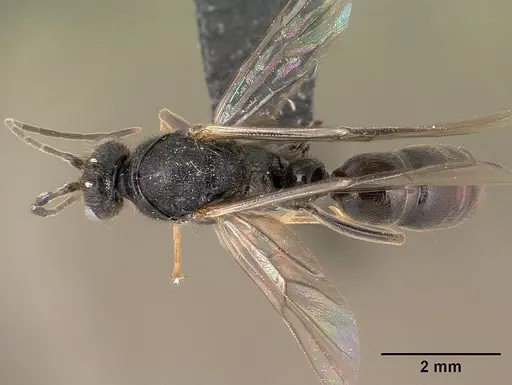
CASENT0145199
View on AntWeb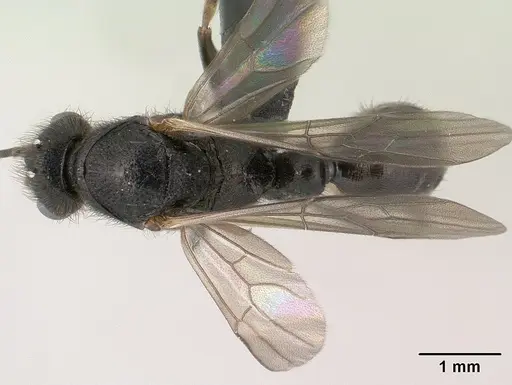
CASENT0153183
View on AntWeb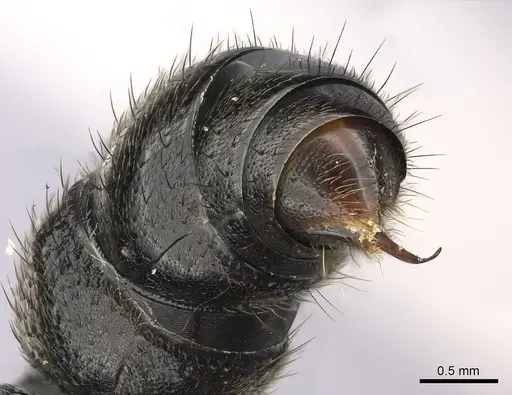
CASENT0410131
View on AntWeb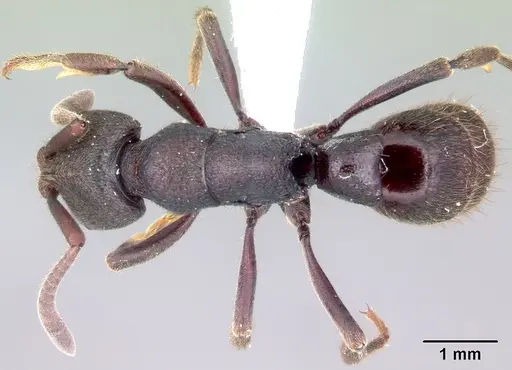
CASENT0451572
View on AntWeb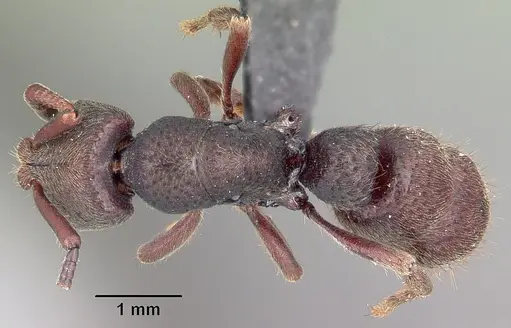
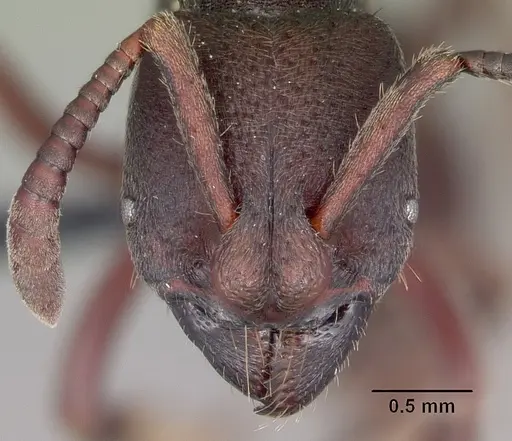
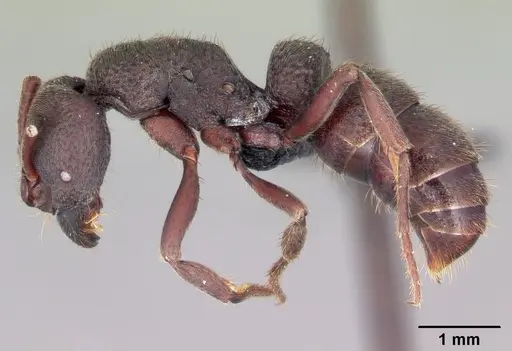
CASENT0455899
View on AntWeb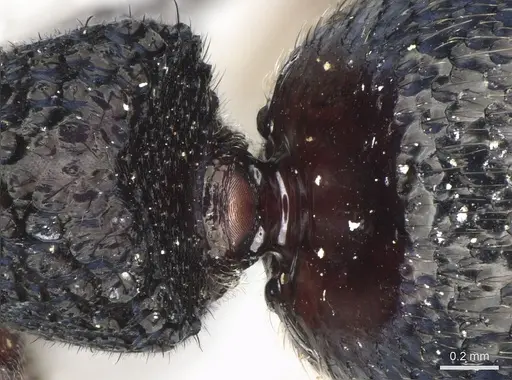
CASENT0458891
View on AntWeb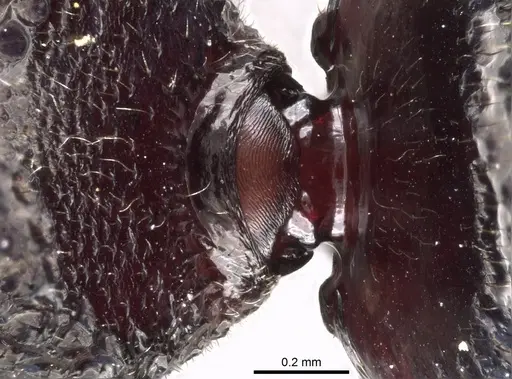
CASENT0495513
View on AntWeb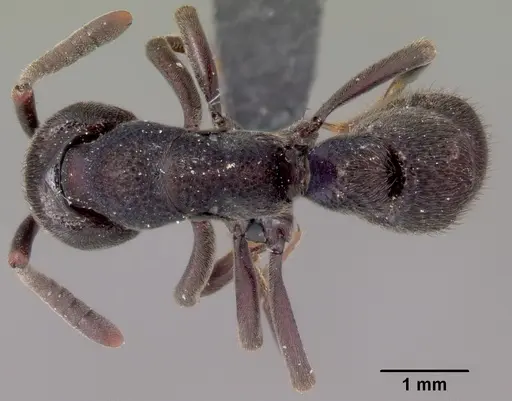
CASENT0497079
View on AntWeb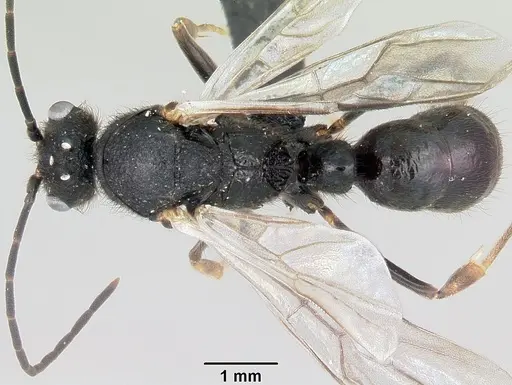
CASENT0740618
View on AntWeb
CASENT0740619
View on AntWeb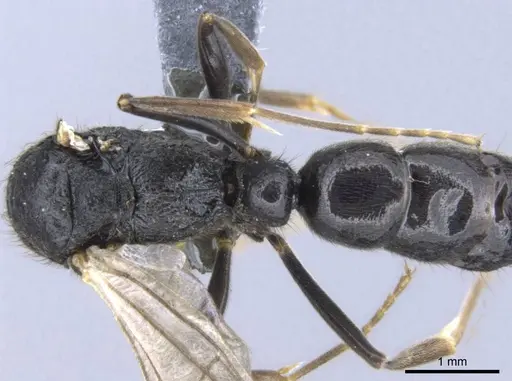
CASENT0740620
View on AntWeb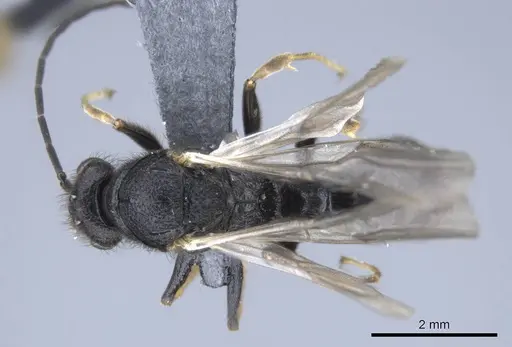
HJR102(39)-4
View on AntWeb-4_1.webp)
-4_2.webp)
-4_3.webp)
-4_4.webp)
Literature
Loading distribution map...Loading products...