
Bothriomyrmex regicidus
- Sci. Name
- Bothriomyrmex regicidus
- Tribe
- Bothriomyrmecini
- Subfamily
- Dolichoderinae
- Author
- Santschi, 1919
- Distribution
- Found in 3 countries
Introduction
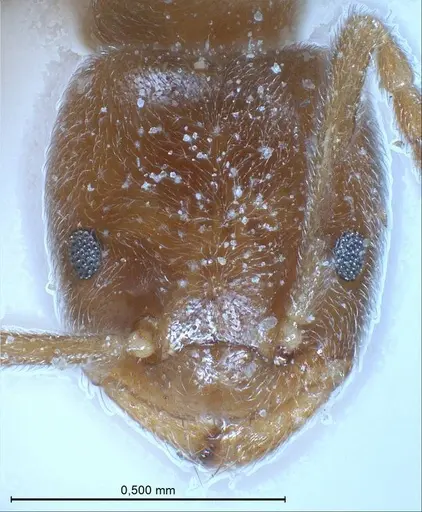
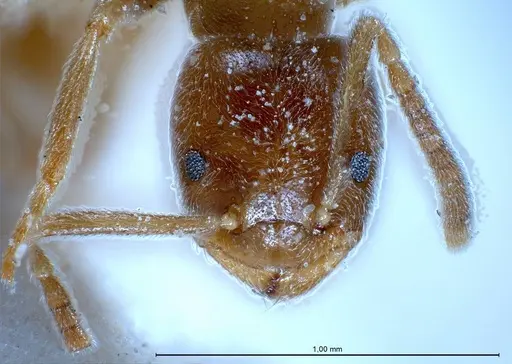
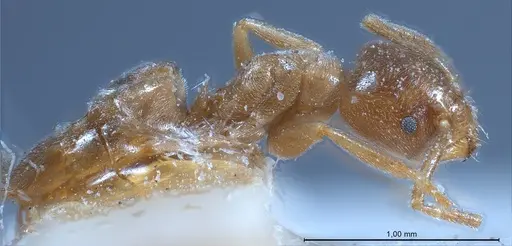
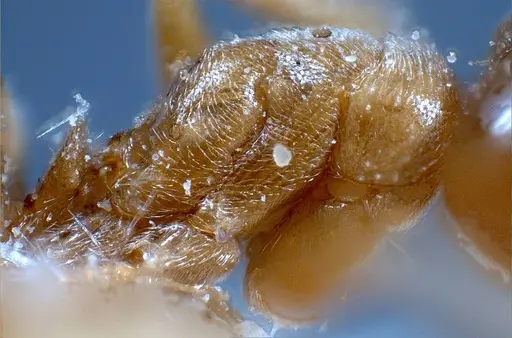
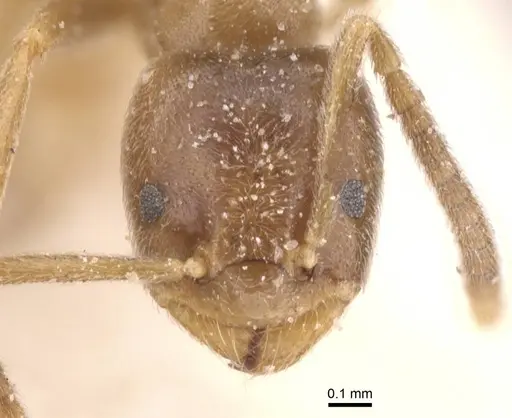
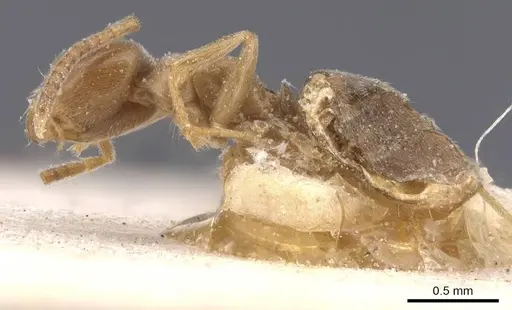
Bothriomyrmex regicidus is a tiny parasitic ant in the Dolichoderinae subfamily, native to North Africa (Algeria and Tunisia). Workers are among the smallest ants you'll encounter, and the species is remarkable for its temporary social parasitic lifestyle - queens invade colonies of Tapinoma ants, where they kill the host queen and take over the workforce . This is one of the most difficult ants to keep because it requires a host colony to survive. The species was described by Santschi in 1919 from specimens collected in Kairouan, Tunisia [AntWiki].
Quick Summary
- Difficulty: Expert
- Origin & Habitat: North Africa, found in Algeria and Tunisia in the Palaearctic region. Associated with colonies of Tapinoma, its host species [1][5][4].
- Colony Type: Temporary social parasite, single queen invades Tapinoma host colony, kills the host queen, and uses host workers to raise her brood until the first Bothriomyrmex workers emerge [1][2].
- Size & Growth:
- Queen: Tiny, described as 'very tiny female' in original notes. Size data unavailable for this species [1].
- Worker: Extremely small, among the smallest ants. Size data unavailable [1].
- Colony: Unknown, colonies depend entirely on host Tapinoma colony size.
- Growth: Slow initially, depends on host colony acceptance and gradual replacement of host workers.
- Development: Unknown, directly tied to host colony success. (Development is unusual, the queen uses host workers to raise her first brood. Timeline depends entirely on host colony health and acceptance.)
- Antkeeping:
- Temperature: Keep at room temperature or slightly warm. Specific requirements unknown, observe colony behavior and adjust accordingly.
- Humidity: Standard antkeeping humidity is likely sufficient. Avoid overly damp conditions.
- Diapause: Unknown, North African species may have seasonal activity patterns, but specific requirements are unconfirmed.
- Nesting: Cannot be kept independently. You must establish a healthy Tapinoma colony first, then introduce the Bothriomyrmex queen. Natural nests are within host colonies under stones or in soil.
- Behavior: Queens are specialized parasites that infiltrate Tapinoma colonies. The queen approaches the host queen, grabs her by the back of the head, and slowly cuts it off, a gruesome but effective takeover strategy [2]. Workers are tiny, fast-moving, and may be overlooked by keepers due to their minute size. Escape risk is low for the queen but workers can slip through standard barriers. Temperament is non-aggressive toward keepers but the species cannot survive without a host.
- Common Issues: establishing a host colony is extremely difficult, Tapinoma ants may not be readily available, queen introduction often fails, host workers may reject or kill the parasite queen, without proper host acceptance, the colony will die within weeks, tiny worker size makes escape prevention challenging, fine mesh is essential, this species cannot be kept as an independent colony, it will always need host workers
The Parasitic Lifestyle
Bothriomyrmex regicidus is a temporary social parasite, meaning it cannot found a colony on its own. The queen must invade an established Tapinoma colony to begin her colony. This is one of the most fascinating and challenging aspects of keeping this species. The queen approaches the host colony, locates the host queen, and then performs a remarkable execution, she grabs the host queen by the back of the head and slowly cuts it off [2]. Once the host queen is dead, the parasite queen uses the remaining host workers to raise her own brood. Over time, the host workers die off and are replaced by Bothriomyrmex workers, eventually resulting in a pure Bothriomyrmex colony. This process requires careful management.
Housing and Host Colony Requirements
You cannot keep Bothriomyrmex regicidus like a normal ant colony. The first and most critical step is establishing a healthy Tapinoma colony, this is your host colony. Tapinoma ants are small, dark ants often found running on sidewalks and walls in warm climates. Once you have a thriving Tapinoma colony, you can attempt to introduce the Bothriomyrmex queen. The introduction process is delicate, some keepers recommend cooling both colonies, placing the parasite queen in a test tube with a few host workers, and introducing them gradually. Success rates are low, and many attempts result in the parasite queen being killed by host workers. [1]
Feeding and Care
Once established, Bothriomyrmex colonies can be fed similarly to other small Dolichoderine ants. They likely feed on honeydew, sugar water, and small insects. Offer a drop of sugar water or honey regularly, along with small prey items like fruit flies or tiny cricket pieces. The host workers will initially do most of the foraging, so ensure food is accessible. As Bothriomyrmex workers replace host workers, you may notice them becoming more active foragers. Remove uneaten food after 24-48 hours to prevent mold. Always ensure fresh water is available.
Temperature and Seasonal Care
As a North African species, Bothriomyrmex regicidus likely prefers warm conditions, but specific temperature requirements are not documented in research. Keep the nest area at room temperature (around 20-25°C) during the active season. During winter, reduce temperatures slightly to simulate their natural seasonal cycle, but specific requirements are unconfirmed. Reduce feeding during any period of reduced activity but do not stop entirely. Return to normal temperatures gradually in spring to trigger renewed activity and brood production.
Why This Species is Expert-Only
Bothriomyrmex regicidus is not recommended for beginners or even intermediate antkeepers. The fundamental challenge is that this species cannot survive without a host colony, it is an obligate social parasite. Finding and maintaining a Tapinoma colony is difficult in itself, and then successfully introducing the parasite queen adds another layer of extreme difficulty. Even experienced antkeepers report low success rates with parasitic ant introductions. Additionally, the species is extremely rare in the hobby and information is limited. If you're interested in parasitic ants, consider starting with more documented species or focus on understanding Tapinoma colony biology first. This species is best left to researchers or expert antkeepers with specific scientific interest in parasitic ant behavior. [1][2]
Frequently Asked Questions
Can I keep Bothriomyrmex regicidus in a normal ant nest?
No. This is a temporary social parasite that requires a host Tapinoma colony to survive. You must first establish a Tapinoma colony, then introduce the Bothriomyrmex queen. Without a host colony, the queen will die.
How do I introduce the queen to the host colony?
Introduction is difficult and success is not guaranteed. Cool both colonies to reduce activity, place the parasite queen in a test tube with a few host workers, and introduce gradually. Many introductions fail as host workers may attack and kill the parasite queen.
What do Bothriomyrmex regicidus eat?
They likely accept honeydew, sugar water, honey, and small insects like fruit flies. Once established, feed them similarly to other small ants, sugar sources regularly and protein occasionally.
How long does it take for the colony to become fully Bothriomyrmex?
This is a slow process. The parasite queen kills the host queen, then uses host workers to raise her first brood. Over time, host workers die off and are replaced by Bothriomyrmex workers. The exact timeline is unconfirmed.
Are Bothriomyrmex regicidus good for beginners?
Absolutely not. This is an expert-only species due to its parasitic lifestyle requiring a host colony. The difficulty of establishing a host colony and successfully introducing the parasite queen makes this species suitable only for experienced antkeepers with specific interest in parasitic ants.
Where can I get a Tapinoma colony?
Tapinoma ants are found across the Mediterranean region and North Africa. In the wild, look for small dark ants running on walls, sidewalks, and ground surfaces in warm areas. They may be available from some ant suppliers, but establishing a wild-caught colony is often the most reliable method.
What happens if the host queen dies before introduction?
If the host queen dies before successful introduction, the colony will eventually die out as there are no new workers being produced. The colony needs a living host queen for the parasite to have workers to manipulate. This is why timing and introduction method are critical.
Can I keep multiple Bothriomyrmex queens together?
This is not recommended and has not been documented. The species is likely monogyne (single queen) in nature. Multiple parasite queens would likely fight over the host colony.
Do they need hibernation?
Specific hibernation requirements are unconfirmed. As a North African species they may have seasonal activity patterns, but documented requirements do not exist.
Why do they cut off the host queen's head?
This is how the parasite queen takes over the colony. By killing the host queen, she becomes the sole reproductive female and uses the host workers to raise her own brood. The method (cutting from behind) is an efficient way to overcome the host queen's defenses.
Is this species available in the antkeeping hobby?
Bothriomyrmex regicidus is extremely rare in the hobby due to the difficulty of establishing colonies. Most antkeepers interested in this species are researchers or advanced hobbyists working with specific scientific goals. Finding a colony for sale is unlikely.
Report an Issue
The current care sheet is based fully on literature. See inconsistencies, or something that's incorrect? Please , it will be resolved after review from an admin. Contributing to the blogs tab also helps providing information, to make us be able to further improve the caresheets. Thank you for your support!
References

This caresheet is licensed under CC BY-SA 4.0 .
Community Blogs
ANTWEB1008379
View on AntWeb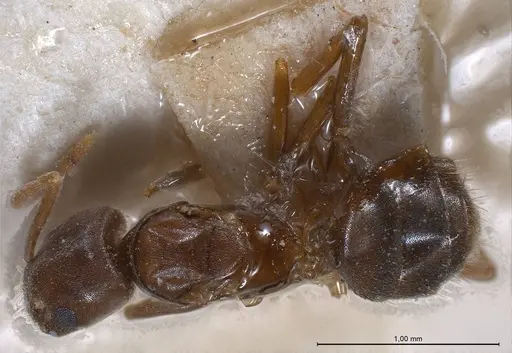
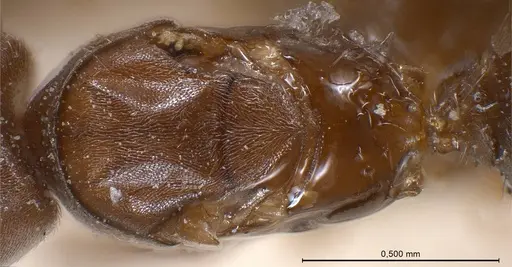
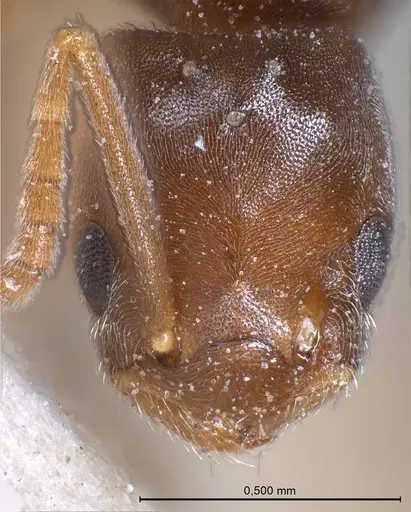
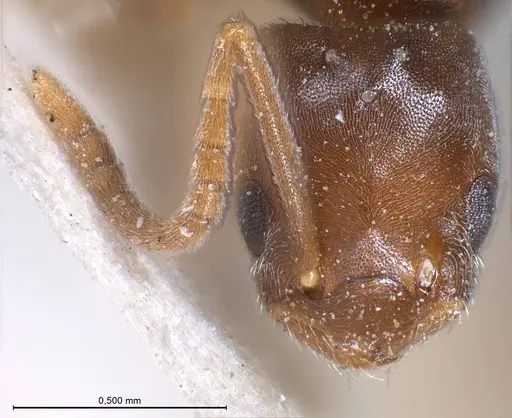
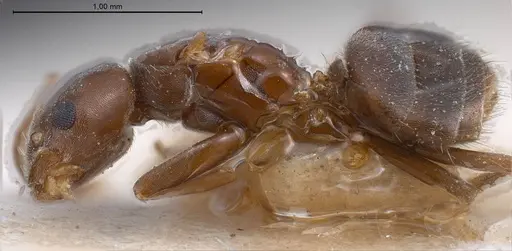
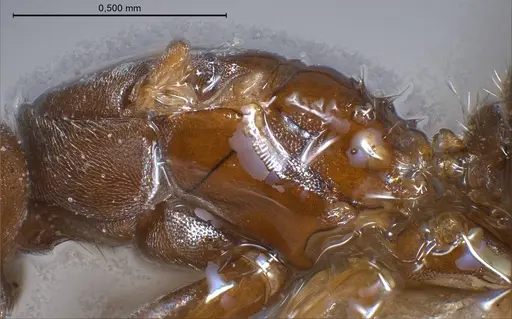
ANTWEB1008380
View on AntWeb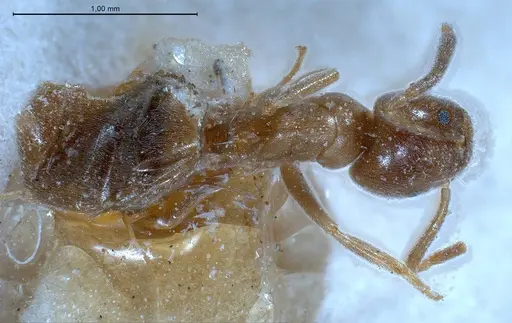
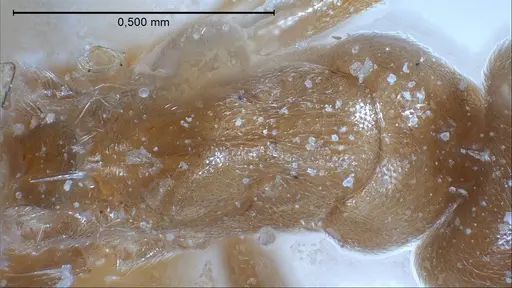
CASENT0911488
View on AntWeb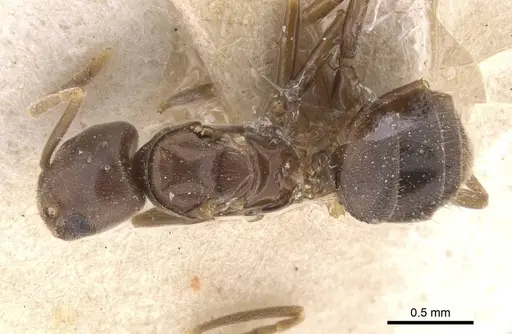
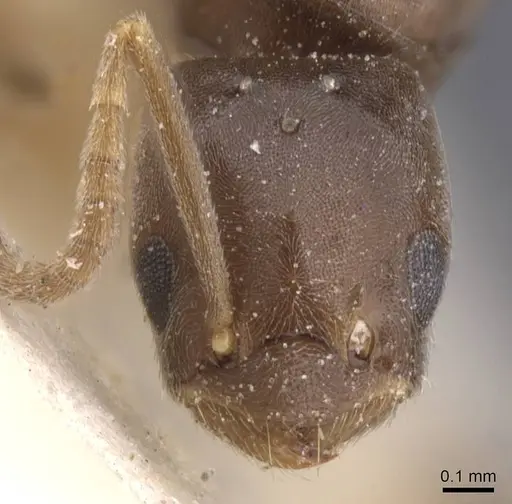
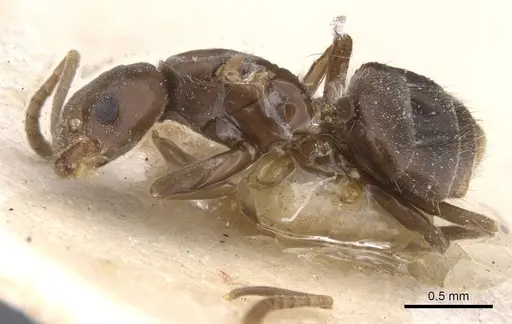
CASENT0911489
View on AntWeb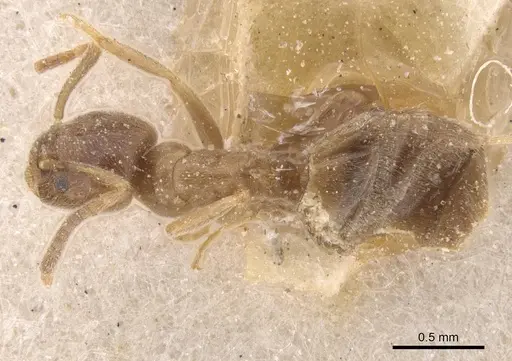
Literature
Loading distribution map...Loading products...