
Bothriomyrmex meridionalis
- Sci. Name
- Bothriomyrmex meridionalis
- Tribe
- Bothriomyrmecini
- Subfamily
- Dolichoderinae
- Author
- Roger, 1863
- Distribution
- Found in 4 countries
Introduction
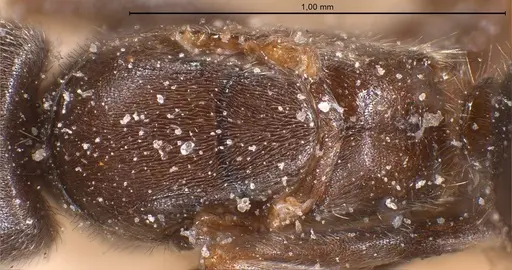
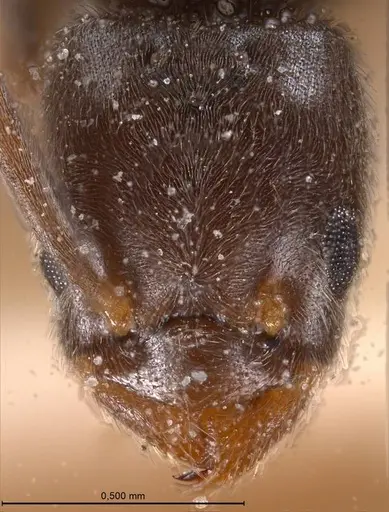
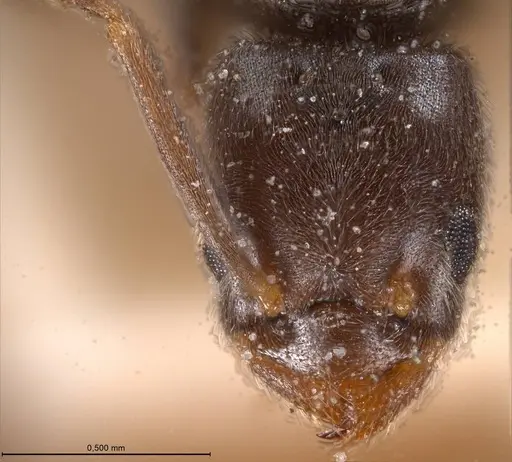
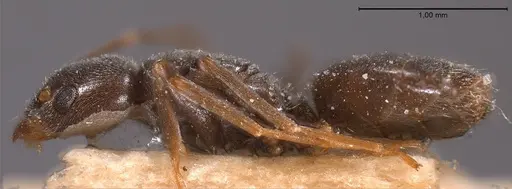
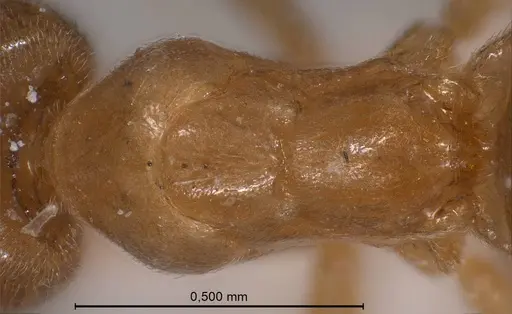
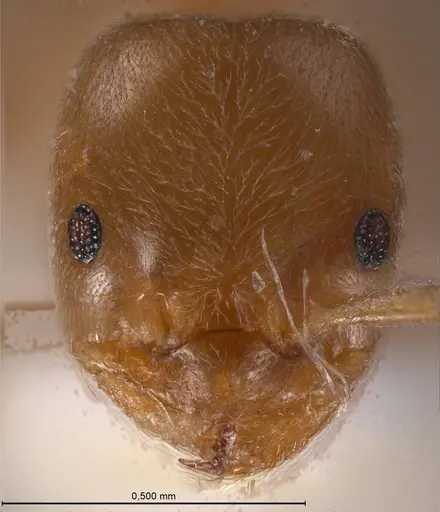
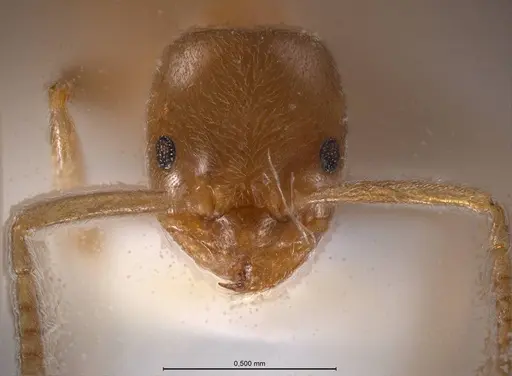
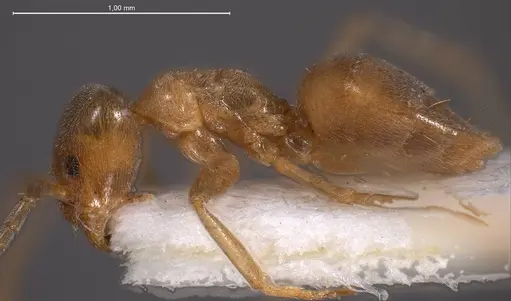
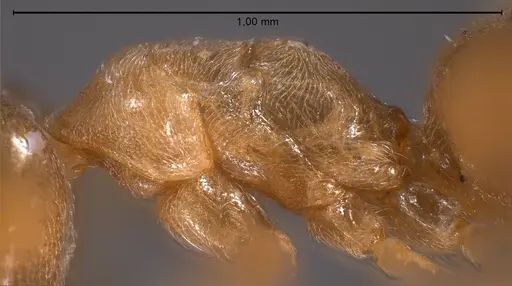
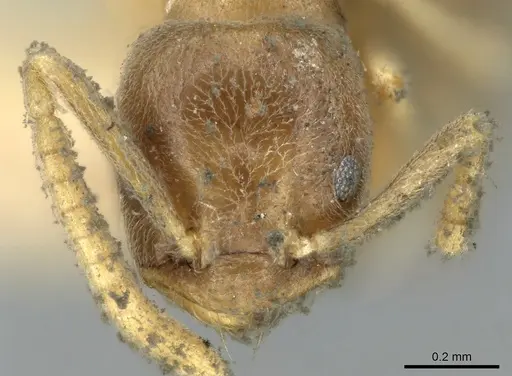
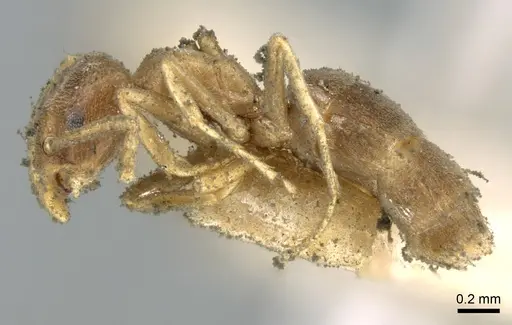
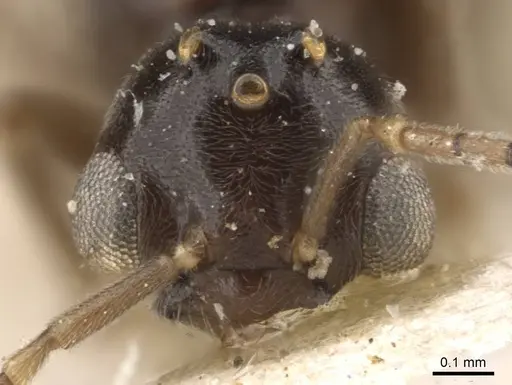
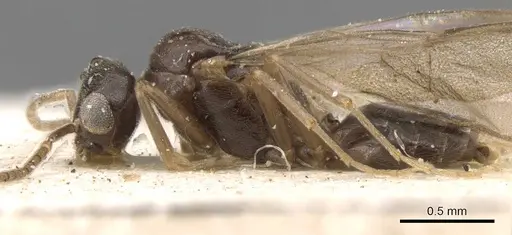
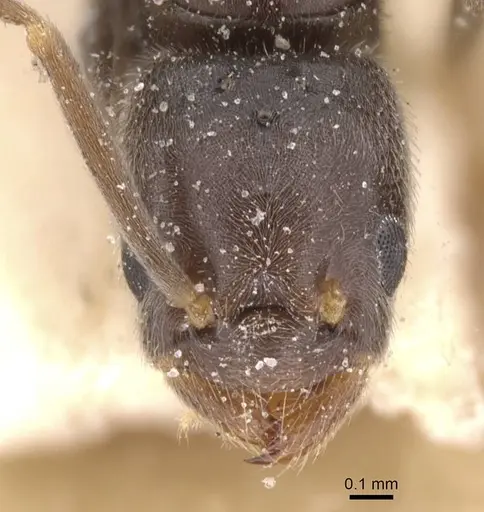
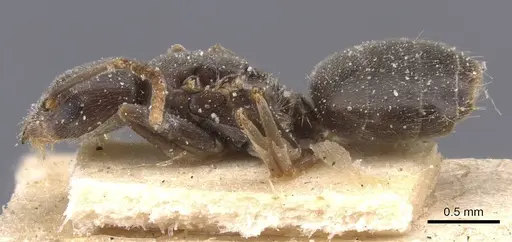
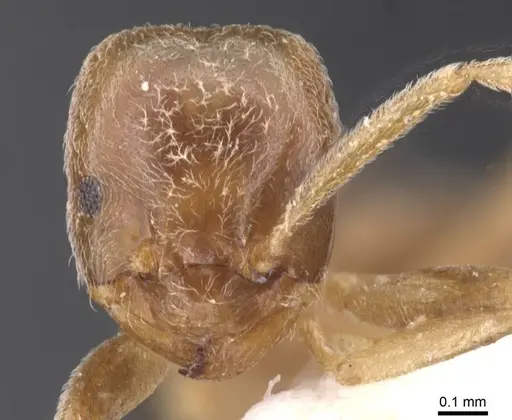
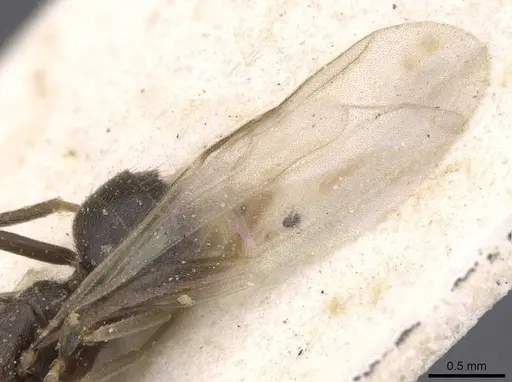
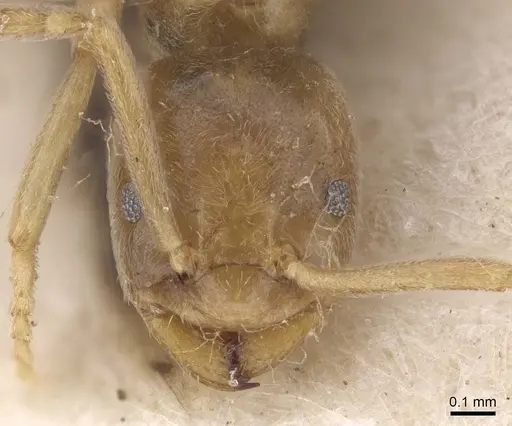
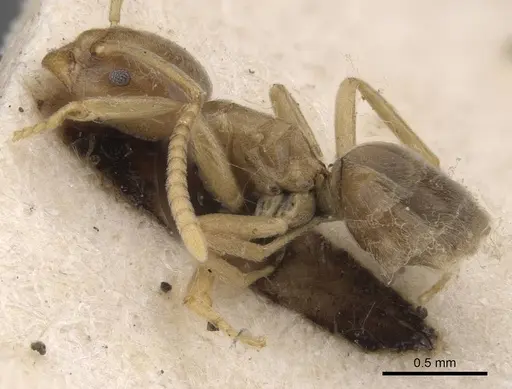
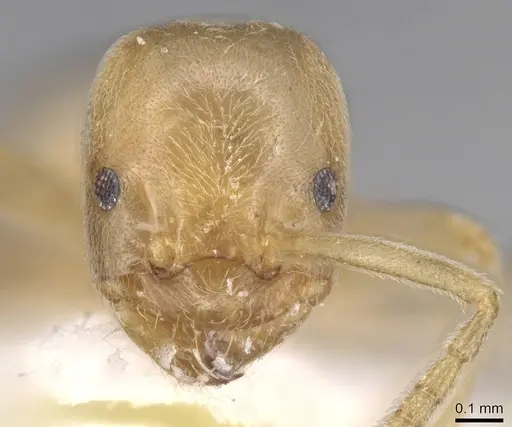
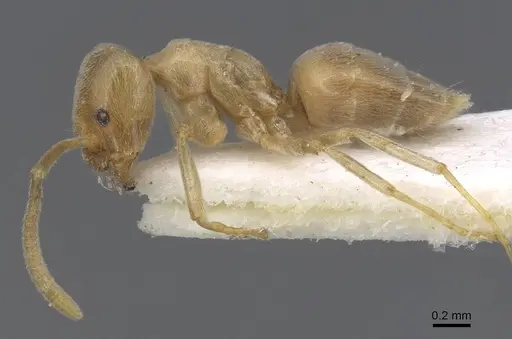
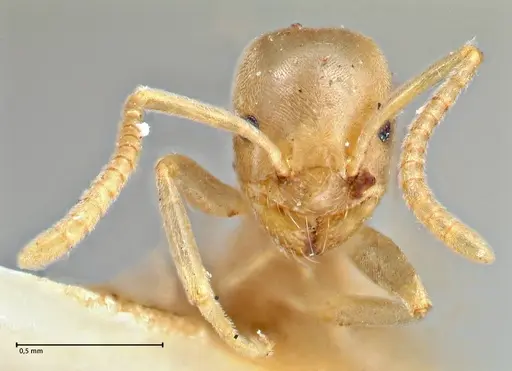
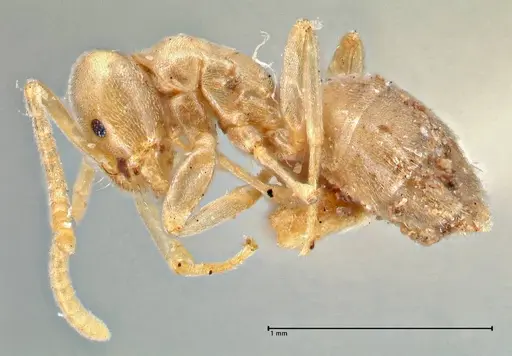
Bothriomyrmex meridionalis is a small ant with workers measuring 1.9-2.9mm and showing slight size dimorphism . The head, mesosoma, and appendages are pale yellowish to pale yellowish-brown, while the gaster is darker brown . This species belongs to the Dolichoderinae subfamily and is found across the West Mediterranean region including Spain, Portugal, France, Morocco, and parts of the Balkans . The most remarkable aspect of this species is its temporary social parasitism - queens must invade and take over Tapinoma colonies to establish their own colonies, making them one of the few truly parasitic ants available in the hobby .
Quick Summary
- Difficulty: Expert
- Origin & Habitat: West Mediterranean region including Iberia, southern France, Morocco, and parts of the Balkans. Found in Mediterranean habitats from sea level up to 1,223m elevation, typically under stones in rocky meadows and soil [6][7].
- Colony Type: Temporary social parasite, queens must invade Tapinoma colonies to establish. Colonies eventually become pure Bothriomyrmex after replacing the host queen [8]. Mixed colonies with Tapinoma erraticum have been observed [4][6].
- Size & Growth:
- Queen: size data unavailable, only head measurement data exists [2]
- Worker: 1.9-2.9mm [1]
- Colony: Unknown, likely small to moderate given parasitic lifestyle. Pure and populous nests have been found [8].
- Growth: Unknown
- Development: Unknown, development has not been studied [2] (Development timeline unconfirmed due to limited research on this species.)
- Antkeeping:
- Temperature: Mediterranean species, keep at room temperature around 18-24°C. Provide a gentle gradient if possible. Avoid temperatures below 15°C.
- Humidity: Moderate humidity preferred. Keep nest substrate slightly moist but not waterlogged. These ants naturally nest under stones in well-drained soils [6].
- Diapause: Likely requires winter rest period given Mediterranean distribution. Reduce temperature to 10-15°C for 2-3 months during winter.
- Nesting: Test tubes or small acrylic nests work well. Provide moist substrate for founding. Since this is a parasitic species, you MUST include a host Tapinoma colony for the queen to invade [5][8].
- Behavior: Queens are temporary social parasites that invade Tapinoma colonies. After adoption by workers, they decapitate the host queen and take over the colony [4]. Workers are relatively slow-moving compared to Tapinoma [1]. They feed on honeydew from aphids and small insects. Escape risk is moderate, use standard barriers. Unlike their Tapinoma hosts, they do not produce defensive secretions with strong odor [9].
- Common Issues: parasitic nature makes this species extremely difficult to keep, you need both the parasite queen AND a host Tapinoma colony, colonies may fail if the host Tapinoma colony is too small or weak to accept the invader, mixed colonies require careful balance, host Tapinoma may outcompete Bothriomyrmex if populations are uneven, very limited availability, this species is rarely sold and difficult to find, biology is poorly known due to historical confusion with similar species, so care recommendations are largely inferred [2]
Understanding the Parasitic Lifestyle
Bothriomyrmex meridionalis is one of the few truly parasitic ants available in the antkeeping hobby. Unlike most ant species where a queen founds a colony alone, this species requires a host colony to establish. A newly mated queen must locate and invade a Tapinoma colony (typically Tapinoma erraticum or Tapinoma nigerrimum) [5]. She gains acceptance by workers through pheromonal mimicry or attractive glandular secretions, then proceeds to decapitate the host queen and take over the colony [4]. This temporary social parasitism means the Bothriomyrmex queen uses the host workers to raise her first brood until her own workers emerge. Over time, the colony transitions to pure Bothriomyrmex as host workers die off. This makes keeping this species significantly more challenging than typical ants, you essentially need two colonies to start one.
Housing and Nest Setup
Housing B. meridionalis requires a dual approach: you need both the parasitic Bothriomyrmex queen AND a healthy Tapinoma host colony. Set up the Tapinoma colony first and allow it to establish for several months before introducing the Bothriomyrmex queen. Use standard test tubes or small acrylic nests for the Tapinoma colony. The nest should have moist substrate and moderate humidity. For the introduction, place the Bothriomyrmex queen near the Tapinoma colony's outworld, success rates vary, and the queen may be rejected or attacked by host workers. Some keepers report better success by introducing the queen during colony disturbance or when the Tapinoma queen is already weak. Once accepted, the host workers will tend to both queens until the Bothriomyrmex queen eliminates the Tapinoma queen. [8][4]
Feeding and Diet
Bothriomyrmex meridionalis workers feed on honeydew from aphids and small insects, similar to their Tapinoma hosts [1]. Offer sugar water or honey water as a constant energy source. For protein, provide small insects like fruit flies, pinhead crickets, or other appropriately-sized prey. Workers have been observed visiting aphid colonies in large numbers [1], so if you keep aphids in the setup, the ants will readily tend them. Feed the Tapinoma host colony normally, they are not picky eaters and will accept most ant foods. The combined colony should have access to both sugar sources and protein prey at all times.
Temperature and Seasonal Care
As a Mediterranean species, B. meridionalis prefers warmer temperatures in the range of 18-24°C. Room temperature is typically suitable for this species. During summer, normal room temperatures are ideal. In winter, given their Mediterranean origin, they likely benefit from a reduced temperature period of 2-3 months at around 10-15°C, though this is not absolutely required if room temperatures remain moderate year-round. Avoid keeping them in consistently cold conditions below 15°C. The elevation range in the wild extends up to 1,223m [7], suggesting they can tolerate cooler conditions than typical tropical ants, but they still prefer warmth.
Finding and Acquiring This Species
Bothriomyrmex meridionalis is one of the rarest ants available in the hobby due to its parasitic lifestyle. It is rarely sold by ant breeders because of the complexity involved in establishing colonies. If you want to keep this species, your best options are: search for specialized European ant sellers who may occasionally have colonies, try to locate wild colonies in Mediterranean regions where they occur, or connect with advanced antkeepers who may have successfully established mixed colonies. The species has been recorded in Spain, Portugal, southern France, Morocco, and parts of the Balkans [3]. Finding a wild colony requires locating mixed nests with Tapinoma, which is challenging. Given the difficulty, this species is really only suitable for expert antkeepers who have experience with parasitic species and already maintain Tapinoma colonies.
Frequently Asked Questions
Can I keep Bothriomyrmex meridionalis in a test tube like other ants?
Not directly, this is a parasitic species that requires a host Tapinoma colony. You cannot simply keep a queen in a test tube and expect her to found a colony independently. You need to establish a Tapinoma colony first, then introduce the Bothriomyrmex queen to invade it.
How do I start a Bothriomyrmex meridionalis colony?
You need two things: a Bothriomyrmex queen AND a healthy Tapinoma colony. Set up the Tapinoma colony first, then introduce the Bothriomyrmex queen near it. If accepted, she will be cared for by Tapinoma workers until she eliminates the host queen. This is an expert-level process with uncertain success rates.
What do Bothriomyrmex meridionalis eat?
They feed on honeydew and small insects, similar to Tapinoma. Offer sugar water or honey water constantly, and provide small insects like fruit flies or pinhead crickets as protein. They will readily tend aphids if present in the setup.
Are Bothriomyrmex meridionalis good for beginners?
No. This is an expert-level species due to its temporary social parasitic lifestyle. You need to maintain two colonies, successfully introduce the queen, and manage a mixed colony. Most antkeepers should start with easier species like Lasius, Tetramorium, or Camponotus.
How long does it take for first workers to appear?
The development timeline is unconfirmed for this species. Once the queen is accepted by the host colony, she should begin laying eggs within days. Her first workers may appear within 4-8 weeks depending on temperature, but this is estimated based on related species since no direct data exists.
Do they need hibernation?
Likely yes, given their Mediterranean distribution. Provide a winter rest period of 2-3 months at reduced temperatures around 10-15°C. This mimics their natural seasonal cycle and may help trigger reproductive behavior in the spring.
Why are my Bothriomyrmex dying?
The most likely cause is rejection by the host Tapinoma colony, workers may attack and kill the invading queen. Other possibilities include host colony too small or weak, temperature extremes, improper humidity, or the Tapinoma host outcompeting the Bothriomyrmex. This species has very limited availability and established colonies are rare, so troubleshooting can be difficult.
Can I keep multiple queens together?
No. Each Bothriomyrmex queen needs her own host Tapinoma colony. Multiple queens introduced to the same host colony would compete and likely kill each other. There is no documented case of pleometrosis in this species.
Where can I find this species in the wild?
They occur in the West Mediterranean: Spain, Portugal, southern France, Morocco, and parts of the Balkans. Look for mixed nests with Tapinoma erraticum under stones in rocky, Mediterranean habitats [6]. They are considered rare in most of their range, with isolated citations in distant localities [10].
Report an Issue
The current care sheet is based fully on literature. See inconsistencies, or something that's incorrect? Please , it will be resolved after review from an admin. Contributing to the blogs tab also helps providing information, to make us be able to further improve the caresheets. Thank you for your support!
References

This caresheet is licensed under CC BY-SA 4.0 .
Community Blogs
ANTWEB1008373
View on AntWeb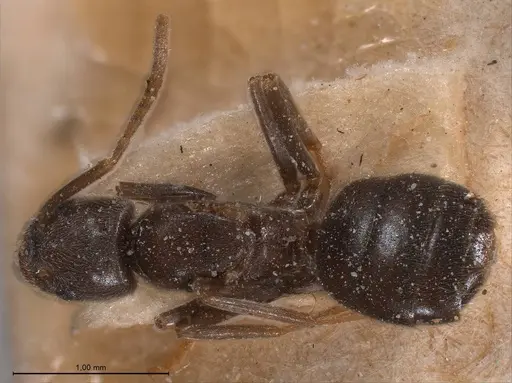
ANTWEB1008376
View on AntWeb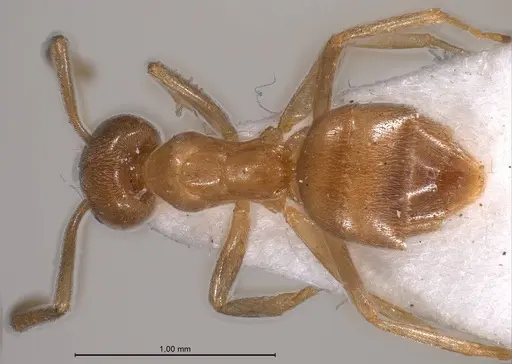
CASENT0906240
View on AntWeb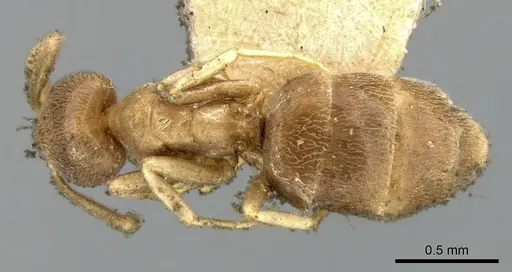
CASENT0907615
View on AntWeb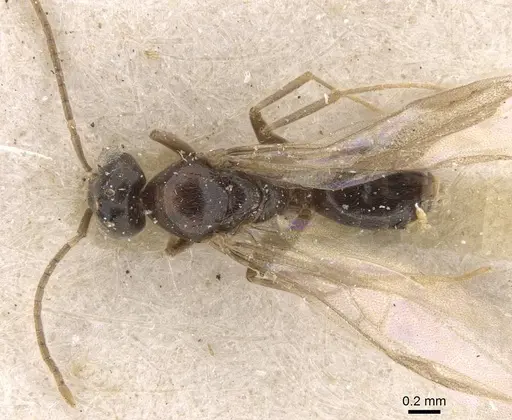
CASENT0911482
View on AntWeb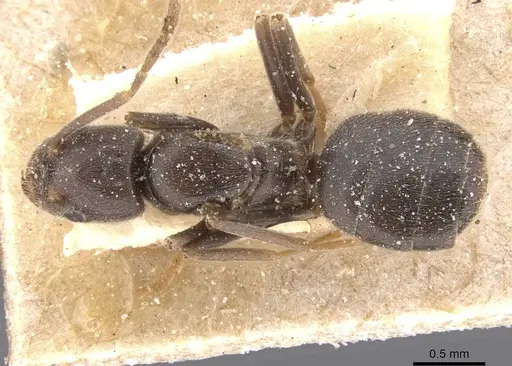
CASENT0911483
View on AntWeb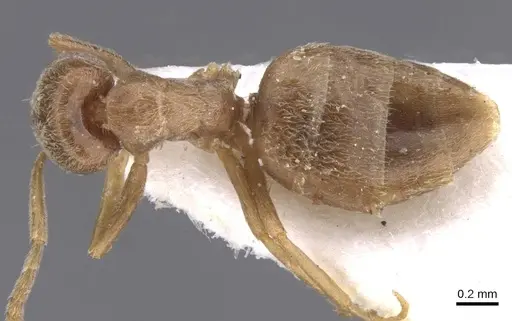
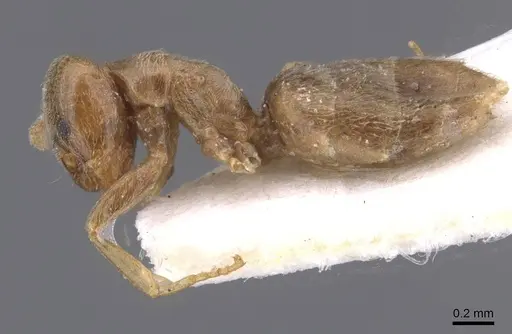
CASENT0911485
View on AntWeb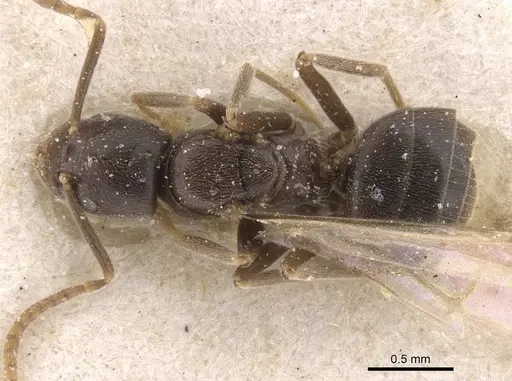
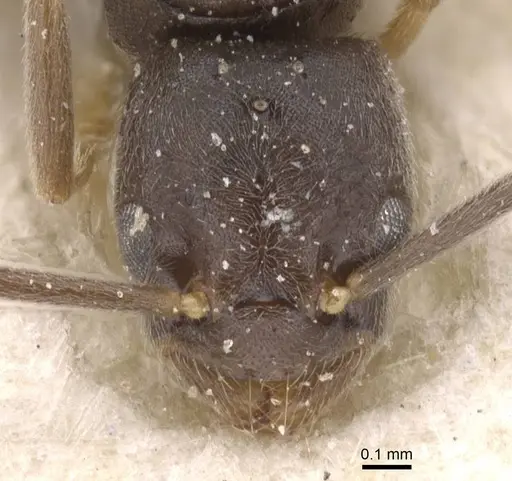
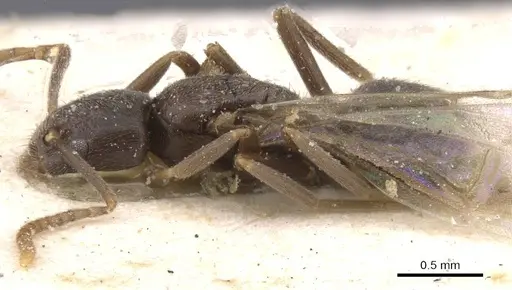
CASENT0915340
View on AntWeb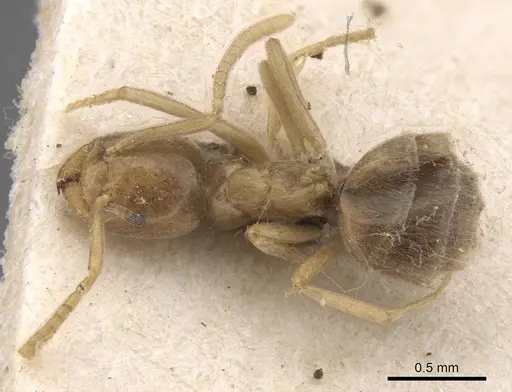
CASENT0915544
View on AntWeb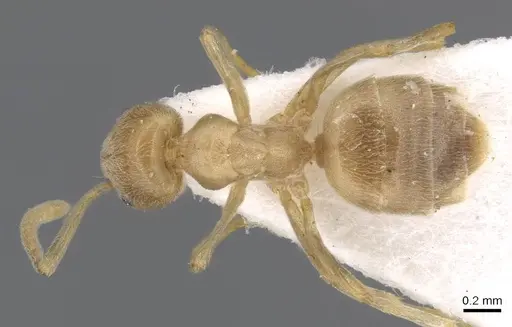
FOCOL2785
View on AntWeb
Literature
Loading distribution map...Loading products...