
Bothriomyrmex emarginatus
- Sci. Name
- Bothriomyrmex emarginatus
- Tribe
- Bothriomyrmecini
- Subfamily
- Dolichoderinae
- Author
- Santschi, 1919
- Distribution
- Found in 1 countries
Introduction
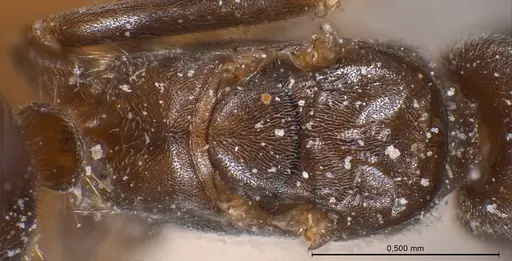
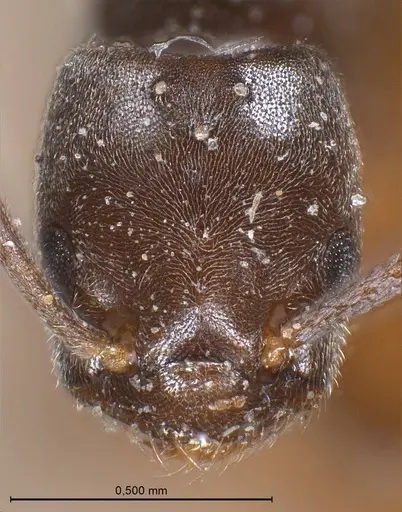
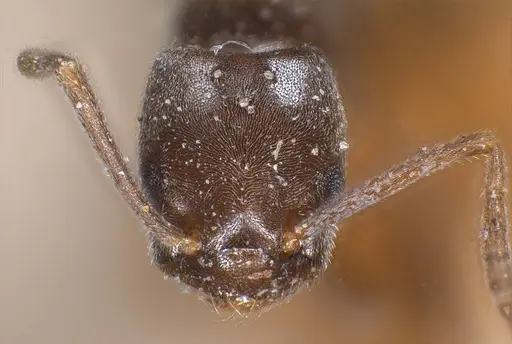
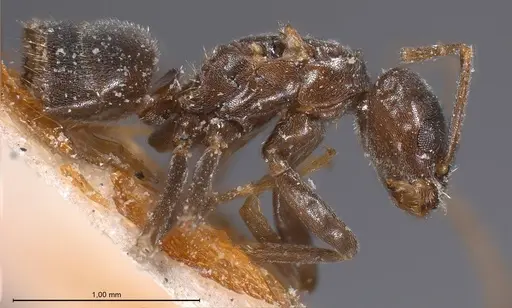
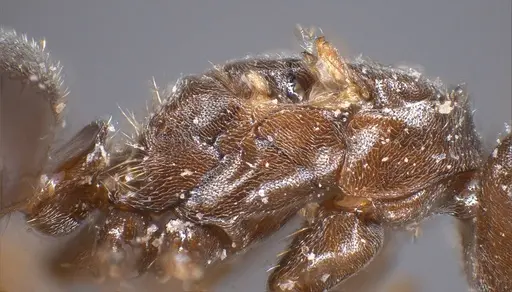
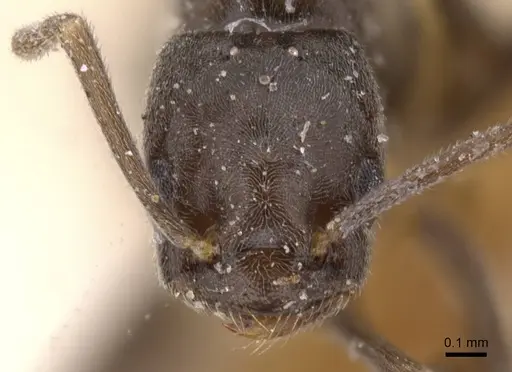
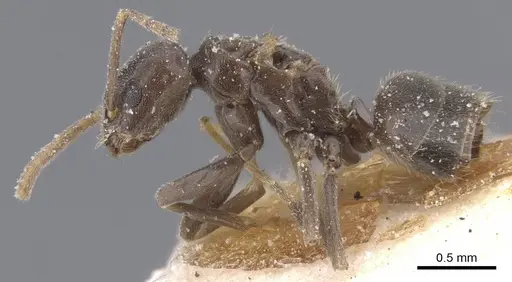
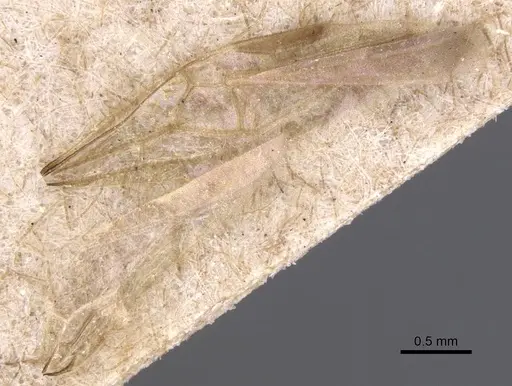
Bothriomyrmex emarginatus is a small dolichoderine ant species described from Tunisia by Santschi in 1919. The species is known only from the type locality of Aïn-Draham in northern Tunisia, making it one of the least documented ant species in the region. The holotype queen represents the entirety of our documented knowledge about this species - no workers have ever been described in scientific literature . The genus Bothriomyrmex belongs to the subfamily Dolichoderinae, characterized by small size and distinctive rapid, erratic movement patterns. This species remains poorly studied, with no documented colony behavior, worker morphology, or captive care records available.
Quick Summary
- Difficulty: Unknown
- Origin & Habitat: Native to northern Tunisia in the Palaearctic region. The type specimen was collected from Aïn-Draham, an area with Mediterranean climate and cork oak forest habitat [1][3].
- Colony Type: Unconfirmed, no colony structure data exists for this species.
- Size & Growth:
- Queen: Size data unavailable, the holotype has been measured for various morphological ratios but no total length measurement has been published. Based on genus patterns, Bothriomyrmex queens are typically 4-6mm.
- Worker: Unknown, workers have never been described in scientific literature.
- Colony: Unknown, no colony size data available.
- Growth: Unknown
- Development: Unknown, development has not been studied. (No data available on egg-to-worker development timeline for this species.)
- Antkeeping:
- Temperature: Unknown for this species. Based on the Mediterranean climate of northern Tunisia, a range of 20-26°C would be a reasonable starting point.
- Humidity: Keep the nest substrate moderately moist. The Aïn-Draham region in northern Tunisia experiences moderate humidity with wet winters.
- Diapause: Unknown for this species. Tunisia has mild winters, so any dormancy period would likely be brief if required.
- Nesting: No specific nesting data exists. Based on genus patterns, they likely nest in soil under stones or in small cavities. A naturalistic setup with multiple small chambers would be appropriate.
- Behavior: Behavior is undocumented for this species. The genus Bothriomyrmex is known for erratic, rapid movement patterns, but specific behaviors of B. emarginatus have not been studied.
- Common Issues: lack of documented care information makes proper husbandry challenging, no known established captive colonies exist for reference, specific temperature and humidity requirements remain unknown, growth rate and development timeline unstudied, limited distribution data makes habitat recreation difficult
Species Overview and Documentation Status
Bothriomyrmex emarginatus represents one of the least studied ant species in the Palaearctic region. Described by Santschi in 1919 from a single queen collected at Aïn-Draham in northern Tunisia, this species has remained virtually unknown in both scientific literature and antkeeping communities. The holotype specimen housed in the Natural History Museum Basel represents the entirety of our documented knowledge about this species [1]. Unlike many ant species that have at least basic biological notes, B. emarginatus has no published information on colony structure, worker caste description, behavior, or any aspect of its natural history. This makes creating a meaningful caresheet particularly challenging.
Known Distribution and Habitat
The species is known only from its type locality: Aïn-Draham in northern Tunisia. This region sits at the northern edge of Tunisia and is characterized by a Mediterranean climate with mild, wet winters and warm, dry summers. The area is historically known for its cork oak forests, making it one of the more humid and vegetated regions of Tunisia. The type specimens were collected between 1909-1910 by collector H. Normand [1]. Beyond this single locality, no other records of B. emarginatus exist in the scientific literature, though this may reflect limited sampling rather than true endemism.
Taxonomy and Identification
Bothriomyrmex emarginatus belongs to the subfamily Dolichoderinae. The species name 'emarginatus' refers to a notch or emargination, likely describing a specific physical characteristic of the queen. The holotype measurements place this species in the small-to-medium size range for the genus, with specific ratios of head dimensions and scape length distinguishing it from related species like B. communistus and B. corsicus [2]. Without worker specimens, positive identification in captivity would be extremely difficult if not impossible.
Challenges for Antkeepers
This species presents extraordinary challenges for antkeeping due to the complete absence of documented captive care information. No established colonies exist in the antkeeping hobby, no development timelines have been studied, and no feeding preferences have been recorded. Even basic questions about whether this species accepts sugar, requires live prey, or has specific humidity needs cannot be answered from available data. For these reasons, Bothriomyrmex emarginatus cannot be recommended for any keeper except those specifically interested in working with poorly documented species requiring experimental care protocols.
Genus-Level Context
While B. emarginatus specifically lacks documentation, the genus Bothriomyrmex provides some general context. Species in this genus are typically small ants with distinctive movement patterns, they tend to move quickly and somewhat erratically. Many Bothriomyrmex species are known to be temporary social parasites, invading colonies of other ant species temporarily before establishing their own. However, this parasitic behavior has not been documented for B. emarginatus specifically. The genus is distributed across the Palaearctic region, with several species documented in the Mediterranean basin [4].
Frequently Asked Questions
Can I keep Bothriomyrmex emarginatus as a pet ant?
It is not recommended. This species has never been documented in the antkeeping hobby, and no captive care information exists. The complete lack of data on their basic needs makes successful captivity extremely unlikely.
Where does Bothriomyrmex emarginatus live in the wild?
Only known from Aïn-Draham in northern Tunisia. The type specimen was collected between 1909-1910,and no other populations have been documented [1][3].
How big do Bothriomyrmex emarginatus queens get?
Size data unavailable, no total length measurement has been published for the holotype. Based on genus patterns, Bothriomyrmex queens are typically 4-6mm.
What do Bothriomyrmex emarginatus eat?
Unknown. No feeding observations have been documented for this specific species. Related dolichoderine ants typically feed on honeydew and small insects, but this cannot be confirmed for B. emarginatus.
How long does it take for Bothriomyrmex emarginatus to develop from egg to worker?
Unknown. No development timeline has been studied or documented for this species.
Is Bothriomyrmex emarginatus a good species for beginners?
No. This species has no documented captive care requirements and no established breeding populations in the hobby. It would be extremely difficult to maintain successfully.
Do Bothriomyrmex emarginatus colonies need hibernation?
Unknown. The species comes from northern Tunisia where winters are mild but noticeable. A brief, shallow dormancy period may be appropriate but has not been studied.
Can I find Bothriomyrmex emarginatus in the wild to catch a queen?
Extremely unlikely. The species has only been recorded once from a single locality over 100 years ago. Even if populations still exist, they would be very localized and difficult to locate [1][3].
What temperature should I keep Bothriomyrmex emarginatus at?
No specific data exists. Based on the Mediterranean climate of northern Tunisia, a range of 20-26°C would be a reasonable experimental starting point.
Report an Issue
The current care sheet is based fully on literature. See inconsistencies, or something that's incorrect? Please , it will be resolved after review from an admin. Contributing to the blogs tab also helps providing information, to make us be able to further improve the caresheets. Thank you for your support!
References

This caresheet is licensed under CC BY-SA 4.0 .
Community Blogs
ANTWEB1008371
View on AntWeb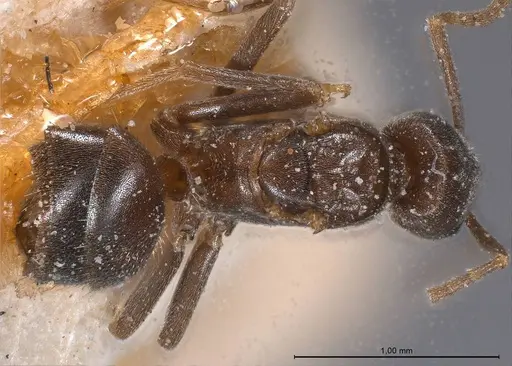
CASENT0911479
View on AntWeb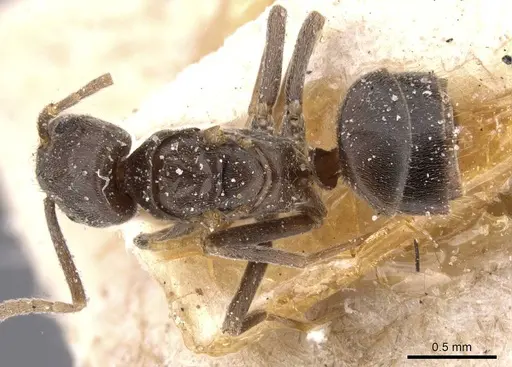
Literature
Loading distribution map...Loading products...