
Bothriomyrmex crosi
- Sci. Name
- Bothriomyrmex crosi
- Tribe
- Bothriomyrmecini
- Subfamily
- Dolichoderinae
- Author
- Santschi, 1919
- Distribution
- Found in 2 countries
Introduction
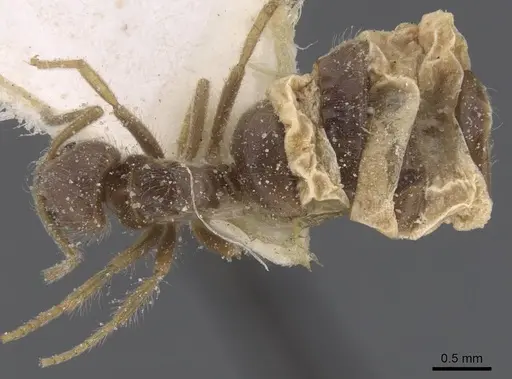
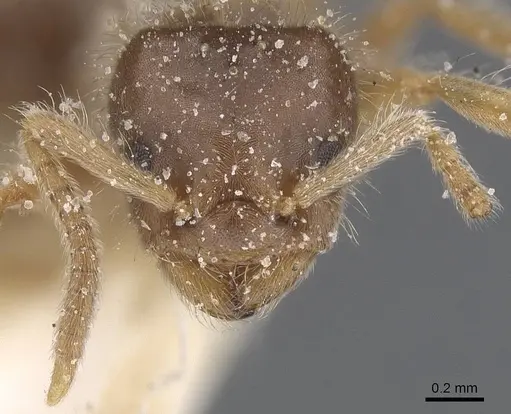
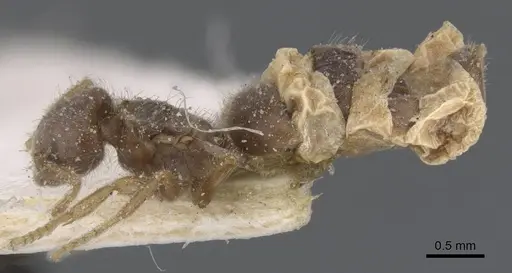
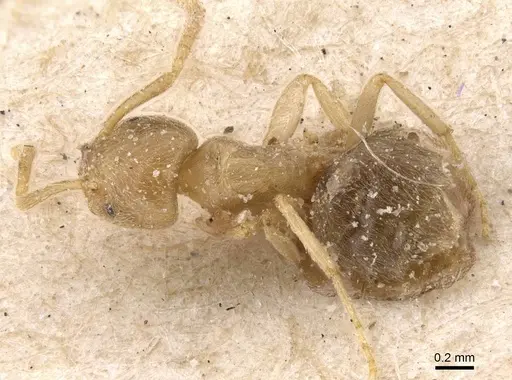
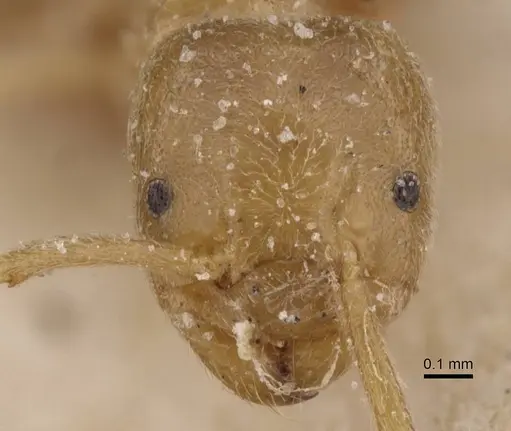
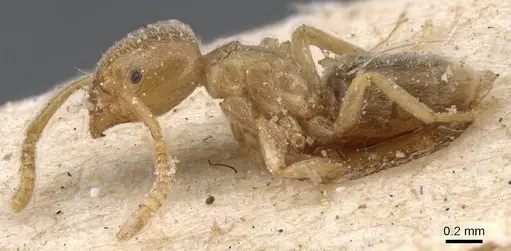
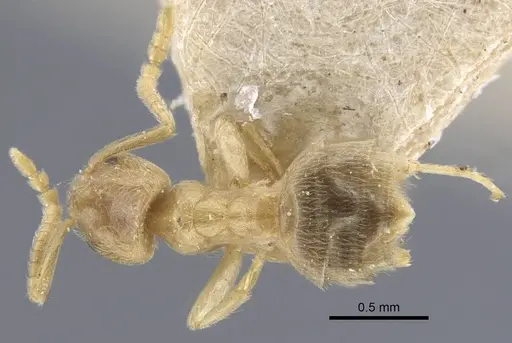
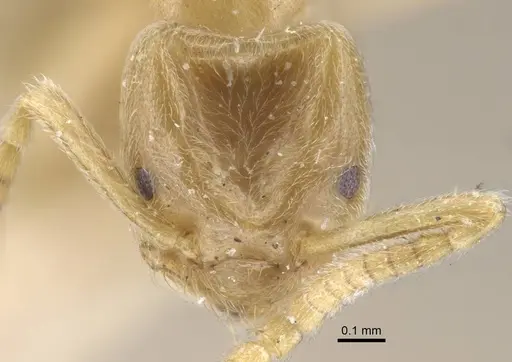
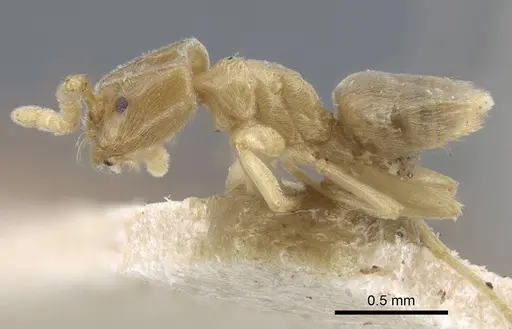
Bothriomyrmex crosi is a small dolichoderine ant native to the Mediterranean region of North Africa. Workers are tiny, with the typical dark coloration seen in many Bothriomyrmex species. The genus is known for cryptic habits and often overlooked presence in dry, rocky habitats. This species is found across Algeria, Libya, and Morocco, where it nests in soil under stones in warm, arid to semi-arid landscapes. Like other members of the subfamily Dolichoderinae, they have a distinct petiole that lacks a post-petiole, and they can emit defensive chemicals when threatened. The queen and male castes were described from the original type specimens collected in Mascara, Algeria .
Quick Summary
- Difficulty: Unknown, limited captive data available
- Origin & Habitat: North Africa (Algeria, Libya, Morocco) in dry, rocky Mediterranean habitats. Type locality is Mascara, Algeria [2][3][1].
- Colony Type: Unconfirmed colony structure, the genus Bothriomyrmex typically forms small colonies, but specific colony type for this species has not been documented.
- Size & Growth:
- Queen: Approximately 4-5mm, inferred from genus typical sizes, no direct measurements available for this species
- Worker: Approximately 2-3mm, inferred from genus typical sizes, no direct measurements available for this species
- Colony: Likely small, under 500 workers based on genus typical sizes
- Growth: Unknown, no captive breeding data available
- Development: Estimated 4-8 weeks based on typical Dolichoderinae development at warm temperatures (No direct development data exists for this species. Estimates based on related Dolichoderine ants in warm climates.)
- Antkeeping:
- Temperature: Keep warm, roughly 22-28°C, they are a Mediterranean species adapted to hot conditions. A heating cable on one side of the nest creates a gradient.
- Humidity: Low to moderate, dry to semi-dry conditions matching their arid native habitat. Allow the nest to dry out between waterings.
- Diapause: Likely a short winter rest period (2-3 months at 10-15°C) given their Mediterranean range, but this is unconfirmed for this specific species.
- Nesting: In nature they nest in soil under stones in dry habitats. In captivity, a small test tube setup or Y-tong nest with dry to moderately humid chambers works well. Avoid overly damp conditions.
- Behavior: These are small, cryptic ants that are not aggressive. They are likely nocturnal or crepuscular foragers that prefer to stay hidden. Their small size means they pose minimal sting risk to humans, any sting would be very mild. They likely feed on honeydew from aphids or scale insects and small insects. Escape prevention is important due to their tiny size, use fine mesh barriers. They may have mild chemical defenses typical of Dolichoderinae.
- Common Issues: limited species-specific information makes care recommendations uncertain, small size creates escape risk without proper barriers, overly humid conditions may cause problems given their dry native habitat, no captive breeding data means growth timeline is uncertain, wild-caught colonies may be difficult to establish
Distribution and Natural Habitat
Bothriomyrmex crosi is found across the western Mediterranean region of North Africa, specifically in Algeria (including the type locality of Mascara), Libya, and Morocco. They inhabit dry to semi-arid rocky landscapes typical of the Mediterranean basin. In Morocco, they have been recorded in the Beni Snassen region and around Oulmes and Rommani. Their habitat consists of warm, dry areas with sparse vegetation where they nest beneath stones in the soil. The species was originally described by Santschi in 1919 from specimens collected in Algeria. The syntype series includes 87 workers, 2 queens, and 10 males [1][2][3][4].
Feeding and Diet
While no specific feeding studies exist for Bothriomyrmex crosi, the genus Bothriomyrmex is known to engage in trophobiosis, collecting honeydew from sap-sucking insects like aphids and scale insects. A related species has been observed with nymphs of Tettigometra (a sap-sucking insect), confirming this feeding behavior [5]. In captivity, you should offer sugar water or honey water as a carbohydrate source, along with small live prey like fruit flies or pinhead crickets. Given their tiny size, prey items should be appropriately small. They likely forage at night and prefer to stay hidden within their nest during the day.
Temperature and Seasonal Care
As a Mediterranean species from North Africa, Bothriomyrmex crosi is adapted to warm conditions. Keep the nest area at roughly 22-28°C, with a warmer side around 26-28°C and a cooler side around 22-24°C. A heating cable placed on top of the nest can provide this gradient. During winter, they likely experience a period of reduced activity corresponding to the cooler Mediterranean winters. Provide a short hibernation period of 2-3 months at temperatures around 10-15°C. This winter rest is typical for ants from temperate to warm-temperate regions and helps trigger proper reproductive cycles in spring.
Nest Setup and Housing
In their natural habitat, Bothriomyrmex crosi nests in soil beneath stones in dry, rocky areas. For captivity, a small test tube setup works well for founding colonies, while a Y-tong nest with narrow chambers suits established colonies. Keep the nest relatively dry, these ants come from arid regions and do not require high humidity. A small water reservoir in the test tube provides enough moisture without creating overly damp conditions. Because of their tiny size, escape prevention is critical. Use fine mesh barriers and ensure all openings are sealed. Avoid tall, open outworlds as these small ants may become stressed in exposed spaces.
Behavior and Colony Dynamics
Bothriomyrmex ants are known for their cryptic behavior, they prefer to stay hidden and are not aggressive toward keepers. When threatened, they may emit defensive chemicals from their anal gland, typical of Dolichoderine ants, but this is mild compared to the painful stings of some other ant genera. Workers are small and likely forage individually or in small groups, collecting honeydew and small insects. The colony structure (whether they have one queen or multiple) remains unconfirmed for this specific species. Based on genus patterns, they likely form small colonies with relatively slow growth rates compared to faster-growing tropical species.
Frequently Asked Questions
How long does it take for Bothriomyrmex crosi to develop from egg to worker?
The exact development timeline is unknown for this species. Based on typical Dolichoderinae development in warm conditions, estimate roughly 4-8 weeks from egg to first worker. No captive breeding data exists to confirm this.
What do Bothriomyrmex crosi ants eat?
Like other Bothriomyrmex species, they likely feed on honeydew from sap-sucking insects and small insects. In captivity, offer sugar water or honey water as a carbohydrate source, along with tiny live prey like fruit flies, springtails, or small mealworm pieces.
What temperature and humidity do Bothriomyrmex crosi need?
Keep them warm at 22-28°C with a temperature gradient. They prefer dry to semi-dry conditions matching their arid North African habitat. Avoid overly humid setups.
Do Bothriomyrmex crosi need hibernation?
Likely yes, a short winter rest of 2-3 months at 10-15°C is probably needed given their Mediterranean distribution. This helps trigger proper reproductive cycles in spring.
How big do Bothriomyrmex crosi colonies get?
Colony size is unconfirmed but likely small, probably under 500 workers based on typical genus sizes. They are not among the large colony-forming ants.
Can I keep multiple queens together in a Bothriomyrmex crosi colony?
This has not been documented. The colony structure (monogyne vs polygyne) remains unconfirmed for this species. It is not recommended to combine unrelated foundress queens without documented evidence they can coexist.
Is Bothriomyrmex crosi suitable for beginners?
This species is not well-suited for beginners due to the lack of species-specific care information. Their small size also requires careful attention to escape prevention. Consider starting with more documented species like Lasius or Tetramorium if you are new to antkeeping.
What type of nest should I use for Bothriomyrmex crosi?
A small test tube works well for founding colonies. For established colonies, a Y-tong or acrylic nest with narrow chambers scaled to their tiny size is appropriate. Keep conditions relatively dry.
Why is so little known about Bothriomyrmex crosi care?
This is a poorly studied species with limited scientific documentation. Most ant research focuses on larger, more conspicuous species or those with economic importance. There is no captive breeding data available, so care recommendations are based on genus patterns and related species rather than direct observation.
Report an Issue
The current care sheet is based fully on literature. See inconsistencies, or something that's incorrect? Please , it will be resolved after review from an admin. Contributing to the blogs tab also helps providing information, to make us be able to further improve the caresheets. Thank you for your support!
References

This caresheet is licensed under CC BY-SA 4.0 .
Community Blogs
Literature
Loading distribution map...Loading products...