
Bothriomyrmex atlantis
- Sci. Name
- Bothriomyrmex atlantis
- Tribe
- Bothriomyrmecini
- Subfamily
- Dolichoderinae
- Author
- Forel, 1894
- Distribution
- Found in 4 countries
Introduction
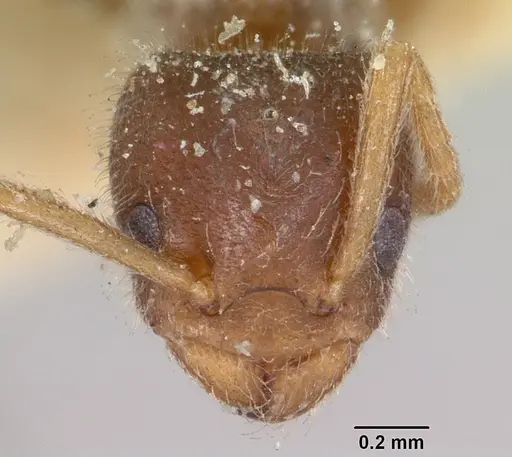
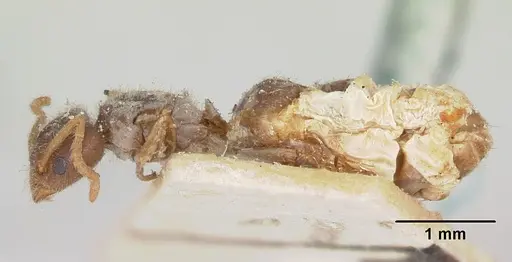
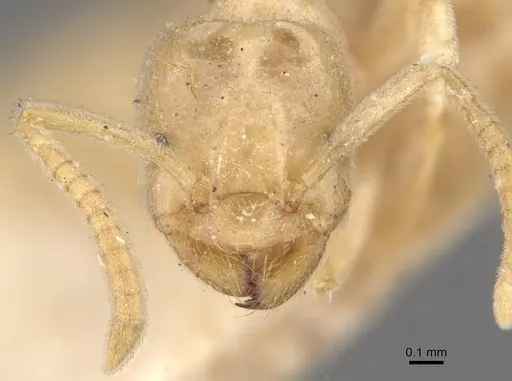
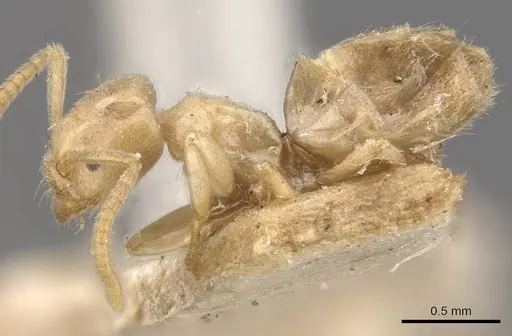
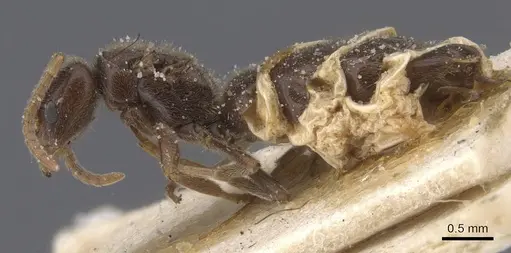
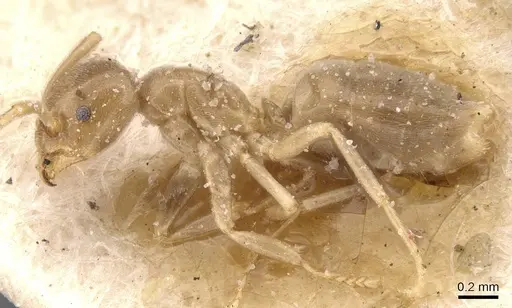
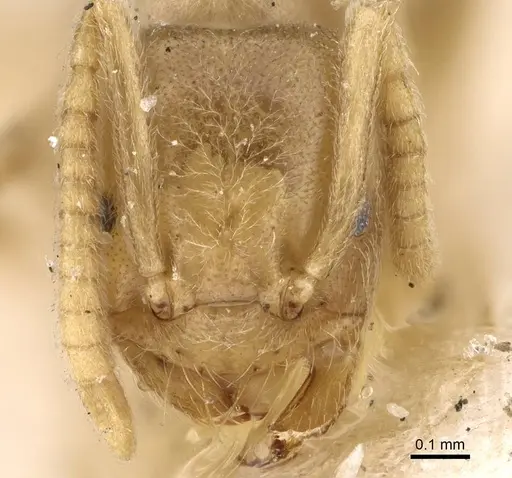
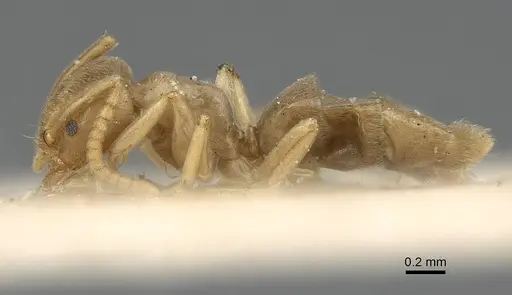
Bothriomyrmex atlantis is a tiny ant species native to the Mediterranean region, found in Algeria, Tunisia, and southern Spain . Workers are very small, estimated at roughly 2-3mm based on genus patterns, with a compact build and short antennae . The species has a distinctive pale yellowish-brown coloration with minimal contrast between the head, mesosoma, and gaster . Queens measure 2.2-2.4mm and share the pale coloration . This species remains poorly studied in the wild, with its biology largely undocumented despite being formally described in 1894.
Quick Summary
- Difficulty: Unknown, species has not been documented in captivity
- Origin & Habitat: Mediterranean region of North Africa (Algeria, Tunisia) and southern Spain, typically found in dry to semi-dry habitats [1][2]
- Colony Type: Colony structure is unconfirmed, no documented observations of queen number or colony organization exist for this species
- Size & Growth:
- Antkeeping:
- Temperature: Unconfirmed, likely tolerates typical Mediterranean temperatures. Start around room temperature (20-24°C) and observe colony response.
- Humidity: Unconfirmed, likely prefers dry to moderately humid conditions typical of their arid Mediterranean range. Avoid overly damp conditions.
- Diapause: Unknown, no documented seasonal behavior exists. Likely experiences reduced activity during winter months given the Mediterranean climate, but specifics unconfirmed.
- Nesting: Unconfirmed in captivity. In nature, one specimen was found nesting under a stone on a north-facing slope [3]. Given their tiny size and morphology suggesting subterranean foraging, a naturalistic setup with fine substrate would be an appropriate starting point.
- Behavior: Behavior is poorly documented. The genus Bothriomyrmex is known for erratic movement patterns and many species are suspected temporary social parasites of Tapinoma ants, but this behavior has not been documented specifically for B. atlantis [2]. Their morphology (small eyes, short antennae, profuse pubescence) suggests they are adapted for subterranean foraging [2]. Escape prevention is critical due to their extremely small size, they can squeeze through gaps invisible to the human eye.
- Common Issues: escape prevention is critical, their extremely small size means they can escape through standard barrier setups, species has never been documented in captivity, no established care protocols exist, no confirmed diet preferences, related species likely scavenge and tend aphids but this is unconfirmed for B. atlantis, wild-caught colonies may be difficult to locate given their subterranean habits and small size, lack of baseline data means keepers cannot compare their colony to established norms
Species Overview and Identification
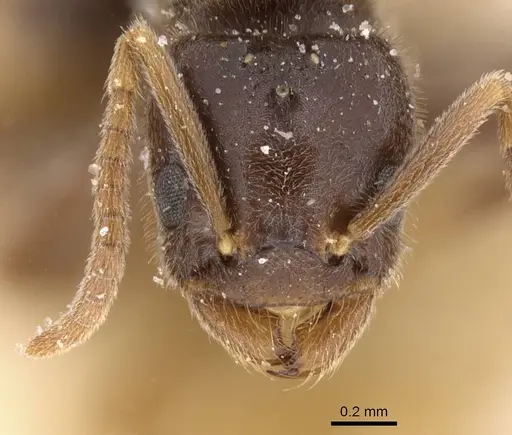
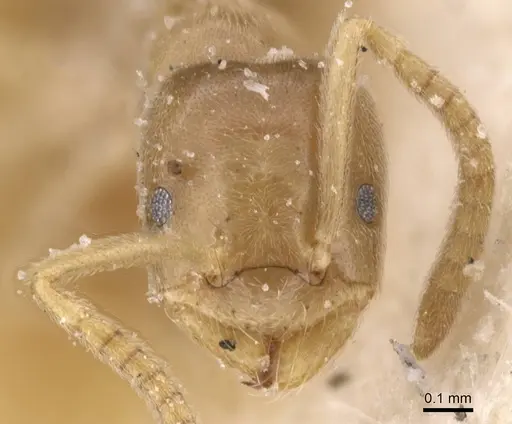
Bothriomyrmex atlantis is a very small ant species, with workers estimated at roughly 2-3mm based on genus patterns [2]. This places them among the smaller ants a keeper could work with. The species was originally described from Oran, Algeria in 1894 and is now confirmed in southern Spain and Tunisia [1]. Workers have a distinctive appearance with a short, relatively broad head, very short antennae, and profuse pubescence (fine hairs) covering the body [2]. The coloration is uniformly pale yellowish-brown without the contrast patterns seen in some related species. Queens are larger at 2.2-2.4mm and were described from the original type series [3]. The species can be distinguished from other European Bothriomyrmex by its combination of small size, short antennae, and specific body proportions.
Natural History and Habitat
Bothriomyrmex atlantis inhabits the Mediterranean region of North Africa and southern Spain, areas characterized by hot, dry summers and mild, relatively wet winters [1]. The species has been collected from locations including Oran and Tlemcen in Algeria, and various sites in Tunisia [3]. One specimen was found nesting under a stone on a north-facing slope of a 300-meter hill in Tunisia [3]. The morphology of this species strongly suggests adaptation to subterranean foraging, they have relatively small eyes compared to other European species, which is typical of ants that spend most of their time underground or in dark crevices [2]. The profuse body pubescence may also help with sensing their environment in dark conditions. Beyond these morphological clues, the natural history of this species remains essentially unknown, no observations of foraging behavior, diet, colony size, or reproductive biology have been documented in the scientific literature.
Challenges of Keeping This Species
Bothriomyrmex atlantis presents significant challenges for antkeepers, primarily because it has never been documented in captivity and basic biological information is lacking. The most critical concern is escape prevention, workers at roughly 2-3mm are so small that they can slip through gaps invisible to the human eye. Standard barrier methods like fluon may not be sufficient. Additionally, since no established care protocols exist, keepers would be essentially pioneering husbandry for this species. There is no confirmed information about what they eat, how they establish colonies, or what conditions they prefer. Any successful keeping would require careful observation and experimentation. The lack of baseline data also means it would be difficult to diagnose problems, keepers would not know if their colony is growing normally or struggling. [2]
Related Species and Genus Context
The genus Bothriomyrmex contains several species distributed across the Mediterranean region and beyond. Many species in this genus are suspected to be temporary social parasites, meaning their queens may invade colonies of other ant species (particularly Tapinoma), kill or replace the host queen, and use the host worker force to raise their own brood before the colony transitions to being self-sufficient. However, this parasitic behavior has not been documented specifically for B. atlantis [2]. The genus is characterized by small size, erratic movement patterns, and often pale coloration. Related species like B. corsicus and B. communistus have been studied more thoroughly and may provide some general guidance, but B. atlantis remains one of the least studied members of the genus. Keepers interested in this species should also consider studying care information for Tapinoma species, as they are the likely host ants if B. atlantis follows the typical parasitic pattern.
Potential Housing and Care Approaches
Given the complete lack of captive husbandry data for Bothriomyrmex atlantis, any recommendations would be speculative. However, based on their morphology suggesting subterranean foraging, a naturalistic setup with fine substrate would be a reasonable starting point. The nest should be kept at room temperature (roughly 20-24°C) as a baseline. Humidity should likely be kept on the drier side, reflecting their Mediterranean origin. For feeding, keepers might experiment with small prey items like springtails, fruit flies, or other tiny arthropods, as well as diluted sugar water or honey. However, since their natural diet is completely unknown, acceptance would be uncertain. Any keeper attempting to keep this species should maintain detailed records of their observations to contribute to our knowledge of this poorly understood ant. [2]
Frequently Asked Questions
Can I keep Bothriomyrmex atlantis as a pet ant?
This species has never been documented in captivity, so there are no established care protocols. It would be an extremely challenging species to keep due to its tiny size, lack of biological data, and likely difficult escape prevention. If you decide to attempt it, be prepared to experiment with housing and feeding.
What do Bothriomyrmex atlantis ants eat?
The diet of this species is completely unconfirmed. Based on genus patterns, they likely scavenge for small arthropod remains and may tend aphids for honeydew, but no direct observations exist. Keepers could experiment with tiny live prey and sugar sources.
How big do Bothriomyrmex atlantis colonies get?
Colony size is unknown, no colony size data exists for this species. Related Bothriomyrmex species typically form small to moderate-sized colonies.
Where does Bothriomyrmex atlantis live in the wild?
This species is found in Algeria, Tunisia, and southern Spain, the Mediterranean region of North Africa and adjacent Europe [1]. They inhabit dry to semi-dry habitats and are thought to be subterranean foragers based on their morphology [2].
Is Bothriomyrmex atlantis a parasitic ant?
Many Bothriomyrmex species are suspected temporary social parasites of Tapinoma ants, but this behavior has not been documented specifically for B. atlantis [2]. The parasitic nature of this particular species remains unconfirmed.
How long does it take for Bothriomyrmex atlantis to develop from egg to worker?
The development timeline is completely unconfirmed, no egg-to-worker data exists for this species.
Are Bothriomyrmex atlantis good for antkeeping beginners?
No, this species would be extremely difficult for beginners due to its tiny size, complete lack of captive care data, and likely challenging escape prevention. Even experienced antkeepers would face significant uncertainty in establishing and maintaining colonies of this species.
Do Bothriomyrmex atlantis need hibernation?
Diapause requirements are unknown for this species. Given their Mediterranean distribution, they likely experience reduced activity during winter months but specific hibernation requirements have not been documented.
What is the best nest type for Bothriomyrmex atlantis?
No captive nest data exists. Based on their morphology suggesting subterranean foraging, a naturalistic setup with fine substrate scaled to their tiny size would be an appropriate starting point.
Report an Issue
The current care sheet is based fully on literature. See inconsistencies, or something that's incorrect? Please , it will be resolved after review from an admin. Contributing to the blogs tab also helps providing information, to make us be able to further improve the caresheets. Thank you for your support!
References

This caresheet is licensed under CC BY-SA 4.0 .
Community Blogs
CASENT0103282
View on AntWeb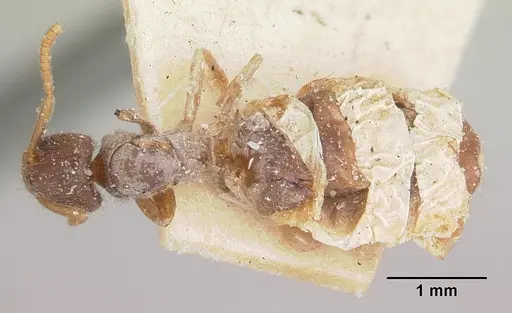
CASENT0909574
View on AntWeb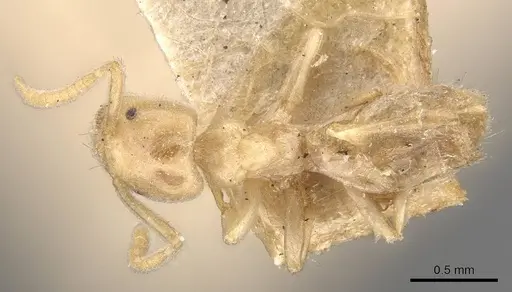
CASENT0911466
View on AntWeb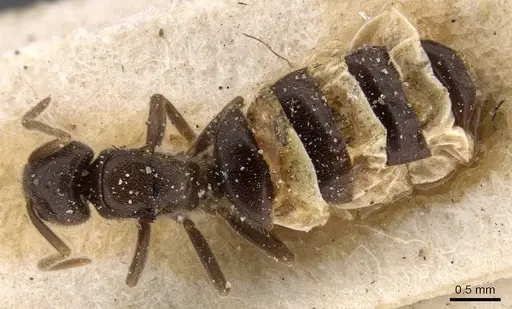
CASENT0911467
View on AntWeb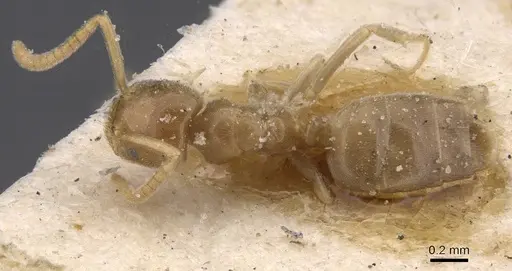
CASENT0922442
View on AntWeb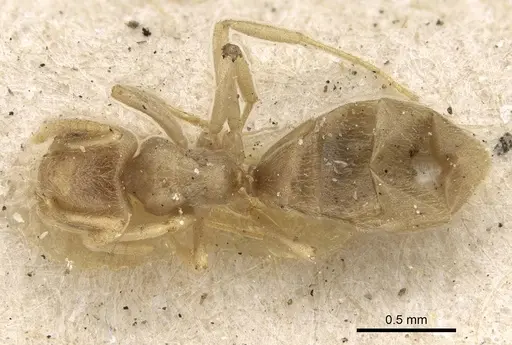
Literature
Loading distribution map...Loading products...