
Azteca luederwaldti
- Sci. Name
- Azteca luederwaldti
- Tribe
- Leptomyrmecini
- Subfamily
- Dolichoderinae
- Author
- Forel, 1909
- Distribution
- Found in 1 countries
Introduction
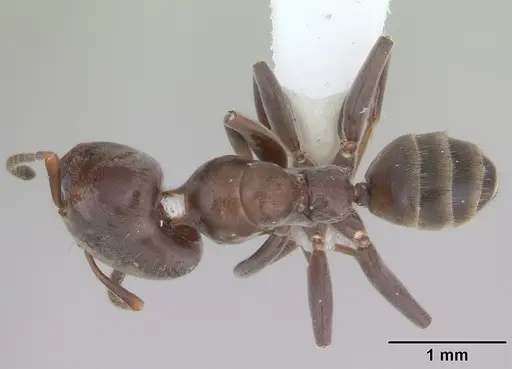
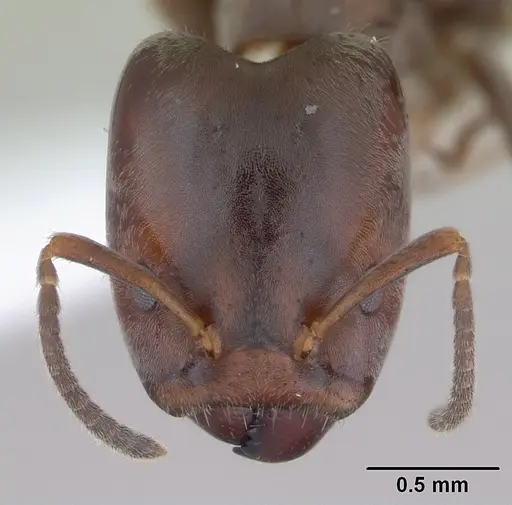
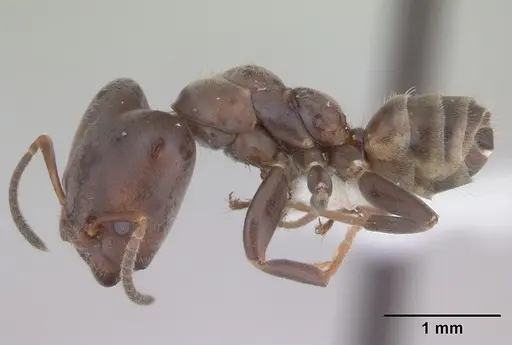
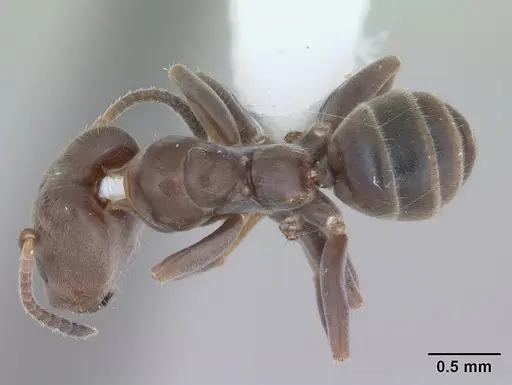
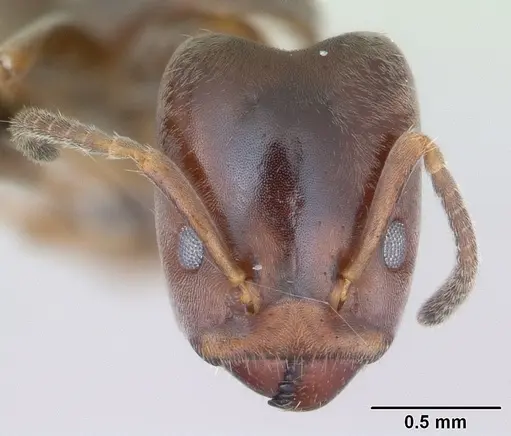
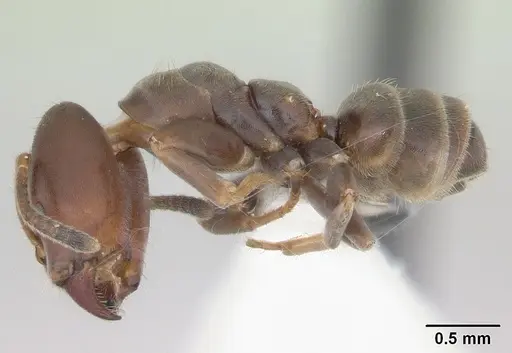
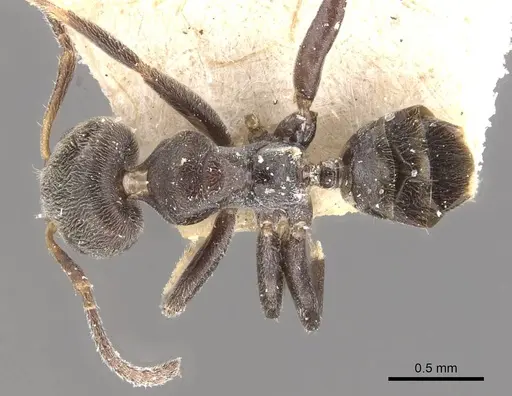
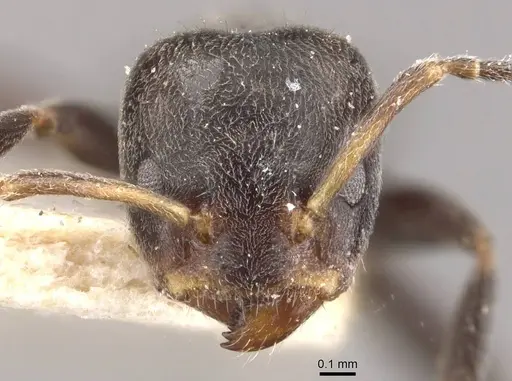
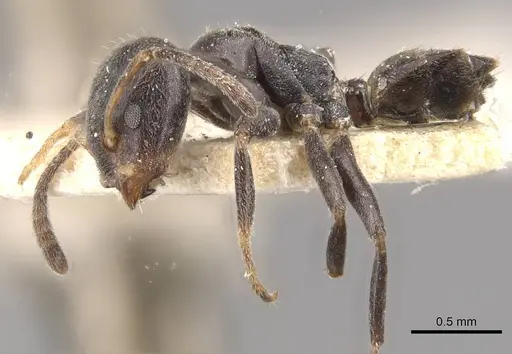
Azteca luederwaldti is a small ant species in the Dolichoderinae subfamily, found exclusively in the Neotropical region of Paraguay and northern Argentina. Workers are golden-brown to reddish-brown with the slender build typical of Azteca. This species was originally described from San Bernardino, Paraguay, and has been documented in the Iguazú National Park region of Argentina . The genus Azteca lacks a functional sting and instead defends itself by secreting defensive chemical compounds from a slit-like opening at the tip of the abdomen.
Quick Summary
- Difficulty: Unknown, likely Medium to Hard due to lack of documented care information
- Origin & Habitat: Native to Paraguay and northern Argentina (Misiones province). Found in the Iguazú National Park region, which features subtropical humid forest with high rainfall. They are ground-dwelling ants captured in leaf litter samples using Winkler extraction methods [2]. The species was originally described from San Bernardino, Paraguay [1].
- Colony Type: Colony structure is unconfirmed. Azteca species typically form single-queen colonies (monogyne), though some can have multiple queens. No specific data exists for this species.
- Size & Growth:
- Queen: size data unavailable, no documented measurements exist for this species
- Worker: size data unavailable, no specific measurements documented in available literature
- Colony: Unknown, no colony size data available
- Growth: Unknown
- Development: Unknown, no development data available (Development timeline is unconfirmed for this species.)
- Antkeeping:
- Temperature: Likely need warm conditions. Based on their Neotropical distribution in Paraguay and northern Argentina, aim for 24-28°C. The Iguazú region experiences year-round warmth with average temperatures in the mid-20s°C. Provide a gentle temperature gradient if possible.
- Humidity: Likely need moderate to high humidity. The Iguazú National Park region receives heavy rainfall. Keep nest substrate consistently moist but not waterlogged.
- Diapause: Unknown, likely minimal or no true diapause given their tropical distribution. Some reduced activity during cooler months may occur.
- Nesting: Ground-nesting species based on Winkler sac captures from leaf litter [2]. In captivity, a naturalistic setup with moist substrate or a Y-tong/plaster nest works well. They likely prefer enclosed spaces with some humidity retention.
- Behavior: Behavior is poorly documented. Azteca species lack a functional sting and instead use defensive chemical secretions (smear defense) from their abdominal gland. Workers are active foragers that likely hunt small invertebrates and collect honeydew from aphids or scale insects. Their small size and ground-dwelling nature suggest moderate escape risk, use standard barriers. They are likely more active in warm, humid conditions.
- Common Issues: lack of specific care information makes proper husbandry challenging, temperature and humidity requirements are inferred rather than confirmed, growth rate is unknown, making it difficult to gauge colony health, no documented diet preferences, keepers must experiment, wild-caught colonies may carry parasites or diseases from their native range
Discovery and Distribution
Azteca luederwaldti was originally described by Forel in 1909 from specimens collected in San Bernardino, Paraguay. The species remained poorly documented for decades, with only occasional records from the region. More recently, it was documented in the Iguazú National Park in Argentina's Misiones province, one of the most biodiverse regions in South America [2]. This park features subtropical humid forest with high rainfall year-round. The species appears to have a relatively restricted distribution compared to many other Neotropical ants, being known primarily from these two neighboring countries. Specimens have been collected using Winkler extraction from leaf litter, confirming they are ground-dwelling ants that forage in the forest floor layer [2].
Nest Preferences and Housing
Based on their capture method (Winkler sacs from leaf litter), Azteca luederwaldti is a ground-dwelling species that likely nests in soil or decaying wood on the forest floor [2]. In captivity, provide a naturalistic setup with moist substrate (a mix of soil and sand works well) or use a Y-tong/plaster nest that can maintain humidity. The nest should have chambers narrow enough for the ants to feel secure. Since their exact size is unknown but they appear small based on related species, avoid very large open spaces. A test tube setup can work for founding colonies, but transition to a more naturalistic setup once the colony reaches 20-30 workers. Keep the nest area humid while allowing some drier areas for the ants to regulate their own conditions.
Feeding and Diet
No specific dietary studies exist for this species, but Azteca ants are typically omnivorous with a preference for protein sources. In the wild, they likely hunt small invertebrates and collect honeydew from aphids or scale insects. For captivity, offer a varied diet: small live prey (fruit flies, pinhead crickets, small mealworms) as a protein source, and sugar water or honey as an energy source. Since they are ground-dwelling and likely smaller than many Azteca species, prey items should be appropriately sized. Feed protein 2-3 times per week and keep sugar water available constantly. Observe whether workers readily accept different foods, some colonies can be picky, so be prepared to experiment with prey types.
Temperature and Seasonal Care
Given their distribution in Paraguay and northern Argentina (Misiones), these ants likely experience warm year-round temperatures with seasonal variation in rainfall rather than temperature. The Iguazú region maintains average temperatures in the low-to-mid 20s°C year-round, with winter being the cooler, drier season. Keep colonies at 24-28°C for optimal activity and brood development. A heating cable on one side of the nest can create a gradient, but ensure they can move away from heat if needed. True diapause is unlikely, but you may observe reduced activity during cooler months. If your room temperature drops below 20°C in winter, consider mild supplemental heating. Avoid temperatures above 32°C as this can stress colonies.
Defense Mechanism
Azteca species, including A. luederwaldti, lack a functional sting. Instead, they defend themselves by secreting defensive chemical compounds from a slit-like opening at the tip of the abdomen. This is the typical defense mechanism for the Dolichoderinae subfamily. When threatened, workers will release these chemicals which can be irritating to predators. Handle with care and use appropriate escape prevention, as the chemical secretion can be unpleasant.
Frequently Asked Questions
How long does it take for Azteca luederwaldti to produce first workers?
The egg-to-worker timeline is unconfirmed for this species. Based on related Dolichoderinae and typical Neotropical ant development, expect approximately 4-8 weeks at optimal warm temperatures (around 26°C). However, this is an estimate, actual development time may vary significantly.
What do Azteca luederwaldti ants eat?
Diet is unconfirmed, but Azteca species are typically omnivorous. Offer small live prey (fruit flies, small crickets, mealworms) as protein and sugar water or honey as an energy source. Start with these basics and observe acceptance.
What temperature do Azteca luederwaldti ants need?
Based on their Neotropical distribution, keep them warm at 24-28°C. The Iguazú region where they've been found maintains warm temperatures year-round. Avoid temperatures below 20°C or above 32°C.
Are Azteca luederwaldti good for beginners?
This species is not recommended for beginners due to the complete lack of documented care information. The difficulty level is effectively unknown. If you're experienced with Neotropical species and comfortable with uncertainty, it could be an interesting challenge, but there's significant risk of failure due to unknown requirements.
How big do Azteca luederwaldti colonies get?
Colony size is unconfirmed. Azteca colonies can range from hundreds to thousands of workers in related species. Expect moderate to large colony sizes over time, but no specific maximum is documented.
Can I keep multiple Azteca luederwaldti queens together?
Colony structure is unconfirmed for this species. Azteca species typically form single-queen colonies, but some can be polygynous. Do not attempt combining unrelated queens without evidence they tolerate this.
Do Azteca luederwaldti need hibernation?
Diapause is unlikely given their tropical distribution in Paraguay and Argentina. They may show reduced activity during cooler months but do not require a true hibernation period. Keep temperatures consistent year-round.
What humidity level do Azteca luederwaldti ants need?
Based on their presence in the humid Iguazú forest region, they likely need moderate to high humidity. Keep nest substrate consistently moist but not waterlogged. Aim for conditions similar to a damp forest floor.
When do Azteca luederwaldti nuptial flights occur?
Nuptial flight timing is unconfirmed. For Neotropical species like this, flights likely occur during warm, humid months (roughly November through March in the southern hemisphere). Timing in captivity would be speculative.
Report an Issue
The current care sheet is based fully on literature. See inconsistencies, or something that's incorrect? Please , it will be resolved after review from an admin. Contributing to the blogs tab also helps providing information, to make us be able to further improve the caresheets. Thank you for your support!
References

This caresheet is licensed under CC BY-SA 4.0 .
Community Blogs
Literature
Loading distribution map...Loading products...