
Azteca hypophylla
- Sci. Name
- Azteca hypophylla
- Tribe
- Leptomyrmecini
- Subfamily
- Dolichoderinae
- Author
- Forel, 1899
- Distribution
- Found in 1 countries
Introduction
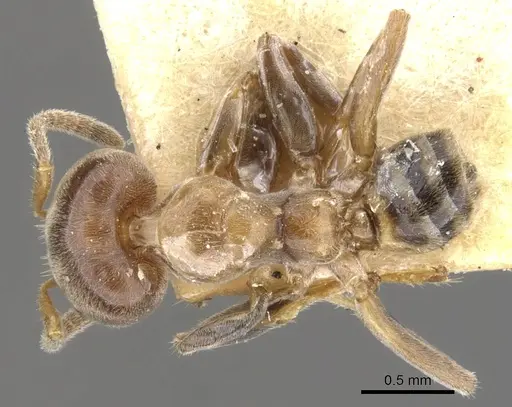
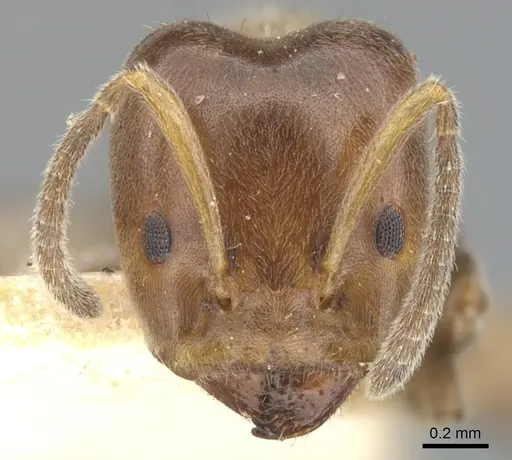
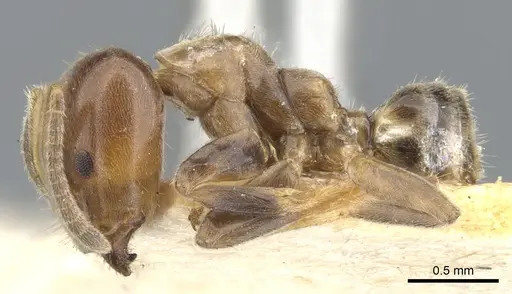
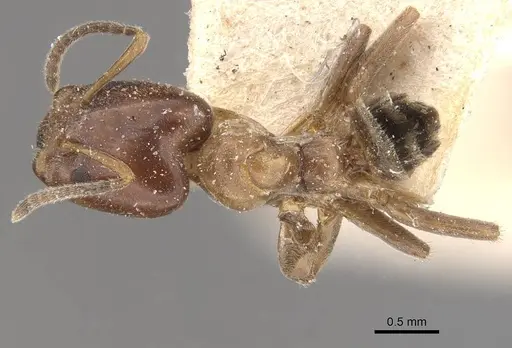
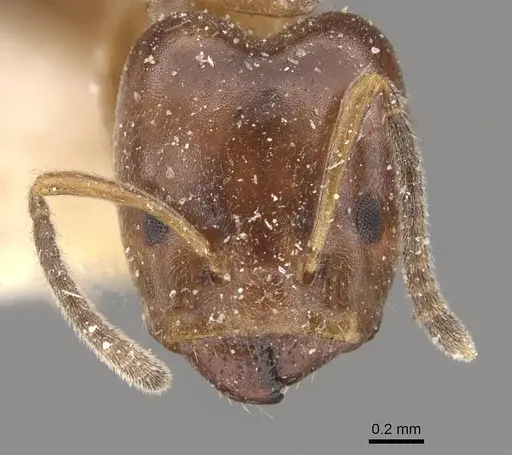
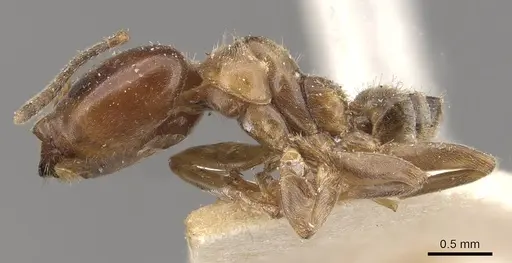
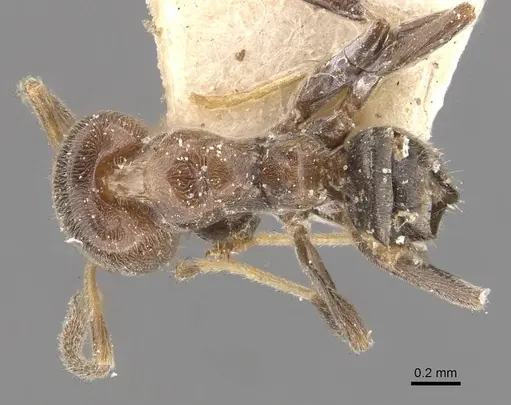
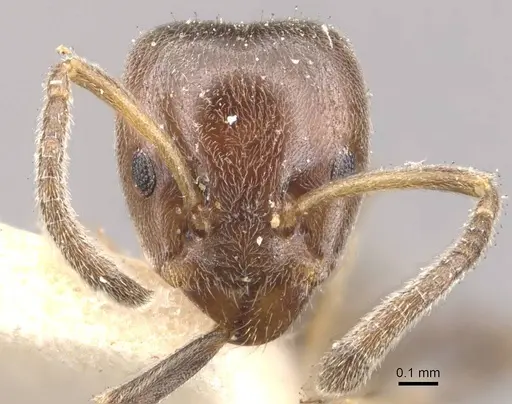
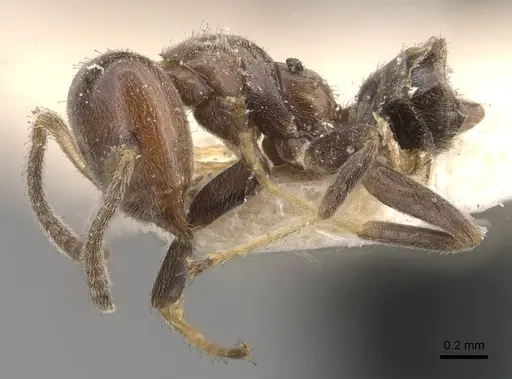
Azteca hypophylla is a small ant species native to Colombia, belonging to the Dolichoderinae subfamily. Workers have the typical dark coloration seen in many Azteca species. This species is known for living under the leaves of climbing plants, indicating an arboreal or semi-arboreal lifestyle in tropical forest environments . The species was described by Forel in 1899 and is known only from the Sierra Nevada de Santa Marta region in northern Colombia and the La Guajira department . Very little scientific research exists on this species, making it one of the less documented ants in the hobby.
Quick Summary
- Difficulty: Expert
- Origin & Habitat: Colombia, specifically the Sierra Nevada de Santa Marta region (Don Diego) and La Guajira department (Dibulla). This species lives under the leaves of climbing plants in tropical habitats [1][2][3].
- Colony Type: Colony structure is unconfirmed. Many Azteca species may have multiple queens, but this has not been documented for Azteca hypophylla specifically.
- Size & Growth:
- Queen: Size data unavailable, no measurements exist for this species.
- Worker: Size data unavailable, workers were described but measurements were not provided in the original description.
- Colony: Unknown, no colony size data exists for this species.
- Growth: Unknown, no development data available.
- Development: Unknown, no direct measurements exist for this species. (Development timeline is unconfirmed.)
- Antkeeping:
- Temperature: Keep warm, roughly 24-28°C. This matches their tropical Colombian origin. Use a heating cable on one side of the nest to create a gradient if room temperature is below this range.
- Humidity: High humidity is essential, think tropical rainforest conditions. Keep the nest substrate consistently moist but not waterlogged. Mist the outworld regularly and provide a water source.
- Diapause: No, as a tropical species from Colombia, they do not require hibernation. Maintain warm temperatures year-round.
- Nesting: Arboreal or semi-arboreal nesting preference. In captivity, a naturalistic setup with live plants or moss works well. Y-tong nests or nests with high humidity chambers are suitable options. Provide climbing structures and avoid deep soil setups.
- Behavior: Azteca ants lack a functional sting. Instead, they defend by secreting defensive chemical compounds from a slit-like opening at the tip of the abdomen (smear defense). They are active foragers and may show territorial behavior. Escape prevention is important, use fluon on nest edges and ensure all connections are secure.
- Common Issues: very limited species-specific care information makes proper husbandry challenging, tropical humidity requirements can lead to mold problems if ventilation is poor, wild-caught colonies may be difficult to establish in captivity, lack of available care guides specific to this species, defense mechanism involves chemical secretion rather than sting, different handling approach needed
Natural History and Distribution
Azteca hypophylla is endemic to northern Colombia, known only from the Sierra Nevada de Santa Marta region and the La Guajira department. The species was originally described from Don Diego at the foot of the Sierra Nevada de Santa Marta, with additional records from the Dibulla area in La Guajira [2][3]. This ant lives under the leaves of climbing plants, indicating it occupies a niche in the tropical forest understory or canopy [1]. The limited distribution makes this a rare species in both the wild and the antkeeping hobby.
Housing and Nest Setup
Based on their natural habit of living under climbing plant leaves, these ants prefer arboreal or semi-arboreal setups. A naturalistic terrarium-type enclosure with live plants, moss, and climbing branches works well. The nest should have high humidity chambers, Y-tong style nests with moisture retention work better than dry setups. Provide a water test tube as a hydration source and mist the outworld regularly. Avoid deep soil substrates which are not appropriate for their natural arboreal lifestyle. Ensure the setup has adequate ventilation to prevent mold while maintaining humidity.
Feeding and Nutrition
While specific dietary studies for Azteca hypophylla do not exist, Azteca species generally are omnivorous with a preference for sugar sources and small prey. Feed sugar water, honey, or diluted syrup as a constant energy source. For protein, offer small insects like fruit flies, pinhead crickets, or mealworms. Live prey is likely preferred given their predatory nature. Feed protein sources 2-3 times per week and keep sugar water available at all times. Remove uneaten prey after 24-48 hours to prevent mold.
Temperature and Seasonal Care
As a tropical species from Colombia, Azteca hypophylla requires warm temperatures year-round. Maintain the nest area at 24-28°C with a slight gradient allowing workers to choose their preferred temperature. A heating cable placed on top of the nest can help maintain warmth without over-drying the setup. Unlike temperate species, they do not enter diapause or hibernation. Seasonal temperature drops should be avoided, keep them in a warm room year-round. Room temperature in most homes may be insufficient, consider using a heat mat or heating cable in colder climates.
Defense Mechanism
Azteca hypophylla belongs to the subfamily Dolichoderinae and tribe Leptomyrmecini. Unlike many ants, they lack a functional sting. Instead, they defend by secreting defensive chemical compounds from a slit-like opening at the tip of the abdomen. This is a smear defense mechanism. When threatened, workers will secrete these compounds as a defensive response.
Frequently Asked Questions
How long does it take for Azteca hypophylla to produce first workers?
The egg-to-worker timeline is unconfirmed for this species. There is no specific development data available. Patience is essential as this is a poorly studied species and founding colonies may be slow to develop.
Can I keep Azteca hypophylla in a test tube setup?
Test tubes can work for founding colonies but may not be ideal long-term given their arboreal nature and high humidity requirements. A naturalistic setup with plants or a humid nest is more appropriate once the colony establishes.
What do Azteca hypophylla eat?
They are omnivorous. Feed sugar water or honey as a constant energy source and offer small insects (fruit flies, small crickets, mealworms) as protein 2-3 times weekly. Live prey is likely preferred.
Are Azteca hypophylla good for beginners?
No, this species is not recommended for beginners. There is very limited species-specific care information available, they have high humidity and temperature requirements, and they may be difficult to establish from wild-caught colonies. This is an expert-level species.
Do Azteca hypophylla need hibernation?
No, they do not require hibernation. As a tropical species from Colombia, they need warm temperatures year-round. Maintain 24-28°C consistently without seasonal cooling.
How big do Azteca hypophylla colonies get?
Colony size is unconfirmed for this specific species. There is no available data on maximum colony size.
Can I keep multiple Azteca hypophylla queens together?
The colony structure is unconfirmed for this species. It has not been documented whether this species is single-queen or multi-queen. It is not recommended to combine unrelated queens given the lack of specific data on their founding behavior.
Why is there so little information about this species?
Azteca hypophylla is known only from a very limited range in northern Colombia and was described in 1899. It has never been a common species in scientific collections, and there has been very little research on its biology. This makes it one of the less documented ant species in the hobby.
What is the best nest type for Azteca hypophylla?
Given their arboreal nature and high humidity needs, naturalistic setups with live plants or moss work well. Y-tong nests or nests with moisture chambers are suitable alternatives. Avoid deep soil setups and ensure the nest can maintain high humidity without mold developing.
Report an Issue
The current care sheet is based fully on literature. See inconsistencies, or something that's incorrect? Please , it will be resolved after review from an admin. Contributing to the blogs tab also helps providing information, to make us be able to further improve the caresheets. Thank you for your support!
References

This caresheet is licensed under CC BY-SA 4.0 .
Community Blogs
Literature
Loading distribution map...Loading products...