
Azteca emeryi
- Sci. Name
- Azteca emeryi
- Tribe
- Leptomyrmecini
- Subfamily
- Dolichoderinae
- Author
- Forel, 1904
- Distribution
- Found in 2 countries
Introduction
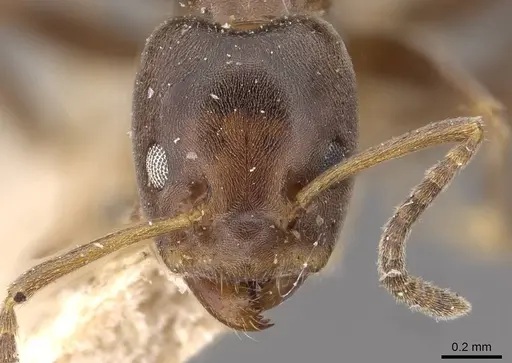
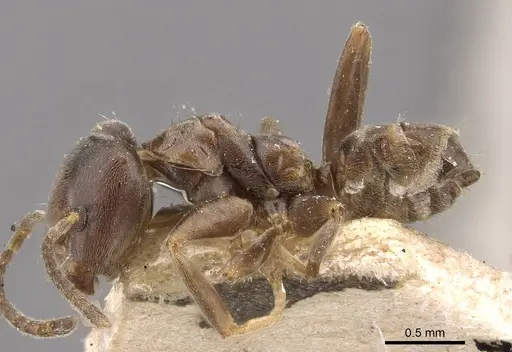
Azteca emeryi is a small tropical ant native to the Amazon rainforest of Brazil and Peru . They belong to the subfamily Dolichoderinae, which lack a functional sting but can secrete defensive chemical compounds from the tip of the abdomen. Very little is known about their specific biology. Based on typical Azteca patterns, they likely live in arboreal habitats and may maintain multiple queens in their colonies, but this remains unconfirmed for this species.
Quick Summary
- Difficulty: Expert
- Origin & Habitat: Amazon rainforest of Brazil and Peru [1][2][3]. Type specimens were collected at Cachoeira on the Juruá River in Brazil [1].
- Colony Type: Unconfirmed, colony structure is unknown for this species.
- Size & Growth:
- Antkeeping:
- Temperature: Likely 24-28°C based on tropical Amazonian origin, inferred from habitat [1]. Specific temperature requirements are unstudied.
- Humidity: High humidity likely required based on Amazonian origin, inferred from habitat [1]. Keep nest substrate moist but provide ventilation to prevent mold.
- Diapause: No, tropical species do not require winter diapause [1].
- Nesting: Likely arboreal, inferred from typical Azteca behavior. Vertical setups with narrow cavities may be needed.
- Behavior: Behavior is unstudied for this species. Based on typical Azteca patterns, they are likely fast-moving and use chemical defense. Small size requires excellent escape prevention.
- Common Issues: extremely limited research makes care requirements uncertain., arboreal habits are difficult to replicate in standard horizontal formicaria., high humidity needs increase mold risk without proper ventilation., colony founding behavior is unconfirmed., escape prevention is critical due to small size.
Distribution and Natural History
Azteca emeryi has been recorded in the Amazonas region of Brazil and in Peru [2][3]. The type specimens were collected at Cachoeira on the Juruá River in Brazil [1]. As an Amazonian species, they likely inhabit tropical rainforest canopy, though specific nesting sites have not been documented. Like other Azteca ants, they probably forage in vegetation and may tend sap-sucking insects for honeydew, but these behaviors remain unstudied for this particular species.
Housing and Nest Setup
Given their likely arboreal nature, Azteca emeryi probably requires vertical nesting space rather than horizontal soil nests. A setup with hollow bamboo sticks, drilled wood blocks, or artificial plant stems may be more appropriate than traditional formicaria. They will need excellent escape prevention due to their small size, fine mesh and tight-fitting lids are essential. The outworld should include vertical elements to allow natural climbing behavior. Keep the nest humid but well-ventilated to prevent mold in tropical conditions.
Temperature and Humidity
Coming from the Amazon, these ants likely need warm, stable temperatures around 24-28°C and high humidity, inferred from tropical origin [1]. Use a heating cable on one side of the nest to create a gradient, but avoid overheating. Maintain humidity by keeping the nest material damp but not wet, and ensure good ventilation to prevent mold growth. They do not require hibernation.
Feeding
As Dolichoderinae ants, they likely feed on honeydew from sap-sucking insects and may accept sugar water in captivity [1]. They probably require protein from small insects or arthropods like fruit flies or springtails. However, specific dietary preferences are unstudied for this species. Offer sugar water constantly and small protein sources twice weekly, adjusting based on colony response.
Colony Founding and Growth
Founding behavior is unconfirmed for Azteca emeryi. Azteca queens typically found colonies in pre-existing cavities such as hollow stems or rolled leaves rather than digging in soil, inferred from typical Azteca behavior. If this species follows the pattern, founding queens would need access to small, enclosed spaces with high humidity. Colony size and growth rate are unknown, so patience is required when establishing new colonies.
Frequently Asked Questions
How long does Azteca emeryi take from egg to worker?
The development timeline is unknown for this species.
Can I keep Azteca emeryi in a test tube?
While test tubes might work temporarily, this species likely needs vertical arboreal setups with cavities rather than horizontal test tubes due to their likely tree-dwelling habits.
Do Azteca emeryi need hibernation?
No, they are a tropical species from the Amazon and do not require diapause or winter rest [1].
Can I keep multiple queens together in an Azteca emeryi colony?
This is unknown for Azteca emeryi. Many Azteca species are polygyne and accept multiple queens, but combining unrelated queens has not been documented for this specific species and is not recommended without confirmation.
What do Azteca emeryi eat?
They likely accept sugar water or honeydew substitutes and small protein sources like fruit flies or springtails, based on typical Dolichoderinae feeding habits, but specific dietary requirements are unstudied.
Are Azteca emeryi good for beginners?
No, they are recommended for expert keepers only due to the lack of research data and likely specialized arboreal requirements.
How big do Azteca emeryi colonies get?
Colony size is unknown for this species.
Report an Issue
The current care sheet is based fully on literature. See inconsistencies, or something that's incorrect? Please , it will be resolved after review from an admin. Contributing to the blogs tab also helps providing information, to make us be able to further improve the caresheets. Thank you for your support!
References

This caresheet is licensed under CC BY-SA 4.0 .
Community Blogs
CASENT0909621
View on AntWeb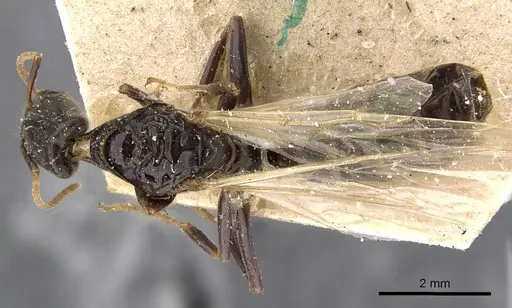
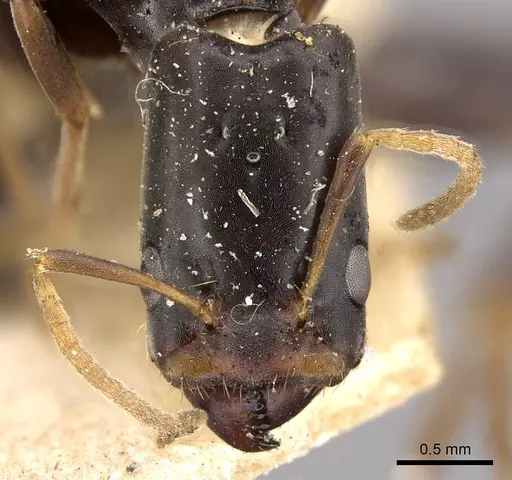
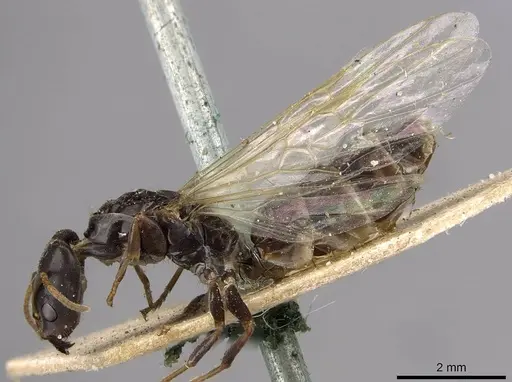
CASENT0909622
View on AntWeb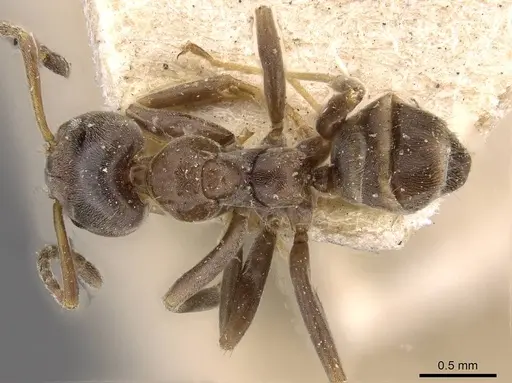
Literature
Loading distribution map...Loading products...