
Azteca depilis
- Sci. Name
- Azteca depilis
- Tribe
- Leptomyrmecini
- Subfamily
- Dolichoderinae
- Author
- Emery, 1893
- Distribution
- Found in 4 countries
Introduction
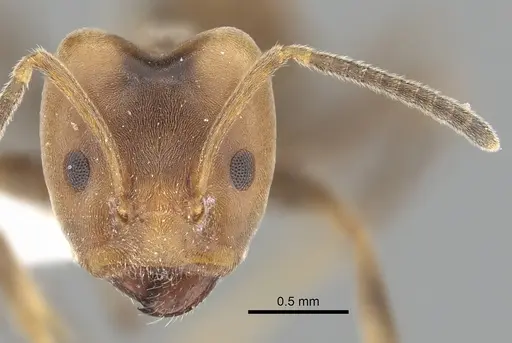
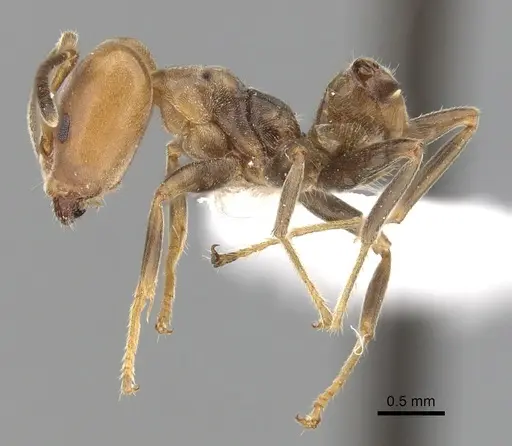
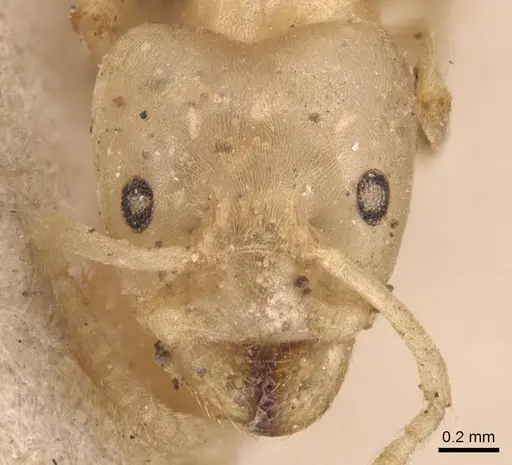
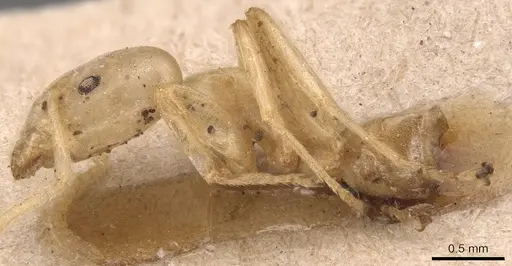
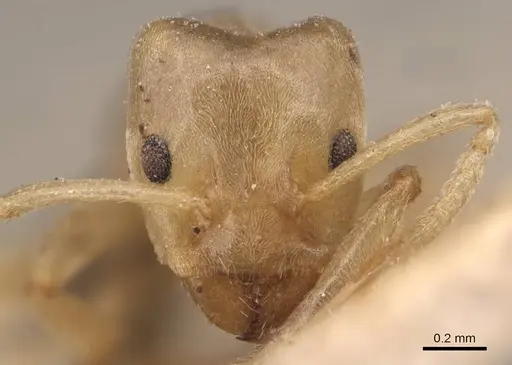
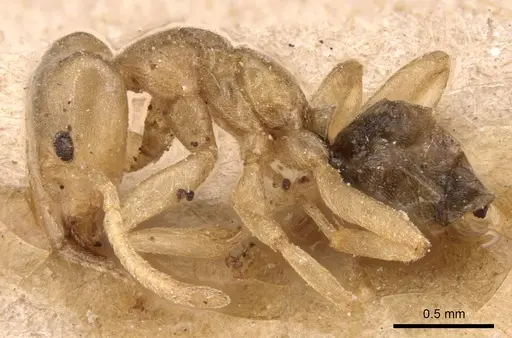
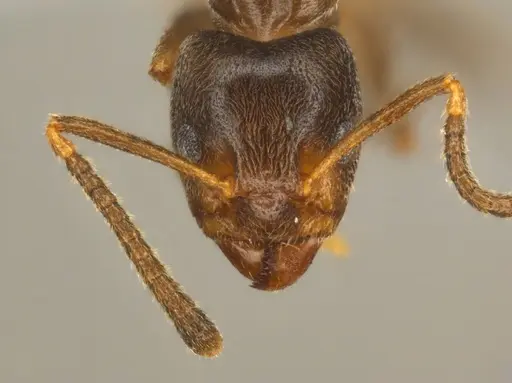
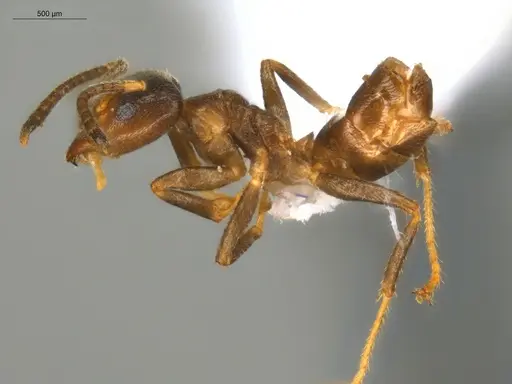
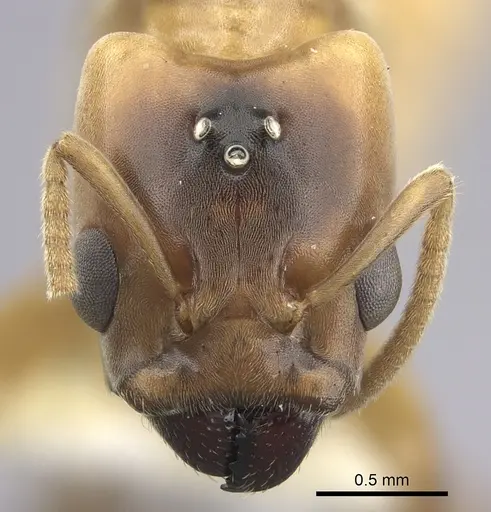
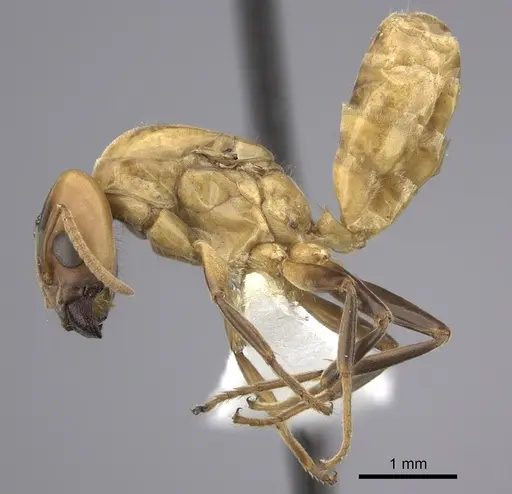
Azteca depilis are small, yellowish-brown ants native to the Amazon rainforest. Workers measure 2.5-3.5 mm while queens reach 9 mm . These ants are obligate plant-ants, meaning they live symbiotically within the hollow stems (domatia) of specific plants like Duroia hirsuta, Tococa coronata, and Cecropia trees . Colonies are strictly monogynous - each nest contains just one egg-laying queen - and typically occupy a single host tree throughout their lives . This species has been found nesting inside termite nests on orange trees, showing some flexibility in nesting sites .
Quick Summary
- Difficulty: Expert
- Origin & Habitat: Amazon rainforest of Brazil, French Guiana, Peru, Suriname, and Venezuela, found in humid tropical forest at 220-425m elevation [3][5]
- Colony Type: Monogynous (single-queen colonies) [4]
- Size & Growth:
- Antkeeping:
- Temperature: 24-28°C, tropical rainforest species requiring warm stable conditions [3]
- Humidity: High, 70-80%+, naturally inhabit humid forest litter and plant stems [3]
- Diapause: No, tropical species without winter rest period [3]
- Nesting: Specialized arboreal cavities, naturally live in hollow plant stems (domatia) and require narrow, vertical chambers [2][3]
- Behavior: Aggressive defenders of their territory, fast-moving, arboreal foragers. Workers lack a functional sting but can secrete defensive compounds from the abdomen tip. At just 2.5-3.5mm, workers can escape through the tiniest gaps and require excellent barriers [1]
- Common Issues: difficulty replicating natural plant-stem nesting conditions in captivity, they need narrow vertical cavities, not open spaces, high humidity requirements increase mold risk without careful ventilation balance, tiny worker size (2.5-3.5mm) allows escape through gaps smaller than 1mm, long colony lifespan (approximately 14 years) requires sustained commitment and stable conditions [4], specialized mutualistic relationships with plants may make artificial diet acceptance challenging
Nest Preferences and Plant Symbiosis
Azteca depilis are obligate plant-ants that naturally inhabit the hollow stems (domatia) of myrmecophytic plants like Duroia hirsuta, Tococa coronata, and Cecropia trees [1][2][3]. They have also been found nesting inside termite nests on orange trees [3]. In captivity, replicating these conditions is challenging. You will need to provide artificial plant-stem-like cavities, narrow tubes or chambers that mimic the tight spaces of plant internodes. Y-tong (AAC) nests with narrow vertical tunnels can work if kept very humid, but naturalistic setups with hollow bamboo or plant stems are preferable. The nest must maintain high humidity (70%+) while allowing some ventilation to prevent mold. Vertical orientation is important as these are arboreal ants. Keep the nest in a dimly lit area as they naturally live inside plant stems away from direct light.
Temperature and Environmental Care
As inhabitants of the Amazon rainforest [3], these ants need warm, stable temperatures between 24-28°C. They do not require diapause, being tropical, they remain active year-round. Use a heating cable on one side of the nest to create a gentle gradient, but monitor carefully as plant-stem dwellers are sensitive to drying out. The combination of heat and high humidity (70-80%) is essential but increases mold risk, so ensure your nest design allows for some air exchange without drying the substrate.
Feeding and Diet
In nature, Azteca depilis tend scale insects and other hemipterans inside their host plants for honeydew, while also preying on small insects that threaten the plant [4]. In captivity, offer sugar water or honey diluted to 1:1 ratio, and small live prey like fruit flies, springtails, or tiny crickets. They may also accept dead insects. Because they naturally forage within their host plant's structure, place food directly near nest entrances. They are aggressive feeders and will defend food sources vigorously.
Behavior and Temperament
These ants are aggressive defenders of their territory. While they lack stings (being Dolichoderinae), they can bite and secrete defensive chemical compounds from a slit-like opening at the tip of the abdomen. Workers are fast-moving and at just 2.5-3.5mm, they can escape through incredibly small gaps [1]. You must use excellent escape prevention including Fluon barriers, fine mesh (under 1mm), and tight-fitting lids. They are primarily arboreal and will climb vertical surfaces readily.
Colony Founding
Founding behavior is unconfirmed for Azteca depilis specifically. In the genus Azteca, multiple queens sometimes enter the same plant stem and fight until one remains. If attempting to found a colony, provide a small, humid cavity similar to a young plant stem, such as a test tube with a cotton plug or a small bamboo section, kept at 26-28°C.
Frequently Asked Questions
Can I keep Azteca depilis in a standard test tube setup?
Yes for founding, but long-term they need specialized nesting. Queens can be started in test tubes, but the colony will eventually need a vertical, plant-stem-like cavity with high humidity to thrive.
Do Azteca depilis need live plants to survive?
While they are obligate plant-ants in nature, captive colonies can survive in artificial plant-stem-like nests (bamboo tubes, narrow Y-tong chambers) if humidity and temperature are maintained. However, they are challenging to keep without replicating their natural cavity-dwelling conditions.
How long until Azteca depilis gets their first workers?
The egg-to-worker timeline is unconfirmed for this species. Based on tropical Azteca patterns, expect approximately 6-10 weeks at 26-28°C, though this may vary based on temperature and individual colony health.
Can I keep multiple Azteca depilis queens together?
No. This species is monogynous (single queen per colony) [4]. Multiple queens will fight until only one survives.
Are Azteca depilis good for beginners?
No. These are expert-level ants due to their specialized plant-ant biology, high humidity requirements, small size requiring excellent escape prevention, and need for specific cavity-like nesting structures.
What temperature do Azteca depilis need?
Keep them warm and stable at 24-28°C, matching their tropical rainforest origins [3]. Use a heating cable on one side of the nest.
Do Azteca depilis need hibernation?
No. As tropical Amazonian ants, they remain active year-round and do not require diapause or winter rest [3].
How big do Azteca depilis colonies get?
Wild colonies can occupy plants with over 200 internal chambers (domatia), suggesting they can reach hundreds or thousands of workers in sufficiently large host plants [4].
Why are my Azteca depilis dying?
Common causes include insufficient humidity (they need 70%+), inadequate ventilation leading to mold in humid conditions, escape and desiccation (tiny workers dry out quickly), or inability to adapt to artificial diets and nesting conditions.
Report an Issue
The current care sheet is based fully on literature. See inconsistencies, or something that's incorrect? Please , it will be resolved after review from an admin. Contributing to the blogs tab also helps providing information, to make us be able to further improve the caresheets. Thank you for your support!
References

This caresheet is licensed under CC BY-SA 4.0 .
Community Blogs
CASENT0249540
View on AntWeb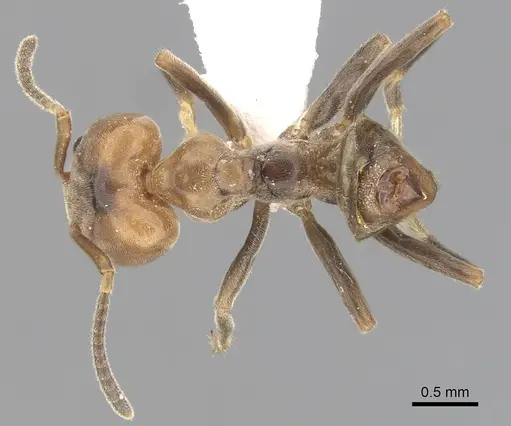
CASENT0905087
View on AntWeb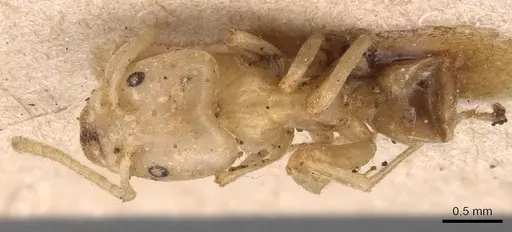
CASENT0905088
View on AntWeb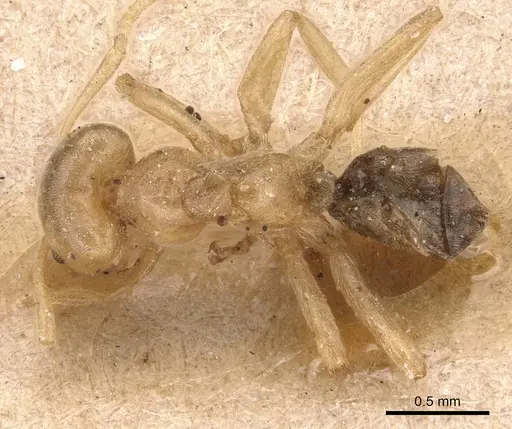
ECOFOG-IT24-0045-01
View on AntWeb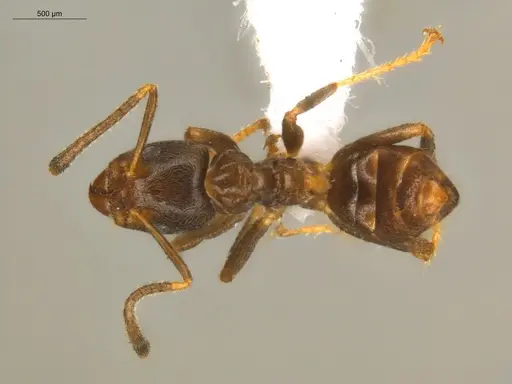
JTLC000008108
View on AntWeb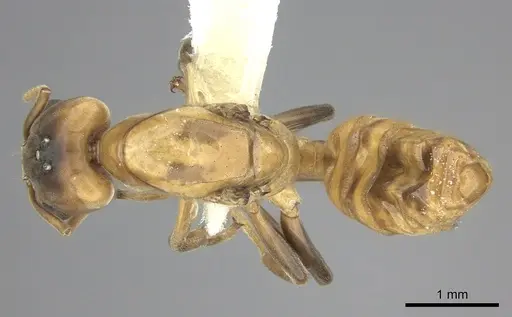
Literature
Loading distribution map...Loading products...