
Azteca chartifex
- Sci. Name
- Azteca chartifex
- Tribe
- Leptomyrmecini
- Subfamily
- Dolichoderinae
- Author
- Forel, 1896
- Distribution
- Found in 5 countries
Introduction
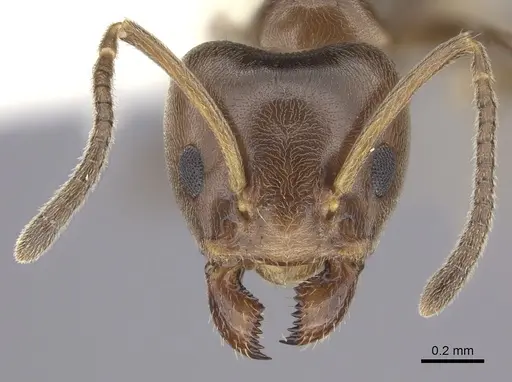
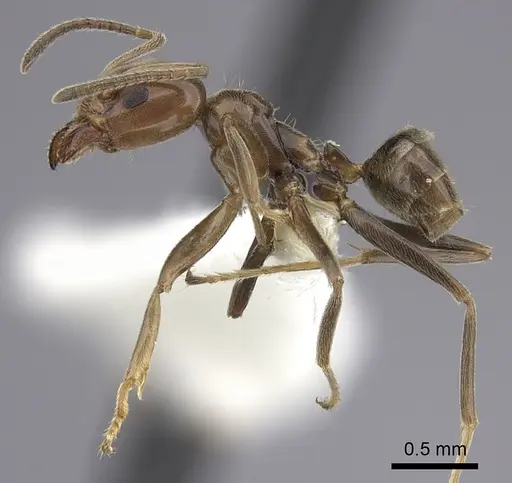
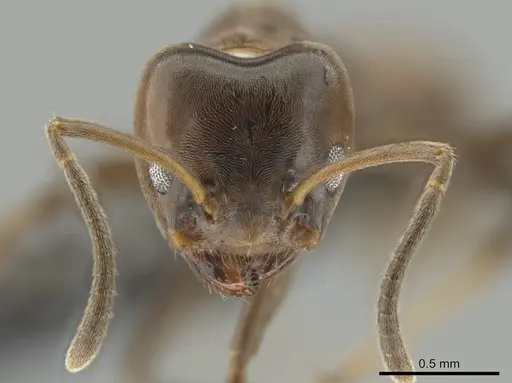
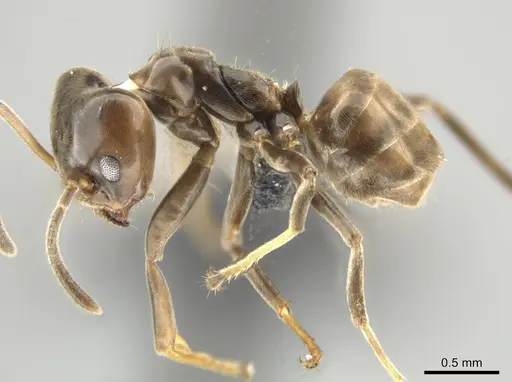
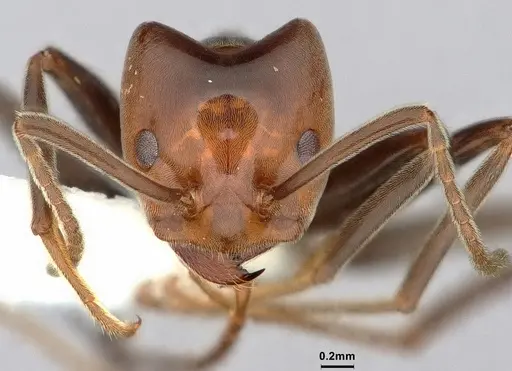
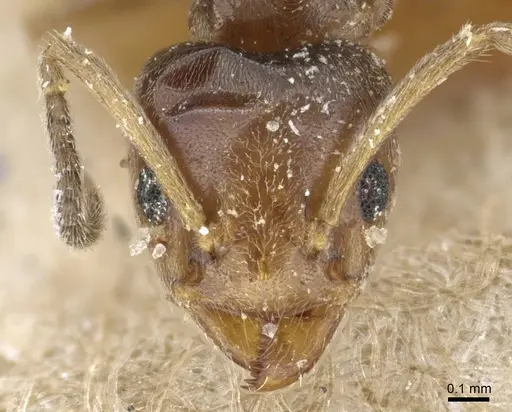
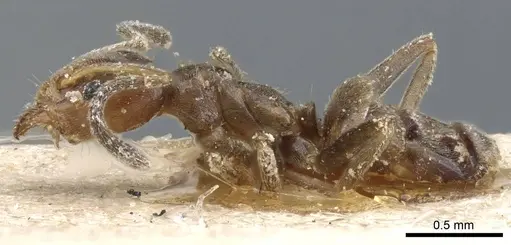
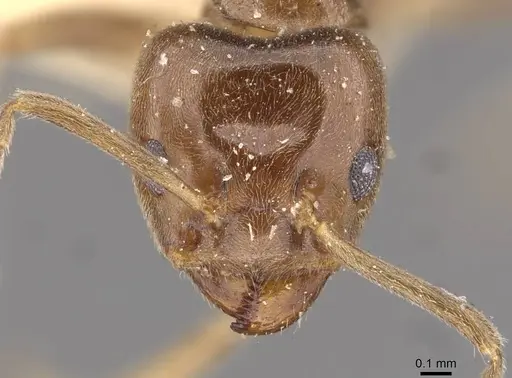
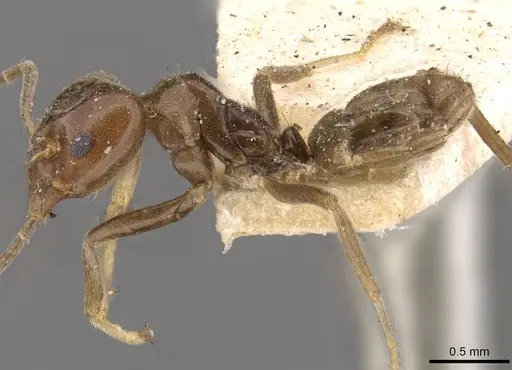
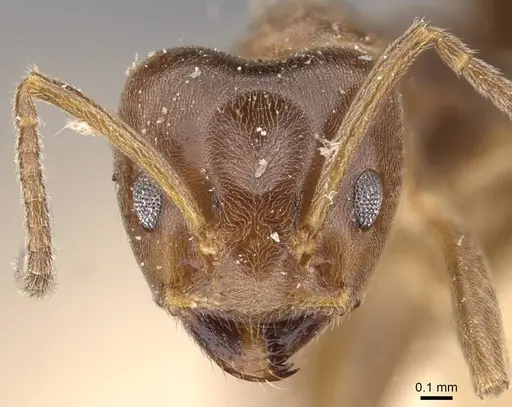
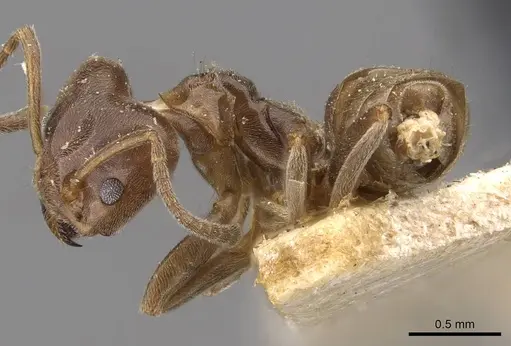
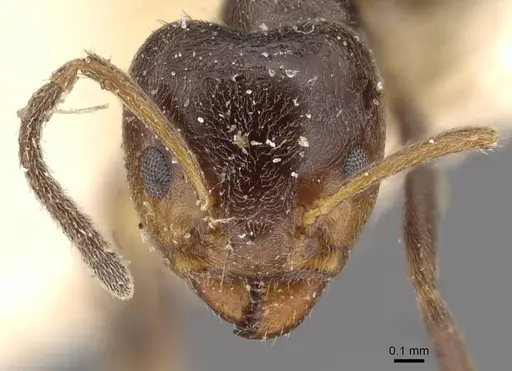
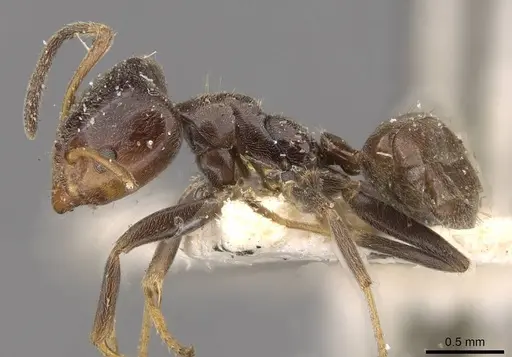
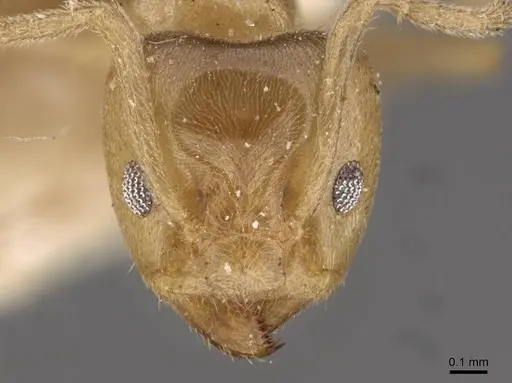
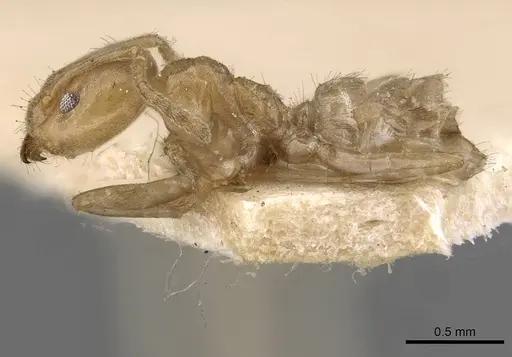
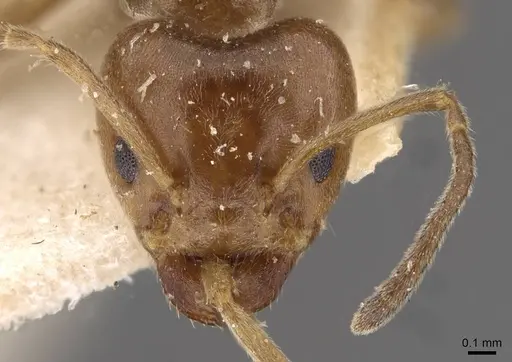
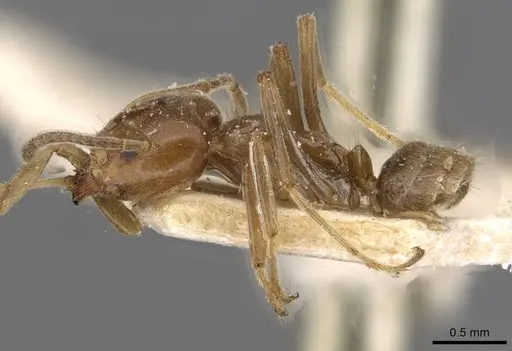
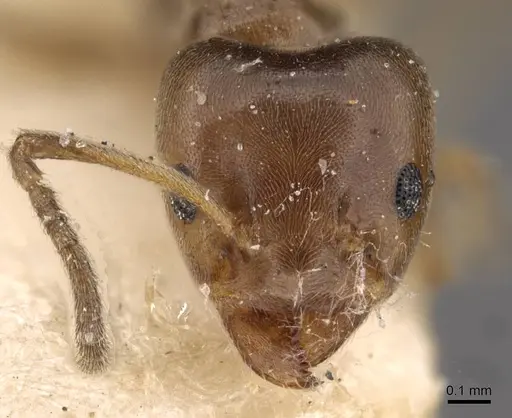
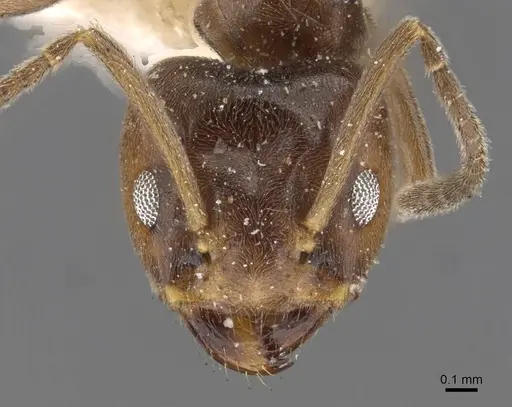
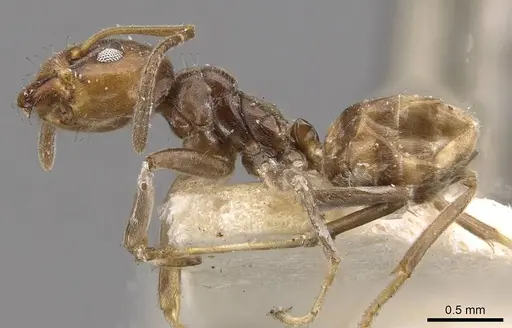
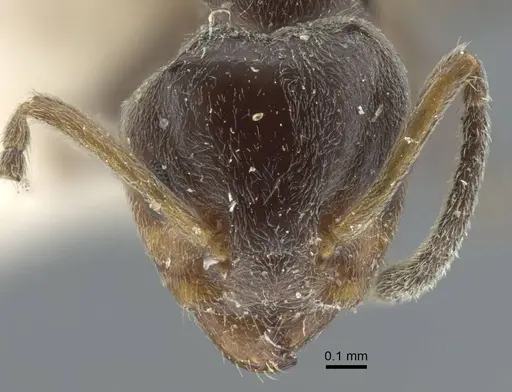
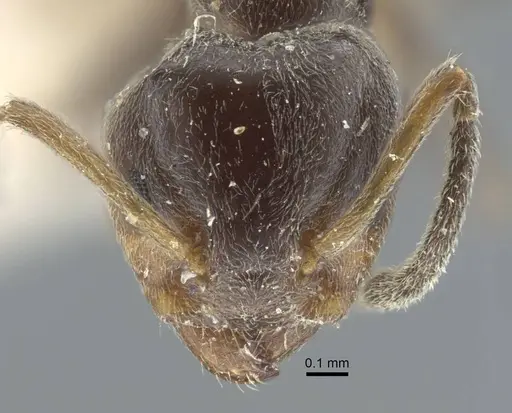
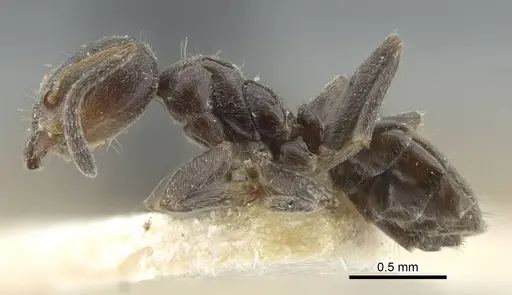
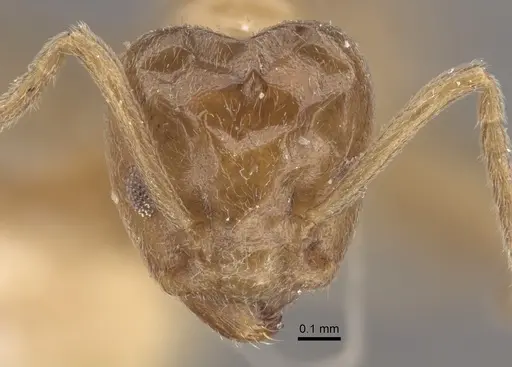
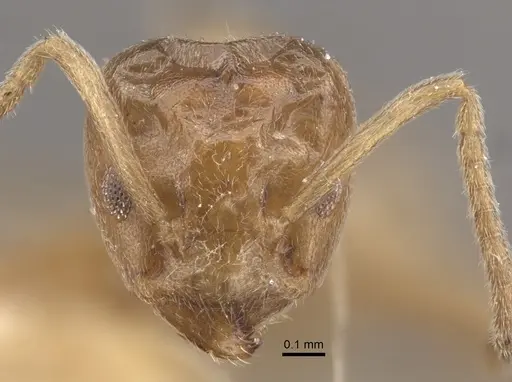
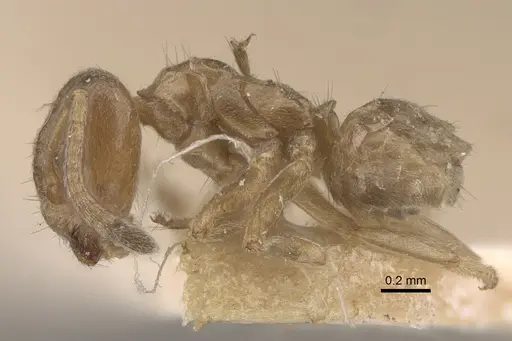
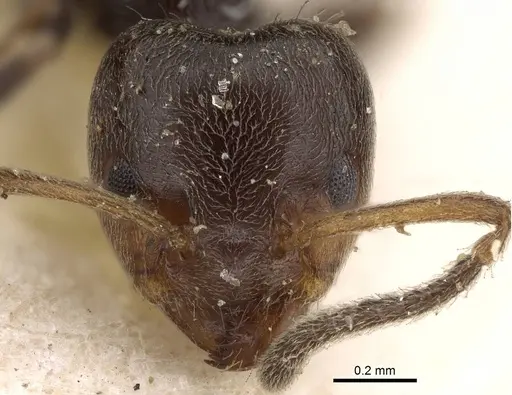
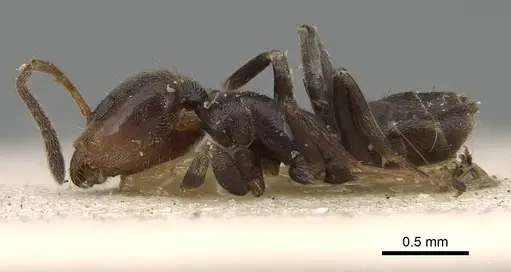
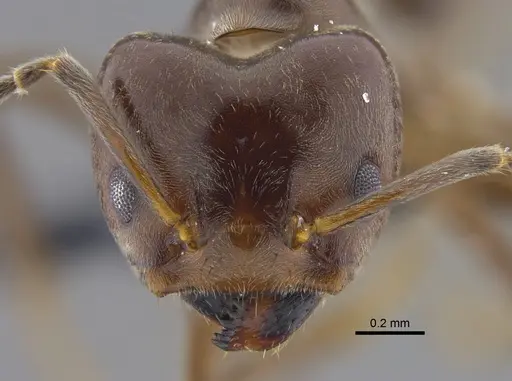
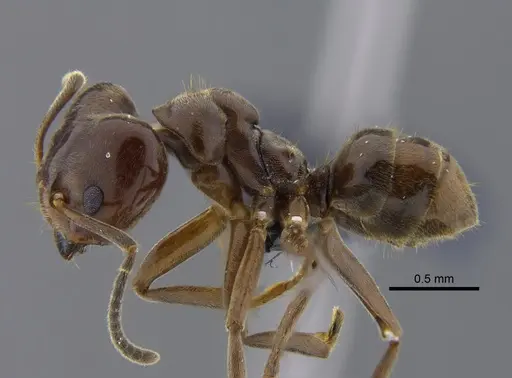
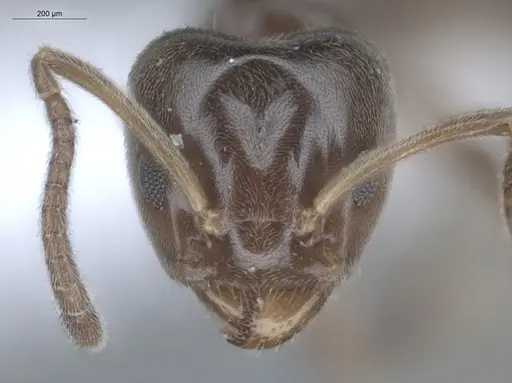
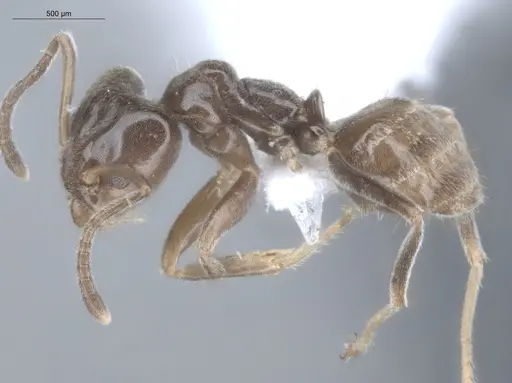
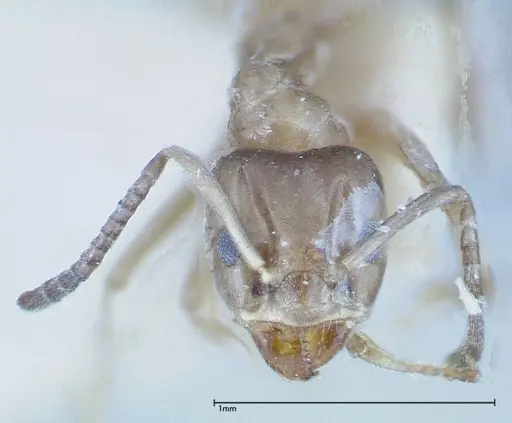
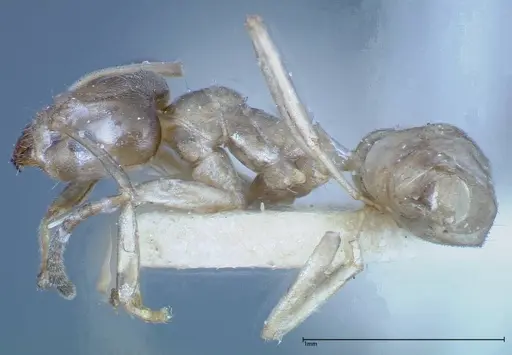
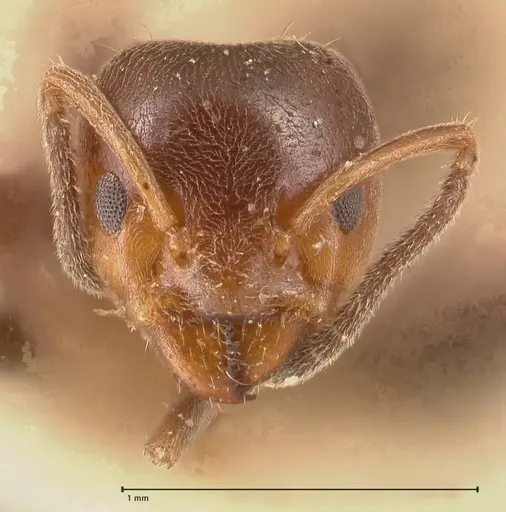
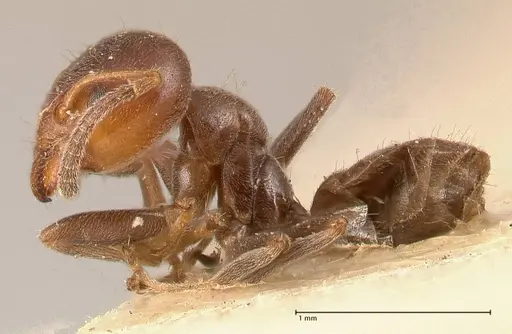
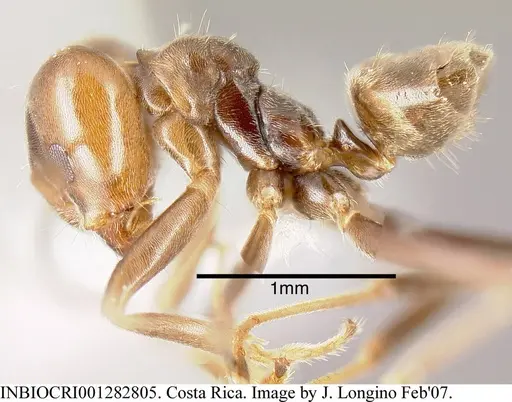
Azteca chartifex are small reddish-brown arboreal ants native to the Neotropics, ranging from Costa Rica to southern Brazil . They inhabit wet forests but show a preference for seasonal moist to dry habitats over weakly seasonal wet forest . Their small size and canopy-dwelling lifestyle make them challenging to observe in the wild. What distinguishes this species is their remarkable polydomous nesting strategy - a single colony occupies multiple separate nests scattered across the canopy. They construct large, pendant carton nests up to 2 meters long that hang from tree branches . Unlike the ant gardens built by related species, these nests are dry and paper-like, never penetrated by plant roots or epiphytes . A mature colony can house approximately one million workers distributed across many nests, making them one of the more populous arboreal ant species .
Quick Summary
- Difficulty: Expert
- Origin & Habitat: Costa Rica to southern Brazil [1][2], wet to seasonal moist forests, strictly arboreal in canopy [1][2][5]
- Colony Type: Polydomous colonies (multiple nests per colony) with brood centralized in largest nests [4][3]
- Size & Growth:
- Queen: size data unavailable
- Worker: approximately 2-3mm total length, inferred from Azteca genus
- Colony: Up to approximately 1 million workers in nature [4]
- Growth: Fast
- Development: Unknown, no development data available for this species (Timeline unconfirmed for tropical conditions)
- Antkeeping:
- Temperature: 24-28°C, tropical species requiring consistent warmth
- Humidity: High humidity critical, they have the lowest desiccation resistance recorded among canopy ants (3.6 hours survival time in dry conditions) [6]
- Diapause: No, tropical species with no winter rest period required
- Nesting: Arboreal vertical setups with materials for carton construction or pre-made hanging nests, polydomous nature may benefit from multiple nest sites [1][4]
- Behavior: Highly aggressive and territorial, attack army ant raids at tree bases [7][8], exhibit spread-eagling predatory behavior [9], extreme escape risk due to small size
- Common Issues: extreme escape risk, at ~2-3mm long, workers can pass through very small gaps and require excellent barriers., rapid colony growth may outgrow enclosures quickly given the potential for thousands of workers., desiccation sensitivity requires constant high humidity, colonies collapse quickly if allowed to dry out., territorial aggression may cause problems during rehousing or if other ant colonies are nearby.
Nest Preferences and Polydomy
In nature, Azteca chartifex exhibits polydomy, meaning one colony maintains multiple nests scattered across the canopy. These nests are constructed from carton, a papery material the ants create from plant fibers and soil, forming large pendant structures up to 2 meters long that hang from branches [1][3]. The nests are dry and paper-like, never penetrated by roots or epiphytes [1].
Research shows these colonies organize their nests by function. The two largest nests contain all the eggs and larvae, indicating where the queen resides [4]. Intermediate-sized nests house only workers, while the smallest nests serve as 'food stores' containing Pseudococcidae (mealybugs) that the ants tend for honeydew [4]. In captivity, you should provide vertical arboreal space with rough surfaces or materials like paper fiber that allow carton construction. Consider offering multiple connected nest sites to accommodate their polydomous tendencies.
Feeding and Trophic Relationships
Azteca chartifex are opportunistic predators that hunt arthropod prey, which they subdue using venom before cutting into transportable pieces [10][9]. They also maintain complex relationships with Hemiptera (sap-sucking insects), tending mealybugs and other trophobionts inside their carton nests for honeydew collection [4][11].
In captivity, provide a varied diet including small live prey such as fruit flies, springtails, and tiny crickets. They will accept sugar water or honey water as a substitute for honeydew. Some keepers maintain colonies successfully by providing mealybug cultures within the nest, though this requires additional maintenance. Their foraging range in nature exceeds 10 meters, so they will actively explore any outworld provided [3].
Temperature and Humidity Requirements
As a tropical species, Azteca chartifex requires warm temperatures between 24-28°C. They are particularly sensitive to desiccation, one study found they have the lowest desiccation resistance among canopy ants tested, surviving only 3.6 hours in dry conditions [6]. This makes humidity management critical for survival.
Maintain high humidity in the nest area, ideally 70-80%, while ensuring adequate ventilation to prevent mold. The nest substrate should feel damp but not waterlogged. Because they naturally inhabit exposed canopy positions that receive high insolation [1], they can tolerate bright conditions but require moisture retention. Use a heating cable on one side of the nest to create a thermal gradient, and monitor for condensation which indicates adequate humidity.
Territorial Behavior and Defense
These ants are extremely territorial and aggressive, using elaborate exocrine glands to produce allomones, chemical substances that repel competitors [4][12]. When threatened by army ants such as Eciton burchellii, workers will attack the invaders at the base of their trees, causing the army ant columns to deviate [7][8].
They exhibit spread-eagling behavior when capturing prey, pinning them down before delivering venom [9]. In captivity, this aggression translates to excellent defense against mites and other pests, but also means they will attack anything introduced to their enclosure. They cannot be housed near other ant species. Like all Dolichoderinae, they lack a functional sting but can secrete defensive chemical compounds from the tip of the abdomen.
Colony Structure and Worker Polymorphism
Colonies exhibit worker polymorphism with distinct major and minor worker castes [4]. Minor workers are approximately four times less costly to produce than majors and specialize in exploration and honeydew collection from tended Hemiptera [4]. Major workers likely serve defensive roles given their higher production cost.
The proportion of major workers increases with nest size, following a predictable relationship with nest weight [4]. In nature, colonies reach approximately one million individuals [4], though captive colonies will likely stabilize at smaller sizes. Growth is rapid once established, with colonies potentially reaching thousands of workers within the first year. The polydomous structure means you may see workers distributed across multiple nest sites rather than centralized in one location.
Frequently Asked Questions
Can I keep Azteca chartifex in a test tube?
No, test tubes are unsuitable for this species. They require vertical arboreal space to build their characteristic hanging carton nests [1]. A test tube setup cannot accommodate their nesting behavior or provide the ventilation and space needed for a growing colony. Use an arboreal formicarium or vertical naturalistic setup instead.
How long until first workers for Azteca chartifex?
The founding behavior and development timeline for Azteca chartifex has not been documented in research. Observe your colony and adjust care based on their response.
Are Azteca chartifex good for beginners?
No, this is an expert-level species. Their small size creates extreme escape risks, they require precise humidity management due to poor desiccation resistance [6], and their colonies grow large enough to need frequent rehousing. They also require specialized arboreal setups rather than standard test tube founding.
How do I prevent Azteca chartifex from escaping?
Escape prevention must be exceptional. At approximately 2-3mm long, these ants can pass through standard mesh and gaps that would stop larger species. Use fine stainless steel mesh (under 0.5mm holes), apply Fluon or PTFE barriers to all vertical surfaces, and ensure lids seal tightly with no gaps. Check enclosure seals regularly as colonies grow.
Do Azteca chartifex need hibernation?
No, they are tropical ants from Costa Rica to Brazil and do not require a winter rest period [1]. Maintain consistent temperatures year-round between 24-28°C. Cooling them for hibernation will likely stress or kill the colony.
How big do Azteca chartifex colonies get?
In nature, colonies reach approximately one million workers distributed across multiple nests [4]. In captivity, expect colonies to reach several thousand workers if properly cared for. Their polydomous nature means they will utilize multiple nest sites as the colony expands.
What do Azteca chartifex eat?
They are generalist predators that hunt small arthropods and also collect honeydew from tended Hemiptera [10][4]. In captivity, feed small live prey like fruit flies, springtails, and pinhead crickets, plus sugar water or honey water. They may also accept mealybug cultures placed in their nest.
Can I keep multiple Azteca chartifex queens together?
This has not been documented for this species. While their massive colony size in nature suggests possible polygyny (multiple queens), attempting to combine unrelated queens during founding is not recommended and risks fatal fighting. Start with a single queen until more research confirms their social structure.
Report an Issue
The current care sheet is based fully on literature. See inconsistencies, or something that's incorrect? Please , it will be resolved after review from an admin. Contributing to the blogs tab also helps providing information, to make us be able to further improve the caresheets. Thank you for your support!
References

This caresheet is licensed under CC BY-SA 4.0 .
Community Blogs
CASENT0249593
View on AntWeb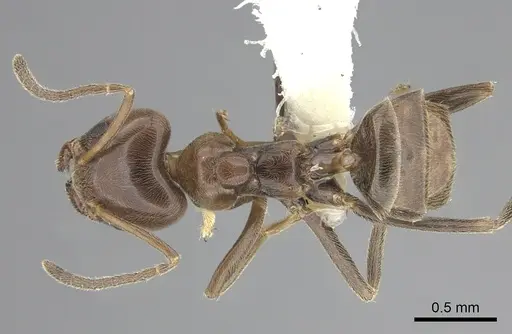
CASENT0649882
View on AntWeb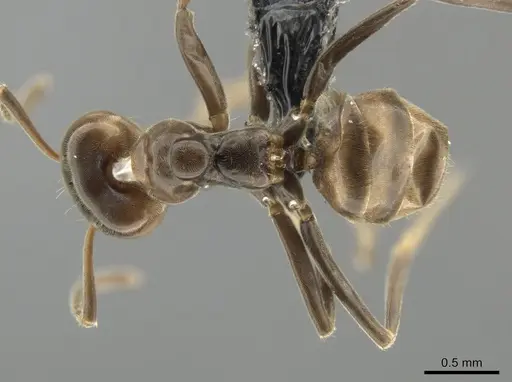
CASENT0886036
View on AntWeb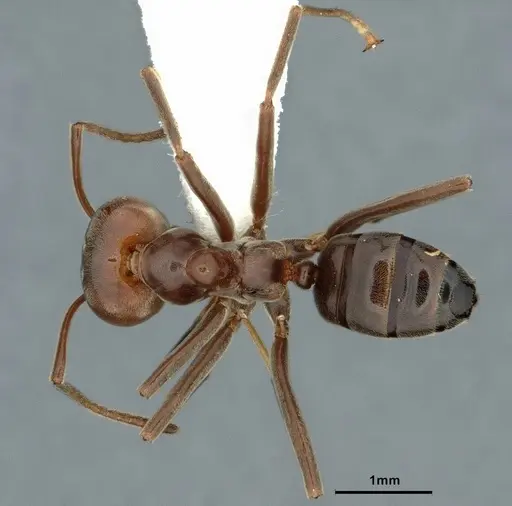
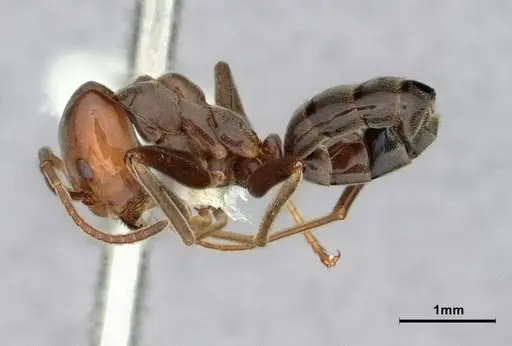
CASENT0903013
View on AntWeb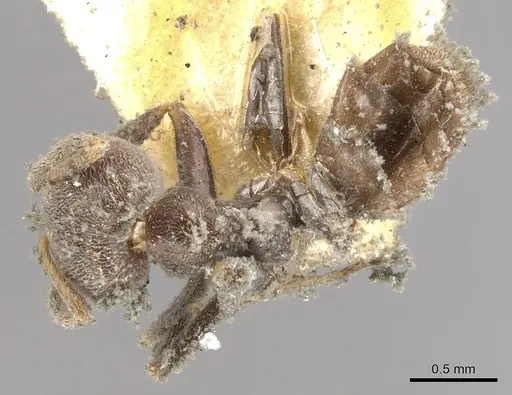
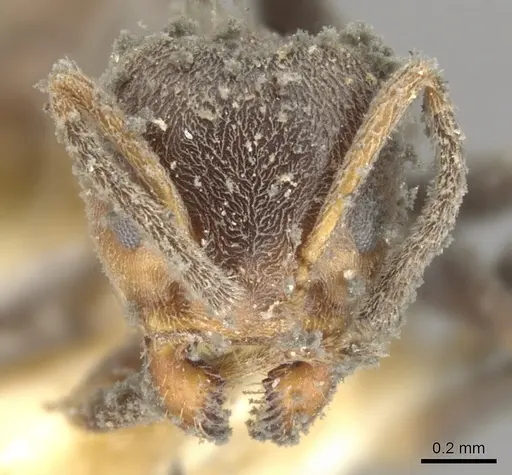
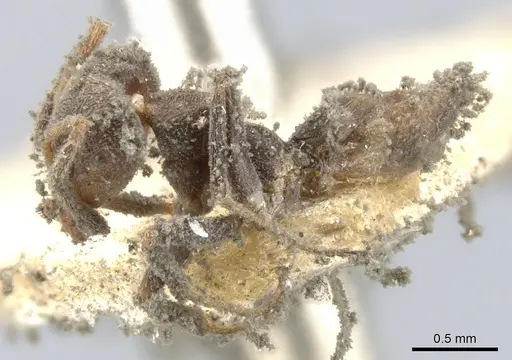
CASENT0905100
View on AntWeb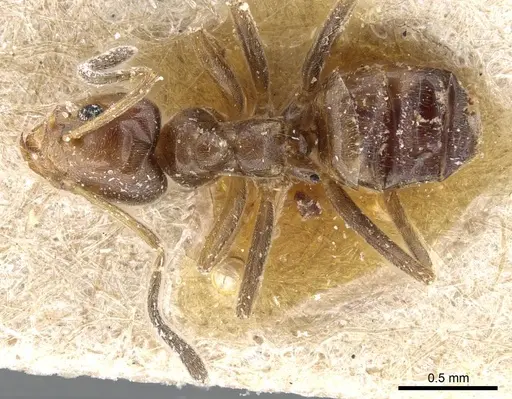
CASENT0909604
View on AntWeb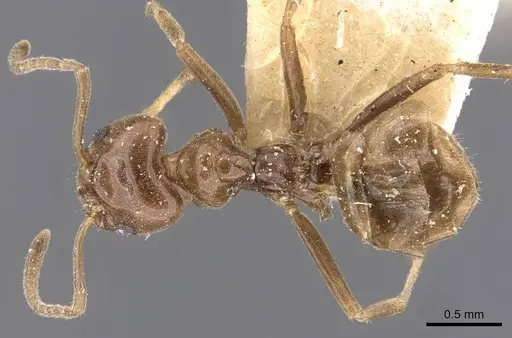
CASENT0909605
View on AntWeb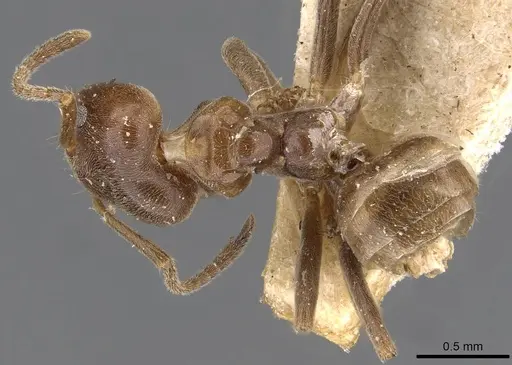
CASENT0909606
View on AntWeb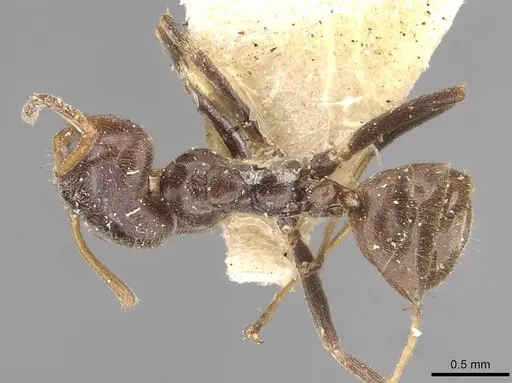
CASENT0909607
View on AntWeb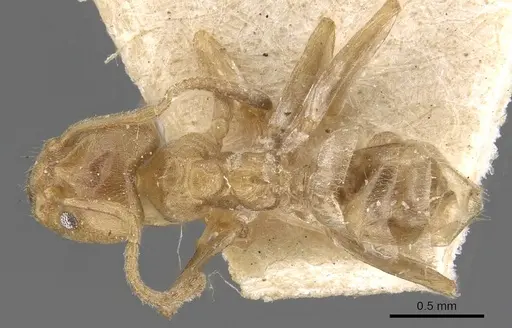
CASENT0909608
View on AntWeb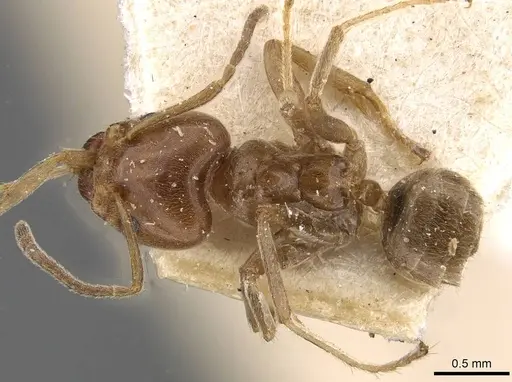
CASENT0909609
View on AntWeb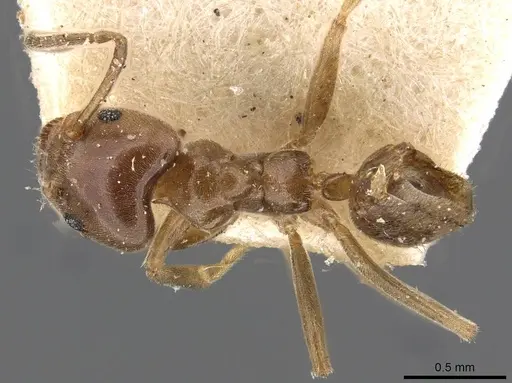
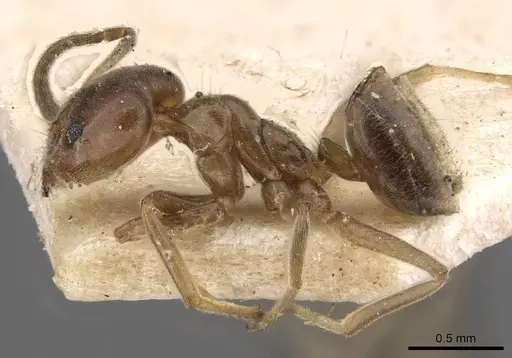
CASENT0909610
View on AntWeb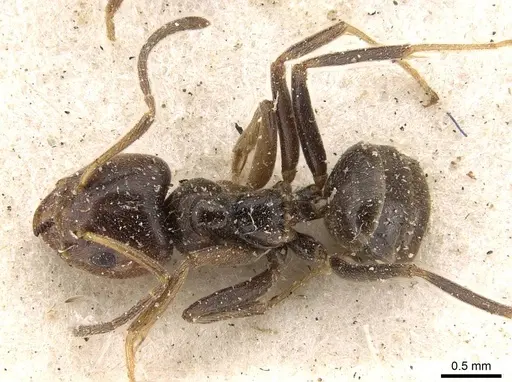
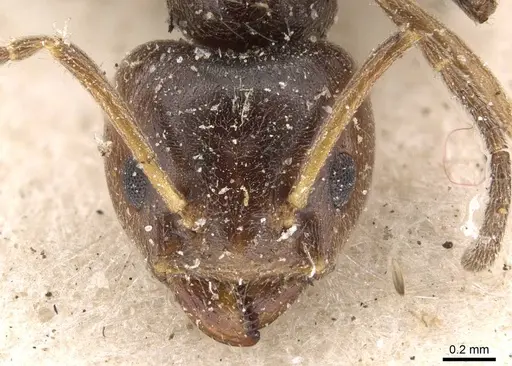
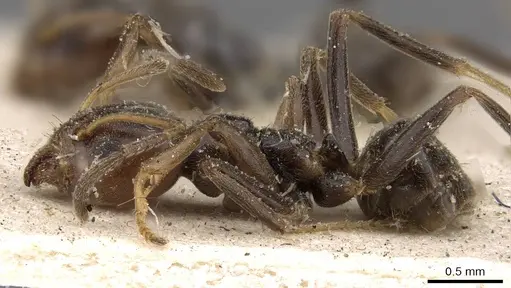
CASENT0909611
View on AntWeb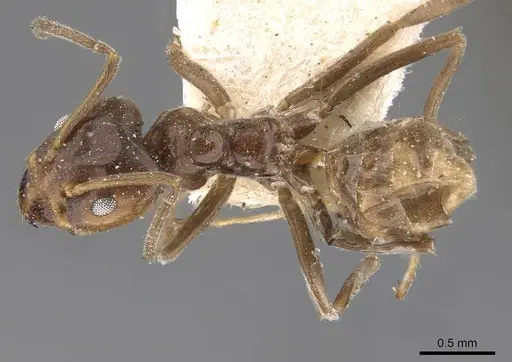
CASENT0917120
View on AntWeb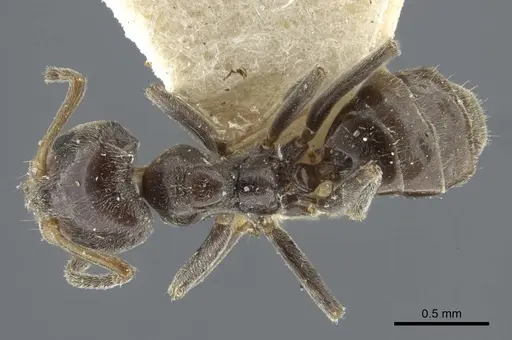
CASENT0917121
View on AntWeb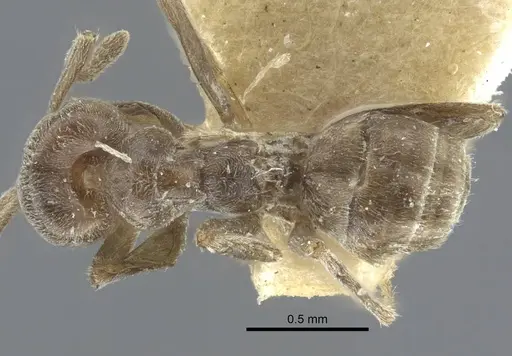
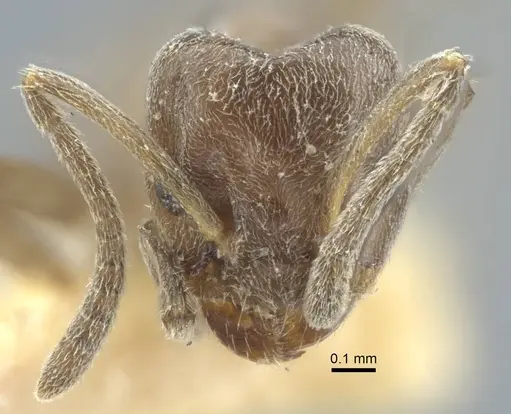
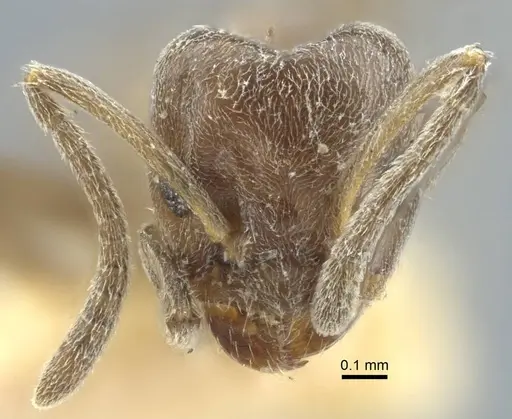
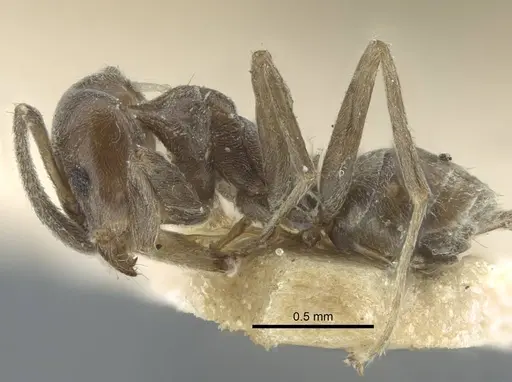
CASENT0917849
View on AntWeb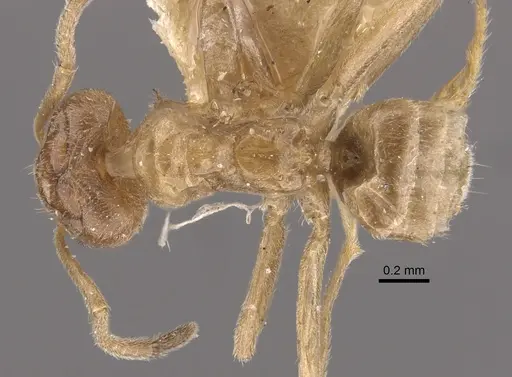
CASENT0922251
View on AntWeb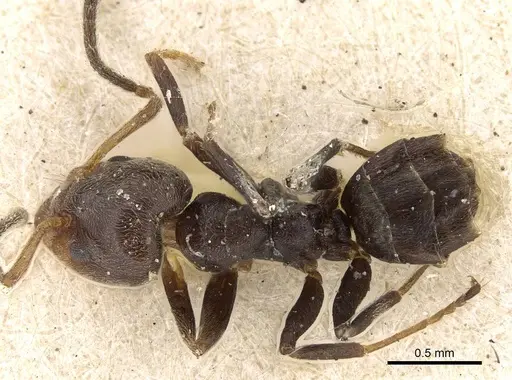
CBUMAGENT41839
View on AntWeb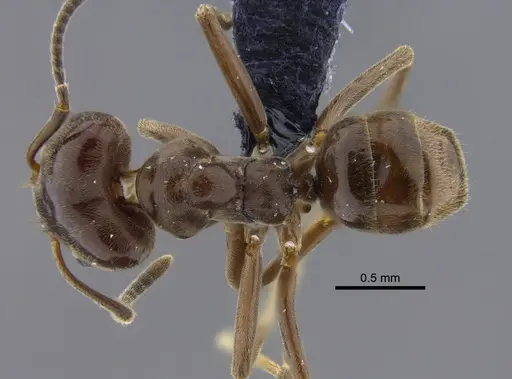
ECOFOG-MI15-0235-18
View on AntWeb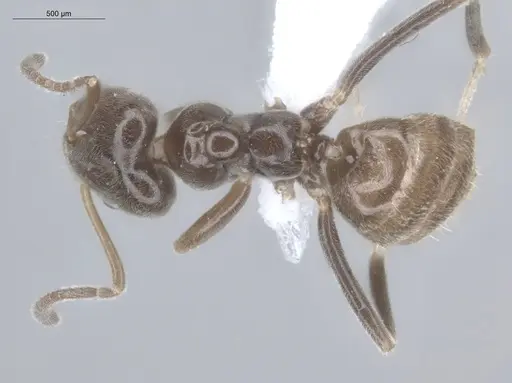
FOCOL0185-1
View on AntWeb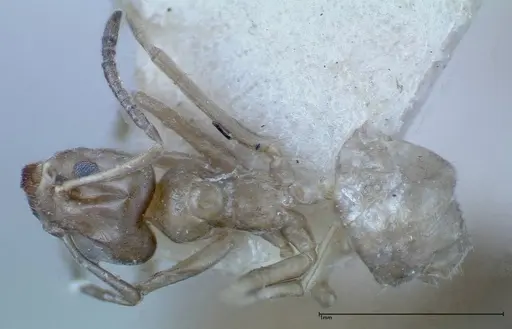
FOCOL0185-2
View on AntWeb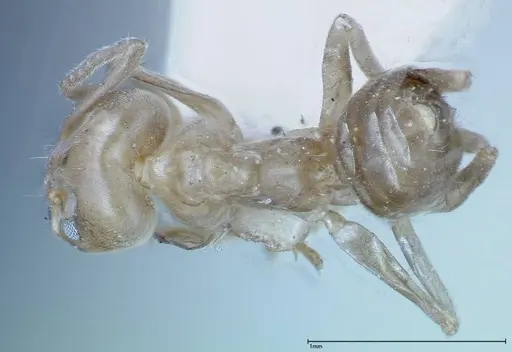
FOCOL0185-3
View on AntWeb
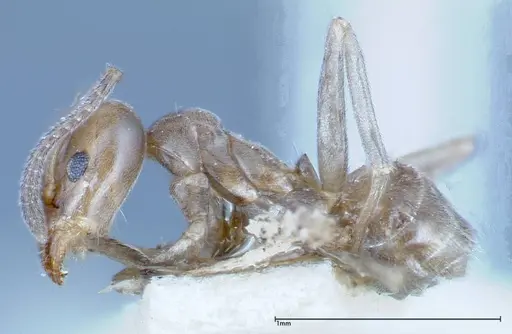
FOCOL0714-1
View on AntWeb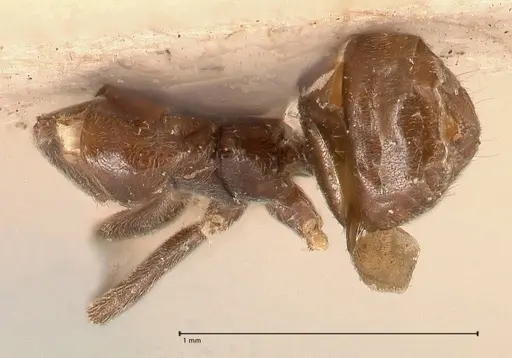
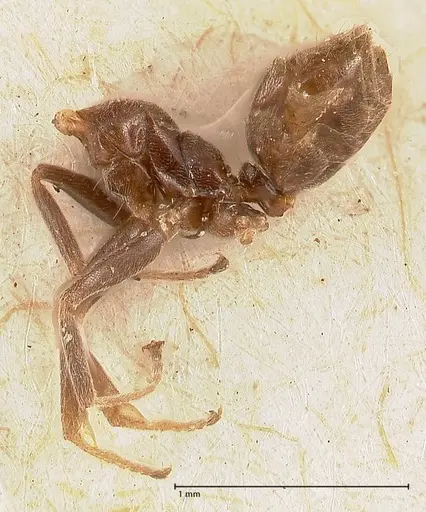
FOCOL0714-2
View on AntWeb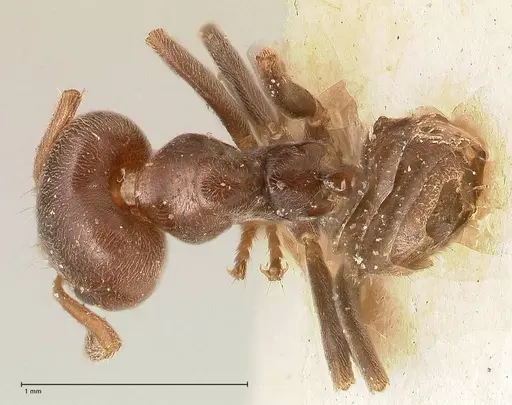
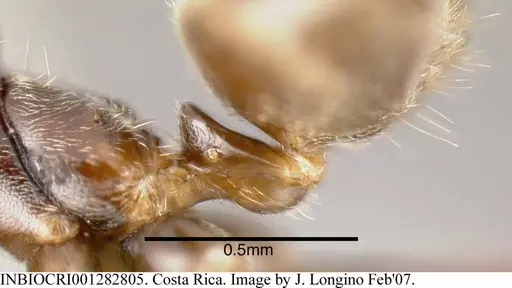
INBIOCRI001282805
View on AntWeb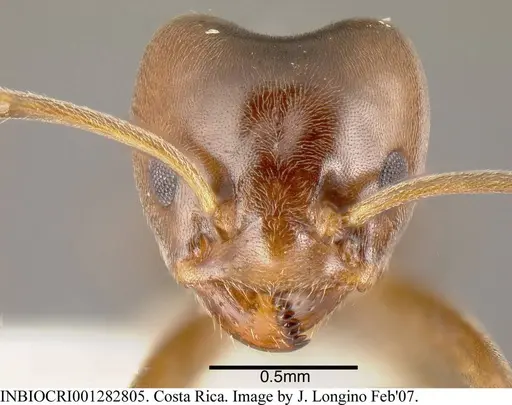
Literature
Loading distribution map...Loading products...