
Azteca aragua
- Sci. Name
- Azteca aragua
- Tribe
- Leptomyrmecini
- Subfamily
- Dolichoderinae
- Author
- Longino, 1991
- Distribution
- Found in 1 countries
Introduction
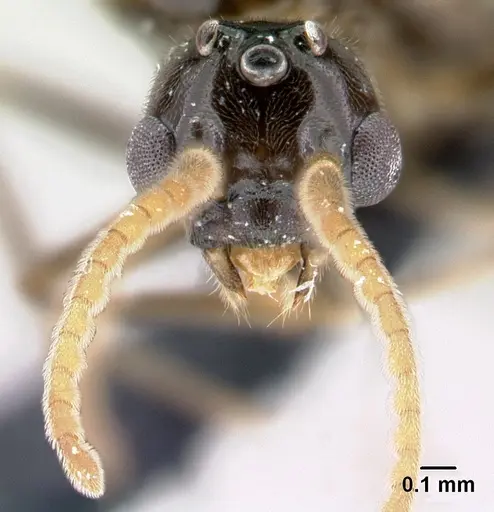
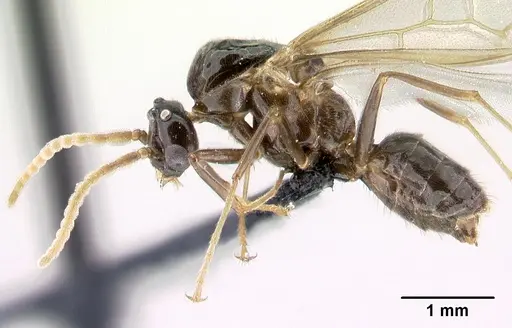
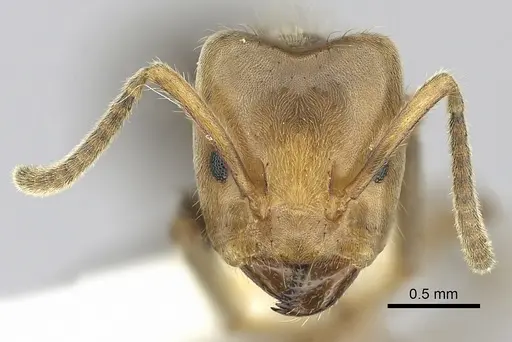
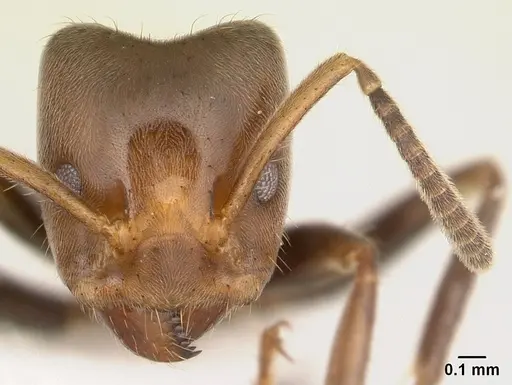
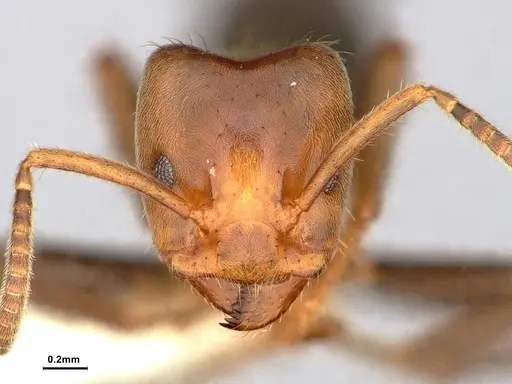
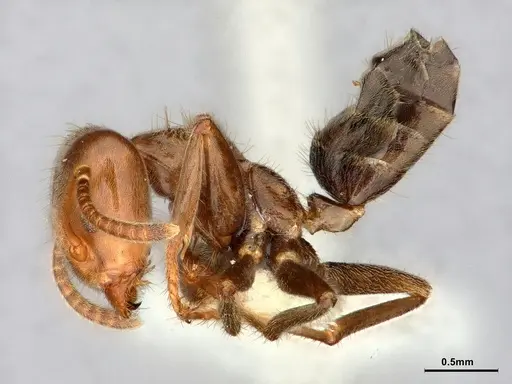
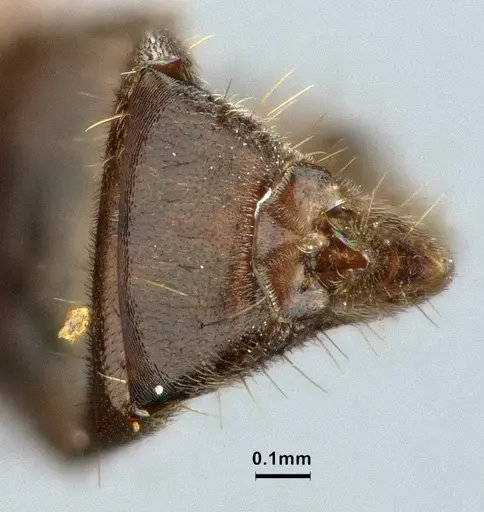
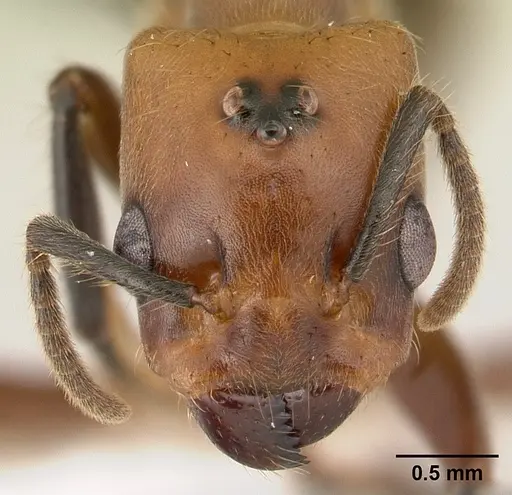
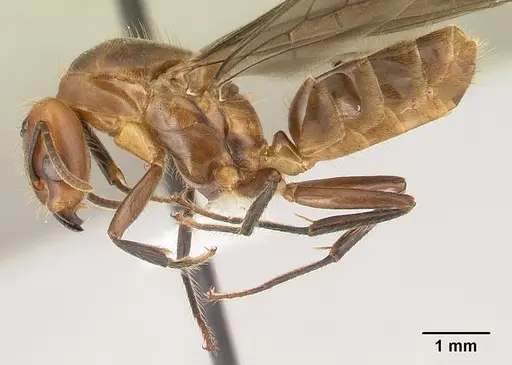
Azteca aragua is a Neotropical ant in the muelleri complex within the genus Azteca . Queens display distinctive mottled orange to pure orange coloration and have large subpyramidal petioles, while workers possess densely hairy tibiae . This species constructs central carton nests inside the hollow boles of Cecropia trees, living in an obligate mutualistic relationship with these fast-growing tropical plants . Unlike ground-nesting ants, Azteca aragua spends its entire lifecycle in the canopy, defending its host tree and harvesting resources from surrounding foliage. This arboreal lifestyle makes them challenging captives, as they require vertical space, high humidity, and specific plant associations to thrive.
Quick Summary
- Difficulty: Expert
- Origin & Habitat: Neotropical region (Central and South America), exclusively associated with Cecropia trees [1]
- Colony Type: Likely single-queen based on typical Azteca patterns, but unconfirmed for this species
- Size & Growth:
- Queen: Larger than workers with distinctive orange coloration, inferred from Azteca genus patterns
- Worker: Approximately 3-5mm, inferred from Azteca genus patterns
- Colony: Potentially thousands of workers, inferred from Azteca genus patterns
- Growth: Unknown
- Development: Approximately 6-10 weeks, inferred from related tropical Azteca species (Development time is unstudied for this species. Tropical conditions likely accelerate growth compared to temperate ants.)
- Antkeeping:
- Temperature: Maintain warm tropical conditions approximately 24-28°C based on Neotropical distribution. Avoid temperatures below 20°C.
- Humidity: High humidity required, tropical arboreal conditions roughly 70-80%. Nest substrate should remain moist but not waterlogged.
- Diapause: No, tropical species do not require hibernation
- Nesting: Arboreal carton nests in Cecropia tree boles [1]. In captivity, provide vertical space with branches and high humidity.
- Behavior: Extremely fast-moving, aggressive, and arboreal. Workers are excellent climbers with a strong tendency to explore upward and outward. Their small size combined with speed makes escape prevention critical. As a Dolichoderine ant, they lack a functional sting but can deliver sharp bites with their mandibles and secrete defensive compounds when threatened.
- Common Issues: extreme speed and climbing ability make escapes likely without perfect barriers and sealed lids., difficulty replicating the Cecropia tree symbiosis may cause colony stress or failure in captivity., unknown specific dietary requirements beyond general Azteca patterns of honeydew and insect predation., tropical humidity requirements can lead to mold issues if ventilation is inadequate.
The Cecropia Tree Relationship
Azteca aragua forms central carton nests within the hollow boles of Cecropia trees [1]. In nature, these ants live in an obligate mutualism with their host plants, the ants defend the Cecropia against herbivores and encroaching vines, while the tree provides hollow stems for nesting and food bodies (Müllerian bodies) for the ants.
This specialized relationship presents the biggest challenge for captive care. Unlike ants that nest in soil or rotting wood, Azteca aragua naturally lives inside living plants. While some keepers have had success housing Azteca species in artificial setups with plants, replicating the exact conditions of a Cecropia tree is difficult. The carton nest material mentioned in the original description suggests these ants construct their own nest walls inside the tree hollow, mixing plant fibers with ant secretions.
Housing and Arboreal Setup
Because Azteca aragua is strictly arboreal, you must provide vertical space rather than horizontal floor space. A tall enclosure with branches, cork bark, or living plants works better than a traditional flat formicarium. The nest area needs high humidity but also ventilation to prevent mold.
If attempting to house these ants without Cecropia, provide multiple hiding spots and climbing surfaces. However, be aware that colonies may fail to thrive without their natural host plant. Some keepers suggest using other hollow-stemmed plants as substitutes, though success rates are unreported for this specific species.
Temperature and Humidity
As a tropical species from the Neotropical region, Azteca aragua requires warm, stable temperatures. Aim for roughly 24-28°C year-round. Unlike temperate ants, they do not need a cooling period or diapause, in fact, chilling them may harm the colony.
Humidity should remain high, around 70-80%, mimicking the moist interior of tropical trees. However, stagnant air causes mold, so ensure your setup has gentle ventilation while maintaining moisture. Mist the enclosure regularly if using an open arboreal setup, or ensure water reservoirs in a closed nest keep the humidity elevated.
Feeding and Diet
While specific dietary studies for Azteca aragua are unavailable, Azteca ants generally consume honeydew from scale insects and mealybugs, along with insect prey brought back to the nest. In captivity, offer sugar water or honey water in small quantities to prevent drowning, along with small live insects like fruit flies, springtails, or tiny crickets.
These ants may also tend aphids or scale insects on plants in their enclosure, which provides natural honeydew. Ensure any live plants used are not treated with pesticides.
Behavior and Escape Prevention
Azteca aragua workers are extremely fast and agile climbers. Combined with their small size, this makes them expert escape artists. You must use excellent escape prevention including tight-fitting mesh lids, Fluon or PTFE barriers on all vertical surfaces, and regular checks for gaps.
These ants are typically aggressive and will readily bite when disturbed. They do not possess a stinger (typical for the Dolichoderinae subfamily), but their mandibles can deliver a sharp pinch. They may also secrete defensive compounds from their abdomen when threatened. Their fast movements and defensive nature make them interesting to observe but challenging to handle.
Frequently Asked Questions
Can I keep Azteca aragua without a Cecropia tree?
Possibly, but challenging. Azteca aragua naturally lives inside Cecropia trees and forms carton nests in the hollow boles [1]. While some keepers house related Azteca species in planted terrariums with other plants, the specific symbiotic relationship with Cecropia may be difficult to replicate. Success without the natural host plant is unconfirmed for this species.
How do I found an Azteca aragua colony?
Founding behavior is unconfirmed for Azteca aragua. Most Azteca queens found colonies by entering young Cecropia saplings and sealing themselves inside. If you obtain a queen, provide a setup with small plant stems or tubes that mimic tree hollows, keep conditions humid and warm (24-28°C), and offer honey water. However, founding success rates in artificial setups are typically low for this genus.
Are Azteca aragua good for beginners?
No. Azteca aragua requires expert-level care due to their specialized arboreal nesting requirements, extremely fast movement, small size making escapes likely, and likely dependence on specific plant relationships. Beginners should start with easier species like Lasius niger or Camponotus.
How big do Azteca aragua colonies get?
Colony size is unknown for Azteca aragua specifically. Other Azteca species can reach thousands of workers, but without specific data, assume they grow large enough to fill a tree hollow. In captivity, growth may be limited by space and food availability.
What temperature do Azteca aragua need?
Exact temperature requirements are unstudied, but as a tropical species, maintain warm conditions approximately 24-28°C. They do not tolerate cold and do not require hibernation.
How do I prevent Azteca aragua from escaping?
Use extreme escape prevention measures. Apply Fluon or PTFE barrier to the upper walls of the enclosure, use fine mesh lids with no gaps, and ensure all ventilation holes are smaller than the workers. Check seals regularly as these fast climbers will exploit any weakness.
How long until Azteca aragua gets its first workers?
Development time from egg to first workers is unknown for Azteca aragua. Based on related tropical Azteca species, expect roughly 6-10 weeks at optimal temperatures (24-28°C), but this is an estimate.
Report an Issue
The current care sheet is based fully on literature. See inconsistencies, or something that's incorrect? Please , it will be resolved after review from an admin. Contributing to the blogs tab also helps providing information, to make us be able to further improve the caresheets. Thank you for your support!
References

This caresheet is licensed under CC BY-SA 4.0 .
Community Blogs
CASENT0188845
View on AntWeb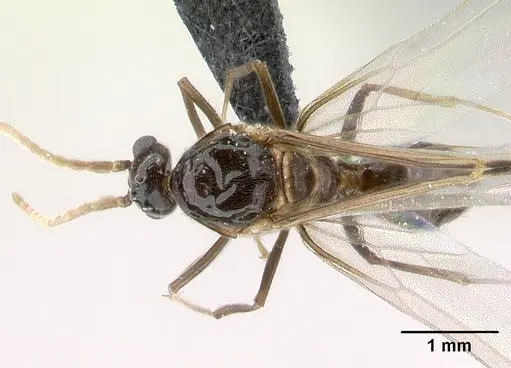
CASENT0249531
View on AntWeb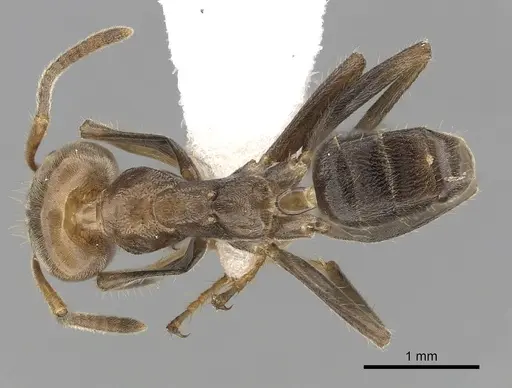
CASENT0610338
View on AntWeb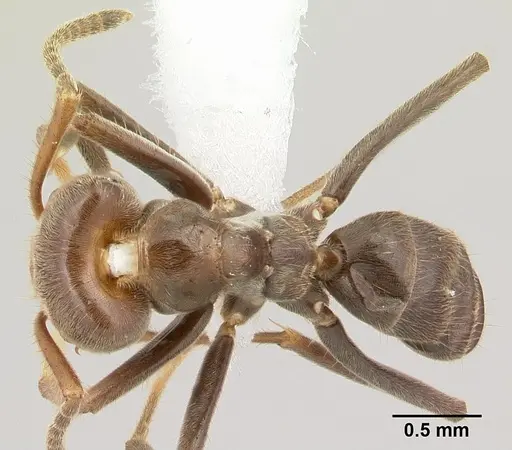
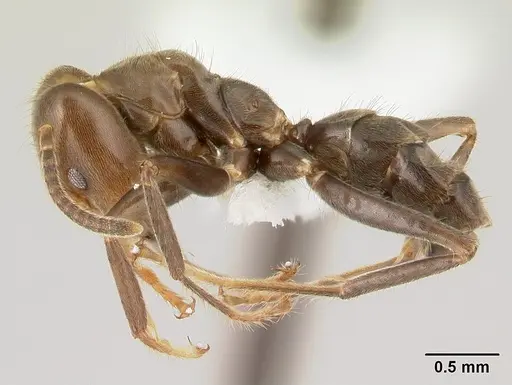
CASENT0610339
View on AntWeb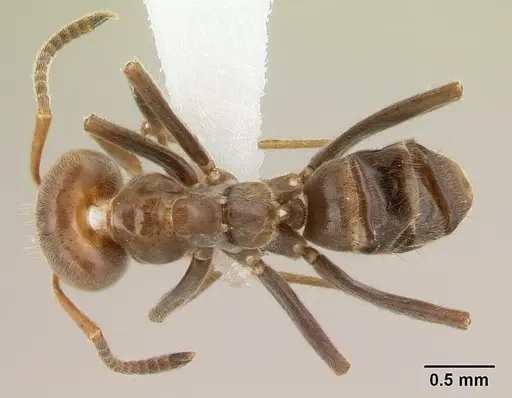
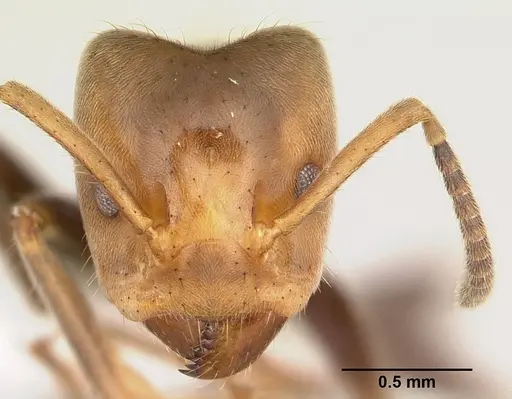
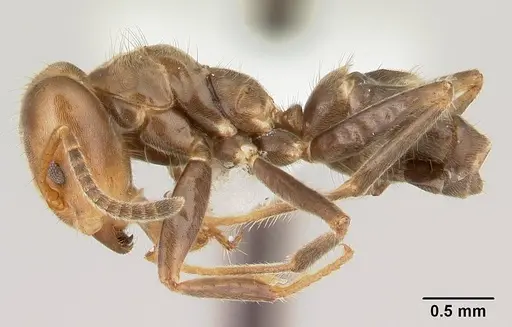
CASENT0886026
View on AntWeb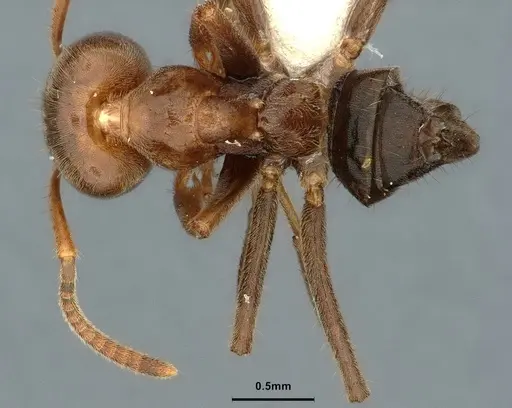
JTLC000015041
View on AntWeb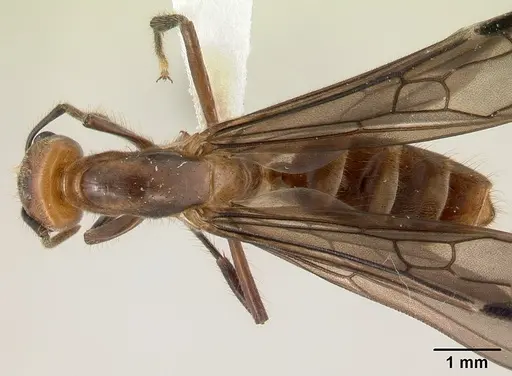
Literature
Loading distribution map...Loading products...