
Azteca angusticeps
- Sci. Name
- Azteca angusticeps
- Tribe
- Leptomyrmecini
- Subfamily
- Dolichoderinae
- Author
- Emery, 1893
- Distribution
- Found in 1 countries
Introduction
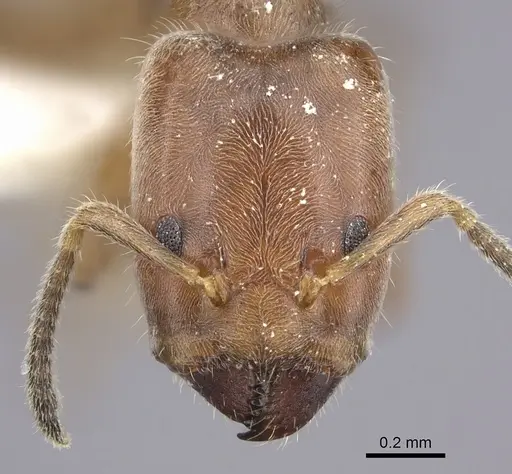
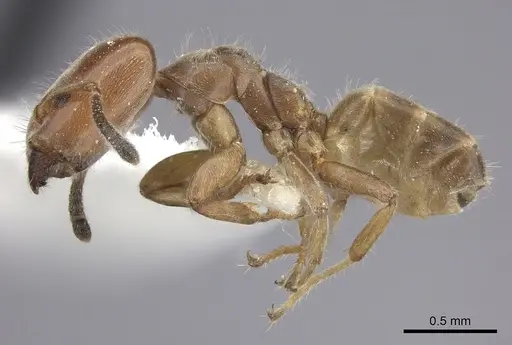
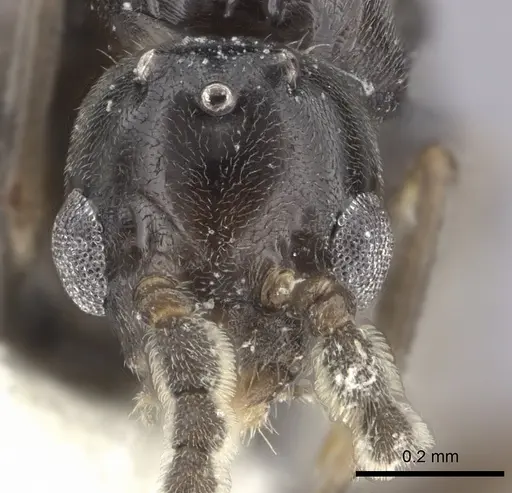
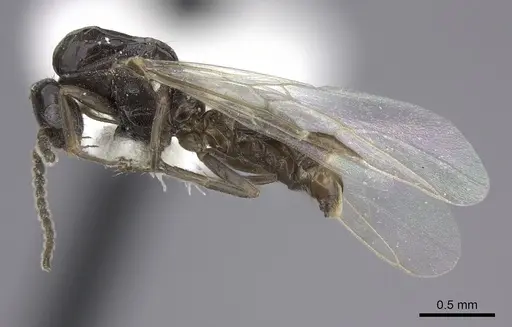
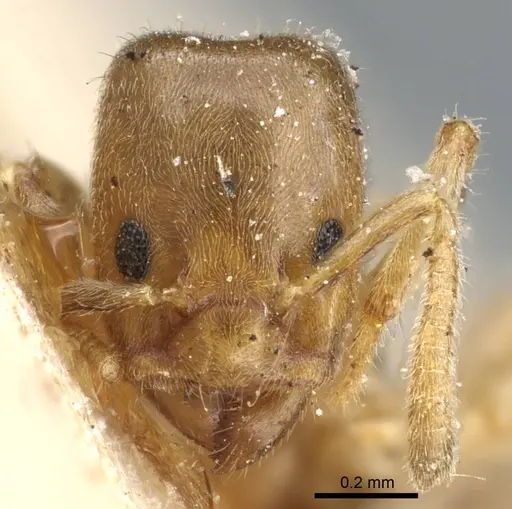
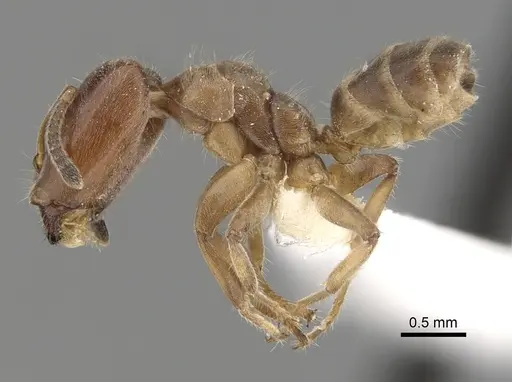
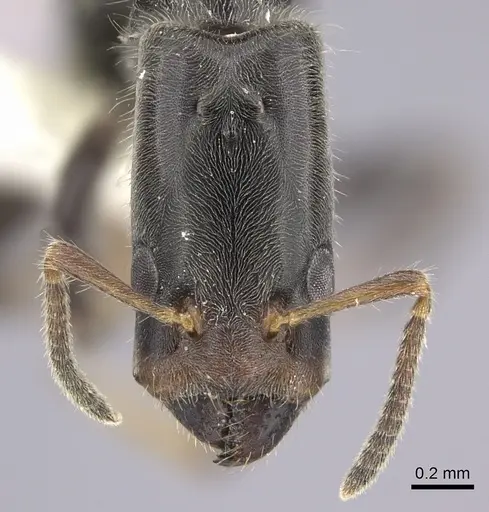
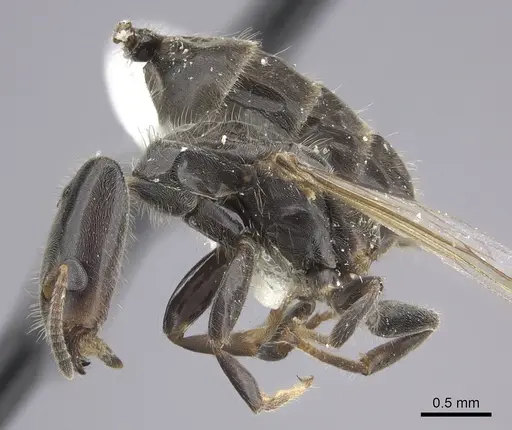
Azteca angusticeps are tiny Amazonian ants with a distinctive elongated head shape. Workers measure about 2-2.5 mm in total length and have dark brown bodies . Queens reach approximately 4 mm (mesosoma measurement only; full size unknown) and share the same remarkably long, narrow head . These ants nest inside the hollow stems of Duroia petiolaris, a myrmecophyte (ant plant) in the coffee family native to the Amazon Basin . Their range includes Amazonas and Pará states in Brazil , with additional records from Mexico and Trinidad and Tobago [AntWiki]. Their extremely small size and specialized plant-dwelling lifestyle make them a challenging species for antkeeping.
Quick Summary
- Difficulty: Hard
- Origin & Habitat: Amazon Basin in Brazil (Amazonas, Pará), Mexico, and Trinidad and Tobago, found in tropical rainforest habitats within hollow stems of Duroia petiolaris [1][2][3]
- Colony Type: Colony structure unconfirmed, no detailed documentation exists
- Size & Growth:
- Queen: ~4 mm (mesosoma only, full size unknown) [1]
- Worker: 2-2.5 mm [1]
- Colony: Unknown, no colony size data available
- Growth: Unknown, no development studies for this species
- Development: Unconfirmed (No specific data available. Tropical Dolichoderinae typically develop faster than temperate species, but exact timelines are unstudied for this species.)
- Antkeeping:
- Temperature: Warm conditions around 25-28°C recommended based on Amazonian habitat [1]. Provide a thermal gradient using a heating cable on one side of the nest.
- Humidity: High humidity 70-80%. Keep nest substrate consistently damp but not waterlogged, they naturally inhabit humid rainforest stem cavities [1].
- Diapause: No, tropical species does not require winter diapause
- Nesting: Narrow cavities simulating plant stems. In nature they inhabit Duroia petiolaris stem cavities [1]. Use Y-tong nests with small chambers, plaster nests with tight cavities, or naturalistic setups with hollow twigs/bamboo.
- Behavior: Fast-moving and arboreal. Lacks a functional sting, defends using chemical secretions from a slit-like opening at the tip of the abdomen (smear defense) [3]. At only 2-2.5 mm, they are expert escape artists and require fine mesh barriers.
- Common Issues: escape prevention is critical, at 2-2.5 mm they squeeze through gaps invisible to the naked eye and require fine mesh barriers., desiccation kills quickly, their tiny bodies lose moisture rapidly if humidity drops below tropical rainforest levels., replicating natural plant-cavity conditions is difficult, they may stress in open spaces or standard test tubes without narrow cavities., overfeeding causes mold outbreaks in the high humidity they require., handling stress, their small size makes them vulnerable to damage from even gentle disturbance.
Nest Preferences and Plant Associations
In nature, Azteca angusticeps lives inside the hollow stems of Duroia petiolaris, a myrmecophytic plant in the coffee family [1]. This specialized relationship means they naturally inhabit narrow, humid cavities with limited space. For captive care, replicate these tight conditions using Y-tong nests with very narrow chambers (2-3 mm height), plaster nests with small cavities, or naturalistic setups containing hollow twigs or bamboo sections. Avoid tall, open spaces where these tiny ants may feel exposed. The nest material should hold moisture well to maintain the damp conditions of their rainforest home.
Temperature and Care
As an Amazonian species, Azteca angusticeps needs warm, stable temperatures. A range of 25-28°C is recommended based on their tropical habitat [1]. You can achieve this with a heating mat or cable placed on one side of the nest to create a thermal gradient. Watch the colony's behavior: if workers cluster on the warm side, increase heat slightly, if they avoid it, reduce the temperature. Because they are tropical, they do not require hibernation (diapause) and should be kept active year-round. However, their extremely small size means they dehydrate rapidly if the nest gets too warm or dry, so always prioritize humidity over higher temperatures.
Feeding and Diet
Specific dietary studies are lacking for Azteca angusticeps, but Azteca ants are generally generalist foragers that collect honeydew from sap-sucking insects and hunt small prey. Offer sugar water or honey water in small drops (to prevent drowning), and provide tiny live prey such as fruit flies, springtails, or very small cricket nymphs chopped to appropriate size. Because the workers are only 2-2.5 mm, prey must be small enough for them to handle. Remove uneaten food promptly to prevent mold in their humid enclosure.
Behavior and Temperament
These ants are fast, active, and arboreal (tree-dwelling). Like other Dolichoderinae, they lack stingers and instead defend themselves using chemical secretions from a slit-like opening at the tip of the abdomen [3]. They are not typically aggressive toward keepers but will move quickly when disturbed. Their most challenging behavioral trait is their escape artistry. At just 2-2.5 mm, workers can squeeze through incredibly small gaps. You must use fine mesh (steel or fiberglass) with holes smaller than 0.5 mm for ventilation, and apply Fluon or talcum powder barriers to the outworld walls to prevent climbing.
Colony Founding
The founding behavior of Azteca angusticeps has not been directly observed in scientific studies. If you obtain a founding queen, house her in a small, humid cavity with minimal disturbance. Do not attempt to feed her during founding unless she shows signs of foraging, which would indicate semi-claustral behavior instead.
Frequently Asked Questions
Can I keep Azteca angusticeps in a test tube?
Standard test tubes may be too large and open for these tiny ants. Use small diameter test tubes (10 mm or less) or modify regular ones by inserting a narrow straw or cotton plug to create a smaller chamber that mimics their natural plant-cavity nests.
How long until first workers for Azteca angusticeps?
The egg-to-worker timeline is unconfirmed for this species. No specific development data exists.
Do Azteca angusticeps need hibernation?
No. They are a tropical Amazonian species and do not require diapause or winter rest. Keep them active year-round at stable warm temperatures.
Are Azteca angusticeps good for beginners?
No. Their extremely small size (2-2.5 mm workers) makes them challenging to contain and observe, and their specialized humidity and nesting requirements demand experienced care.
Can I keep multiple Azteca angusticeps queens together?
Combining unrelated queens is not recommended. The natural colony structure of this species is unknown, and attempting pleometrosis (multiple queens founding together) risks fighting and colony failure.
What do Azteca angusticeps eat?
They likely accept sugar water or honey water, and small live prey such as fruit flies, springtails, or tiny insect pieces. Prey must be small enough for their 2-2.5 mm workers to handle.
How do I prevent escapes with Azteca angusticeps?
Use ventilation mesh with holes smaller than 0.5 mm, apply Fluon or talcum powder barriers to outworld walls, and ensure all lid seals are tight. At 2-2.5 mm, they can escape through gaps you cannot easily see.
Why are my Azteca angusticeps dying?
The most common causes are desiccation (humidity too low), escape-related stress, or mold from overfeeding in humid conditions. Ensure the nest stays damp and warm, and remove uneaten food quickly.
Report an Issue
The current care sheet is based fully on literature. See inconsistencies, or something that's incorrect? Please , it will be resolved after review from an admin. Contributing to the blogs tab also helps providing information, to make us be able to further improve the caresheets. Thank you for your support!
References

This caresheet is licensed under CC BY-SA 4.0 .
Community Blogs
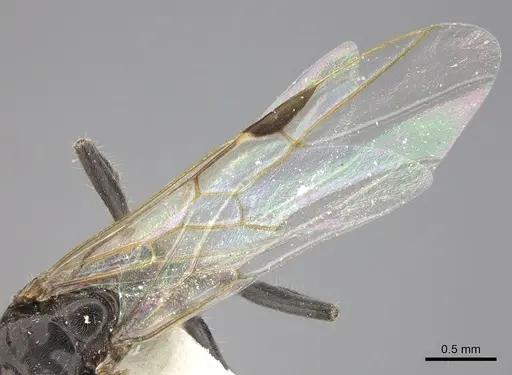
CASENT0619153
View on AntWeb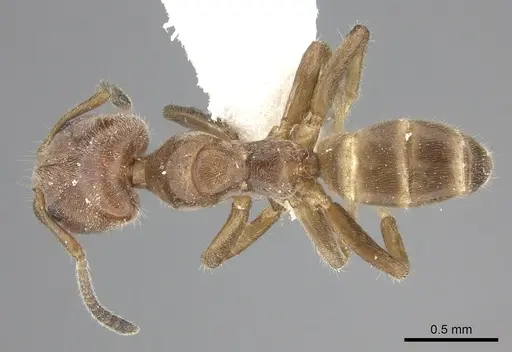
CASENT0619154
View on AntWeb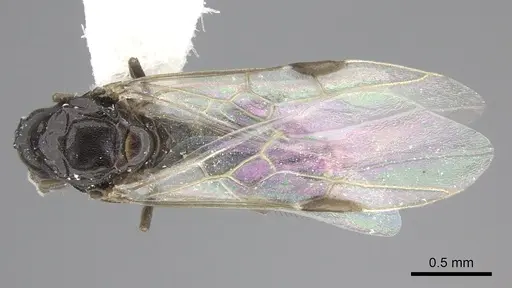
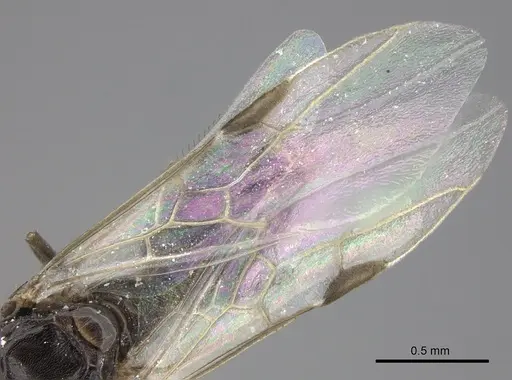
CASENT0905101
View on AntWeb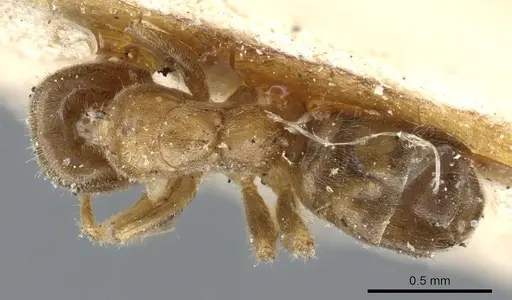
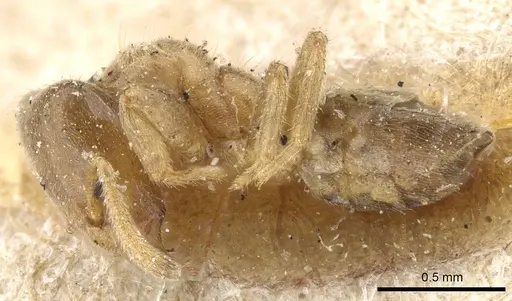
JTLC000008466
View on AntWeb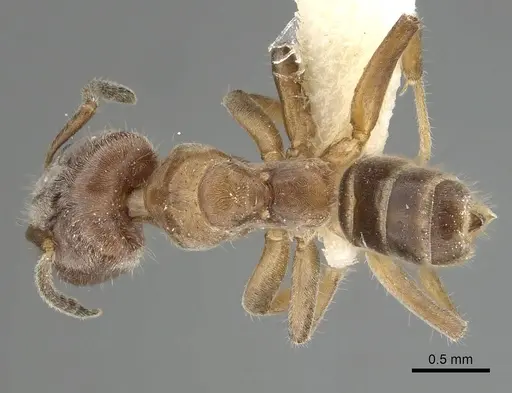
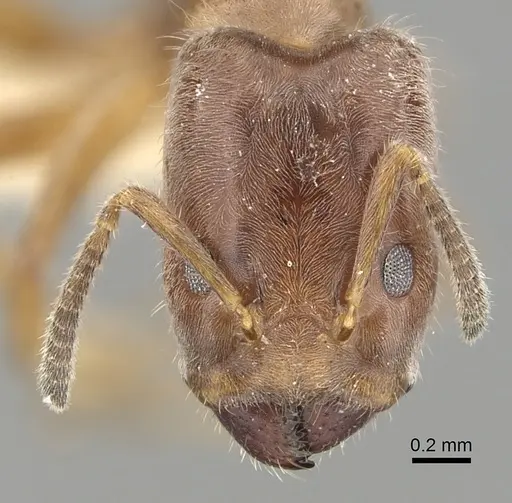
JTLC000009515
View on AntWeb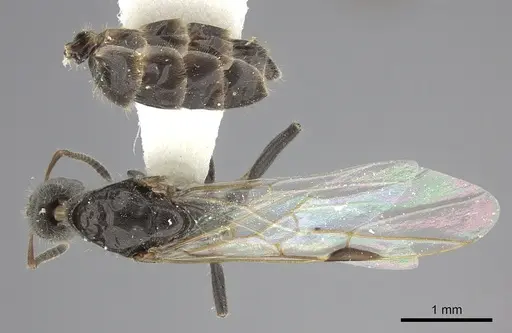
Literature
Loading distribution map...Loading products...