
Twotone Tree Ant
Atopomyrmex mocquerysi
- Sci. Name
- Atopomyrmex mocquerysi
- Tribe
- Crematogastrini
- Subfamily
- Myrmicinae
- Author
- André, 1889
- Common Name
- Twotone Tree Ant
- Distribution
- Found in 13 countries
Introduction
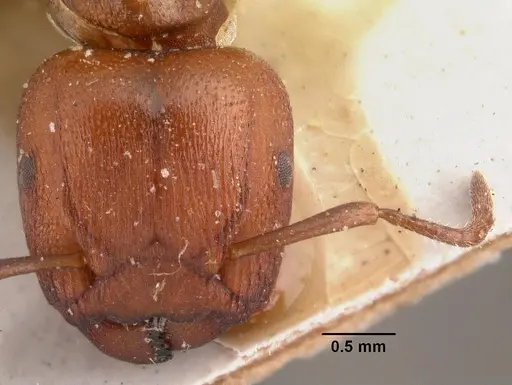
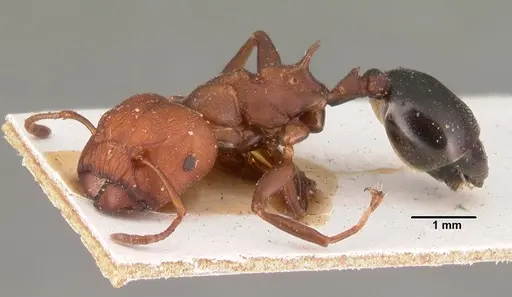
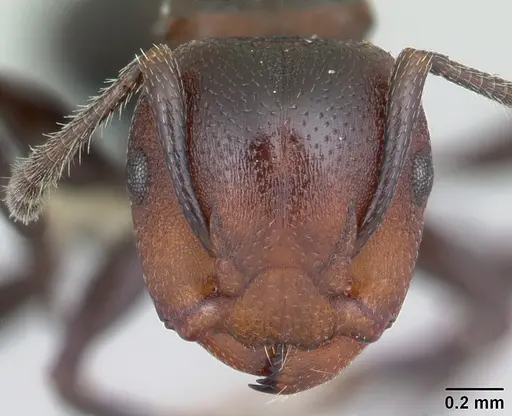
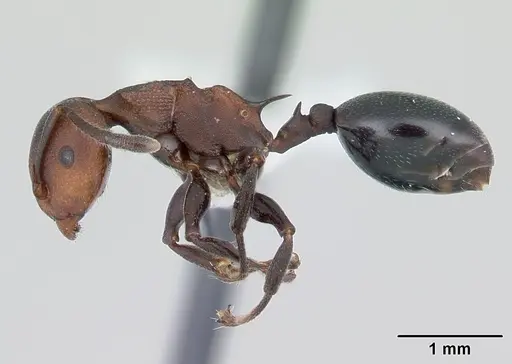
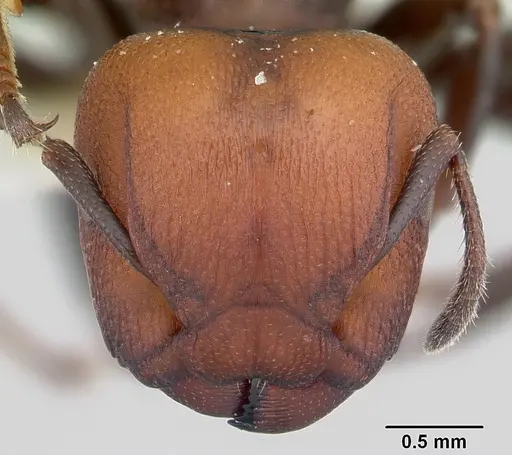
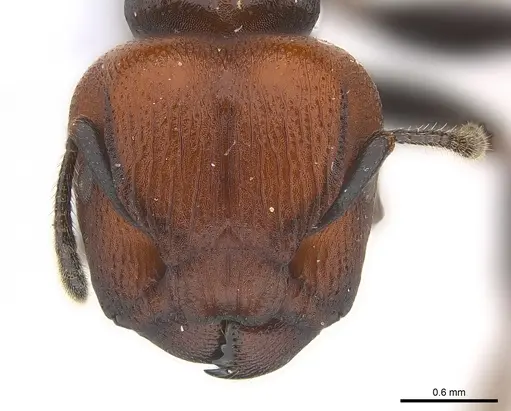
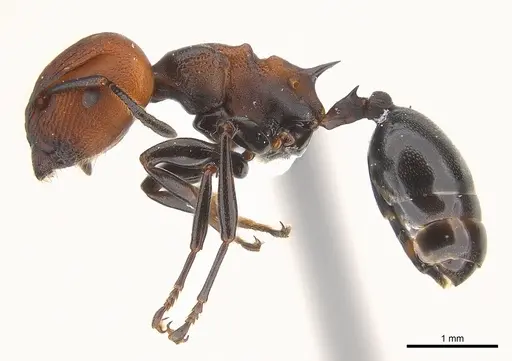
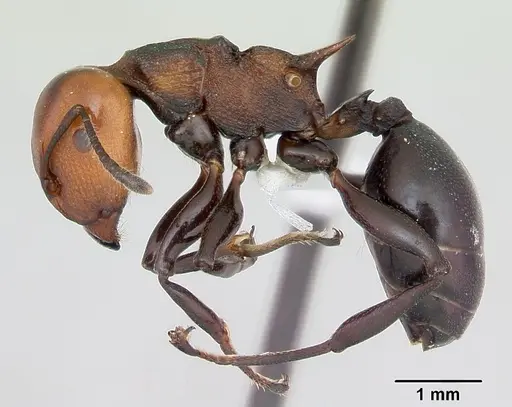
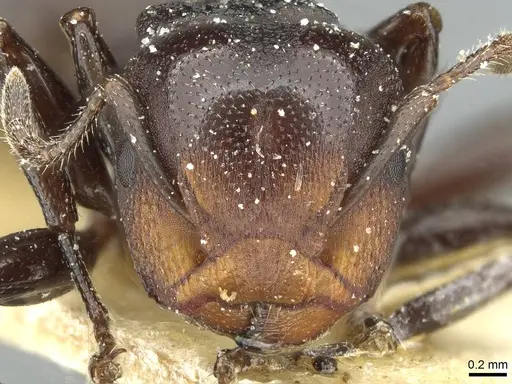
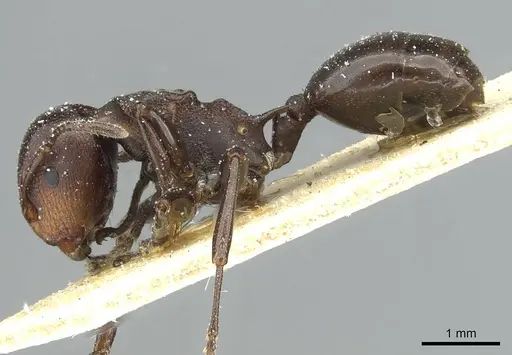
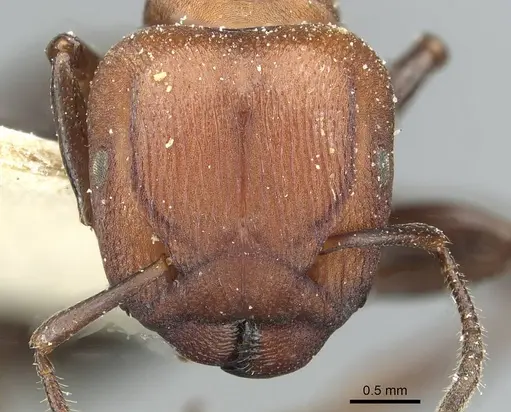
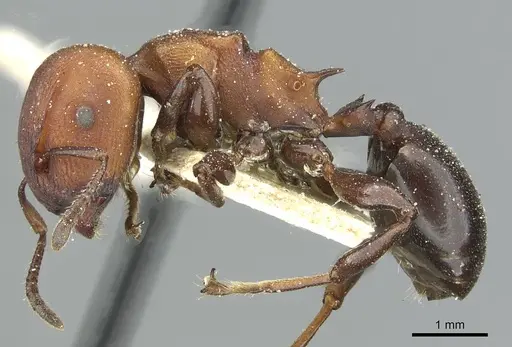
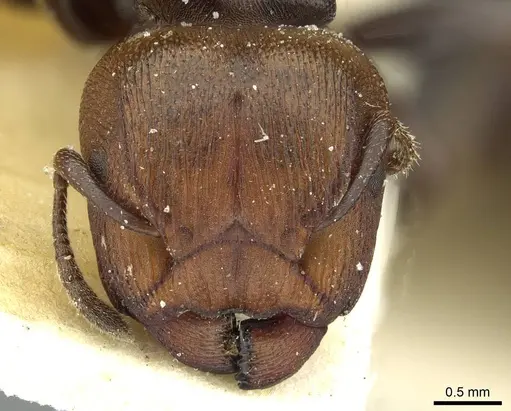
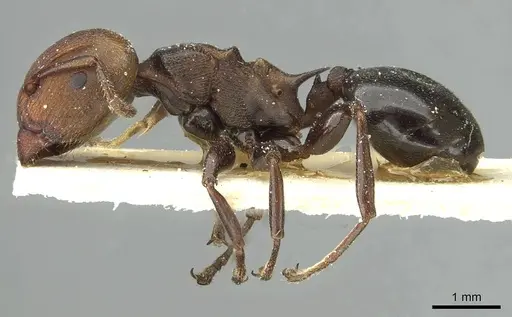
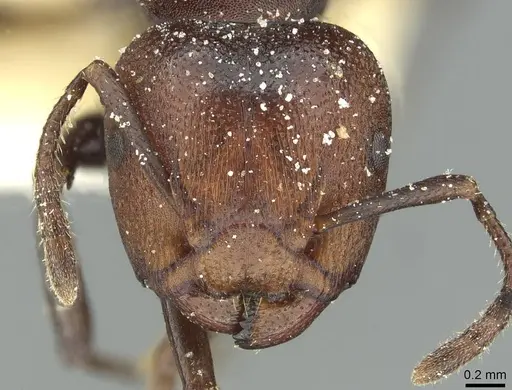
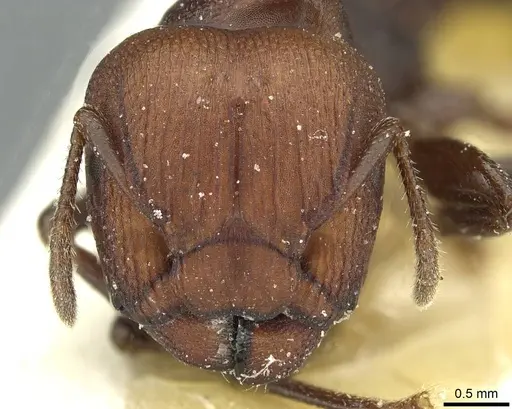
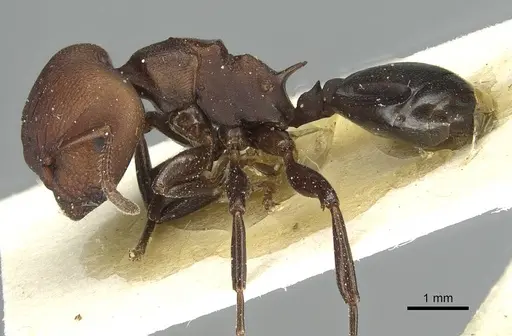
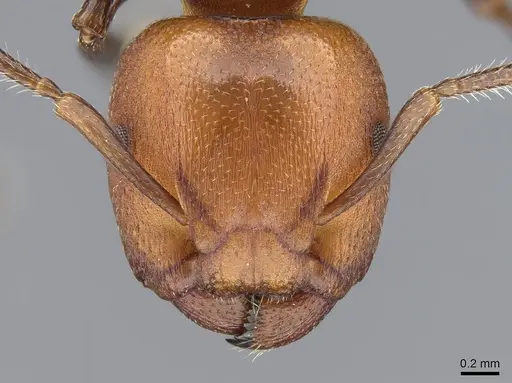
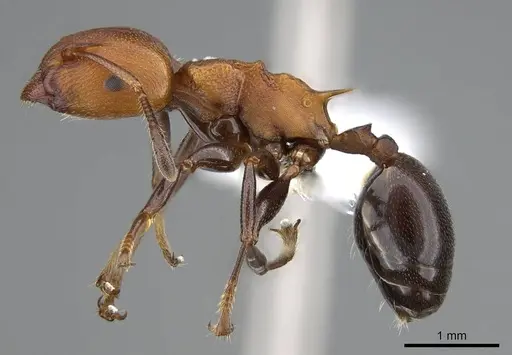
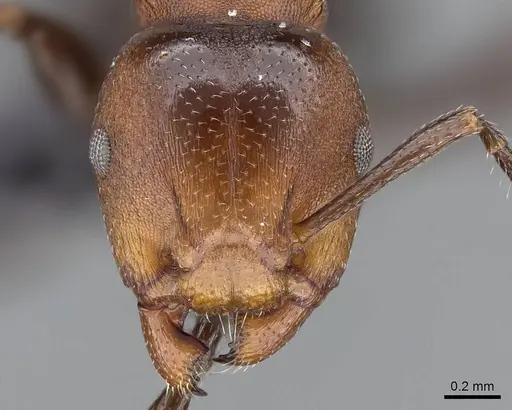
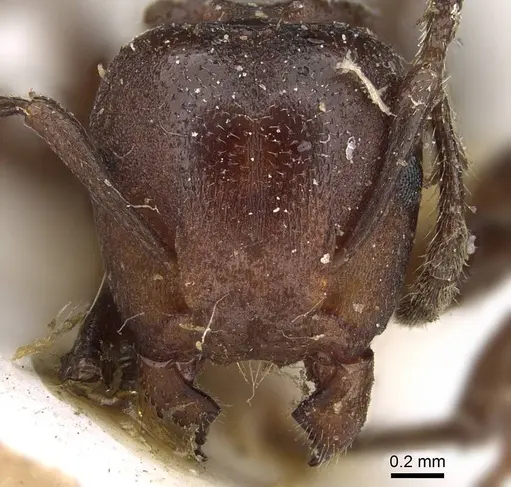
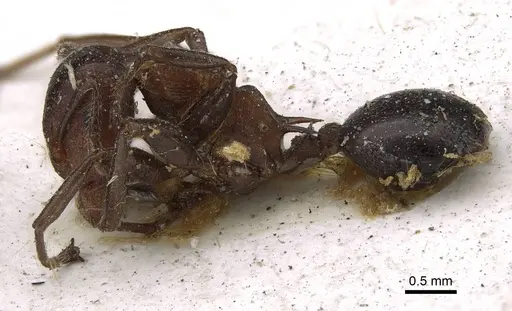
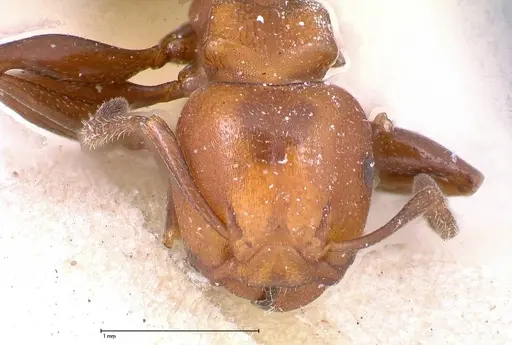
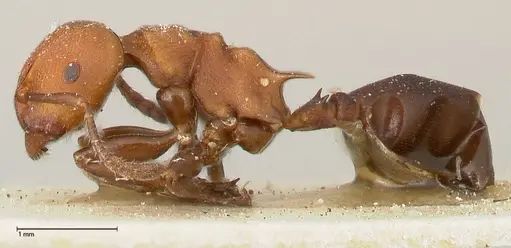
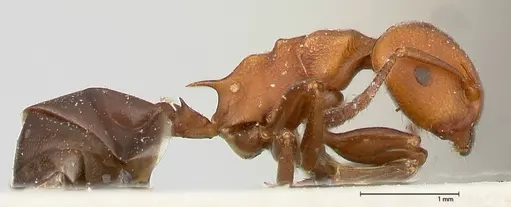
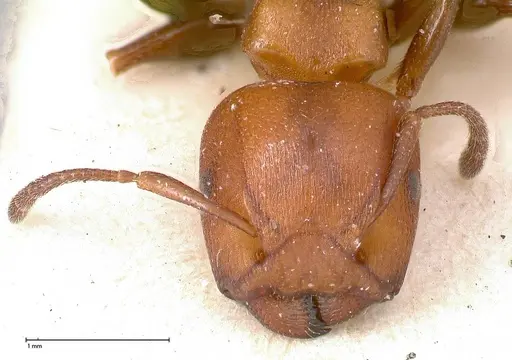
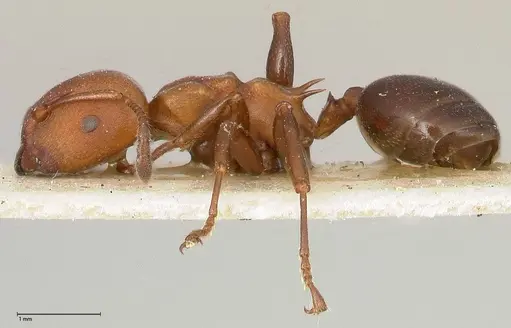
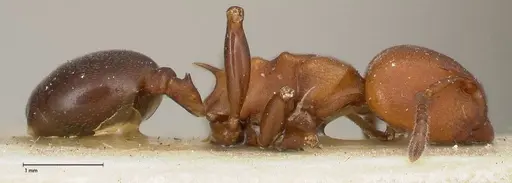
Atopomyrmex mocquerysi are highly polymorphic arboreal ants native to sub-Saharan Africa, ranging from Senegal to Kenya and south to South Africa [AntWiki]. Workers measure 4.0-8.7mm in total length, with continuous size variation from tiny minors to large majors [AntWiki]. Unlike ground-nesting species, they excavate networks of parallel galleries directly into the living wood of standing trees, frequently causing the ends of occupied branches to dry out and die back . What makes them unusual is their sophisticated cooperative hunting and enormous colony size. A seven-year-old nest can house over 60,000 adult workers and 25,000 larvae . They do not sting - instead relying on teamwork and powerful leg grips to subdue prey, with major workers using specialized horn-shaped claws to spread-eagle large insects while nestmates dismember them . When disturbed, they exude a whitish secretion from the anal glands as a defensive response [AntWiki].
Quick Summary
- Difficulty: Expert
- Origin & Habitat: Sub-Saharan Africa including Senegal, Cameroon, Kenya, and South Africa [1][4]. Found in woody savannahs, secondary forest canopy, and forest edges, rarely in old-growth forest interiors [2][3].
- Colony Type: Colony type unconfirmed. Colonies reach 60,000+ workers, suggesting either single-queen colonies with massive output or multiple-queen systems [2].
- Size & Growth:
- Queen: Size data unavailable, queen measurements not documented in available research.
- Worker: 4.0-8.7 mm (highly polymorphic with continuous size variation) [1].
- Colony: Up to 60,000+ adult workers [2].
- Growth: Fast, colonies reach tens of thousands within 7 years [2].
- Development: Unknown, development timeline unconfirmed for this species. (As a tropical species, development likely proceeds rapidly at warm temperatures.)
- Antkeeping:
- Temperature: Keep warm and stable around 24-28°C. Foraging activity increases with temperature, so provide a gentle gradient [2].
- Humidity: Moderate to high humidity (60-80%). Nest wood should feel damp but not waterlogged, these ants inhabit living wood which retains moisture [2].
- Diapause: No, this is a tropical species active year-round, though foraging decreases during the rainy season [2].
- Nesting: Arboreal wood-excavators. Provide vertical Y-tong (AAC) nests or natural wood blocks with tight tunnels. They need climbing space and will not thrive in horizontal soil setups [2][3].
- Behavior: Diurnal and highly active, with foraging peaking during the dry season [2]. Workers tend hemipterans (aphids, scale insects, whiteflies) for honeydew and hunt prey on the ground using recruitment trails [2]. They do not sting, the stinger is short and spatula-shaped, used to lay chemical trails instead [2]. Escape prevention is critical as they are arboreal climbers, majors can grip strongly with specialized claws [2].
- Common Issues: colonies grow to massive size, 60,000+ workers require enormous enclosures and constant food., excellent climbers with small minor workers (4mm) can squeeze through tiny gaps., require vertical wood or Y-tong tunnels, they will not thrive in horizontal soil or plaster nests., rapid growth means they quickly outgrow standard formicaria., need both sugar sources (honeydew) and substantial protein (live insects) to thrive.
Nest Preferences and Arboreal Setup
In nature, Atopomyrmex mocquerysi excavates nests in the main live branches of standing trees, creating networks of parallel galleries [2]. They prefer woody savannahs and secondary forests over old-growth rainforest, and are frequently found in Dacryodes edulis (safoo) trees and various citrus species [2].
In captivity, replicate their vertical lifestyle. Use Y-tong (aerated concrete) blocks drilled with tight tunnels, or natural wood blocks with narrow chambers. Position the nest vertically rather than horizontally, they expect to climb up and down. The nest material should retain moisture like living wood, so Y-tong or soft woods work better than acrylic. Provide plenty of climbing surfaces and ensure the outworld has vertical elements or branches, as they forage arboreally and rarely venture onto flat ground [2][3].
Feeding and Diet
These ants have a mixed diet of honeydew and prey. In the wild, they tend four families of sap-sucking insects: whiteflies (Aleyrodidae), aphids (Aphididae), soft scales (Coccidae), and stictococcids (Stictococcidae) [2]. They frequently visit hemipterans on plants surrounding their host trees, particularly on the invasive vine Chromolaena odorata [2].
For protein, they hunt primarily on the ground, not in the canopy. Workers patrol in sinuous paths, detecting prey by contact within 1-6mm [2]. They capture small prey individually but use coordinated spread-eagling for large items, workers seize limbs and pull backward while others dismember the prey [2]. They also scavenge dead insects and earthworms after savannah fires, and raid figs to eat pollinators inside [2].
In captivity, offer sugar water or honey constantly, plus live insects twice weekly. Include small soft-bodied prey for minors and larger items for majors to demonstrate their natural spread-eagling behavior.
Temperature and Seasonal Care
As tropical ants from sub-Saharan Africa, they need warmth year-round. Keep the nest area between 24-28°C with a gentle heat gradient [2]. Research shows their foraging activity correlates strongly with air temperature, when it gets hotter, more workers leave the nest to forage [2].
They do not hibernate, but they do respond to seasonal changes. During the dry season, colonies invest more heavily in foraging with larger numbers on trails (about 30 workers per observation period versus 19 in the rainy season) [2]. Maintain stable temperatures regardless of season, but you can simulate dry season conditions by slightly reducing humidity and increasing feeding frequency to match their natural peak activity.
Hunting Behavior and Recruitment
Atopomyrmex mocquerysi shows sophisticated cooperative hunting. When a worker finds prey, it uses one of two recruitment strategies depending on prey size and nearby nestmate density [2]. For small prey with nestmates nearby, the discoverer releases alarm pheromones that attract close foragers who antennate her abdomen before helping capture the prey (short-range recruitment) [2]. For large prey or when alone, she returns to the nest laying a chemical trail to recruit help (long-range recruitment) [2].
They never use their stinger for defense or subduing prey. The stinger is short and spatula-shaped, adapted for laying recruitment trails rather than stinging [2]. Large majors use their strong legs and horn-shaped claws with large adhesive pads (arolia) to grip and stretch prey in the spread-eagling technique [2]. This makes them fascinating to observe but means they rely entirely on numbers and grip strength rather than venom.
Managing Colony Growth
Be prepared for massive scale. A seven-year-old colony contains over 60,000 adults and 25,000 larvae [2]. This makes them unsuitable for small desktop setups. Plan for a large vertical formicarium or multiple connected nests as the colony grows.
The polymorphic worker caste (sizes from 4mm to 8.7mm) means you need varied feeding, tiny prey for minors and larger items for majors [1]. Minors tend to handle honeydew collection while majors specialize in prey capture [2]. Ensure your enclosure has excellent ventilation to handle the metabolic output of thousands of workers, while maintaining humidity in the nest itself.
Frequently Asked Questions
Can I keep Atopomyrmex mocquerysi in a test tube?
No. These are arboreal ants that nest in living wood and need vertical space to climb. Test tubes provide neither the vertical orientation nor the tunnel structure they require. Use a vertical Y-tong or wood block setup instead.
How long until Atopomyrmex mocquerysi gets its first workers?
Development timeline is unconfirmed for this species. As a tropical Myrmicinae, development likely proceeds rapidly at warm temperatures, but specific timelines are not documented.
Can I keep multiple Atopomyrmex mocquerysi queens together?
Not recommended. Whether this species accepts multiple queens has not been documented. Given their massive colony size (60,000+ workers), they may be single-queen with huge worker counts, or multiple-queen. Without confirmation, keep only one queen per nest.
Do Atopomyrmex mocquerysi ants sting?
No. They have a short, spatula-shaped stinger that cannot penetrate skin. They use it to lay chemical recruitment trails instead. They rely on teamwork and powerful grips to subdue prey [2].
What do Atopomyrmex mocquerysi eat?
They eat honeydew from sap-sucking insects (aphids, scale insects, whiteflies) and hunt live prey on the ground. They capture insects using cooperative spread-eagling behavior and also scavenge dead arthropods [2].
Do Atopomyrmex mocquerysi need hibernation?
No. They are tropical ants from sub-Saharan Africa and remain active year-round. They do slow foraging slightly during the rainy season, but do not enter true hibernation [2].
Are Atopomyrmex mocquerysi good for beginners?
No. They are expert-level ants due to their massive colony size (60,000+ workers), specific arboreal nesting requirements, and need for large enclosures. They are fascinating but challenging.
How big do Atopomyrmex mocquerysi colonies get?
Very large. Documented colonies contain over 60,000 adult workers and 25,000 larvae after seven years [2].
What is the best nest type for Atopomyrmex mocquerysi?
Vertical Y-tong (aerated concrete) blocks or natural wood with tight tunnels. They excavate parallel galleries in living wood, so provide a vertical setup with narrow chambers rather than horizontal soil or plaster nests [2][3].
Why are my Atopomyrmex mocquerysi dying?
Common causes include overcrowding (colonies grow huge fast), incorrect nest type (they need wood or vertical setups, not soil), escape attempts (arboreal climbers), or diet imbalance (need both sugar and substantial protein).
Report an Issue
The current care sheet is based fully on literature. See inconsistencies, or something that's incorrect? Please , it will be resolved after review from an admin. Contributing to the blogs tab also helps providing information, to make us be able to further improve the caresheets. Thank you for your support!
References

This caresheet is licensed under CC BY-SA 4.0 .
Community Blogs
CASENT0101460
View on AntWeb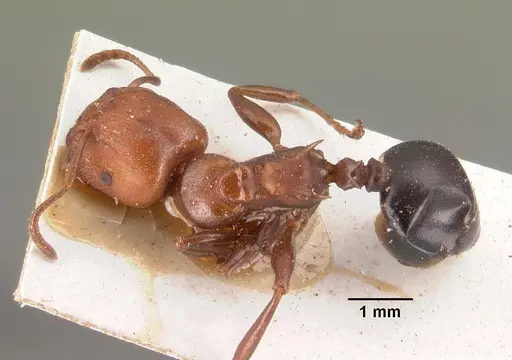
CASENT0178285
View on AntWeb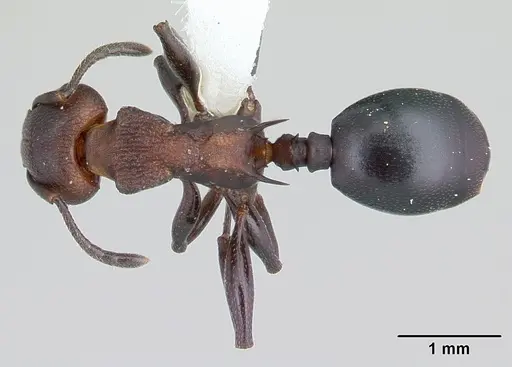
CASENT0178286
View on AntWeb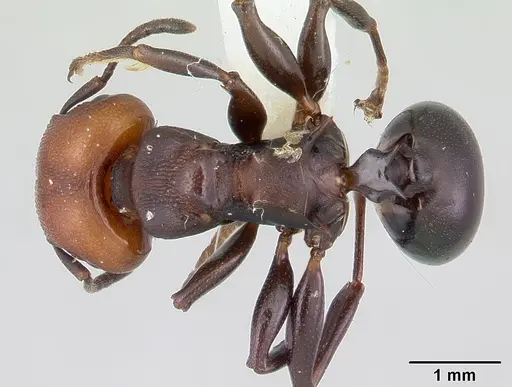
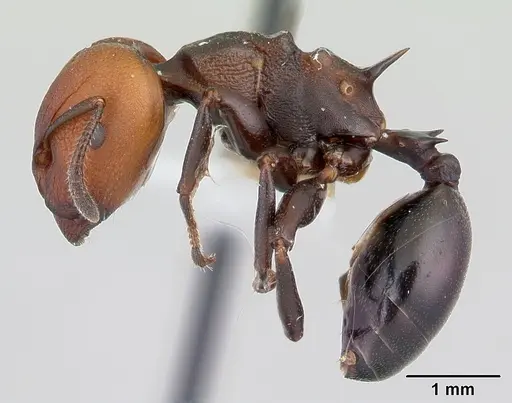
CASENT0217085
View on AntWeb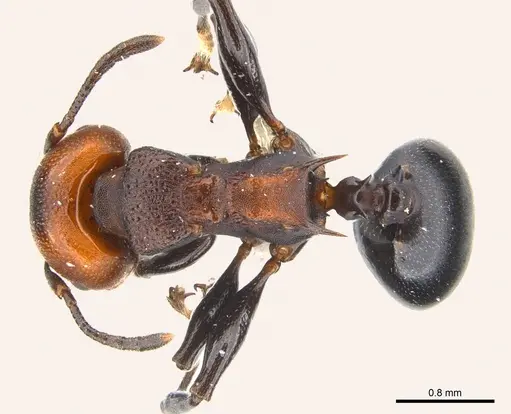
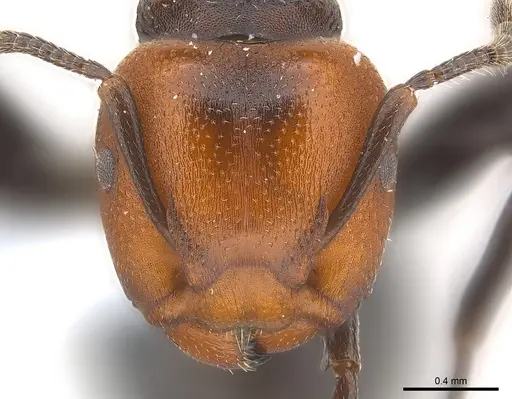
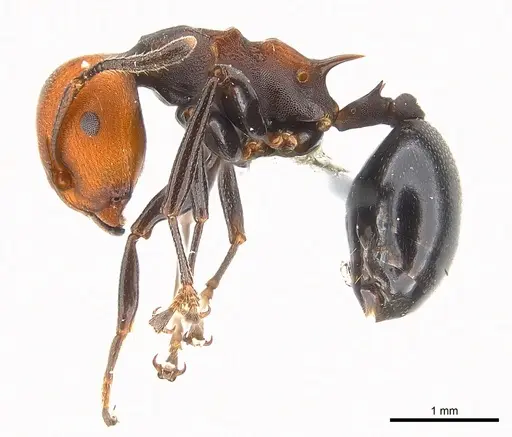
CASENT0217086
View on AntWeb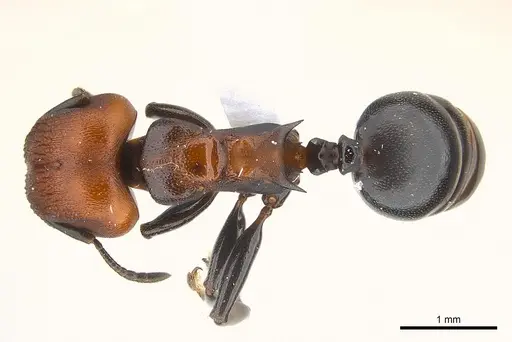
CASENT0235367
View on AntWeb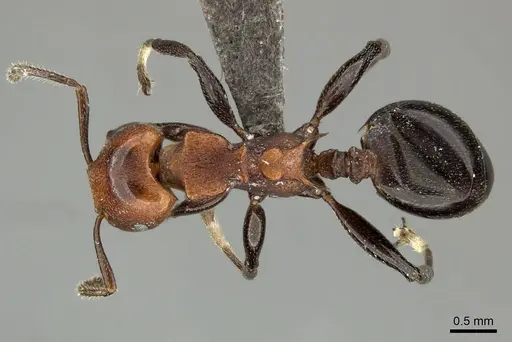
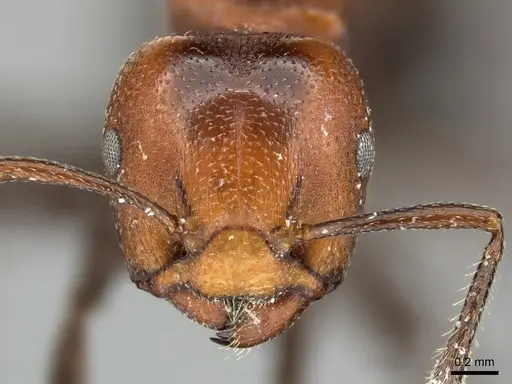
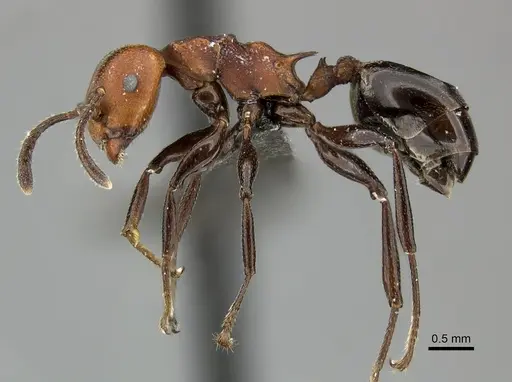
CASENT0415562
View on AntWeb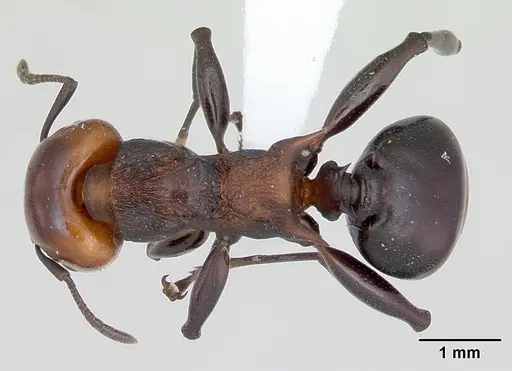
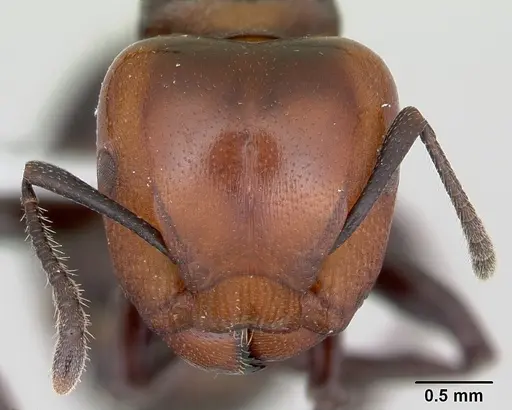
CASENT0912872
View on AntWeb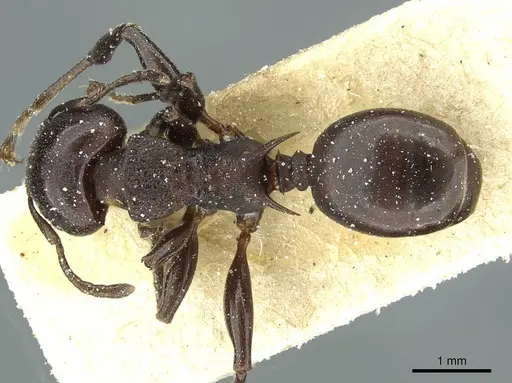
CASENT0912873
View on AntWeb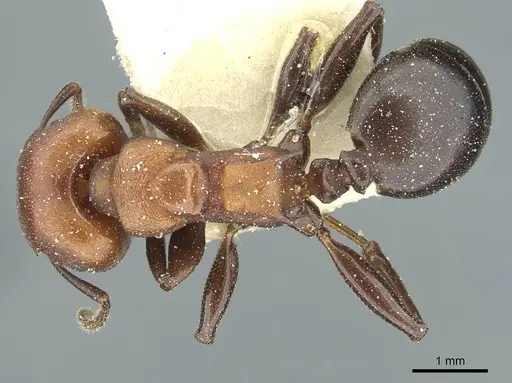
CASENT0912874
View on AntWeb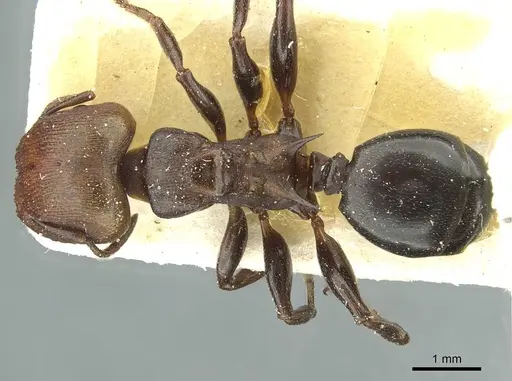
CASENT0912875
View on AntWeb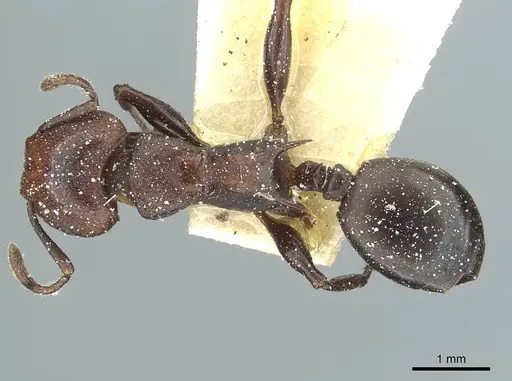
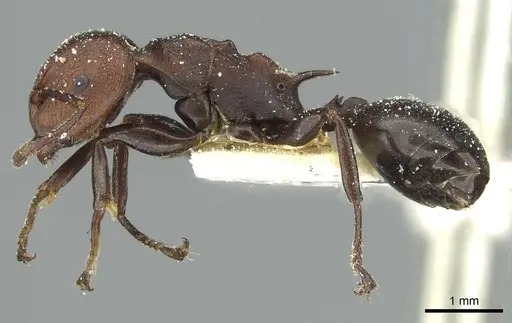
CASENT0912876
View on AntWeb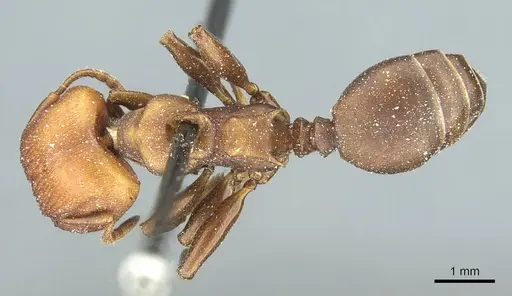
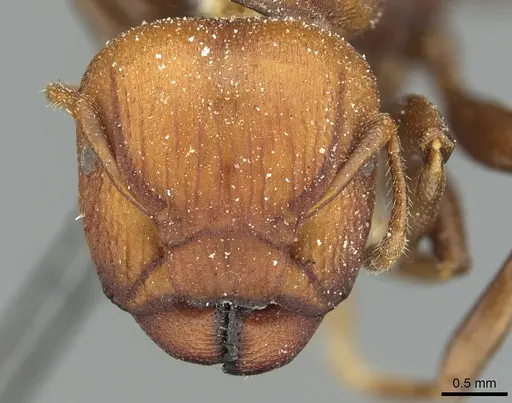
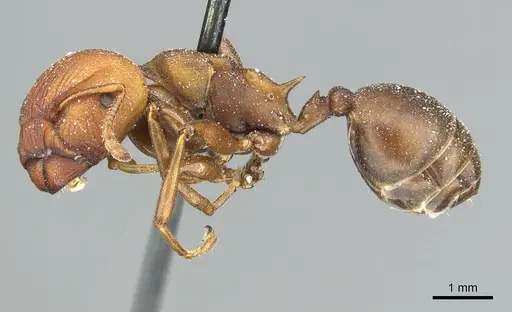
CASENT0912877
View on AntWeb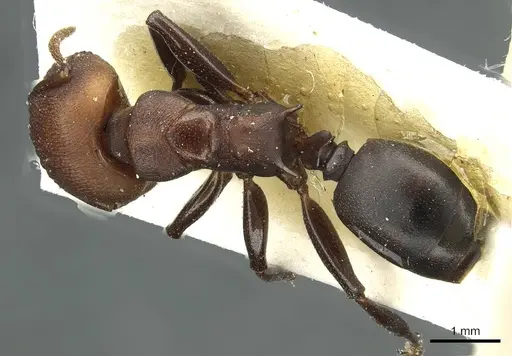
CASENT0914957
View on AntWeb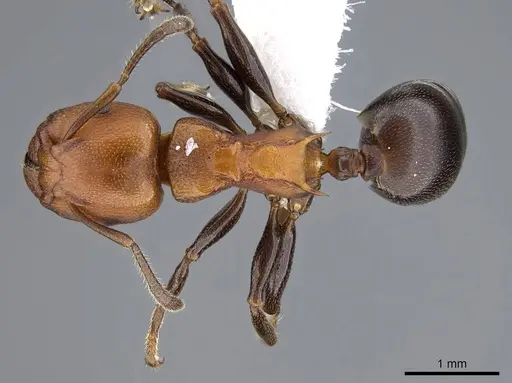
CASENT0914958
View on AntWeb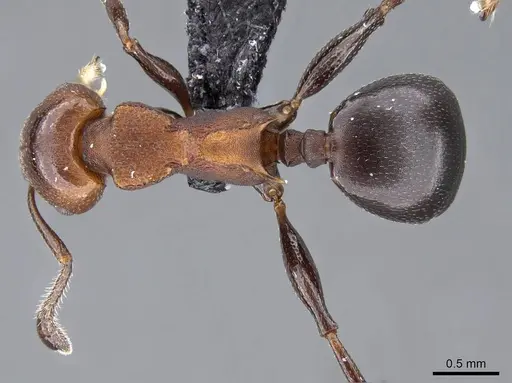
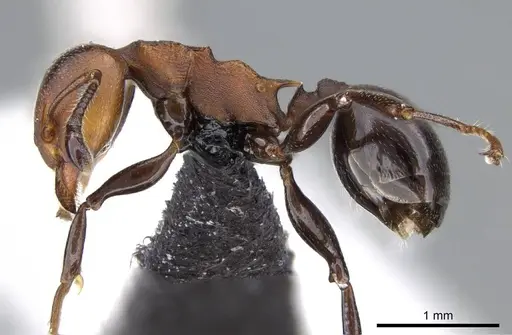
CASENT0915403
View on AntWeb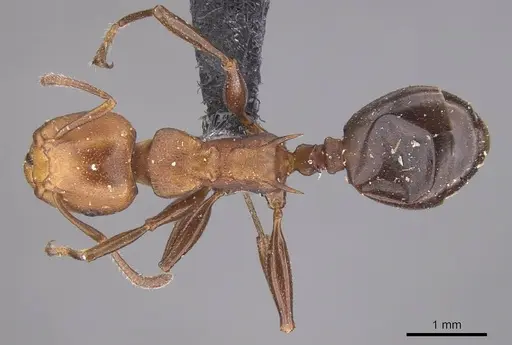
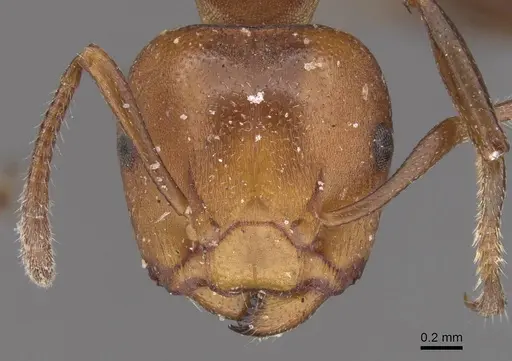
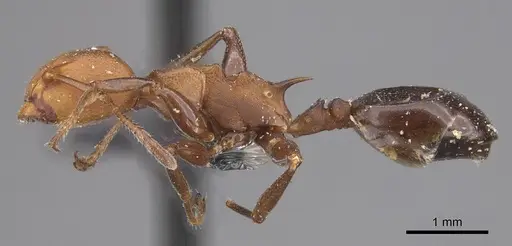
CASENT0922226
View on AntWeb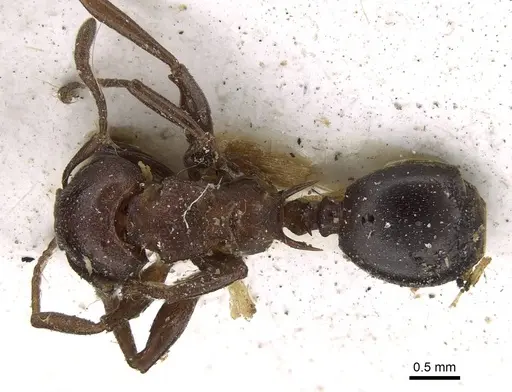
FOCOL0482
View on AntWeb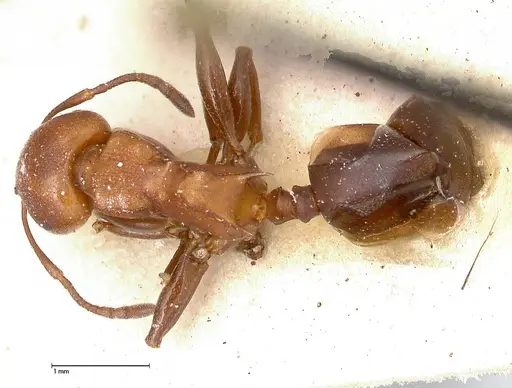
FOCOL0483
View on AntWeb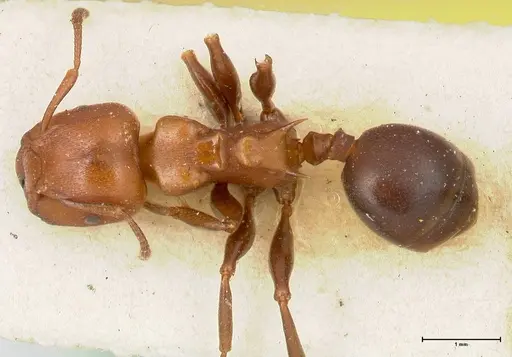
Literature
Loading distribution map...Loading products...