
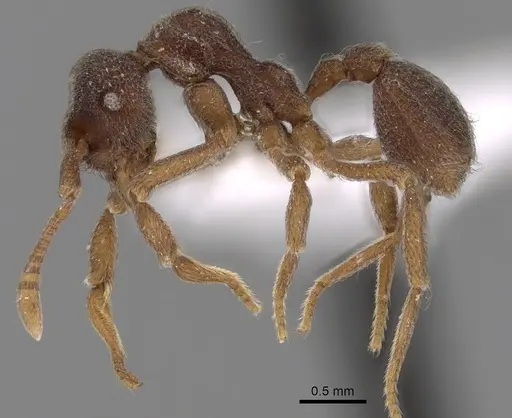
Apterostigma goniodes
- Sci. Name
- Apterostigma goniodes
- Tribe
- Attini
- Subfamily
- Myrmicinae
- Author
- Lattke, 1997
- Distribution
- Found in 4 countries
Introduction
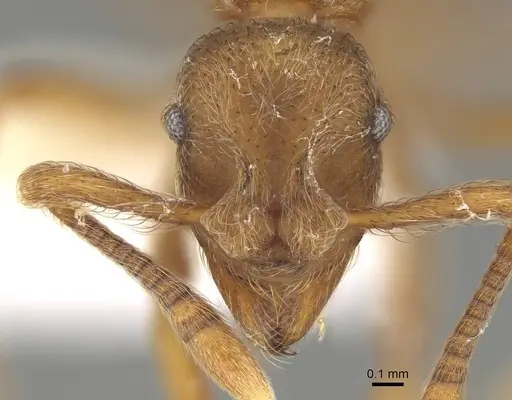
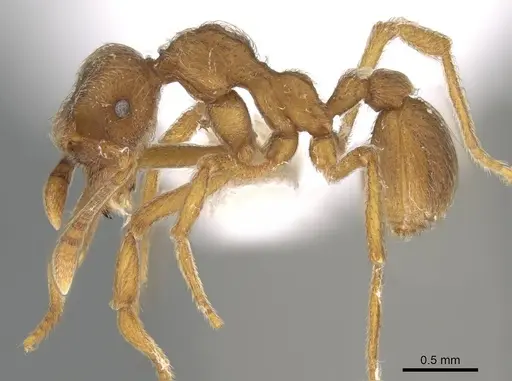
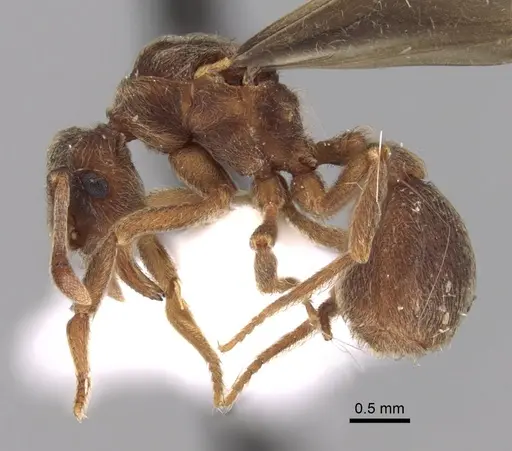
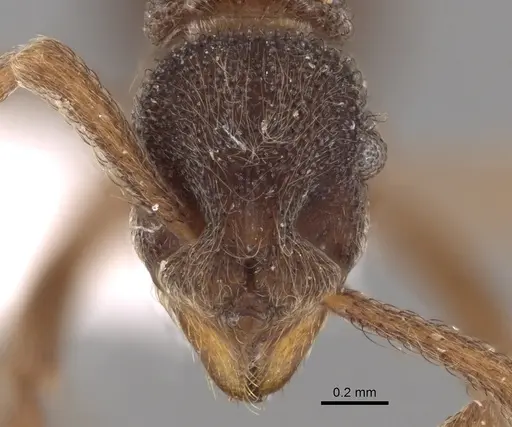
These small fungus-growing ants inhabit the forest floors of Central and South America, ranging from southern Mexico through Central America to Colombia . Unlike their leaf-cutting relatives, they cultivate fungi on decaying organic matter and insect frass rather than fresh leaves . They appear strictly tied to undisturbed forest habitats - one study found them exclusively in forest patches, never in disturbed agricultural areas . They nest in the ground stratum, likely within soil and leaf litter . This species possesses a functional stinger typical of Myrmicinae ants, though it is less medically significant to humans than fire ants. Keepers should note that wild colonies serve as hosts for the thief ant Megalomyrmex mondaboroides, which can invade colonies and steal resources .
Quick Summary
- Difficulty: Expert
- Origin & Habitat: Neotropical forest floor from southern Mexico through Central America to Colombia, found at elevations from 200m to 1700m in undisturbed forest patches [1][3][5].
- Colony Type: Colony structure is unconfirmed. Based on typical fungus-growing ant patterns, they are likely monogyne (single-queen), but this remains unverified.
- Size & Growth:
- Queen: Size data unavailable
- Worker: Size data unavailable
- Colony: Unknown
- Growth: Unknown, likely slow given specialized fungal diet
- Development: Unknown (Development time has not been documented for this species.)
- Antkeeping:
- Temperature: Estimated 22-25°C based on tropical montane and lowland forest distribution [1]. They occur from 200m to 1700m elevation [1][5], suggesting tolerance for moderate temperatures rather than extreme heat.
- Humidity: High humidity required, keep nest substrate damp to mimic forest floor conditions [3]. Balance is critical, too dry kills the fungus garden, too wet causes mold.
- Diapause: No. They come from tropical regions spanning Mexico to Colombia and do not require winter rest [1][5].
- Nesting: Requires specialized fungus garden setup, cannot be kept in standard test tubes. Use a sterile nest chamber with access to organic substrate for fungal cultivation.
- Behavior: Slow-moving and cryptic, typical of fungus-growing ants. They tend their fungal gardens constantly and are not aggressive foragers. They possess a functional stinger but are not particularly aggressive. Escape risk is moderate given their small size.
- Common Issues: fungus garden collapse from mold contamination or desiccation, the colony will starve without healthy fungus., social parasite introduction from wild-caught colonies, Megalomyrmex mondaboroides thief ants may be present [2]., incorrect humidity balance, forest floor conditions are needed, but excessive moisture causes fungal pathogens., extreme rarity in collections, only four individuals found in one comprehensive survey, making colony loss significant [3].
Fungus Cultivation Requirements
As non-leaf-cutting fungus-growing ants, Apterostigma goniodes maintains fungal gardens on decaying organic matter rather than fresh vegetation [1][2]. In captivity, you must provide a sterile fungal culture supported by substrates like dried leaves, insect frass, or decaying wood. The ants constantly groom the fungus to remove spores and contaminants. This mutualism makes them extremely challenging to keep, the garden can crash from mold, drying out, or contamination, which starves the colony. You will need to supply fresh substrate regularly and maintain high humidity without waterlogging the garden. Standard ant foods like sugar water or insects are not eaten directly, instead, they fertilize the fungus which the ants then consume.
Natural History and Distribution
These ants inhabit forest floor leaf litter from southern Mexico through Central America to Colombia [1]. Collection records show they occur from 200m to 1700m elevation [1][5], indicating they tolerate various temperatures within tropical montane and lowland forests. They appear strictly limited to forest habitats, one study found them exclusively in forest patches, never in agricultural areas [3]. They nest in the ground stratum [4], likely within soil and decaying organic matter rather than exposed locations.
Social Parasitism Risk
Wild colonies of Apterostigma goniodes may host the thief ant Megalomyrmex mondaboroides [2]. These social parasites live within the host colony, stealing fungus and brood while being tolerated by the host workers. If you collect wild colonies, carefully inspect for foreign ants. M. mondaboroides workers typically look different, more slender with distinct coloration, and may move more erratically than the slow, deliberate Apterostigma workers. Remove any parasites immediately to prevent colony collapse.
Captive Care Challenges
This species is extremely rare in collections and poorly studied. Only four individuals were found in a comprehensive survey of coffee landscapes, suggesting either cryptic habits or genuine rarity [3]. Combined with their specialized fungal diet, this makes them unsuitable for beginners. You must maintain high humidity to mimic forest floor conditions [3] while providing adequate ventilation to prevent mold in the fungus garden. Temperature should likely be kept around 22-25°C given their tropical origins [1], though specific requirements remain unstudied. Any captive success would contribute valuable knowledge to antkeeping.
Frequently Asked Questions
Can I keep Apterostigma goniodes in a test tube?
No. Like all fungus-growing ants, they require a living fungus garden to survive. A test tube setup cannot maintain the fungal culture they need for food [2][1].
Are Apterostigma goniodes good for beginners?
No. They are expert-level ants requiring specialized fungus cultivation, sterile conditions, and careful humidity management. Their extreme rarity in collections also means colony loss would be significant [3].
Do Apterostigma goniodes need hibernation?
No. They come from tropical regions spanning Mexico to Colombia and do not require winter rest [1][5].
What do Apterostigma goniodes eat?
They eat fungus grown on decaying organic matter such as dried leaves and insect frass. They do not accept typical ant foods like sugar water or insects directly, these materials are only used to fertilize the fungus garden [1][2].
How big do Apterostigma goniodes colonies get?
Unknown. Colony size has not been documented in scientific literature.
Can I keep multiple Apterostigma goniodes queens together?
Unknown and not recommended. Combining multiple queens has not been documented for this species. Most fungus-growing ants are monogyne (single-queen), but this remains unconfirmed for Apterostigma goniodes.
How long does Apterostigma goniodes take from egg to worker?
Unknown. Development time has not been studied for this species.
What temperature do Apterostigma goniodes need?
Keep them around 22-25°C based on their tropical forest distribution [1]. They occur from lowlands up to 1700m elevation [1][5], so they tolerate some variation, but avoid temperature extremes.
Why are my Apterostigma goniodes dying?
Common causes include fungus garden collapse from mold or drying out, introduction of social parasites from wild collection [2], or incorrect humidity levels. These ants are extremely sensitive to environmental conditions.
Report an Issue
The current care sheet is based fully on literature. See inconsistencies, or something that's incorrect? Please , it will be resolved after review from an admin. Contributing to the blogs tab also helps providing information, to make us be able to further improve the caresheets. Thank you for your support!
References

This caresheet is licensed under CC BY-SA 4.0 .
Community Blogs
CASENT0644440
View on AntWeb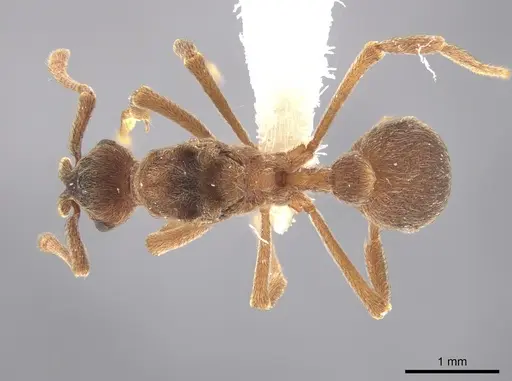
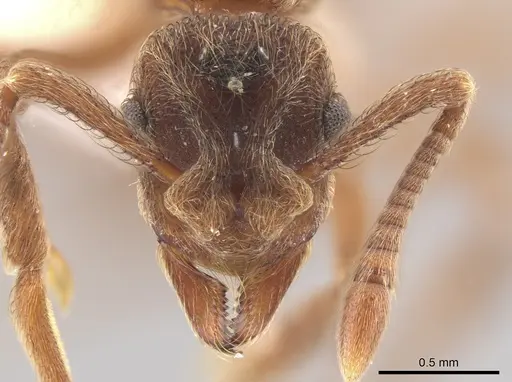
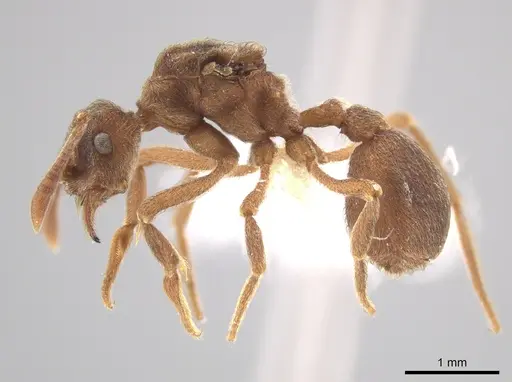
CASENT0922040
View on AntWeb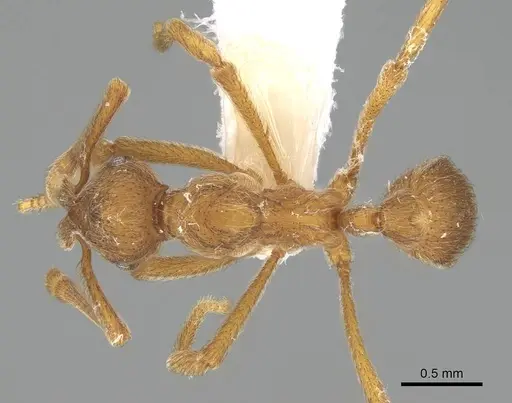
INB0003205038
View on AntWeb
INB0003622578
View on AntWeb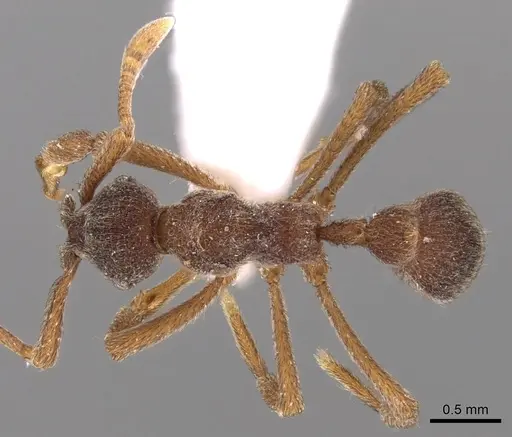
Literature
Loading distribution map...Loading products...