
Apterostigma bolivianum
- Sci. Name
- Apterostigma bolivianum
- Tribe
- Attini
- Subfamily
- Myrmicinae
- Author
- Weber, 1938
- Distribution
- Found in 2 countries
Introduction
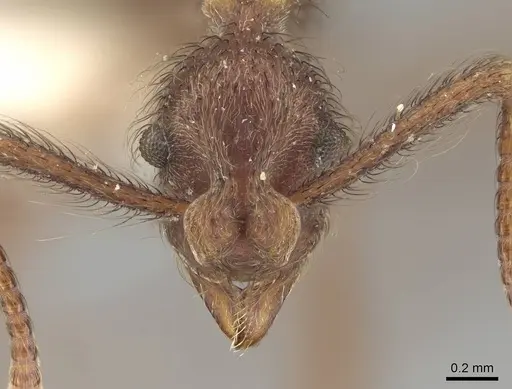
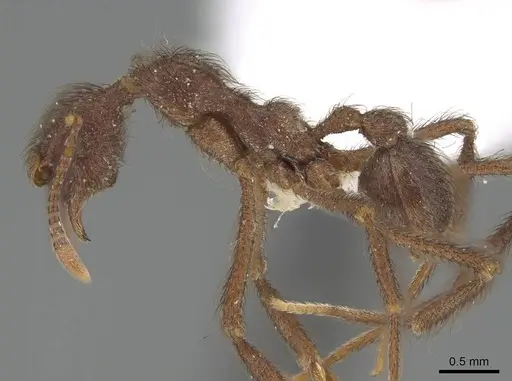
Apterostigma bolivianum is a small fungus-growing ant native to northwestern South America, found in Bolivia, Colombia, Ecuador, Peru, and Venezuela [AntWiki]. A record from Antioquia, Colombia at 1000 meters elevation indicates they inhabit mid-elevation tropical forests . These ants have prominent eyes with more than nine facets, elongate mandibles, and a distinct convex pronotum with median emargination [AntWiki]. Unlike leaf-cutter ants, Apterostigma belongs to the non-leaf-cutting fungus-growing ants—they cultivate fungal gardens on insect frass, dead plant material, and organic debris rather than fresh leaves . This specialized symbiotic relationship makes them challenging captives requiring carefully maintained fungus gardens.
Quick Summary
- Difficulty: Expert
- Origin & Habitat: Northwestern South America including Bolivia, Colombia, Ecuador, Peru, and Venezuela [1][2]. Found in mid-elevation tropical forests, with records from 1000m elevation in the Colombian Andes [1].
- Colony Type: Unknown, colony structure unconfirmed for this species.
- Size & Growth:
- Queen: Size data unavailable for this species.
- Worker: Size data unavailable for this species.
- Colony: Unknown, likely small to moderate based on related non-leaf-cutting Attini.
- Growth: Slow
- Development: Unconfirmed for this species. (Fungus-growing ants typically develop slowly compared to generalist feeders.)
- Antkeeping:
- Temperature: Likely 22-25°C based on montane tropical habitat at 1000m elevation [1]. Avoid high heat typical of lowland tropics.
- Humidity: High humidity required, keep nest substrate consistently moist to support fungus garden health. Ventilation must balance humidity needs with mold prevention.
- Diapause: No, tropical species without winter rest period.
- Nesting: Requires enclosed cavity nests with space for fungus gardens. Provide a sterile setup with chambers for fungal substrate.
- Behavior: Likely cryptic and slow-moving with poor aggression, typical of non-leaf-cutting Attini. They rely heavily on chemical trails for navigation. Workers spend most of their time tending the fungus garden. Defense mechanism: possesses a functional stinger typical of Myrmicinae, though less medically significant to humans.
- Common Issues: fungus garden contamination kills colonies, mold and mites can destroy the fungal culture rapidly., maintaining sterile fungus substrate is extremely difficult without fungiculture experience., slow growth means beginners often overfeed or disturb the nest, causing colony stress., high humidity requirements can lead to mold problems if ventilation is inadequate., founding queens require a fungal pellet to start a colony, making them nearly impossible to establish from lone queens without existing fungus garden material.
Fungus Garden Care
Apterostigma bolivianum cultivates fungus gardens on insect frass, dead plant material, and debris rather than fresh leaves [1]. In captivity, you must provide suitable substrate for fungal growth, typically sterilized oatmeal, rice, or insect frass. The fungus garden requires constant high humidity and warm temperatures around 22-25°C. Any contamination with mold or bacteria will quickly kill the colony, so sterile technique is essential when adding food or cleaning. The ants will tend the fungus constantly, removing waste and pruning the garden to keep it healthy. Watch for signs of garden decline such as ants discarding fungal material or reduced activity.
Temperature and Humidity
Keep Apterostigma bolivianum at moderate temperatures around 22-25°C, based on their collection at 1000m elevation in Colombian Andes [1]. They likely cannot tolerate the high heat of lowland tropical species. Use a heating cable on one side of the nest to create a gentle gradient, but avoid overheating. Humidity must remain high, the nest substrate should feel damp to the touch at all times to support the fungus garden. However, you must also provide adequate ventilation to prevent stagnant air and mold growth. A balance between moisture and airflow is critical for long-term success.
Nest Setup
In nature, Apterostigma bolivianum nests in cavities where they can establish fungus gardens. In captivity, use a setup that allows for fungus cultivation, typically a formicarium with a deep substrate area or specialized fungus-growing chambers. The nest must be enclosed to maintain humidity but ventilated to prevent mold. Provide a foraging area (outworld) where you can place food items before they go into the fungus garden. The ants will process material in the outworld and carry it to the garden, or you can place pre-processed sterile substrate directly in the nest.
Feeding and Diet
Unlike most ants, Apterostigma bolivianum does not eat food directly, they eat fungus grown on that food [1]. Provide sterilized substrates like oatmeal, rice, or insect frass that the ants can inoculate with their fungal symbiont. You can also offer small amounts of fresh insect parts, but ensure they are clean and free of pesticides. Protein sources should be small and manageable. Remove any food that shows signs of mold immediately. Sugar water or honey may be accepted by workers directly, but the colony's primary nutrition comes from the fungus garden.
Behavior and Temperament
Apterostigma bolivianum likely shows the cryptic, slow-moving behavior typical of non-leaf-cutting fungus-growing ants. They are not aggressive and have poor defensive capabilities, relying instead on hiding and escaping threats. Workers spend most of their time tending the fungus garden, cleaning brood, and processing organic material. They navigate using chemical trails and likely have limited visual range despite their prominent eyes [1][2]. Colonies are easily stressed by disturbance, so minimize nest inspections.
Colony Founding
Founding behavior for Apterostigma bolivianum is unconfirmed. Most Attini queens found colonies claustrally (sealed in a chamber), but non-leaf-cutting species often require a fungal pellet from the parent colony to start their garden. This makes founding new colonies from single queens extremely difficult in captivity. You will likely need to start with an established colony fragment containing workers, brood, and garden material rather than a lone queen.
Frequently Asked Questions
Do Apterostigma bolivianum need fungus to survive?
Yes. Apterostigma bolivianum are fungus-growing ants that eat fungus they cultivate on organic material. They cannot survive without a healthy fungus garden [1].
Are Apterostigma bolivianum leaf-cutter ants?
No. They are non-leaf-cutting fungus-growing ants that cultivate fungus on insect frass, dead plant material, and debris rather than fresh leaves [1].
How hard are Apterostigma bolivianum to keep?
They are expert-level ants. Maintaining sterile fungus gardens requires specialized knowledge, sterile technique, and precise humidity control. They are not suitable for beginners.
What temperature do Apterostigma bolivianum need?
Likely 22-25°C based on their montane habitat at 1000m elevation [1]. Avoid high heat typical of lowland tropical ants.
Do Apterostigma bolivianum need hibernation?
No. They are tropical ants from northwestern South America and do not require winter rest [1].
How big do Apterostigma bolivianum colonies get?
Colony size is unknown for this species, but related non-leaf-cutting Attini typically maintain small to moderate colonies of a few hundred workers.
How long until Apterostigma bolivianum get their first workers?
Development time is unconfirmed for this species. Based on related fungus-growing ants, expect several months from egg to worker, but this varies with temperature and fungus garden health.
Can I keep Apterostigma bolivianum in a test tube?
Test tubes are not suitable long-term because they lack space for fungus gardens and proper ventilation to prevent mold. They need specialized fungus-growing setups.
Where do Apterostigma bolivianum come from?
They are found in northwestern South America: Bolivia, Colombia, Ecuador, Peru, and Venezuela [1][2].
What do Apterostigma bolivianum eat?
They eat fungus grown on organic material like insect frass, dead plant matter, and sterilized grains. They do not eat the substrate directly, they process it to grow fungus which they consume [1].
Report an Issue
The current care sheet is based fully on literature. See inconsistencies, or something that's incorrect? Please , it will be resolved after review from an admin. Contributing to the blogs tab also helps providing information, to make us be able to further improve the caresheets. Thank you for your support!
References

This caresheet is licensed under CC BY-SA 4.0 .
Community Blogs
CASENT0922036
View on AntWeb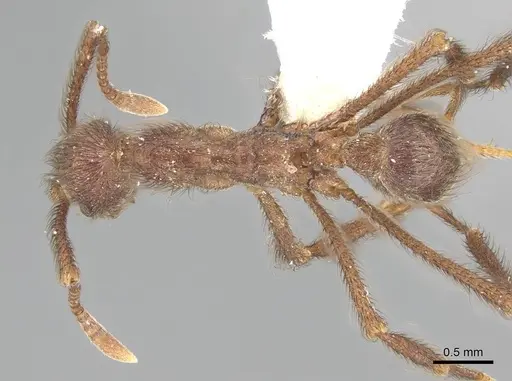
Literature
Loading distribution map...Loading products...