
Aphaenogaster tinauti
- Sci. Name
- Aphaenogaster tinauti
- Tribe
- Stenammini
- Subfamily
- Myrmicinae
- Author
- Cagniant, 1992
- Distribution
- Found in 1 countries
Introduction
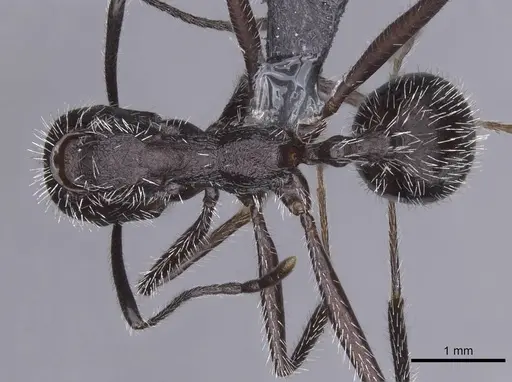
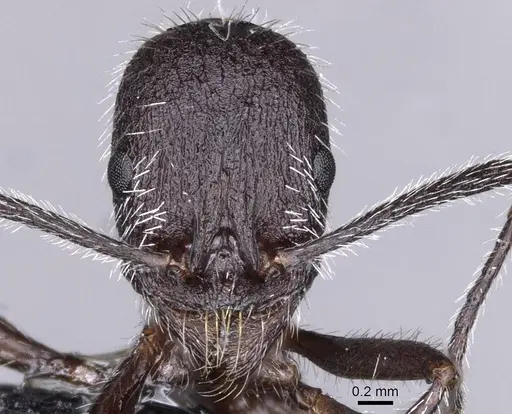
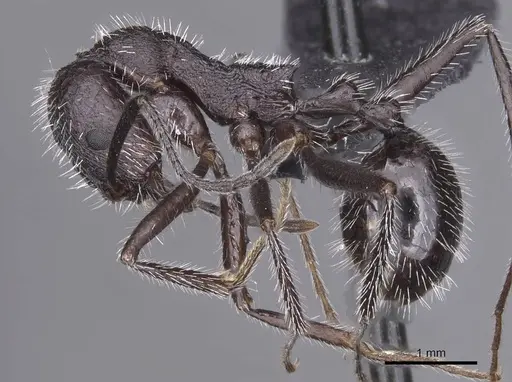
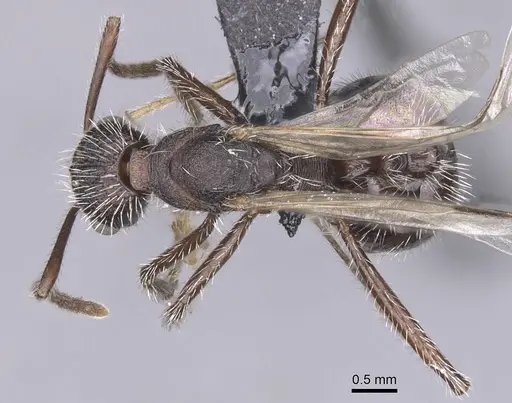
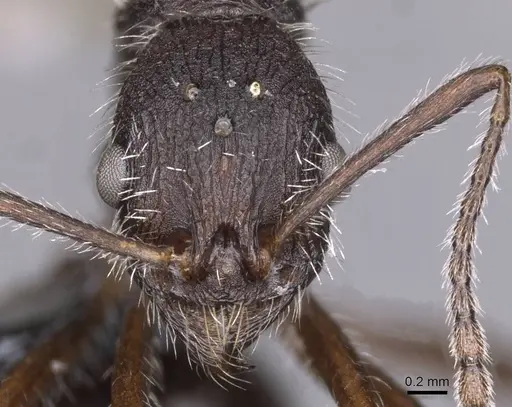
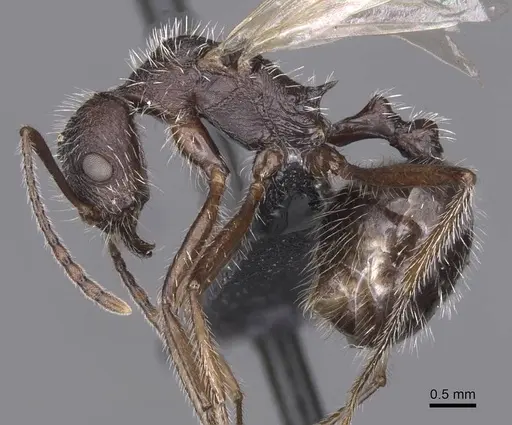
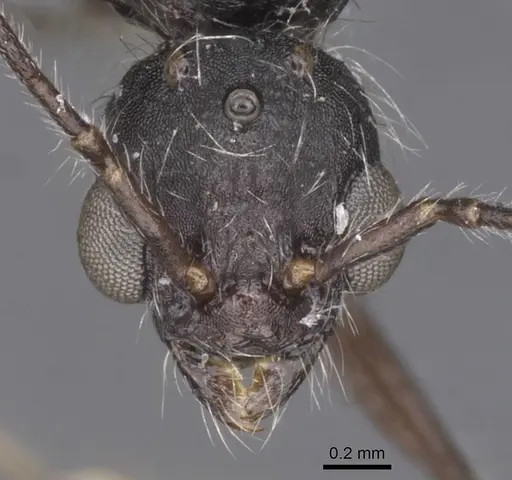
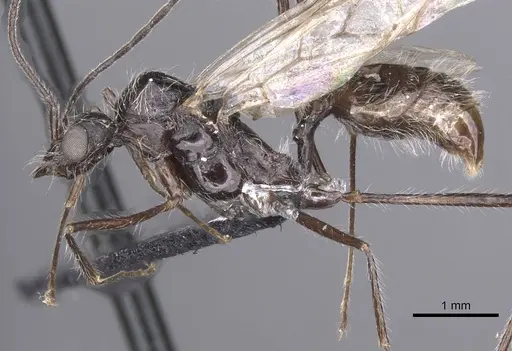
Aphaenogaster tinauti is a rare ant species endemic to the High Atlas mountains of Morocco, specifically the Toubkal Massif at elevations between 2500 and 2800 meters [AntWiki]. This species belongs to the testaceopilosa group within the genus Aphaenogaster [AntWiki]. Workers are typical of the genus, while queens are distinctly brachypterous—having short, reduced wings or being completely wingless—an adaptation to the exposed, windy conditions of their high-altitude home [AntWiki]. The type specimens were collected from Jbel Aguelzim, approximately 60 kilometers south of Marrakech [AntWiki]. As a Palearctic species at extratropical latitudes around 31.67°N, these ants require cooler conditions than typical tropical ant species .
Quick Summary
- Difficulty: Hard
- Origin & Habitat: Endemic to Toubkal Massif, High Atlas mountains, Morocco, found at elevations of 2500-2800m in rocky, mountainous terrain [1][2]
- Colony Type: Unconfirmed, likely single-queen based on typical Aphaenogaster patterns
- Size & Growth:
- Queen: Size data unavailable, no measurements exist for this species, inferred from Aphaenogaster genus patterns (~6-9mm)
- Worker: Size data unavailable, no measurements exist for this species, inferred from Aphaenogaster genus patterns (~4-7mm)
- Colony: Unknown, no colony size data exists for this species
- Growth: Unknown, likely moderate based on related temperate Aphaenogaster species
- Development: Unconfirmed, estimated 8-12 weeks at 20°C based on related temperate Aphaenogaster species (Development timing is unconfirmed for this species, high-altitude species may develop more slowly than lowland relatives)
- Antkeeping:
- Temperature: Keep cool, active season 18-22°C recommended based on high-altitude habitat (2500-2800m elevation). Avoid temperatures above 25°C. Winter diapause 10-15°C for 3-4 months.
- Humidity: Moderate to high humidity, nest substrate should feel damp but not waterlogged, mimicking mountain soil conditions. Provide a humidity gradient.
- Diapause: Yes, required. As a high-altitude species from the Atlas mountains, they experience distinct winters and need 3-4 months of cooling to 10-15°C.
- Nesting: Rock crevices and soil under stones in nature, in captivity use Y-tong (AAC) nests or naturalistic setups with stone slabs and sandy-loam substrate that allows for digging.
- Behavior: Likely moderate activity with typical Aphaenogaster foraging patterns, not known to be aggressive. Brachypterous (short-winged) queens cannot fly [2], reducing escape risk by flight, though workers will still attempt to climb out.
- Common Issues: overheating is the biggest risk, room temperature (22-25°C) may be too warm for this high-altitude species., desiccation risk in dry environments, mountain habitats require consistent moisture not provided by standard room humidity., lack of hibernation will likely cause colony failure or reduced brood production in subsequent years., rare in captivity means limited peer support and unverified care parameters, you are essentially pioneering their husbandry.
Natural History and Distribution
Aphaenogaster tinauti occurs only in the Toubkal Massif of Morocco's High Atlas mountains, making it an endemic species with an extremely restricted range [1]. The type specimens were collected at elevations between 2500 and 2800 meters on Jbel Aguelzim, approximately 60 kilometers south of Marrakech [2]. At these altitudes, the climate is extratropical and relatively cool compared to lower elevations, with the species inhabiting rocky, mountainous terrain [3]. The biogeographic data places this species at a latitude midpoint of 31.67°N in the Palearctic region [3]. This high-altitude specialization means captive colonies require cooler temperatures than typical room-temperature ant keeping.
Brachypterous Queens and Reproduction
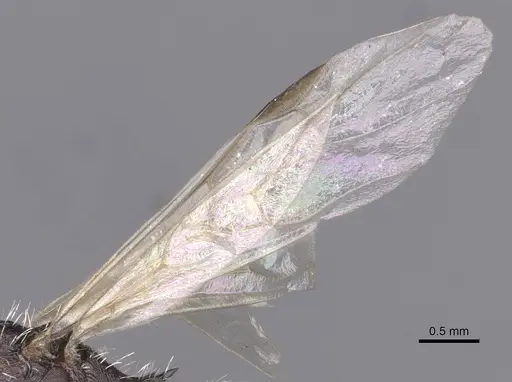
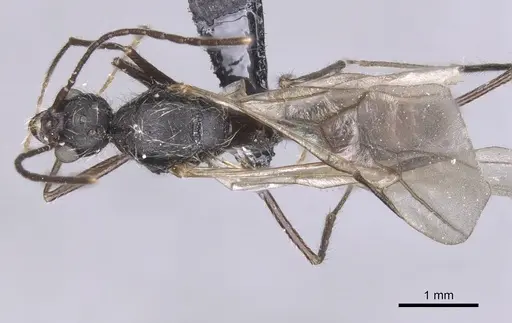
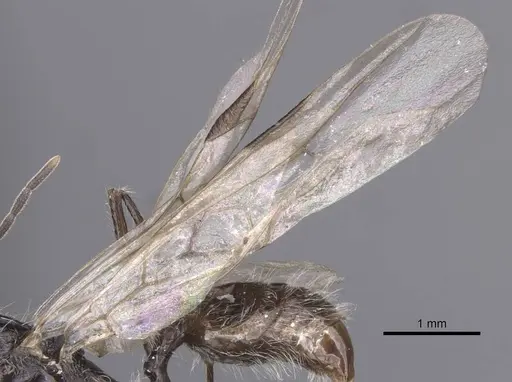
Unlike most ant species where queens have fully developed wings for nuptial flights, Aphaenogaster tinauti queens are brachypterous, meaning they possess short, reduced wings or lack wings entirely [2]. This morphological adaptation is common in high-altitude ants where wind conditions make flying difficult or dangerous. Brachypterous queens likely mate on the ground or near the nest entrance rather than participating in aerial mating flights. For keepers, this means queens cannot fly and are easier to contain, though they may still attempt to climb. The founding behavior, whether the queen seals herself in claustrally or forages semi-claustrally, has not been documented for this species.
Temperature and Seasonal Care
As a high-altitude species from 2500-2800 meters elevation [2], Aphaenogaster tinauti experiences cool temperatures year-round in the wild. You should maintain active colonies between 18-22°C, which is cooler than standard room temperature for most homes. During winter, they require a diapause period (hibernation) of 3-4 months at 10-15°C to simulate the cold Atlas mountain winters. Without this cooling period, colonies may fail to produce brood or experience queen failure. Avoid exposing them to temperatures above 25°C, as heat stress is likely the primary cause of mortality in captivity for this mountain species.
Housing and Nest Setup
In nature, these ants nest in rock crevices and soil under stones in mountainous terrain. Replicate this with a naturalistic setup featuring flat stones, sandy-loam substrate, and areas for digging. Y-tong (AAC) nests with moderate humidity chambers work well, or plaster nests with stone hides. Provide a humidity gradient, one side moist (damp substrate) and one side slightly drier, so the colony can self-regulate. Ventilation should be adequate to prevent mold but not so strong as to dry out the mountain-soil conditions they prefer.
Feeding and Diet
While specific dietary studies are lacking for this species, Aphaenogaster species are generally omnivorous scavengers. Offer a varied diet including small insects (fruit flies, springtails, small crickets), sugar sources (honey, sugar water), and seeds (many Aphaenogaster collect and store seeds). Feed protein twice weekly and maintain a sugar source constantly. Because they are from a cooler climate, they may have slower metabolisms and require less frequent feeding than tropical species.
Frequently Asked Questions
What does brachypterous mean in Aphaenogaster tinauti?
Brachypterous means having short or reduced wings. Aphaenogaster tinauti queens have short wings or are wingless, unlike typical flying queens [2]. This adaptation helps them survive in windy mountain conditions but means they cannot fly to start new colonies.
Do Aphaenogaster tinauti need hibernation?
Yes. As a high-altitude species from the Atlas mountains (2500-2800m elevation) [2], they experience cold winters and require 3-4 months of diapause at 10-15°C. Without hibernation, colonies will likely fail.
Can I keep Aphaenogaster tinauti at room temperature?
Standard room temperature (22-25°C) is likely too warm for this species. They prefer cooler conditions around 18-22°C during the active season because they come from high-altitude mountains [2]. Keeping them too warm causes stress and shortens queen lifespan.
How long until first workers for Aphaenogaster tinauti?
The egg-to-worker timeline is unconfirmed for this species. Based on related temperate Aphaenogaster species, expect approximately 8-12 weeks at 20°C, though high-altitude species may develop more slowly.
Can I keep multiple Aphaenogaster tinauti queens together?
Not recommended. While the exact colony structure is unconfirmed, most Aphaenogaster are single-queen species. Combining multiple queens likely results in fighting and death.
Are Aphaenogaster tinauti good for beginners?
No. This is a rare, endemic species with specialized high-altitude requirements including mandatory hibernation and cool temperatures. Beginners should start with more forgiving species like Lasius niger or Formica fusca.
What nest type works best for Aphaenogaster tinauti?
Naturalistic setups with stone slabs and sandy soil best replicate their mountain habitat. Y-tong (AAC) nests or plaster nests with stone hides also work well.
Why are Aphaenogaster tinauti considered rare?
They are endemic only to the Toubkal Massif in Morocco and have only been found at high elevations (2500-2800m) [1][2]. They are not widely available in the ant-keeping trade and have a restricted wild distribution.
Report an Issue
The current care sheet is based fully on literature. See inconsistencies, or something that's incorrect? Please , it will be resolved after review from an admin. Contributing to the blogs tab also helps providing information, to make us be able to further improve the caresheets. Thank you for your support!
References

This caresheet is licensed under CC BY-SA 4.0 .
Community Blogs
Literature
Loading distribution map...Loading products...