
Aphaenogaster swammerdami
- Sci. Name
- Aphaenogaster swammerdami
- Tribe
- Stenammini
- Subfamily
- Myrmicinae
- Author
- Forel, 1886
- Distribution
- Found in 1 countries
Introduction
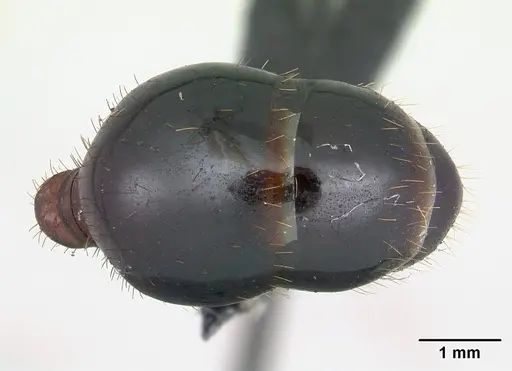
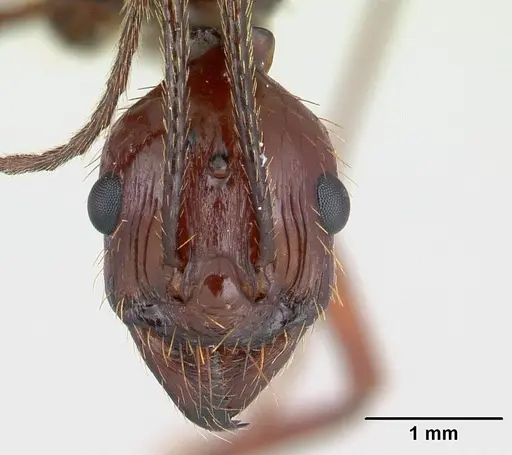
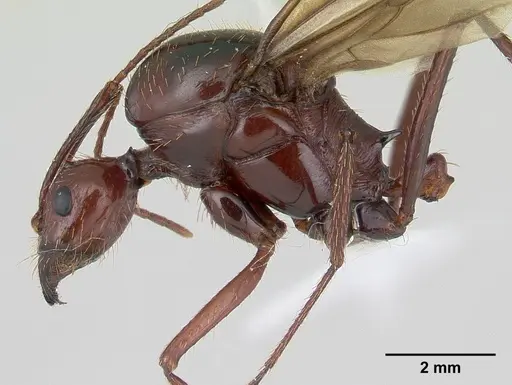
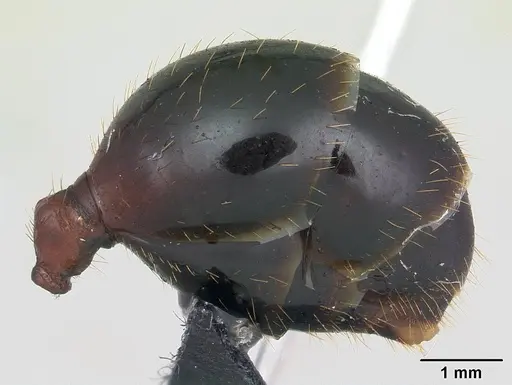
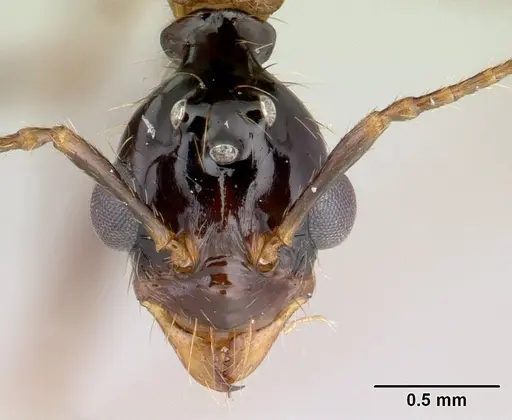
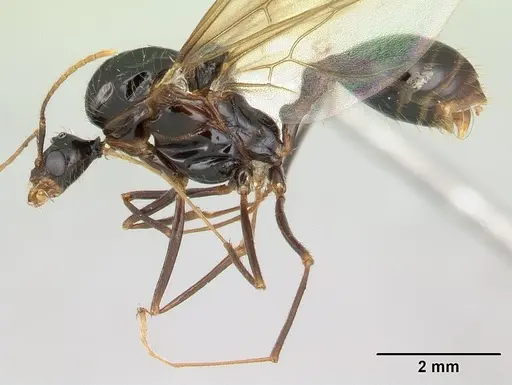
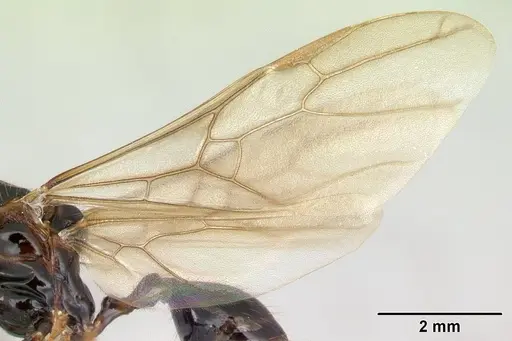
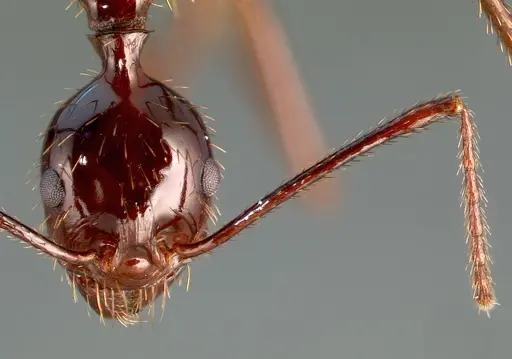
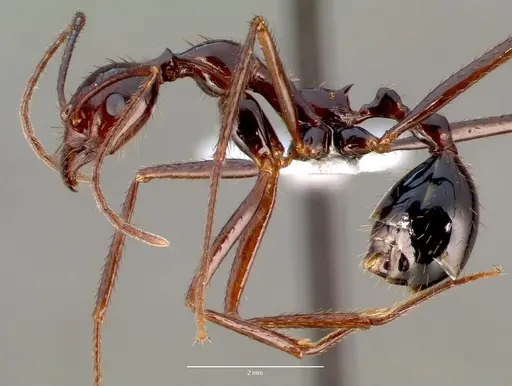
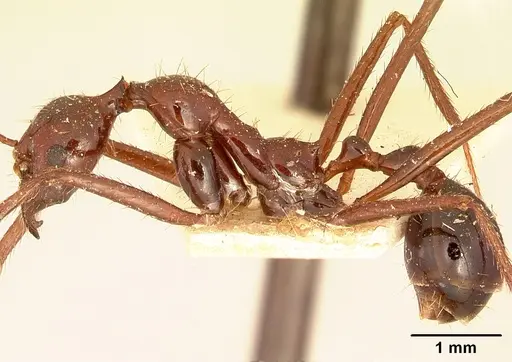
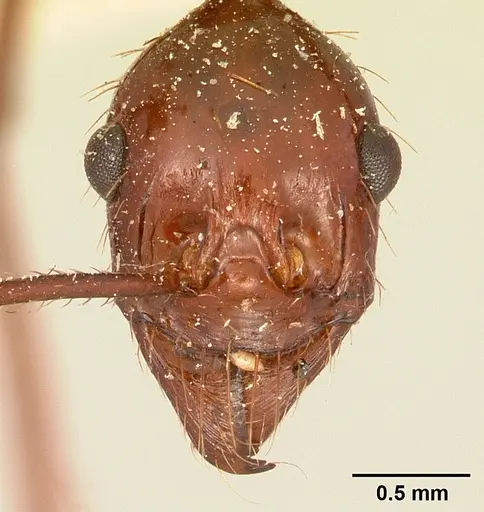
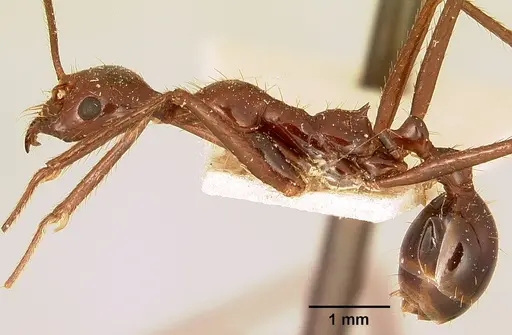
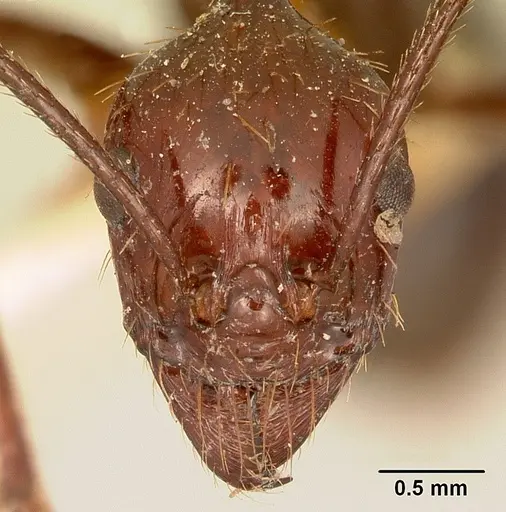
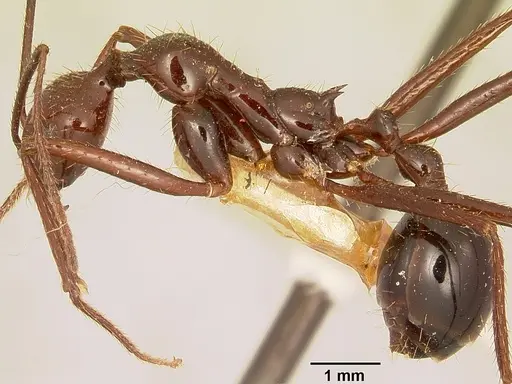
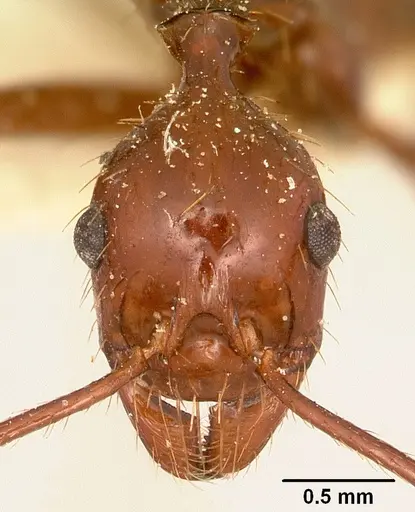
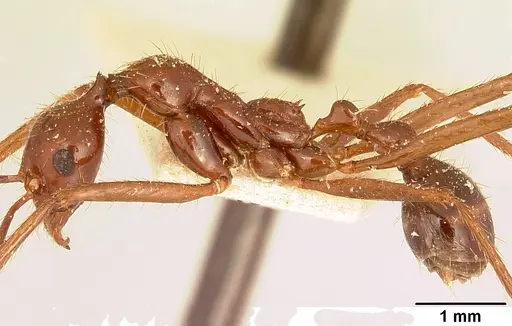
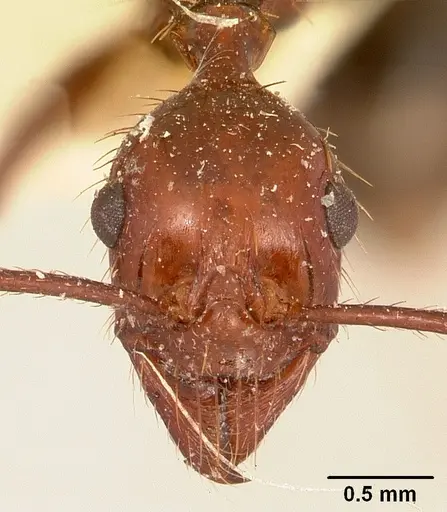
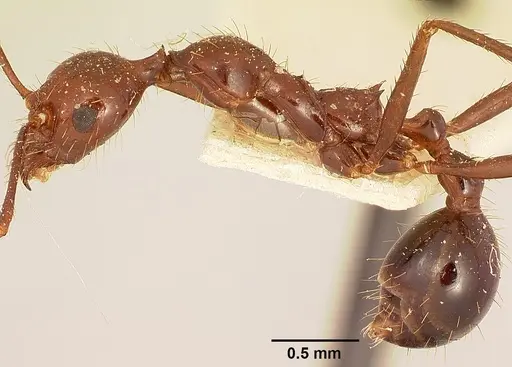
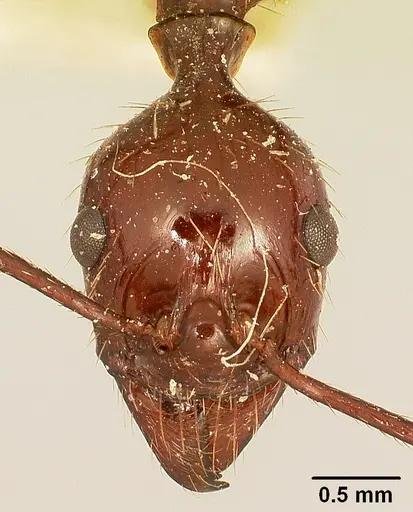
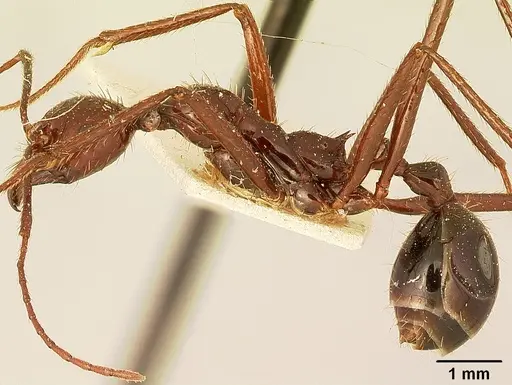
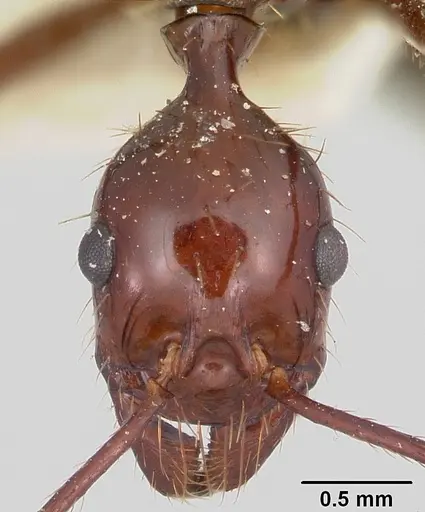
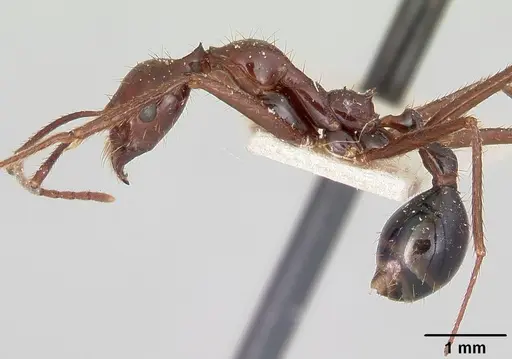
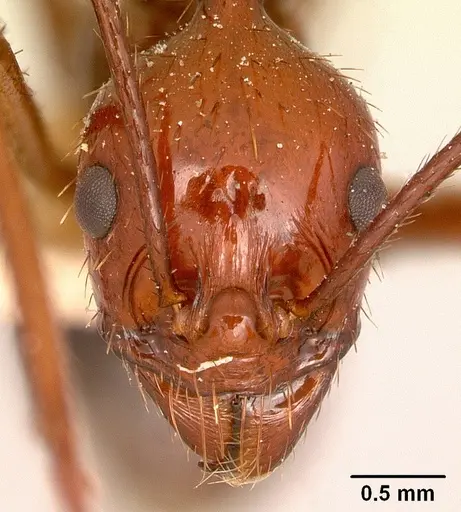
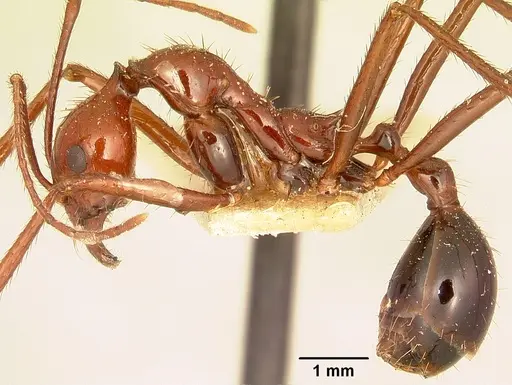
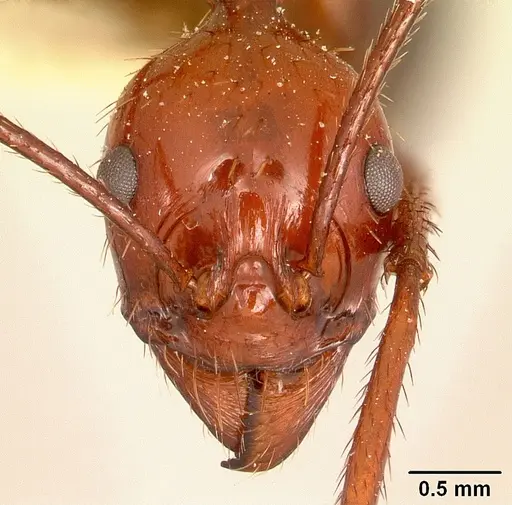
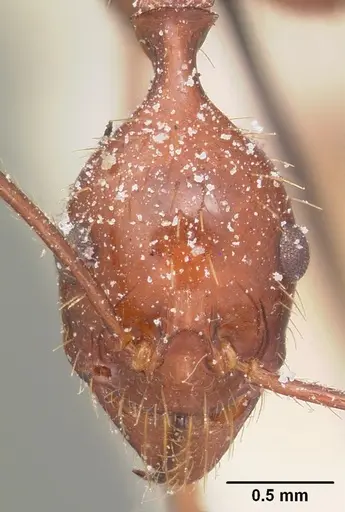
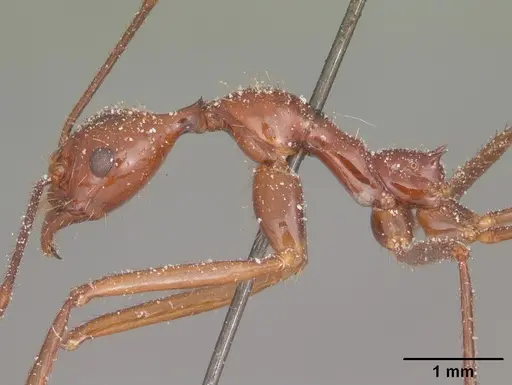
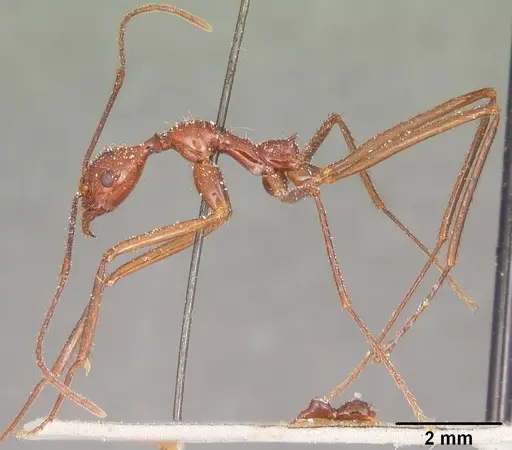
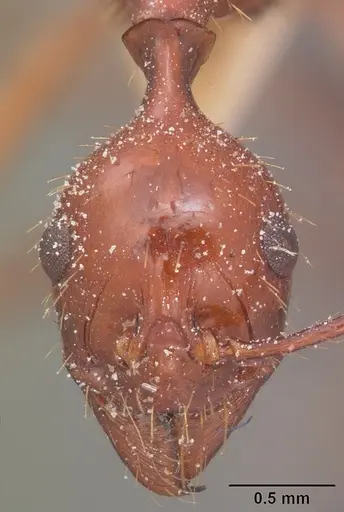
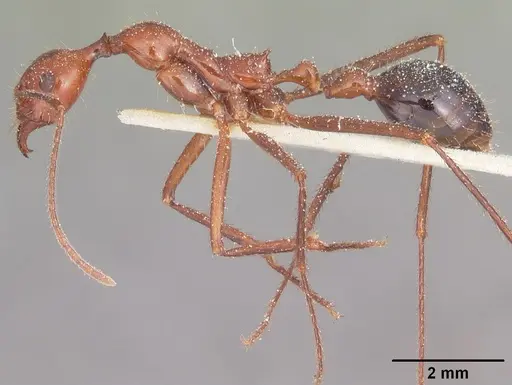
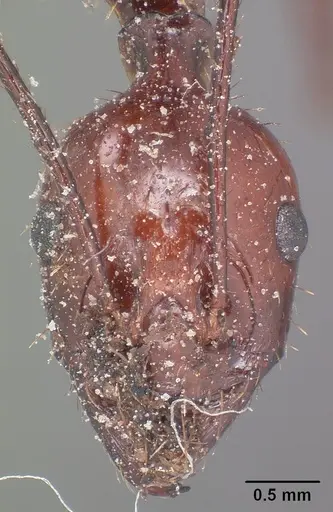
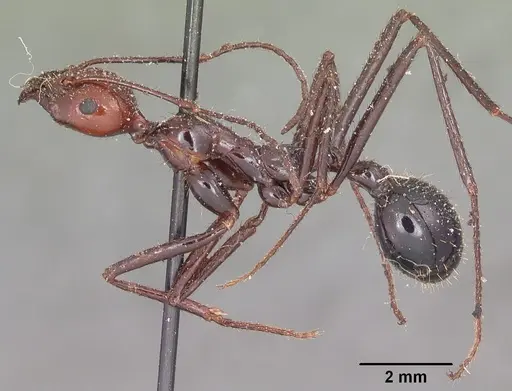
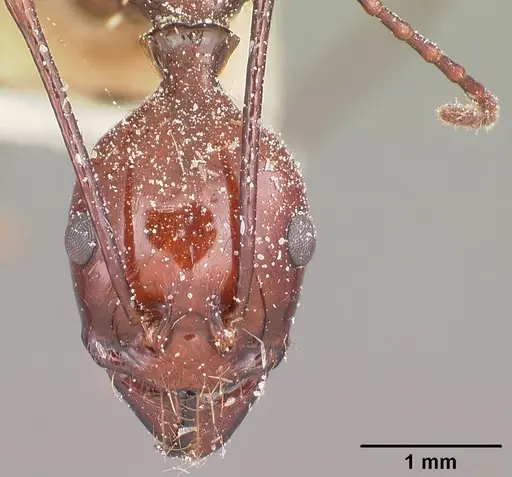
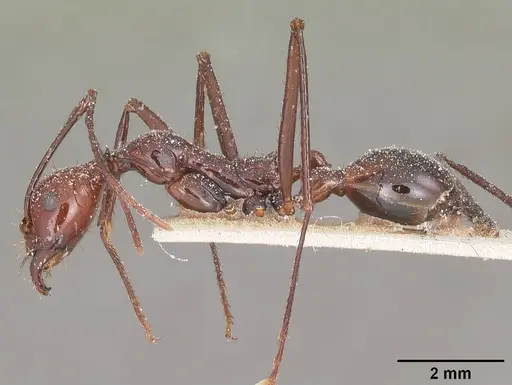
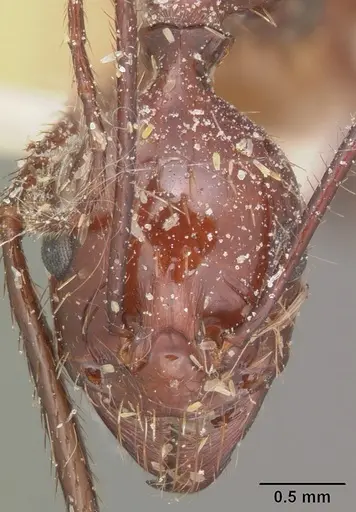
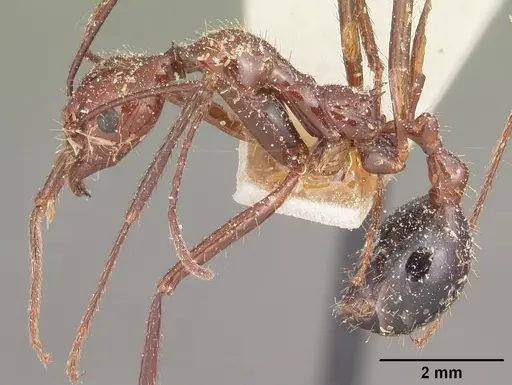
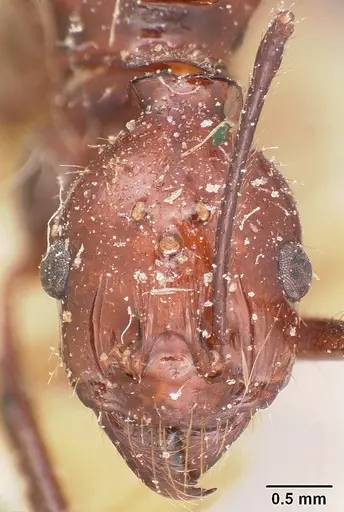
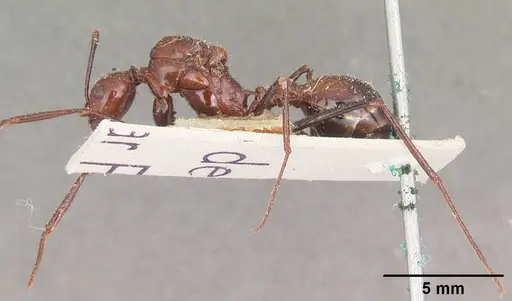
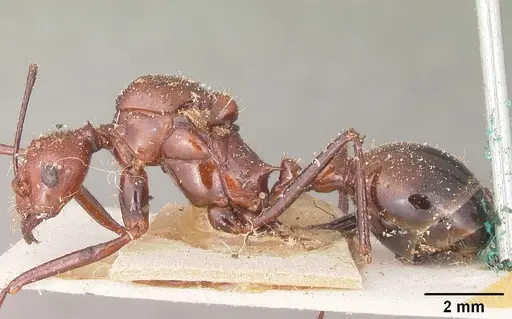
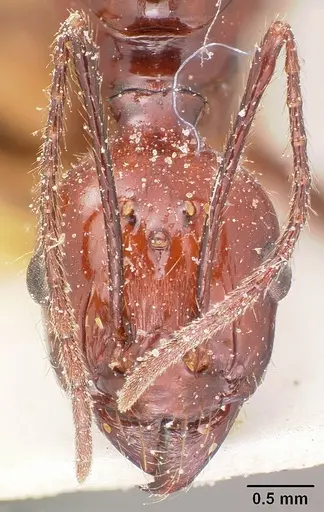
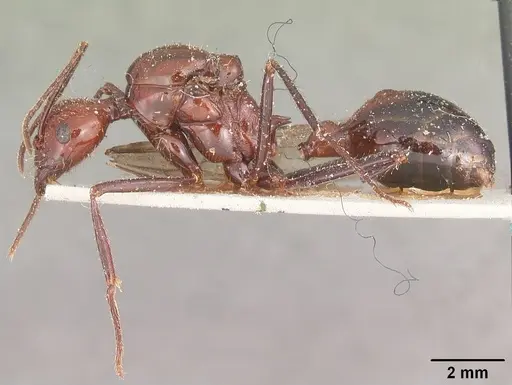
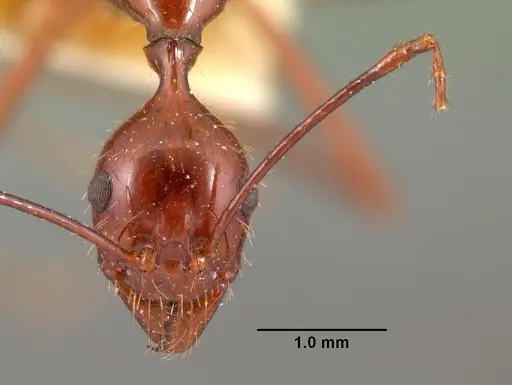
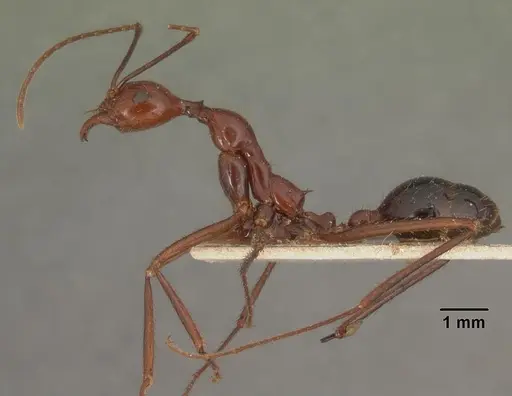
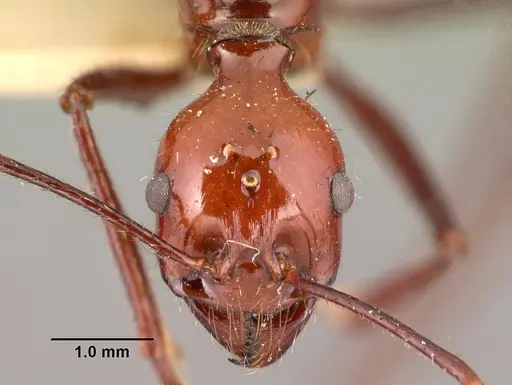
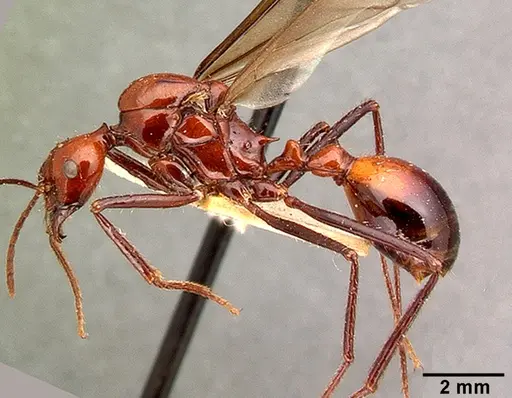
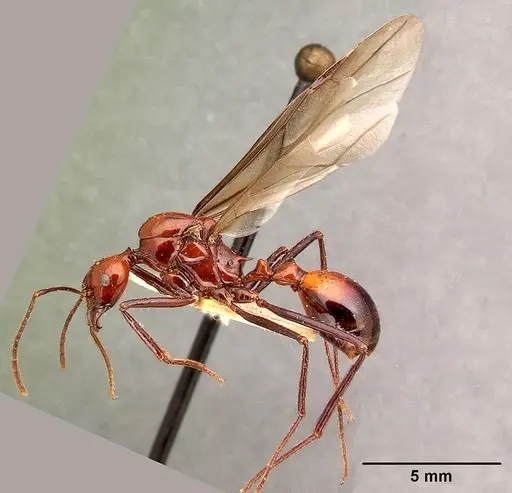
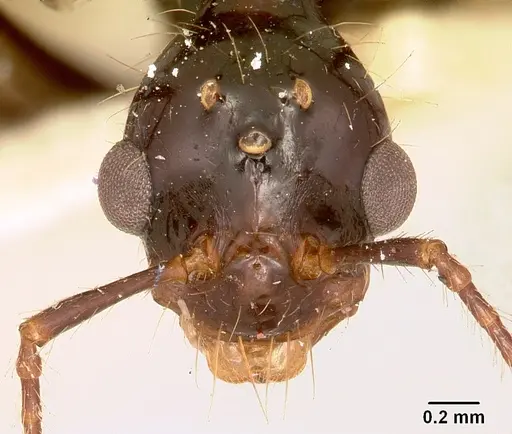
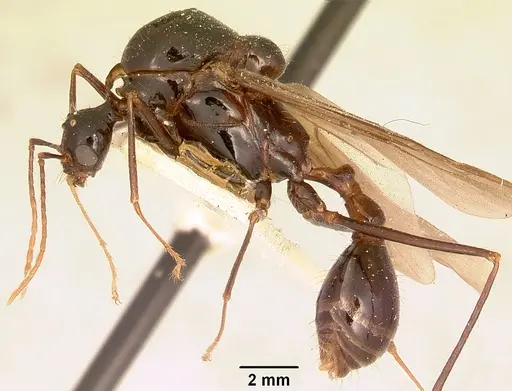
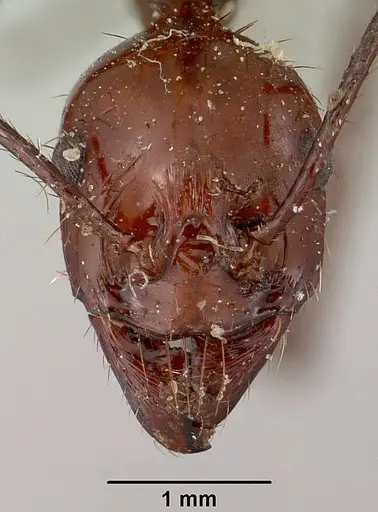
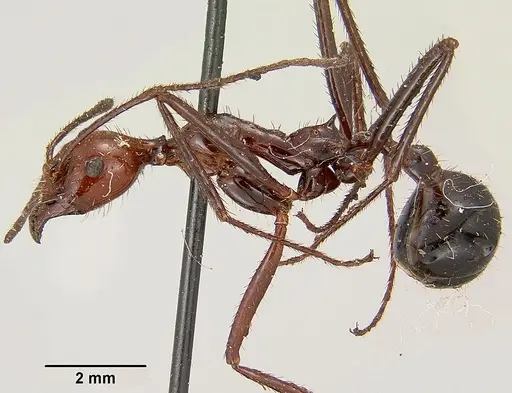
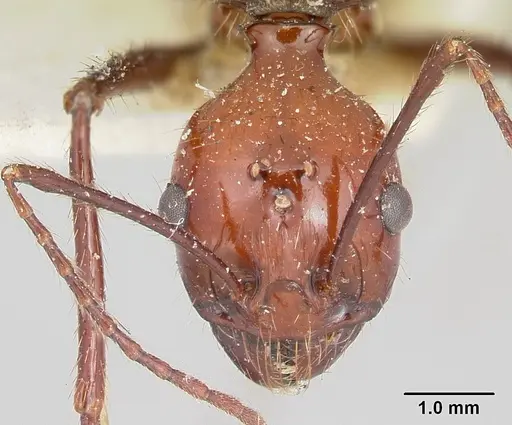
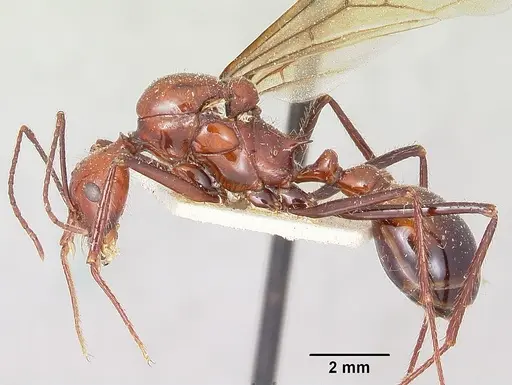
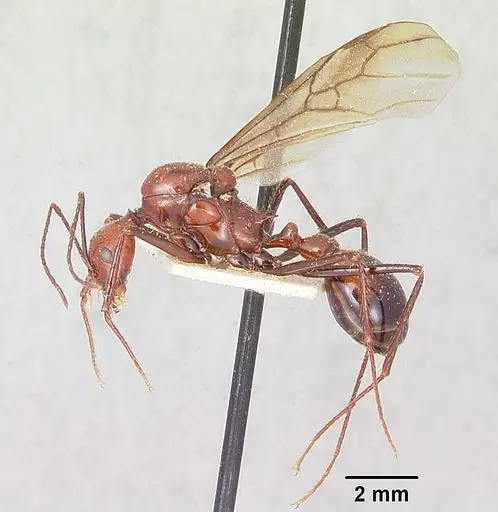
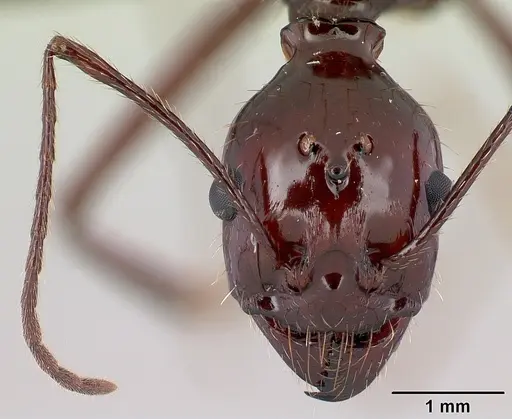
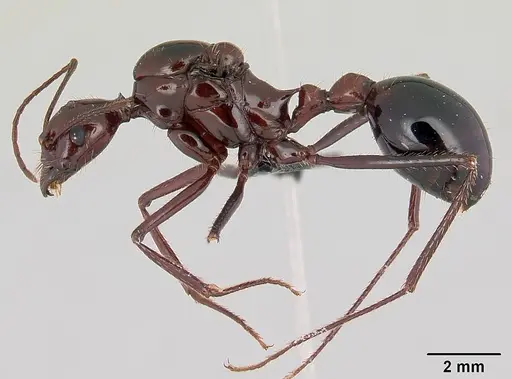
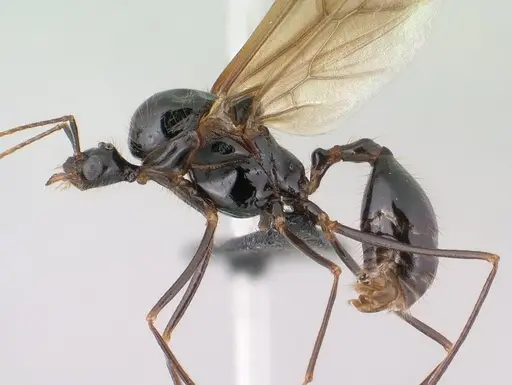
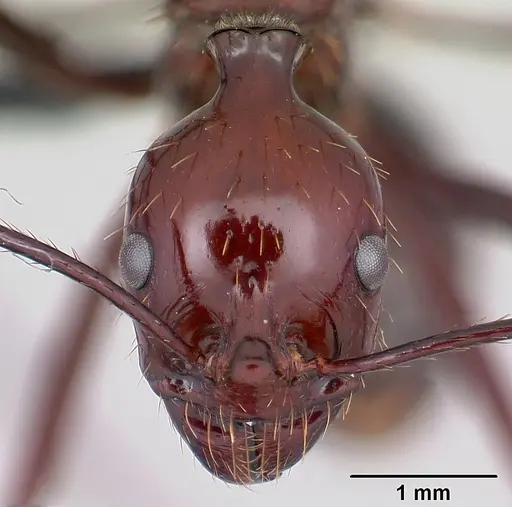
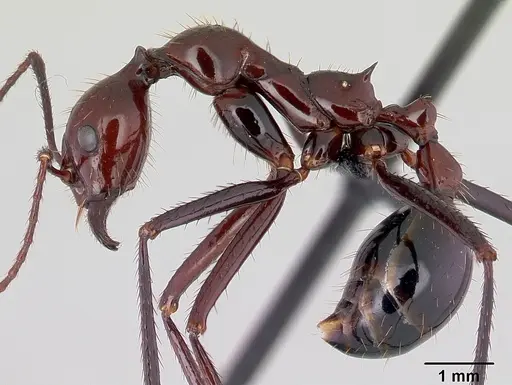
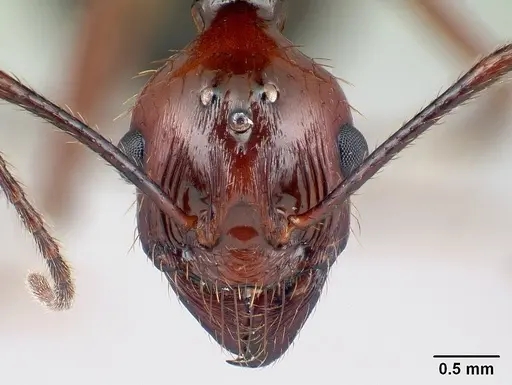
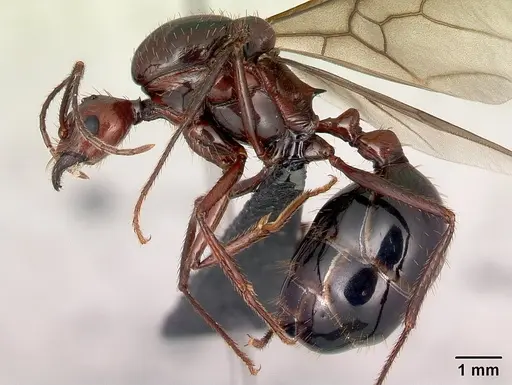
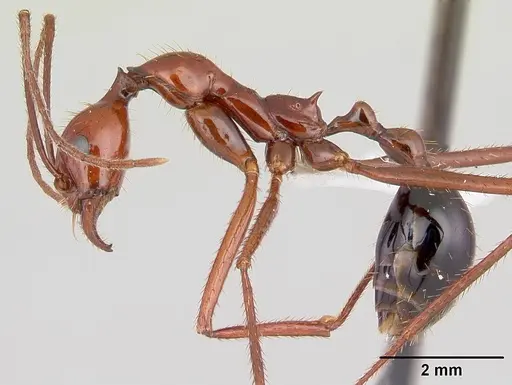
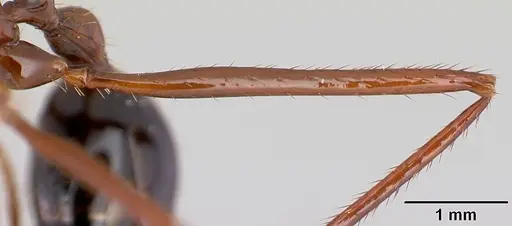
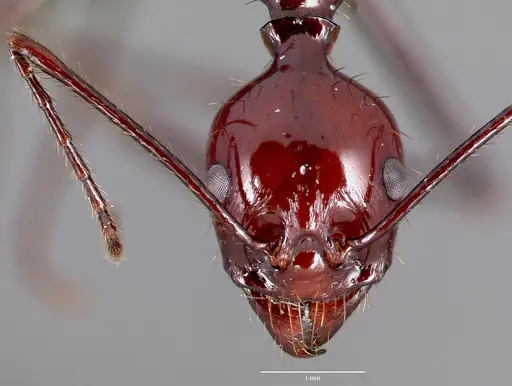
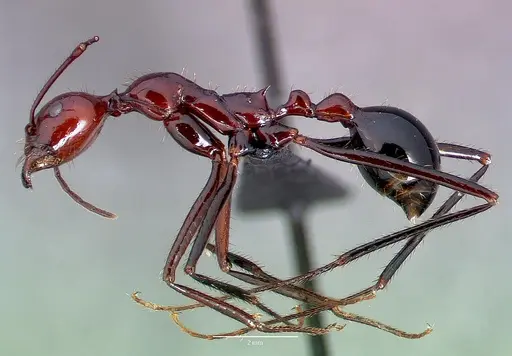
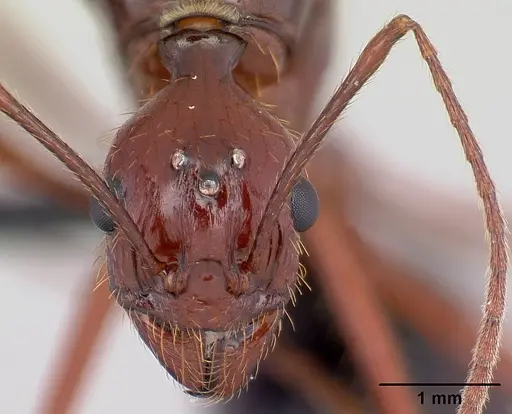
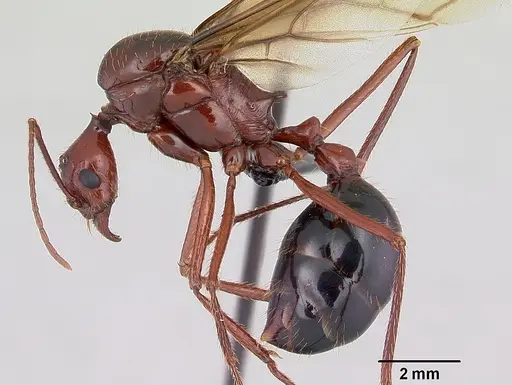
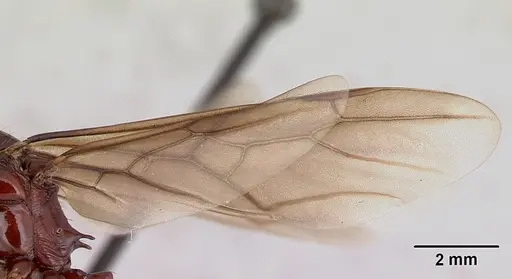
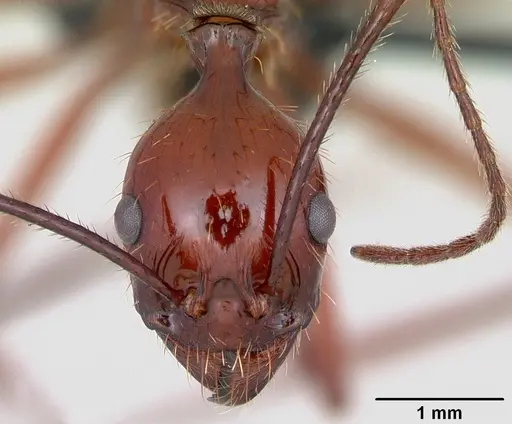
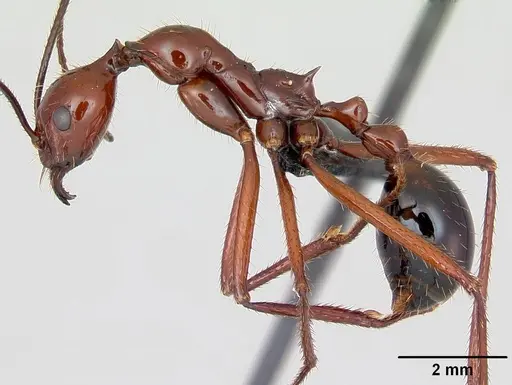
Aphaenogaster swammerdami is a medium-sized ant endemic to Madagascar . They inhabit the dry deciduous forests, grasslands, and forest edges of western Madagascar , where they construct conspicuous underground nests with large entrance mounds [AntWiki]. Their coloration is typically reddish-brown to dark brown, with the slender build and long legs characteristic of the genus. What makes this species unusual is its intimate relationship with snakes. They share their nests with the colubrid snake Madagascarophis colubrinus, which protects them from the blindsnake Madatyphlops decorsei that specializes in eating ant brood [AntWiki]. When threatened by these blindsnakes, workers evacuate the entire brood from the nest within minutes [AntWiki]. They are important seed dispersers for the tree Commiphora guillaumini [AntWiki].
Quick Summary
- Difficulty: Medium
- Origin & Habitat: Madagascar, dry deciduous forests, grasslands (burned and unburned), and forest edges [3][1][4].
- Colony Type: Colony structure is unconfirmed, likely single-queen based on typical Aphaenogaster patterns.
- Size & Growth:
- Queen: Approximately 6-8mm, inferred from Aphaenogaster genus patterns.
- Worker: Approximately 4-6mm, inferred from Aphaenogaster genus patterns.
- Colony: Up to 1500 workers [5].
- Growth: Moderate
- Development: Approximately 6-10 weeks at 25-28°C, estimated from related tropical Aphaenogaster species. (Development speed depends on temperature consistency.)
- Antkeeping:
- Temperature: 24-28°C (75-82°F). Provide a gradient with a warm side. They are tropical and require year-round heating [2].
- Humidity: Moderate humidity with moist nest substrate and dry outworld areas available [7].
- Diapause: No diapause required, tropical species active year-round [2].
- Nesting: Deep, soil-based nests with excavation opportunities, naturalistic setups with 10-15cm substrate depth ideal [5][8].
- Behavior: Active ground-foragers that collect seeds and insects. They show complex defensive behaviors including brood evacuation when threatened by blindsnakes [5]. Not particularly aggressive but fast-moving. Escape prevention is important due to their small size.
- Common Issues: colonies grow large (up to 1500 workers) and require spacious enclosures with deep substrate for proper nest construction [5]., seed storage can mold if humidity is too high, ensure good ventilation and remove sprouted seeds promptly [5]., tropical heating requirements mean winter keeping needs consistent heat sources to prevent lethargy or death., small worker size requires fine mesh barriers to prevent escapes.
Nest Preferences
In nature, Aphaenogaster swammerdami constructs large underground nests with a single conspicuous entrance mound [5]. These nests can be quite deep and extensive to accommodate colonies of up to 1500 workers [5]. In captivity, you should provide a naturalistic setup with at least 10-15cm of substrate depth to allow for proper excavation behavior. A soil-sand mix or clay-based substrate works well, as they need structural integrity for their tunnels. They will create a visible mound at the surface if given enough space. Avoid shallow acrylic nests, these ants need room to dig and create their characteristic underground chambers where they store seeds and brood. Ground-nesting behavior is well documented [8], so prioritize substrate depth over pre-made cavities.
Feeding and Diet
These ants are omnivorous seed harvesters [5]. In their native Madagascar, they act as important secondary seed dispersers for the tree Commiphora guillaumini, carrying seeds back to their nests [3]. In captivity, offer a mix of small seeds (millet, chia, crushed sunflower) and protein sources like fruit flies, small crickets, or mealworm pieces. They also accept sugar water or honey water. Because they cache seeds in their nest, remove any sprouted seeds or moldy food promptly to prevent fungal issues. Their diet in the wild includes arthropods, so ensure regular protein offerings for optimal brood development [5].
Temperature and Care
As a tropical species from Madagascar (latitude approximately -18.95°) [2], these ants require warm temperatures year-round. Keep them between 24-28°C (75-82°F) with a slight gradient across the nest. They do not require hibernation. If your room temperature drops below 20°C, use a heating cable or mat on one side of the nest. Monitor the colony's activity levels, if workers become sluggish or cluster tightly around the heat source, adjust accordingly. Maintain moderate humidity, the nest substrate should be moist but not waterlogged, with a drier outworld area available [7].
Behavior and Temperament
Aphaenogaster swammerdami is an active, ground-dwelling species that forages individually rather than in trails [5]. They are not aggressive but will defend their nest when threatened. Their most remarkable behavior is their relationship with the snake Madagascarophis colubrinus, which lives in their nests and protects them from the blindsnake Madatyphlops decorsei that preys on ant larvae [5][6]. When threatened by blindsnakes, workers will evacuate the entire brood from the nest within minutes [5]. In captivity, they are active foragers and will quickly collect food items. They are found in both dry and humid habitats, as well as burned and unburned grasslands, showing adaptability [3][7].
Growth and Development
Colonies can reach impressive sizes of up to 1500 workers [5], making them a long-term project for ant keepers. Growth is moderate, expect the colony to take several months to reach the hundred-worker mark. Development from egg to worker likely takes 6-10 weeks at optimal temperatures (25-28°C), though this is estimated from related tropical Aphaenogaster species. The first workers (nanitics) will be smaller than subsequent generations. Because colonies can grow large, plan ahead for housing, you will eventually need a spacious formicarium or naturalistic setup to accommodate their nest expansion and foraging area needs.
Frequently Asked Questions
Can I keep Aphaenogaster swammerdami in a test tube?
Yes for the founding stage, but you should move them to a soil-based nest within the first year. They need deep substrate to construct their characteristic underground nests and mounds [5].
How long until Aphaenogaster swammerdami gets first workers?
Founding behavior is unconfirmed for this species. Based on related tropical Aphaenogaster species, expect approximately 6-10 weeks at 25-28°C.
Do Aphaenogaster swammerdami need hibernation?
No, they are a tropical species from Madagascar and remain active year-round. Keep them warm (24-28°C) consistently [2].
What do Aphaenogaster swammerdami eat?
They are omnivorous seed harvesters. Feed them small seeds (millet, chia), protein such as fruit flies or small crickets, and sugar water or honey water [5][3].
How big do Aphaenogaster swammerdami colonies get?
Colonies can reach up to 1500 workers [5].
Are Aphaenogaster swammerdami good for beginners?
They are medium difficulty. While not aggressive, they require consistent tropical heating, grow large enough to need spacious housing, and need careful humidity management to prevent mold in their seed stores.
Do Aphaenogaster swammerdami sting?
Stinging ability is not documented for this species. Aphaenogaster generally have mild venom and are not considered dangerous to humans.
Can I keep multiple Aphaenogaster swammerdami queens together?
Not recommended. While their exact colony structure is unconfirmed, most Aphaenogaster are single-queen species. Combining unrelated queens risks fighting and colony failure.
What is the mutualism with snakes about?
In nature, they host the snake Madagascarophis colubrinus in their nests. This snake protects the ants from the blindsnake Madatyphlops decorsei, which specializes in eating ant larvae. The ants recognize the beneficial snake and do not attack it [5][6].
Why are my Aphaenogaster swammerdami dying?
Check three things: temperature (must stay above 20°C, ideally 24-28°C), humidity (substrate should not be waterlogged, mold kills colonies), and space (crowding causes stress in large colonies).
Report an Issue
The current care sheet is based fully on literature. See inconsistencies, or something that's incorrect? Please , it will be resolved after review from an admin. Contributing to the blogs tab also helps providing information, to make us be able to further improve the caresheets. Thank you for your support!
References

This caresheet is licensed under CC BY-SA 4.0 .
Community Blogs
CASENT0000523
View on AntWeb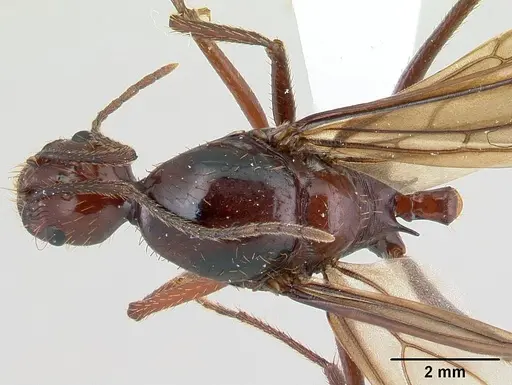
CASENT0000990
View on AntWeb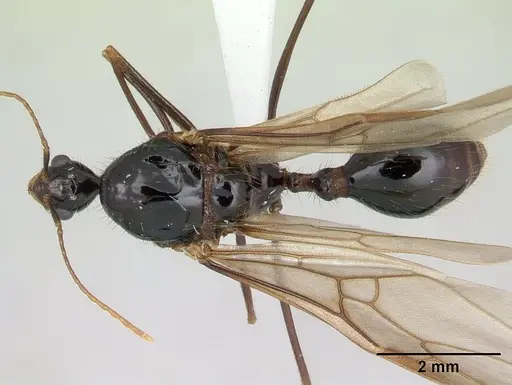
CASENT0001385
View on AntWeb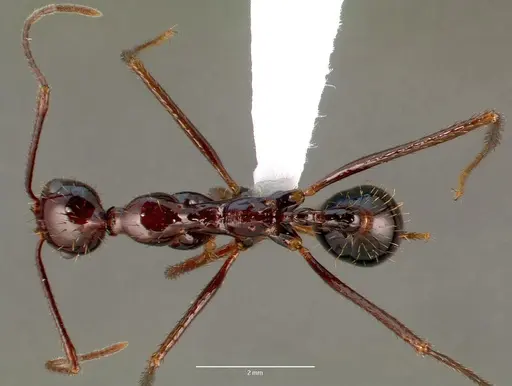
CASENT0002607
View on AntWeb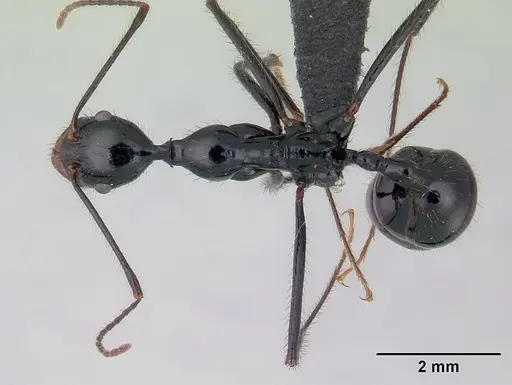
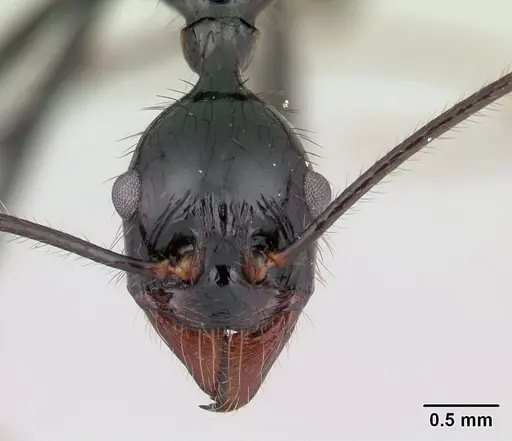
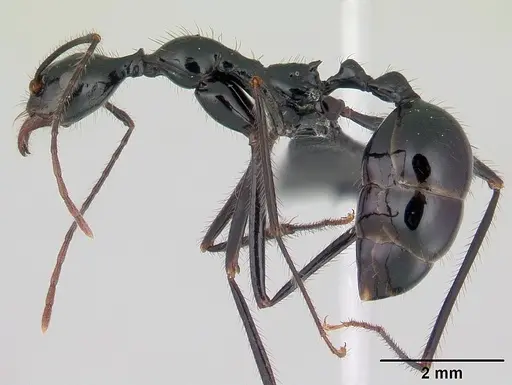
CASENT0017663
View on AntWeb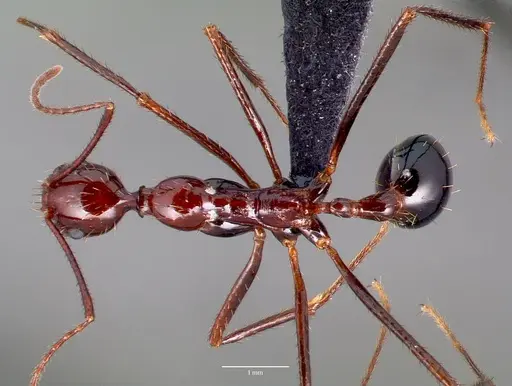
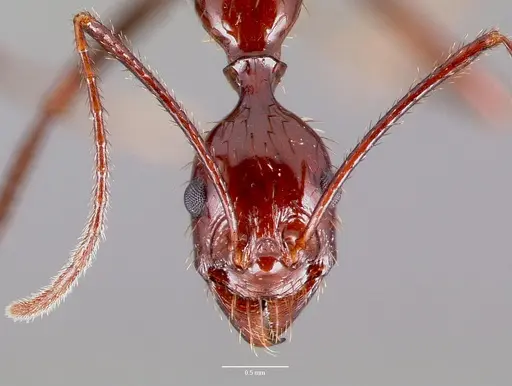
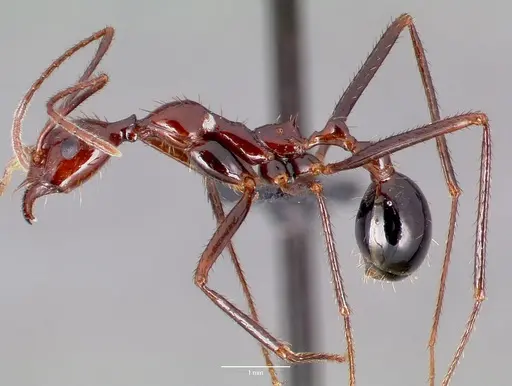
CASENT0101065
View on AntWeb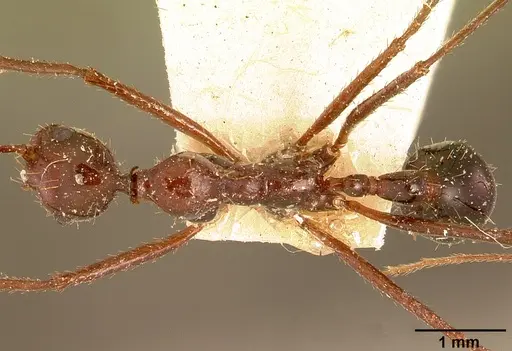
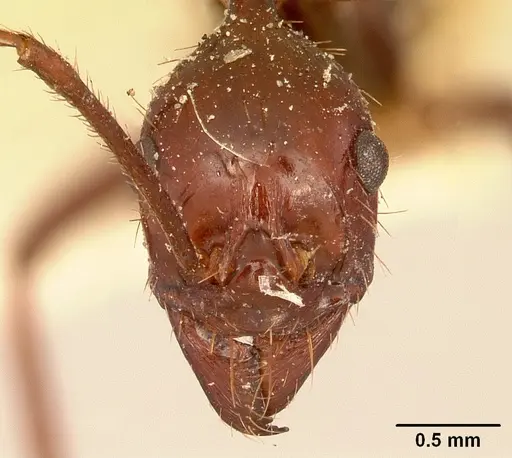
CASENT0101066
View on AntWeb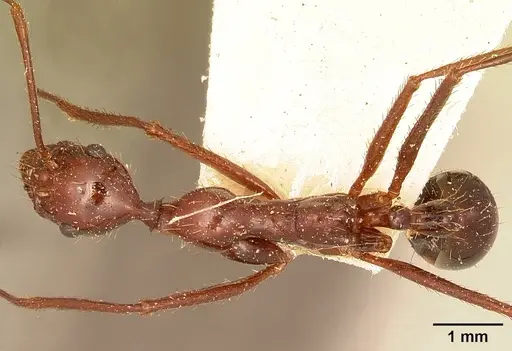
CASENT0101067
View on AntWeb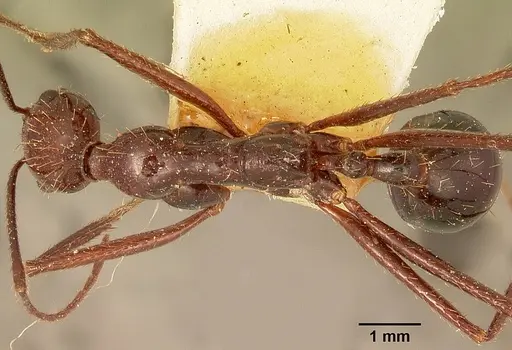
CASENT0101068
View on AntWeb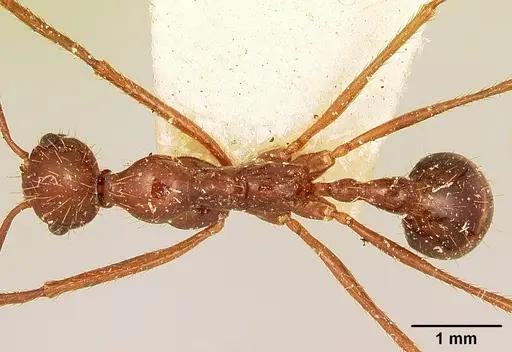
CASENT0101069
View on AntWeb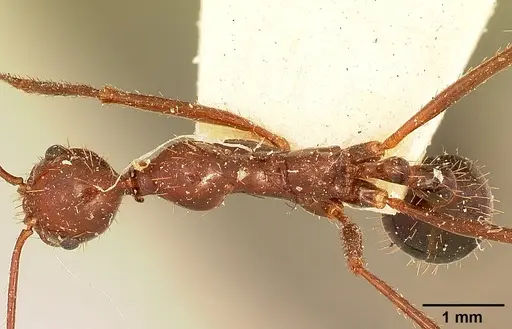
CASENT0101070
View on AntWeb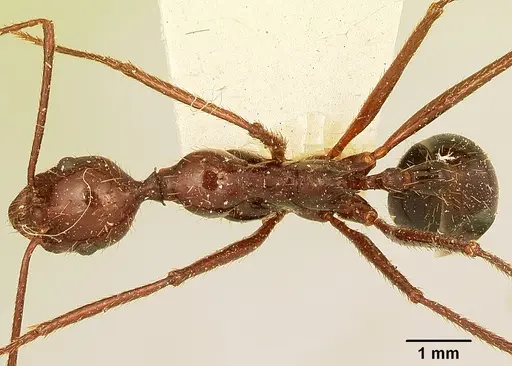
CASENT0101071
View on AntWeb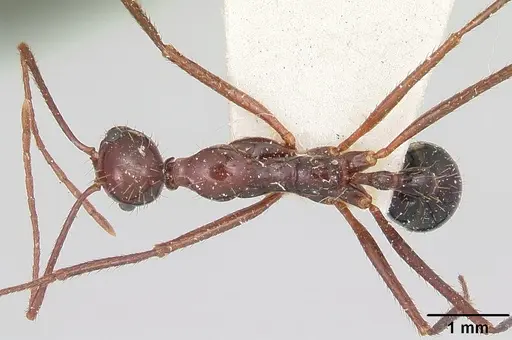
CASENT0101072
View on AntWeb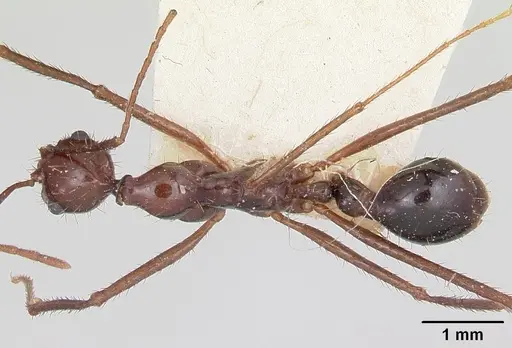
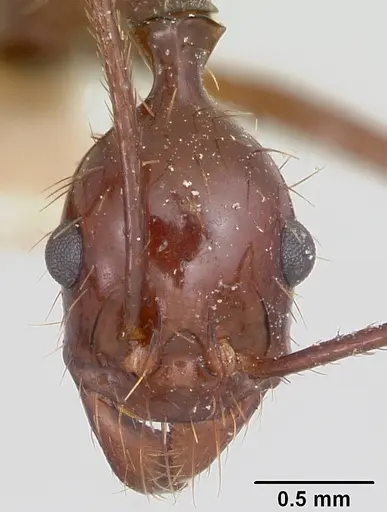
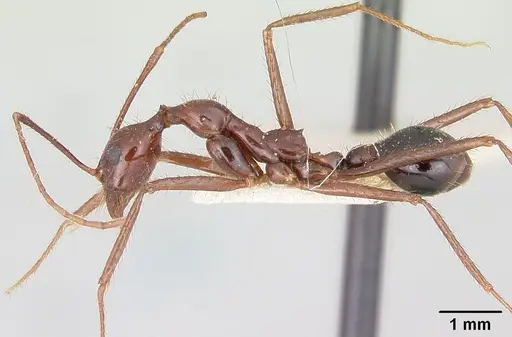
CASENT0101073
View on AntWeb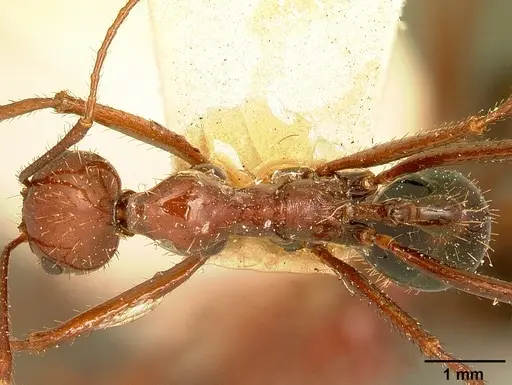
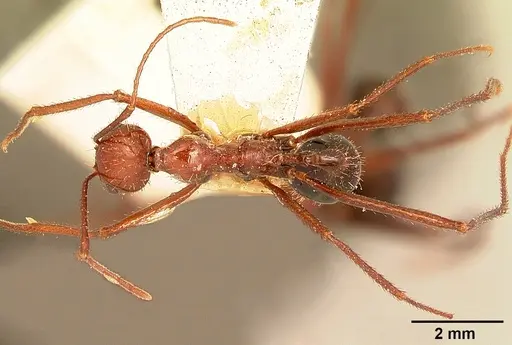
CASENT0101074
View on AntWeb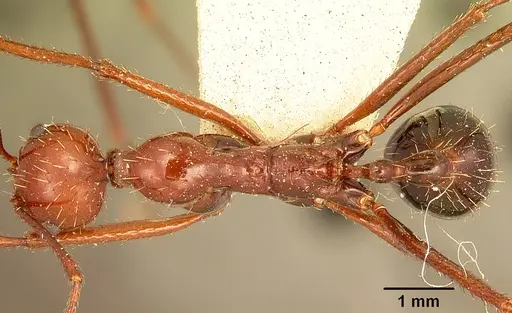
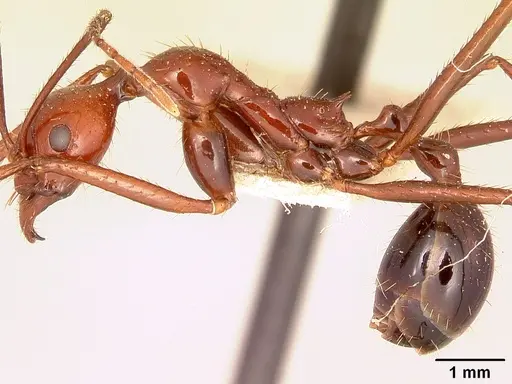
CASENT0101075
View on AntWeb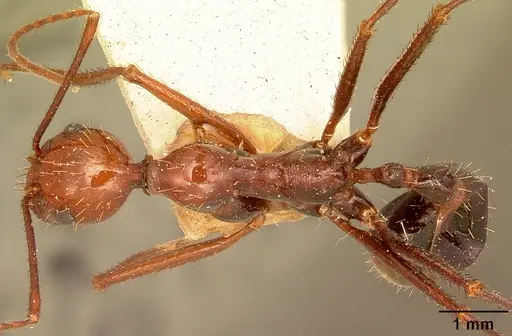
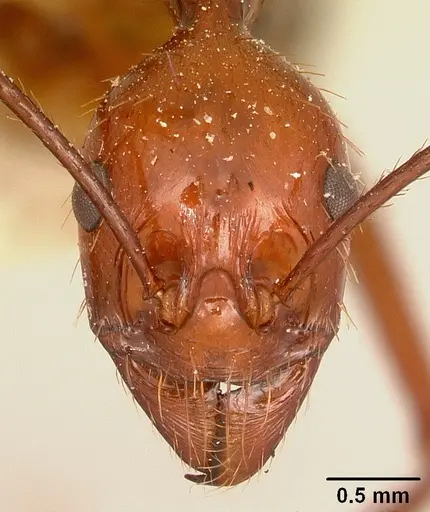
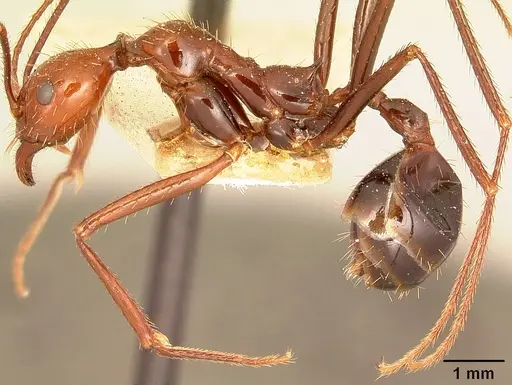
CASENT0101086
View on AntWeb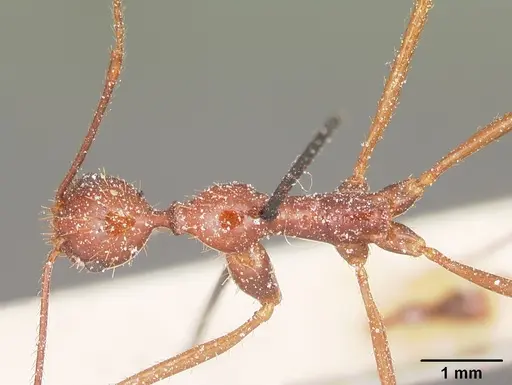
CASENT0101087
View on AntWeb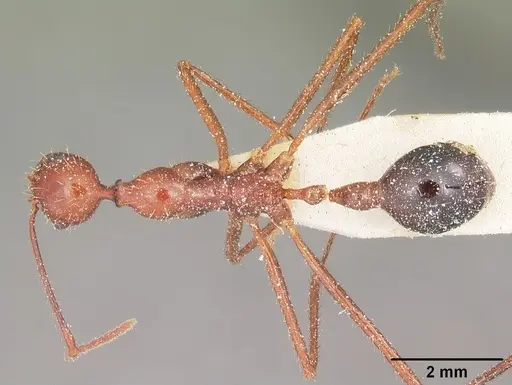
CASENT0101088
View on AntWeb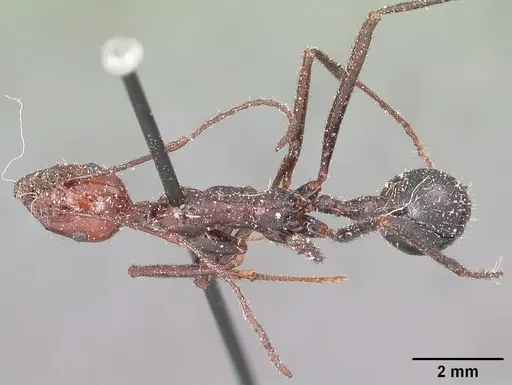
CASENT0101089
View on AntWeb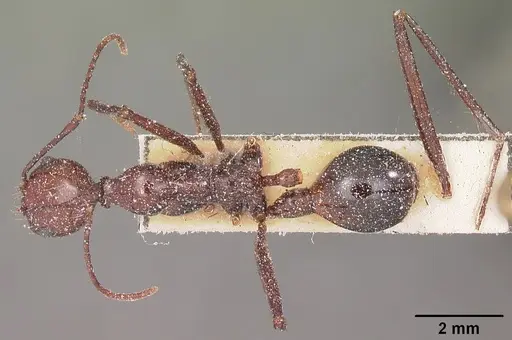
CASENT0101090
View on AntWeb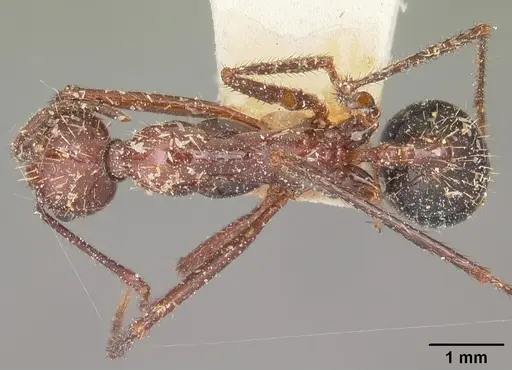
CASENT0101091
View on AntWeb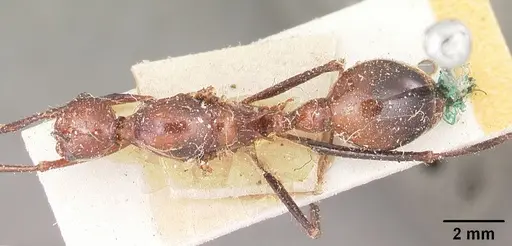
CASENT0101092
View on AntWeb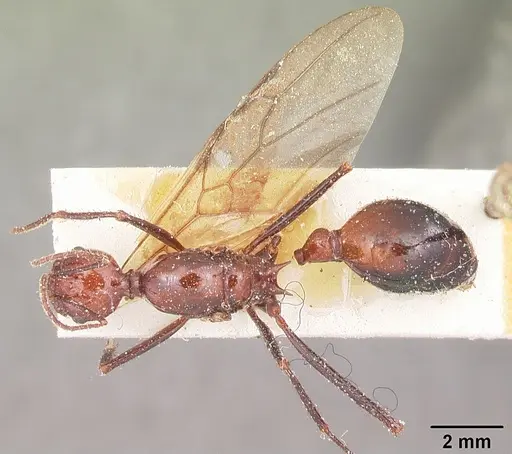
CASENT0101482
View on AntWeb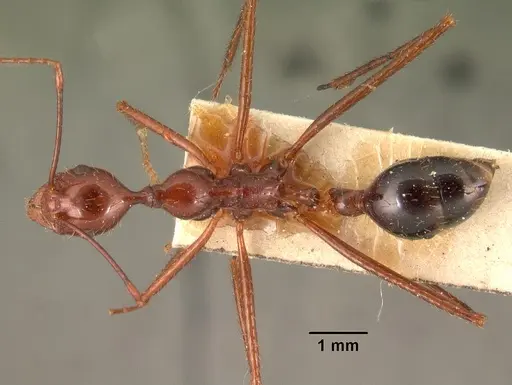
CASENT0101485
View on AntWeb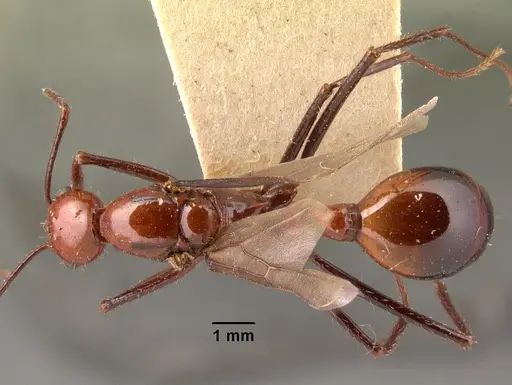
CASENT0101649
View on AntWeb
CASENT0101694
View on AntWeb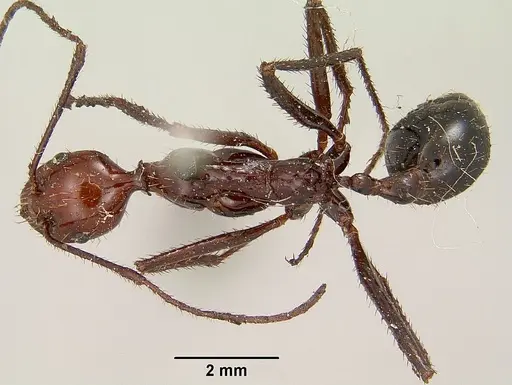
CASENT0101843
View on AntWeb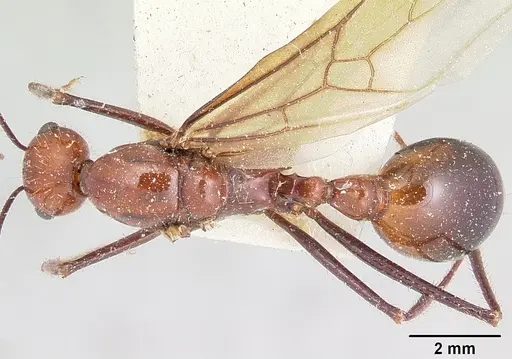
CASENT0109760
View on AntWeb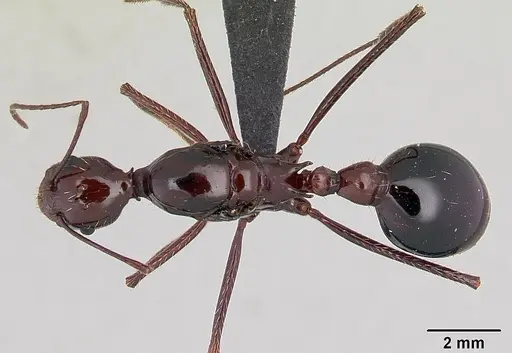
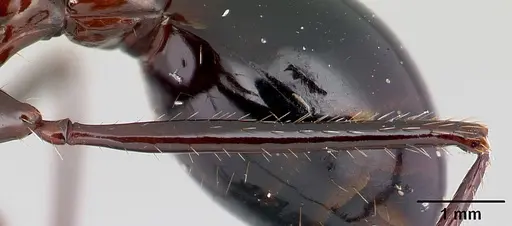
CASENT0144998
View on AntWeb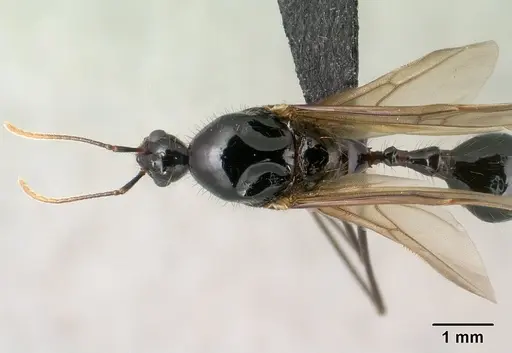
CASENT0144999
View on AntWeb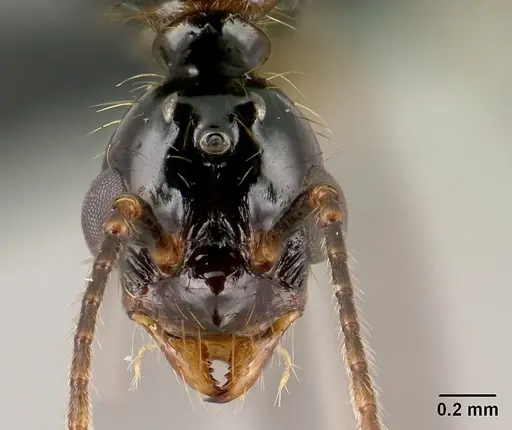
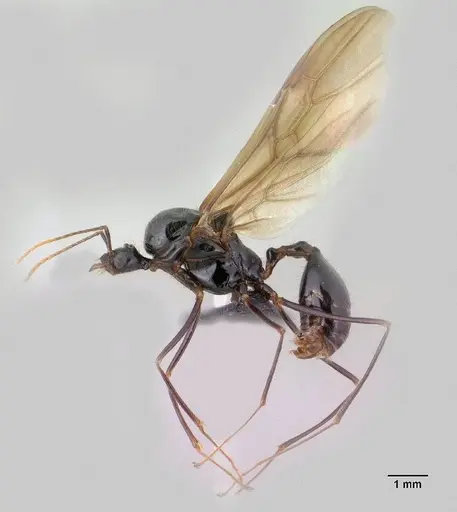
CASENT0178196
View on AntWeb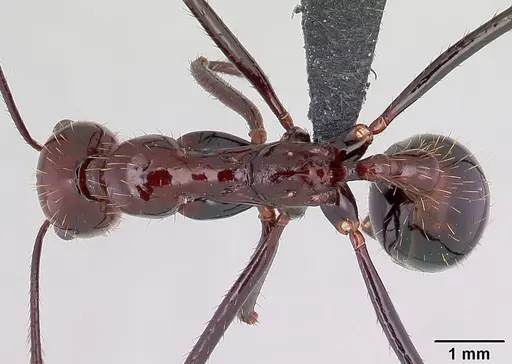
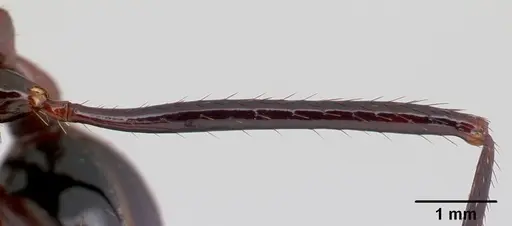
CASENT0204505
View on AntWeb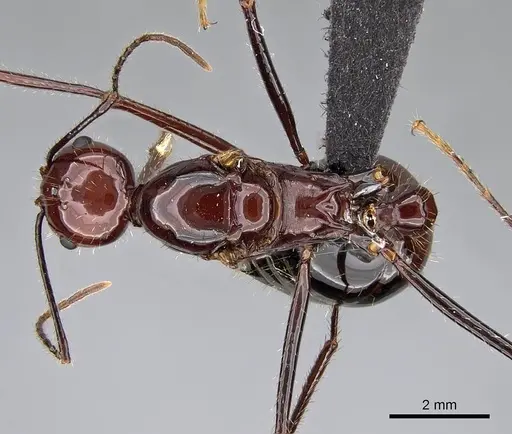
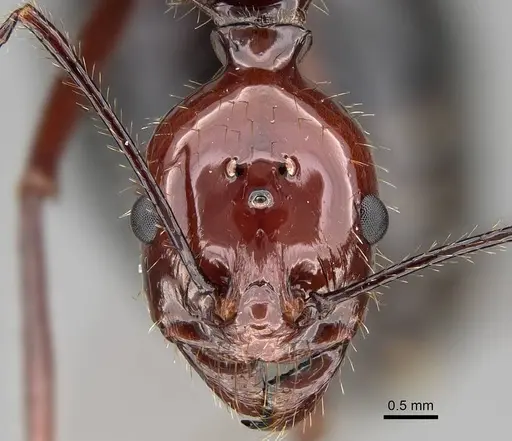
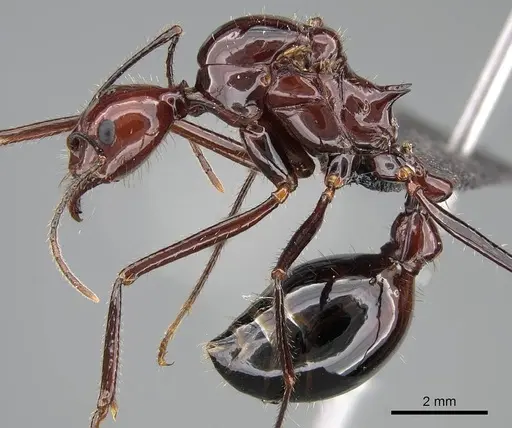
CASENT0217040
View on AntWeb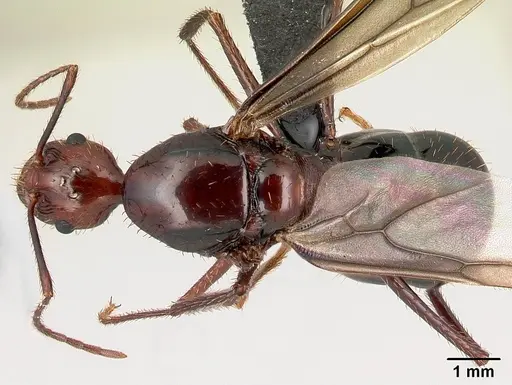
CASENT0248392
View on AntWeb
CASENT0421554
View on AntWeb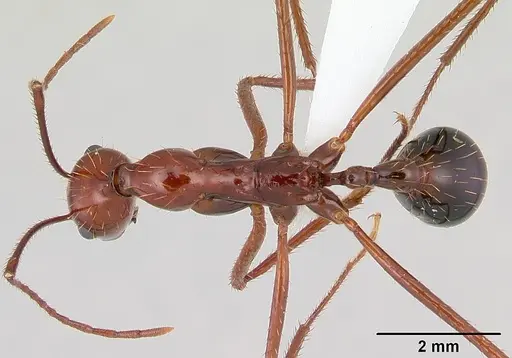
CASENT0489647
View on AntWeb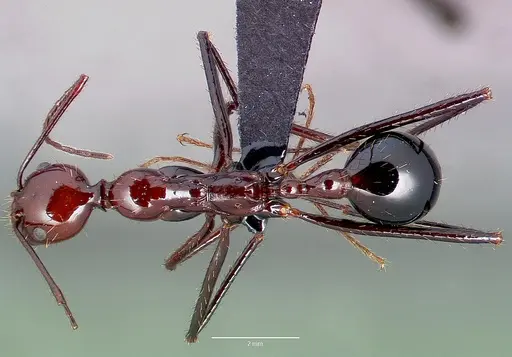
CASENT0492440
View on AntWeb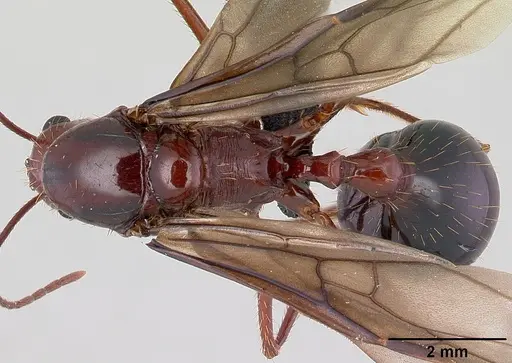
CASENT0498428
View on AntWeb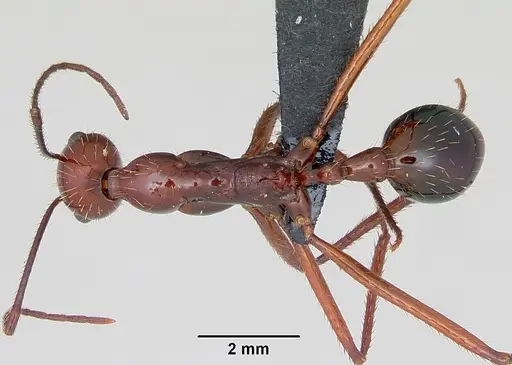
CASENT0822320
View on AntWeb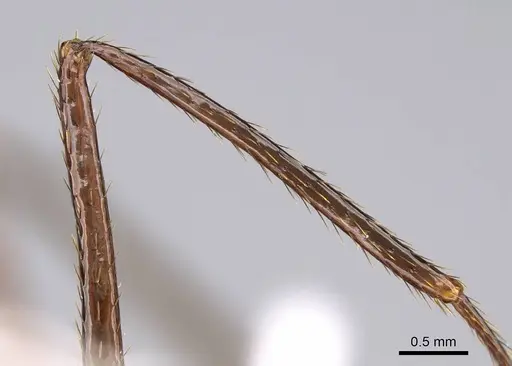
Literature
Loading distribution map...Loading products...