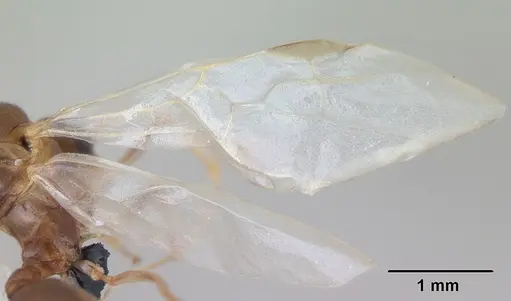
Aphaenogaster subterranea shows a August to August flight window. Peak activity occurs in August, with nuptial flights distributed across 1 months.
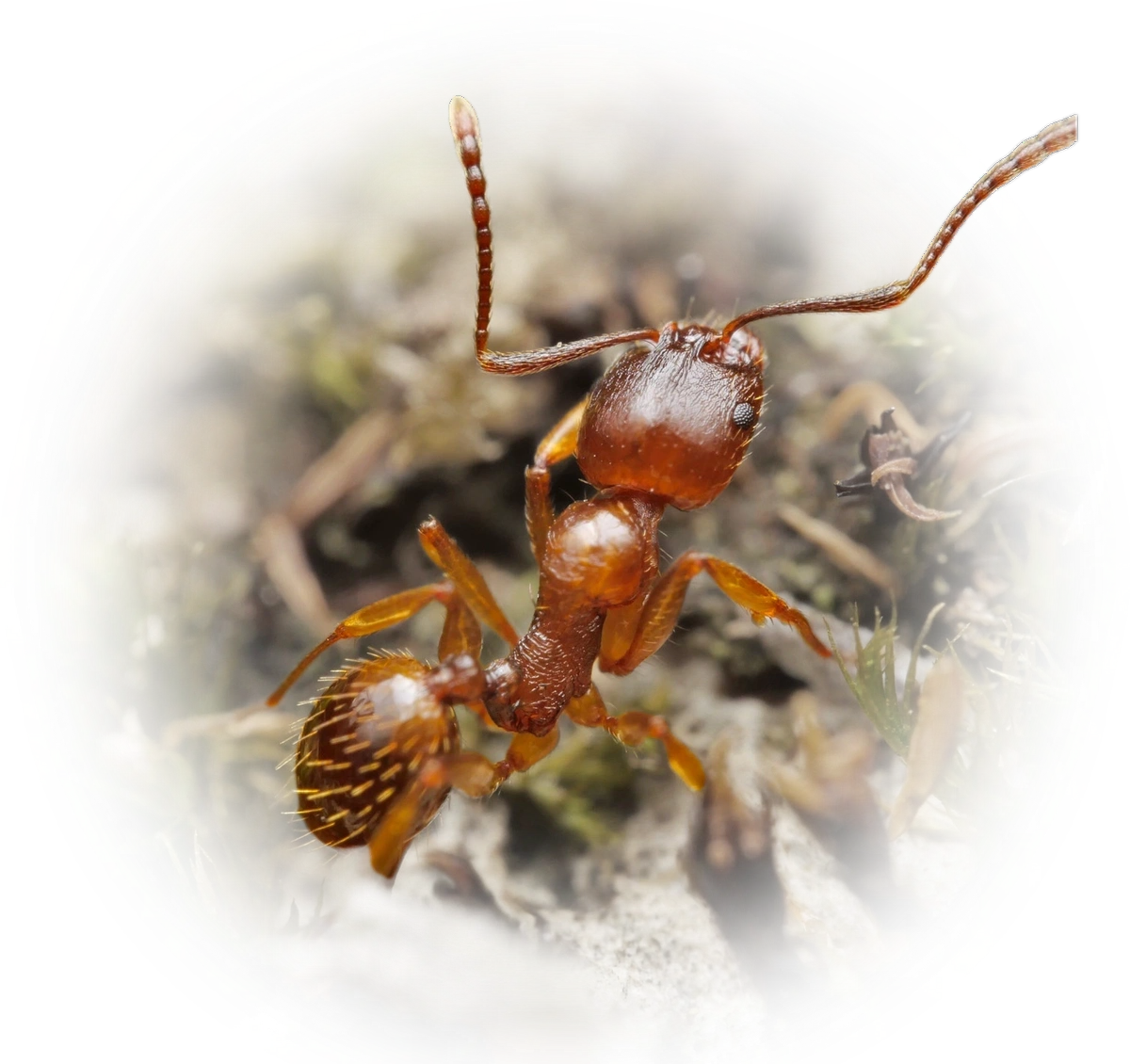
Aphaenogaster subterranea
- Sci. Name
- Aphaenogaster subterranea
- Tribe
- Stenammini
- Subfamily
- Myrmicinae
- Author
- Latreille, 1798
- Distribution
- Found in 13 countries
- Nuptial Flight
- mainly in August
- Peak flight Time
- 20:00
AI Identifiable
try →
Introduction
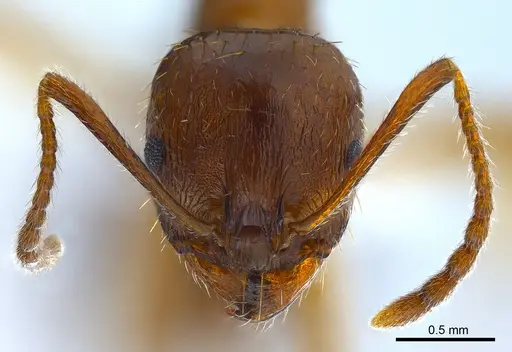
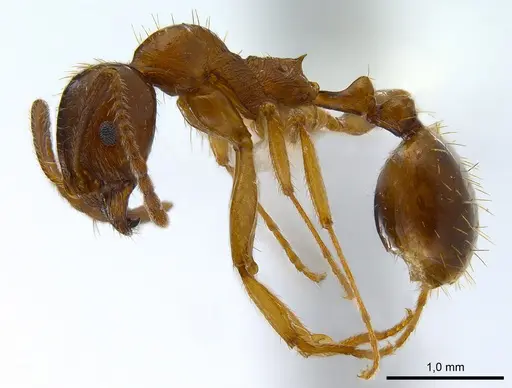
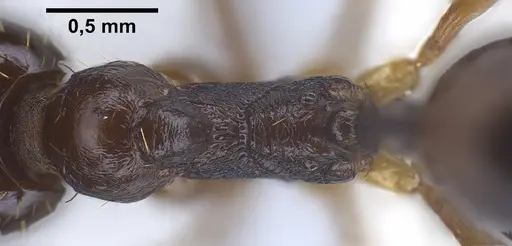
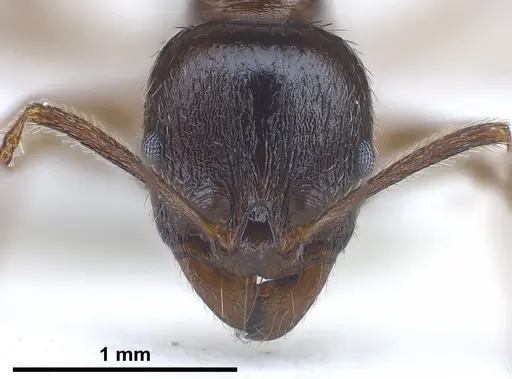
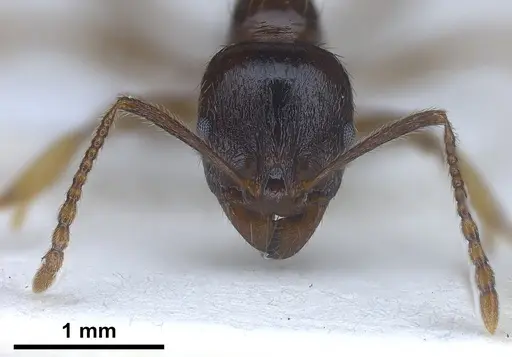
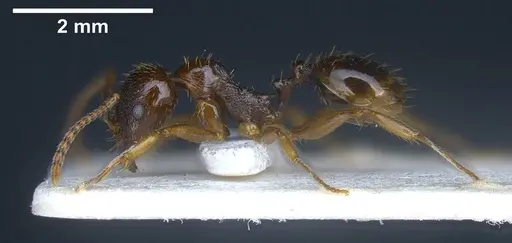
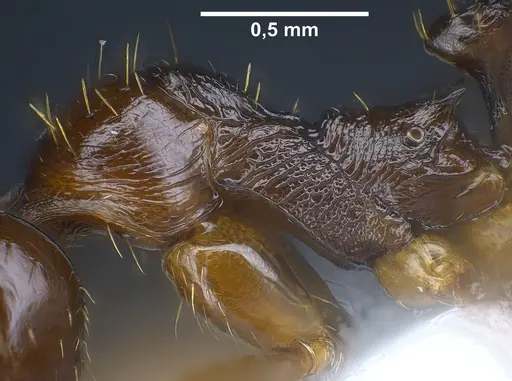
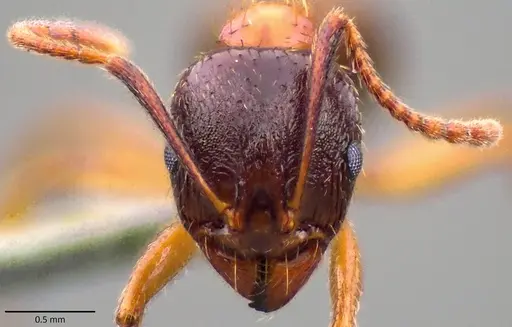
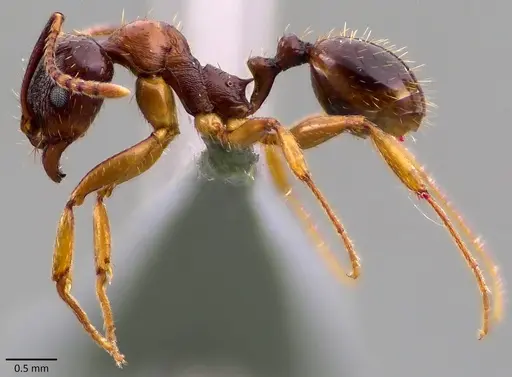
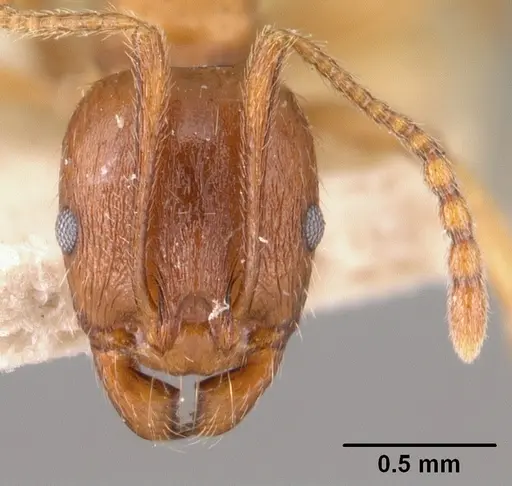
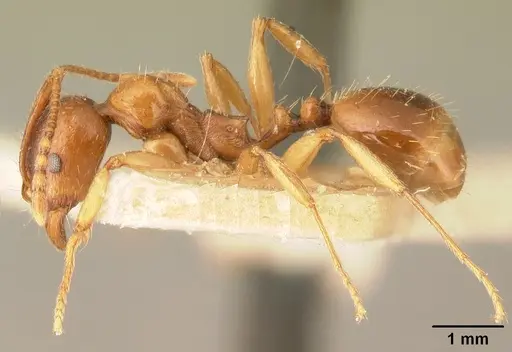
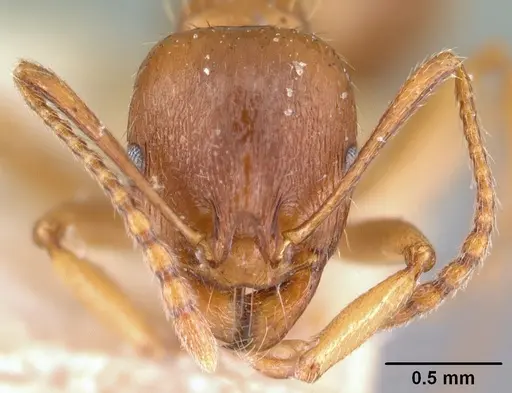
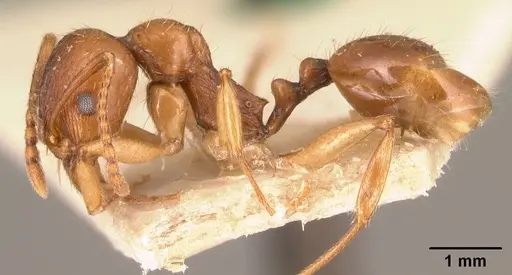
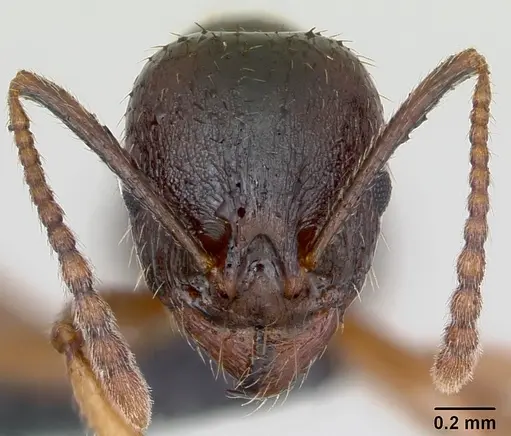
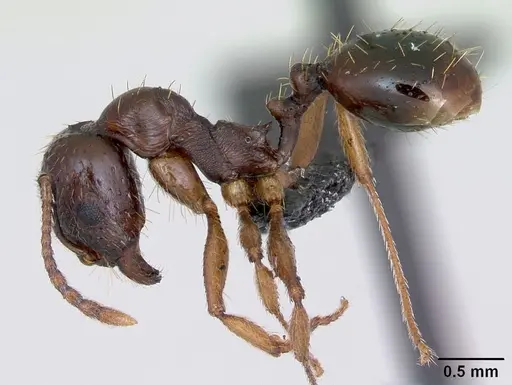
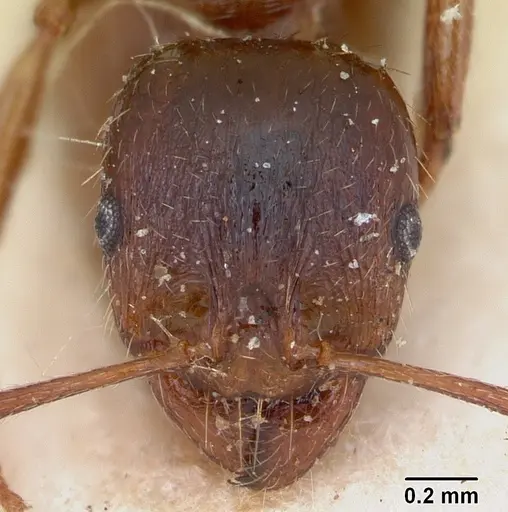
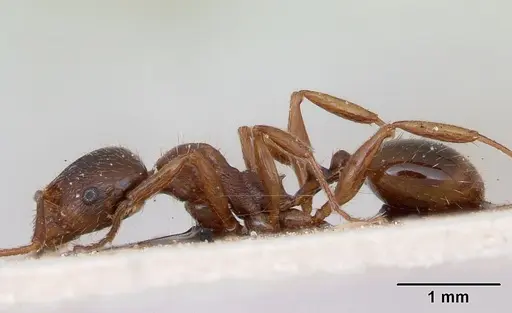
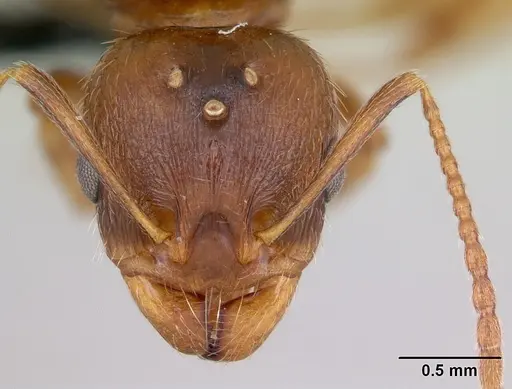
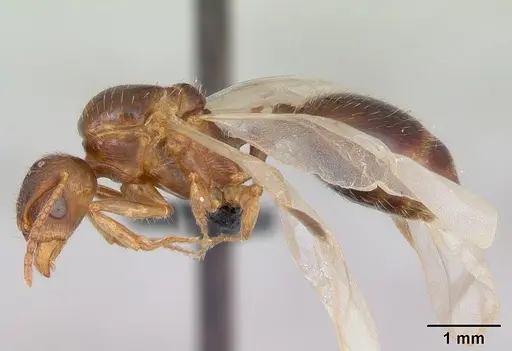
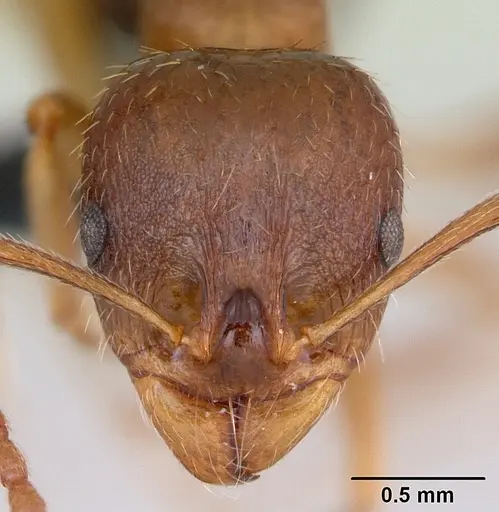
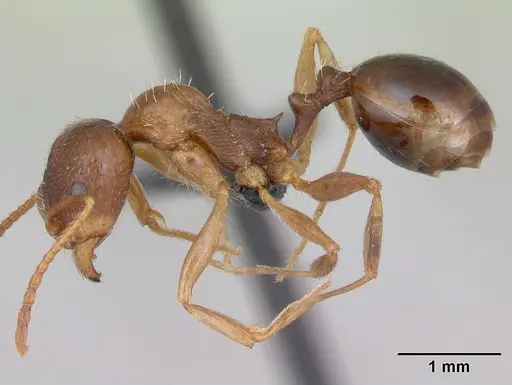
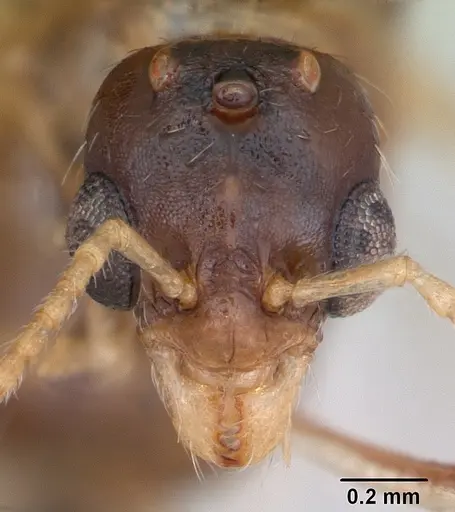
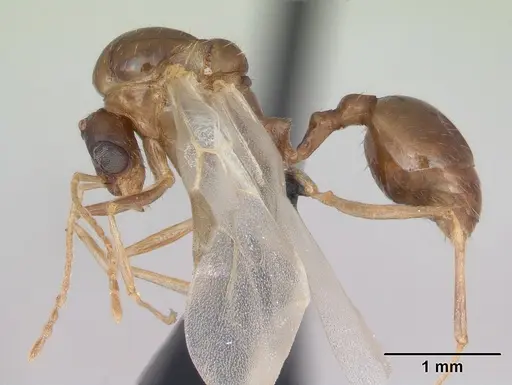
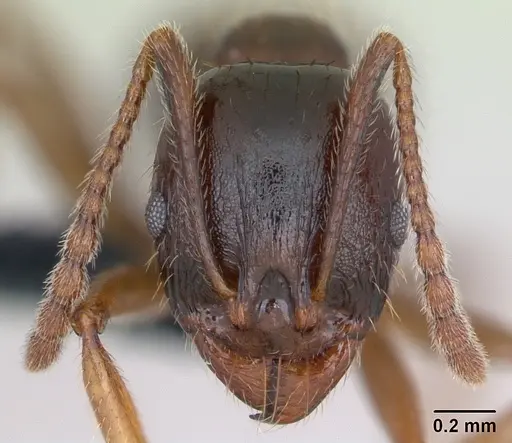
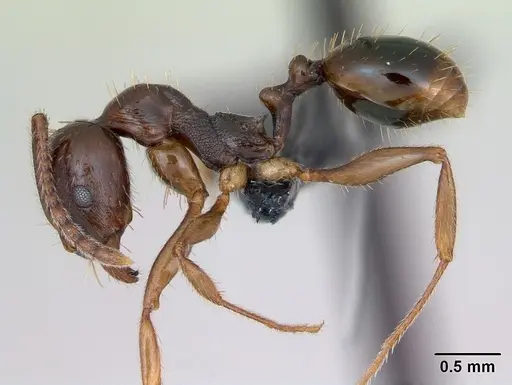
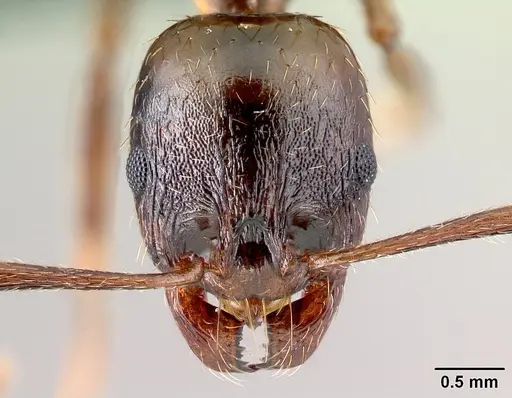
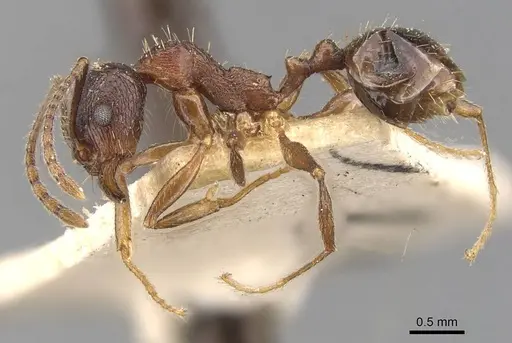
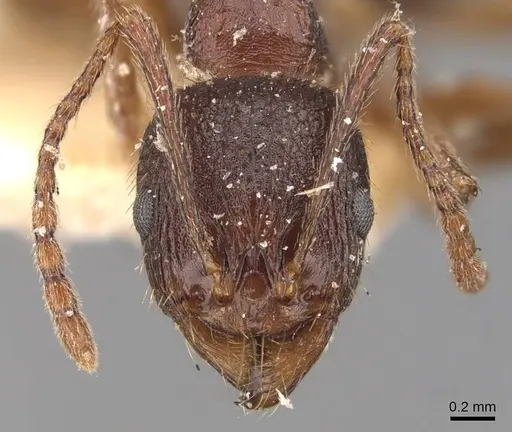
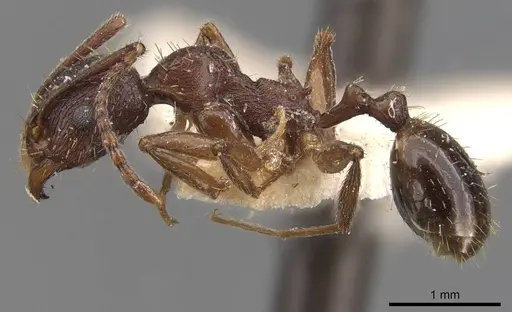
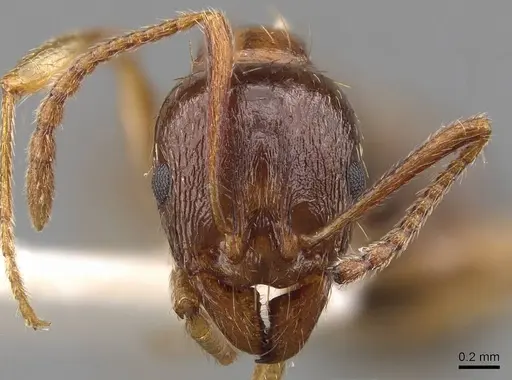
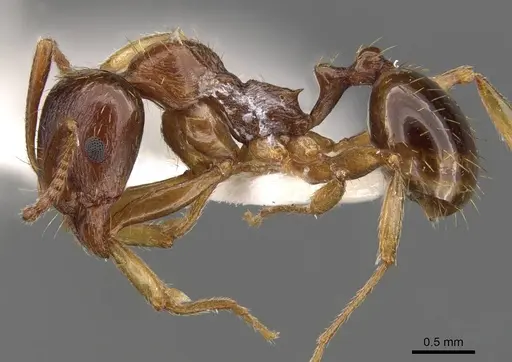
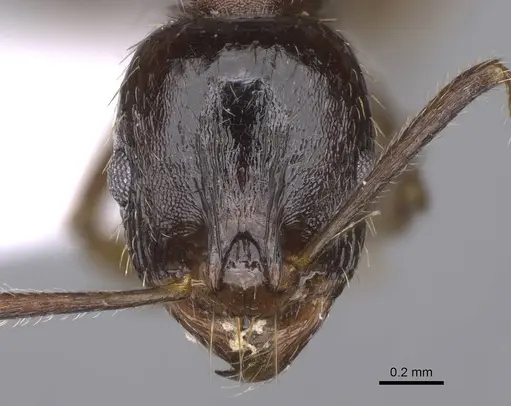
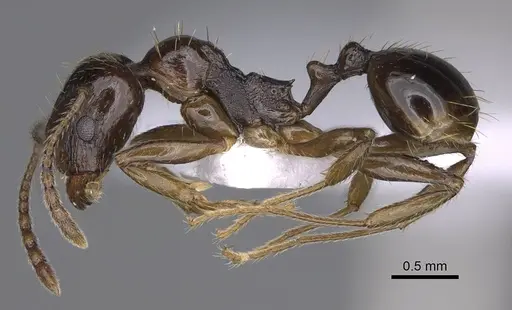
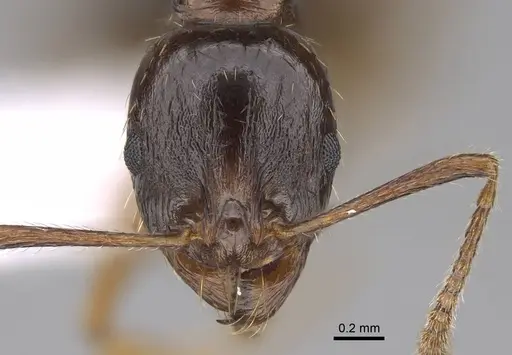
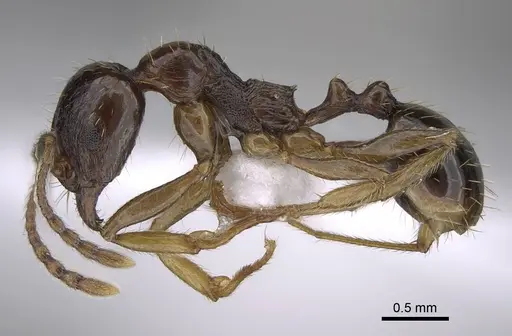
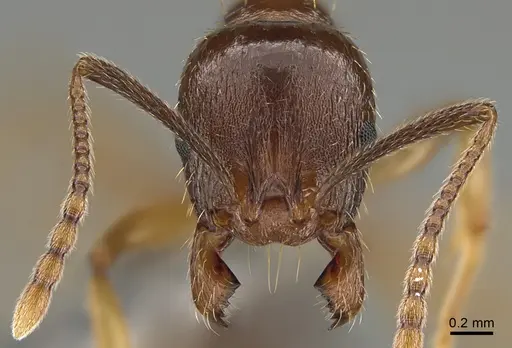
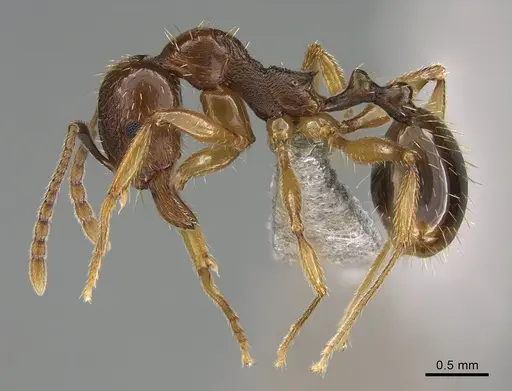
Aphaenogaster subterranea is a small, slender ant native to the western Palearctic, ranging from Iberia and France across Italy and Greece to Turkey and the Caucasus [AntWiki]. Workers measure 3.8-4.2 mm with long antennae, distinct propodeal spines, and a smooth, shiny gaster ranging from light to dark brown . In the wild, they inhabit warm, moderately damp deciduous forests, nesting almost exclusively under stones or in soil . These ants display remarkable intelligence through sophisticated tool use: workers drop small items like soil grains, pine needles, or sponge fragments into liquid food, allow them to soak up the liquid, and then carry the food-soaked tools back to the nest .
Quick Summary
- Difficulty: Medium
- Origin & Habitat: Western Palearctic (Iberia to Anatolia), warm deciduous forests and stream valleys, nesting under stones [1][2]
- Colony Type: Primarily single-queen (monogyne) colonies, though occasionally up to 5 dealate queens found together suggesting facultative polygyny [5][6]
- Size & Growth:
- Antkeeping:
- Temperature: 20-22°C day with drop to 16-18°C night, constant 25°C causes colony mortality [10]
- Humidity: Moderately damp conditions, keep nest substrate moist like forest floor under stones [2][5]
- Diapause: Yes, winter rest required for temperate populations. Sexual forms found in nests August-September with nuptial flights into October [11][12]
- Nesting: Under stones in nature, in captivity use Y-tong, plaster, or naturalistic nests with flat stones and humid substrate [1]
- Behavior: Nocturnal and crepuscular with minimal daytime activity in shady habitats [9][13]. Subordinate, slow-moving species that avoids conflict with other ants [14]. Famous for tool-use behavior and cooperative food transport [6]. Small size requires excellent escape prevention.
- Common Issues: constant high temperature (25°C) kills colonies, you must provide a thermoperiod with night cooling [10]., tiny size means they escape through the smallest gaps, use fine mesh and Fluon barriers., colonies kept too dry will fail, maintain moderately damp substrate consistently., slow foraging response to baits, they prefer protein and may ignore sugar water without tools to soak it [13].
Nuptial Flight Activity Analysis 76 observations
Flight Activity by Hour 76 observations
Aphaenogaster subterranea nuptial flight activity peaks around 20:00 during the evening. Activity is spread across a 23-hour window (00:00–22:00). A secondary activity peak occurs around 15:00. Times may be influenced by human observation patterns.
Nest Preferences
In nature, Aphaenogaster subterranea nests almost exclusively under stones (79% of nests), with smaller numbers in soil (11%), leaf litter (5%), or fallen branches (5%) [5]. They prefer shady, humid spots in deciduous forests, often near stream valleys or under bushes [2]. For captive colonies, replicate these conditions with a Y-tong or plaster nest kept moderately moist, or use a naturalistic setup with flat stones over a humid substrate. The nest should offer tight spaces and darkness, as these ants prefer to forage in dim light and retreat deep into chambers during the day [9].
Feeding and Diet
These ants are omnivorous predators and scavengers with a preference for animal protein [6][15]. In studies, they chose tuna over honey significantly more often [13]. Their most famous behavior is tool use: workers drop small objects like soil grains, pine needles, leaf fragments, or sponge pieces into liquid food (honey water or sugar water), let them soak up the liquid, and then carry the food-soaked tools back to the nest [5][16][17]. Small soil grains (about 1mm) are preferred for honey-water, while sponges work well for viscous honey [16]. You should provide small debris items when offering liquid foods to trigger this natural behavior. They also tend root aphids for honeydew in the wild [6].
Temperature and Care
Temperature management is critical for this species. Research shows that colonies kept at a constant 25°C suffered high mortality rates and could not reproduce, while colonies kept at a thermoperiod of 22°C day and 16-18°C night survived well and produced eggs [10]. You should provide a heating cable or mat on one side of the nest to create a gradient, allowing the ants to choose their preferred temperature, and ensure the room cools at night. Keep the nest area moderately warm but avoid overheating. This species also requires a winter diapause period, as sexual forms are found in nests in August and September with flights occurring into October [11][12].
Behavior and Temperament
Aphaenogaster subterranea is primarily nocturnal and crepuscular, showing minimal daytime foraging activity in shady habitats [9][13]. They are subordinate ants that avoid conflict with other species and move slowly [14]. Workers exhibit cooperative food transport and sophisticated tool selection based on food viscosity [6][7]. Only a small percentage of workers (about 8%) actually perform tool use, with more explorative and bold individuals taking on this role [7][18]. Despite their small size, they can show aggressive behavior toward other ant species like Myrmica ruginodis when competing for resources [19].
Growth and Development
Colonies can grow large, reaching several hundred to several thousand workers [5][9]. Research on orphan colonies determined that the 'social number', the minimum number of workers needed for a colony to survive and reproduce, is between 75 and 100 individuals [10]. Below this threshold, colonies show high mortality and cannot produce eggs. This means you should avoid disturbing small founding colonies and ensure they reach this critical size before expecting stable growth. Colonies are typically monogynous (single queen), though occasionally up to five dealate queens have been found in single nests, suggesting facultative polygyny [6].
Frequently Asked Questions
Can I keep Aphaenogaster subterranea in a test tube?
Yes, test tubes work well for founding colonies. Keep the cotton damp to provide the humid conditions they prefer, and place the tube in a dark, quiet place. Move them to a formicarium once they reach 50-100 workers to ensure they meet their social number threshold for survival.
How long until first workers for Aphaenogaster subterranea?
Development time is not specifically documented for this species. Based on similar temperate Myrmicinae ants, expect several months from egg to worker. First workers (nanitics) will be smaller than subsequent generations.
Do Aphaenogaster subterranea need hibernation?
Yes, as a temperate species from Europe, they require a winter diapause period. Sexual forms are present in nests from August through October, suggesting nuptial flights occur in late summer and autumn. Cool the colony to 5-10°C for 3-4 months during winter.
What do Aphaenogaster subterranea eat?
They are omnivorous but prefer protein over sugar. Offer small insects like fruit flies, springtails, or pieces of mealworms. For liquids, provide honey water or sugar water, but crucially include small tools like soil grains, pine needles, or sponge pieces that they can soak and carry back to the nest.
Can I keep multiple Aphaenogaster subterranea queens together?
Not recommended. While occasional wild colonies contain multiple queens, the species is primarily monogynous (single-queen). Combining unrelated founding queens will likely result in fighting and colony failure. Start with a single queen.
Are Aphaenogaster subterranea good for beginners?
They are medium difficulty. While they grow into large, interesting colonies, they require specific conditions: a thermoperiod (not constant heat), consistent humidity, and winter hibernation. Their small size also demands excellent escape prevention.
Why is my Aphaenogaster subterranea colony dying?
The most likely cause is constant high temperature. Research shows that keeping them at a steady 25°C causes mortality, while a day/night temperature fluctuation (22°C/16-18°C) allows survival. Also check that the nest is humid enough and that the colony has reached the critical threshold of 75-100 workers.
How do I see the tool use behavior?
Place a shallow dish of honey water in their outworld and scatter small items nearby: tiny soil grains, pine needles, or bits of sponge. The ants will drop these into the liquid, let them soak, and carry the soaked items back to the nest. Only a few workers (about 8%) will do this, so watch patiently.
When do Aphaenogaster subterranea have nuptial flights?
Nuptial flights occur in late summer and autumn. Sexual forms are found in nests during August and September, and males have been captured in October. In captivity, expect alates to emerge in late summer.
What is the best nest type for Aphaenogaster subterranea?
Use a Y-tong (AAC) nest or plaster nest with narrow chambers and high humidity. A naturalistic setup with a flat stone over moist soil or plaster also works well, mimicking their natural preference for nesting under stones in humid forest floors.
When is the nuptial flight of Aphaenogaster subterranea?
The nuptial flight of Aphaenogaster subterranea typically occurs mainly in August.
What time of day does Aphaenogaster subterranea fly?
The nuptial flight of Aphaenogaster subterranea peaks around 20:00 during the evening, with most activity between 00:00 and 22:00. Times may be influenced by human observation patterns.
Report an Issue
The current care sheet is based fully on literature. See inconsistencies, or something that's incorrect? Please , it will be resolved after review from an admin. Contributing to the blogs tab also helps providing information, to make us be able to further improve the caresheets. Thank you for your support!
References

This caresheet is licensed under CC BY-SA 4.0 .
Community Blogs
ANTWEB1008050
View on AntWeb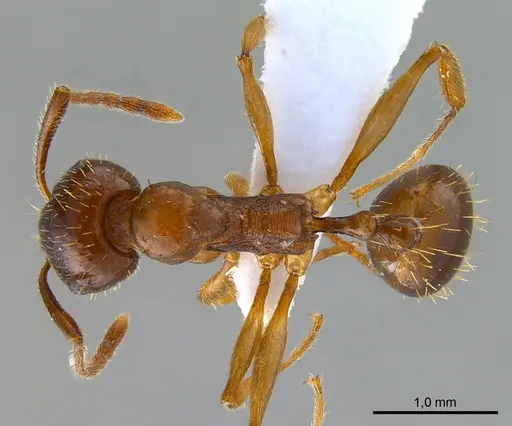
ANTWEB1041240
View on AntWeb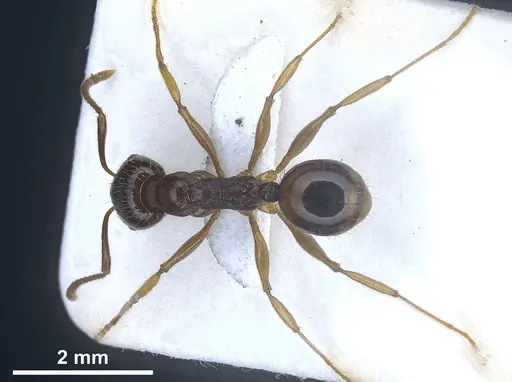
ANTWEB1041832
View on AntWeb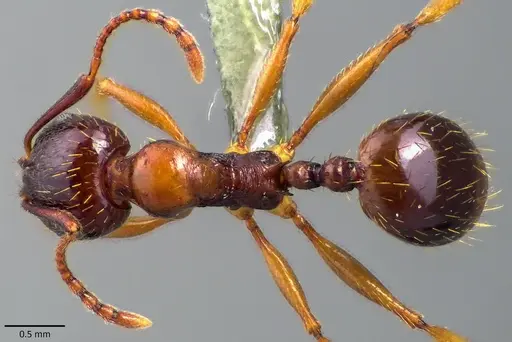
CASENT0101053
View on AntWeb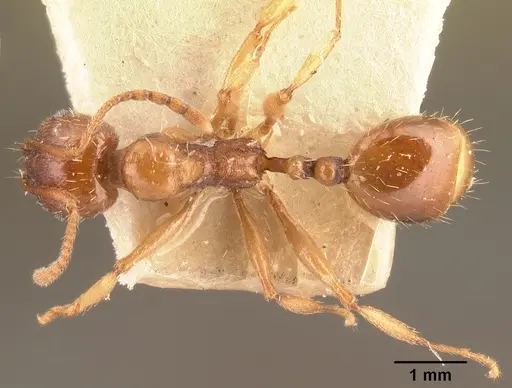
CASENT0101054
View on AntWeb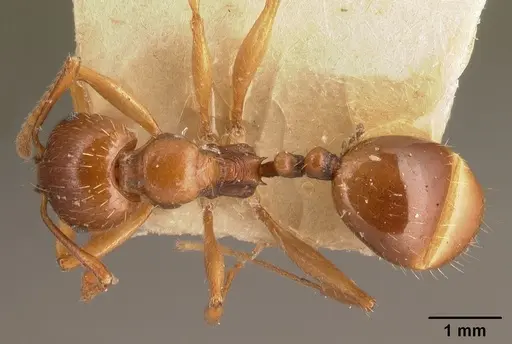
CASENT0172716
View on AntWeb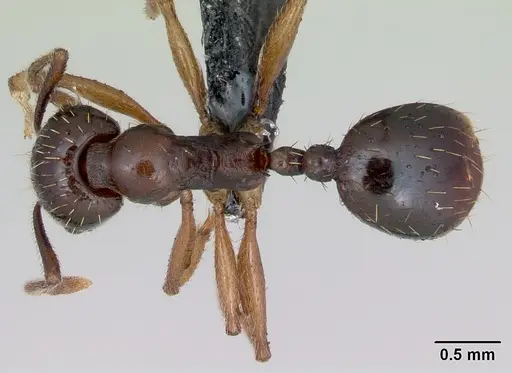
CASENT0173564
View on AntWeb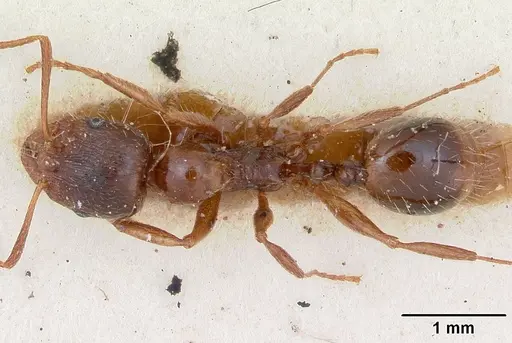
CASENT0173577
View on AntWeb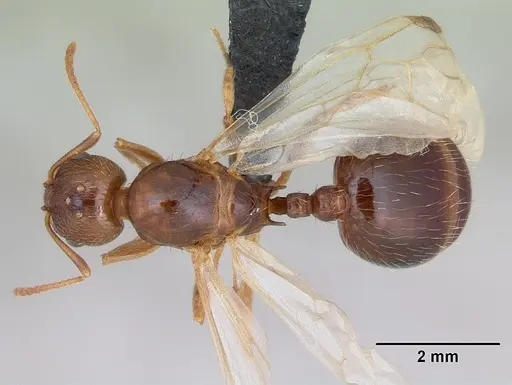
CASENT0173578
View on AntWeb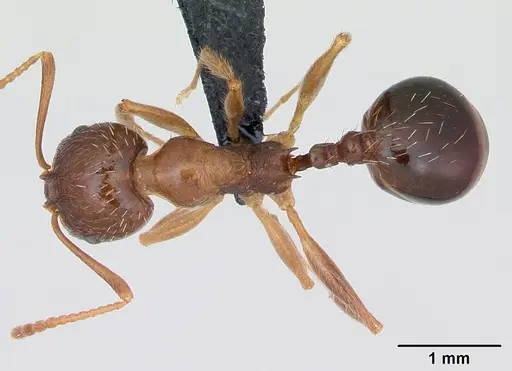
CASENT0173579
View on AntWeb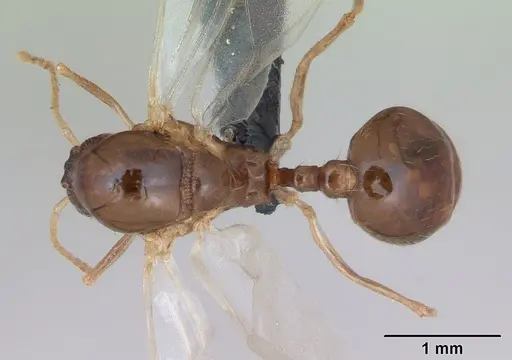
CASENT0173580
View on AntWeb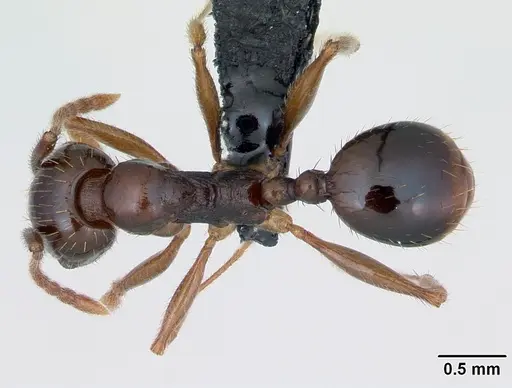
CASENT0179934
View on AntWeb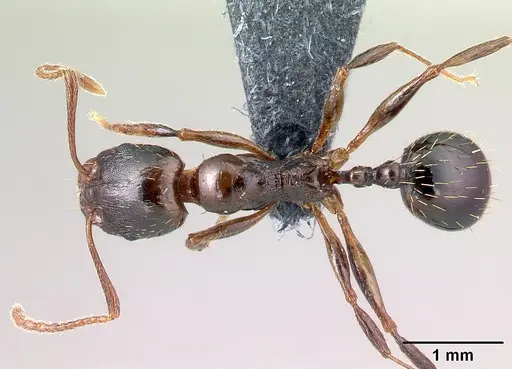
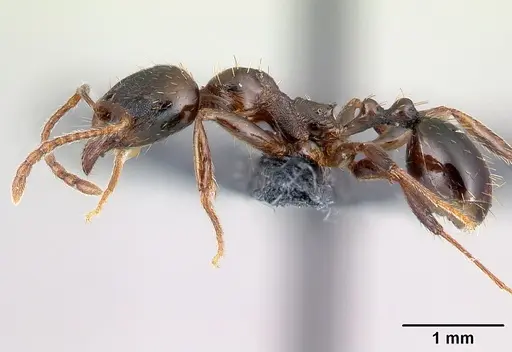
CASENT0763853
View on AntWeb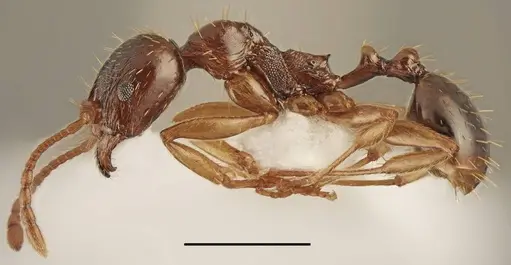
CASENT0907683
View on AntWeb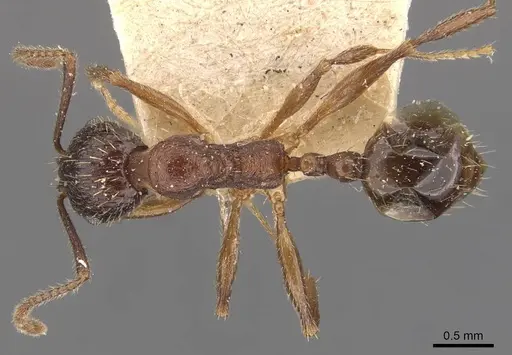
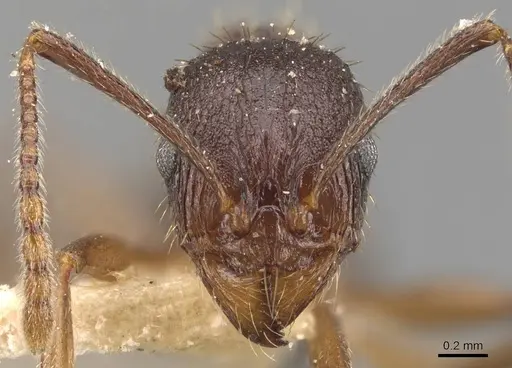
CASENT0907686
View on AntWeb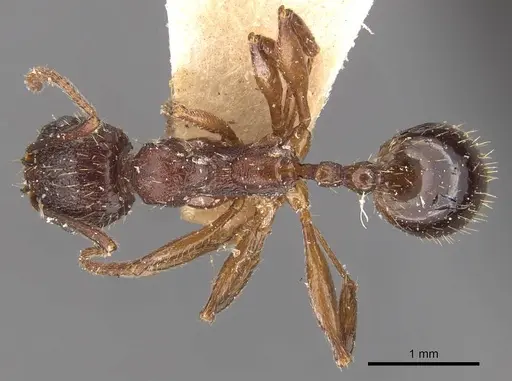
CASENT0907690
View on AntWeb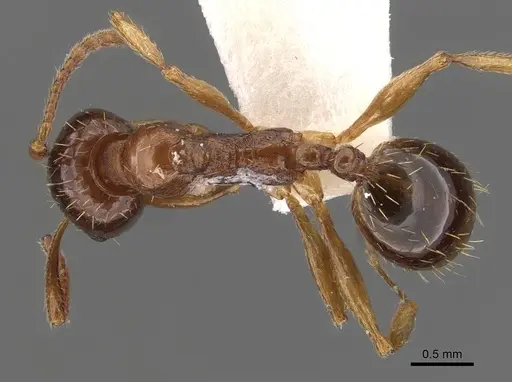
CASENT0914228
View on AntWeb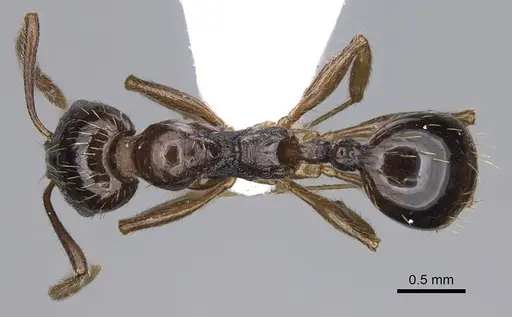
CASENT0922689
View on AntWeb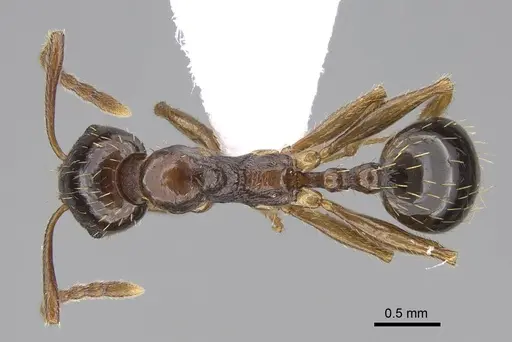
CASENT0923666
View on AntWeb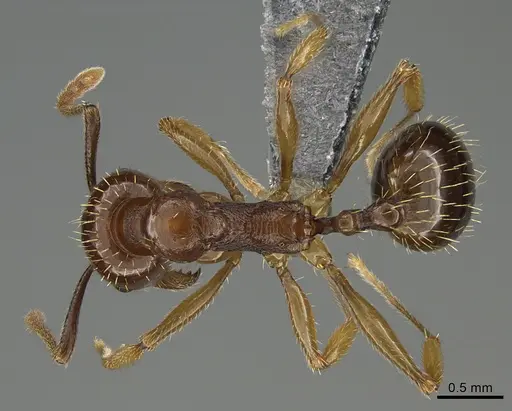
Literature
Loading distribution map...Loading products...