
Sporades Collared Ant
Aphaenogaster sporadis
- Sci. Name
- Aphaenogaster sporadis
- Tribe
- Stenammini
- Subfamily
- Myrmicinae
- Author
- Santschi, 1933
- Common Name
- Sporades Collared Ant
- Distribution
- Found in 2 countries
Introduction
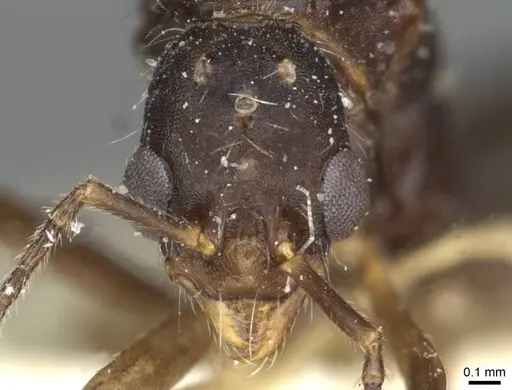
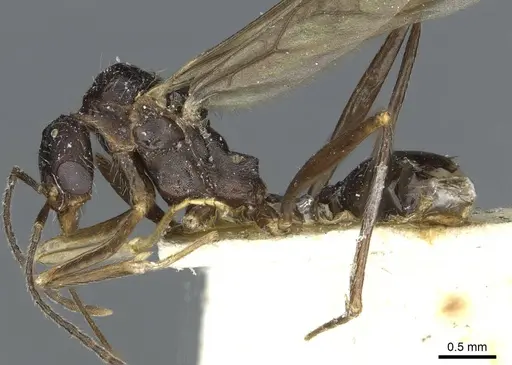
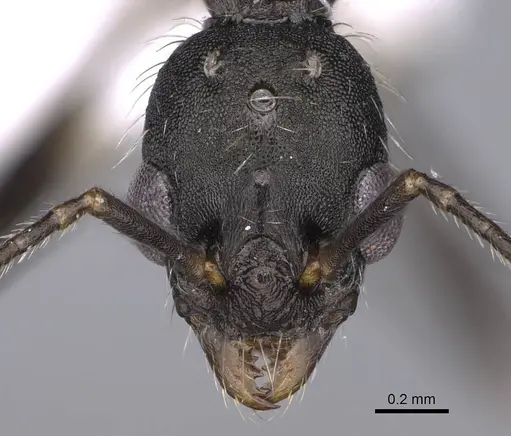
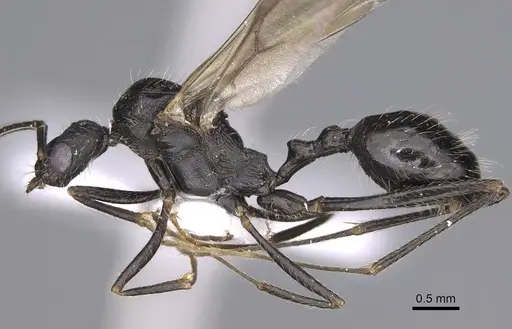
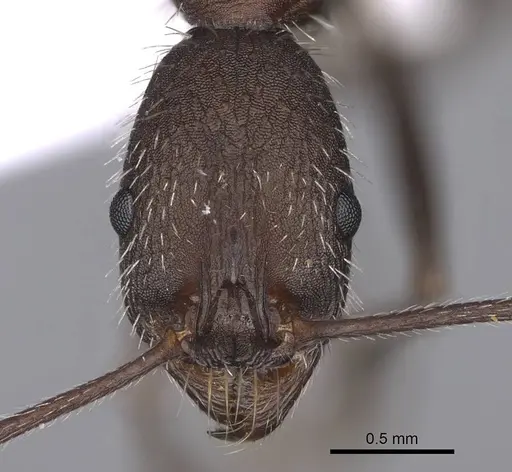
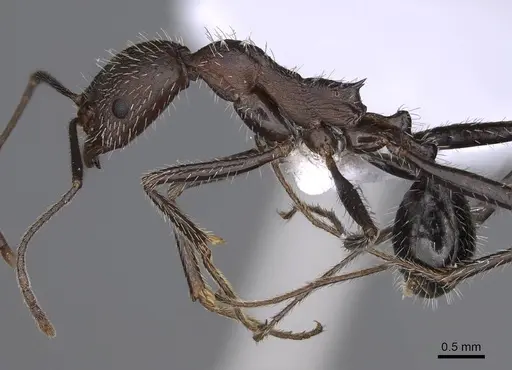
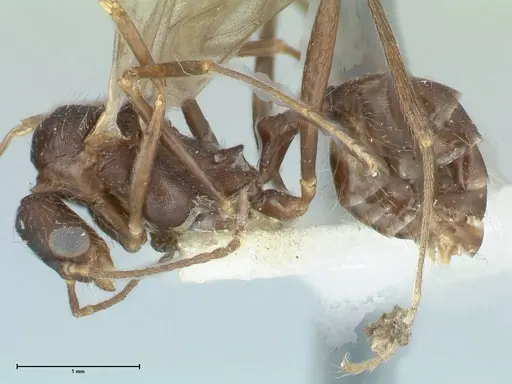
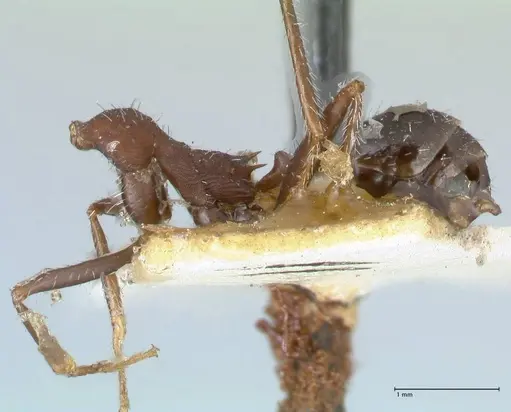
Aphaenogaster sporadis is a small Mediterranean ant found on Greek islands including Rhodes, Ikaria, Samos, Karpathos, and other Aegean and Dodecanese islands, as well as Cyprus and Turkey . Workers have a distinctive dull, matte appearance when freshly collected, they lack the shine seen in related species like Aphaenogaster balcanica . Queens are larger and have noticeably wider waist segments (petioles) than their close relatives . These warmth-loving (thermophilous) ants thrive in hot, sunny habitats across the Aegean islands, from sea level up to 1010 meters elevation . Unlike many ants that prefer shaded forests, A. sporadis favors open, dry environments such as rocky pastures, pine forests, olive plantations, and disturbed roadside areas . In nature, they nest directly in the ground or beneath flat stones .
Quick Summary
- Difficulty: Medium
- Origin & Habitat: Greek islands (Aegean and Dodecanese including Rhodes, Ikaria, Samos, Karpathos, Kos, Symi, Tilos, Nisyros), Cyprus, and Turkey [1][2][3][4]. Found in warmth-loving (thermophilous) habitats including sunny pastures, pine forests, rocky gorges, olive plantations, and disturbed areas up to 1010m elevation [1].
- Colony Type: Unconfirmed, colony structure not directly documented in research.
- Size & Growth:
- Queen: ~6-8 mm (inferred from Aphaenogaster genus patterns)
- Worker: ~4-6 mm (inferred from Aphaenogaster genus patterns)
- Colony: Unknown, maximum colony size not documented
- Growth: Moderate
- Development: 8-10 weeks at 25°C (estimated based on related Aphaenogaster species) (Not directly studied for this species, timeline inferred from genus patterns)
- Antkeeping:
- Temperature: 24-28°C (75-82°F), they are thermophilous (warmth-loving) and need consistent warmth [1]. Provide a heat gradient with a warm side and slightly cooler side.
- Humidity: Low to moderate. Keep nest substrate slightly moist but not wet, these ants favor dry habitats with good ventilation [5][1].
- Diapause: Yes, Mediterranean species typically require a winter rest period. Provide 8-12 weeks at 10-15°C during winter months.
- Nesting: Naturalistic setups with flat stones, or soil nests with chambers. In nature they nest under stones or directly in the ground [1].
- Behavior: Active foragers that prefer warm, sunny conditions. They are not particularly aggressive but will defend their nest when disturbed. Their small size means escape prevention must be excellent, use fine mesh and barriers.
- Common Issues: dehydration in overly dry setups, balance dry air with slightly moist nest substrate., overheating if heat sources are too intense without a gradient option for the colony to thermoregulate., slow growth or failed founding if kept too cool, they need warmth to develop properly [1]., difficulty distinguishing from Aphaenogaster balcanica without examining the matt surface texture and head size [2].
Nest Preferences and Setup
In nature, Aphaenogaster sporadis nests under flat stones or directly in the ground, often in very dry, sunny locations [1][5]. This makes them ideal candidates for naturalistic setups that include flat stones or slate pieces under which they can establish their chambers.
For captive colonies, provide a nest area with tight-fitting chambers rather than tall open spaces. A soil-based nest or Y-tong (aerated concrete) with narrow tunnels works well. Include a flat stone or ceramic tile that sits directly on the substrate, this mimics their natural shelter and gives them the security they prefer [1].
Because they favor drier conditions, ensure your setup has excellent ventilation to prevent mold, but maintain slight moisture in the nest substrate itself. The substrate should feel damp to the touch but not waterlogged. You can achieve this by wetting only one side of the nest or using a water tower that keeps the bottom layer moist while the top stays drier.
Temperature and Heating
Aphaenogaster sporadis is described as thermophilous, meaning they are warmth-loving ants that thrive in hot conditions [1]. They are found in open, sun-exposed habitats across the Greek islands where temperatures regularly climb high.
In captivity, maintain a temperature range of 24-28°C (75-82°F) for optimal activity and brood development [1]. Use a heating cable or heat mat placed on one side of the nest to create a thermal gradient, this allows the ants to choose their preferred temperature. The warm side can reach 28°C while the cooler side stays around 22-24°C.
Avoid letting them get too cold for extended periods. While they likely need a winter diapause (rest period), during the active season they should not drop below 20°C for long periods or their growth will slow significantly.
Feeding and Diet
While specific dietary studies for A. sporadis are lacking, Aphaenogaster species are generally omnivorous scavengers and predators. They collect small insects, seeds, and likely tend aphids for honeydew in the wild.
In captivity, offer a varied diet of small live prey such as fruit flies, springtails, and tiny crickets or mealworm pieces. They will also accept dead insects. Provide a sugar source constantly, sugar water, honey diluted with water, or ant nectar. Place protein feeds directly in the outworld (foraging area) and remove uneaten portions within 24-48 hours to prevent mold in their dry-environment setup.
Because they are active foragers, they benefit from frequent small feedings rather than occasional large meals. Watch their response to different foods to see what your particular colony prefers.
Seasonal Care and Diapause
As a Mediterranean species, Aphaenogaster sporadis experiences a cooler winter period in nature that triggers a diapause (hibernation) where brood development slows or stops and the colony becomes less active. While specific diapause requirements are not documented for this species, related temperate Aphaenogaster typically need a winter rest.
Plan to provide a diapause period of 8-12 weeks at 10-15°C (50-59°F) during winter months. Gradually reduce the temperature over a week or two rather than shocking them with a sudden drop. During diapause, keep the nest slightly moist but do not feed protein, just ensure they have access to water.
After the rest period, gradually warm them back up to 24-28°C and resume normal feeding. The colony should show renewed activity and begin raising brood again within a few weeks of warming.
Identification and Similar Species
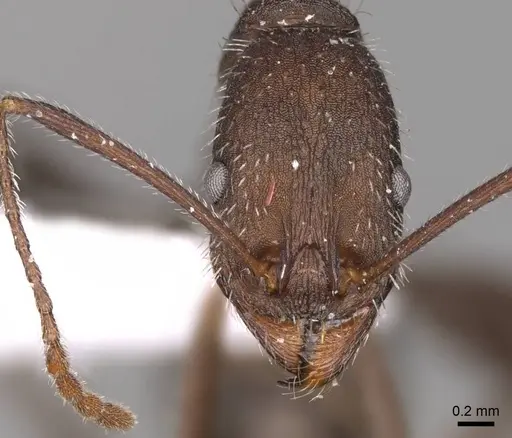
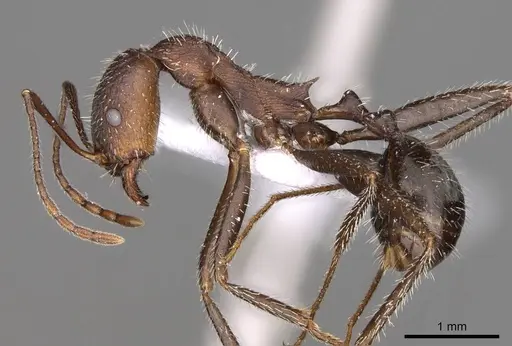
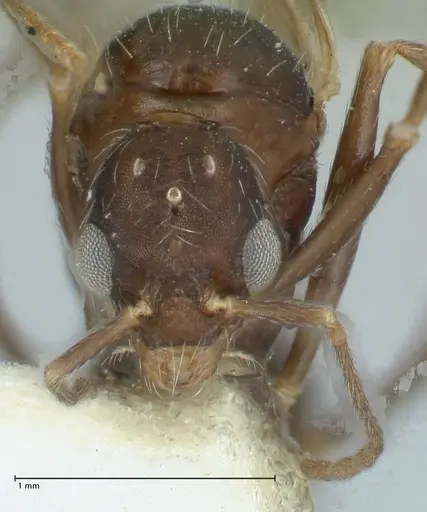
Aphaenogaster sporadis closely resembles Aphaenogaster balcanica, and telling them apart requires close inspection [2]. The key differences are: A. sporadis workers have a smaller head and a distinctly matte (dull, non-shiny) appearance when freshly collected, whereas A. balcanica has a glossier surface [2]. Additionally, the queens of A. sporadis have wider waist segments (petioles) compared to A. balcanica [2].
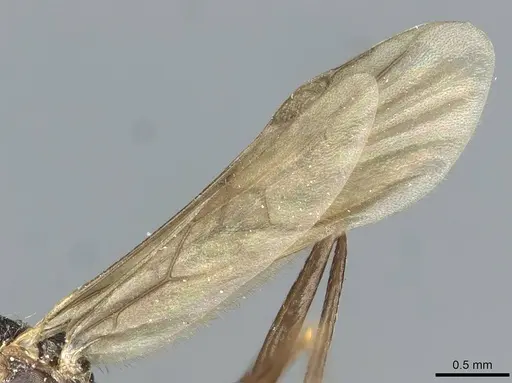
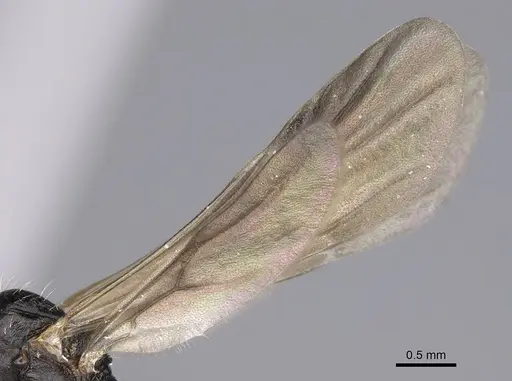
Males can also be distinguished, A. sporadis males are matte on the sides, while A. balcanica males are partly glossy [2]. If you are sourcing colonies from the wild in Greece or Cyprus, pay attention to the habitat: A. sporadis prefers hotter, drier, more open habitats compared to many related species [1].
Frequently Asked Questions
Can I keep Aphaenogaster sporadis in a test tube?
Test tubes are suitable for founding queens, but ensure the water reservoir is not too large, these ants prefer drier conditions than many tropical species. Once the colony grows beyond 10-20 workers, move them to a naturalistic setup with soil or flat stones to mimic their ground-nesting habits [1].
How long until first workers for Aphaenogaster sporadis?
The egg-to-worker timeline is not directly documented, but based on related Aphaenogaster species, expect roughly 8-10 weeks at 25-28°C. If kept cooler, development will take significantly longer.
What temperature do Aphaenogaster sporadis need?
They are warmth-loving (thermophilous) ants that thrive at 24-28°C (75-82°F) [1]. Use a heat gradient with a warm side and cooler side so they can regulate their temperature.
Do Aphaenogaster sporadis need hibernation?
Yes, as a Mediterranean species they likely require a winter diapause (hibernation) of 8-12 weeks at 10-15°C, though specific studies are lacking. This mimics the cooler winters of their native Greek islands.
How do I tell Aphaenogaster sporadis from Aphaenogaster balcanica?
Freshly collected A. sporadis workers have a distinctly matte (dull) appearance and smaller heads compared to A. balcanica, which is glossier [2]. Queens of A. sporadis have wider waist segments (petioles) than A. balcanica queens [2].
What do Aphaenogaster sporadis eat?
They are generalist omnivores. Feed small live prey like fruit flies and springtails, plus dead insects and a constant sugar source such as honey water. They likely collect seeds and honeydew in the wild.
Are Aphaenogaster sporadis good for beginners?
They are moderate difficulty, while not aggressive, they require consistent warmth, specific humidity management (dry but not desiccated), and are small enough to escape easily. Beginners might find easier success with more forgiving species like Lasius or Camponotus.
How big do Aphaenogaster sporadis colonies get?
Exact maximum colony size is unknown. Similar Aphaenogaster species typically reach several hundred workers, but this has not been documented for A. sporadis specifically.
Do Aphaenogaster sporadis sting?
Like most Aphaenogaster, they possess a stinger but are not considered dangerous to humans. They are not aggressive and rarely sting unless handled roughly. Their small size means any sting would be barely noticeable.
Can I keep multiple queens together?
Not recommended. Colony structure is unconfirmed for this species, and combining multiple unrelated queens has not been documented. They will likely fight until only one survives.
Report an Issue
The current care sheet is based fully on literature. See inconsistencies, or something that's incorrect? Please , it will be resolved after review from an admin. Contributing to the blogs tab also helps providing information, to make us be able to further improve the caresheets. Thank you for your support!
References

This caresheet is licensed under CC BY-SA 4.0 .
Community Blogs
CASENT0913128
View on AntWeb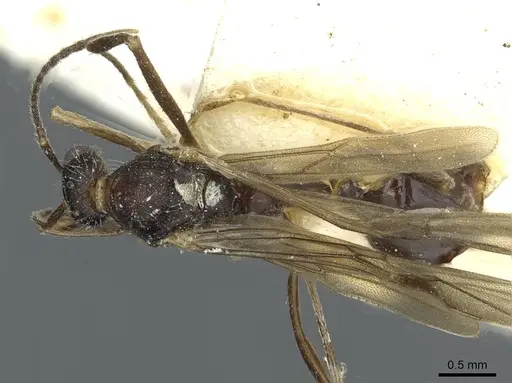
CASENT0914226
View on AntWeb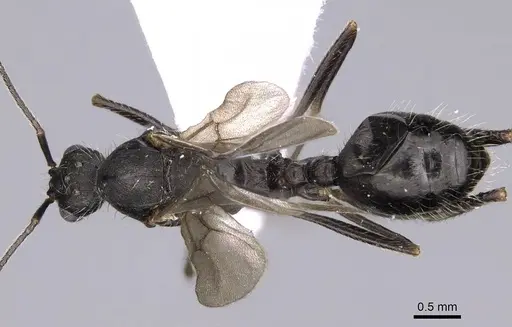
CASENT0914227
View on AntWeb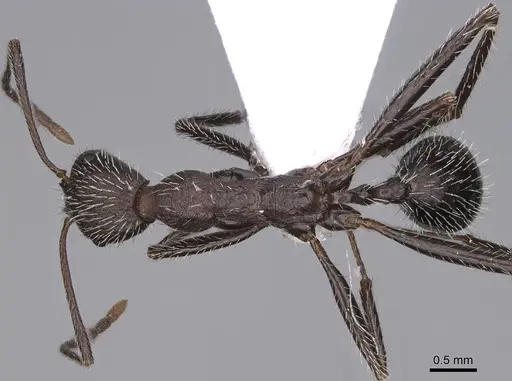
CASENT0914421
View on AntWeb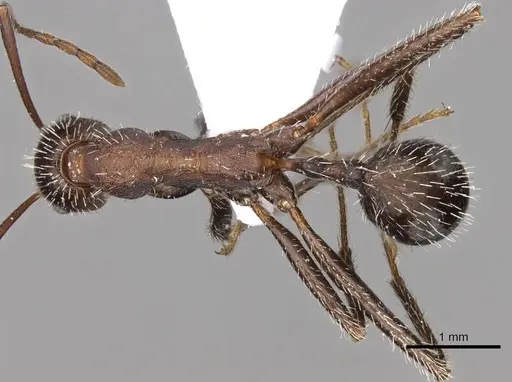
FOCOL1241
View on AntWeb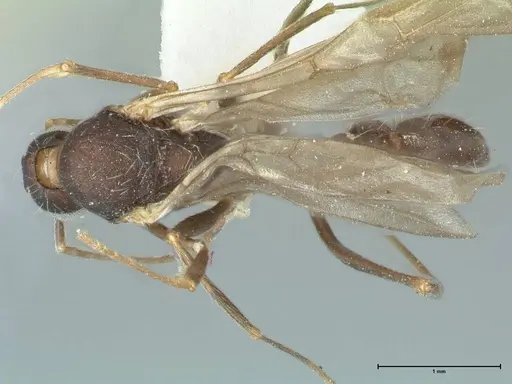
FOCOL1242
View on AntWeb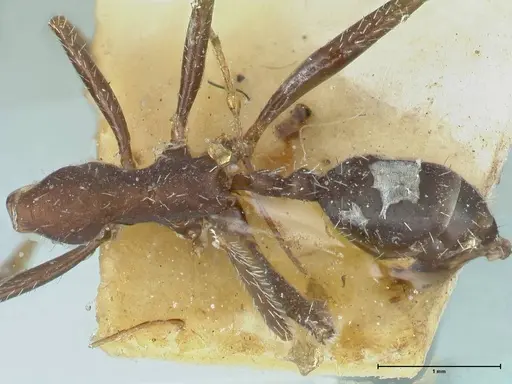
Literature
Loading distribution map...Loading products...