
Aphaenogaster semipolita
- Sci. Name
- Aphaenogaster semipolita
- Tribe
- Stenammini
- Subfamily
- Myrmicinae
- Author
- Nylander, 1856
- Distribution
- Found in 1 countries
Introduction
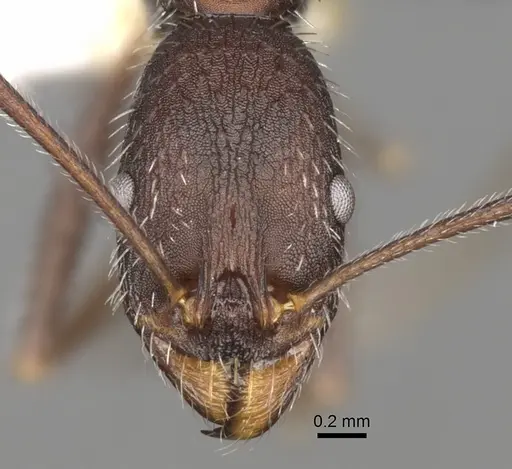
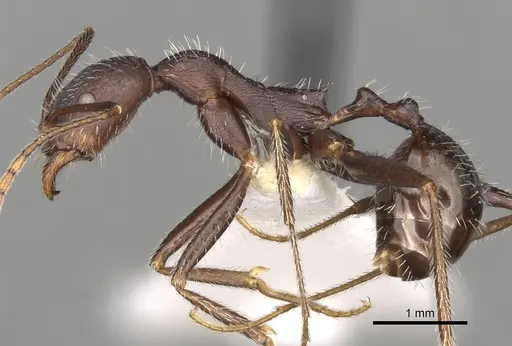
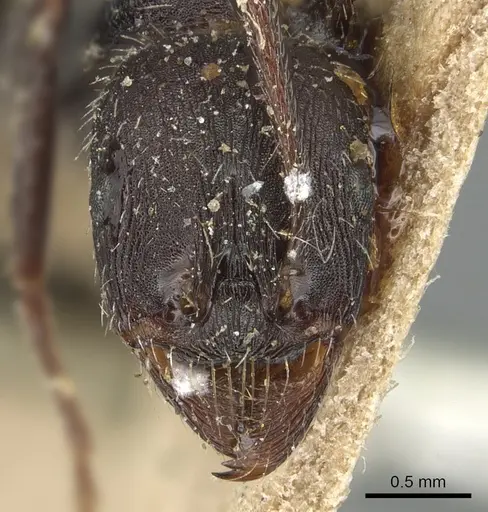
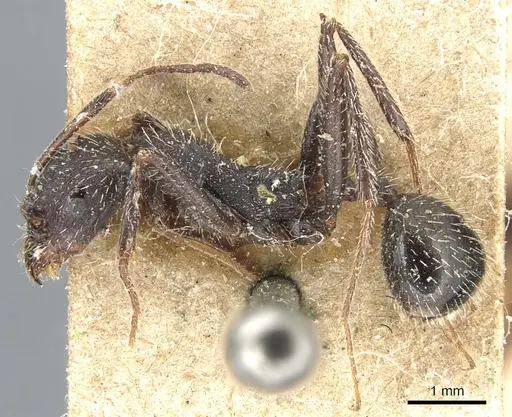
Aphaenogaster semipolita is a small to medium-sized ant in the Aphaenogaster testaceopilosa group, native to Italy and surrounding Mediterranean regions. Workers have a distinctive shiny appearance with weak rugulose sculpture and a glossy gaster . Queens are larger with a satin to glossy body . This species is found primarily in Italy (including Sicily), with records in Greece, Turkey, and Georgia, though Greek records may be misinterpretations . It inhabits various environments including maquis, dry bush forest, and meadows at altitudes from 10 to 1090 meters . Size data for body length is unavailable, but inferred from Aphaenogaster genus patterns, workers are typically around 4-6 mm and queens around 6-8 mm. As a member of the Attini tribe, A. semipolita is a seed-harvester, collecting and storing seeds in the nest . This species was once considered a subspecies of A. testaceopilosa but is now recognized as distinct based on morphological differences .
Quick Summary
- Difficulty: Easy
- Origin & Habitat: Mediterranean species native to Italy (including Sicily), with isolated populations in Greece, Turkey, and Georgia. Found in various habitats including maquis, dry bush forest, dry pasture, meadow, and anthropogenic roadside areas at altitudes from 10-1090m [4][2].
- Colony Type: Unconfirmed, no specific data on queen number in the research context.
- Size & Growth:
- Queen: Size data unavailable, inferred from Aphaenogaster genus ~6-8 mm
- Worker: Size data unavailable, inferred from Aphaenogaster genus ~4-6 mm
- Colony: Up to several hundred workers, estimated based on typical Aphaenogaster patterns
- Growth: Moderate, inferred from genus patterns
- Development: Unknown, no specific data available (Development time is not documented for this species)
- Antkeeping:
- Temperature: Keep at warm conditions, roughly 22-26°C, based on Mediterranean climate. No specific data in research context.
- Humidity: Provide a humidity gradient, mostly dry nest chamber with one small moist area, as the species is adapted to dry habitats [4].
- Diapause: Unknown, no data on hibernation in research context.
- Nesting: Y-tong (AAC) nests work well for this species. Plaster nests or naturalistic setups with dry substrate are also suitable. Avoid acrylic nests.
- Behavior: Docile and non-aggressive. Workers are active foragers. Escape risk is moderate due to small size, use standard barriers [5].
- Common Issues: small size means escape prevention should be taken seriously, use fluon on test tube rims and fine mesh on outworlds., mediterranean origin means they can die from excessive humidity, avoid damp, waterlogged nests., slow founding phase is normal, queens may take months before first workers emerge., wild-caught colonies may harbor parasites, quarantine new colonies.
Housing and Nest Setup
Aphaenogaster semipolita is well-suited to standard antkeeping setups. For founding colonies, a test tube setup works, fill a test tube one-third with water, plug with cotton, and place the queen in the dark [5]. For established colonies, Y-tong (AAC) nests are ideal because you can control humidity precisely. These ants prefer dry conditions, so avoid nests that stay constantly wet. Plaster nests work if you allow them to dry between waterings. A naturalistic setup with a soil-filled container also works well, these ants naturally nest in soil and under stones in the wild [5].
The outworld should be simple and easy to clean. Include a foraging area for food. Because workers are small, standard barrier methods like fluon on the rim will prevent escapes.
Feeding and Diet
As members of the Attini tribe, Aphaenogaster semipolita are natural seed-harvesters. They collect seeds and store them in the nest [5]. In captivity, offer a mix of seeds appropriate for small ants, millet, grass seeds, and commercial ant seeds. Crush larger seeds to make them accessible.
Protein is also important for growing colonies. Offer small insects like fruit flies or small mealworms. Dead insects are typically accepted. A small dish of sugar water or honey can supplement their diet, though seeds should form the core of their nutrition.
Feed seeds continuously. Offer protein 2-3 times per week for established colonies, more frequently for growing colonies with brood. Remove uneaten protein after 24-48 hours to prevent mold.
Temperature and Seasonal Care
Aphaenogaster semipolita comes from Mediterranean regions, so they prefer warm conditions. Keep the nest at roughly 22-26°C during the active season. Room temperature in most homes falls within this range. A heating cable on one side can create a gradient if your home runs cool.
During winter, diapause information is unknown, no data in research context. If you choose to provide a rest period, reduce temperature to 10-15°C for 2-3 months, but this is based on general antkeeping practices, not specific to this species.
Avoid temperatures below 5°C or above 30°C for extended periods.
Colony Development and Growth
Founding behavior is unconfirmed, no data in research context. If queens are claustral, they may seal themselves in and live on stored fat reserves while raising the first brood. This process can take time, but specific timing is unknown for this species.
After first workers emerge, the colony begins to grow. Growth rate is moderate, a healthy colony might reach up to several hundred workers over several years, inferred from Aphaenogaster genus patterns.
Be patient during the founding phase. Minimize disturbances before first workers emerge. Once workers are active, you can gradually introduce small amounts of food.
Behavior and Temperament
Aphaenogaster semipolita is a docile species that poses no threat to keepers. Workers are active foragers that search for food throughout the colony's territory. They are not aggressive and do not have a painful sting [5].
These ants are daytime active and maintain a clear circadian rhythm. Workers communicate through chemical trails when finding food.
Escape risk is moderate. Workers are small and can fit through small gaps. Use fluon on test tube rims and ensure outworld connections are secure.
Frequently Asked Questions
How long does it take for Aphaenogaster semipolita to produce first workers?
Unknown, no specific data available in the research context. Founding behavior is unconfirmed, so timing cannot be determined.
What do Aphaenogaster semipolita ants eat?
They are seed-harvesters and eat small seeds as their primary food. Supplement with small insects for protein, and occasionally offer sugar water or honey [5].
Do Aphaenogaster semipolita ants sting?
No, these ants are completely harmless to humans. They are docile and non-aggressive [5].
What temperature do Aphaenogaster semipolita need?
Keep them at roughly 22-26°C during the active season, based on Mediterranean climate. No specific data in research context.
Do Aphaenogaster semipolita need hibernation?
Unknown, no data on hibernation in research context. If you provide a rest period, reduce temperature to 10-15°C for 2-3 months, but this is not confirmed for this species.
How big do Aphaenogaster semipolita colonies get?
Colonies may reach up to several hundred workers, estimated based on typical Aphaenogaster patterns. Exact maximum size is not documented.
Can I keep multiple Aphaenogaster semipolita queens together?
Colony type is unconfirmed, no data on queen number. Combining unrelated queens is not recommended as they would likely fight.
What humidity level do Aphaenogaster semipolita need?
Provide a humidity gradient, mostly dry nest chamber with one small moist area, as the species is adapted to dry habitats [4].
Are Aphaenogaster semipolita good for beginners?
Yes, this is a good species for beginners. They are docile, don't sting, and have straightforward care requirements. The main challenges are their small size and the slow founding phase.
When should I move Aphaenogaster semipolita to a formicarium?
Wait until the colony has at least 20-30 workers before moving. The founding phase can last many months, be patient. Once workers are actively foraging and the test tube is crowded, you can connect a formicarium.
Report an Issue
The current care sheet is based fully on literature. See inconsistencies, or something that's incorrect? Please , it will be resolved after review from an admin. Contributing to the blogs tab also helps providing information, to make us be able to further improve the caresheets. Thank you for your support!
References

This caresheet is licensed under CC BY-SA 4.0 .
Community Blogs
CASENT0281584
View on AntWeb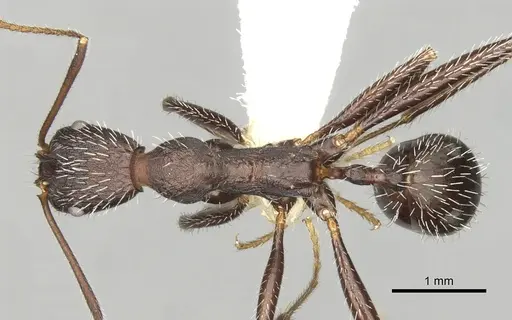
CASENT0904180
View on AntWeb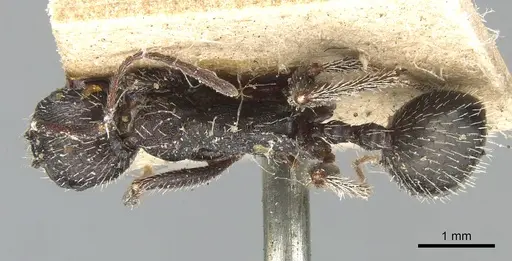
Literature
Loading distribution map...Loading products...