
Aphaenogaster sardoa
- Sci. Name
- Aphaenogaster sardoa
- Tribe
- Stenammini
- Subfamily
- Myrmicinae
- Author
- Mayr, 1853
- Distribution
- Found in 10 countries
Introduction
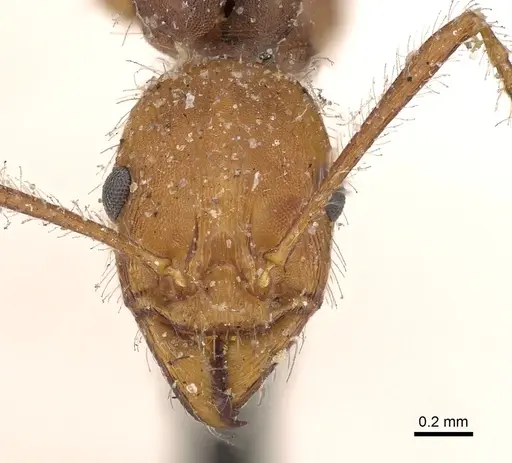
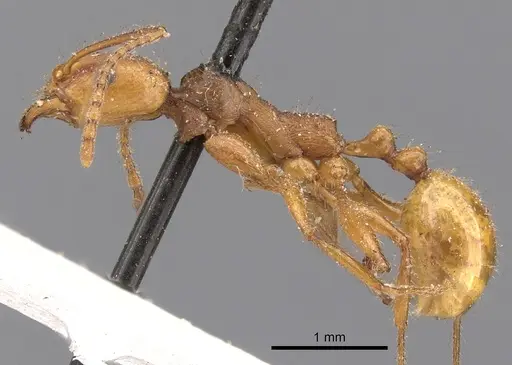
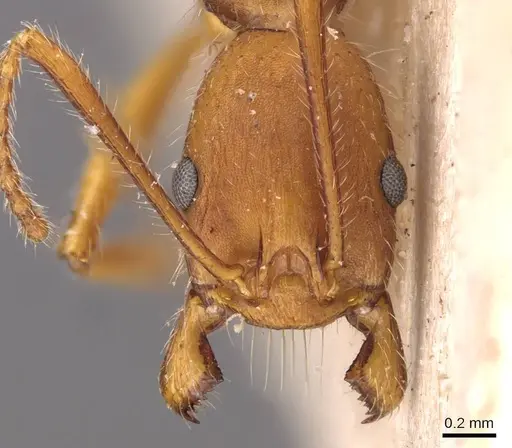
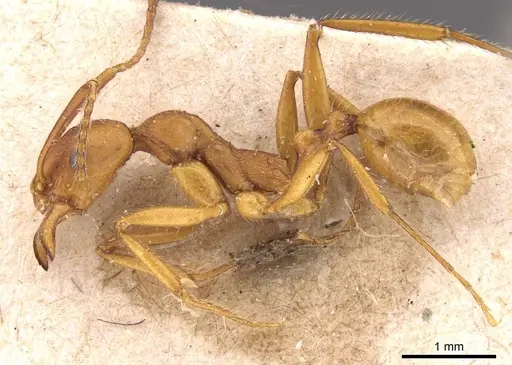
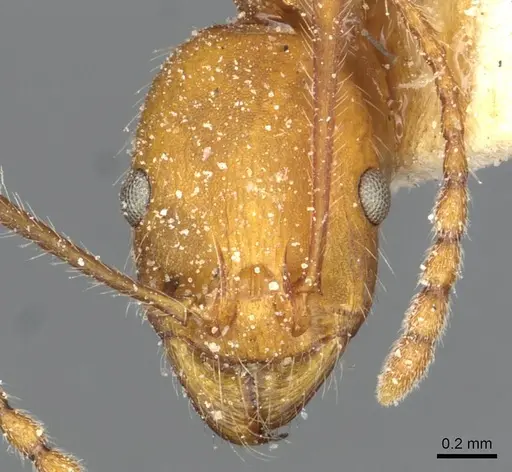
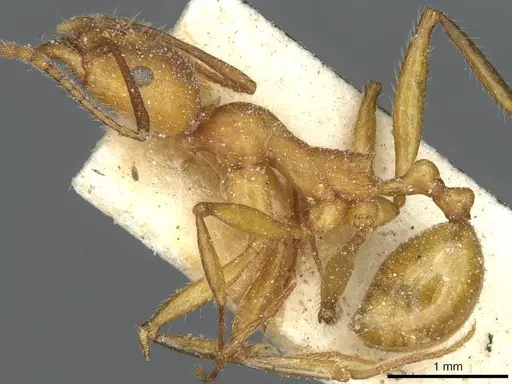
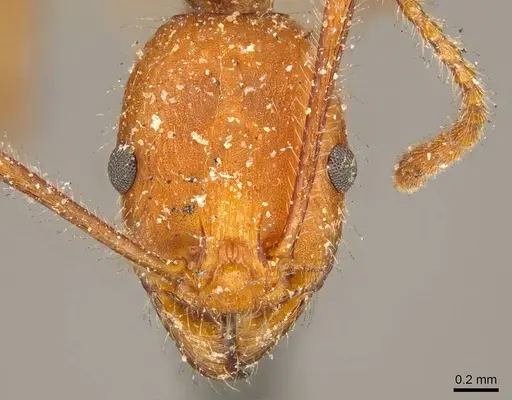
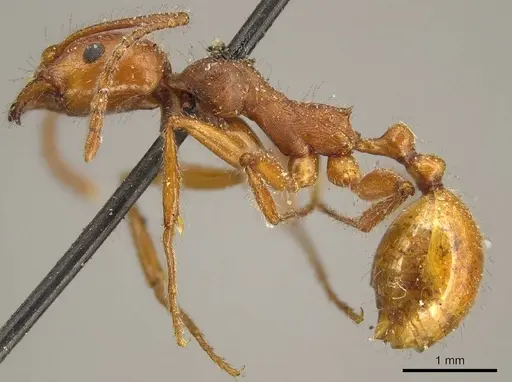
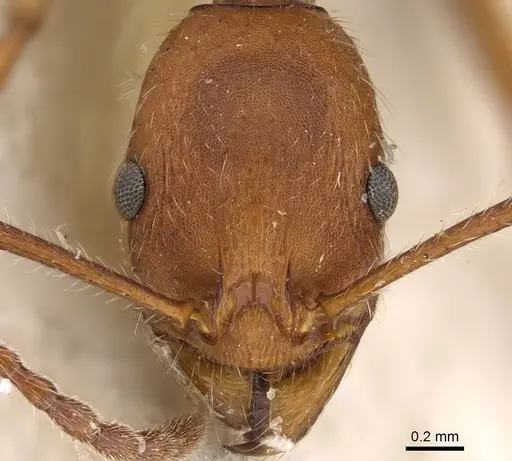
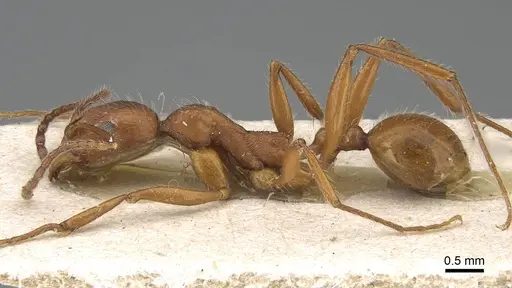
Aphaenogaster sardoa is a small ant native to the western Mediterranean basin. Workers measure approximately 5 mm with distinctive orange-yellowish coloration and noticeably rounded petioles . Queens are larger at 7-12 mm but are unique among their genus: they either lack wings entirely or lose them very early in life, and are suspected to be incapable of normal flight dispersal . This species is the type species for the genus Aphaenogaster and represents an ancient colonization of Mediterranean islands . Unlike their grain-hoarding relatives in the genus Messor, these ants are modest nest builders that do not store seeds and prefer simple cracks and spaces under stones . In captivity, they are known for their shy, sluggish behavior and their tendency to form tight clumps with their brood when disturbed or during winter dormancy . They inhabit both moist riverbanks and dry stony hillsides in the wild, making them adaptable to various humidity levels as long as they have tight spaces to nest in .
Quick Summary
- Difficulty: Medium
- Origin & Habitat: Mediterranean region including Sardinia, Sicily, mainland Italy, Morocco, Algeria, and Tunisia, found in river floodplains, under stones, and in rocky cracks [8][5][7]
- Colony Type: Single-queen colonies with limited dispersal due to flightless queens
- Size & Growth:
- Antkeeping:
- Temperature: 20-25°C during active season, 10-15°C for winter dormancy period [7]
- Humidity: Moderate humidity with damp substrate preferred, species tolerates both moist riverbank conditions and dry rocky areas [7]
- Diapause: Yes, required. Colonies enter winter dormancy where they ball together tightly with brood in the center [7]
- Nesting: Tight spaces, cracks, and under flat stones, modest tunnelers that do not build elaborate chambers [7]
- Behavior: Shy and sluggish with low aggression, form protective clumps when disturbed, non-granivorous, escape risk is low due to behavior but use appropriate barriers for small size [7]
- Common Issues: queens are flightless or short-winged and cannot fly, founding requires different acquisition methods than flying queens, colonies enter tight winter clumps and reduce activity, do not mistake this for colony death, modest nest builders may reject elaborate formicaria in favor of simple cracks and tight spaces, small colony size and slow growth requires patience, colonies remain small for extended periods, overly dry conditions may stress colonies despite their tolerance for dry habitats in nature
Distribution and Natural History
Aphaenogaster sardoa is found across the western Mediterranean, from Sardinia and Sicily to coastal North Africa including Morocco, Algeria, and Tunisia [8][5]. On Sardinia, they represent one of only two elements of the fauna testifying to ancient colonization from Southern-Tyrrhenian sources [6]. They occupy diverse microhabitats from moist river floodplains to dry rocky hillsides at elevations around 250 meters [7]. Unlike many ants that dig extensive tunnel systems, they are modest builders that frequently occupy pre-existing cracks under stones or hollow spaces beneath plant stems such as Opuntia [7]. They are often found in association with bombardier beetles (Brachynus species), though they are not restricted to the alluvial regions where those beetles occur [7].
Unique Queen Biology and Founding Challenges
The most distinctive feature of this species is its queen morphology. Aphaenogaster sardoa queens measure 7-12 mm but have reduced or absent wings and underdeveloped flight muscles, making them incapable of normal flight dispersal [3][4]. Early observers noted that all encountered females were wingless, and Emery hypothesized they either develop without wings or lose them very early [4]. This has significant implications for antkeepers: queens cannot be collected during nuptial flights like typical species. Instead, they must be acquired from existing colonies or found wandering on the ground. The founding type has not been documented in the literature. Keepers should provide small, secure founding chambers with minimal disturbance.
Nesting Preferences in Captivity
In nature, these ants show modest nesting architecture, often using cracks between stones rather than digging elaborate tunnels [7]. In captivity, they prefer tight, secure spaces over open chambers. A naturalistic setup with flat stones, slate, or tight-fitting Y-tong/plaster nests with narrow cracks works better than large open formicaria [7]. They do not store grains or seeds, so grain chambers are unnecessary [7]. Provide multiple small hiding spots and avoid overly spacious nests, as they tend to cluster tightly in the smallest available space.
Winter Dormancy and Seasonal Care
Aphaenogaster sardoa requires a winter dormancy period similar to northern temperate ants. During winter, the entire colony balls together into a tight clump with brood protected in the center, remaining quiet in their cavity [7]. This is not a sign of colony death but normal seasonal behavior. To induce dormancy, gradually lower temperatures to 10-15°C over several weeks in autumn, maintaining moderate humidity to prevent desiccation. Keep the nest dark and undisturbed. Activity will resume in spring when temperatures rise. Do not feed during this period as the colony will not forage.
Diet and Feeding
Unlike seed-collecting relatives such as Messor species, Aphaenogaster sardoa does not collect or store grains [7]. They are likely generalist predators and scavengers, feeding on small insects and arthropods. In captivity, offer small live or freshly killed prey such as fruit flies, springtails, small crickets, and mealworm pieces. They also accept sugar sources such as honey water or sugar water, which should be provided in small quantities to prevent mold. Feed protein twice weekly during the active season and remove uneaten food promptly to prevent fungal growth in their modest nest spaces.
Behavior and Temperament
These ants are described as rather shy and sluggish in nature [7]. When disturbed, they exhibit a unique clumping behavior where workers gather into a tight ball with brood in the center rather than fleeing or attacking [7]. In an artificial nest, a disturbed colony can reform this clump within ten minutes [7]. They are not aggressive and pose minimal sting risk due to their small size and docile nature. They do not exhibit rapid escape behaviors, though standard escape prevention is still recommended. Their slow movements make them excellent for observation, though their tendency to cluster in tight spaces can make individual workers harder to see.
Frequently Asked Questions
Do Aphaenogaster sardoa queens have wings?
No, or they lose them very early. Aphaenogaster sardoa queens are flightless, with underdeveloped flight muscles that prevent normal flight. They either develop without wings or shed them shortly after emergence [3][4].
Why are my Aphaenogaster sardoa forming a tight ball?
This is normal behavior. When disturbed or during winter dormancy, these ants form a protective clump with the brood in the center. In winter, the entire colony remains in this tight ball until spring [7].
Do Aphaenogaster sardoa need hibernation?
Yes. They require a winter dormancy period where temperatures drop to 10-15°C and the colony clusters together in a tight ball. This mimics their natural Mediterranean winter cycle [7].
Can I keep multiple Aphaenogaster sardoa queens together?
Not recommended. The flightless nature of queens suggests limited dispersal and likely single-queen colonies. Combining unrelated queens has not been documented and risks fighting.
What do Aphaenogaster sardoa eat?
They do not eat seeds or grains. Feed them small insects such as fruit flies, springtails, cricket pieces, and mealworms, plus sugar water or honey water. Remove uneaten food quickly to prevent mold in their modest nests [7].
How big do Aphaenogaster sardoa colonies get?
Colonies remain small, typically up to 100 workers. One observed colony contained about fifty workers with an equal number of larvae [7].
Are Aphaenogaster sardoa good for beginners?
They are medium difficulty. While they are docile and slow-moving, they require winter hibernation, have specific nesting preferences for tight spaces, and their flightless queens make them harder to acquire than species with flying queens.
What is the best nest type for Aphaenogaster sardoa?
Use naturalistic setups with flat stones, slate, or tight-fitting Y-tong/plaster nests with narrow cracks. They are modest builders that prefer existing cracks over elaborate tunnel systems [7].
How long until Aphaenogaster sardoa get their first workers?
The exact timeline is unknown. Development likely takes several months given their temperate distribution and winter dormancy requirement.
Do Aphaenogaster sardoa sting?
They possess a stinger like most Myrmicinae, but they are shy and sluggish with low aggression. Stings are unlikely and would be mild due to their small size [7].
Report an Issue
The current care sheet is based fully on literature. See inconsistencies, or something that's incorrect? Please , it will be resolved after review from an admin. Contributing to the blogs tab also helps providing information, to make us be able to further improve the caresheets. Thank you for your support!
References

This caresheet is licensed under CC BY-SA 4.0 .
Community Blogs
CASENT0900461
View on AntWeb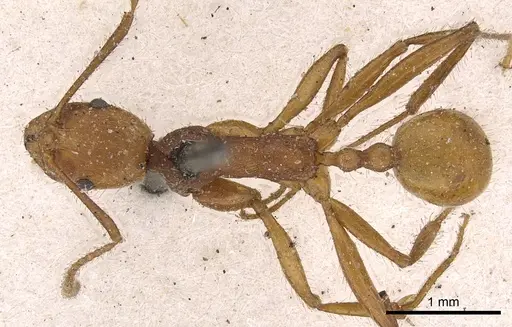
CASENT0907702
View on AntWeb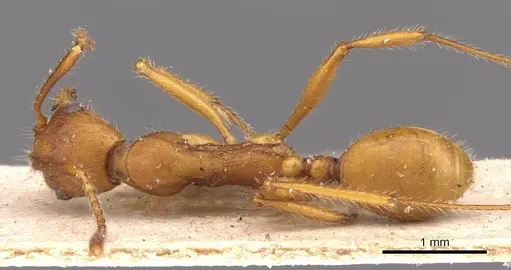
CASENT0913123
View on AntWeb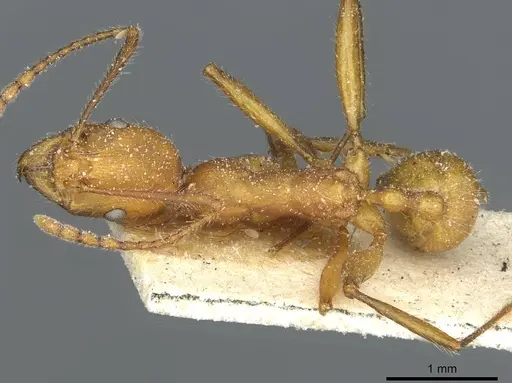
CASENT0916080
View on AntWeb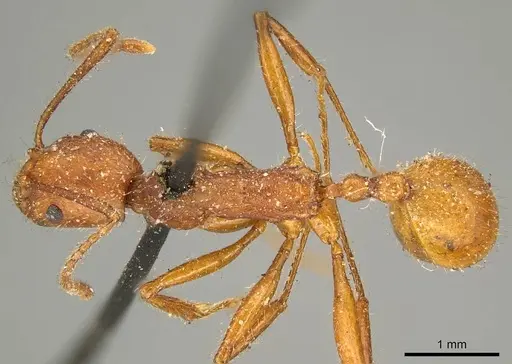
CASENT0922214
View on AntWeb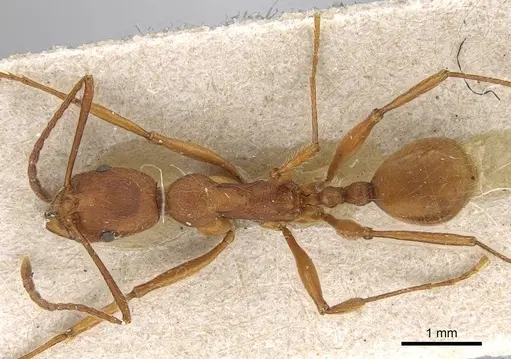
Literature
Loading distribution map...Loading products...