
Aphaenogaster picena
- Sci. Name
- Aphaenogaster picena
- Tribe
- Stenammini
- Subfamily
- Myrmicinae
- Author
- Baroni Urbani, 1971
- Distribution
- Found in 4 countries
Introduction
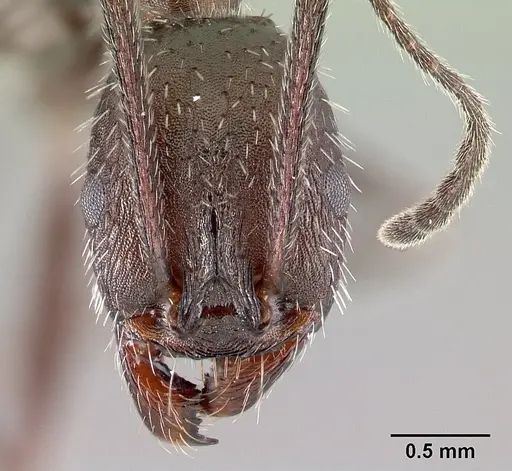
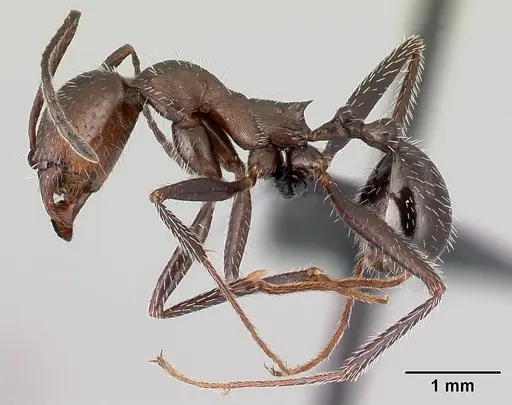
Aphaenogaster picena is the largest member of the Aphaenogaster testaceopilosa group in the Adriatic region, with workers measuring approximately 4-7mm and queens slightly larger . Workers have shorter antennae and less sculptured bodies compared to related species, with a distinctive rounded petiole top and 4-segmented antennal club . These ants live along the eastern Adriatic coast across Italy, Slovenia, Croatia, and Albania . In the wild they prefer dry, sunny Mediterranean habitats such as luminous pine forests, roadsides, pastures, and scrubby hillsides, often nesting surprisingly close to beaches and tourist areas .
Quick Summary
- Difficulty: Medium
- Origin & Habitat: Adriatic coastal regions of Italy, Slovenia, Croatia, and Albania, dry sunny Mediterranean habitats including pine forests and scrubland [1][3][2].
- Colony Type: Colony structure is unconfirmed, likely single-queen colonies based on genus patterns.
- Size & Growth:
- Queen: Approximately 6-8mm, inferred from Aphaenogaster genus patterns [1].
- Worker: Approximately 4-7mm, inferred from Aphaenogaster genus patterns [1][2].
- Colony: Maximum colony size is unknown for this species.
- Growth: Growth rate is unconfirmed.
- Development: Exact timeline is unknown for this species. (Development time may vary with temperature conditions.)
- Antkeeping:
- Temperature: Warm and stable during activity period, roughly 22-25°C. As a temperate Mediterranean species at 43°N latitude, they likely require a winter cooling period around 10-15°C for several months [4].
- Humidity: Moderate to dry, keep nest substrate damp but well-drained with good ventilation. Avoid waterlogged conditions given their preference for sunny, dry habitats [2].
- Diapause: Likely required, Mediterranean temperate species typically slow down or enter winter rest during cooler months.
- Nesting: Natural nests occur in soil or under flat stones in well-drained areas [2]. In captivity use formicaria with good ventilation, Y-tong or plaster nests with a moisture gradient work well.
- Behavior: Active foragers that likely forage during the day given their open-habitat preference. They are generalist scavengers. Escape risk is moderate, while not tiny, they are small enough to squeeze through gaps if barriers are poorly fitted.
- Common Issues: nests kept too humid may stress the colony or promote mold growth given their preference for dry, sunny habitats., failure to provide winter cooling may disrupt their natural seasonal cycle and reduce long-term colony health., founding behavior is unconfirmed, if queens are semi-claustral they may starve without regular feeding during the founding stage.
Natural History and Distribution
Aphaenogaster picena inhabits the eastern Adriatic coastline from Italy through Slovenia and Croatia to Albania [1][3]. This region sits at approximately 43°N latitude in the Palearctic region [4]. Unlike some forest-dwelling relatives, these ants prefer open, dry and sunny Mediterranean landscapes. You will find them in luminous pine forests, along roadsides, in pastures, and among Mediterranean shrubs, often living close to beaches and human settlements [2]. Their tolerance for disturbed habitats suggests they are adaptable, though they still require well-drained nesting sites.
Nest Preferences
In nature Aphaenogaster picena nests in soil or beneath flat stones and rocks in well-drained locations [2]. They avoid waterlogged areas despite the Mediterranean climate having wet winters. For captive colonies, replicate these conditions by providing a formicarium with good ventilation and a moisture gradient. Y-tong nests or plaster nests work well, but ensure the setup can dry out partially rather than staying constantly wet. Place the nest in a dry area of the outworld with access to moist retreat chambers.
Temperature and Seasonal Care
As a temperate Mediterranean species, Aphaenogaster picena likely needs warm conditions during the activity season and a cooler winter period. Keep the nest area around 22-25°C during spring through autumn, using a heating cable on one side to create a gentle gradient. Being from a region with distinct seasons at 43°N, they probably require a diapause or winter rest period. From November to February, gradually reduce temperatures to 10-15°C for 2-3 months to simulate natural conditions [4]. Watch for reduced activity and brood development slowing as cues to begin cooling.
Feeding and Diet
Like other Aphaenogaster species, they are generalist scavengers and seed collectors. In captivity offer small live or freshly killed insects such as fruit flies, springtails, or small pieces of mealworms. They will also accept sugar water, honey, or honeydew solutions. Some Aphaenogaster species collect seeds, so offering small seeds like millet or chia may be appreciated, though this has not been specifically documented for picena. Feed protein twice weekly and keep sugar sources available constantly.
Colony Founding
The founding behavior of Aphaenogaster picena has not been formally documented. Many Aphaenogaster species are semi-claustral, meaning the queen must leave her chamber to forage for food during the founding stage rather than surviving entirely on stored body fat. To be safe, treat new queens as potentially semi-claustral: provide a small outworld or feeding area from day one, and offer food regularly until the first workers arrive. If she is claustral (sealed in), she will simply ignore the food, but if semi-claustral she will need it to survive.
Frequently Asked Questions
How long does Aphaenogaster picena take from egg to worker?
The exact timeline is unknown for this species. Based on related temperate Aphaenogaster species, expect roughly 8-12 weeks at 25°C, though this may vary with temperature.
Do Aphaenogaster picena need hibernation?
Likely yes. As a temperate Mediterranean species from the Adriatic region at 43°N latitude, they probably require a winter rest period at 10-15°C for several months to maintain healthy colony cycles [4].
Can I keep Aphaenogaster picena in a test tube?
Yes for founding, but ensure the water reservoir does not create excessive humidity. Provide a dry cotton plug or move them to a proper formicarium once you have 10-20 workers, as they prefer well-ventilated, moderately dry nests [2].
What do Aphaenogaster picena eat?
They are generalist scavengers. Feed small insects like fruit flies, springtails, or mealworm pieces, plus sugar water or honey. They may also collect small seeds.
Are Aphaenogaster picena good for beginners?
They are medium difficulty. While not extremely sensitive, they require proper seasonal care including likely winter cooling, and their founding behavior is unconfirmed which adds uncertainty for new keepers.
How big do Aphaenogaster picena colonies get?
Maximum colony size is unknown for this species. Based on related species, they may reach several hundred to a few thousand workers over several years.
Can I keep multiple Aphaenogaster picena queens together?
Not recommended. While not formally studied, most Aphaenogaster species are single-queen. Combining unrelated queens will likely result in fighting.
Do Aphaenogaster picena ants sting?
Like most Aphaenogaster they probably possess a stinger but are not aggressive toward humans and pose no significant danger.
Report an Issue
The current care sheet is based fully on literature. See inconsistencies, or something that's incorrect? Please , it will be resolved after review from an admin. Contributing to the blogs tab also helps providing information, to make us be able to further improve the caresheets. Thank you for your support!
References

This caresheet is licensed under CC BY-SA 4.0 .
Community Blogs
CASENT0179866
View on AntWeb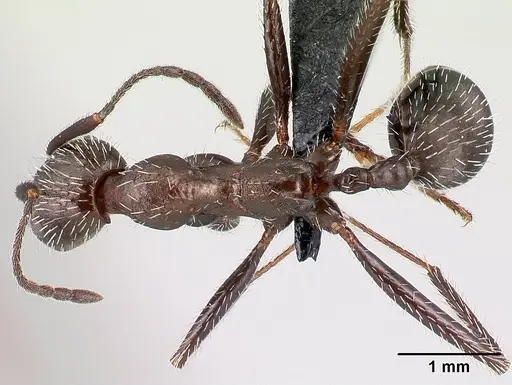
Literature
Loading distribution map...Loading products...