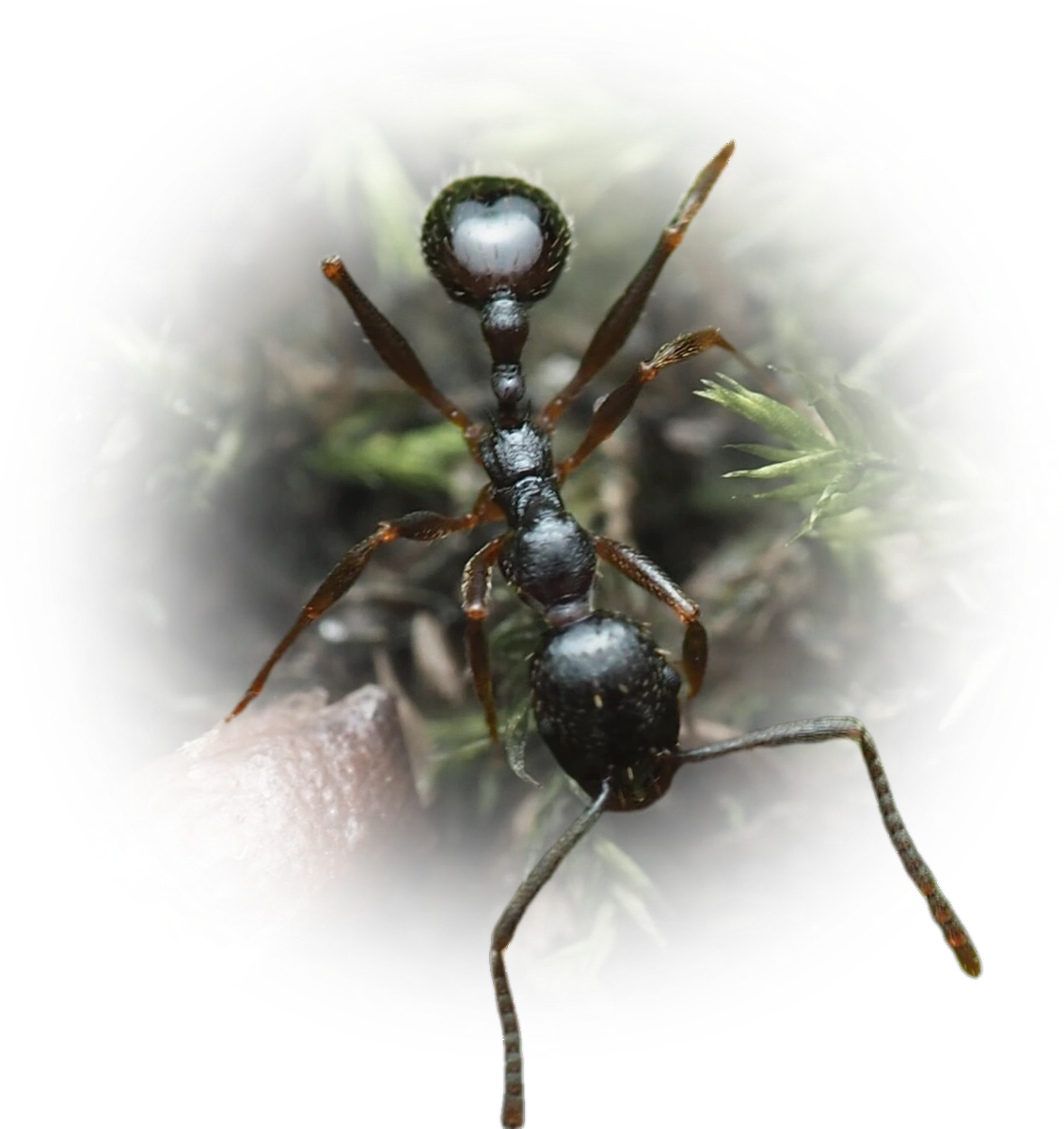
Pitch-black Collared Ant
Aphaenogaster picea
- Sci. Name
- Aphaenogaster picea
- Tribe
- Stenammini
- Subfamily
- Myrmicinae
- Author
- Wheeler, 1908
- Common Name
- Pitch-black Collared Ant
- Distribution
- Found in 2 countries
Introduction
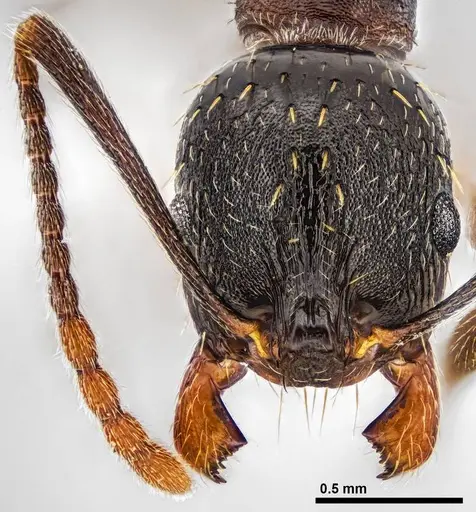
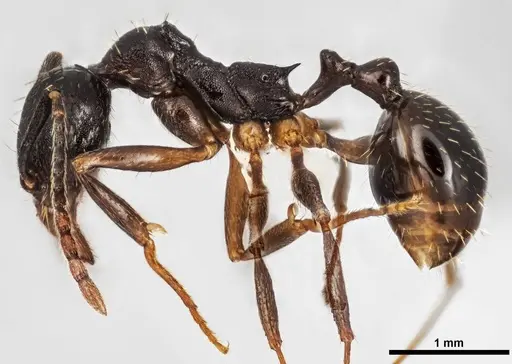
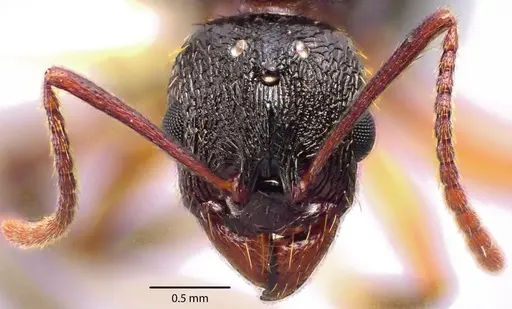
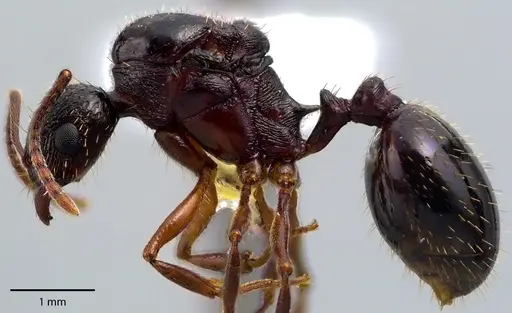
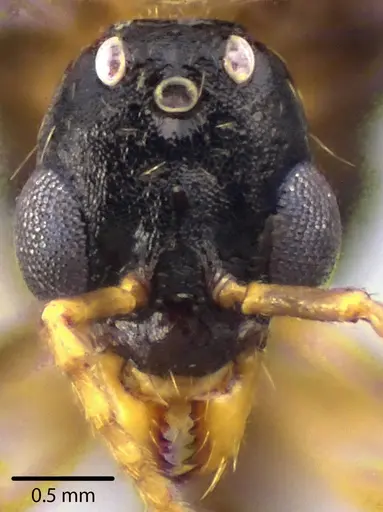
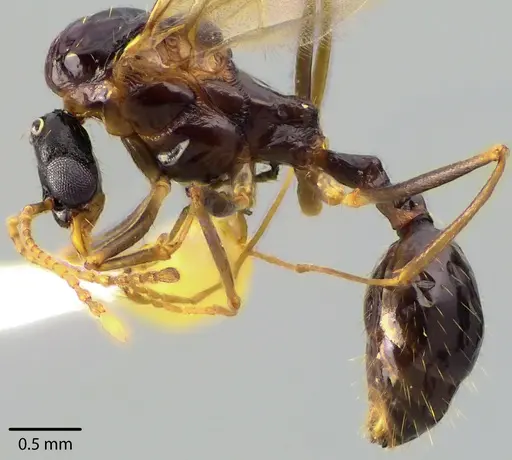
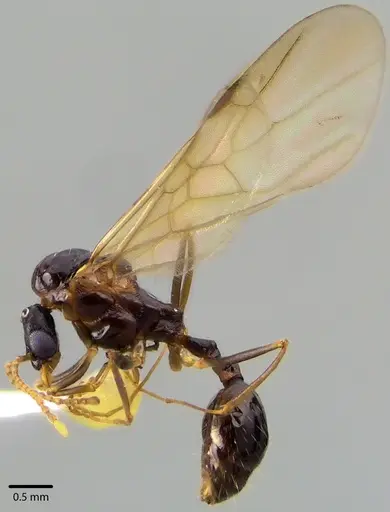
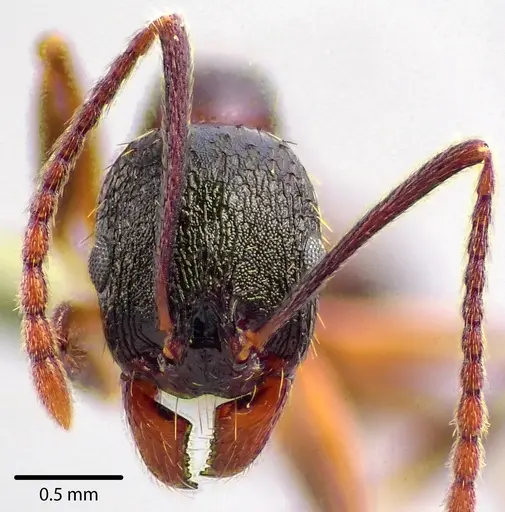
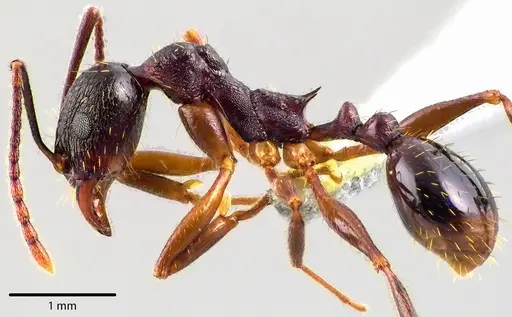
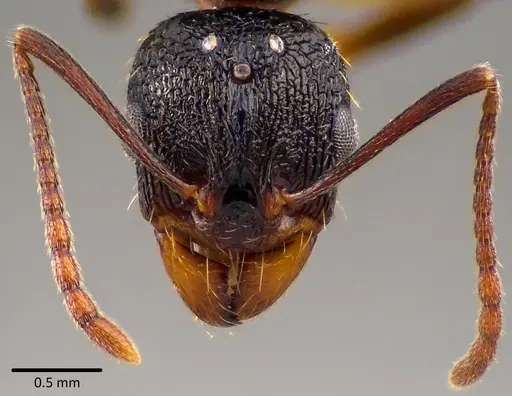
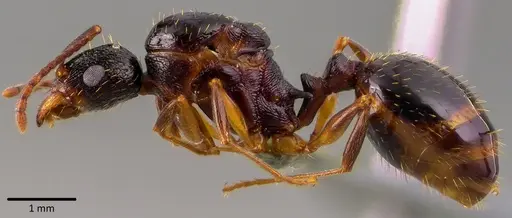
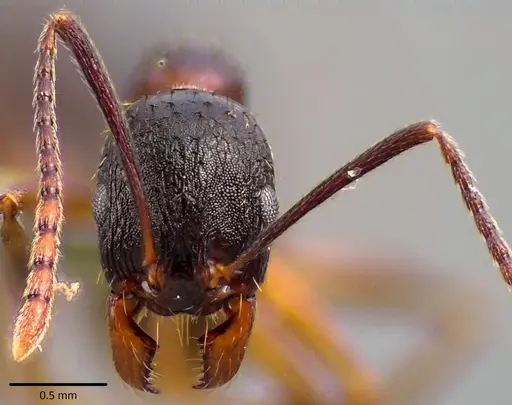
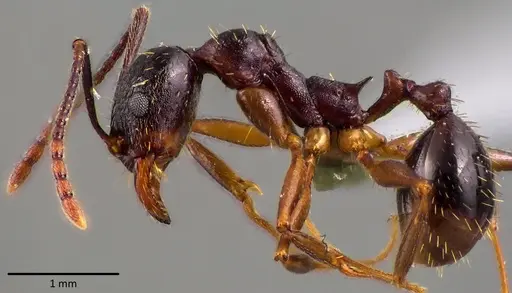
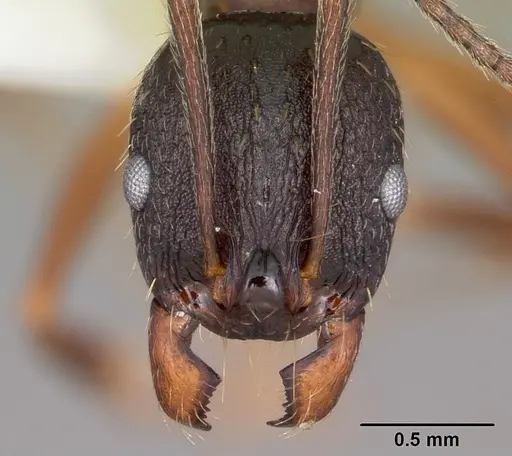
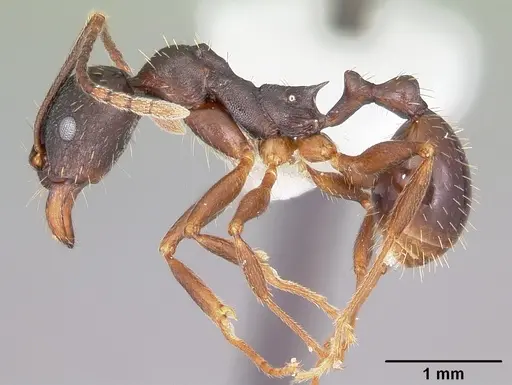
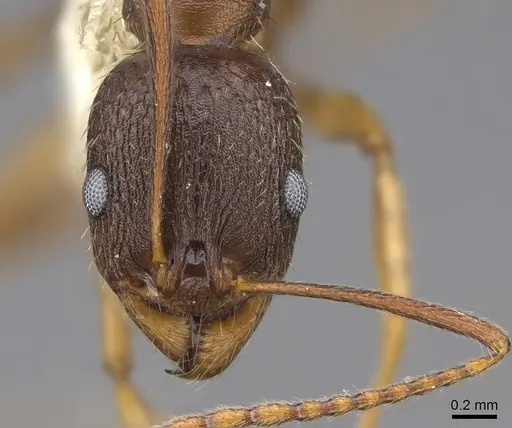
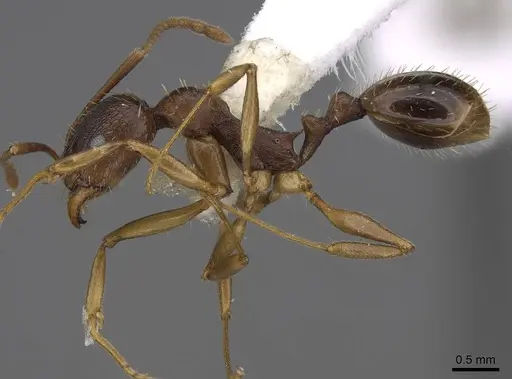
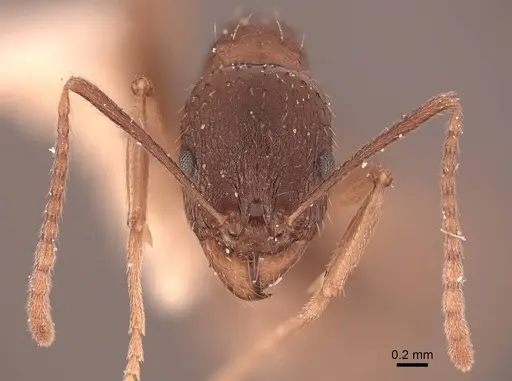
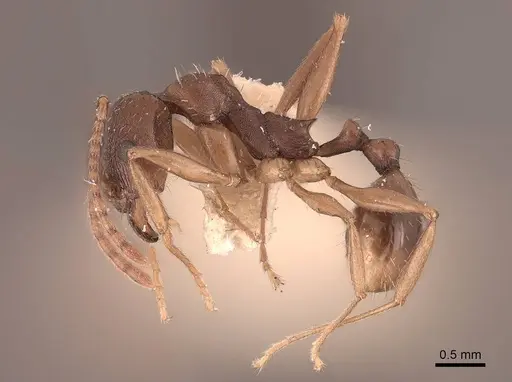
Aphaenogaster picea workers are dark reddish-brown to blackish-brown, measuring 4.0-6.2 mm in total length, with a distinctive pale tip on the last four antennal segments that contrasts against the darker basal segments . This eastern North American native ranges from Ontario and Connecticut south to Georgia and west to Ohio, thriving in cool, moist deciduous forests and higher elevations of the Appalachians . Unlike their close relative Aphaenogaster rudis, they prefer cooler habitats and serve as keystone seed dispersers, collecting elaiosome-bearing seeds from plants like bloodroot and trillium . Their foragers dominate forest floors, removing approximately 75% of dispersed seeds in their habitats .
Quick Summary
- Difficulty: Easy
- Origin & Habitat: Eastern North America (Nearctic), from Ontario to Georgia, inhabiting cool, moist deciduous forests, woodland edges, and rotting wood [1][9][5].
- Colony Type: Single-queen colonies (monogyne), each colony has one queen and occupies a single nest [6].
- Size & Growth:
- Queen: ~7-9 mm (estimated from genus patterns, no specific measurements available).
- Worker: 4.0-6.2 mm [1][2].
- Colony: Up to 1000 workers [10].
- Growth: Moderate
- Development: Several months at typical temperatures, specific timing unconfirmed for this species. (Development is temperature-dependent and slower in cooler climates. Northern populations have fewer degree-days available for growth [5].)
- Antkeeping:
- Temperature: Keep at 20-24°C during the active season with a gentle gradient. They tolerate cold well but prefer cooler conditions than related species [11][12].
- Humidity: High humidity critical, keep nest substrate consistently moist. They suffer 100% mortality after 8 hours at 10% relative humidity [10].
- Diapause: Yes, required for 3-4 months at 5-10°C to simulate winter [5][13].
- Nesting: Naturalistic setups with rotting wood, flat stones, or plaster/Y-tong nests with soil/wood mix. They nest under rocks, logs, bark, and in decaying wood in nature [13][1].
- Behavior: Peaceful and subordinate to other ant species, using clever foraging strategies to avoid dominant competitors [8]. Workers forage on the ground and tree trunks, showing high activity in spring and early summer [1][14]. They are not aggressive and standard escape prevention is needed for their small size.
- Common Issues: desiccation kills quickly, maintain high humidity or workers die within hours if dried out [10]., starvation sensitivity, colonies decline faster than many species when unfed, maintain regular feeding schedule [10]., colony relocation stress, wild colonies move frequently (60-70% relocate 1-3 times per season), so minimize disturbance in captivity [6]., hibernation required, failure to cool them in winter prevents proper brood development and queen health [5].
Nest Preferences and Setup
In nature, Aphaenogaster picea shows flexibility but prefers specific microhabitats. They nest most commonly under rocks, logs, and bark, or within rotting wood and old stumps, often in the red, crumbly wood-soil interface [13][1]. Colonies occasionally occupy acorn shells or hickory nut shells [1]. For captive care, start new queens in standard test tubes with water-saturated cotton plugs, which they readily accept [5]. Once the colony grows beyond 50-100 workers, move them to a naturalistic setup featuring flat stones, rotting wood pieces, or a Y-tong/plaster nest with a soil and wood chip mixture. Provide tight-fitting chambers scaled to their small size rather than open spaces. They do not build elaborate nests but appreciate pre-formed cavities with moist substrate.
Feeding and Diet
These ants are omnivorous seed dispersers (myrmecochores) and benefit greatly from access to seeds with elaiosomes, the lipid-rich appendages on seeds of plants like bloodroot, trillium, and wild ginger [6][7][15]. Research shows colonies with access to seeds have higher lipid content and produce more alates [6]. Supplement with small insects (fruit flies, pinhead crickets, mealworm pieces) and carbohydrate sources like honey water or sugar water [1][5]. They have been observed feeding on nectar from wild hydrangea and scavenging dead insects [1]. Do not rely solely on sugar water, they need protein for brood development and seeds for optimal colony health. Feed small amounts 2-3 times weekly, removing uneaten food to prevent mold.
Temperature and Seasonal Care
Aphaenogaster picea prefers cooler conditions than many temperate ants. While laboratory studies suggest an optimum between 24-27°C [11], field research shows they occupy significantly cooler habitats than their relative A. rudis and show strong cold tolerance with CTmin around 5°C [12][16]. Keep them at 20-24°C during the active season (spring through fall) with a gentle heat gradient. They require a winter diapause: cool the colony to 5-10°C for 3-4 months, stopping feeding and lightly moistening the nest before cooling [5][13]. Nuptial flights occur July through August in nature, with alates found from July to late August [1][2].
Hydration and Desiccation Risk
This species is extremely sensitive to dry conditions. Research shows workers suffer 100% mortality after just 8 hours at 10% relative humidity, with most water loss occurring in the first hour [10]. Desiccated workers show reduced heat tolerance and physiological stress markers [10]. You must maintain consistently moist nest substrate, think damp forest floor, not dry bedroom. Use water towers or test tube reservoirs, and monitor for drying daily. However, avoid waterlogging which can drown brood. Provide ventilation while maintaining humidity to prevent mold.
Behavior and Foraging
Workers forage on the ground and up tree trunks, typically staying within 60-120 cm of their nest entrance [6]. They begin foraging when minimum daily temperatures rise above -3°C and remain active whenever temperatures stay above 4°C [8]. Despite being subordinate to dominant seed-dispersing ants, they employ quick, clever strategies to access resources before competitors arrive [8]. Colonies frequently relocate in nature (60-70% move 1-3 times per season), so they tolerate rehousing well if humidity is maintained [6]. They show no aggression toward other colonies of the same species in laboratory settings [11].
Growth and Development
Colonies grow moderately, reaching up to 1000 workers at maturity [10]. Brood development time is temperature-dependent and slower in cooler climates. Northern populations have fewer degree-days available for growth, potentially facing a minimal threshold for time required to rear offspring [5]. Alate production (winged reproductives) begins when colony lipid content exceeds 27%, which is achieved faster when colonies have access to seed resources [6]. In nature, pupae of alates appear from mid-June to late July, with flights occurring July through August [13][1].
Frequently Asked Questions
Do Aphaenogaster picea need hibernation?
Yes. As a temperate species from eastern North America, they require a winter diapause period of 3-4 months at 5-10°C. Without this cooling period, colonies will fail to thrive and may die out over time [5][13].
What do Aphaenogaster picea eat?
They are omnivorous seed dispersers. Feed them seeds with elaiosomes (like bloodroot or trillium seeds if available), small insects such as fruit flies and mealworm pieces, and sugar sources like honey water. Seeds are particularly important for colony health and alate production [6][7][1].
How long until Aphaenogaster picea get their first workers?
Specific development timing is unconfirmed for this species. For temperate ants of this size, expect several months from egg to first worker at typical room temperatures. Cooler temperatures will slow development significantly.
Can I keep multiple Aphaenogaster picea queens together?
No. This species forms single-queen colonies (monogyne). Multiple queens will fight, and only one will survive. Each colony should house exactly one queen [6].
Are Aphaenogaster picea good for beginners?
Yes, if you can provide hibernation. They are hardy, common in the wild, and accept standard test tube setups. However, they require consistent humidity and a winter cooling period, making them slightly more demanding than fully tropical species [10][5].
Why are my Aphaenogaster picea workers dying?
Check humidity first, this species dies rapidly from desiccation. Ensure the nest stays moist. Also check for starvation, they are more sensitive to food deprivation than many ants, with starved workers dying significantly sooner than fed ones [10].
What is the best nest type for Aphaenogaster picea?
Start with test tubes for founding. For mature colonies, use naturalistic setups with rotting wood, flat stones, or Y-tong/plaster nests with soil and wood chips. They prefer pre-formed cavities under objects rather than digging extensive tunnels [13][1].
Do Aphaenogaster picea sting?
Like most Aphaenogaster, they possess a small sting, but they are not aggressive and the sting is not dangerous to humans. They are generally peaceful and subordinate to other ant species [8].
How big do Aphaenogaster picea colonies get?
Colonies typically reach up to 1000 workers at maturity, making them moderately large but manageable in captivity [10].
When do Aphaenogaster picea have their nuptial flights?
In nature, flights occur from July through August, with alates (winged reproductives) found from mid-July to late August [1][2].
Report an Issue
The current care sheet is based fully on literature. See inconsistencies, or something that's incorrect? Please , it will be resolved after review from an admin. Contributing to the blogs tab also helps providing information, to make us be able to further improve the caresheets. Thank you for your support!
References

This caresheet is licensed under CC BY-SA 4.0 .
Community Blogs
ANTWEB1038008
View on AntWeb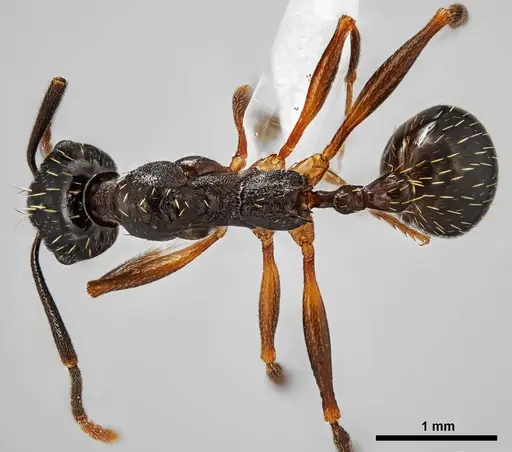
ANTWEB1041707
View on AntWeb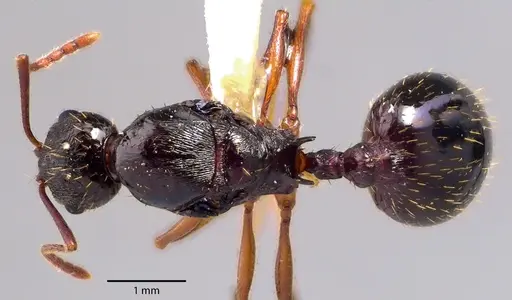
ANTWEB1041708
View on AntWeb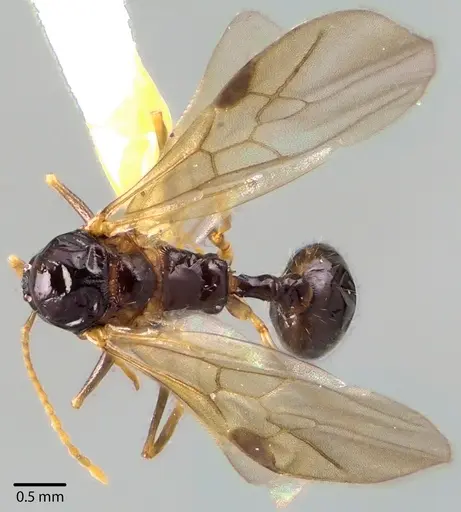
ANTWEB1041741
View on AntWeb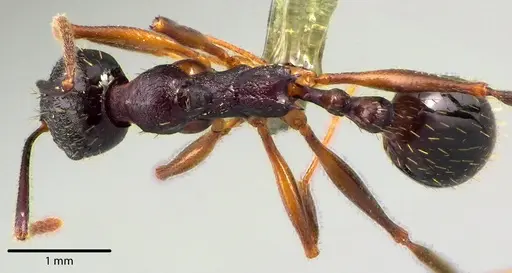
ANTWEB1041752
View on AntWeb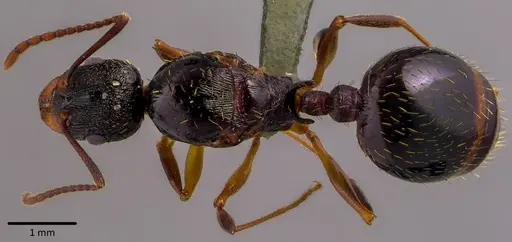
ANTWEB1041762
View on AntWeb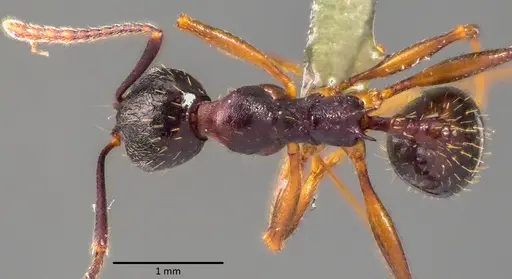
CASENT0104844
View on AntWeb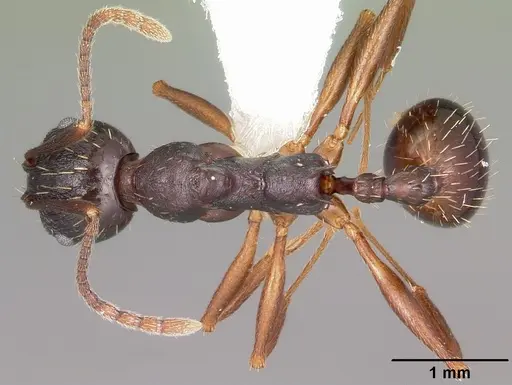
CASENT0752240
View on AntWeb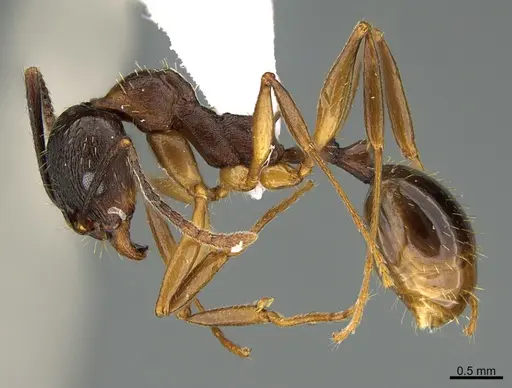
CASENT0914477
View on AntWeb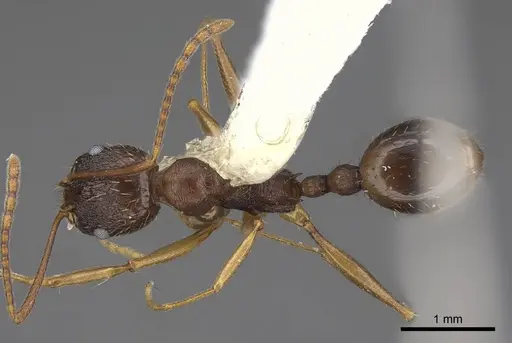
FMNHINS0000049661
View on AntWeb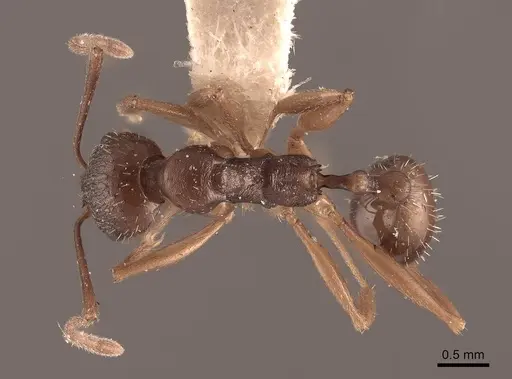
Literature
Loading distribution map...Loading products...