
Aphaenogaster ovaticeps
- Sci. Name
- Aphaenogaster ovaticeps
- Tribe
- Stenammini
- Subfamily
- Myrmicinae
- Author
- Emery, 1898
- Distribution
- Found in 3 countries
Introduction
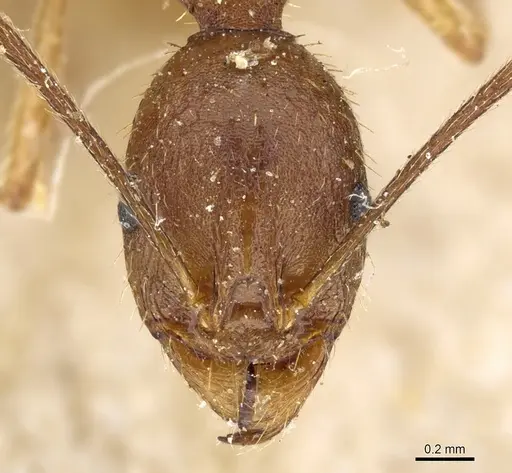
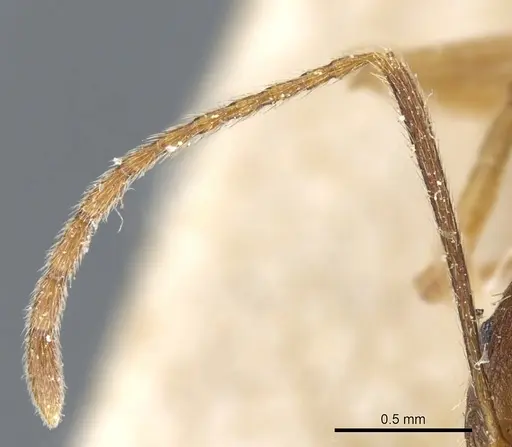
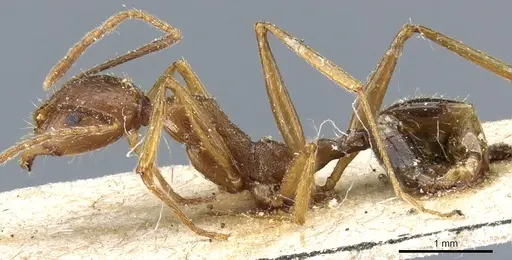
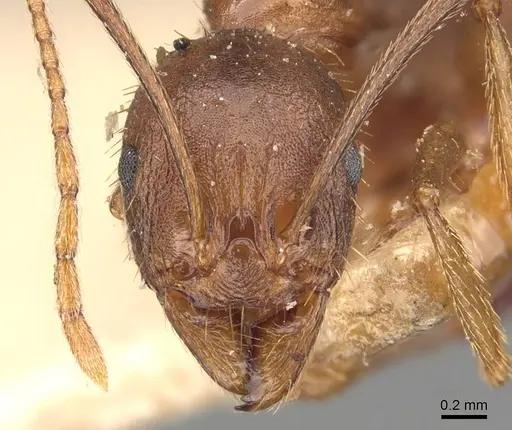
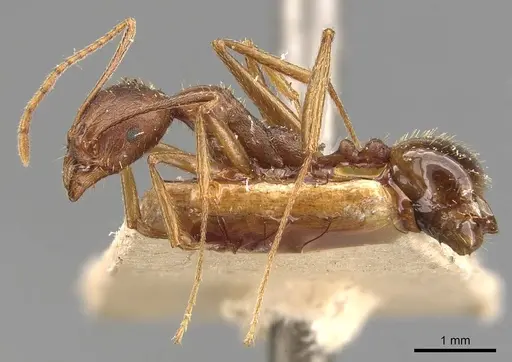
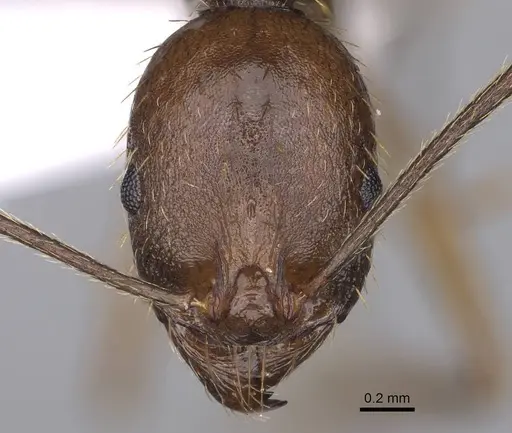
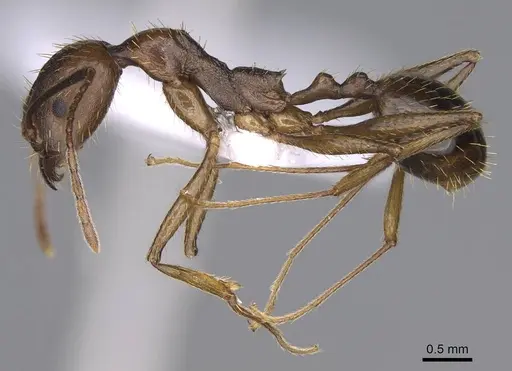
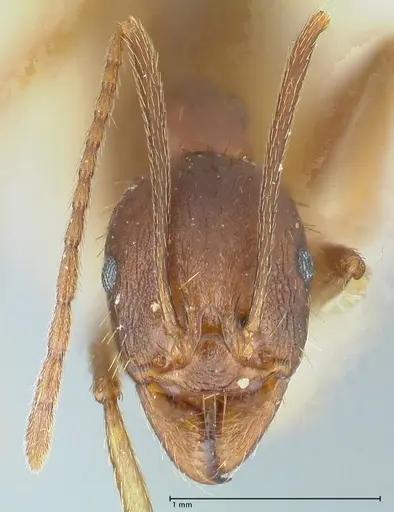
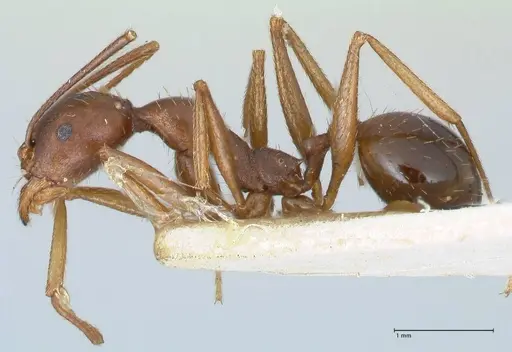
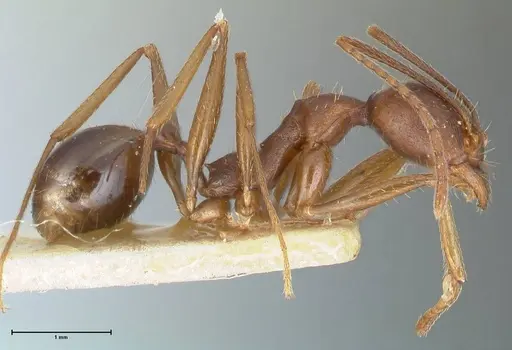
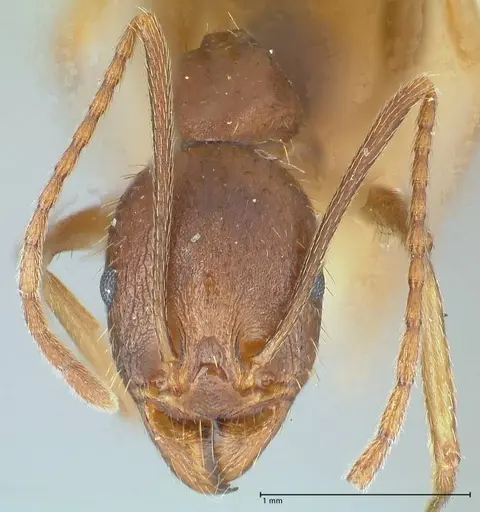
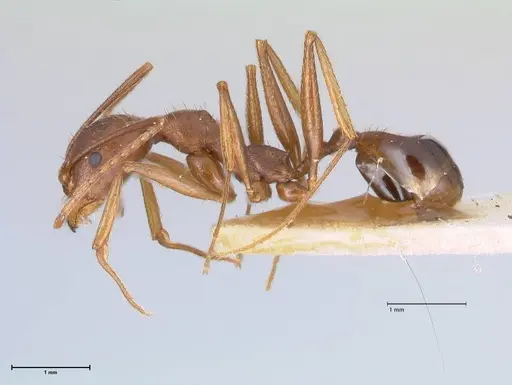
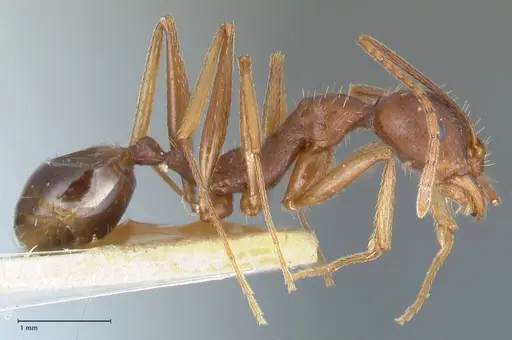
Aphaenogaster ovaticeps is a small, slender ant with a distinctive oval-shaped head and brown to dark brown body coloration. Workers have yellowish legs and antennae contrasting against their darker bodies. They inhabit very humid, shaded locations across the Balkans and Italy, including stream valleys in plane forests, damp rock walls, boulders, stone crevices, and even the walls of old buildings or ruins . Colonies are tiny - wild nests never exceed 50 workers, making this one of the smallest colony species in the genus . They are polymorphic, with some colonies producing tiny "microworkers" nearly half the size of normal workers . These ants are nocturnal and strongly prefer dark, humid microhabitats .
Quick Summary
- Difficulty: Medium
- Origin & Habitat: Balkans and Italy, found in Albania, Bosnia and Herzegovina, Croatia, Greece, Italy, Montenegro, North Macedonia, Serbia, and Slovenia [4][5][1][2]. Inhabits very humid, shady locations such as stream valleys inside plane forests or deciduous forests, damp rock walls, boulders, stones, and damp litter. Occasionally found in xerothermic oak forests but always in the most humid and dark parts. Also nests in rock crevices of gorges, on walls of chapels, churches, or shelters, and in ruins of ancient buildings [1][2][3]. Prefers low to mid altitudes, mostly below 400m [2].
- Colony Type: Single-queen colonies (monogynous) with a maximum of approximately 50 workers [1][2].
- Size & Growth:
- Queen: ~5-6 mm total length, inferred from Aphaenogaster genus patterns [1][2].
- Worker: ~4-5 mm total length, inferred from Aphaenogaster genus patterns [1][2].
- Colony: Up to 50 workers [1][2].
- Growth: Slow, colonies remain small even when mature.
- Development: Unknown, development timeline unconfirmed for this species. (Colonies grow slowly and remain small even at maturity.)
- Antkeeping:
- Temperature: Keep at 20-25°C during the active season. Provide a gentle gradient with a warm side around 24-25°C and cooler side around 20-22°C.
- Humidity: High humidity required, keep nest material consistently damp but not waterlogged. These ants inhabit very humid microhabitats and dry conditions are lethal [1][2].
- Diapause: Yes, required for 3-4 months at 10-15°C during winter.
- Nesting: Small nests with tight chambers and humid conditions. Naturalistic setups with flat stones, or small Y-tong/plaster nests work well. They nest under stones and in rock crevices in nature [1][2][3].
- Behavior: Nocturnal to crepuscular, strongly preferring dark places even during the day [1][2][3]. Generally shy and non-aggressive. Polymorphic with some colonies producing significantly smaller microworkers [1]. Workers are small and can squeeze through small gaps, use fine mesh barriers.
- Common Issues: colonies naturally stay small (under 50 workers), making them fragile and slow to recover from disturbances., require consistently damp nest conditions, dry substrate quickly kills brood and stresses workers., slow growth means colonies take a long time to develop, patience is essential., small worker size means they can escape through tiny gaps, use fine mesh barriers.
Nest Preferences and Setup
In nature, Aphaenogaster ovaticeps nests under stones, in rock crevices, and within damp walls, always choosing dark, humid microhabitats [1][2][3]. They were found nesting in wall crevices of ruined buildings, under stones in stream valleys, and on damp rocky walls [3]. One colony was observed inside the ruins of an ancient church, and specimens were collected on walls of watering holes built in mountain villages as places of rest [2].
For captive care, provide small nests with tight chambers that retain moisture. A naturalistic setup with flat stones over a damp substrate works well, or use a small Y-tong or plaster nest. Avoid large open spaces, these ants prefer confined quarters. The nest must maintain high humidity, the substrate should feel damp to the touch but not have standing water. Ventilation should be limited but present to prevent mold while maintaining moisture.
Temperature and Seasonal Care
As a temperate species from the Balkans and Italy, Aphaenogaster ovaticeps experiences distinct seasons. During the active season (spring through autumn), keep them at 20-25°C with a gentle heat gradient. A heating cable on one side of the nest helps create this gradient, but ensure it does not dry out the nest material.
Winter hibernation (diapause) is essential for long-term colony health. When temperatures drop naturally in autumn (October-November), gradually reduce the temperature to 10-15°C for 3-4 months. You can place the entire setup in an unheated room or garage that stays above freezing. Resume normal temperatures in February or March when you observe increased activity. [1][2]
Feeding and Diet
Aphaenogaster species are generally omnivorous scavengers. Offer small insects appropriate for their size, fruit flies, small crickets, or mealworm pieces. They likely collect seeds in nature like many congeners, so offer small seeds such as chia or poppy seeds.
Provide a constant sugar source, sugar water (1:4 ratio) or honey water in a test tube setup or liquid feeder. Because they are nocturnal, feed them in the evening and remove uneaten protein within 24 hours to prevent mold in their humid environment.
Behavior and Activity Patterns
These ants are primarily nocturnal and strongly prefer darkness. In nature, workers are active during the day only in deeply shaded locations such as stream valleys inside plane forests or under rocks [1][2]. They were regularly observed resting on damp walls and in dark crevices, and were described as a nocturnal species that is almost exclusively found in urban areas on walls and rocks [3].
Colonies display polymorphism, some workers are significantly smaller "microworkers" nearly half the size of normal workers [1]. This size variation may help with specific nest tasks. Despite their small colony size, they are not particularly aggressive and may freeze or hide when exposed to light. Keep their outworld dimly lit or covered to encourage natural foraging behavior.
Colony Founding and Growth
Founding behavior is unconfirmed for this species. No documented studies describe how queens establish new colonies.
The most challenging aspect of keeping this species is their naturally small colony size. Even mature colonies rarely exceed 30-50 workers [1][2]. This makes them fragile in captivity, there is little buffer for mistakes. Growth is slow, and colonies may plateau at very small sizes. Do not expect the explosive growth seen in Lasius or Formica species. Patience is essential, and disturbances should be minimized as small colonies recover slowly from stress.
Frequently Asked Questions
Can I keep Aphaenogaster ovaticeps in a test tube setup?
Yes, a standard test tube setup works well for founding and small colonies. Use a water reservoir for humidity and ensure the tube is kept in a dark place. Move them to a small formicarium when they reach 15-20 workers.
How long until Aphaenogaster ovaticeps gets their first workers?
The exact timeline is unconfirmed. Development time has not been documented for this species.
Can I keep multiple Aphaenogaster ovaticeps queens together?
No. This species is monogynous (single-queen) in the wild, and colonies never exceed one queen [1][2]. Combining queens will likely result in fighting and death.
Why is my Aphaenogaster ovaticeps colony so small?
This is normal. Aphaenogaster ovaticeps naturally forms tiny colonies of under 50 workers even in the wild [1][2]. They are not a 'big colony' species like some others in the genus.
Do Aphaenogaster ovaticeps need hibernation?
Yes. As a temperate species from the Balkans and Italy, they require a winter diapause of 3-4 months at 10-15°C to complete their annual cycle properly.
How big do Aphaenogaster ovaticeps colonies get?
Very small, the largest wild nest ever found contained fewer than 50 workers [1][2]. Most colonies likely contain 20-40 workers at maturity.
Are Aphaenogaster ovaticeps ants aggressive?
No, they are generally shy and non-aggressive. They prefer to hide in dark crevices when disturbed rather than attack.
What is the best nest type for Aphaenogaster ovaticeps?
Small, humid nests with tight chambers. Naturalistic setups with flat stones, small Y-tong nests, or plaster nests work well. Avoid large acrylic nests as colonies stay small and prefer confined spaces.
Do Aphaenogaster ovaticeps ants sting?
Like most Aphaenogaster, they possess a stinger but are too small to penetrate human skin effectively. They are not considered dangerous.
Why are my Aphaenogaster ovaticeps dying?
The most common causes are desiccation (keep nest material damp), overfeeding (causes mold in humid conditions), or disturbance stress (small colonies recover slowly). Ensure proper winter hibernation as well.
Report an Issue
The current care sheet is based fully on literature. See inconsistencies, or something that's incorrect? Please , it will be resolved after review from an admin. Contributing to the blogs tab also helps providing information, to make us be able to further improve the caresheets. Thank you for your support!
References

This caresheet is licensed under CC BY-SA 4.0 .
Community Blogs
CASENT0280961
View on AntWeb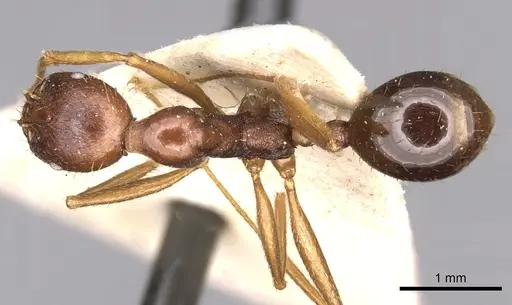
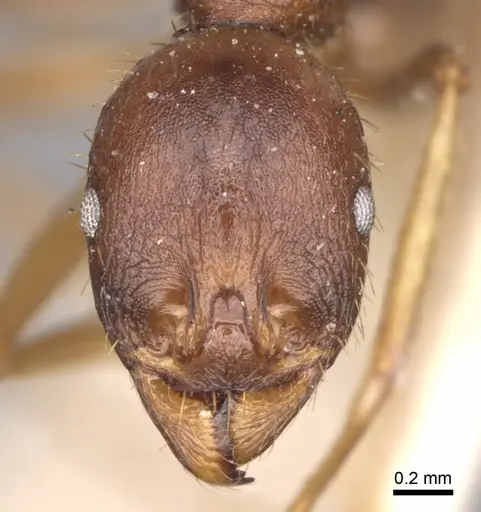
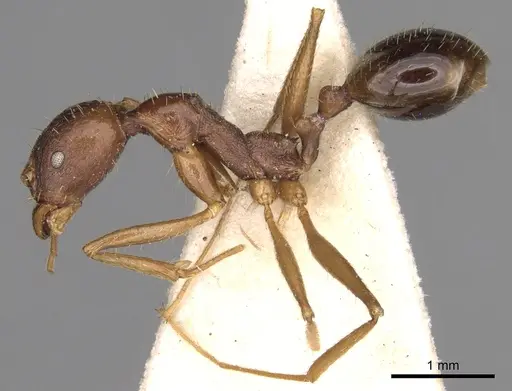
CASENT0904170
View on AntWeb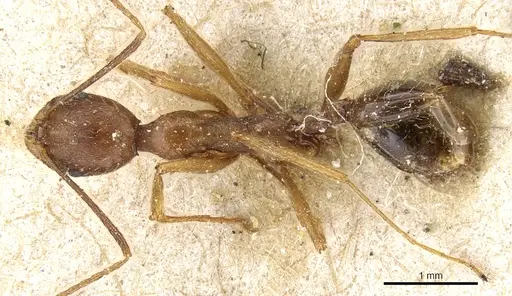
CASENT0907689
View on AntWeb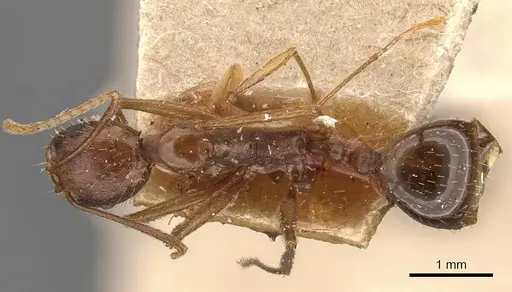
CASENT0914233
View on AntWeb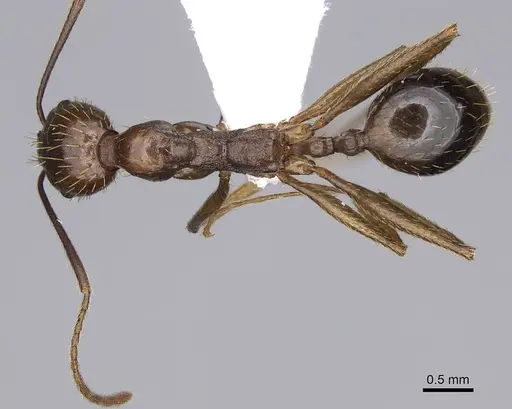
FOCOL1227
View on AntWeb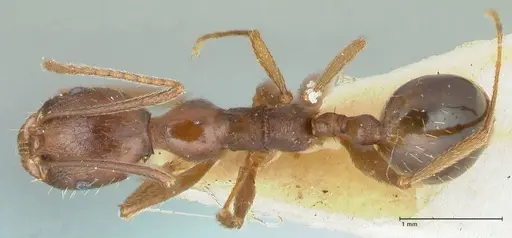
FOCOL1228
View on AntWeb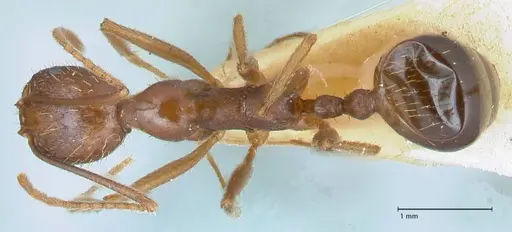
Literature
Loading distribution map...Loading products...