
Jolanta's Collared Ant
Aphaenogaster jolantae
- Sci. Name
- Aphaenogaster jolantae
- Tribe
- Stenammini
- Subfamily
- Myrmicinae
- Author
- Borowiec & Salata, 2014
- Common Name
- Jolanta's Collared Ant
- Distribution
- Found in 1 countries
Introduction
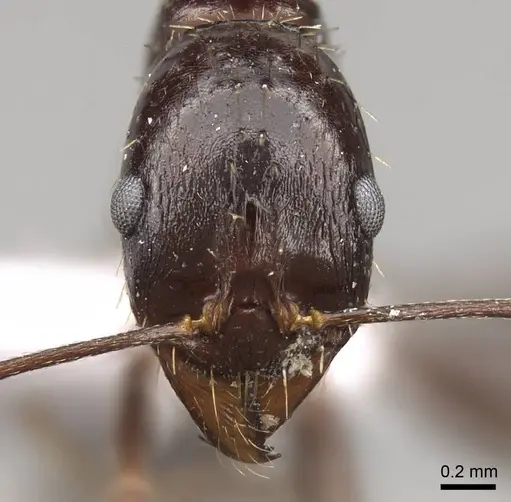
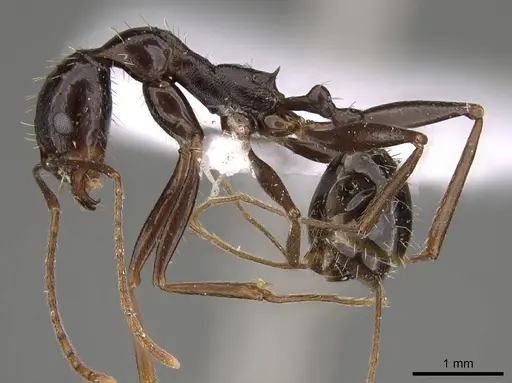
Aphaenogaster jolantae is a small ant endemic to Rhodes Island in Greece. Workers are pale brown with notably long legs and antennae, giving them an elegant appearance . Their bodies are uniformly pale brown with yellowish-brown leg segments, and they lack the narrow neck found in some related species . In the wild, these ants specialize in damp, shady microhabitats that most ants avoid. They nest in rock crevices inside shallow caves, damp gorge walls, and hollow tree trunks, often foraging on vertical wet surfaces where they scavenge dead insects like moths from spider webs . This preference for constantly moist conditions makes them unique among Mediterranean ants and shapes their care requirements in captivity.
Quick Summary
- Difficulty: Medium
- Origin & Habitat: Endemic to Rhodes Island, Greece (Dodecanese), specifically found in damp, shady habitats including cave walls, gorge crevices, and hollow Platanus trees at altitudes of 100-589 meters [1][2][3].
- Colony Type: Colony structure is unconfirmed for this species.
- Size & Growth:
- Queen: Size data unavailable, inferred from Aphaenogaster genus patterns (~6-8mm)
- Worker: Approximately 4-5mm, inferred from head and mesosoma measurements in the original description [1][3].
- Colony: Unknown
- Growth: Unknown, estimated moderate based on temperate Mediterranean climate
- Development: Unconfirmed, likely 8-12 weeks at 22-25°C based on related Aphaenogaster species (Development speed depends on temperature)
- Antkeeping:
- Temperature: Keep at 20-24°C (68-75°F) during active season. Do not exceed 28°C as this may stress them combined with their high humidity requirements [1][4].
- Humidity: High humidity required, keep nest substrate consistently damp, mimicking the wet cave walls and forest crevices they inhabit [1][2].
- Diapause: Likely yes, based on Mediterranean distribution, diapause is recommended October-March at 10-15°C, though specific timing is unconfirmed [4].
- Nesting: Rock crevices and hollow wood in nature, use Y-tong (AAC) nests, plaster nests, or naturalistic setups with flat stones and bark. Avoid dry sand nests [1].
- Behavior: Scavenging foragers that clean up dead insects, observed collecting moth remains from spider webs [1]. Generally peaceful but can be skittish. Escape risk is high due to small worker size and slender build.
- Common Issues: tiny worker size means they squeeze through gaps in mesh and loose-fitting lids., dehydration kills quickly if humidity drops below their preferred damp conditions., fungal outbreaks in captivity if ventilation is poor while maintaining high humidity., overfeeding protein leads to mold in the humid environment they require., slow growth rate may discourage beginners expecting rapid colony expansion.
Natural History and Habitat
Aphaenogaster jolantae was first described in 2014 from specimens collected at Epta Piges (Seven Springs), a tourist route on Rhodes Island featuring steep gorges and running water [1]. Unlike many Mediterranean ants that tolerate dry conditions, this species shows a clear preference for wet, shady microhabitats.
Field researchers found nests in three distinct situations: deep inside rock crevices on damp cave walls, within hollow trunks of large Oriental plane trees (Platanus orientalis), and in shaded forest rock crevices dripping with water [1][2][3]. The type nest was located 3 meters up a gorge wall inside a shallow cavern, with workers foraging on the wet interior walls up to 1 meter from the entrance [1].
Foraging behavior reveals these ants are opportunistic scavengers. Workers have been observed carrying moth remains collected from nearby spider webs, suggesting they act as clean-up crews in their habitats [1][3]. They forage during the day on vertical surfaces, using their long legs to navigate rough terrain.
Housing and Nest Design
Translate their wild nesting preferences into captivity by providing tight, crevice-like spaces with excellent humidity retention. In nature they use rock crevices and hollow wood, so Y-tong (aerated concrete) nests or plaster nests with narrow chambers work well [1].
Create a moisture gradient by keeping one side of the nest consistently damp while allowing slight drying on the opposite side. This mimics the damp cave walls they prefer [2]. Naturalistic setups with flat stones, bark pieces, and rotting wood can also work, but ensure the substrate stays moist, not wet.
Because workers are small with slender bodies, escape prevention must be excellent. Use fine mesh for ventilation holes and apply Fluon or talcum powder barriers on outworld rims. Their long legs help them climb rough surfaces, so smooth barriers are essential.
Feeding and Diet
Aphaenogaster jolantae are generalist scavengers with a preference for protein. In the wild, workers collect dead insects, specifically observed carrying moth remains from spider webs [1][3]. In captivity, offer small pieces of dead insects twice weekly.
Like most Aphaenogaster, they likely accept sugar sources such as honey water or sugar water, though this has not been specifically documented for this species. Provide a small sugar source constantly, but remove protein after 24 hours to prevent mold in their humid nest environment.
Their small size means they cannot handle large prey items. Cut mealworms into small pieces or offer pre-killed fruit flies. Live prey is not necessary, they appear to prefer scavenging dead insects in nature.
Temperature and Seasonal Care
As a Mediterranean species from Rhodes Island, Aphaenogaster jolantae experiences seasonal temperature changes but spends its time in cool, shady microhabitats [1][4]. Keep the nest area between 20-24°C during the active season, with a gentle heat gradient if possible.
Despite their preference for warmth-loving Mediterranean climates, their specific microhabitat suggests they avoid extreme heat. Do not exceed 28°C, as this may stress them combined with their high humidity requirements.
Hibernation is likely required for healthy brood development. Starting in October, gradually reduce temperature to 10-15°C for 3-4 months, keeping the nest slightly drier but not completely dry. Resume normal temperatures in March.
Colony Founding and Development
Founding behavior has not been directly observed in this species. Based on typical Aphaenogaster patterns, queens likely found colonies alone (claustral founding), sealing themselves in a chamber and living off stored body fat until the first workers hatch [5].
If you obtain a queen, house her in a standard test tube setup with damp cotton, kept at 20-24°C in a dark, undisturbed location. Do not feed the queen during founding if she is claustral, she will use her reserves.
Development timelines are unconfirmed, but related Aphaenogaster species typically take 8-12 weeks from egg to first worker at optimal temperatures. First workers will be smaller than subsequent generations. Growth is likely moderate.
Frequently Asked Questions
How big do Aphaenogaster jolantae workers get?
Workers are small ants, approximately 4-5mm in total length, inferred from the head and mesosoma measurements in the original description [1][3]. They have notably long legs and antennae for their size.
Where do Aphaenogaster jolantae come from?
This species is endemic to Rhodes Island in the Dodecanese region of Greece. They are found nowhere else in the world, specifically inhabiting damp cave walls, gorge crevices, and hollow trees at altitudes between 100-589 meters [1][2][3].
What do Aphaenogaster jolantae eat?
They are scavengers that collect dead insects. In the wild, workers have been observed carrying moth remains from spider webs [1][3]. In captivity, feed small pieces of dead insects like mealworms or crickets, and offer sugar water.
Do Aphaenogaster jolantae need hibernation?
Likely yes. As a Mediterranean species, they probably require a winter rest period from October to March at 10-15°C, though specific hibernation behavior has not been documented. Without seasonal cooling, colony health may decline over time.
Can I keep Aphaenogaster jolantae in a test tube?
Yes, test tubes work well for founding queens and small colonies. Use a standard setup with damp cotton, and ensure the tube is kept in a dark place. Because they need high humidity, check that the cotton stays moist but not moldy.
How long until Aphaenogaster jolantae get their first workers?
The egg-to-worker timeline is unconfirmed for this species. Based on related Aphaenogaster, expect approximately 8-12 weeks at 22-25°C. First workers may emerge slightly faster than subsequent broods.
Can I keep multiple queens of Aphaenogaster jolantae together?
Not recommended. While the natural colony structure is unconfirmed, combining unrelated queens is risky and has not been documented for this species. Start with a single queen to avoid fighting.
What is the best nest type for Aphaenogaster jolantae?
Y-tong (aerated concrete) nests or plaster nests with narrow chambers work best, mimicking the rock crevices and hollow wood they use in nature [1]. Naturalistic setups with flat stones and bark also work if humidity stays high.
Are Aphaenogaster jolantae good for beginners?
Probably not ideal for complete beginners. They require high humidity without mold, specific temperature management, and are endemic to Rhodes Island (making them rare in trade). Their small size also makes escapes likely without excellent barriers.
Do Aphaenogaster jolantae ants sting?
Like most Aphaenogaster, they can bite but are not considered dangerous to humans. They lack a functional stinger for defense against large animals. Their primary defense is fleeing or playing dead.
Report an Issue
The current care sheet is based fully on literature. See inconsistencies, or something that's incorrect? Please , it will be resolved after review from an admin. Contributing to the blogs tab also helps providing information, to make us be able to further improve the caresheets. Thank you for your support!
References

This caresheet is licensed under CC BY-SA 4.0 .
Community Blogs
CASENT0914407
View on AntWeb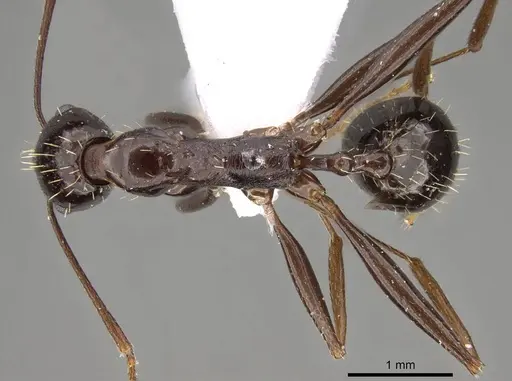
Literature
Loading distribution map...Loading products...