
Aphaenogaster inermita
- Sci. Name
- Aphaenogaster inermita
- Tribe
- Stenammini
- Subfamily
- Myrmicinae
- Author
- Bolton, 1995
- Distribution
- Found in 2 countries
Introduction
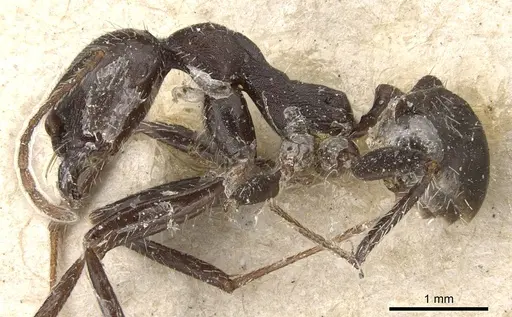
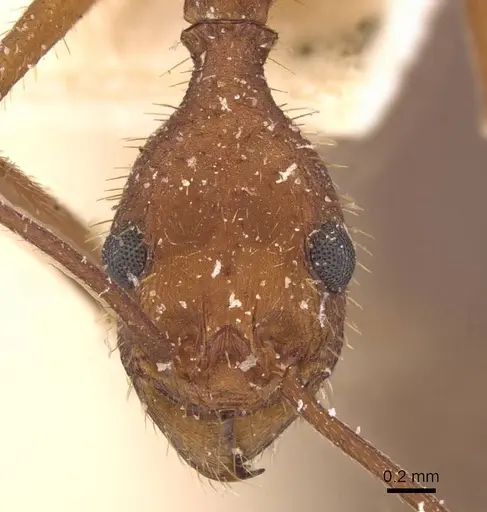
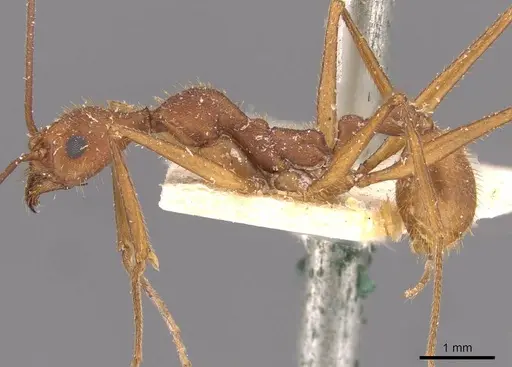
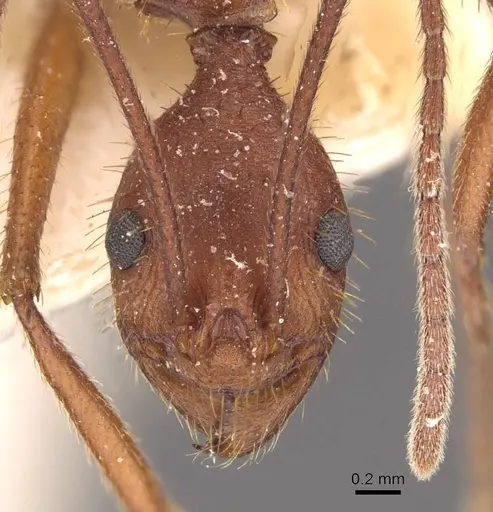
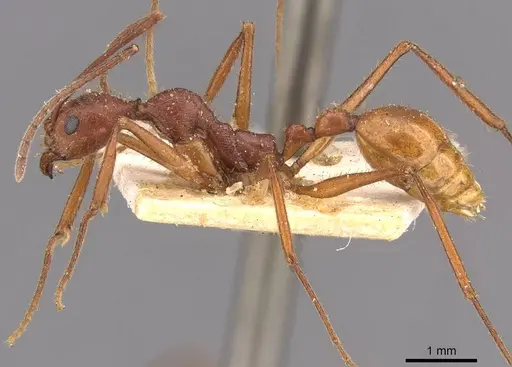
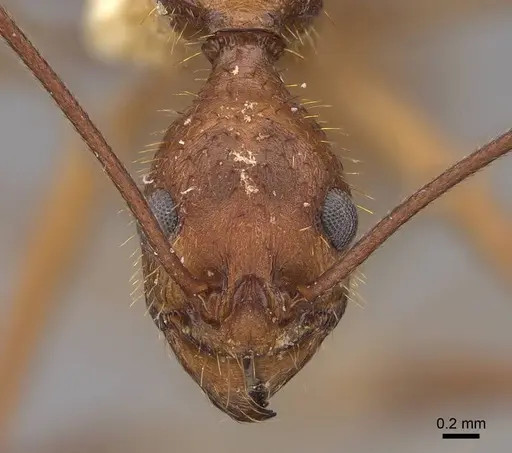
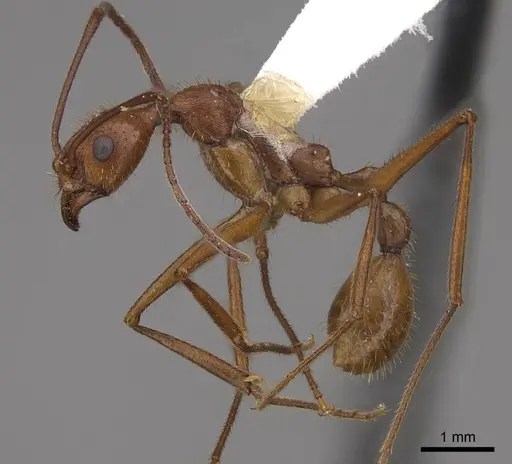
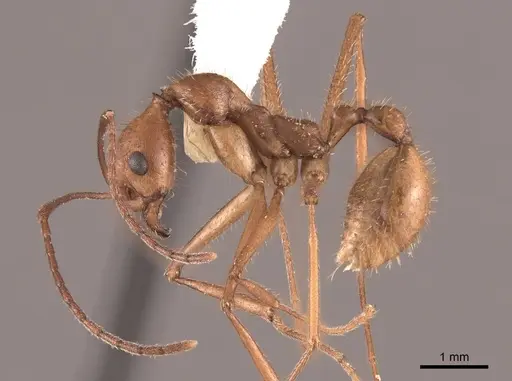
Aphaenogaster inermita is a small Mediterranean ant found only in southern Italy and the Maltese islands. Workers are instantly recognizable by their completely smooth, spineless back end - the propodeum lacks the spines or teeth seen in every other European Aphaenogaster species . They also have unusually fine, hair-like setae rather than the bristly hairs typical of the genus . In nature, they live in arid coastal areas where they nest under flat stones and hunt alone during the daytime [AntWiki]. Despite being described to science decades ago, their queens and males remain completely unknown, making them one of the more mysterious ants in European myrmecology .
Quick Summary
- Difficulty: Hard
- Origin & Habitat: Arid coastal areas of Italy (Calabria) and Malta (Gozo, Malta Island, Comino) [1][3]
- Colony Type: Unknown, queens have never been described [1]
- Size & Growth:
- Queen: Unknown, gyne undescribed [1]
- Worker: Size data unavailable, head measurements (1.22-1.41mm) are known but total body length not recorded [1]
- Colony: Unknown
- Growth: Unknown
- Development: Unknown, no development studies exist for this species (Timeline cannot be estimated as no data exists for this species or close relatives)
- Antkeeping:
- Temperature: Keep at room temperature (18-24°C) during active season. Mediterranean origin suggests they tolerate a range of warm conditions
- Humidity: Low to moderate, arid coastal habitat suggests they tolerate dry conditions well [1]
- Diapause: Likely yes, provide winter cooling period as they come from temperate Mediterranean climate
- Nesting: Under flat stones in dry, sandy or rocky soil. In captivity, provide flat stone shelters or tight-fitting cork/plastic covers with dry substrate [1]
- Behavior: Solitary foragers active during daytime. Workers hunt individually rather than using trail recruitment [1]. Small size means escape prevention must be excellent [2]
- Common Issues: queens are unknown to science, founding behavior is completely unconfirmed and captive colonies may be impossible to establish., tiny worker size requires excellent escape prevention, they can squeeze through gaps that larger ants cannot., arid habitat requirements mean they are sensitive to over-wetting and mold in standard test tube setups., extremely limited distribution makes them rare in collections, wild collection should be avoided to protect native populations.
Natural History and Distribution
Aphaenogaster inermita lives only in the central Mediterranean, specifically the southern Italian region of Calabria and the Maltese archipelago including Malta Island, Gozo, and Comino [1][3]. They occupy a very specific niche: arid coastal areas where they nest under flat stones in dry, often sandy or rocky soil [1]. Unlike many ants that forage in trails, these workers hunt singly during the daytime, suggesting they are visual predators or scavengers that search individually for small prey items [1][2]. Their restriction to coastal habitats suggests they tolerate heat and dry conditions well but may struggle with high humidity or stagnant air.
Identification
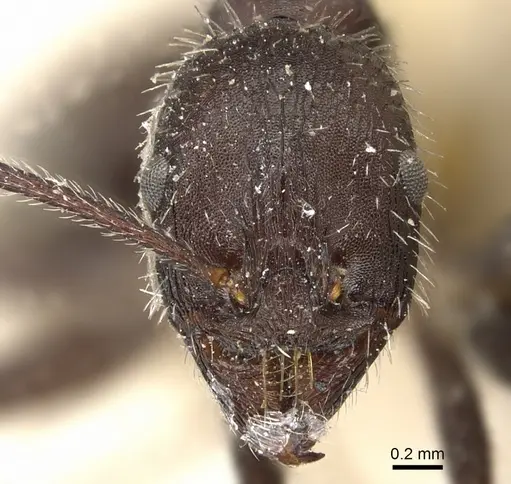
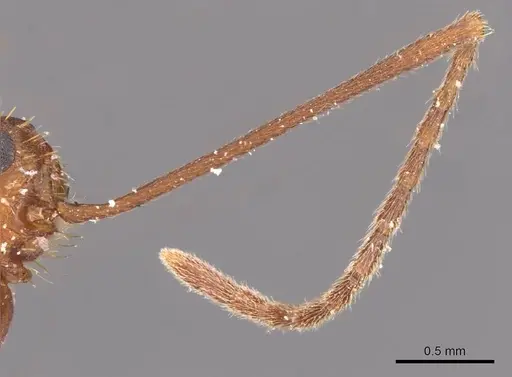
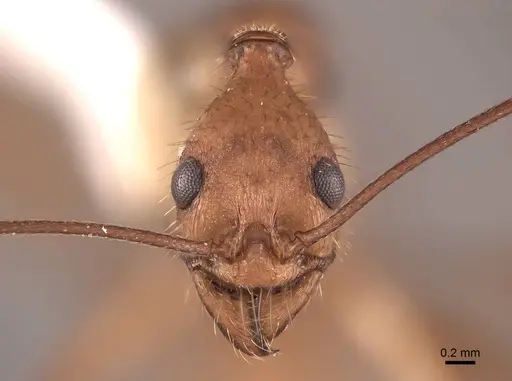
Workers cannot be confused with other European Aphaenogaster because they completely lack propodeal spines or teeth, the back end of the thorax is smooth and rounded [1]. They also have fine, hair-like setae rather than the stiff, bristle-like hairs seen in most related species [1]. The head is longitudinally rugulose with some cross-connections, and the antennal club has four segments [1]. Queens and males remain undescribed, so if you encounter winged reproductives in a colony, document them carefully as they would represent a significant scientific find.
Nesting Requirements
In nature, they nest under flat stones in arid coastal ground [1]. This suggests they prefer tight, secure spaces with solid overhead cover rather than open tunnels. For captive colonies, provide a nest area with flat stones, tight-fitting cork bark, or a formicarium with narrow chambers and good overhead cover. Keep the nest substrate on the drier side, think Mediterranean coastal scrubland, not tropical rainforest. While they need some humidity for brood rearing, their arid habitat suggests they are prone to mold in damp conditions. Ensure good ventilation to prevent stagnation while maintaining the moderate humidity they likely prefer.
Foraging and Diet
Workers hunt singly during daytime, suggesting they are generalist predators or scavengers that search individually for food rather than recruiting nestmates to large finds [1]. Based on typical Aphaenogaster behavior, they likely accept small insects, bits of dead arthropods, and possibly seeds or sugary liquids. Offer small live prey like fruit flies, springtails, or tiny cricket pieces, along with sugar water or honey drops. Because they forage individually, you may see workers wandering alone rather than forming feeding trails. Feed small amounts frequently rather than large masses that might mold in their dry preferred conditions.
Temperature and Seasonal Care
Coming from Mediterranean coastal Italy and Malta, these ants likely experience hot, dry summers and mild, cool winters [1][4]. Keep the colony at room temperature (18-24°C) during the active season. For winter care, provide a cooling period at 10-15°C for 2-3 months to simulate Mediterranean winter conditions. While not confirmed from research, this seasonal cycle likely triggers brood development and prevents colony decline. Avoid overheating, their coastal stone nesting habits suggest they retreat to cooler, shaded microhabitats during the hottest parts of the day.
The Unknown Queen Problem
The biggest challenge for antkeepers is that queens have never been described for this species [1]. All scientific collections consist of workers only. This means founding behavior, whether queens seal themselves in (claustral) or need to forage (semi-claustral), how many eggs they lay, and how long development takes, is completely unknown. If you obtain a founding queen, you would be documenting previously unknown biology. Until queens are discovered, this species remains impractical for most keepers. If attempting founding, provide both a secure, dry chamber and access to foraging space, as we cannot assume claustral behavior despite it being common in the genus.
Frequently Asked Questions
How big are Aphaenogaster inermita workers?
Total body size is not recorded in scientific literature. Head measurements are known (1.22-1.41mm long, 0.95-1.15mm wide) but these only represent head size, not full body length [1].
Where do Aphaenogaster inermita nest in the wild?
They nest under flat stones in arid coastal areas of Italy and Malta [1][2].
Do Aphaenogaster inermita need hibernation?
Likely yes. They come from the Mediterranean region with distinct seasons, so provide a winter cooling period at 10-15°C for 2-3 months.
Can I keep Aphaenogaster inermita in a test tube setup?
You can house workers in test tubes, but keep the water reservoir smaller than usual and ensure the cotton doesn't make the nest too damp, as they prefer arid conditions [1].
What do Aphaenogaster inermita eat?
They hunt singly during the day, likely taking small insects and arthropod remains. Offer small live prey like fruit flies or springtails, plus sugar water [1][2].
Are Aphaenogaster inermita good for beginners?
No. Queens are unknown to science, founding behavior is unconfirmed, and the species is rare with a restricted range. This makes them unsuitable for beginners [1].
How can I identify Aphaenogaster inermita?
They are the only European Aphaenogaster without propodeal spines, the back of their thorax is completely smooth. They also have fine hairs rather than bristly ones [1].
How long until Aphaenogaster inermita eggs become workers?
Unknown. No development studies exist for this species.
Can I keep multiple Aphaenogaster inermita queens together?
Unknown. Since queens have never been described, we don't know if they are monogyne (single queen) or polygyne (multiple queens) [1].
Do Aphaenogaster inermita ants sting?
Like most small Aphaenogaster, they likely cannot penetrate human skin effectively. They rely on speed and hiding under stones for defense [2].
Report an Issue
The current care sheet is based fully on literature. See inconsistencies, or something that's incorrect? Please , it will be resolved after review from an admin. Contributing to the blogs tab also helps providing information, to make us be able to further improve the caresheets. Thank you for your support!
References

This caresheet is licensed under CC BY-SA 4.0 .
Community Blogs
CASENT0904181
View on AntWeb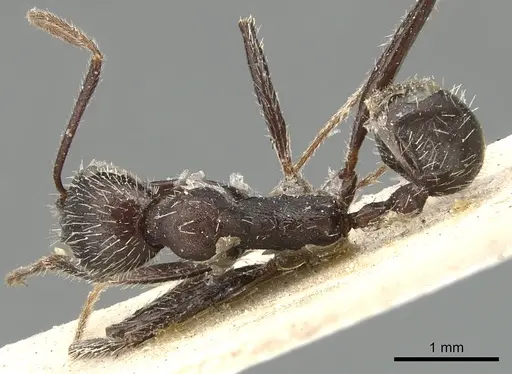
CASENT0907708
View on AntWeb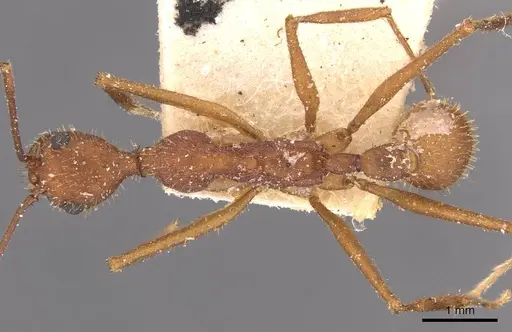
CASENT0907709
View on AntWeb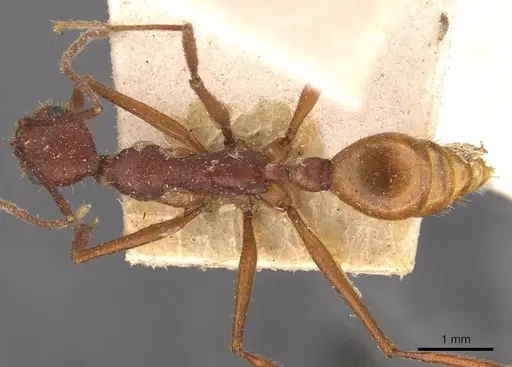
CASENT0923118
View on AntWeb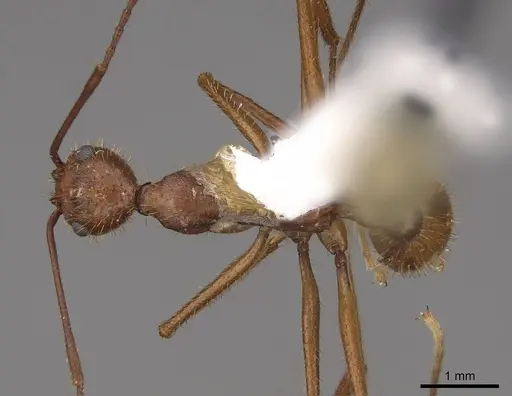
FMNHINS0000062989
View on AntWeb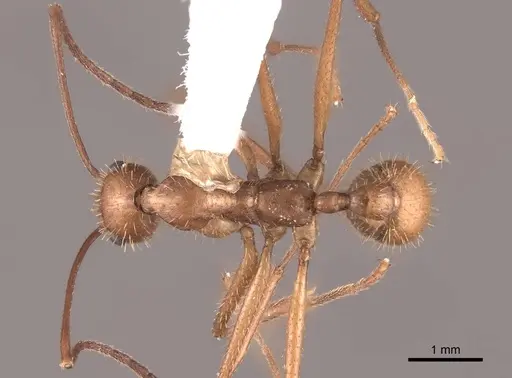
Literature
Loading distribution map...Loading products...