
Aphaenogaster illyrica
- Sci. Name
- Aphaenogaster illyrica
- Tribe
- Stenammini
- Subfamily
- Myrmicinae
- Author
- Bračko <i>et al.</i>, 2019
- Distribution
- Found in 3 countries
Introduction
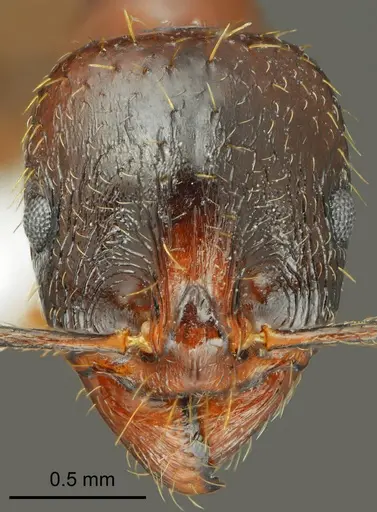
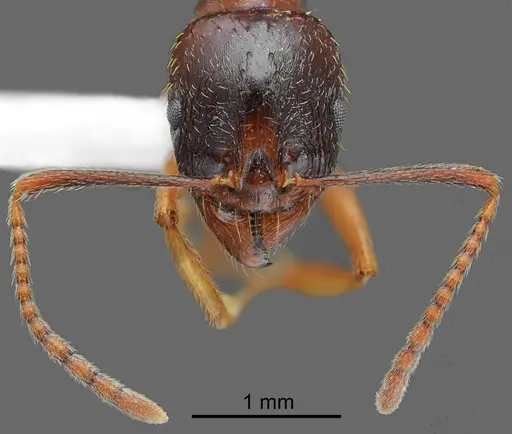
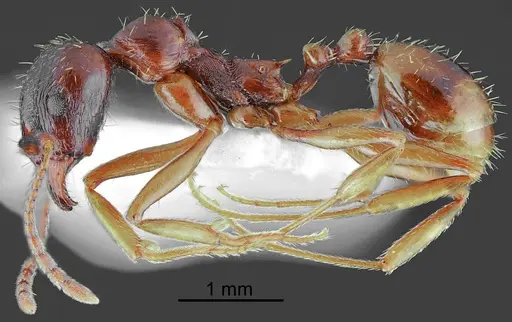
Aphaenogaster illyrica is a medium-sized ant with a distinctive elongated body and long, thin propodeal spines. Workers are yellowish-brown to rusty brown in color, with a slightly darker gaster . They are native to the mountainous Balkan Peninsula, found from Slovenia through Croatia and Bulgaria to Greece and North Macedonia, living at altitudes between 500 and 1420 meters . What makes this species unusual is their lifestyle deep underground. Unlike many surface-foraging ants, they live in the Superficial Subterranean Habitat (SSH) - a network of air-filled spaces and fissures 30-50cm below the surface among limestone rocks . They tolerate colder conditions than most of their genus, having adapted to harsh winters in alpine beech forests and karst grasslands .
Quick Summary
- Difficulty: Medium
- Origin & Habitat: Balkan Peninsula mountains (Slovenia, Croatia, Bulgaria, Greece, North Macedonia) at 500-1420m altitude, found in beech forests near streams and karst grasslands with rocky subterranean habitats [1][2].
- Colony Type: Unknown, colony structure has not been documented in literature.
- Size & Growth:
- Queen: Size data unavailable, queen has not been described [1].
- Worker: ~4-5mm, inferred from Aphaenogaster genus typical size range.
- Colony: Unknown, maximum colony size has not been documented.
- Growth: Unknown, growth rate has not been studied.
- Development: Unknown, development timeline has not been documented for this species. (Development likely slower given their alpine habitat and high-altitude adaptation.)
- Antkeeping:
- Temperature: 15-22°C (cooler than typical Aphaenogaster). They tolerate lower temperatures than most of the genus due to their alpine adaptation [1].
- Humidity: Deep substrate moisture is critical, keep lower substrate damp while allowing surface to dry slightly. In their Slovenian habitat, strong winds often dry the upper soil while deeper layers remain moist [1][2].
- Diapause: Likely yes, inferred from their habitat experiencing harsh winters at high altitude (500-1420m), though not explicitly documented [1][2].
- Nesting: Deep soil or Y-tong nests with narrow chambers, naturalistic setups with flat stones and 10-15cm of substrate depth to allow burrowing. They naturally inhabit stable, moist microhabitats 30-50cm deep [1].
- Behavior: Subterranean and cryptic, workers are rarely seen on the surface. They move slowly and are not aggressive. Their small size means standard escape prevention is sufficient [1].
- Common Issues: overheating kills colonies quickly, they are adapted to cool mountain conditions and suffer above 25°C., substrate drying out at depth, surface moisture is not enough, water must reach lower chambers where they nest., skipping winter rest may disrupt their natural cycle given their alpine habitat and harsh winter conditions., slow growth leads to overfeeding, they are subterranean scavengers with potentially lower food requirements than surface-active species.
Nest Preferences and Subterranean Habits
In nature, Aphaenogaster illyrica lives deep underground in what scientists call the Superficial Subterranean Habitat (SSH), a zone 30-50cm below the surface filled with air pockets, fissures, and debris among limestone rocks [1]. This is not a cave, but rather a stable transition zone between surface soil and deeper bedrock.
In captivity, replicate this by providing deep substrate. A naturalistic setup with 10-15cm of soil or a thick Y-tong nest works well. Include flat stones or slate pieces they can burrow under. The key is maintaining moisture at depth, the surface can be slightly dry (as in their Slovenian habitat where wind dries the topsoil), but the lower chambers must stay consistently damp [1][2]. Avoid shallow test tubes for mature colonies, they need vertical space to create their preferred deep chambers.
Temperature and Seasonal Care
Unlike many Aphaenogaster species that prefer warmth, Aphaenogaster illyrica tolerates and likely prefers cooler conditions. Found at altitudes up to 1420m in regions with harsh winters, they are adapted to temperatures that would stress tropical ants [1][2].
Keep them at 15-22°C. They can handle drops to 10-15°C and probably lower for winter rest. A heating cable is usually unnecessary and potentially harmful, room temperature in most homes (18-21°C) is ideal. If your home runs hot in summer, move them to a cooler basement or use a fan nearby.
Given their alpine habitat with harsh winters, you should provide a winter rest period (diapause). Starting in late autumn, gradually lower temperatures to 5-10°C for 3-4 months, keeping the nest slightly drier than usual but not completely dry [1].
Feeding and Diet
While specific diet studies are lacking for this species, Aphaenogaster species are generally opportunistic scavengers and predators. They likely feed on small arthropods, insect fragments, and possibly seeds or honeydew in their forest habitats [1].
In captivity, offer small prey items like fruit flies, springtails, or tiny pieces of mealworm. They will also accept sugar water or honey water. Because they are subterranean, place food directly near nest entrances or in their outworld, they may not travel far across open surfaces. Remove uneaten protein within 24 hours to prevent mold in their humid nest environment.
Feed small amounts twice weekly rather than large amounts infrequently, their subterranean lifestyle suggests they encounter food less frequently than surface-foraging species.
Behavior and Temperament
Aphaenogaster illyrica is a cryptic, slow-moving species. Workers are rarely seen on the surface, preferring to stay in their deep chambers and forage in the soil layers [1]. They are not aggressive and lack the frantic running behavior of some surface-dwelling ants.
Their small size means they can squeeze through small gaps, but they are not specialized escape artists like some tiny species. Standard barriers like Fluon or baby powder on vertical surfaces should contain them. They pose no sting risk to humans.
Because they are adapted to stable, deep soil conditions, they may be sensitive to vibrations and light. Keep their nest in a quiet, dimly lit area and avoid frequent disturbances.
Frequently Asked Questions
Can I keep Aphaenogaster illyrica in a test tube?
Test tubes work for founding queens and small colonies, but you should move them to a deep soil or Y-tong nest as they grow. They naturally live 30-50cm underground in rocky fissures, so they need vertical space and substrate depth to exhibit natural behaviors [1].
What temperature do Aphaenogaster illyrica need?
Keep them cooler than most pet ants, around 15-22°C. They are adapted to alpine mountain conditions and tolerate lower temperatures than other Aphaenogaster species. Avoid heating cables unless your home is unusually cold [1][2].
Do Aphaenogaster illyrica need hibernation?
Likely yes. They come from high-altitude habitats with harsh winters (500-1420m elevation), so you should provide a winter rest period at 5-10°C for 3-4 months. This is inferred from their habitat rather than direct observation [1][2].
How long until Aphaenogaster illyrica get their first workers?
The egg-to-worker timeline is unconfirmed. Development has not been documented for this species.
How big do Aphaenogaster illyrica colonies get?
Maximum colony size is unknown. Colony size has not been documented in scientific literature.
Can I keep multiple Aphaenogaster illyrica queens together?
Not recommended. Their colony structure is unconfirmed, and combining unrelated queens has not been documented for this species. Most Aphaenogaster are single-queen (monogyne), so queens will likely fight.
What is the best nest type for Aphaenogaster illyrica?
Deep naturalistic setups with 10-15cm of soil and flat stones, or Y-tong nests with narrow chambers. They need stable moisture at depth and prefer to nest underground rather than in open acrylic nests [1].
Are Aphaenogaster illyrica good for beginners?
They are medium difficulty. While not aggressive, they require cooler temperatures, winter hibernation, and deep substrate to thrive. Their slow growth and specific alpine needs make them better for keepers with some experience than absolute beginners [1].
Do Aphaenogaster illyrica ants sting?
They possess a stinger but are small and not aggressive. They pose no significant threat to humans.
Why are my Aphaenogaster illyrica dying?
The most common causes are overheating (they need cool conditions, below 22°C), substrate drying out at depth (they need moist lower chambers), or lack of winter hibernation disrupting their seasonal cycle [1].
Report an Issue
The current care sheet is based fully on literature. See inconsistencies, or something that's incorrect? Please , it will be resolved after review from an admin. Contributing to the blogs tab also helps providing information, to make us be able to further improve the caresheets. Thank you for your support!
References

This caresheet is licensed under CC BY-SA 4.0 .
Community Blogs
CASENT0872099
View on AntWeb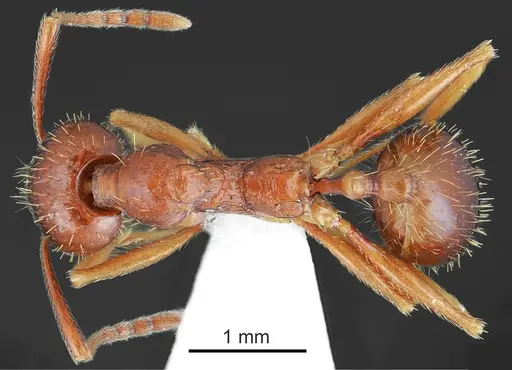
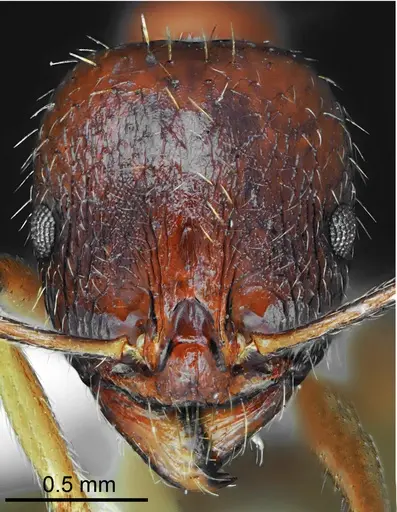
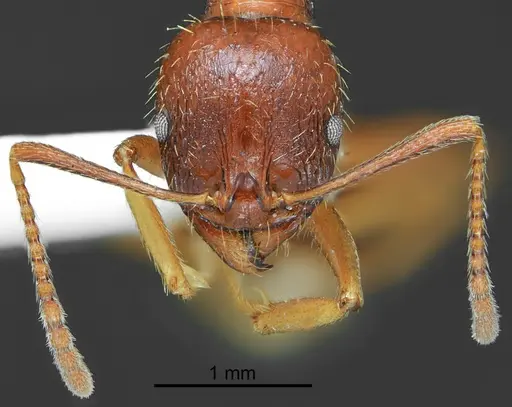
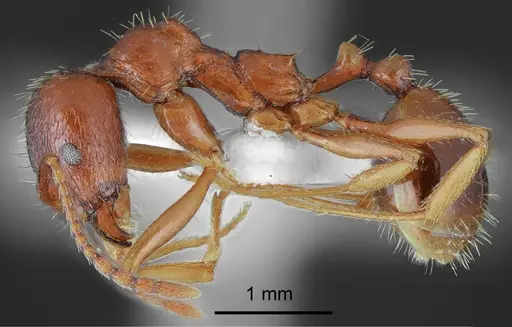
CASENT0872106
View on AntWeb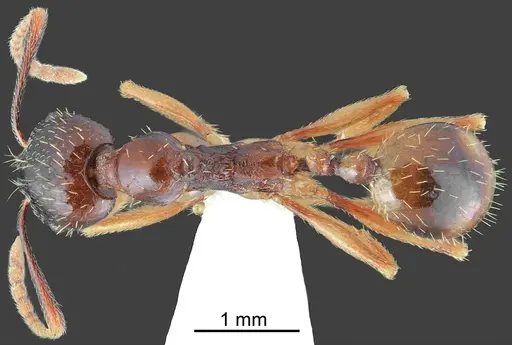
Literature
Loading distribution map...Loading products...