
Aphaenogaster ichnusa
- Sci. Name
- Aphaenogaster ichnusa
- Tribe
- Stenammini
- Subfamily
- Myrmicinae
- Author
- Santschi, 1925
- Distribution
- Found in 3 countries
Introduction
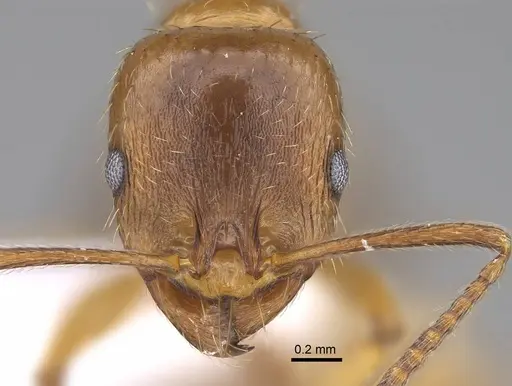
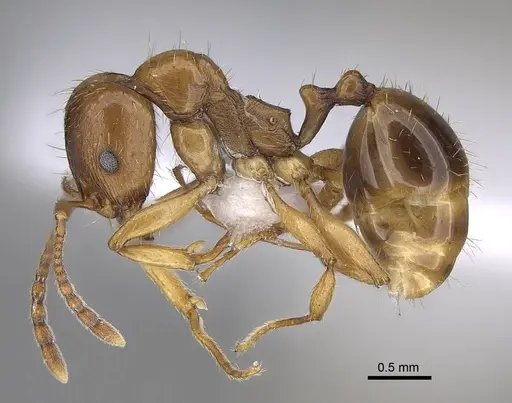
Aphaenogaster ichnusa is a small ant species with a brown-yellow to dark brown body and a characteristically smooth, shiny head . Workers have short, triangular propodeal spines, often reduced to just a small tooth, compared to their close relative Aphaenogaster subterranea . These ants inhabit Mediterranean regions of West Europe, including France, Italy (Sardinia, Corsica, Sicily), and Spain . In nature, they nest under rocks in shady forests with plenty of leaf litter and humidity . What makes this species interesting is its flexible social structure. Researchers have found up to five dealate queens living together in some nests, suggesting facultatively polygynous colonies . Additionally, this ant was only elevated to full species status in 2019,having been previously considered a subspecies of Aphaenogaster subterranea .
Quick Summary
- Difficulty: Medium
- Origin & Habitat: Mediterranean climate regions of France, Italy (including Sardinia, Corsica, Sicily), and Spain [1][3]
- Colony Type: Facultatively polygynous, colonies may have one queen or up to five queens working together [3]
- Size & Growth:
- Queen: size data unavailable, no total length measurements exist for queens [1]
- Worker: approximately 4-5mm, inferred from Aphaenogaster genus patterns [1]
- Colony: size data unavailable
- Growth: Moderate
- Development: development time unconfirmed for this species (No specific development data exists for Aphaenogaster ichnusa.)
- Antkeeping:
- Temperature: Keep at room temperature (18-25°C) during active season, Mediterranean species tolerates a range [3]
- Humidity: Moderate to high, keep nest substrate damp but not waterlogged, mimicking shady forest floors with leaf litter [3][2]
- Diapause: Yes, requires a winter rest period, likely November to February based on Mediterranean climate [3]
- Nesting: Naturalistic setups with flat stones and leaf litter, or Y-tong/plaster nests with moderate humidity retention [3]
- Behavior: Crepuscular foragers most active at dusk, scavengers and predators that also tend root aphids for honeydew, generally calm but fast-moving [3]. Their small size means excellent escape prevention is essential.
- Common Issues: small size means they can escape through tiny gaps in mesh or around lids., require consistent humidity in the nest substrate without waterlogging to prevent mold., crepuscular activity means most foraging happens at dusk, so daytime checks may miss important colony activity., winter diapause must be provided or colony health will decline.
Nest Preferences and Setup
In nature, Aphaenogaster ichnusa nests under rocks and flat stones in shady forest habitats with plenty of leaf litter and humidity [3][2]. They are not truly subterranean but prefer the interface between soil and surface debris.
For captive colonies, a naturalistic setup with flat stones, leaf litter, and a soil-sand mix works well. Alternatively, a Y-tong or plaster nest with moderate humidity retention and chambers sized to their small scale is suitable. Provide a humidity gradient with one side slightly damper than the other so the colony can self-regulate.
Feeding and Diet
These ants are primarily predators and scavengers, but they also engage in trophobiosis, tending root aphids to collect honeydew [3]. In captivity, offer a varied diet including small live or freshly killed insects (fruit flies, small crickets, mealworm pieces) and sugar sources such as honey water or sugar water.
Because they are small, cut prey into appropriately sized pieces. They may also accept seeds and other plant material as part of their scavenging behavior. Ensure protein is available regularly to support brood development.
Temperature and Seasonal Care
Aphaenogaster ichnusa inhabits Mediterranean climate zones with warm, dry summers and mild, wet winters [3]. Keep active colonies at room temperature (18-25°C) during spring through autumn. These ants are adaptable and tolerate a range within this band.
These ants require a winter diapause period. From approximately November to February, cool the colony to 10-15°C and reduce feeding. Maintain slight humidity during this period to prevent desiccation, but the colony will be largely inactive.
Behavior and Activity Patterns
These ants show minimal daytime foraging in shady habitats, with workers becoming active primarily at dusk [3]. They forage within the leaf litter layer and in small spaces under rocks rather than on open surfaces.
Their close relative Aphaenogaster subterranea is known for tool use (dropping debris into liquid food to soak it up), and A. ichnusa may share similar foraging intelligence, though this has not been explicitly confirmed. They are generally peaceful and not aggressive, but their small size and speed make them skilled escape artists.
Colony Structure and Queen Number
Unlike many ant species that strictly limit colonies to one queen, Aphaenogaster ichnusa shows flexibility. Researchers have documented colonies containing up to five dealate queens living together [3]. This confirms the species is facultatively polygynous, able to function with either single or multiple queens.
For keepers, this means you may be able to introduce additional queens to an established colony, though this should be done carefully and with observation for aggression. Single-queen colonies are also common and perfectly viable.
Frequently Asked Questions
Can I keep multiple Aphaenogaster ichnusa queens together?
Yes, possibly. While many colonies have just one queen, researchers have found up to five queens coexisting in some wild nests [3]. If you attempt to combine queens, do so in a neutral setup and monitor closely for aggression. Success is more likely if queens are introduced before workers hatch or when the colony is small.
Do Aphaenogaster ichnusa need hibernation?
Yes. These ants come from Mediterranean regions with distinct winters and require a diapause period from approximately November to February. Cool them to 10-15°C during this time and reduce feeding.
What do Aphaenogaster ichnusa eat?
They are predators and scavengers that also collect honeydew from root aphids [3]. In captivity, feed small insects (fruit flies, cricket pieces, mealworms) and sugar water or honey water.
How long until first workers for Aphaenogaster ichnusa?
Development time is not documented for this species. Based on typical Aphaenogaster patterns, expect several months from egg to worker at warm room temperature. First workers (nanitics) will be smaller than subsequent workers.
Are Aphaenogaster ichnusa good for beginners?
They are medium difficulty. While not aggressive and relatively hardy, they require specific humidity management, escape prevention due to their small size, and a winter diapause period that beginners sometimes find challenging to manage.
Do Aphaenogaster ichnusa ants sting?
No. These small ants do not possess a functional sting that can harm humans. They are generally peaceful and rely on speed rather than defense.
What is the best nest type for Aphaenogaster ichnusa?
Naturalistic setups with flat stones and leaf litter best mimic their wild habitat [3]. Alternatively, Y-tong or plaster nests with small chambers and moderate humidity work well. Avoid large open spaces that make them feel exposed.
How big do Aphaenogaster ichnusa colonies get?
Maximum colony size is not documented in research. Based on related Aphaenogaster species, colonies likely reach several hundred workers at maturity. They are not massive colony species like some Lasius or Formica.
Report an Issue
The current care sheet is based fully on literature. See inconsistencies, or something that's incorrect? Please , it will be resolved after review from an admin. Contributing to the blogs tab also helps providing information, to make us be able to further improve the caresheets. Thank you for your support!
References

This caresheet is licensed under CC BY-SA 4.0 .
Community Blogs
CASENT0913132
View on AntWeb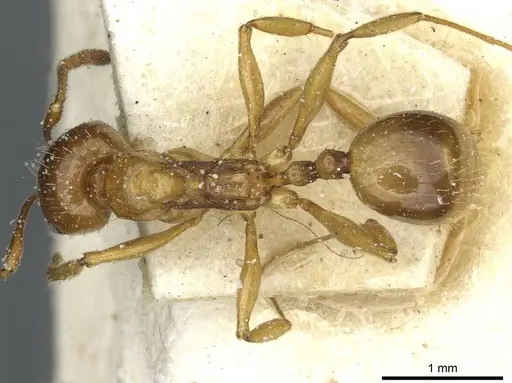
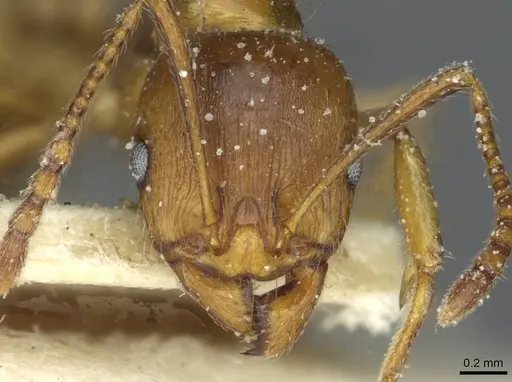
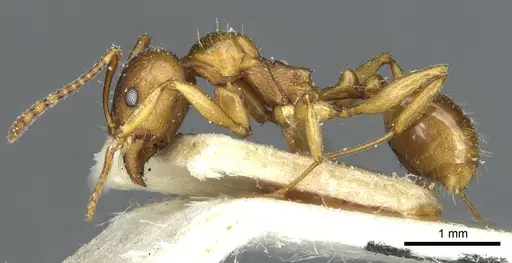
CASENT0922690
View on AntWeb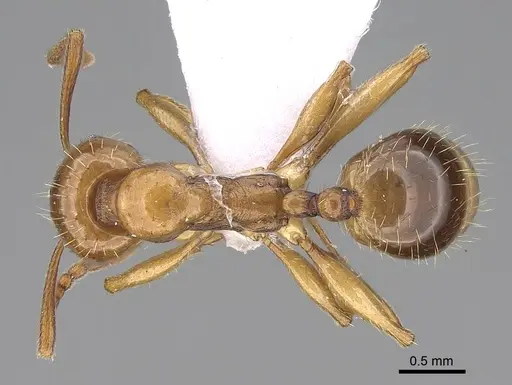
Literature
Loading distribution map...Loading products...