
Aphaenogaster gonacantha
- Sci. Name
- Aphaenogaster gonacantha
- Tribe
- Stenammini
- Subfamily
- Myrmicinae
- Author
- Emery, 1899
- Distribution
- Found in 1 countries
Introduction
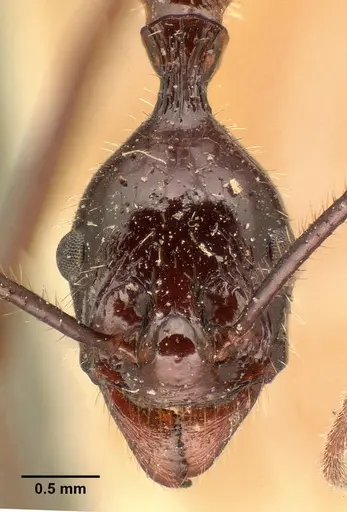
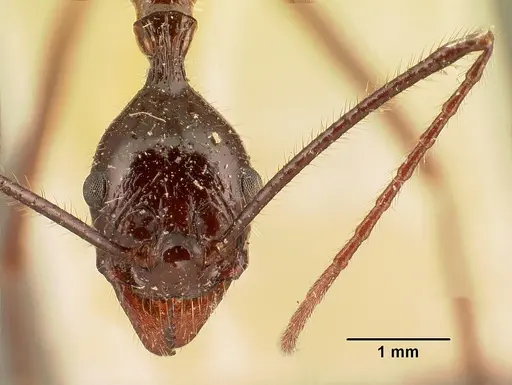
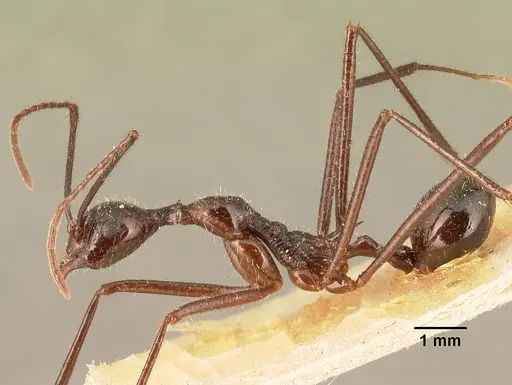
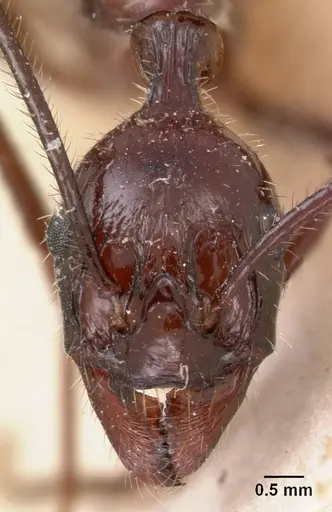
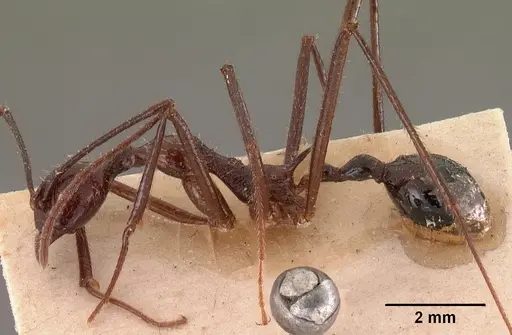
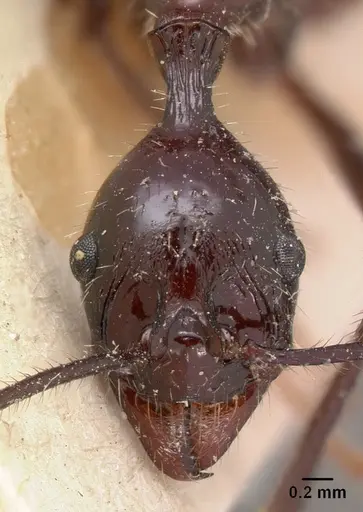
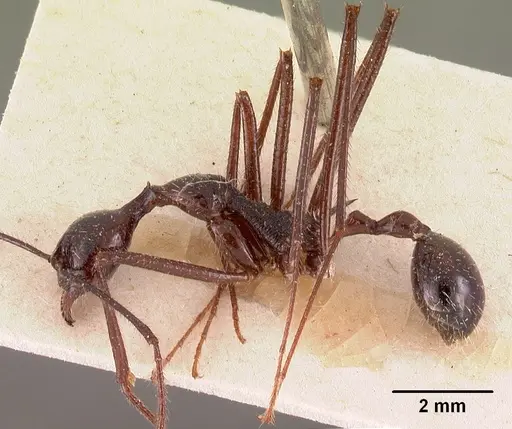
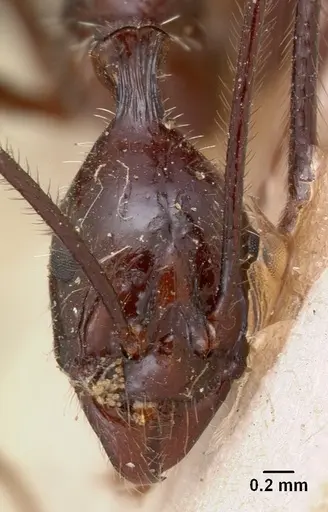
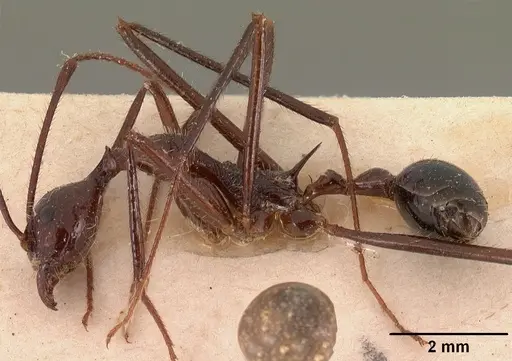
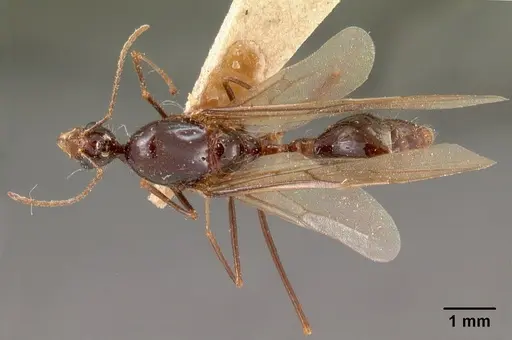
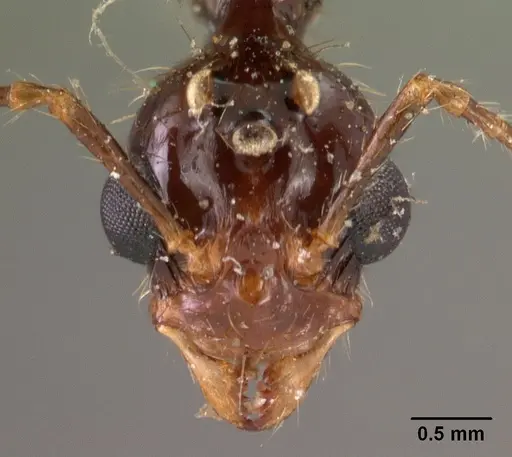
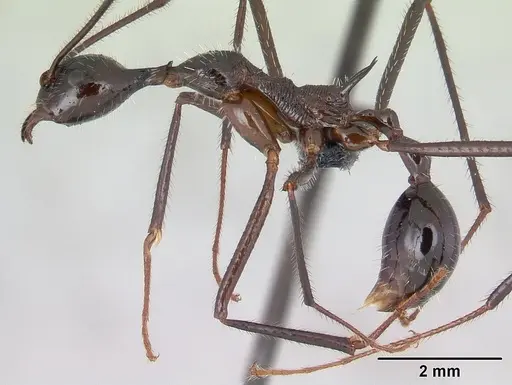
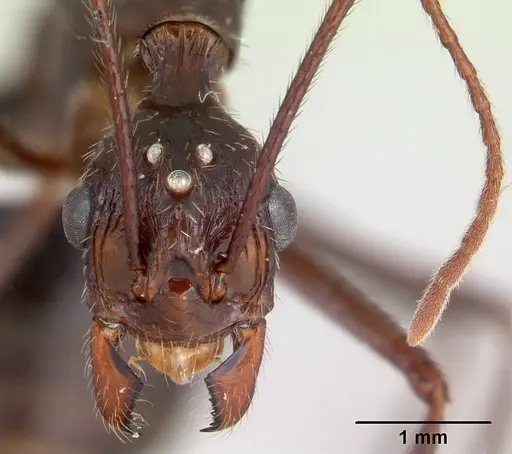
Aphaenogaster gonacantha is a tropical ant species native to Madagascar, belonging to the swammerdami species group within the Deromyrma clade. This species is notable for its arboreal nesting habits - unlike most Aphaenogaster which nest in soil or rotting wood on the ground, A. gonacantha constructs nests in trees using carton material for structural support [AntWiki]. Workers are moderate-sized Myrmicinae ants with the characteristic slender build of the genus. An interesting ecological note is that several Camponotus species on Madagascar have evolved to mimic the appearance and behavior of A. gonacantha and related species in the swammerdami group, often foraging alongside them .
Quick Summary
- Difficulty: Medium
- Origin & Habitat: Madagascar, specifically found in the Malagasy region, with documented populations on the Masoala Peninsula at elevations of 425-600m [3]. This is a tropical species from the Deromyrma clade native to Madagascar [4].
- Colony Type: Colony structure is not documented in scientific literature. Based on typical Aphaenogaster patterns, likely single-queen colonies, though this requires confirmation for this specific species.
- Size & Growth:
- Queen: Size data unavailable, no direct measurements exist for this species. Based on genus patterns for Deromyrma clade species, queen likely falls within typical Aphaenogaster range.
- Worker: Size data unavailable, no direct measurements exist for this species. Based on typical Aphaenogaster worker dimensions, workers likely fall within 4-7mm range.
- Colony: Colony size is not documented for this species. Based on related species in the swammerdami group, colonies likely reach several hundred workers.
- Growth: Growth rate is unconfirmed for this species.
- Development: Development timeline is unconfirmed for this species. (No species-specific data available.)
- Antkeeping:
- Temperature: Keep at 24-28°C. As a tropical species from Madagascar, they require consistent warmth. A heating cable on one side of the nest creates a suitable gradient.
- Humidity: High humidity required, aim for 70-80%. Their natural habitat in Madagascar rainforests is consistently humid. Keep the nest substrate moist but not waterlogged, with some drier areas available.
- Diapause: No true diapause required. As a tropical species, they do not experience cold winters. Maintain warm temperatures year-round.
- Nesting: This is an arboreal species that nests in trees using carton material [1]. In captivity, provide vertical climbing space and structures they can use for nest building. A naturalistic setup with cork bark or wooden structures elevated from the ground works well. They may not accept traditional test tube setups as readily as ground-nesting Aphaenogaster.
- Behavior: Workers are active foragers that likely harvest seeds and tend honeydew-producing insects, consistent with typical Aphaenogaster behavior. They are not particularly aggressive but will defend their nest. Escape prevention should be moderate, while not among the smallest ants, they are agile and can climb well. Their arboreal nature means they will readily climb vertical surfaces.
- Common Issues: arboreal nesting requirements may be challenging for keepers expecting typical ground-nesting ant setups, tropical humidity needs are higher than many common ant species, dry conditions will cause colony decline, carton nest building behavior may damage or clog formicarium setups not designed for this, wild-caught colonies from Madagascar may carry parasites or diseases not present in captive ant populations, temperature drops below 20°C can stress or kill colonies
Housing and Nest Setup
Aphaenogaster gonacantha presents unique housing challenges compared to most commonly kept Aphaenogaster species. This is an arboreal nester that builds carton structures in trees, so traditional test tube setups may not be ideal. In captivity, provide a naturalistic setup with vertical elements, cork bark, wooden platforms, or artificial branches that allow the ants to build their carton nests. The key is providing vertical space and materials they can manipulate for nest construction. Ensure the setup has good humidity retention while allowing some ventilation to prevent mold. [1]
Temperature and Heating
Being a tropical species from Madagascar, Aphaenogaster gonacantha requires warm conditions year-round. Maintain temperatures between 24-28°C in the nest area. Room temperature alone may be insufficient depending on your climate, use a heating cable or small heat mat on one side of the nest to create a gentle temperature gradient. Place the heating on top of the nest rather than underneath to avoid drying out the substrate too quickly. Monitor with a thermometer and adjust to keep the nest in the optimal range. Temperatures below 20°C can cause stress and colony decline.
Humidity Requirements
This species requires higher humidity than many common ant pets. Aim for 70-80% relative humidity in the nest area. Their natural habitat in Madagascar rainforests is consistently moist. Use a water reservoir or moisture chamber in your formicarium and check substrate moisture regularly, it should feel damp but not soggy. Misting can help supplement humidity, but avoid letting water pool. A moisture gradient with damp areas on one side and slightly drier areas on the other allows the ants to self-regulate. Low humidity will cause workers to become sluggish and can kill brood. [1]
Feeding and Diet
Aphaenogaster gonacantha is an omnivorous forager like other members of the genus. They likely harvest seeds and small insects in addition to tending aphids for honeydew. In captivity, offer a varied diet: protein sources like small crickets, mealworms, or other small insects 2-3 times per week, and sugar sources like honey water or sugar water constantly available. They may accept fruit or other sweet substances. Fresh water should always be available. As an arboreal species, they may prefer feeding stations elevated from the ground.
Colony Establishment
Newly mated queens will need to establish a colony. Provide a small founding chamber with moderate humidity. Once workers emerge, the colony will grow gradually. The first batch of workers will be smaller (nanitics) but subsequent workers will reach normal size. Be patient, Aphaenogaster colonies typically grow at a moderate pace, and it may take several months to reach 50+ workers.
Seasonal Care
Unlike temperate species, Aphaenogaster gonacantha does not require hibernation or winter dormancy. They expect consistent tropical conditions year-round. Maintain the same temperature and humidity throughout the year. Seasonal changes in their native Madagascar are minimal, primarily wet versus dry seasons rather than temperature swings. Do not attempt to cool the colony in winter. If your room temperature drops significantly in winter, you may need to provide supplemental heating.
Frequently Asked Questions
Can I keep Aphaenogaster gonacantha in a test tube setup?
Probably not ideal. This is an arboreal species that naturally builds carton nests in trees, unlike ground-nesting Aphaenogaster. A naturalistic setup with vertical climbing structures and materials they can manipulate works better. If you must use a test tube, provide additional enrichment and climbing structures.
How long does it take for Aphaenogaster gonacantha to produce first workers?
Development timeline is unconfirmed for this species. No species-specific data is available.
Do Aphaenogaster gonacantha ants sting?
Aphaenogaster ants have a stinger but are not considered aggressive. They may sting if directly threatened, but the sting is mild and not medically significant to humans.
What temperature do Aphaenogaster gonacantha need?
Keep them warm at 24-28°C. This tropical species from Madagascar requires consistent warmth year-round. Below 20°C can cause stress or death.
Are Aphaenogaster gonacantha good for beginners?
This is a medium-difficulty species. The main challenges are providing proper arboreal-style housing and maintaining high humidity. If you have experience with tropical ants and naturalistic setups, this species can be rewarding.
How big do Aphaenogaster gonacantha colonies get?
Colony size is not documented for this species. Based on related species in the swammerdami group, colonies likely reach several hundred workers.
Do Aphaenogaster gonacantha need hibernation?
No. As a tropical species from Madagascar, they do not require diapause or winter rest. Maintain warm temperatures year-round.
What do Aphaenogaster gonacantha eat?
They are omnivorous. Offer protein (small insects like crickets or mealworms) 2-3 times per week and sugar sources (honey water or sugar water) constantly. They likely also harvest seeds and tend aphids for honeydew.
Can I keep multiple Aphaenogaster gonacantha queens together?
This has not been studied for this species. Based on typical Aphaenogaster patterns, single-queen colonies are likely. Combining unrelated queens is not recommended unless you have specific documentation for this species.
Why is my Aphaenogaster gonacantha colony dying?
Common causes include: low humidity (below 60%), temperatures below 20°C, improper nesting setup for this arboreal species, or stress from wild-caught origins. Check your conditions and ensure the setup provides vertical climbing space and high humidity.
Report an Issue
The current care sheet is based fully on literature. See inconsistencies, or something that's incorrect? Please , it will be resolved after review from an admin. Contributing to the blogs tab also helps providing information, to make us be able to further improve the caresheets. Thank you for your support!
References

This caresheet is licensed under CC BY-SA 4.0 .
Community Blogs
CASENT0101899
View on AntWeb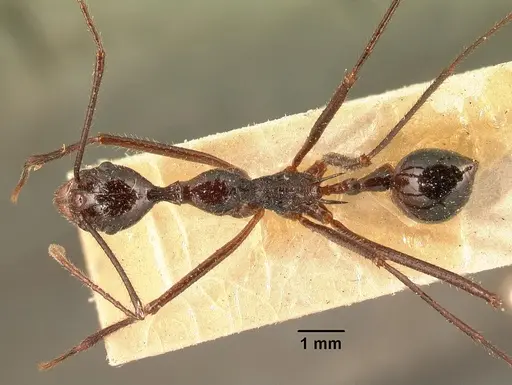
CASENT0102038
View on AntWeb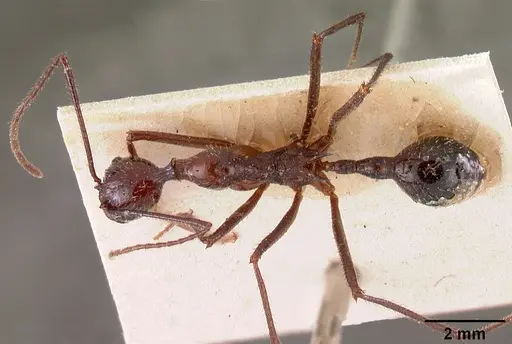
CASENT0102039
View on AntWeb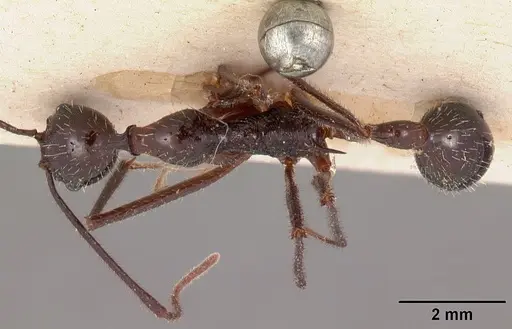
CASENT0102040
View on AntWeb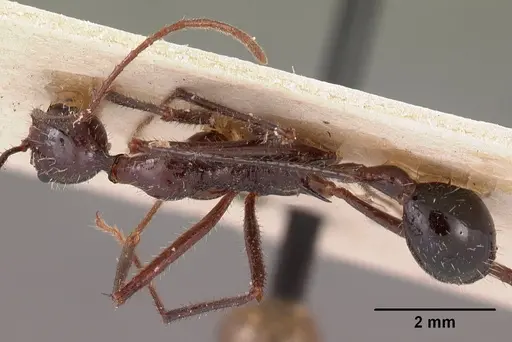
CASENT0102041
View on AntWeb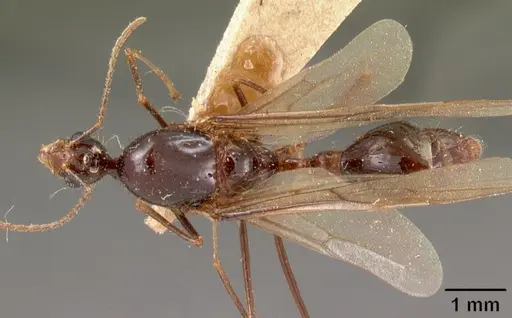
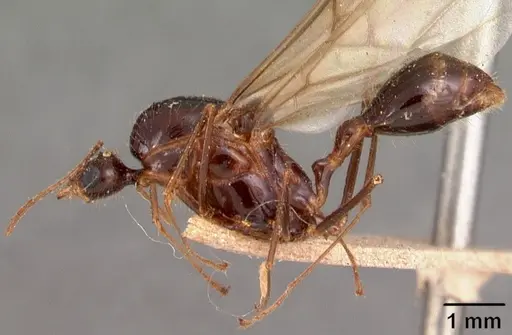
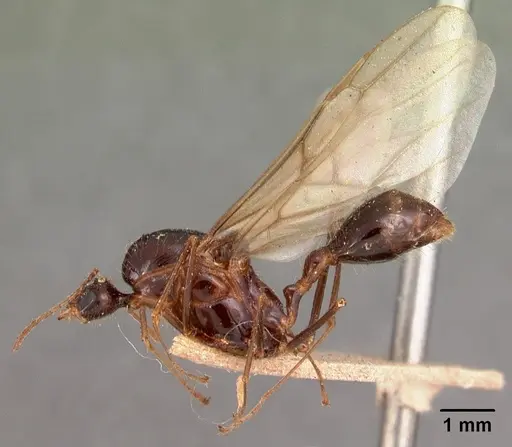
CASENT0107566
View on AntWeb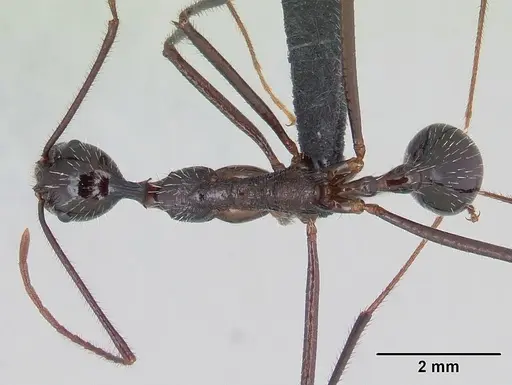
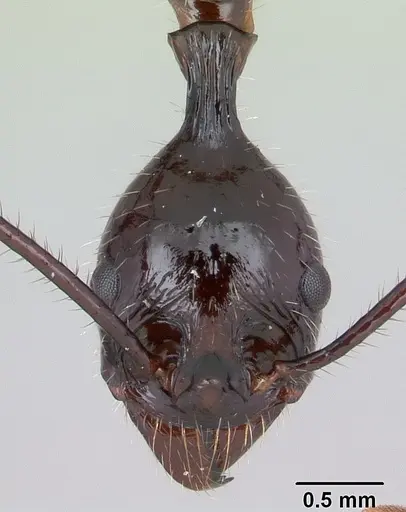
CASENT0170916
View on AntWeb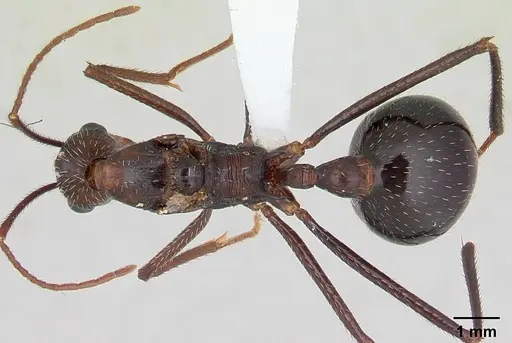
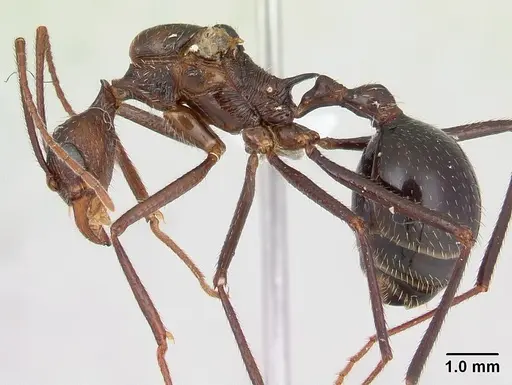
CASENT0243596
View on AntWeb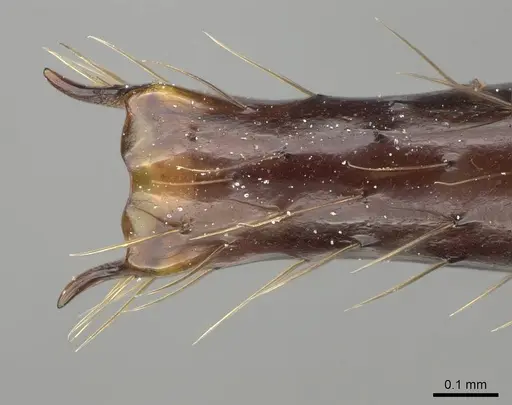
Literature
Loading distribution map...Loading products...