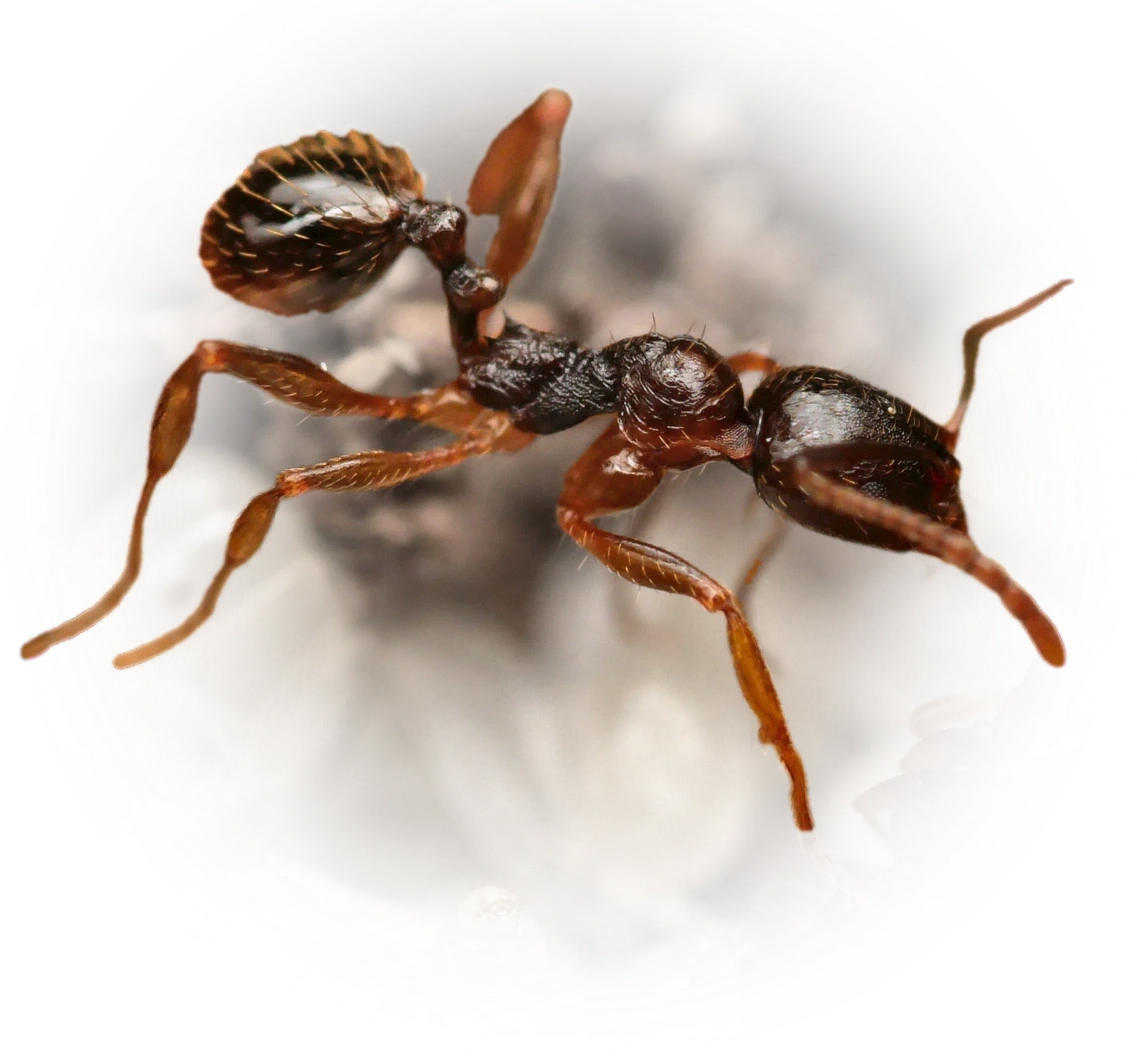
Aphaenogaster gibbosa
- Sci. Name
- Aphaenogaster gibbosa
- Tribe
- Stenammini
- Subfamily
- Myrmicinae
- Author
- Latreille, 1798
- Distribution
- Found in 4 countries
Introduction
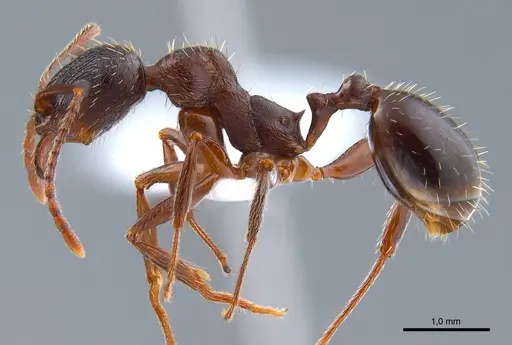
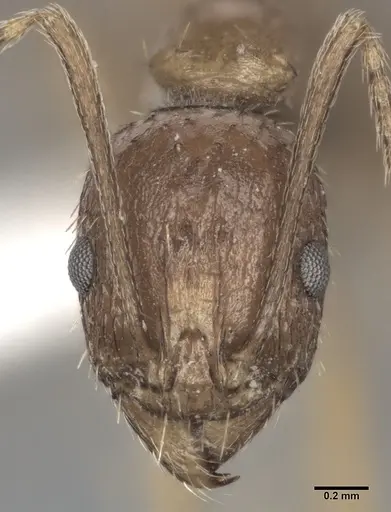
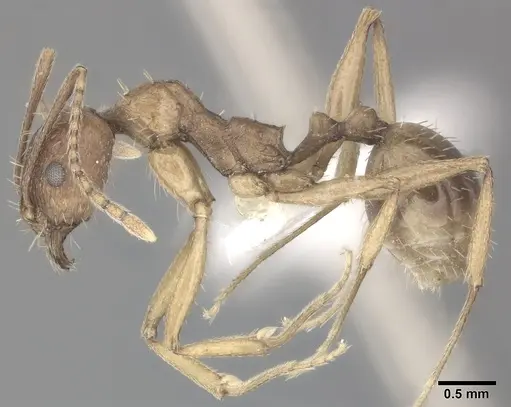
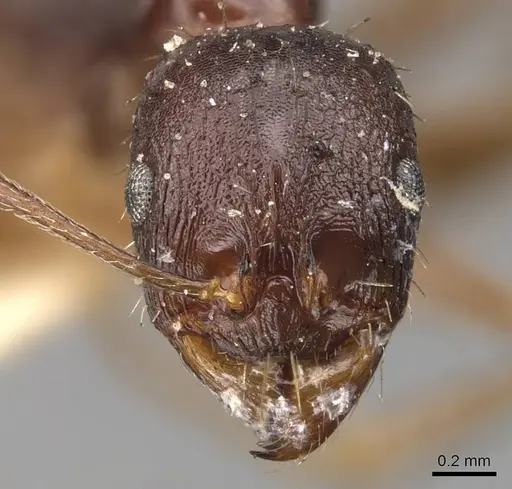
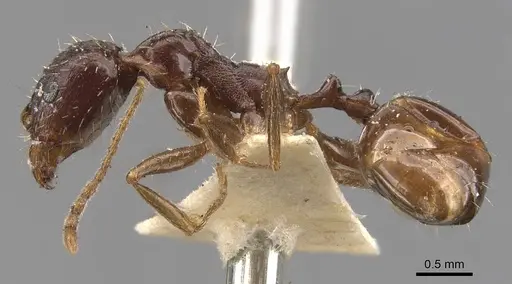
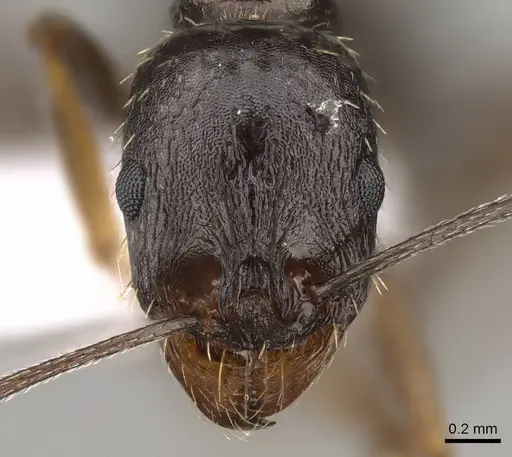
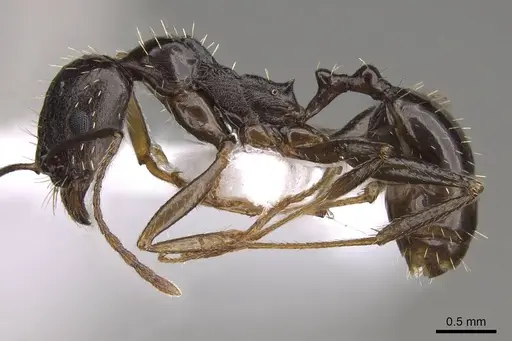
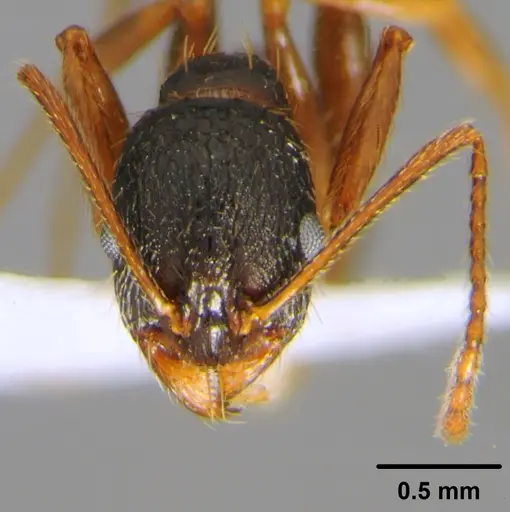
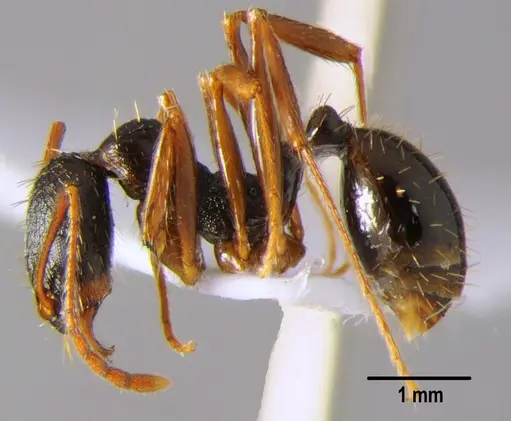
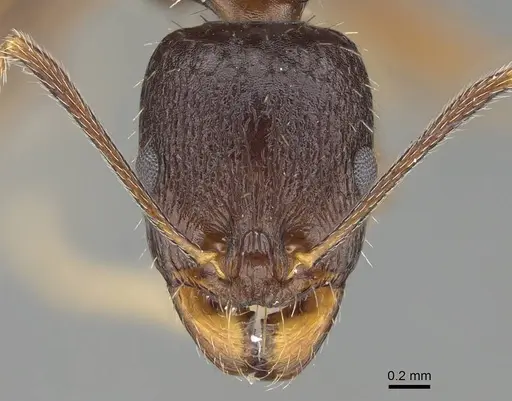
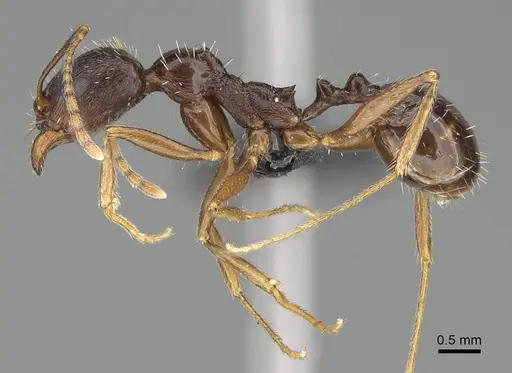
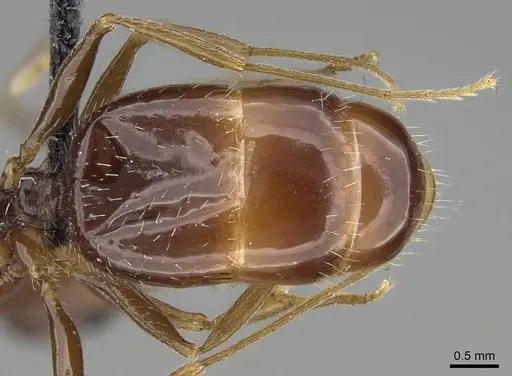
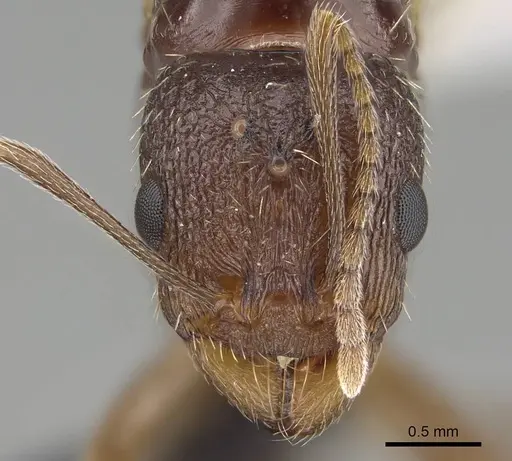
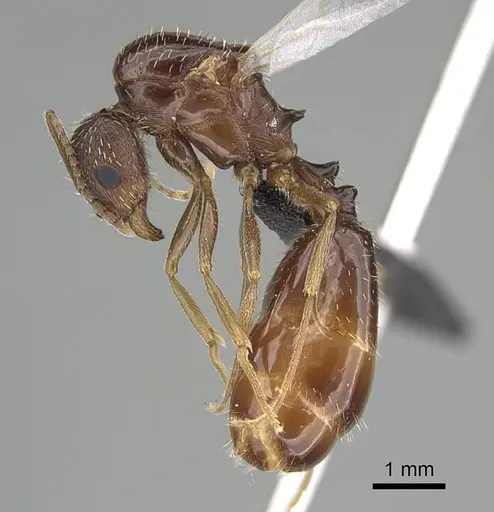
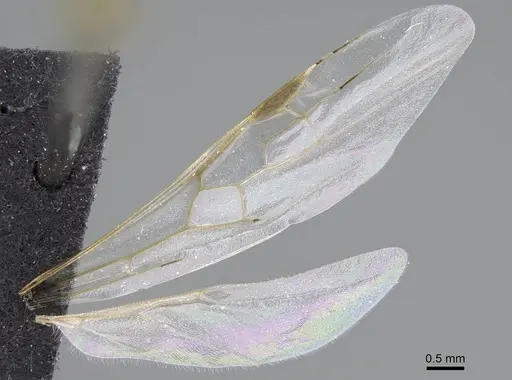
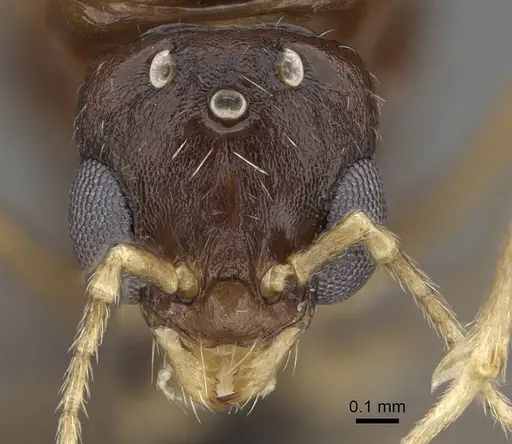
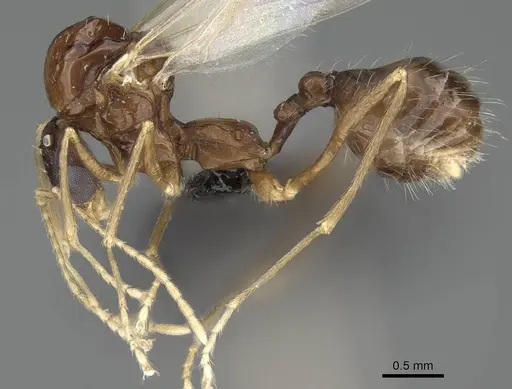
Aphaenogaster gibbosa is a dark brown to black ant native to the Western Mediterranean region. Workers measure approximately 3.7-6.3 mm with long legs and a distinctive humped middle body section that gives them a hunched appearance . They nest under stones in warm, dry oak forests and shrublands across France, Spain, Portugal, Italy, and North Africa . These ants are flexible omnivores that eat seeds, flower petals, and dead insects depending on what is available . They are peaceful foragers that often lose food to more aggressive ant species but survive through behavioral adaptability . Their nests extend 30-40 cm deep into the soil, which protects them from wildfires and extreme surface heat . This is one of the few Aphaenogaster species known to attend lycaenid butterfly larvae .
Quick Summary
- Difficulty: Medium
- Origin & Habitat: Western Mediterranean (France, Spain, Portugal, Italy, Algeria, Tunisia, Gibraltar). Found under stones in warm, dry forests, vineyards, and shrublands at elevations between 138-861 m [2][3][6]
- Colony Type: Single-queen colonies (monogynous), meaning one queen per nest [3][7]
- Size & Growth:
- Antkeeping:
- Temperature: 22-28°C with a gentle heat gradient, they tolerate up to 42°C but need cooler retreat areas [7][3]
- Humidity: Moderate humidity in the nest area, keep substrate damp but not waterlogged, with a dry outworld. This species shows some moisture preference (boskophilic/hygrophilous) in oak forest habitats [8][9]
- Diapause: Yes, required for 2-3 months at 10-15°C during winter to simulate Mediterranean dormancy [10]
- Nesting: Deep nesting species requiring 30-40 cm of substrate, use naturalistic setups with flat stones or deep Y-tong/plaster nests [3][2]
- Behavior: Peaceful, subordinate foragers active during the day with peak activity in July [7][3]. They use group recruitment to bring nestmates to large food items [3]. Workers forage alone for small prey within about 1 meter of the nest [3]. They are negatively affected by invasive Argentine ants (Linepithema humile) [11].
- Common Issues: deep nesting instinct requires substantial substrate depth, shallow nests stress the colony., subordinate status means they lose food to aggressive competitors like Lasius or Formica species., small size requires excellent escape prevention with tight-fitting lids and fine mesh., lack of winter diapause causes physiological stress and colony decline., invasive Argentine ants can outcompete them, keep separate from invaded areas.
Nest Preferences and Deep Nesting
In nature, Aphaenogaster gibbosa nests under stones in dry, warm habitats [2][12]. Their nests are remarkably deep, extending 30-40 cm below the surface [3]. This depth protects the colony from surface fires and extreme heat, studies show no heating occurs at these depths even when surface temperatures exceed 400°C [3].
In captivity, you must provide substantial substrate depth. A naturalistic setup with 30-40 cm of soil and flat stones works best. If using artificial nests like Y-tong or plaster, choose deep versions with chambers extending well below the surface. Shallow test tubes or small formicaria will stress these ants and may cause colony failure. The nest area should maintain moderate humidity, damp but not wet, while the outworld can remain dry [3].
Feeding and Diet
These ants are omnivorous granivores, meaning they eat both seeds and animal matter [3][13]. In nature, they collect seeds from plants like rosemary (Rosmarinus officinalis) and rockrose (Cistaceae), as well as flower petals and dead insects [3]. After wildfires, they switch their diet to whatever seeds and petals remain available, showing remarkable flexibility [3].
In captivity, offer a varied diet. Provide seeds (millet, canary seed, or dandelion seeds), sugar water or honey for energy, and protein from dead insects like mealworms or crickets. They may also accept small live prey. Because they are subordinate foragers that lose food to aggressive species, ensure they have exclusive access to food in their outworld [3][4].
Temperature and Heat Tolerance
Aphaenogaster gibbosa tolerates heat well, with a critical thermal maximum of 42°C [7][4]. However, they prefer moderate temperatures for daily activity around 22-28°C. In burnt areas, they adjust their foraging schedule to avoid midday heat, becoming more active in morning and evening [3].
You should keep them at room temperature to warm conditions (22-28°C) with a gentle heat gradient. Place a heating cable or mat on one side of the nest to create warmer and cooler zones. Despite their heat tolerance, they need a cooler retreat area, never bake the entire nest. If kept too warm year-round without a cool period, they may skip necessary winter rest [10].
Behavior and Temperament
These are peaceful, subordinate ants that avoid conflict with other species [3][4]. They forage alone for small items but can recruit 10-15 nestmates to help carry large prey back to the nest [3][4]. They are active during the day (diurnal), with peak activity in July [7].
Colonies are monogynous (single-queen) and monodomous (single-nest), containing around 400 workers [3][7]. They do not defend food sources or territories beyond their nest entrance [14]. In captivity, they show little aggression and are safe to handle, though their small size means they can escape easily. They are not effective competitors against more aggressive ants, so house them separately from other colonies [3].
Seasonal Care and Winter Rest
As a temperate Mediterranean species, Aphaenogaster gibbosa requires a winter rest period (diapause) [10]. In nature, nuptial flights occur in June and July [15].
You should cool your colony for 2-3 months during winter. Gradually lower the temperature to 10-15°C starting in November or December. During this period, the ants will slow down or stop activity. Reduce feeding but ensure the nest substrate remains slightly moist. Return them to normal temperatures in February or March. Without this cold period, colonies may fail to produce sexuals or may decline in health [10].
Fire Ecology and Adaptability
Research shows these ants survive wildfires remarkably well. Their deep nests protect them from lethal heat, and they maintain similar population levels in burnt and unburnt areas [3]. After fire, they quickly adjust their foraging times to avoid the hotter midday temperatures of burnt open areas [3].
They also switch food sources flexibly. While they normally eat rosemary seeds and petals, after fire they collect seeds from Cistaceae and Fabaceae plants that survive the burn [3]. This adaptability makes them resilient, but in captivity you should still provide stable conditions rather than simulating fire disturbance.
Unique Association with Butterflies
Aphaenogaster gibbosa has one unusual behavioral trait: it is one of only three Aphaenogaster species known to attend lycaenid butterfly larvae [5]. In Spain, they have been observed tending larvae of the long-tailed blue butterfly (Lampides boeticus) and the Provence cardinal (Tomares ballus) [5]. This mutualistic relationship provides the butterfly larvae with protection from predators while the ants gain honeydew secretions. If you keep this species and also rear butterflies, you may observe this interesting behavior.
Frequently Asked Questions
Can I keep Aphaenogaster gibbosa in a test tube?
Test tubes are not suitable for this species long-term. They are deep-nesting ants that require 30-40 cm of substrate depth to establish natural chambers [3]. Use a deep naturalistic setup or tall formicarium instead.
How long until first workers (egg to worker timeline)?
Based on related temperate Aphaenogaster species, expect 8-10 weeks at 25°C. Development slows at cooler temperatures. First workers (nanitics) may emerge slightly faster but will be smaller than subsequent workers.
Do Aphaenogaster gibbosa need hibernation?
Yes. As a temperate Mediterranean species, they require a winter rest period of 2-3 months at 10-15°C [10]. Without diapause, colonies may fail to thrive or produce sexuals.
What do Aphaenogaster gibbosa eat?
They are omnivorous granivores. Feed them seeds (millet, canary seed), sugar water or honey, and protein from dead insects like mealworms or crickets [3][13]. They also appreciate small seeds and flower petals similar to their natural diet.
Can I keep multiple Aphaenogaster gibbosa queens together?
No. They are strictly monogynous (single-queen) colonies [3][7]. Multiple queens will fight until only one survives. Only house one queen per nest.
Are Aphaenogaster gibbosa good for beginners?
They are medium difficulty. While they are peaceful and tolerate heat well, their deep nesting requirements and need for winter diapause make them better suited for keepers with some experience. They also grow slowly compared to tropical species.
Why are my Aphaenogaster gibbosa dying?
Common causes include: shallow nests that do not allow proper chamber construction [3], lack of winter diapause causing physiological stress, or competition from more aggressive ant species if housed nearby [3]. Ensure deep substrate and proper seasonal cycling.
What is the best nest type for Aphaenogaster gibbosa?
Deep naturalistic setups with 30-40 cm of soil and flat stones are ideal [3][2]. If using artificial nests, choose deep Y-tong or plaster nests with chambers extending well below the surface. Avoid shallow formicaria.
Do Aphaenogaster gibbosa ants sting?
They possess a stinger but are not aggressive toward humans. They are subordinate, peaceful ants that prefer to avoid conflict [3][4]. They pose no danger to humans.
How fast do Aphaenogaster gibbosa colonies grow?
They grow at a moderate rate. Colonies typically reach around 400 workers [3]. Do not expect explosive growth like some tropical species.
Report an Issue
The current care sheet is based fully on literature. See inconsistencies, or something that's incorrect? Please , it will be resolved after review from an admin. Contributing to the blogs tab also helps providing information, to make us be able to further improve the caresheets. Thank you for your support!
References

This caresheet is licensed under CC BY-SA 4.0 .
Community Blogs
ANTWEB1008051
View on AntWeb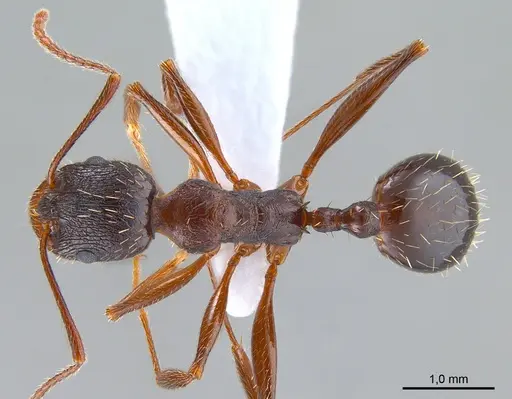
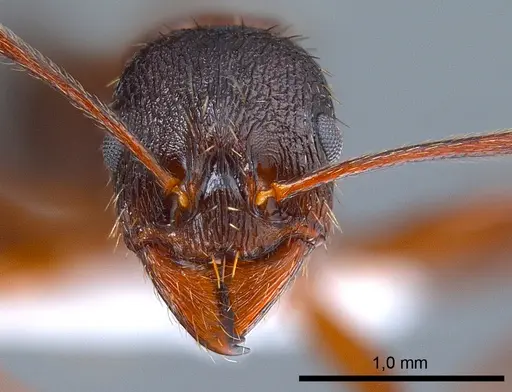
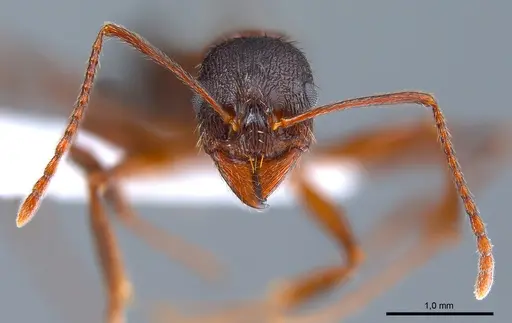
CASENT0246581
View on AntWeb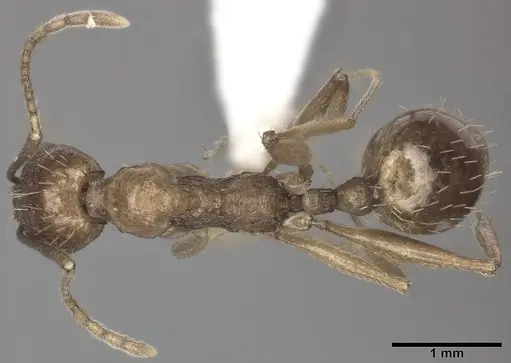
CASENT0907684
View on AntWeb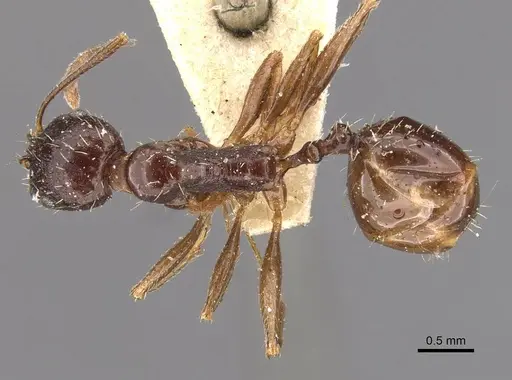
CASENT0914409
View on AntWeb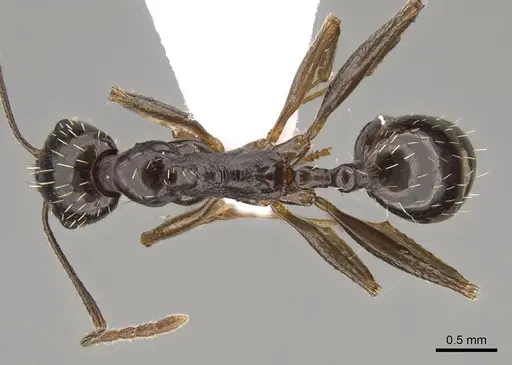
CFH000011
View on AntWeb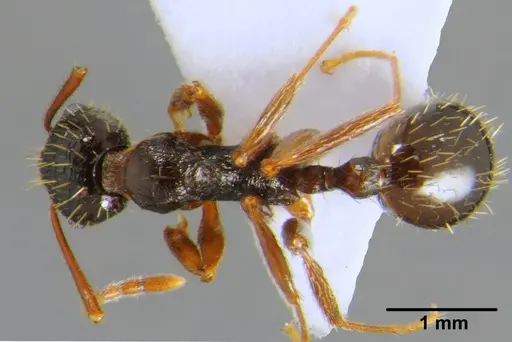
KG01850-2
View on AntWeb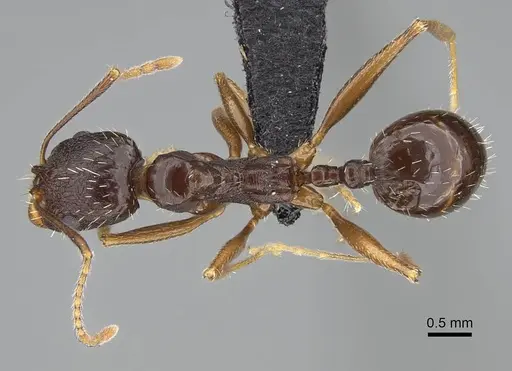
KG01850-3
View on AntWeb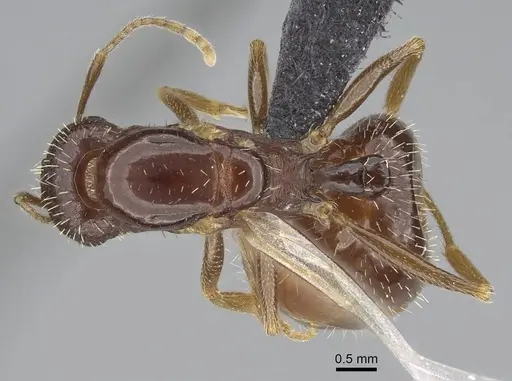
KG01850-4
View on AntWeb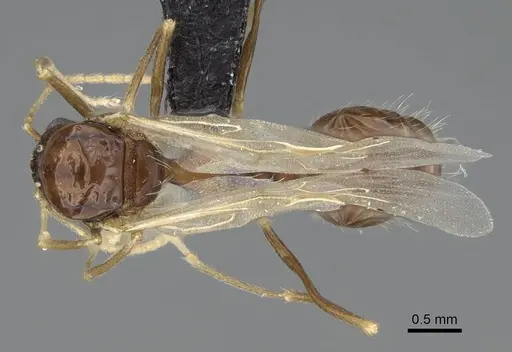
Literature
Loading distribution map...Loading products...