
Aphaenogaster gemella
- Sci. Name
- Aphaenogaster gemella
- Tribe
- Stenammini
- Subfamily
- Myrmicinae
- Author
- Roger, 1862
- Distribution
- Found in 3 countries
Introduction
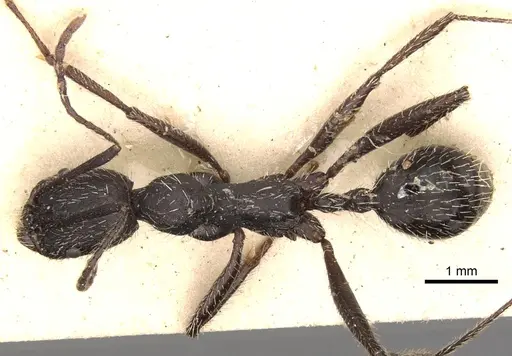
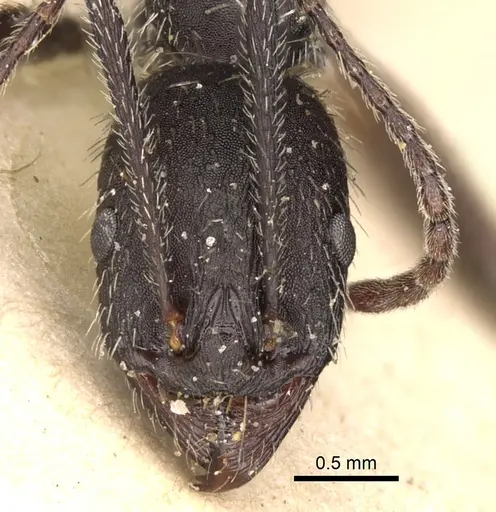
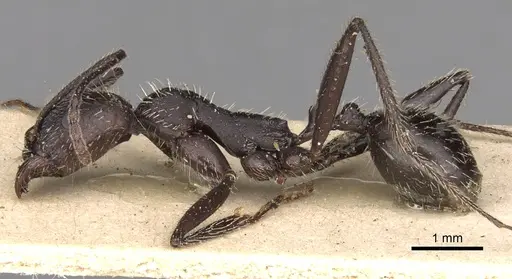
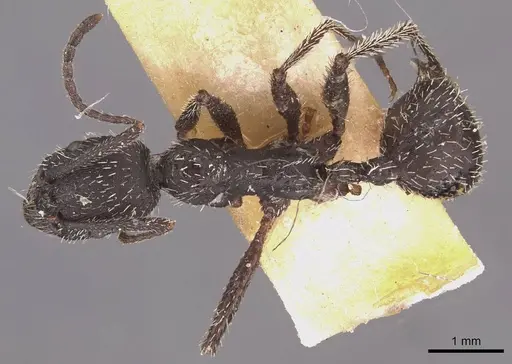
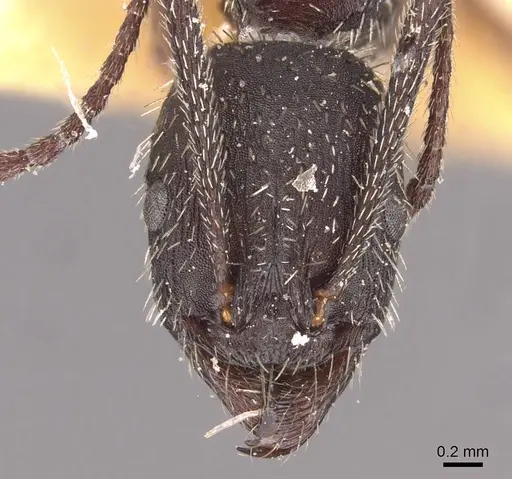
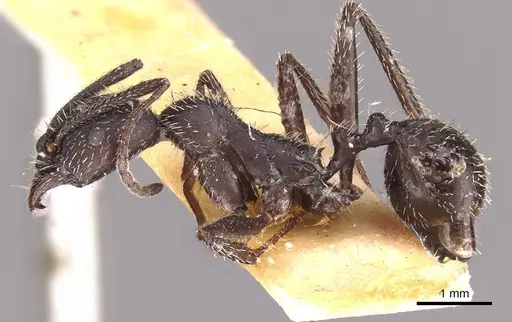
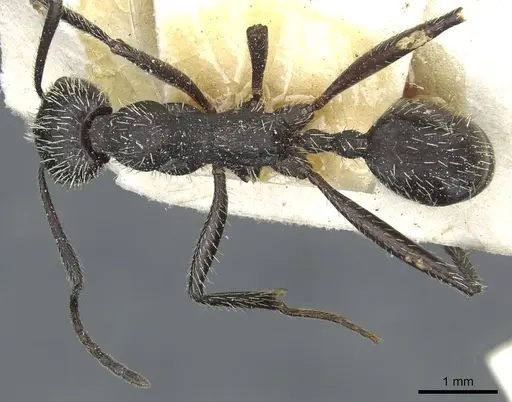
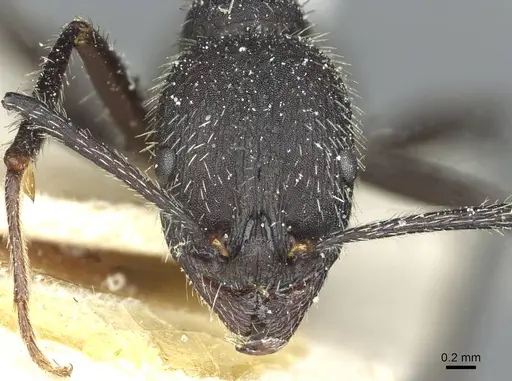
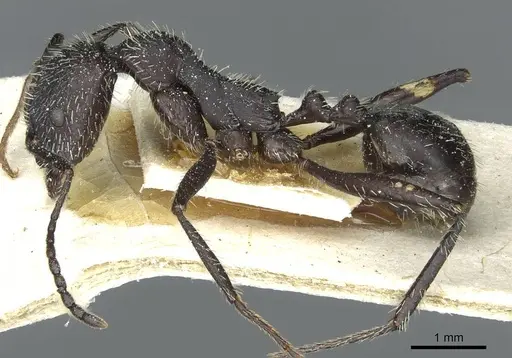
Aphaenogaster gemella is the largest species in its subgenus, native to the western Mediterranean region including Spain, Morocco, Algeria, and Portugal . Workers are distinguished by their 5-segmented antennal club (shared only with Aphaenogaster senilis) and lack of distinct propodeal spines . The body has a matt finish on the head, thorax, and upper abdomen, while the sides of the gaster range from matt to slightly glossy . These ants were once found throughout the Balearic Islands but have not been observed there since 1983,likely displaced by the invasive Argentine ant . Unlike most Aphaenogaster that are strict scavengers, this species shows unusual vegetarian tendencies, collecting flower petals and plant material rather than hunting prey .
Quick Summary
- Difficulty: Hard
- Origin & Habitat: Mediterranean basin, Spain, Morocco, Algeria, Portugal, specifically matorral scrub, pine forests, and cork oak woodlands [6][2][1].
- Colony Type: Colony structure unconfirmed, specific data on queen number is not available.
- Size & Growth:
- Queen: Size data unavailable, no queen measurements documented in literature [1].
- Worker: ~4-7 mm, inferred from Aphaenogaster genus patterns (workers of this genus typically range 4-12mm).
- Colony: Colonies reach several hundred workers, wild nests described as populous [4].
- Growth: Unknown
- Development: Unknown, development time not documented for this species. (Development likely follows typical temperate myrmicine patterns but specific data is unavailable.)
- Antkeeping:
- Temperature: 22-26°C during active season (Mediterranean climate), provide a gentle heat gradient [7].
- Humidity: Moderate humidity with damp but not waterlogged substrate, allow some drier areas for the ants to choose.
- Diapause: Likely yes, based on Mediterranean seasonal patterns, provide winter rest at 10-15°C for 2-3 months (unconfirmed).
- Nesting: Deep soil or sand substrate required, wild colonies construct deep nests in soil [4].
- Behavior: Slow-moving and non-aggressive, forage on the ground surface (epigeous) rather than climbing [5]. Escape risk is low due to moderate size and non-climbing habits, but standard barriers still recommended.
- Common Issues: extremely rare in captivity and virtually unavailable in the ant trade., specific plant-based diet requires offering flower petals and seeds rather than standard insect prey [4]., require deep vertical nesting space that standard formicaria cannot provide [4]., wild populations are declining and extinct in parts of their former range (Balearic Islands) [3]., little is known about their specific care requirements due to lack of biological study [10].
Identification and Appearance
Workers of Aphaenogaster gemella are the largest in their subgenus [1]. They share a unique 5-segmented antennal club with only one other European species, Aphaenogaster senilis, but can be distinguished by the lack of distinct propodeal spines, they show only weak angles where the spines would be [1]. The entire head, thorax, and upper abdomen have a distinctive matt finish, while the sides of the gaster range from matt to slightly glossy [1]. Males are smaller with notably large eyes and possess 8-segmented antennal clubs [1].
Distribution and Conservation Status
These ants are endemic to the Mediterranean region, historically found across the Iberian Peninsula, Morocco, Algeria, and the Balearic Islands [6][2]. Unfortunately, they appear to have been eliminated from the Balearics by the invasive Argentine ant (Linepithema humile), with the last confirmed collection in 1983 [1][3]. Populations remain in northern Morocco (the Tanger region and Ceuta-Tétouan), the High Atlas mountains, and Cádiz in mainland Spain [8][6][1]. They were also temporarily introduced to southern France but did not establish [9].
Diet and Feeding
Unlike most Aphaenogaster that are dedicated scavengers and predators, Aphaenogaster gemella shows unusual vegetarian feeding habits. They primarily collect petals from Labiate flowers and Cistus plants [4][5]. While not strictly herbivorous, they rely heavily on plant material rather than insect prey, making them unique within the genus [5]. In captivity, you should offer a variety of seeds, flower petals, and small fruits, though they may accept some protein sources like small insects. Do not rely solely on standard ant diets of mealworms and sugar water.
Housing and Nest Design
Wild colonies construct deep, populous nests in soil, which presents a challenge for captive housing [4]. You will need a formicarium with significant vertical depth, at least 15-20 cm of substrate, rather than a shallow test tube or standard acrylic nest. A naturalistic setup with a sand-soil mix works best, allowing them to excavate their own chambers deep underground. Provide moderate humidity with damp but not saturated substrate, and ensure good ventilation while maintaining humidity to prevent mold in the deep substrate.
Temperature and Seasonal Care
Coming from Mediterranean climates at roughly 35°N latitude, these ants prefer warm temperatures around 22-26°C during their active season [7]. They likely require a winter rest period (diapause) from November through February, kept at cooler temperatures of 10-15°C, though this has not been formally studied. Watch for reduced activity in winter as a cue to cool them down. Maintain a gentle heat gradient in the nest, with the heating element placed on top to avoid driving moisture upward and creating condensation issues.
Frequently Asked Questions
Are Aphaenogaster gemella extinct?
Not entirely, though they may be extinct on the Balearic Islands where they were first described. The last confirmed collection there was in 1983 [1][3]. However, populations still exist in Morocco, Algeria, and mainland Spain [2][6].
What do Aphaenogaster gemella eat?
They have unusual vegetarian feeding habits for the genus, collecting flower petals and plant material such as Labiate flowers and Cistus petals [4][5]. Offer seeds, flower petals, and fruits, though they may accept some insects.
Can I keep Aphaenogaster gemella in a test tube?
No, test tubes are unsuitable for this species. They need deep substrate (15-20 cm) to create their characteristic deep nests [4]. A naturalistic setup with deep soil or sand is essential.
Do Aphaenogaster gemella need hibernation?
Likely yes. As a Mediterranean species, they probably need a winter rest period at 10-15°C for 2-3 months, though specific requirements are unconfirmed. Watch for natural slowing of activity in autumn as a cue.
Are Aphaenogaster gemella good for beginners?
No. They are extremely rare in captivity, have specific dietary needs requiring plant material, and require deep nesting substrates that are difficult to provide [4][5]. They are better suited to experienced keepers.
How long until Aphaenogaster gemella get their first workers?
Unknown. Development time is not documented for this species.
How big do Aphaenogaster gemella colonies get?
Wild nests are described as populous, reaching several hundred workers [4].
Where can I buy Aphaenogaster gemella?
You likely cannot. They are not commercially available due to their rarity and restricted range. Any specimens would need to come from legal collection in their native range (Spain, Morocco, Algeria) with proper permits, and even then are rarely encountered.
Do Aphaenogaster gemella sting?
Like most Aphaenogaster, they possess a stinger but are too small to penetrate human skin effectively. They are not considered dangerous.
Why did Aphaenogaster gemella disappear from the Balearic Islands?
They were likely outcompeted and displaced by the invasive Argentine ant (Linepithema humile), which dominates ground-foraging habitats and has eliminated many native species from the islands [3][5].
Report an Issue
The current care sheet is based fully on literature. See inconsistencies, or something that's incorrect? Please , it will be resolved after review from an admin. Contributing to the blogs tab also helps providing information, to make us be able to further improve the caresheets. Thank you for your support!
References

This caresheet is licensed under CC BY-SA 4.0 .
Community Blogs
Literature
Loading distribution map...Loading products...