
Aphaenogaster fiorii
- Sci. Name
- Aphaenogaster fiorii
- Tribe
- Stenammini
- Subfamily
- Myrmicinae
- Author
- Emery, 1915
- Distribution
- Found in 2 countries
Introduction
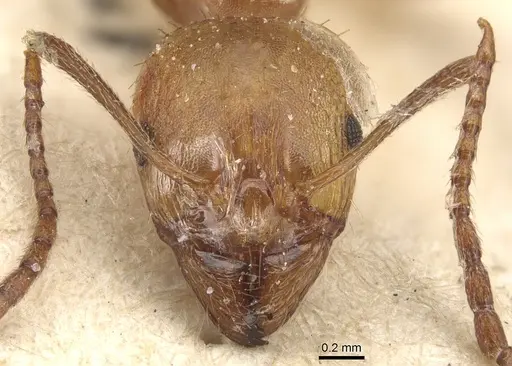
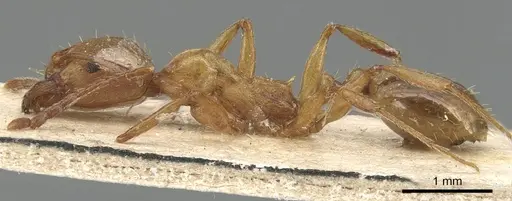
Aphaenogaster fiorii is a small ant species native to Sicily and the Maltese islands (Malta, Gozo). Workers have a distinctive yellow body with a darker first gastral segment, making them easily recognizable among Mediterranean ants . Queens are similarly yellowish with darker areas on the gaster and possess relatively long, horizontal propodeal spines. This species belongs to the crocea group and was only recently recognized as distinct from related species like Aphaenogaster splendida and Aphaenogaster trinacriae . It inhabits thermophilous oak forests, Mediterranean maquis, and open areas in its native range, with elevation records from 5m to 1,000m . The species is monogynous, meaning colonies maintain a single queen, and has been documented producing sexuals in captivity from mid-July to early August.
Quick Summary
- Difficulty: Medium
- Origin & Habitat: Sicily and the Maltese islands (Malta, Gozo). Found in thermophilous oak forest, Mediterranean maquis, meadows on clay soil, coastal areas with Limonium, and synanthropic vegetation near crops. In Sicily also found indoors in country houses at higher altitudes [1].
- Colony Type: Monogynous, colonies have a single queen. This has been confirmed through field observations where no more than one queen per colony was detected in the wild [1].
- Size & Growth:
- Queen: size data unavailable, inferred from Aphaenogaster genus (~7-9mm)
- Worker: size data unavailable, inferred from Aphaenogaster genus (~4-6mm)
- Colony: Maximum colony size unconfirmed
- Growth: Moderate, based on typical Aphaenogaster development patterns
- Development: Estimated 8-12 weeks at optimal temperature based on genus-level data for related species (No specific development data available for this species. Related Aphaenogaster species typically take 6-10 weeks from egg to first worker at room temperature.)
- Antkeeping:
- Temperature: Keep at 22-26°C. This Mediterranean species prefers warm conditions similar to its native habitat in Sicily and Malta. A gentle gradient allowing workers to self-regulate is beneficial.
- Humidity: Moderate humidity. Provide a moist nesting area but allow some drier zones for workers to choose. This matches their natural habitat in relatively warm, Mediterranean conditions.
- Diapause: Likely required, Mediterranean species typically benefit from a mild winter rest period. Reduce temperature to 10-15°C for 8-12 weeks during winter months.
- Nesting: Y-tong (AAC) or plaster nests work well. Provide narrow chambers scaled to their small size. They naturally nest in soil and under stones in the wild.
- Behavior: Workers are active foragers that search for seeds and small insects. They are not particularly aggressive but will defend the nest if threatened. Escape risk is moderate, their small size means they can squeeze through small gaps, so use fine mesh barriers. Workers are fast-moving and alert.
- Common Issues: colonies may fail if kept too cold, maintain warm temperatures year-round, small size requires fine mesh barriers to prevent escapes, limited distribution means wild colonies are rarely available, slow colony establishment may frustrate beginners, Mediterranean species may struggle in humid, poorly ventilated setups
Nest Preferences
In the wild, Aphaenogaster fiorii nests in soil and under stones in warm Mediterranean habitats. They prefer thermophilous oak forests, Mediterranean maquis, and open areas with adequate ground cover [1]. In captivity, Y-tong (AAC) nests or plaster nests work well for this species. Provide chambers scaled to their small worker size with narrow passages. A heating element on one side of the nest creates a temperature gradient that allows workers to self-regulate. Keep the nesting area slightly moist but not waterlogged, with some drier areas available. Good ventilation is important to prevent mold while maintaining appropriate humidity.
Feeding and Diet
Aphaenogaster fiorii is a typical omnivorous ant that forages for seeds, small insects, and honeydew in the wild. In captivity, offer a varied diet including protein sources like small crickets, mealworms, or fruit flies twice weekly. Sugar water, honey, or commercial ant nectar should be available constantly. They also collect seeds, so offering small seed mixes designed for seed-harvesting ants can provide enrichment. Remove uneaten prey after 24-48 hours to prevent mold. Fresh water should always be accessible.
Temperature and Seasonal Care
This Mediterranean species from Sicily and Malta requires warm conditions year-round. Maintain temperatures between 22-26°C during the active season, with a slight gradient allowing workers to choose their preferred zone. During winter, provide a mild diapause period by reducing temperatures to 10-15°C for 8-12 weeks. This mimics their natural seasonal cycle in the Mediterranean climate. Do not cool them abruptly, reduce temperature gradually over 2-3 weeks. Monitor colony activity during this period, they will become less active but should not become completely lethargic. Resume normal temperatures gradually in spring. [1]
Colony Founding and Development
Aphaenogaster fiorii is monogynous, meaning colonies have a single queen [1]. The founding behavior is unconfirmed for this species, claustral founding is typical for Aphaenogaster but has not been specifically documented. In captivity, sexual production has been observed from mid-July to early August, though no actual nuptial flight was documented [1]. Colony growth is moderate, expect the first nanitic workers after 8-12 weeks at optimal temperature. Growth rate depends on feeding and temperature consistency. Be patient during founding, this species grows more slowly than some common hobby ants.
Behavior and Temperament
Workers of Aphaenogaster fiorii are active foragers that search the outworld for food. They are not particularly aggressive toward keepers but will defend their nest if disturbed. Their small size makes them quick and alert. They are not known for stinging and pose no danger to keepers. Escape prevention is important, use fine mesh barriers and ensure any connections between nest and outworld are secure. Workers communicate through chemical trails and will quickly exploit food sources once discovered. They benefit from enrichment opportunities like seed collection and hunting small prey. [1]
Frequently Asked Questions
How long does it take for Aphaenogaster fiorii to produce first workers?
Expect 8-12 weeks from egg to first worker at optimal temperature (22-26°C). This is based on typical Aphaenogaster development patterns since specific timing for this species hasn't been documented. The first workers (nanitics) will be smaller than mature workers.
What do Aphaenogaster fiorii ants eat?
They are omnivorous. Feed protein (small crickets, mealworms, fruit flies) twice weekly, and provide constant access to sugar water, honey, or ant nectar. They also collect seeds in the wild, so small seed mixes can be offered as enrichment.
Do Aphaenogaster fiorii ants need hibernation?
Yes, a mild winter rest is likely required. Reduce temperatures to 10-15°C for 8-12 weeks during winter months. This mimics their natural Mediterranean seasonal cycle. Reduce temperature gradually over 2-3 weeks in autumn, and resume gradually in spring.
Are Aphaenogaster fiorii good for beginners?
They are rated as medium difficulty. They require warm temperatures, proper humidity, and fine escape prevention due to their small size. They grow more slowly than common species like Lasius, which may test beginner patience. However, their straightforward diet and typical ant behavior make them manageable for those willing to provide proper conditions.
Can I keep multiple Aphaenogaster fiorii queens together?
No. This species is monogynous, colonies have a single queen. Multiple unrelated queens will fight. Only introduce a second queen during pleometrosis (founding with multiple queens), which is not typical for this species and not recommended.
What size colony do Aphaenogaster fiorii reach?
Maximum colony size is not documented for this species. Growth is moderate, so expect 1-2 years to reach 100+ workers under good conditions.
Do Aphaenogaster fiorii ants sting?
They are not known for stinging and pose no danger to keepers. They may bite if handled roughly, but their small size makes this ineffective. They are safe to handle gently if necessary.
When do Aphaenogaster fiorii produce sexuals?
In captivity, sexuals (alates) begin appearing from mid-July to early August [1]. No nuptial flight was observed in captivity, so you may need to release them for mating if you wish to propagate the species.
What nest type is best for Aphaenogaster fiorii?
Y-tong (AAC) or plaster nests work well. Provide chambers scaled to their small size with narrow passages. Include a moisture area and ensure good ventilation. A heating cable on one side creates a beneficial temperature gradient.
Why is my Aphaenogaster fiorii colony dying?
Common causes include: temperatures too low (keep above 20°C), excessive humidity causing mold, poor escape prevention, or inadequate protein in diet. Also ensure they have constant access to sugar sources. Check for parasites if decline is sudden.
Report an Issue
The current care sheet is based fully on literature. See inconsistencies, or something that's incorrect? Please , it will be resolved after review from an admin. Contributing to the blogs tab also helps providing information, to make us be able to further improve the caresheets. Thank you for your support!
References

This caresheet is licensed under CC BY-SA 4.0 .
Community Blogs
CASENT0904175
View on AntWeb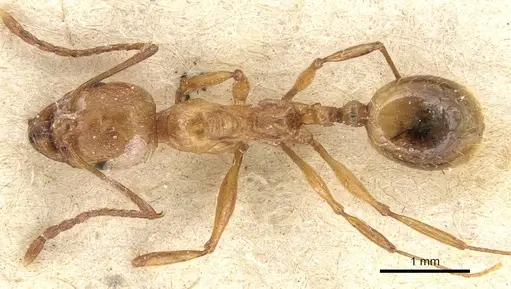
Literature
Loading distribution map...Loading products...