
Aphaenogaster fallax
- Sci. Name
- Aphaenogaster fallax
- Tribe
- Stenammini
- Subfamily
- Myrmicinae
- Author
- Cagniant, 1992
- Distribution
- Found in 1 countries
Introduction
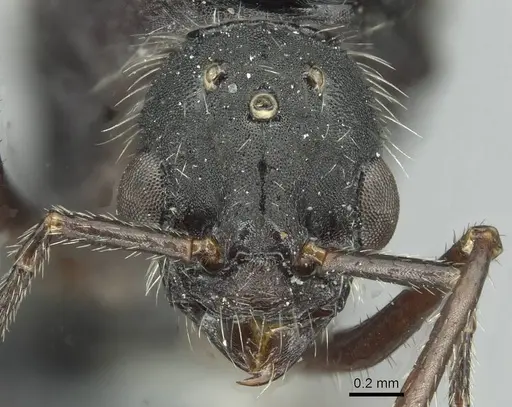
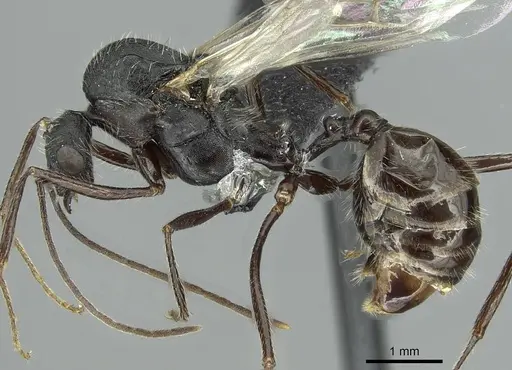
Aphaenogaster fallax is a medium-sized ant species endemic to the mountains of Morocco. Workers and queens show the light brown to yellowish-brown coloration typical of their species group, with slender bodies and the characteristic long legs of the genus. This species was first described from the High Atlas mountains near Todra Gorge and has a very restricted distribution in North Africa . What makes this species unique is its high-altitude mountain lifestyle. They inhabit elevations around 1450 meters in the Todra Gorge region of Morocco's High Atlas, placing them in a temperate extratropical zone that experiences distinct seasons including cool winters . Unlike many North African ants that inhabit hot deserts or coastlines, these ants encounter frost and snow during winter months, making them a specialized choice for keepers interested in temperate mountain species from the Palearctic region.
Quick Summary
- Difficulty: Medium
- Origin & Habitat: High Atlas mountains of Morocco, specifically the Todra Gorge region at approximately 1450m elevation. Found in the southern High Atlas, Souss, and Sa regions of Morocco [1][3][2]. Inhabits extratropical temperate zones in the Palearctic biogeographic region [1].
- Colony Type: Unconfirmed. Aphaenogaster colony structure varies by species, with some being single-queen and others multi-queen. Specific data for A. fallax is not available.
- Size & Growth:
- Queen: ~7-12 mm, inferred from Aphaenogaster genus patterns
- Worker: ~3-7 mm, inferred from Aphaenogaster genus patterns
- Colony: Up to several hundred workers (estimated based on genus patterns)
- Growth: Moderate (estimated)
- Development: 8-12 weeks at 25°C (estimated based on related temperate Aphaenogaster species) (Development slows significantly at lower temperatures. First workers (nanitics) may emerge slightly faster but smaller than subsequent workers.)
- Antkeeping:
- Temperature: 20-25°C for active growth. Requires winter cooling to 10-15°C for 2-3 months to simulate high-altitude winter conditions [1].
- Humidity: Moderate, keep nest substrate slightly moist but not waterlogged. Provide a moisture gradient with drier and damper areas available.
- Diapause: Yes, required. Cool them to 10-15°C for 2-3 months in winter to simulate high-altitude seasonal conditions [1].
- Nesting: Naturalistic soil setups, Y-tong (AAC), or plaster nests with moderate humidity. They likely nest under stones and in soil crevices in nature.
- Behavior: Moderate activity levels with typical Aphaenogaster foraging patterns. Generally peaceful but can be skittish. Workers are small enough to escape through tiny gaps, so use fine mesh barriers.
- Common Issues: colonies may fail to enter proper winter rest if kept too warm year-round, leading to queen burnout and colony decline, small worker size means escapes are likely without fine mesh barriers and careful sealing of all gaps, limited captive breeding data means care requirements are largely inferred and may need adjustment based on observation, mountain species may be sensitive to stagnant air and mold, ensure good ventilation while maintaining humidity
Nest Preferences
In their natural mountain habitat, Aphaenogaster fallax likely nests under flat stones and in soil crevices at high altitude [1]. For captive colonies, provide a nest that mimics these conditions. Y-tong (aerated concrete) nests work well, as do plaster nests with engraved chambers. Naturalistic setups with a soil layer and flat stones allow them to choose their own nesting spots. Keep the nest moderately humid, the substrate should feel slightly damp but not wet. Because they come from mountain areas with good air circulation, avoid stagnant air that could cause mold. Ensure the nest has a moisture gradient so the ants can regulate their own humidity needs.
Temperature and Seasonal Care
As an extratropical mountain species living at 1450m elevation, these ants experience significant seasonal temperature swings [1]. During the active season (spring through autumn), keep them at 20-25°C. A heating cable on one side of the nest creates a beneficial gradient. However, unlike tropical ants, they need a winter rest period. Starting in late autumn, gradually lower the temperature to 10-15°C for 2-3 months. This cooling period triggers hormonal changes that prepare the queen for the next breeding season. Without this winter rest, colonies may slowly decline or the queen may stop laying eggs. Do not let them freeze, but provide genuine cool conditions.
Feeding and Diet
While specific diet studies for Aphaenogaster fallax are lacking, Aphaenogaster species are generally omnivorous scavengers. Offer a mix of protein sources like small insects (fruit flies, pinhead crickets, mealworm pieces) and carbohydrates (sugar water, honey). Many Aphaenogaster species also collect seeds, so try offering small seeds like chia or millet to see if they store them. Feed protein 2-3 times per week and keep sugar water available constantly. Remove uneaten food promptly to prevent mold in the humid nest environment. Watch what your colony actually accepts and adjust accordingly.
Colony Founding
The founding behavior of Aphaenogaster fallax has not been directly documented in scientific studies. If you have a founding queen, house her in a test tube setup with a water reservoir blocked by cotton. Keep her undisturbed in a dark place at around 25°C. Do not feed her during this period, she uses her internal reserves. First workers should emerge in 8-12 weeks if the temperature is suitable. Once workers arrive, begin offering food immediately.
Behavior and Temperament
These ants are generally peaceful and not known for aggressive stinging behavior, though they may bite if threatened. They are ground-foraging scavengers rather than active hunters. Workers are small and can move quickly, so ensure your outworld has excellent escape prevention like Fluon or baby powder barriers on the rim. They are not typically escape artists in the sense of climbing glass, but their small size means any gap is a potential exit. They show typical Aphaenogaster behaviors including carrying food items back to the nest and maintaining trails.
Frequently Asked Questions
Can I keep Aphaenogaster fallax in a test tube?
Yes, test tubes work perfectly for founding queens and small colonies. Use a standard setup with a water reservoir blocked by cotton. Move them to a formicarium when the colony reaches 20-30 workers.
Do Aphaenogaster fallax need hibernation?
Yes, they require a winter rest period. Coming from the High Atlas mountains at 1450m elevation, they experience cool winters [1]. Cool them to 10-15°C for 2-3 months each winter.
How long until first workers for Aphaenogaster fallax?
Expect first workers in 8-12 weeks at 25°C. This is an estimate based on related Aphaenogaster species since specific data for A. fallax is not available.
What do Aphaenogaster fallax eat?
They are likely omnivorous scavengers. Offer small insects for protein and sugar water or honey for carbohydrates. Some Aphaenogaster species store seeds, so you can experiment with small seeds.
How big do Aphaenogaster fallax colonies get?
Based on genus patterns, likely up to several hundred workers. They are not massive colony species like some Atta or Formica, but moderate in size.
Are Aphaenogaster fallax good for beginners?
They are medium difficulty. While not particularly aggressive, they require winter hibernation and have limited captive care documentation, meaning you will need to observe and adjust based on your colony's response.
Can I keep multiple Aphaenogaster fallax queens together?
Not recommended unless you have specific data confirming this species accepts multiple queens. Combining queens usually leads to fighting and death.
What temperature do Aphaenogaster fallax need?
20-25°C during the active season, with a winter cooling period at 10-15°C [1].
Why are my Aphaenogaster fallax dying?
Common causes include: lack of winter hibernation leading to queen burnout, escapes due to small worker size, or mold from poor ventilation. Check your humidity and temperature cycles.
Do Aphaenogaster fallax sting?
They are not known for having a functional sting that affects humans. They may bite if threatened, but are generally peaceful.
Where do Aphaenogaster fallax come from?
They are endemic to Morocco, specifically the High Atlas mountains near the Todra Gorge [1][3][2].
How do I prevent escapes with Aphaenogaster fallax?
Use Fluon or baby powder barriers on the outworld rim, and ensure all ventilation holes are covered with fine mesh as workers are small.
Report an Issue
The current care sheet is based fully on literature. See inconsistencies, or something that's incorrect? Please , it will be resolved after review from an admin. Contributing to the blogs tab also helps providing information, to make us be able to further improve the caresheets. Thank you for your support!
References

This caresheet is licensed under CC BY-SA 4.0 .
Community Blogs
CASENT0913788
View on AntWeb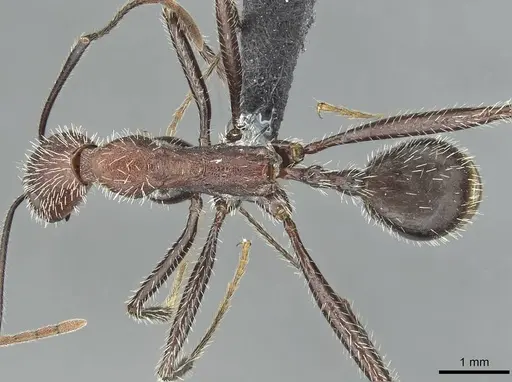
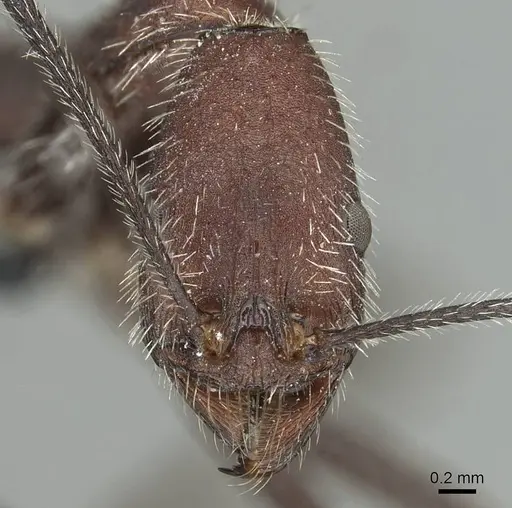
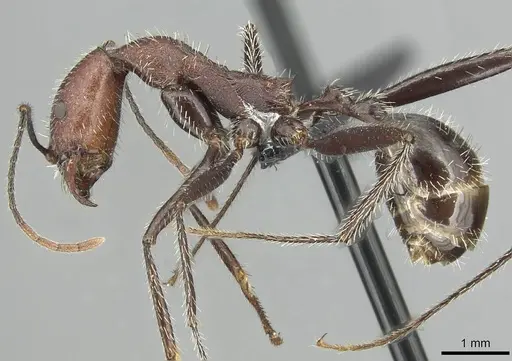
CASENT0913789
View on AntWeb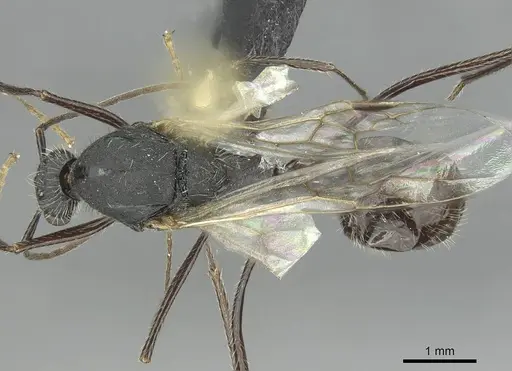
Literature
Loading distribution map...Loading products...