
Aphaenogaster fabulosa
- Sci. Name
- Aphaenogaster fabulosa
- Tribe
- Stenammini
- Subfamily
- Myrmicinae
- Author
- Arnol'di, 1968
- Distribution
- Found in 0 countries
Introduction
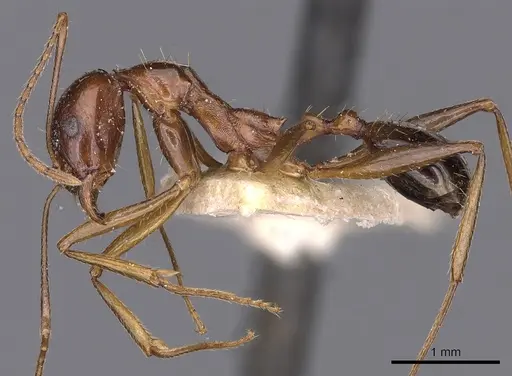
Aphaenogaster fabulosa is a slender ant with notably long legs, native to the Kopet Dag mountains of Turkmenistan. Workers measure 3.5-6mm in total length and possess a 4-segmented antennal club or weakly defined club structure . They inhabit the extratropical Palearctic region at approximately 39°N latitude, meaning they experience significant seasonal temperature changes . First described in 1968 from the Mielmi gorge near Firuza, this species remains poorly studied in captivity. As a mountain-dwelling species from Central Asia, they experience hot summers and cold winters.
Quick Summary
- Difficulty: Medium
- Origin & Habitat: Kopet Dag mountains, Turkmenistan, extratropical Palearctic region at 39°N latitude [2][3]
- Colony Type: Unknown, likely single-queen colonies based on typical Aphaenogaster patterns
- Size & Growth:
- Queen: Unknown, size data unavailable for queens
- Worker: 3.5-6mm [1]
- Colony: Unknown, likely reaches several hundred workers based on genus patterns
- Growth: Unknown, estimated moderate
- Development: Unknown, estimated 8-12 weeks at 25°C based on related temperate Aphaenogaster species (Development speed likely depends on temperature, first workers (nanitics) may emerge slightly faster but smaller than subsequent workers)
- Antkeeping:
- Temperature: 20-25°C during activity period, provide winter hibernation at 10-15°C for 3-4 months based on extratropical mountain origin at 39°N latitude [2]
- Humidity: Moderate humidity, nest substrate should feel damp but not waterlogged, ensure good ventilation to prevent mold
- Diapause: Yes, required based on their Palearctic distribution and latitude [2]
- Nesting: Likely soil or rotting wood in rock crevices in nature, in captivity use Y-tong, plaster, or naturalistic setups with soil/wood mix
- Behavior: Specific behavior unstudied, related Aphaenogaster species are generally calm, slow-moving scavengers. Workers at 3.5-6mm can squeeze through small gaps, so use fine mesh barriers and tight-fitting lids.
- Common Issues: lack of specific care data means you must observe closely and adjust conditions based on colony response, failure to provide winter hibernation will likely stress the colony due to their temperate mountain origin, overheating is a risk, mountain species often prefer cooler conditions than tropical ants, desiccation risk in dry setups, maintain moderate humidity without waterlogging, escape prevention is necessary as 3.5-6mm workers can fit through tiny gaps
Identification and Appearance
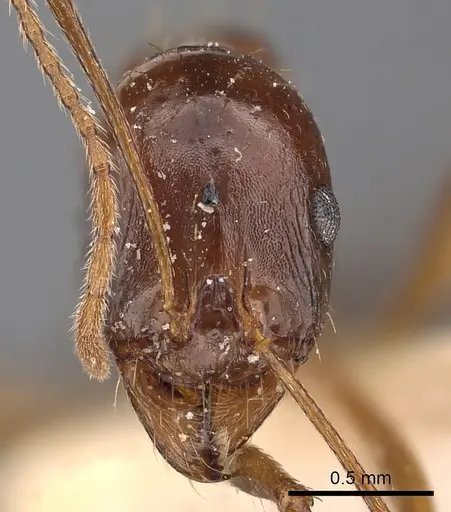
Aphaenogaster fabulosa workers are slender ants with notably long legs, measuring 3.5-6mm in total length [1]. Their antennae possess a 4-segmented club or a weakly defined club structure [1]. Compared to related species like Aphaenogaster iranica, they have a higher petiole and postpetiole (the narrow waist segments) [4]. The funicular segments (the middle part of the antenna) are relatively short, with segments 2-6 being no more than 2.5 times longer than broad [4]. These morphological details help distinguish them from other Aphaenogaster species in the region.
Natural Habitat and Distribution
This species is endemic to the Kopet Dag mountain range in Turkmenistan [3]. The type series was collected in the Mielmi gorge near Firuza at approximately 39°N latitude [2][3]. This places them in the extratropical Palearctic region, meaning they experience significant seasonal temperature variations including cold winters [2]. The Kopet Dag habitat consists of mountainous terrain with rocky slopes and sparse vegetation, suggesting they nest in soil, under stones, or in rotting wood in rock crevices.
Colony Founding and Development
Founding behavior has not been directly documented for this species. Based on typical Aphaenogaster patterns, queens likely seal themselves in to found colonies alone, living off stored body fat until the first workers hatch. However, this remains unconfirmed for Aphaenogaster fabulosa specifically. The egg-to-worker timeline is unknown, but related temperate Aphaenogaster species typically take 8-12 weeks at 25°C. You should monitor founding queens carefully and offer food only if they show signs of semi-claustral behavior (leaving the chamber to forage).
Temperature and Seasonal Care
As a mountain species from 39°N latitude, Aphaenogaster fabulosa requires distinct seasonal care. During the active season (spring through autumn), maintain temperatures around 20-25°C. You can provide a gentle heat gradient with a heating cable on one side of the nest, placed on top to avoid drying out the substrate. For winter, you must provide a hibernation period at 10-15°C for 3-4 months [2]. Gradually reduce temperature in autumn and increase slowly in spring. Keep the nest slightly drier during hibernation to prevent mold, but do not let it completely dry out.
Housing and Nest Setup
In captivity, provide a nest that mimics their mountain habitat. Use Y-tong (autoclaved aerated concrete), plaster, or naturalistic setups with a mix of soil and rotting wood. The nest should have narrow chambers appropriate for their 3.5-6mm size. Maintain moderate humidity, the substrate should feel damp to the touch but not muddy. Include a dry area in the outworld where workers can dispose of waste. Ensure excellent escape prevention: workers can squeeze through gaps smaller than 1mm, so use tight-fitting lids and fine mesh ventilation.
Feeding and Diet
While specific dietary preferences are unstudied, Aphaenogaster species are generally omnivorous scavengers. Offer a variety of foods including small insects (fruit flies, pinhead crickets, mealworm pieces) and sugar sources (honey water or sugar water). Start with small amounts to avoid mold. Remove uneaten protein within 24-48 hours. Observe what the colony accepts readily and adjust accordingly. They likely forage for both protein and carbohydrates in their mountain habitat.
Frequently Asked Questions
Can I keep Aphaenogaster fabulosa in a test tube?
Yes, test tubes work well for founding colonies and small colonies. Use a standard water reservoir setup with cotton. Because specific founding behavior is unconfirmed, monitor whether the queen leaves the tube to forage (semi-claustral) or stays sealed (claustral). Once the colony grows to 20-30 workers, move them to a proper nest.
Do Aphaenogaster fabulosa need hibernation?
Yes, they likely require winter hibernation. Coming from the Kopet Dag mountains at 39°N latitude in the Palearctic region, they experience cold winters [2]. Provide 3-4 months at 10-15°C during winter, with gradually reduced temperatures in autumn.
How long until Aphaenogaster fabulosa get their first workers?
The exact timeline is unknown. Based on related temperate Aphaenogaster species, expect approximately 8-12 weeks at 25°C. First workers (nanitics) may emerge slightly faster but will be smaller than subsequent workers.
What do Aphaenogaster fabulosa eat?
Specific dietary data is unavailable, but they likely accept small insects and sugar water like other Aphaenogaster species. Offer fruit flies, tiny cricket pieces, or mealworm segments for protein, and honey water or sugar water for carbohydrates. Observe acceptance and adjust.
How big do Aphaenogaster fabulosa colonies get?
Maximum colony size is unconfirmed. Based on typical Aphaenogaster patterns, they likely reach several hundred workers, possibly up to 500-1000 in mature colonies.
Are Aphaenogaster fabulosa good for beginners?
Not recommended for complete beginners due to the lack of specific care data. They require careful observation to determine their needs, particularly regarding founding behavior and seasonal care. Beginners should start with well-documented species like Lasius niger or Formica fusca.
Can I keep multiple Aphaenogaster fabulosa queens together?
Not recommended. While the natural colony structure is unknown, combining unrelated queens is risky and has not been documented for this species. If you want a multi-queen colony, wait until you have a large established colony and even then, introduction may result in fighting.
What temperature do Aphaenogaster fabulosa need?
Keep them at 20-25°C during the active season. As a mountain species from temperate latitudes, they also require a winter cooling period at 10-15°C for 3-4 months [2]. Avoid overheating them, they likely prefer cooler conditions than tropical ant species.
Why are my Aphaenogaster fabulosa dying?
Common causes include lack of winter hibernation (they need cold periods based on their origin), overheating, or desiccation. Check that your humidity is moderate but not swampy, and ensure they are not exposed to temperatures above 28°C for extended periods. Poor ventilation can also cause mold issues.
Report an Issue
The current care sheet is based fully on literature. See inconsistencies, or something that's incorrect? Please , it will be resolved after review from an admin. Contributing to the blogs tab also helps providing information, to make us be able to further improve the caresheets. Thank you for your support!
References

This caresheet is licensed under CC BY-SA 4.0 .
Community Blogs
CASENT0900457
View on AntWeb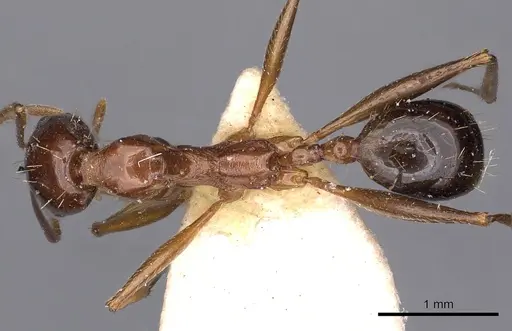
Literature
Loading distribution map...Loading products...