
Aphaenogaster espadaleri
- Sci. Name
- Aphaenogaster espadaleri
- Tribe
- Stenammini
- Subfamily
- Myrmicinae
- Author
- Cagniant, 1984
- Distribution
- Found in 1 countries
Introduction
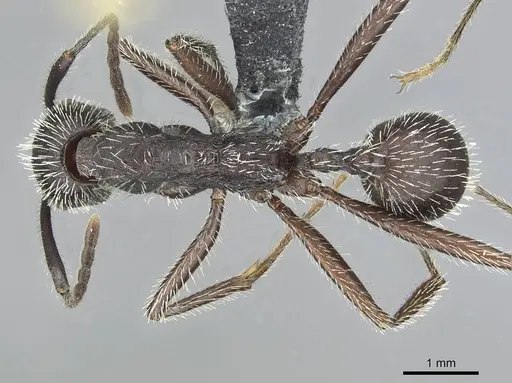
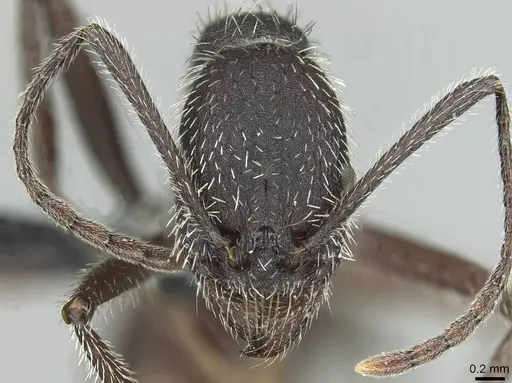
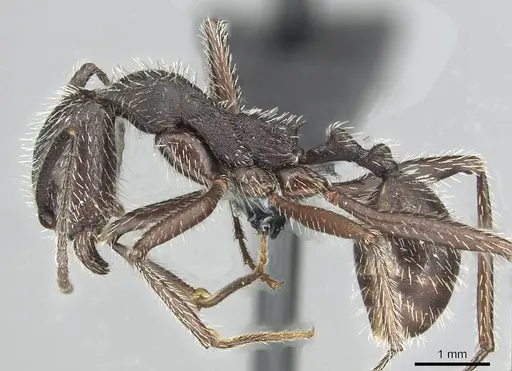
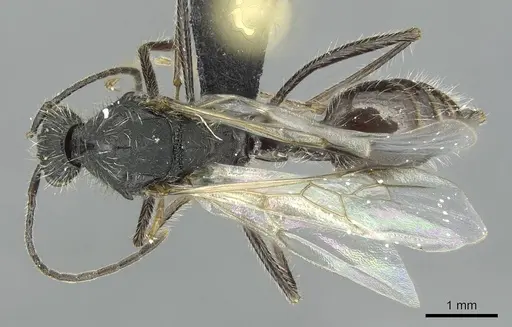
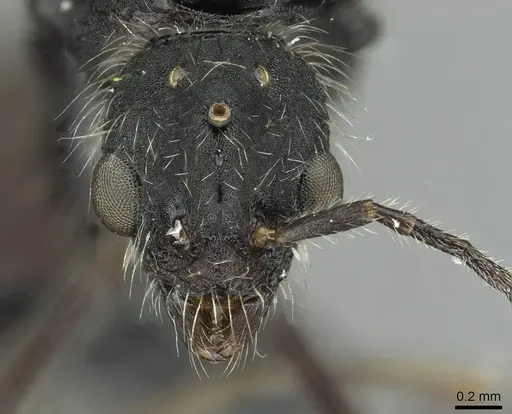
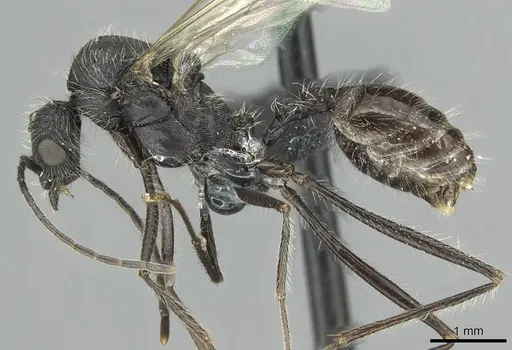
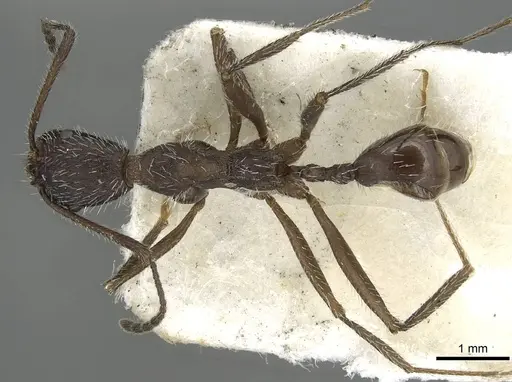
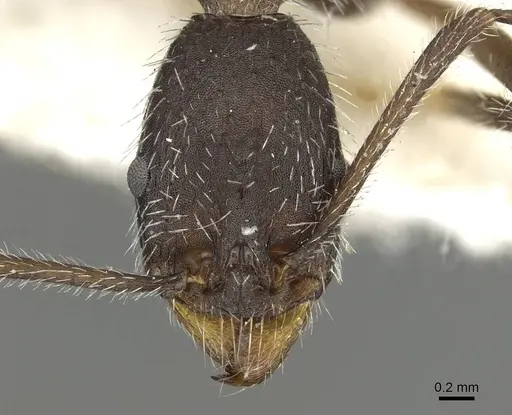
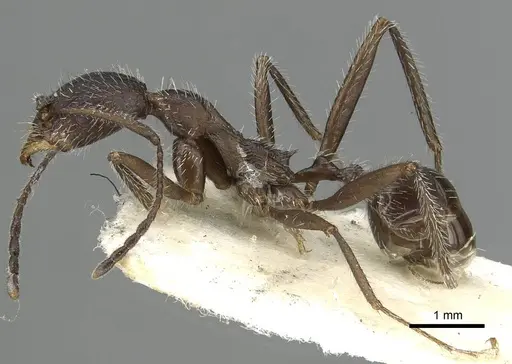
Aphaenogaster espadaleri is a mountain-dwelling ant endemic to the High Atlas mountains of Morocco. It was first described from Oukaïmeden Mountain,48 km south of Marrakech, at an elevation of 2300 meters . This species is restricted to the Marrakech and Telouet regions of the High Atlas and occurs nowhere else in the world . As a high-altitude species from an extratropical region, they experience significant seasonal temperature changes and cold winters . Like other Aphaenogaster, they are slender ants with long legs adapted for carrying food items back to the nest.
Quick Summary
- Difficulty: Medium
- Origin & Habitat: High Atlas mountains of Morocco, specifically the Marrakech and Telouet regions, at elevations around 2300 meters [2][4][1]
- Colony Type: Unconfirmed, specific colony structure is unknown for this species
- Size & Growth:
- Queen: Size data unavailable for this species, inferred from Aphaenogaster genus patterns to be approximately 8-12mm
- Worker: Size data unavailable for this species, inferred from Aphaenogaster genus patterns to be approximately 5-8mm
- Colony: Up to a few thousand workers based on typical Aphaenogaster colony sizes
- Growth: Moderate to Slow
- Development: Unknown for this species, based on related Aphaenogaster species, approximately 8-12 weeks at 20-22°C (High-altitude species often develop slower than lowland relatives. First workers may emerge smaller than subsequent workers.)
- Antkeeping:
- Temperature: Keep cool year-round. Aim for 15-20°C as a baseline. Avoid temperatures above 25°C. They require a winter rest period at 5-10°C based on their high-altitude extratropical origin [3].
- Humidity: Moderate humidity. Keep the nest material slightly damp but not waterlogged. Provide a humidity gradient from moist to slightly dry areas so the colony can choose.
- Diapause: Yes, required. Cool them to 5-10°C for 3-4 months in winter based on extratropical high-altitude distribution [3].
- Nesting: Naturalistic setups with soil and flat stones work well, or plaster nests with moderate humidity. They likely nest under rocks in mountain meadows in nature [1].
- Behavior: Active foragers that scavenge for dead insects and seeds. Generally calm but can move quickly when disturbed. They are not aggressive but will defend their nest if threatened. Workers are small enough to require good escape prevention [1].
- Common Issues: overheating kills colonies quickly due to their high-altitude origin, never let them get above 25°C for extended periods, failure to provide winter hibernation weakens or kills the colony over time, slow growth rate requires patience, do not overfeed expecting faster development, escape prevention is critical as workers are small enough to squeeze through tiny gaps
High-Altitude Origins and Temperature Needs
Aphaenogaster espadaleri comes from the High Atlas mountains of Morocco at 2300 meters elevation [1]. This high mountain habitat means they live in cool conditions year-round with cold winters. You must keep them cooler than typical room temperature. Aim for 15-20°C as your baseline temperature. They will suffer stress and die if kept at 25°C or above for long periods. Use a heating cable only to create a gentle gradient, not to heat the entire nest. Place any heating element on the side or top of the nest to avoid drying out the water reservoir and causing flooding. Watch your colony closely, if workers cluster away from heat sources, the temperature is too high.
Winter Hibernation Requirements
Because they come from an extratropical region at high altitude, these ants require a winter rest period (diapause) to remain healthy [3]. Starting in late autumn, gradually lower the temperature over 2-3 weeks until you reach 5-10°C. Maintain this cool temperature for 3-4 months. During hibernation, keep the nest slightly moist but reduce feeding to almost nothing, the colony will be largely inactive. In early spring, gradually warm them back up to 15-20°C over 2-3 weeks and resume normal feeding. Skipping hibernation will weaken the colony and may cause the queen to stop laying eggs or die prematurely.
Nest Preferences and Setup
In nature, Aphaenogaster espadaleri likely nests under stones in mountain meadows and forest floors. For captive housing, use a naturalistic setup with a mix of soil and sand, plus flat stones for them to nest under. Alternatively, a plaster nest or Y-tong (aerated concrete) nest works well if you maintain moderate humidity. The nest chambers should be small to medium sized, not cavernous. Provide a humidity gradient by keeping one side of the nest slightly damper than the other. Use excellent escape prevention with fine mesh or Fluon barriers, as workers are small enough to squeeze through tiny gaps. [1]
Feeding and Diet
Aphaenogaster species are generalist scavengers and seed collectors. Feed your colony dead insects such as fruit flies, crickets, or mealworms. They also accept sugar water or honey water. Offer small seeds like chia or millet, many Aphaenogaster species store seeds in their nest chambers. Feed protein twice weekly and keep a sugar source available constantly. Remove uneaten food within 24-48 hours to prevent mold. Because they are from a cooler climate, their metabolism is slower than tropical ants, they do not need daily feeding. [1]
Colony Founding and Growth
Specific founding behavior is unconfirmed for this species. Based on typical Aphaenogaster patterns, queens likely found colonies claustrally, meaning the queen seals herself in a chamber and lives off stored body fat until her first workers hatch. Do not disturb the queen during this vulnerable period. Development is likely slow due to their mountain origin. Based on related species, expect first workers to emerge after 8-12 weeks at 20-22°C, potentially longer at cooler temperatures. The first workers will be smaller than later workers but will care for the next batch of brood. [1]
Frequently Asked Questions
What temperature do Aphaenogaster espadaleri need?
Keep them cool at 15-20°C year-round, with a winter rest period at 5-10°C. They come from 2300m elevation in the Atlas Mountains and will overheat at typical room temperatures above 25°C [3][1].
Do Aphaenogaster espadaleri need hibernation?
Yes. They require a winter diapause at 5-10°C for 3-4 months. Gradually cool them down in autumn and warm them up in spring. This mimics their natural high-altitude mountain habitat [3].
How long until first workers for Aphaenogaster espadaleri?
The exact timeline is unknown for this species. Based on related Aphaenogaster species, expect 8-12 weeks at 20-22°C, potentially longer if kept cooler. High-altitude species often develop slower than lowland ants [1].
Are Aphaenogaster espadaleri good for beginners?
Not recommended for beginners. Their specific cool temperature requirements and need for hibernation make them more challenging than common starter species like Lasius niger or Formica fusca.
Can I keep multiple Aphaenogaster espadaleri queens together?
Not recommended. While specific colony structure is unconfirmed for this species, Aphaenogaster species are typically single-queen colonies. Combining unrelated queens will likely result in fighting and death [1].
What do Aphaenogaster espadaleri eat?
They are generalist scavengers. Feed dead insects (fruit flies, crickets, mealworms), sugar water or honey water, and small seeds like chia or millet [1].
Can I keep Aphaenogaster espadaleri in a test tube?
Yes for founding colonies, but ensure the test tube is not overheated. Keep it in a cool room or use a temperature controller. Move them to a proper nest once you have 10-20 workers.
Where do Aphaenogaster espadaleri come from?
They are endemic to the High Atlas mountains of Morocco, specifically around Marrakech and Telouet, at elevations around 2300 meters [2][4][1].
Report an Issue
The current care sheet is based fully on literature. See inconsistencies, or something that's incorrect? Please , it will be resolved after review from an admin. Contributing to the blogs tab also helps providing information, to make us be able to further improve the caresheets. Thank you for your support!
References

This caresheet is licensed under CC BY-SA 4.0 .
Community Blogs
Literature
Loading distribution map...Loading products...