
Aphaenogaster epirotes
- Sci. Name
- Aphaenogaster epirotes
- Tribe
- Stenammini
- Subfamily
- Myrmicinae
- Author
- Emery, 1895
- Distribution
- Found in 6 countries
Introduction
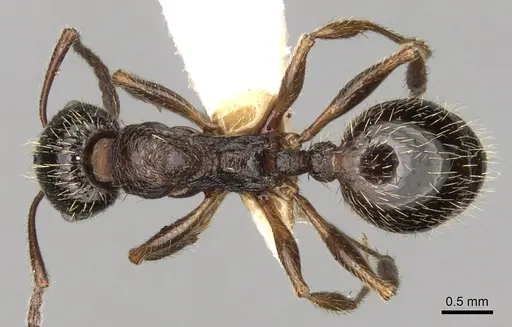
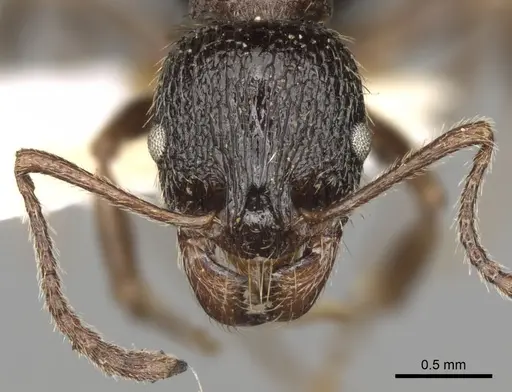
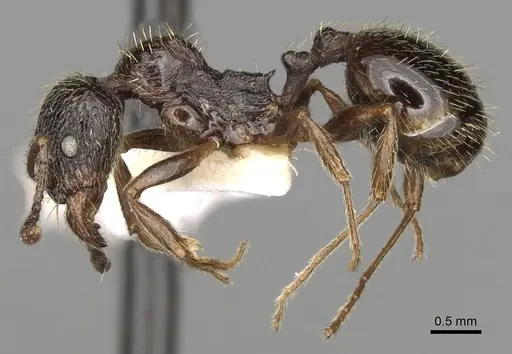
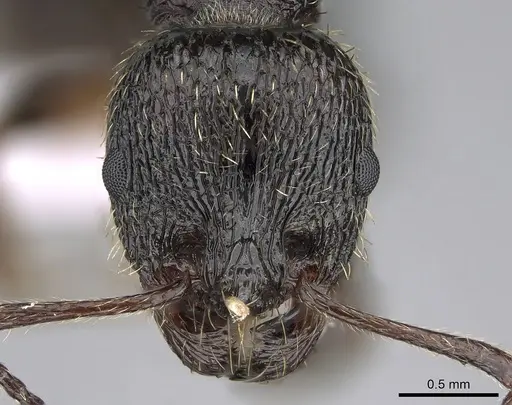
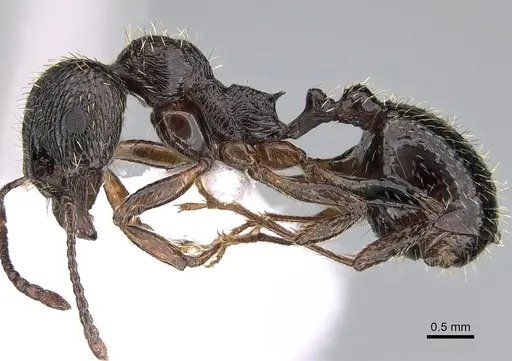
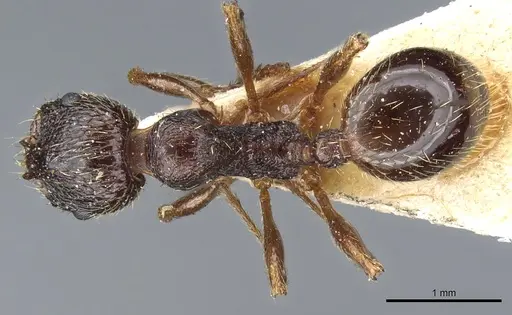
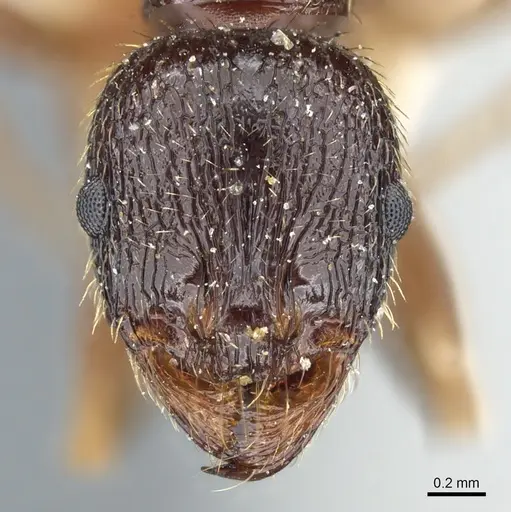
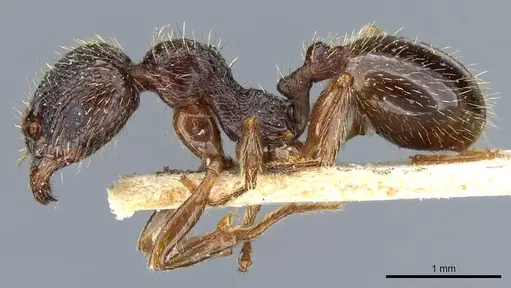
Aphaenogaster epirotes is a small ant native to the Balkans and Aegean region, recognizable by the thick, sparse ridges covering their heads and their preference for shadowy habitats . Workers are approximately 4-6 mm and queens approximately 7-9 mm, making them one of the more compact species in the genus. In nature, they nest under stones or directly in the soil of deciduous forests, particularly in shady valleys near streams or in oak woodlands up to 1054 meters elevation . Unlike the bustling ants you see in sunny gardens, these are creatures of twilight and darkness. Workers emerge mainly on cloudy days and in the evenings, probably continuing their activities through the night, which makes them ideal if you prefer observing nocturnal behavior . Their colonies remain intimate by ant standards, rarely exceeding 60 workers even when fully mature, so they offer a manageable, low-density keeping experience .
Quick Summary
- Difficulty: Medium
- Origin & Habitat: Balkan Peninsula, Ionian and Aegean Islands, Italy, and Turkey, found in shady deciduous forests near streams, oak woodlands, mountain pastures, and under stones at elevations from 4 to 1054 meters [1][3]
- Colony Type: Colony structure is unconfirmed, likely single-queen based on small colony size and typical genus patterns
- Size & Growth:
- Queen: Approximately 7-9 mm, inferred from Aphaenogaster genus patterns
- Worker: Approximately 4-6 mm, inferred from Aphaenogaster genus patterns
- Colony: Up to 60 workers [1]
- Growth: Slow
- Development: Development time is unconfirmed for this species (Based on typical Aphaenogaster patterns, development likely takes several months at room temperature)
- Antkeeping:
- Temperature: Keep at 20-25°C during the active season, provide winter cooling to 10-15°C for 3-4 months based on temperate Mediterranean distribution and altitude range [1][4]
- Humidity: Moderate to high humidity, nest substrate should feel damp like forest floor soil, with slightly drier areas available [1]
- Diapause: Likely required, this temperate species from mountainous Balkan regions probably needs winter rest, though exact requirements are unconfirmed
- Nesting: Small, tight-fitting chambers under stones or in soil, use Y-tong, plaster, or naturalistic setups with flat stones and keep the nest dark [1]
- Behavior: Shy, crepuscular to nocturnal foragers that avoid bright light, workers are slow-moving and non-aggressive due to their small colony size, but their tiny stature makes escape prevention critical [1]
- Common Issues: tiny workers can escape through the smallest gaps in lids or mesh barriers., colonies remain small (under 60 workers) which may disappoint keepers expecting massive colonies., crepuscular and nocturnal activity means less daytime observation compared to diurnal species., sensitive to dry conditions and bright light, colonies may fail if kept too exposed or allowed to dry out.
Nest Preferences and Setup
In nature, Aphaenogaster epirotes nests under stones or directly in the soil of shady forests, particularly in damp valleys near streams [1]. This means you should provide a nest that mimics these tight, dark spaces. Small Y-tong or plaster nests with narrow chambers work well, as do naturalistic setups with flat stones covering a soil substrate. The key is ensuring the nest feels secure and moist, think damp forest floor, not dry bedroom. Because they are small ants, they do not need large chambers, tight spaces actually make them feel safer. Always provide a dark cover over the nest area, as bright light stresses these shade-loving ants [1].
Feeding and Diet
While specific dietary studies for this species are lacking, Aphaenogaster in the subterranea group are known to be granivorous seed collectors and generalist scavengers. You should offer a mix of small seeds (millet, rapeseed, or chia) and protein from small insects like fruit flies, springtails, or tiny pieces of mealworm. They may also accept sugar water or honey water, though protein and seeds form the bulk of their diet. Feed small amounts regularly rather than large quantities that could mold, and remove uneaten food promptly since their small colonies cannot consume large prey items quickly. [3]
Temperature and Seasonal Care
Coming from the Balkans and mountainous Greek regions, these ants experience warm summers and cooler winters [1]. During the active season (spring through autumn), keep them at 20-25°C. A heating cable on one side of the nest can provide a gentle gradient, but avoid overheating as they prefer shaded, cooler conditions compared to desert species. For winter care, they likely require diapause (hibernation), cool them gradually to 10-15°C for 3-4 months. You can keep them in an unheated room or refrigerator during this period. Reduce feeding during diapause and ensure the nest does not dry out completely, though it should be less moist than in summer.
Behavior and Temperament
Do not expect constant activity from this species. Workers are crepuscular and nocturnal, emerging mainly on cloudy days and in the evenings, probably continuing through the night [1]. This makes them fascinating to observe under red light after dark, but less entertaining during daytime hours. They are generally shy and non-aggressive, unlikely to bite or sting given their small size and small colony numbers. However, their diminutive size means they are escape risks, they can squeeze through tiny gaps that larger ants cannot. Use fine mesh (under 1 mm) for ventilation and ensure all lids seal tightly.
Growth and Development
These are slow-growing ants with small colonies. Even mature nests rarely exceed 60 workers [1]. The queen raises her first workers alone, living off stored body fat until the nanitics emerge. Based on related Aphaenogaster species, expect several months from egg to worker at room temperature, though this could be longer at cooler temperatures. The first workers will be smaller than subsequent generations. Because colonies stay small, you will not need to upgrade nest size frequently, a small setup can house them for years.
Frequently Asked Questions
Can I keep Aphaenogaster epirotes in a test tube?
Yes, a standard test tube setup works perfectly for founding. Use a small test tube (10-12 mm diameter) with a water reservoir blocked by cotton. Once the colony reaches 20-30 workers, move them to a small Y-tong or plaster nest.
How long until Aphaenogaster epirotes gets their first workers?
Development time is unconfirmed for this species. Based on related Aphaenogaster species, expect several months from egg to first worker at room temperature. Cooler temperatures will slow this down significantly.
Can I keep multiple Aphaenogaster epirotes queens together?
No, this is not recommended. Colony structure is unconfirmed, but based on their small colony size and genus patterns, they are likely single-queen. Multiple queens would probably fight, and polygynous colonies have not been documented for this species.
Do Aphaenogaster epirotes need hibernation?
Yes, they likely need winter diapause. As a temperate species from mountainous Balkan regions, you should cool them to 10-15°C for 3-4 months during winter. Gradually reduce temperature in autumn and warm them up slowly in spring.
What do Aphaenogaster epirotes eat?
They are granivorous seed collectors and scavengers. Offer small seeds like millet or rapeseed, plus protein from fruit flies, springtails, or tiny insect pieces. They may also accept sugar water, but focus on seeds and protein.
Are Aphaenogaster epirotes good for beginners?
They are medium difficulty. While their care is straightforward, their tiny size requires excellent escape prevention, and their nocturnal habits mean less daytime activity. Their small colony size (under 60 workers) may also disappoint keepers expecting large colonies.
How big do Aphaenogaster epirotes colonies get?
Colonies remain small, with the maximum observed in nature being 60 workers [1]. In captivity, expect colonies of 30-60 workers at maturity.
Do Aphaenogaster epirotes ants sting?
They are too small to effectively sting humans. Like most small Myrmicinae, they may have stingers but cannot penetrate human skin. They are generally shy and non-aggressive.
Why are my Aphaenogaster epirotes only active at night?
This is normal behavior. They are crepuscular and nocturnal, preferring to forage on cloudy days and in the evenings [1]. If you want to observe them, use a red light after dark, which they cannot see well but allows you to watch them.
Report an Issue
The current care sheet is based fully on literature. See inconsistencies, or something that's incorrect? Please , it will be resolved after review from an admin. Contributing to the blogs tab also helps providing information, to make us be able to further improve the caresheets. Thank you for your support!
References

This caresheet is licensed under CC BY-SA 4.0 .
Community Blogs
Literature
Loading distribution map...Loading products...