
Aphaenogaster dulcineae
- Sci. Name
- Aphaenogaster dulcineae
- Tribe
- Stenammini
- Subfamily
- Myrmicinae
- Author
- Emery, 1924
- Distribution
- Found in 3 countries
Introduction
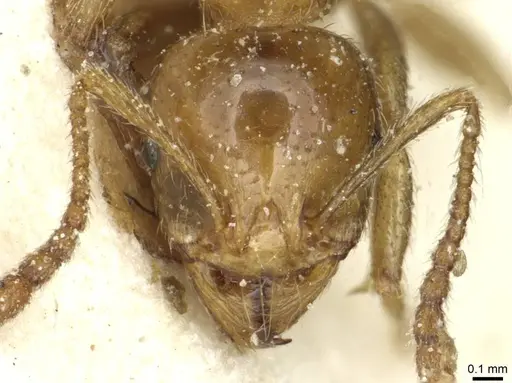
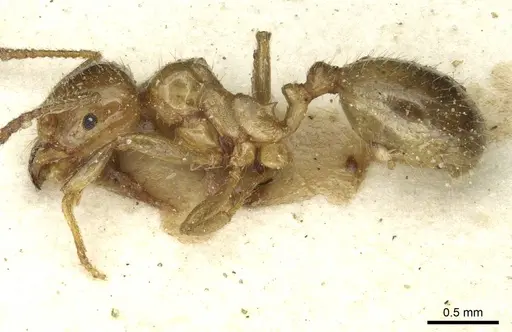
Aphaenogaster dulcineae is a small, pale Mediterranean ant endemic to the Iberian Peninsula, with additional records in southern France, Italy, and Gibraltar . This species belongs to the Aphaenogaster pallida group and is distinguished by its very hairy queens, with dense setae covering the gaster and postpetiole . In nature, they inhabit Mediterranean oak dehesas and pine forests, where they nest underground near tree trunks . What makes this species unique is its secretive, subterranean lifestyle. Unlike ants that forage visibly on the surface, Aphaenogaster dulcineae is considered a cryptic species that spends nearly all its time hidden in soil chambers, making it rarely encountered by collectors . They are considered rare and endemic to the Iberian region, with only a handful of individuals found in most surveys . This underground nature means they need specialized keeping conditions that replicate deep, dark soil environments.
Quick Summary
- Difficulty: Medium to Hard
- Origin & Habitat: Iberian Peninsula (Spain and Portugal), France, Italy, and Gibraltar [1]. Found in Mediterranean oak dehesas and pine forests, typically nesting underground near tree trunks in damp, shaded soil [4].
- Colony Type: Colony structure is unconfirmed, likely monogyne based on typical Aphaenogaster patterns.
- Size & Growth:
- Queen: size data unavailable, inferred from pallida group (~6-8mm)
- Worker: size data unavailable, inferred from Aphaenogaster genus (~3-5mm)
- Colony: up to 500 workers (estimated from related species)
- Growth: Slow to Moderate
- Development: 8-12 weeks at 25°C (estimated from Aphaenogaster genus patterns) (Development slows significantly in cooler temperatures. First workers (nanitics) may emerge slightly faster than subsequent brood.)
- Antkeeping:
- Temperature: 20-26°C during the activity season (March-October), with a winter hibernation period at 10-15°C (inferred from Mediterranean climate and genus patterns).
- Humidity: Moderate to high humidity in the nest substrate. As subterranean nesters, they need damp soil conditions that mimic their natural underground chambers, but require good ventilation to prevent mold.
- Diapause: Yes, requires a winter hibernation period of 3-4 months at reduced temperatures (inferred from Mediterranean distribution).
- Nesting: Deep, dark subterranean setups that block light. Y-tong nests with deep chambers covered by substrate, plaster nests buried in soil, or naturalistic setups with deep soil layers work best. They prefer enclosed spaces with minimal light exposure [4][5].
- Behavior: Cryptic and subterranean. Workers rarely venture far from the nest entrance and prefer to stay underground in darkness. They are non-aggressive and slow-moving. Their small size requires excellent escape prevention including fine mesh barriers [4].
- Common Issues: rarely available in the ant trade due to cryptic habits and limited geographic range., stress from too much light or shallow nest chambers, they require dark, deep spaces to exhibit natural behaviors., overwatering can cause mold problems in the enclosed, humid conditions they prefer., slow growth rate requires patience and minimal colony disturbance.
Underground Nesting and Cryptic Habits
Aphaenogaster dulcineae is described as a hypogean species, meaning they live primarily underground [5]. In their natural habitat of Mediterranean oak dehesas and pine forests, they nest in the soil near tree trunks, creating chambers deep enough to avoid surface disturbances [4]. This subterranean lifestyle means they are rarely collected and are considered a cryptic species, one that hides and avoids detection [4].
In captivity, you must replicate these dark, enclosed conditions. Standard test tube setups may cause stress because they expose the queen to light. Instead, use Y-tong nests with deep chambers covered by a thick layer of substrate, or naturalistic setups with 10-15cm of soil depth. The nest should be kept in darkness or very dim light. They prefer nest materials that hold moisture without becoming waterlogged, such as plaster mixed with soil or naturalistic clay-based substrates.
Diet and Foraging Behavior
Like other Aphaenogaster species, Aphaenogaster dulcineae are generalist scavengers and predators. They likely feed on small insects, seeds (they are part of the seed-dispersing ant group), and honeydew from root-feeding insects in their natural subterranean habitat. Because they are cryptic and rarely venture to the surface, they may prefer pre-killed insect prey placed directly at nest entrances rather than hunting large live prey.
Offer a varied diet including small pieces of mealworms, crickets, or fruit flies. They may also accept seeds such as dandelion or poppy seeds. Provide sugar water or honey water in small amounts, though being subterranean they may obtain moisture primarily from their substrate. Remove uneaten protein within 24-48 hours to prevent mold in their humid nest environment.
Temperature and Seasonal Care
Native to the Mediterranean region, Aphaenogaster dulcineae experiences warm summers and mild winters. Keep the colony at 20-26°C during the active season (roughly March through October). A heating cable placed on one side of the nest can create a beneficial temperature gradient, allowing the ants to thermoregulate by moving brood to warmer or cooler areas.
As a temperate Mediterranean species, they require a winter hibernation period. Starting in November, gradually reduce the temperature to 10-15°C for 3-4 months. During this time, the colony will slow down or stop brood production. Reduce feeding to once every 2-3 weeks during hibernation, ensuring they do not starve but avoiding excess food that could mold. Return to normal temperatures in March to trigger spring activity. [4]
Colony Founding and Queen Care
The founding behavior of Aphaenogaster dulcineae has not been specifically studied. Based on patterns observed in related Aphaenogaster species, queens may be semi-claustral, meaning the queen might need to leave her founding chamber to forage for food during the initial colony establishment phase. This is different from fully claustral species where the queen seals herself in and lives entirely on stored body fat.
If you obtain a founding queen, provide her with a small outworld or feeding area from the start, or offer tiny amounts of food directly in the founding chamber. Do not seal her in a test tube without access to food. Queens of this species are described as very hairy with dense setae (hairs) on the gaster and postpetiole, which distinguishes them from related species [3]. Founding success may be lower than more common species due to their specialized subterranean needs, so maintaining proper humidity and darkness is critical during this vulnerable period.
Behavior and Temperament
Aphaenogaster dulcineae exhibits cryptic behavior, meaning they prefer to remain hidden and avoid exposure [4]. Workers are rarely seen on the surface and typically transport food and nesting materials through underground tunnels. They are not aggressive and show little defensive behavior when disturbed, likely due to their subterranean lifestyle where defense is handled by nest architecture rather than stinging.
Because of their small size, escape prevention is essential. Use fine mesh (0.5mm or smaller) on ventilation ports and ensure lids fit tightly. Fluon or other barrier products should be applied to the upper walls of any outworld. Their slow movement means escapes are less likely to be dramatic, but their cryptic nature means you might not notice an escape until the ants have established hidden satellite nests in your setup.
Frequently Asked Questions
Can I keep Aphaenogaster dulcineae in a test tube setup?
Test tubes are not ideal for this species. Because they are subterranean and cryptic, they suffer from stress when exposed to light in a standard test tube. If you must use a test tube for founding, wrap it in aluminum foil or place it inside a dark box, and provide a small feeding area since they may need to forage.
How long until Aphaenogaster dulcineae gets its first workers?
Expect 8-12 weeks from egg to first worker at 25°C, though this is estimated from related Aphaenogaster species as specific development data for Aphaenogaster dulcineae is unavailable. Development slows in cooler temperatures and during hibernation.
Do Aphaenogaster dulcineae ants need hibernation?
Yes. As a Mediterranean species from the Iberian Peninsula, they require a winter hibernation period of 3-4 months at 10-15°C. Without this seasonal rest, the colony may fail to thrive or produce new brood in the following season.
What do Aphaenogaster dulcineae eat?
They are generalist scavengers. Offer small pieces of insects (mealworms, crickets, fruit flies), sugar water or honey water, and possibly small seeds. Being subterranean, they may prefer prey placed near nest entrances rather than hunting in open outworlds.
Are Aphaenogaster dulcineae good for beginners?
No. They are considered a difficult species due to their rarity in the trade, specific subterranean nesting requirements, need for darkness, and slow growth rate. They are better suited for keepers with experience in maintaining humidity and providing hibernation.
Can I keep multiple Aphaenogaster dulcineae queens together?
The colony structure is unconfirmed for this species. Based on typical Aphaenogaster patterns, they are likely monogyne (single-queen colonies). Attempting to house multiple queens together will likely result in fighting and mortality. Each colony should have only one queen.
How big do Aphaenogaster dulcineae colonies get?
Based on related species in the pallida group, colonies likely reach up to 500 workers at maturity. They are not a supercolonial species and remain relatively small compared to some other ant genera.
Why are my Aphaenogaster dulcineae dying?
Common causes include too much light exposure (they need darkness), incorrect humidity (substrate too dry or too wet causing mold), lack of hibernation, or stress from overly large nest spaces. They are also naturally rare and may be collected from stressed wild colonies.
Do Aphaenogaster dulcineae ants sting?
Aphaenogaster species possess a stinger, but they are not aggressive and rarely use it against humans. Their primary defense is hiding or playing dead rather than stinging.
Where can I find Aphaenogaster dulcineae queens?
This is a challenging species to obtain. They are endemic to the Iberian Peninsula and surrounding Mediterranean regions and are rarely found due to their subterranean habits [4][6]. They are seldom available in the ant trade. If you live in their native range, you might find them by digging carefully near oak tree roots, though this is difficult and may be restricted by local conservation laws.
Report an Issue
The current care sheet is based fully on literature. See inconsistencies, or something that's incorrect? Please , it will be resolved after review from an admin. Contributing to the blogs tab also helps providing information, to make us be able to further improve the caresheets. Thank you for your support!
References

This caresheet is licensed under CC BY-SA 4.0 .
Community Blogs
CASENT0280959
View on AntWeb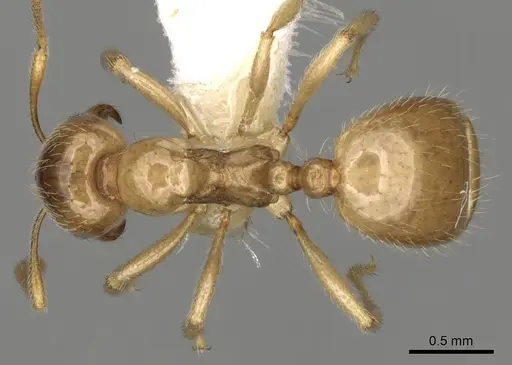
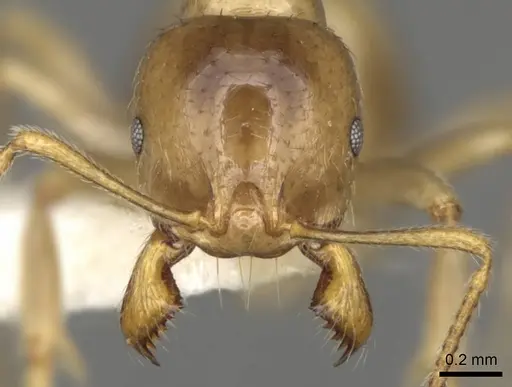
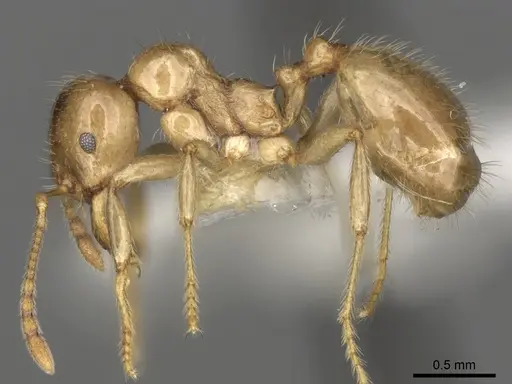
CASENT0913113
View on AntWeb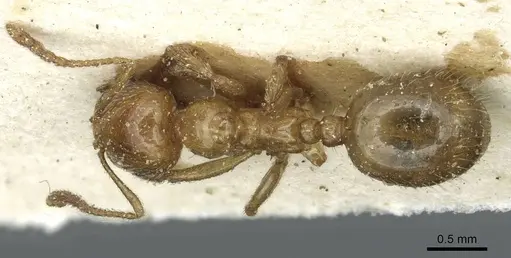
Literature
Loading distribution map...Loading products...